

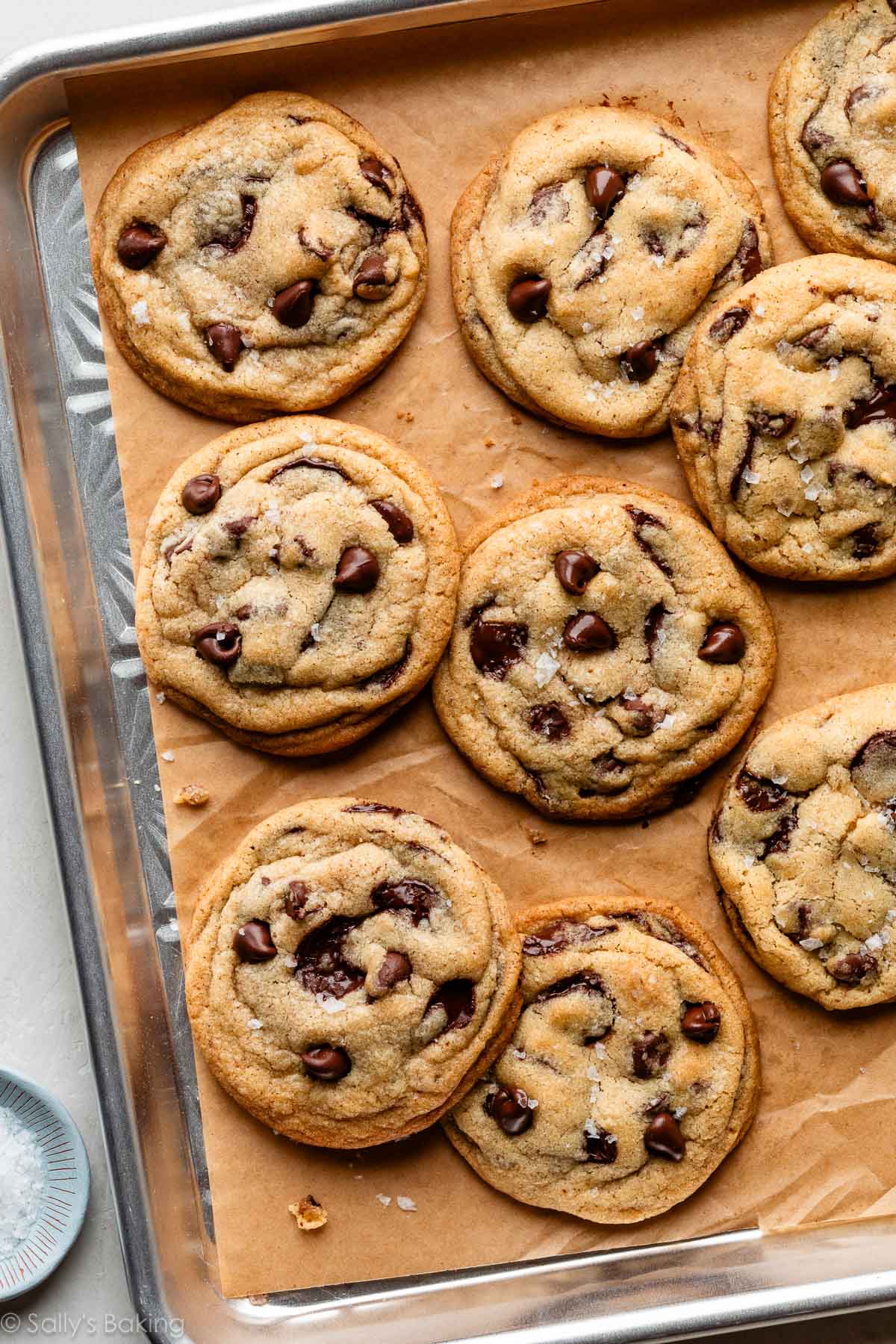
The culinary landscape continually evolves, often seeing traditional favorites reimagined with refined techniques and ingredient innovations. Among these, the chocolate chip cookie, a quintessential American dessert, has undergone numerous transformations, with one of the most significant being the integration of brown butter. This particular recipe, originally shared in 2014 and recently updated, exemplifies how a subtle modification can elevate a familiar treat to a sophisticated, bakery-quality experience, demanding two crucial chilling periods that bakers assert are unequivocally worth the investment of time.
The Evolution of a Culinary Staple: The Chocolate Chip Cookie
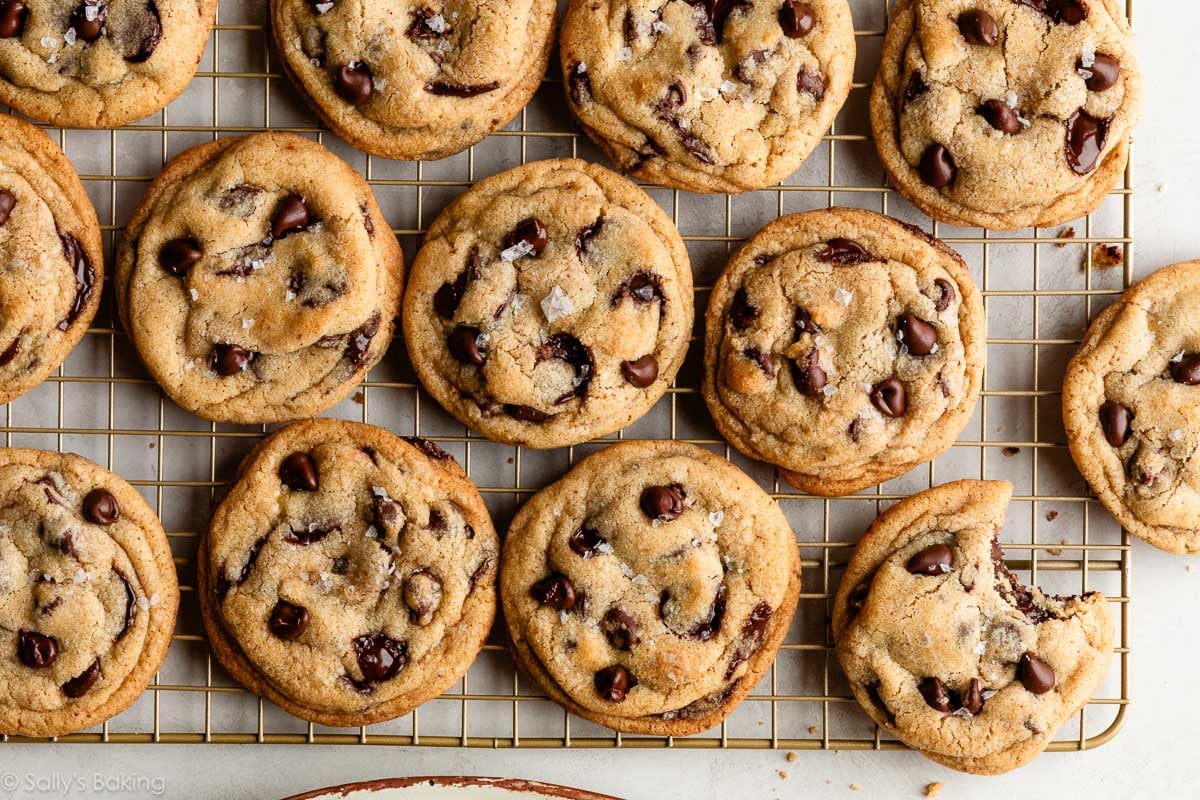
The chocolate chip cookie, invented by Ruth Graves Wakefield at the Toll House Inn in Whitman, Massachusetts, in 1938, quickly became a global phenomenon. Its widespread appeal lies in its comforting simplicity: a harmonious blend of sweet, salty, and rich flavors, coupled with a satisfying texture. Over the decades, countless variations have emerged, each aiming to perfect the balance of chewiness, crispness, and melt-in-your-mouth chocolate. Modern baking has seen a renewed focus on optimizing texture and deepening flavor profiles, often through scientific understanding of ingredients and processes. The introduction of brown butter represents a pivotal step in this ongoing evolution, transforming the foundational fat into a complex flavor agent.
Unlocking Flavor: The Science and Art of Brown Butter (Beurre Noisette)
Brown butter, or beurre noisette in French, is a technique that involves melting butter and continuing to cook it until its milk solids caramelize, developing a rich, nutty aroma and a deep amber color. This process is a controlled application of the Maillard reaction, a complex chemical reaction between amino acids and reducing sugars that gives browned foods their distinctive flavor. As butter is heated, its water content evaporates, and the milk solids (proteins and sugars) separate and begin to toast. This transformation creates hundreds of new flavor compounds, including pyrazines, furans, and lactones, which contribute notes of toasted nuts, caramel, and toffee. These compounds impart a profound depth that un-browned butter simply cannot achieve.
The technique itself is straightforward: uniform pieces of butter are melted in a light-colored pan over medium heat, allowing for clear visibility of the color change. Continuous stirring is essential to prevent scorching. Initially, the butter will melt and then foam as water evaporates. As the foam subsides, the milk solids at the bottom of the pan will begin to turn golden brown, progressing to a deep amber. A distinct nutty aroma signals the peak of flavor development. Prompt removal from heat and transfer to a heatproof bowl is critical to halt the cooking process, ensuring all the flavorful browned bits are incorporated.
Recipe Refinement: Updates for Enhanced Performance
This specific brown butter chocolate chip cookie recipe, initially released in 2014, has undergone significant refinement to optimize both the baking process and the final product. Key updates include clearer instructions, new photographic documentation, and crucial success tips. A notable procedural change involves shaping the cookie dough balls before the primary chilling period, rather than after. This adjustment streamlines the preparation, making the process more efficient for the home baker and contributing to more uniform baking results, which are vital for achieving the desired thick, chewy texture. These continuous refinements underscore a commitment to perfecting the home baking experience, leveraging years of community feedback and practical application.

Addressing Moisture Loss: A Critical Balancing Act
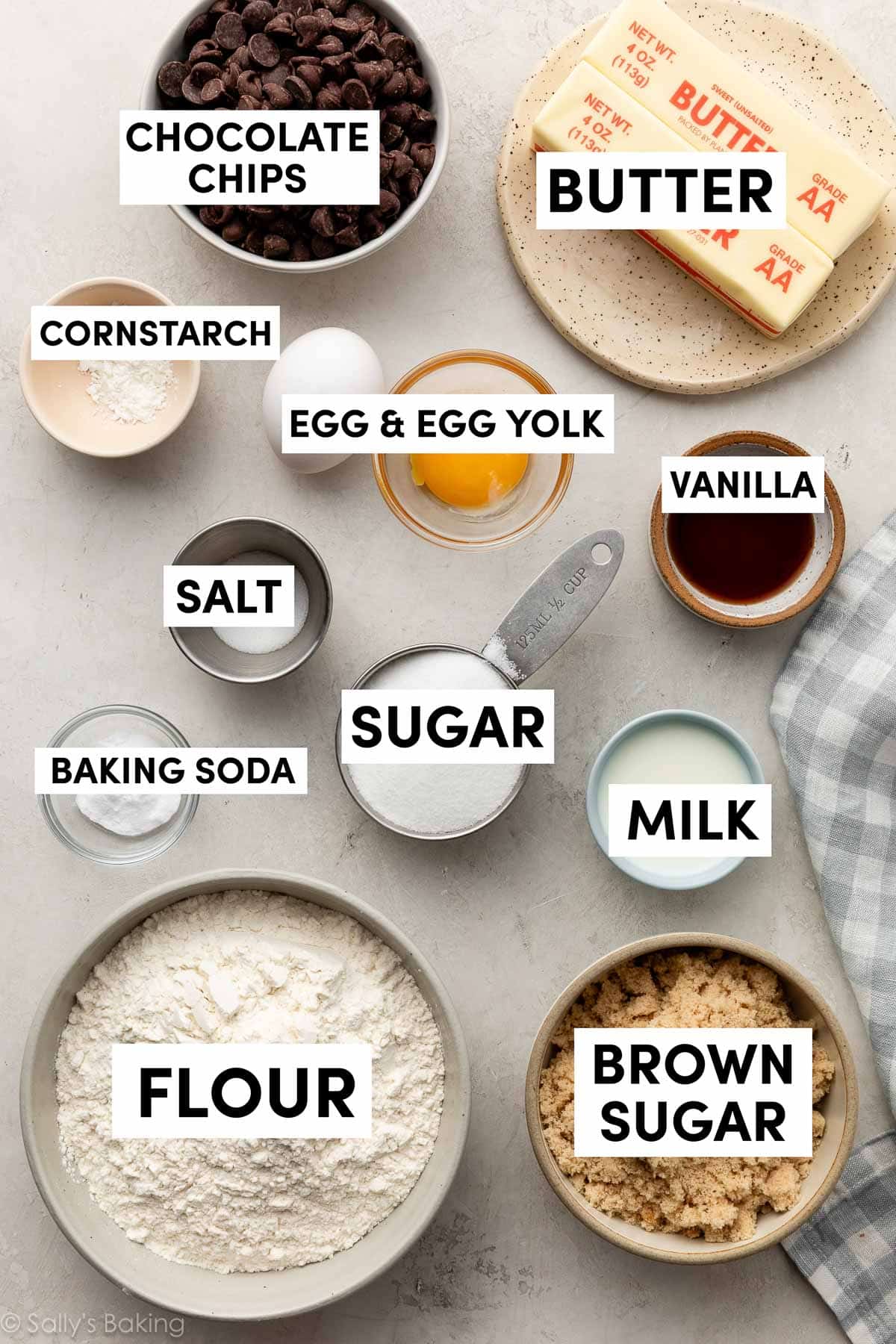
A fundamental consideration when incorporating brown butter into recipes is its inherent moisture loss. During the browning process, approximately 20-35% of the butter’s water content evaporates. If unaccounted for, this reduction in liquid can lead to a crumbly dough that spreads excessively during baking, resulting in thin, greasy cookies. Simply adding more butter would only increase the fat content without restoring the necessary moisture balance.
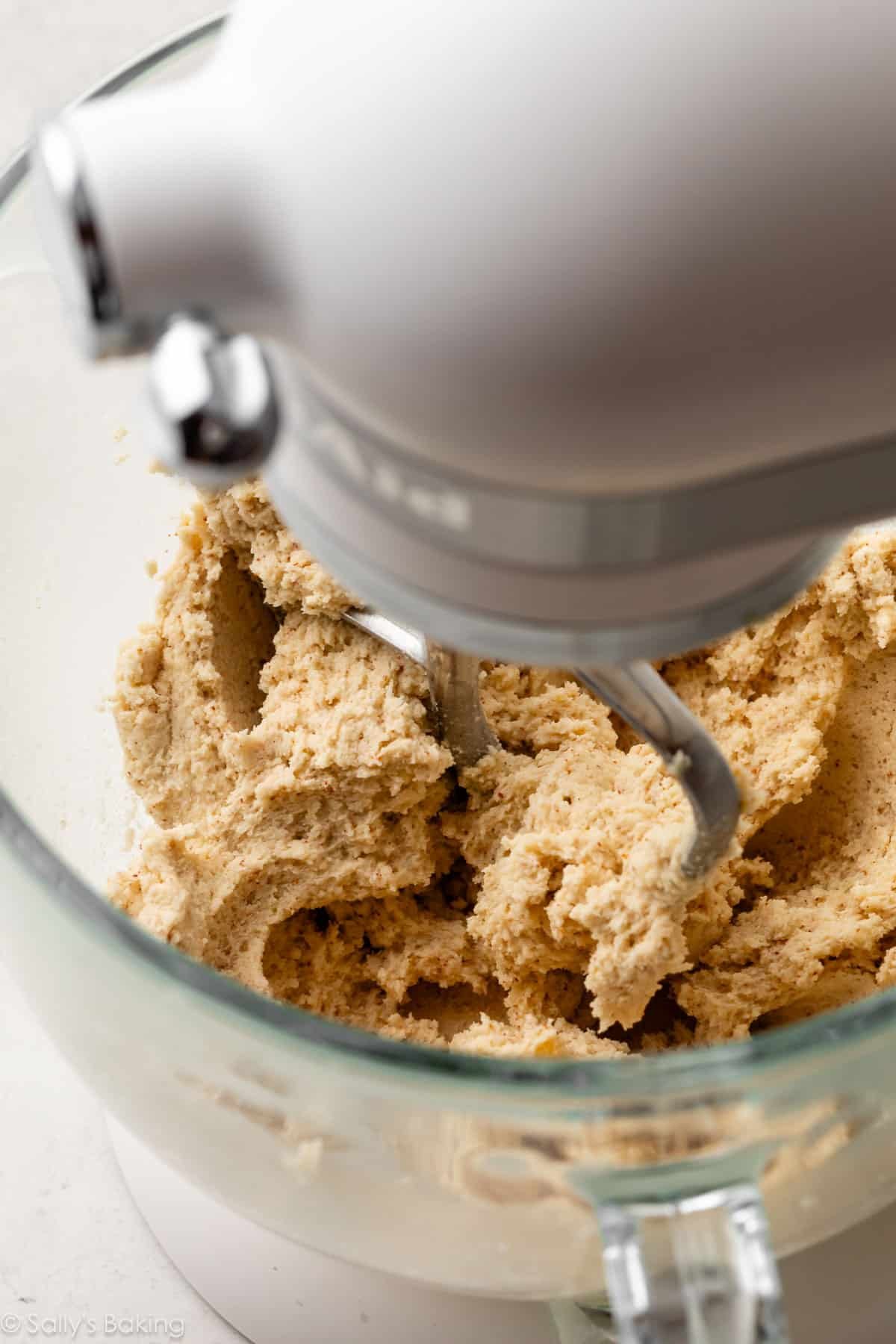
This recipe strategically addresses this issue by incorporating two tablespoons of milk into the dough. This precise addition replenishes the lost moisture, ensuring the dough maintains its ideal consistency for proper structure and chewiness without introducing excess fat. This meticulous balance of ingredients highlights a scientific approach to recipe development, where each component serves a specific, calculated purpose. Furthermore, the inclusion of an extra egg yolk contributes to the cookies’ richness and chewiness, adding an emulsifying agent that also helps bind the dough and prevent excessive spread.
The Indispensable Role of Chilling: A Two-Phase Process
Unlike many standard chocolate chip cookie recipes, this brown butter variant mandates two distinct chilling periods, each serving a critical function in achieving the desired textural and flavor characteristics.
-
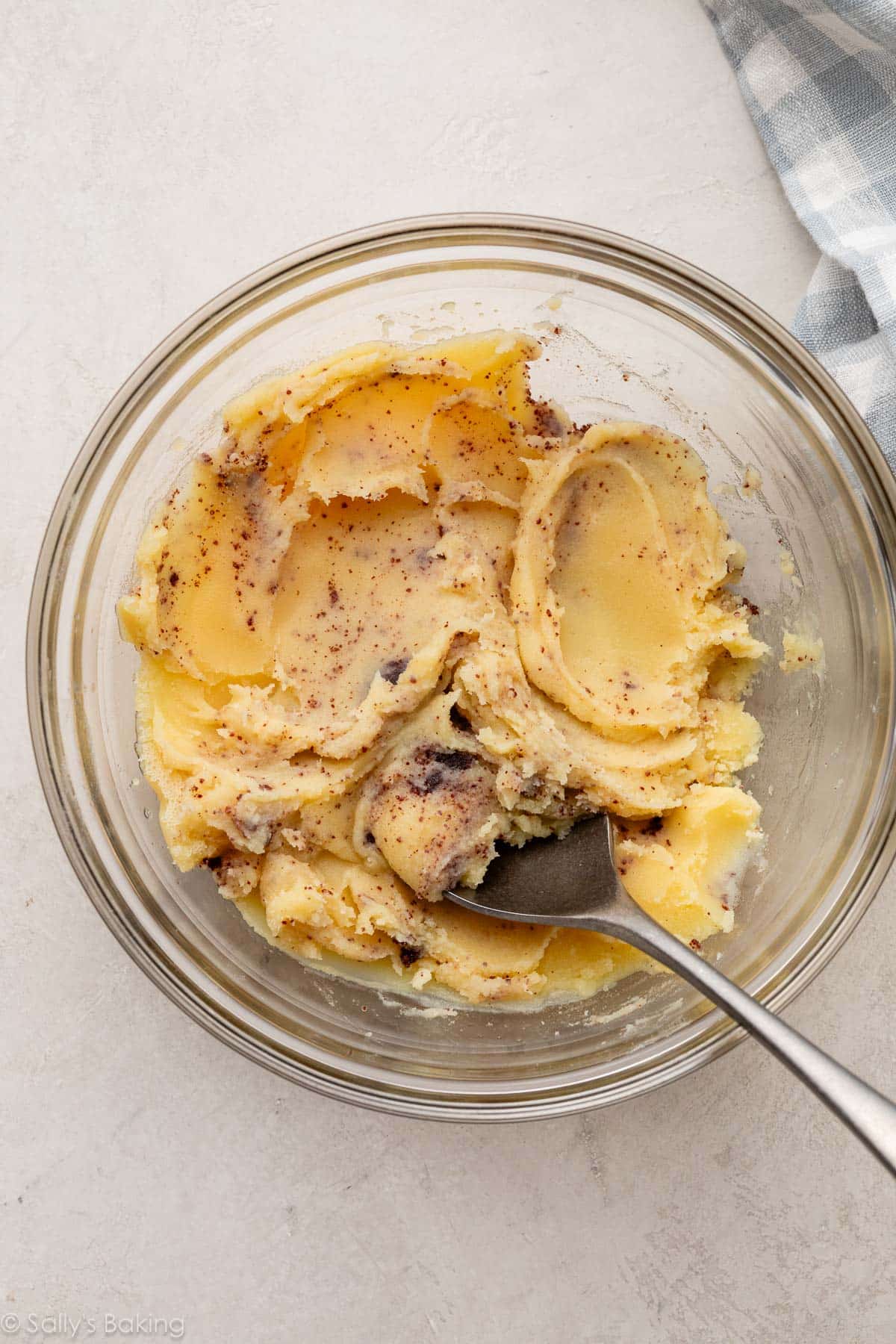
Chilling the Browned Butter: After the butter has been browned and transferred to a heatproof bowl, it must be refrigerated until it solidifies, a process typically taking around 90 minutes. This step is crucial because the recipe calls for creaming the solidified brown butter with sugars, a technique that replicates the aeration and emulsification achieved with softened, un-browned butter. Creaming solid fat with sugar creates tiny air pockets, which contribute to the cookies’ lift and tender crumb. Skipping this initial chill would result in a dough that is too warm and soft, leading to immediate spread in the oven.

-
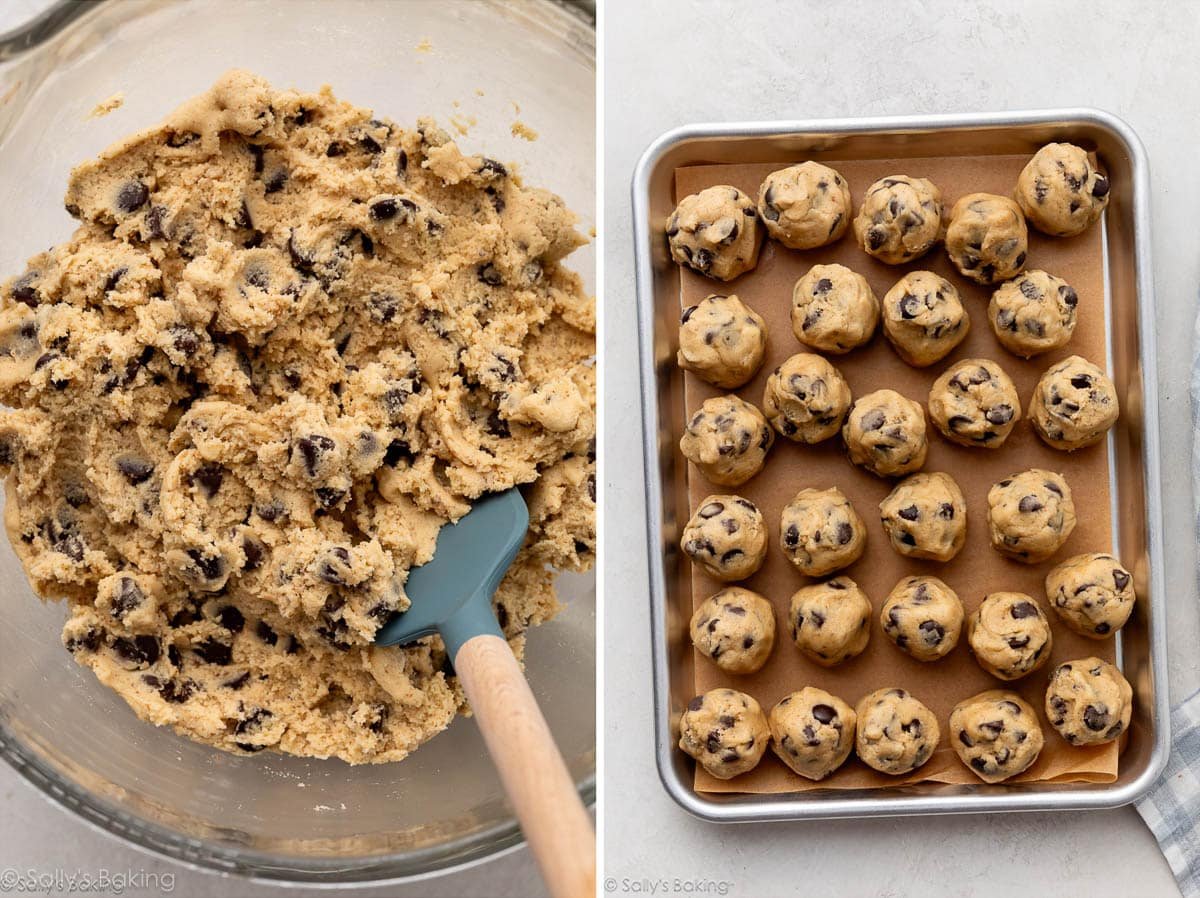
Chilling the Cookie Dough Balls: Once the dough is mixed and portioned into individual balls (approximately 45g or 2 tablespoons each), they are refrigerated for a minimum of two hours. This second chilling period is multifaceted in its benefits:
- Fat Solidification: The cold temperature solidifies the butter within the dough, preventing rapid melting and excessive spreading during baking. This contributes to thicker cookies with soft, buttery centers.
- Flavor Intensification: Chilling allows the complex flavors of the brown butter to meld and deepen throughout the dough, creating a more nuanced and robust taste profile.
- Gluten Relaxation and Hydration: The flour in the dough fully hydrates, and the gluten strands relax, leading to a more tender and chewy cookie. Sugars also have more time to dissolve, preventing a grainy texture.
The combined effect of these chilling periods is a cookie that boasts a perfect balance: thick, soft, and chewy centers, delicately crisp edges, and an irresistible depth of flavor. This methodical approach to dough preparation underscores that patience is a key ingredient in achieving bakery-level results at home.
Baking for Optimal Texture and Shape
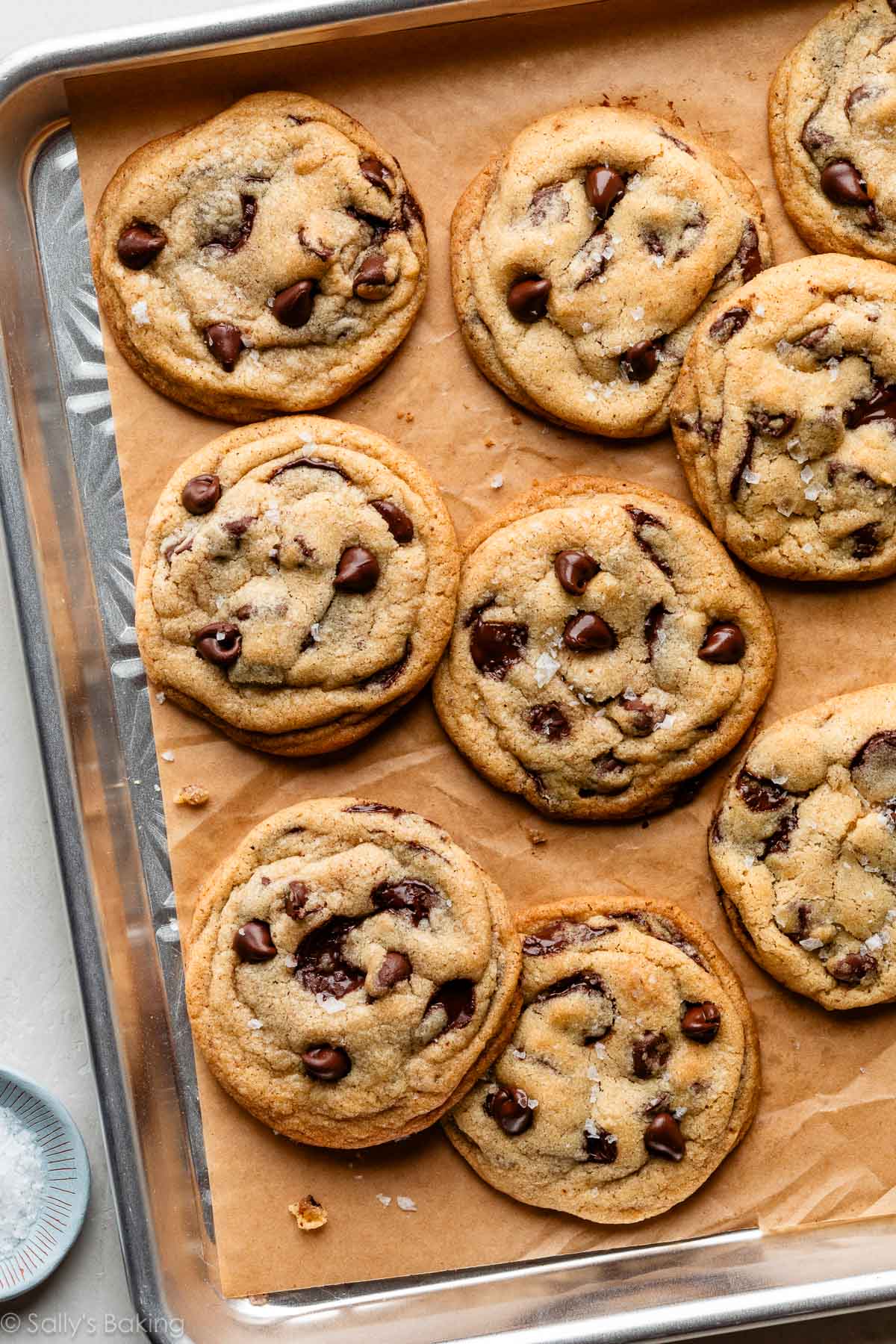
The baking temperature also plays a significant role in the final outcome. This recipe recommends baking the chilled dough balls at 375°F (191°C), a slightly higher temperature than many traditional cookie recipes. This elevated heat helps the cookies set their shape quickly, forming a stable crust that prevents excessive spreading and ensures the retention of their desired thickness. The result is a uniformly baked cookie with a golden-brown exterior and a perfectly molten, chocolate-studded interior. A sprinkle of flaky sea salt upon removal from the oven further enhances the complex flavor profile, providing a counterpoint to the sweetness and richness.
Public Reception and Culinary Impact
The sustained popularity and positive reception of this brown butter chocolate chip cookie recipe, evidenced by reader testimonials, highlight a growing demand for elevated comfort food in home baking. Readers like Mackenzie praise the effort required for browning the butter, affirming its status as a "go-to cookie recipe." Another reader, Amie, describes it as the "ooey-gooey delicious bakery recipe" sought for years, cementing its place as their "ONLY chocolate chip recipe." These sentiments reflect a broader culinary trend where consumers are increasingly seeking to replicate professional-quality results in their own kitchens, valuing nuanced flavors and superior textures over mere convenience.
This recipe’s success demonstrates the significant influence of food blogs and online culinary communities in disseminating and refining sophisticated techniques for the home baker. Such platforms serve as vital resources, providing detailed instructions, troubleshooting tips, and a space for shared experiences, thereby democratizing complex culinary processes. The iterative improvement of recipes, driven by baker feedback and scientific understanding, ensures a continuous evolution of home cooking standards.
Make-Ahead Convenience and Broader Implications
Beyond its exquisite flavor and texture, the recipe offers practical advantages, notably its freezer-friendly nature. Shaped cookie dough balls can be frozen and baked directly from frozen, requiring only an additional minute of baking time. This convenience allows home bakers to prepare batches in advance, ensuring fresh, warm cookies are always just minutes away. This make-ahead capability aligns with contemporary lifestyles, where time efficiency is valued alongside quality.
The brown butter chocolate chip cookie stands as a testament to the power of thoughtful culinary innovation. By integrating a classic French technique with a beloved American staple, and by meticulously addressing the scientific principles of baking, this recipe delivers a product that transcends the ordinary. It underscores the idea that even the most familiar dishes can be transformed through a deeper understanding of ingredients and processes, offering a richer, more complex sensory experience. This ongoing pursuit of perfection in home baking not only enhances individual culinary skills but also enriches the broader gastronomic culture, fostering an appreciation for technique, quality, and the timeless pleasure of a perfectly baked cookie.