


The Bell Pepper and Potato Frittata stands as a prime example of culinary adaptability, serving as an accessible, economical, and nutritionally sound meal solution suitable for any time of day. This particular rendition, often highlighted for its visual appeal during seasonal celebrations like St. Patrick’s Day, demonstrates how simple ingredients can be transformed into a dish that is both practical for daily consumption and festive enough for special occasions. Its attributes — including ease of preparation, cost-effectiveness, and a robust nutritional profile — contribute to its growing popularity among home cooks seeking efficient and wholesome meal options.
The Evolution and Enduring Appeal of the Frittata
The frittata, an Italian egg-based dish, holds a storied place in global cuisine, tracing its origins to a time when resourceful cooks sought to create satisfying meals from readily available ingredients. Historically, the frittata was often a humble dish, a blank canvas for leftover vegetables, cheeses, and meats, reflecting a "no waste" philosophy long before it became a modern trend. Its name, derived from the Italian verb "friggere" (to fry), points to its traditional preparation method in a skillet, often finished under a broiler or in an oven to achieve a golden-brown top and a fully set interior.
In contemporary culinary landscapes, the frittata has transcended its traditional breakfast or brunch association to become a versatile option for lunch and dinner, a concept colloquially known as "brinner." This shift is largely driven by evolving dietary habits and lifestyle demands, where consumers prioritize convenience without compromising on health or flavor. The inherent flexibility of the frittata allows for countless variations, accommodating seasonal produce, dietary restrictions, and personal preferences, making it an ideal choice for meal preparation. Its single-pan cooking method further reduces cleanup, adding to its appeal for busy individuals and families.
Seasonal Significance: The St. Patrick’s Day Connection
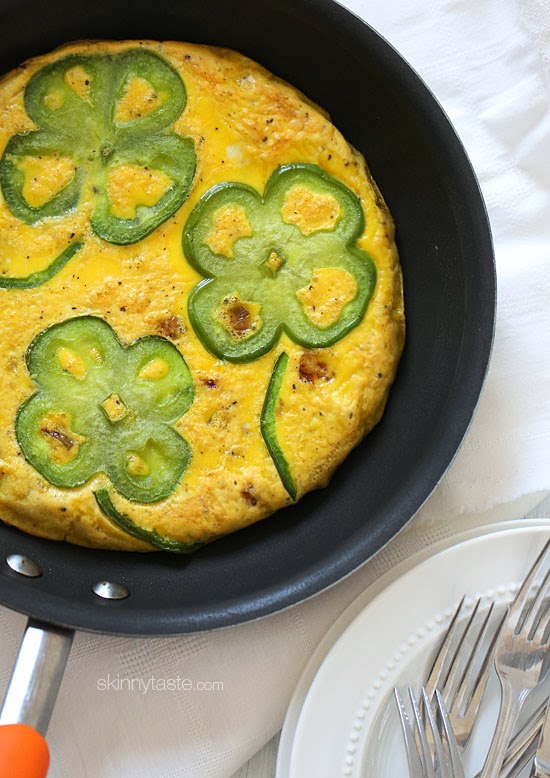
While the Bell Pepper and Potato Frittata is a year-round staple, its presentation often takes on a special resonance during St. Patrick’s Day. The practice of slicing bell peppers crosswise reveals a distinctive four-leaf clover pattern, a potent symbol of luck and Irish heritage. This simple visual flourish transforms a standard dish into a themed offering, perfect for festive brunches or celebratory dinners. This creative use of ingredients reflects a broader trend in holiday cooking, where traditional flavors are often reimagined or augmented with symbolic elements to enhance the celebratory experience.
St. Patrick’s Day, celebrated annually on March 17th, commemorates Saint Patrick, the foremost patron saint of Ireland. While traditional Irish fare like corned beef and cabbage, soda bread, and Guinness stew remains central to the holiday, there has been a noticeable diversification in celebratory menus. Contemporary interpretations often incorporate green-hued foods, festive shapes, and lighter alternatives, catering to a wider array of tastes and dietary considerations. The frittata, with its vibrant bell peppers and potential for green additions like spinach or herbs, fits seamlessly into this modern festive repertoire, often paired with other themed items such as a "Shamrock Shake" or "Rainbow Fruit Skewers" to complete a cohesive holiday spread.

Key Ingredients: Nutritional Powerhouses and Economic Staples
The core components of the Bell Pepper and Potato Frittata – eggs, potatoes, and bell peppers – are individually recognized for their nutritional benefits and collective economic viability.
Eggs: Often hailed as a "perfect food," eggs are an exceptional source of high-quality protein, essential amino acids, and a wealth of vitamins and minerals, including Vitamin D, B12, selenium, and choline. Their affordability and culinary versatility make them a global dietary staple. Data from the American Egg Board consistently highlights eggs as one of the most cost-effective sources of protein, a critical factor for budget-conscious consumers. The inclusion of both whole eggs and egg whites in the frittata recipe allows for flexibility in adjusting fat and calorie content, catering to various nutritional goals.
Potatoes: Despite occasional misperceptions, potatoes are a nutrient-dense carbohydrate source, rich in Vitamin C, Vitamin B6, potassium, and dietary fiber, particularly when consumed with their skin. They serve as an energy-providing foundation for countless meals worldwide and are celebrated for their versatility in cooking. The use of tender, lightly crisped potatoes in the frittata provides a satisfying texture and contributes complex carbohydrates for sustained energy. Economically, potatoes remain one of the most affordable and widely available vegetables, underpinning their role in staple diets globally.

Bell Peppers: Adding color, crunch, and a subtle sweetness, bell peppers are a nutritional powerhouse, especially rich in Vitamin C, a powerful antioxidant vital for immune function and skin health. They also provide Vitamin A, B6, and dietary fiber. Their vibrant hues (red, yellow, green, orange) are indicative of different stages of ripeness and varying nutrient profiles, with red bell peppers typically containing the highest levels of antioxidants. Beyond their nutritional value, bell peppers enhance the sensory experience of the frittata, contributing both visual appeal and a fresh, crisp texture.
The combination of these ingredients not only creates a balanced meal but also exemplifies how wholesome and affordable produce can form the basis of delicious and healthful cooking.
Nutritional Profile and Health Implications
A single serving of the Bell Pepper and Potato Frittata, typically one-fourth of the entire dish, offers a balanced macro- and micronutrient profile, making it a valuable addition to a healthy diet. Based on the provided data, a serving contains approximately 147 kcal, 12g carbohydrates, 11g protein, and 6g fat. This composition positions it as a moderate-calorie, high-protein option, conducive to satiety and muscle maintenance.
The breakdown further reveals:
- Saturated Fat: 2g, contributing to a heart-healthy profile when consumed in moderation.
- Cholesterol: 186mg, primarily from the egg yolks, which for many individuals, dietary cholesterol has less impact on blood cholesterol than saturated and trans fats.
- Sodium: 421mg, highlighting the importance of mindful seasoning.
- Potassium: 388mg, largely from the potatoes, beneficial for blood pressure regulation.
- Fiber: 2g, contributing to digestive health and prolonged satiety.
- Vitamins: Significant amounts of Vitamin A (336 IU) and Vitamin C (12 mg), largely from the bell peppers, supporting vision, immune function, and antioxidant defense.
- Minerals: Notable iron (2 mg) and calcium (42 mg) content.
This nutritional breakdown underscores the frittata’s suitability for various dietary objectives, including weight management, athletic recovery, and general wellness. Its inherent vegetarian, gluten-free, and dairy-free characteristics further broaden its appeal, accommodating common dietary restrictions without requiring significant modifications. The emphasis on whole, unprocessed ingredients aligns with contemporary nutritional guidelines promoting plant-forward eating and the reduction of ultra-processed foods.
Preparation and Culinary Best Practices
The preparation of the Bell Pepper and Potato Frittata follows a straightforward process, making it accessible even to novice cooks. The method involves a combination of stovetop sautéing and oven baking, a common technique for frittatas to ensure even cooking and a desirable texture.
- Oven Preheating: The initial step of preheating the oven to 400°F (200°C) is crucial for ensuring the frittata finishes cooking efficiently and achieves a pleasant golden crust.
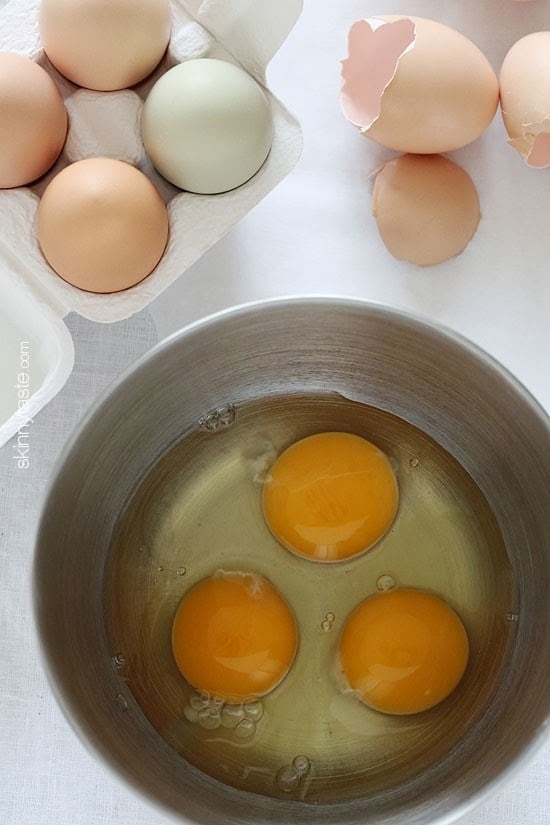
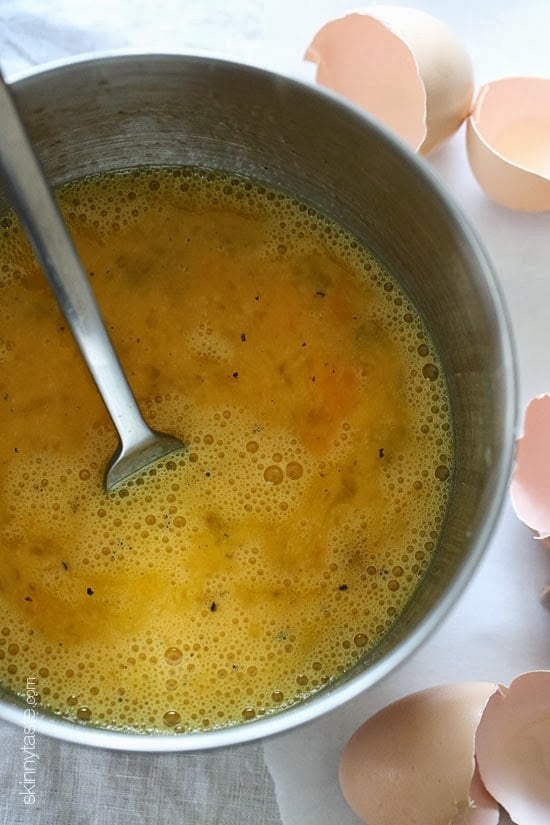
- Egg Mixture Preparation: Whisking eggs and egg whites with salt and pepper creates the base. The option to use all whole eggs provides flexibility for those preferring a richer frittata.
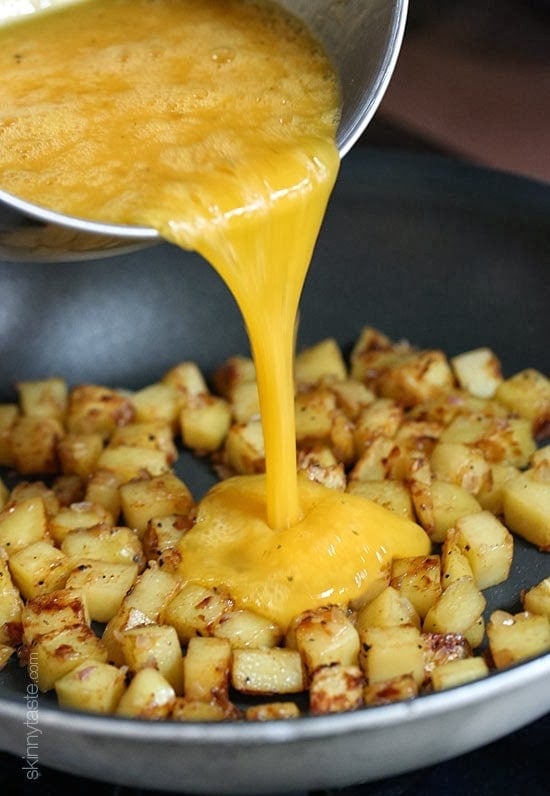
- Potato and Shallot Sauté: Heating an oven-safe, nonstick skillet and sautéing diced potatoes with oil and seasonings (salt, garlic powder, paprika, black pepper) until tender and lightly crisp is key. The addition of shallots towards the end of this stage softens them and infuses the potatoes with aromatic flavor. The suggestion to use leftover potatoes offers a valuable time-saving tip, underscoring the dish’s practicality.
- Egg and Bell Pepper Integration: Pouring the egg mixture over the cooked potatoes and arranging the bell pepper slices on top, specifically cut to resemble four-leaf clovers, adds the festive visual element.
- Stovetop Setting and Oven Finish: The frittata begins to set on low heat on the stovetop before being transferred to the preheated oven. This two-stage cooking ensures a custardy interior and a perfectly cooked top.
- Resting and Serving: Allowing the frittata to cool slightly before slicing into wedges facilitates clean cuts and allows the internal structure to set fully.
This methodology exemplifies effective home cooking, combining efficiency with culinary technique to produce a satisfying result.
Leftovers, Reheating, and Adaptability
One of the significant advantages of the Bell Pepper and Potato Frittata is its excellent keeping quality, making it an ideal candidate for meal preparation. Stored in an airtight container in the refrigerator, slices remain fresh for up to four days. This longevity supports efficient meal planning, allowing individuals to prepare a batch at the beginning of the week for quick breakfasts, lunches, or even light dinners.
Reheating options are flexible:
- Microwave: A quick 30-60 seconds in the microwave suffices for a warm slice.
- Skillet: Reheating over low heat in a skillet ensures a more even warmth and can restore some of the crispy texture.
- Room Temperature/Cold: The frittata is equally delicious served cold or at room temperature, making it suitable for packed lunches, picnics, or as part of a brunch buffet where constant warming isn’t feasible.
Beyond its excellent storage, the frittata’s inherent adaptability allows for numerous variations. Home cooks are encouraged to experiment with different vegetables such as spinach, mushrooms, or zucchini to utilize seasonal produce or clear out refrigerator contents. For those seeking additional protein, diced ham or turkey sausage can be incorporated. A sprinkle of shredded cheese before baking can add another layer of flavor and richness for those who consume dairy. This capacity for customization ensures the dish remains fresh and exciting, preventing culinary fatigue.
Broader Impact and Culinary Trends
The popularity of dishes like the Bell Pepper and Potato Frittata reflects several prevailing culinary and lifestyle trends:
- The "Home Cooking Revival": Driven by factors such as health consciousness, economic considerations, and the desire for more control over ingredients, more people are cooking at home. Simple, versatile, and budget-friendly recipes are highly sought after.
- Meal Preparation (Meal Prep): The practice of preparing meals in advance for the week has gained significant traction, especially among busy professionals and health-conscious individuals. Dishes that store well and can be easily reheated, like frittatas, are staples in meal prep routines.
- Plant-Forward Eating: While not strictly vegan, the frittata’s emphasis on vegetables and eggs aligns with the growing interest in plant-forward diets that prioritize produce.
- Affordable Nutrition: In an era of fluctuating food prices, recipes that leverage inexpensive yet nutritious ingredients like eggs and potatoes are invaluable for maintaining a healthy diet without excessive cost.
- Digital Culinary Influence: Food blogs and online platforms, such as Skinnytaste where this recipe is featured, play a crucial role in disseminating accessible, health-conscious recipes to a wide audience. These platforms often highlight practical tips for meal prep, ingredient substitutions, and nutritional information, further driving the adoption of such dishes.
In conclusion, the Bell Pepper and Potato Frittata is more than just a recipe; it is a culinary archetype that embodies versatility, nutritional value, and economic efficiency. Its ability to serve as a satisfying meal at any time of day, coupled with its adaptability to various dietary needs and festive occasions, solidifies its position as a contemporary staple. As consumers continue to seek wholesome, convenient, and budget-friendly food solutions, the enduring appeal of the frittata, exemplified by creative renditions like the "Four-Leaf Clover Frittata" for St. Patrick’s Day, is poised to continue its upward trajectory in home kitchens worldwide.