

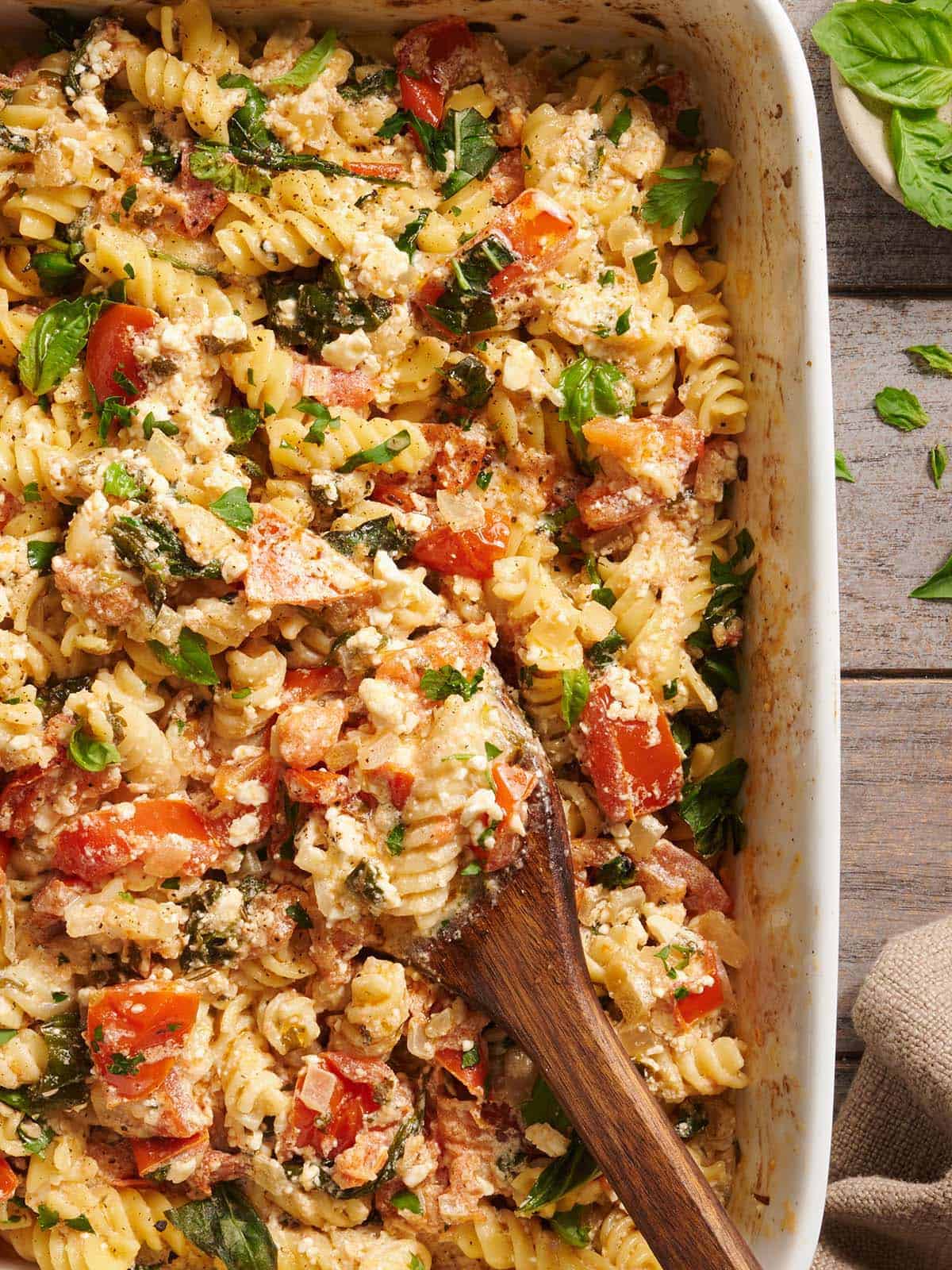
The culinary landscape of the early 2020s has been significantly shaped by the intersection of social media algorithms and home-based food preparation, with few dishes achieving the cultural saturation of baked feta pasta. Originally gaining international prominence through platforms like TikTok and Instagram, the dish—characterized by its simplicity and visually appealing preparation—has undergone various iterations to accommodate different dietary needs and economic realities. The Nashville Test Kitchen has recently released a rigorously tested, budget-conscious adaptation of this viral phenomenon, emphasizing the use of Roma tomatoes as a cost-effective alternative to the traditional cherry or grape varieties. This transition reflects a broader trend in consumer behavior where home cooks seek to replicate high-engagement digital content while navigating the pressures of food inflation and fluctuating grocery costs.
The Genesis and Evolution of a Global Food Trend
To understand the significance of the current adaptation, one must look at the chronology of the "uunifetapasta" movement. The recipe was first popularized in 2019 by Finnish food blogger Jenni Häyrinen. According to digital engagement metrics, the recipe caused a measurable surge in feta cheese sales in Finland, reportedly leading to temporary stock shortages in regional supermarkets. However, the dish did not achieve true global ubiquity until early 2021, when it was rediscovered by North American content creators.
The "TikTok Pasta," as it became colloquially known, relies on a specific chemical reaction: the high-heat roasting of a block of feta cheese surrounded by high-moisture tomatoes and olive oil. When baked at 400°F (approximately 204°C), the tomatoes burst, releasing sugars and acids that mingle with the emulsifying fats of the softening cheese. This creates a self-assembling sauce that requires minimal labor, appealing to a demographic that prioritizes both convenience and "aesthetic" cooking.
Economic Analysis: The Roma Tomato Pivot
The most significant modification in this updated version is the substitution of Roma tomatoes for cherry or grape tomatoes. From a journalistic and economic perspective, this choice highlights the stark price disparities within the produce aisle. In many urban markets, the cost of the four cups of cherry tomatoes required for the original recipe can reach upwards of $8.32. In contrast, five Roma tomatoes—which provide a comparable volume and flavor profile once roasted—cost approximately $1.20.
This 85% reduction in the cost of the primary vegetable component is a strategic response to the rising Consumer Price Index (CPI) for food at home. By focusing on Roma tomatoes, which are often sold by weight rather than in pre-packaged clamshells, the recipe becomes accessible to a wider socio-economic demographic. Roma tomatoes, or plum tomatoes, are botanically characterized by their lower moisture content and firmer flesh, making them ideal for roasting into a "jammy" consistency that rivals the sweetness of their smaller counterparts.
Chronological Preparation and Technical Execution
The Nashville Test Kitchen’s methodology emphasizes a streamlined timeline to ensure the dish remains a viable option for weeknight preparation. The process is categorized into three distinct phases: the preparation, the roasting cycle, and the emulsification.
-
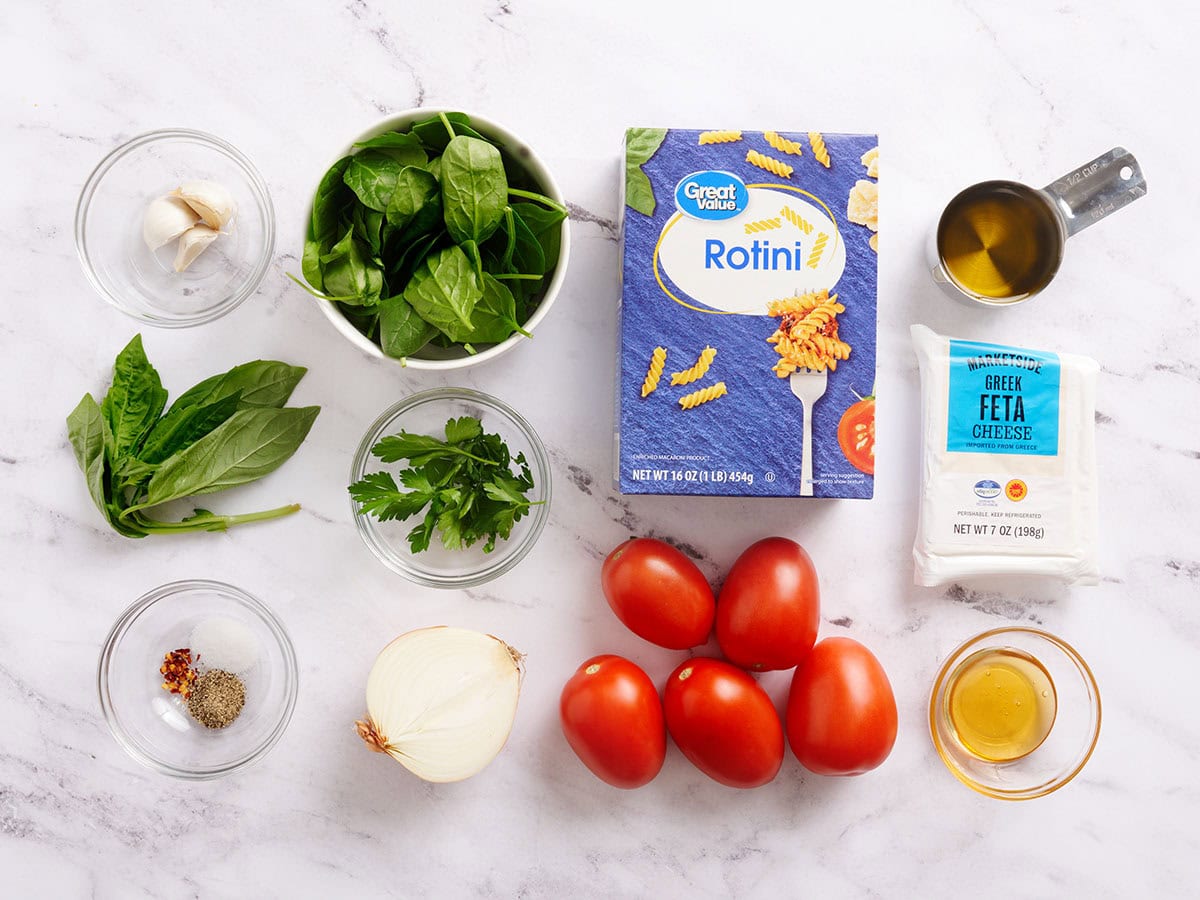
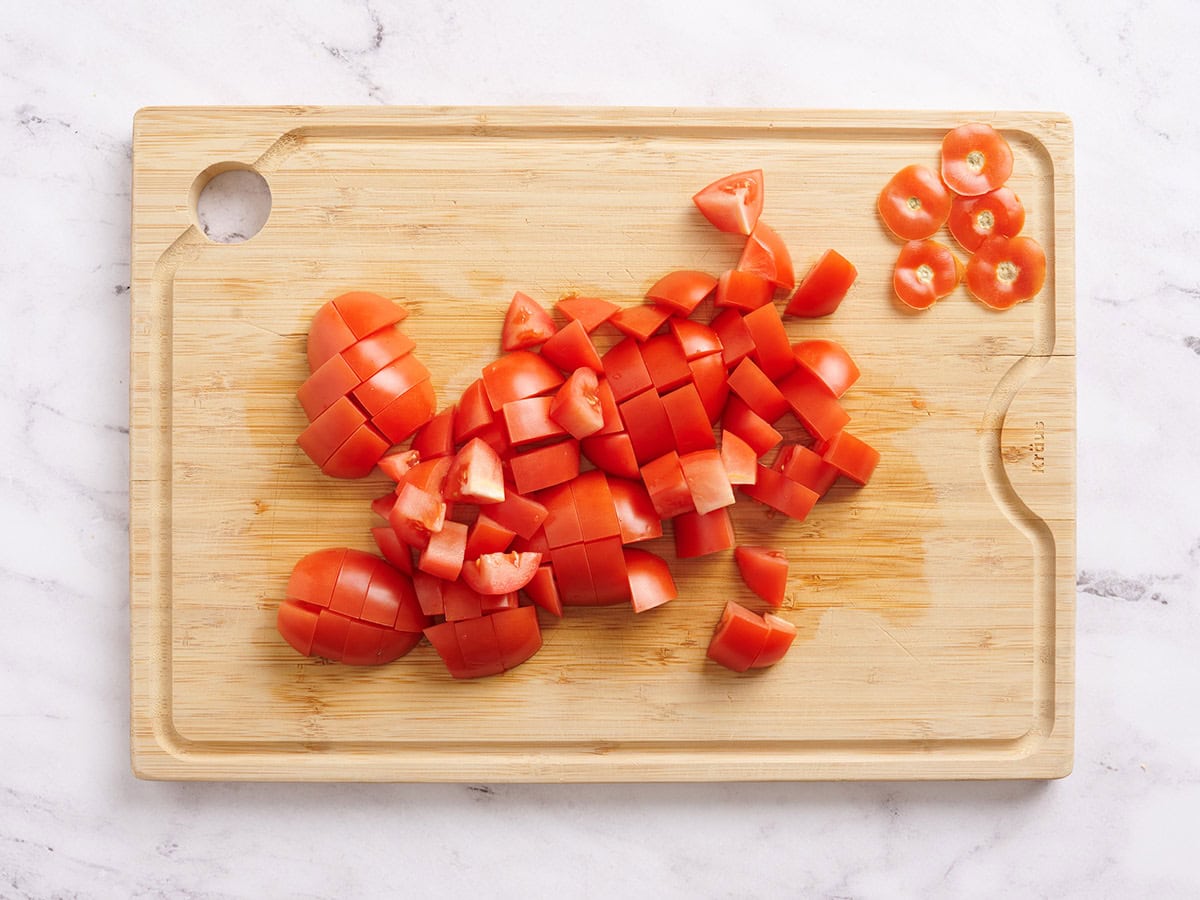
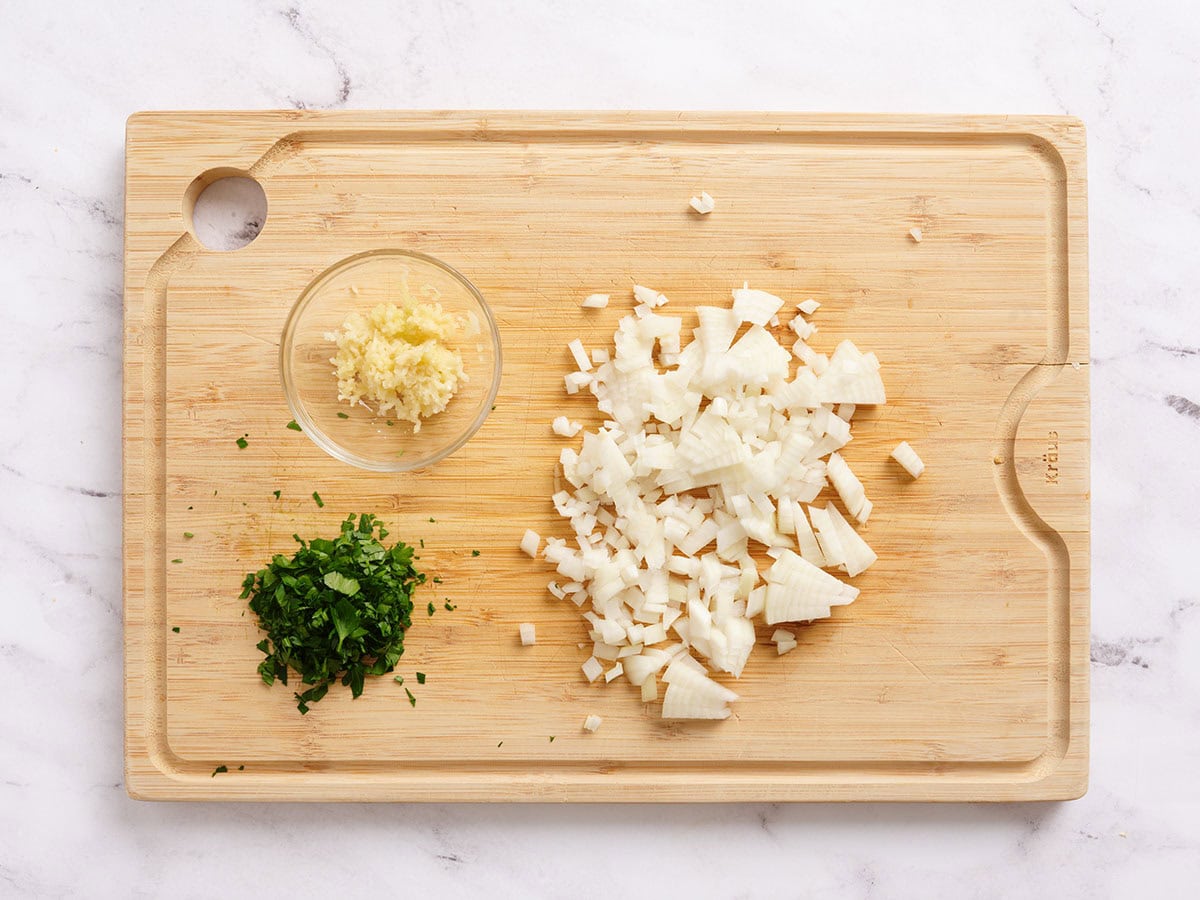
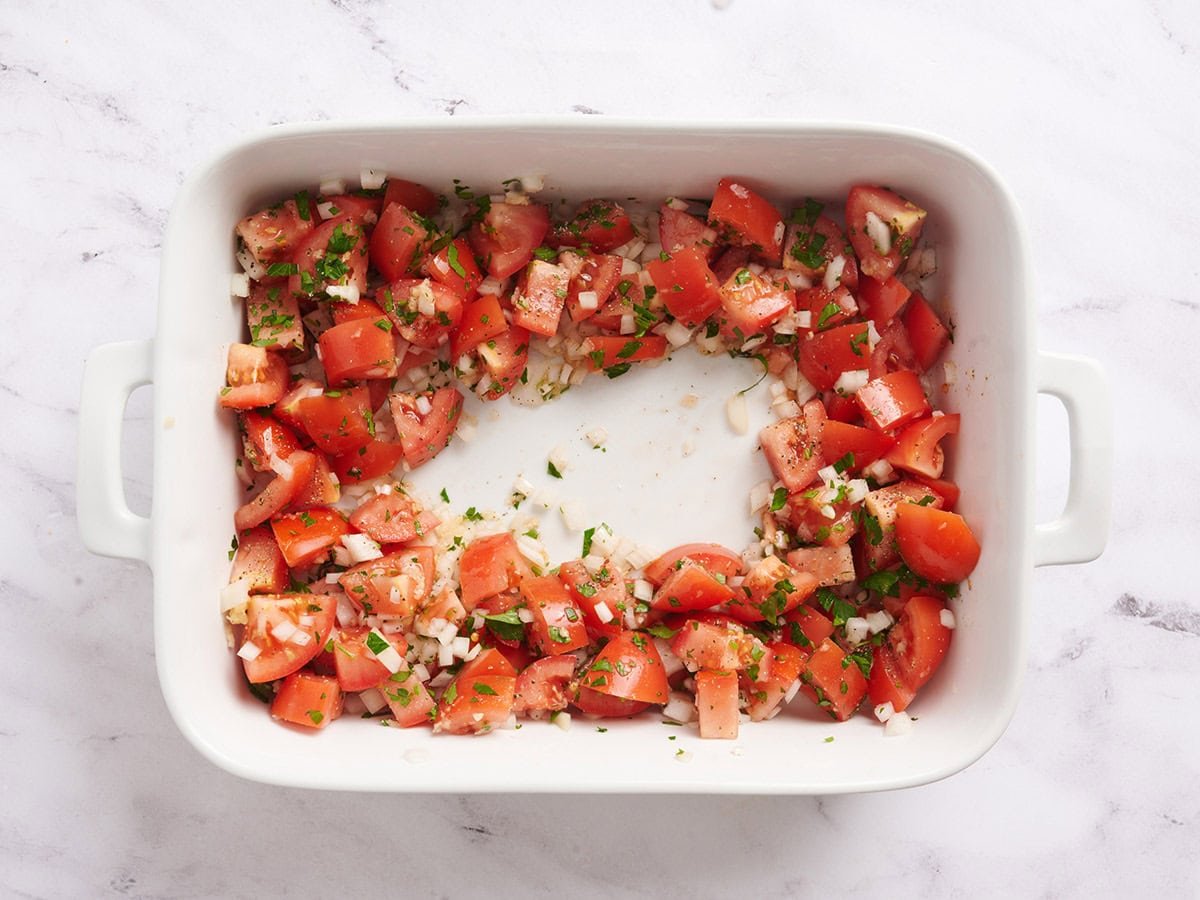
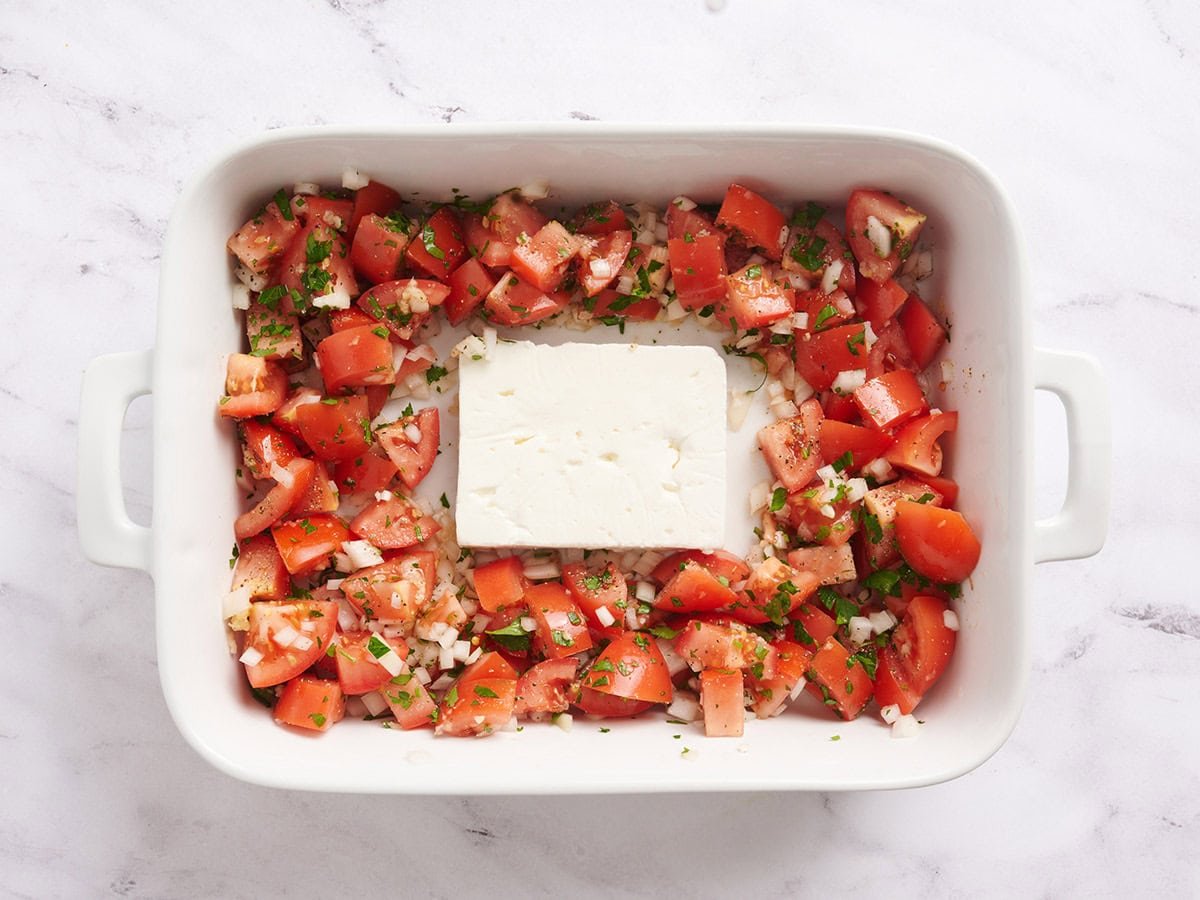
The Preparation Phase: The oven is preheated to 400°F. Five Roma tomatoes are diced into one-inch segments. This size is critical for ensuring the fruit roasts down within the same timeframe as the cheese softens. Accompanying these are half a yellow onion (diced), three cloves of minced garlic, and a tablespoon of fresh parsley. These aromatics are placed in a 9×13-inch casserole dish and seasoned with a precise blend of 1/2 tsp salt, 1/4 tsp black pepper, and 1/8 tsp red pepper flakes.
-
The Roasting Cycle: A seven-ounce block of feta cheese is placed in the center of the vegetable mixture. The choice of a block over crumbles is essential; feta blocks contain more moisture and fewer anti-caking agents, allowing for a smoother melt. The assembly is drizzled with 1/2 cup of olive oil and baked uncovered for 40 minutes. This duration allows for the Maillard reaction to occur on the onions and garlic while the tomatoes undergo caramelization.
-
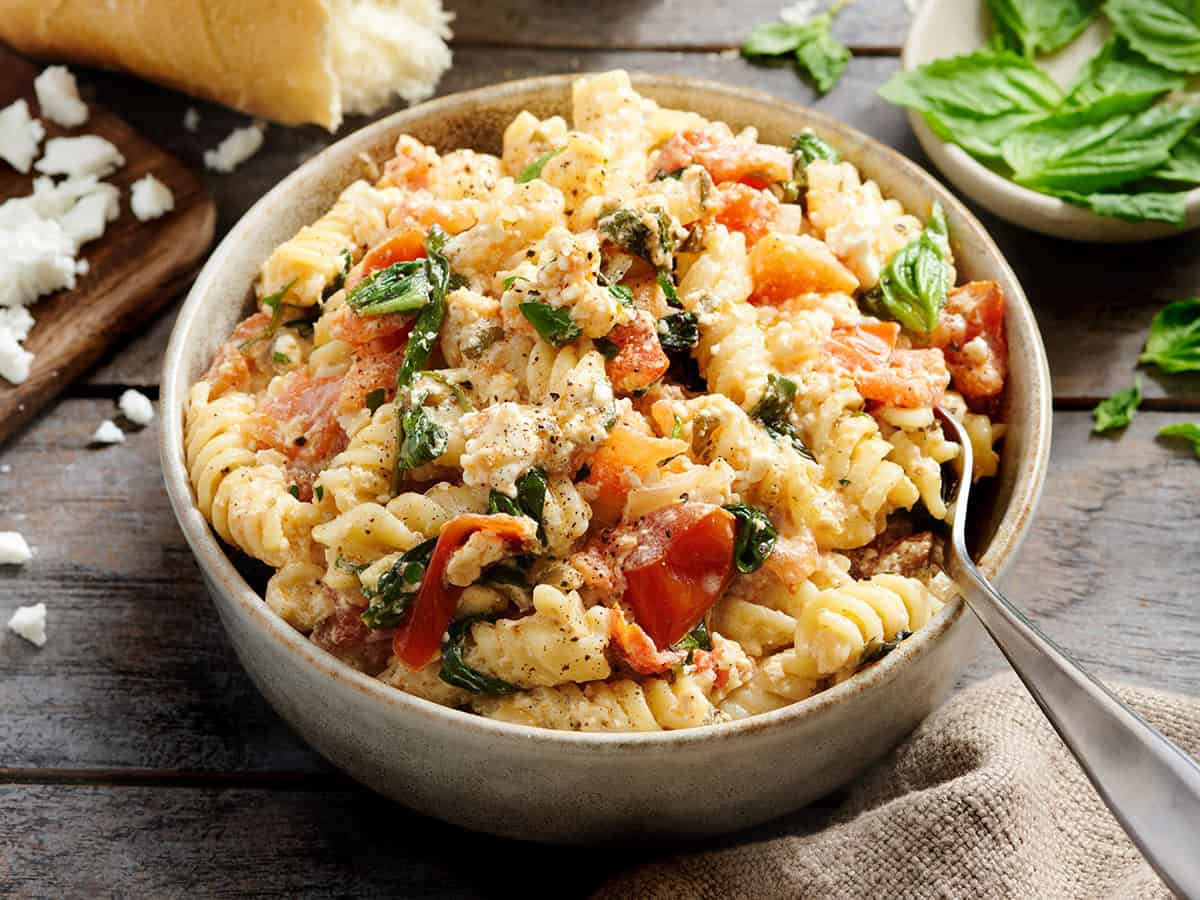
The Emulsification and Integration: While the base roasts, eight ounces of rotini pasta are boiled. A critical technical step involves reserving 1/2 cup of the starchy pasta water. Once the baking dish is removed from the oven, fresh spinach, a half-tablespoon of honey (to balance the acidity of the Romas), and the reserved water are stirred in. The residual heat wilts the spinach and creates a creamy, cohesive sauce as the feta is broken down and combined with the pasta.
Nutritional Profile and Dietary Implications
A detailed nutritional analysis of the budget-friendly feta pasta reveals a calorie-dense and satiating profile. A single serving (based on a four-serving yield) contains approximately 614 calories. The macronutrient breakdown is as follows:
- Total Fat: 39g (60% of the Daily Value, primarily derived from olive oil and feta)
- Carbohydrates: 52g (17% DV)
- Protein: 16g (32% DV)
- Sodium: 874mg (38% DV)
- Fiber: 3g (13% DV)
The high fat content is indicative of the Mediterranean-style foundation of the dish, while the sodium levels reflect the inherent salinity of feta cheese, which is cured in brine. For individuals monitoring sodium intake, the Nashville Test Kitchen suggests that the inherent saltiness of the feta often precludes the need for additional salt in the pasta water.
Social and Supply Chain Impact: The "Feta Effect"
The phenomenon of viral recipes has created a new challenge for global supply chains. When the baked feta pasta trend peaked in 2021, the New York Times reported that feta sales at certain major retailers jumped by 200%. This volatility in demand can lead to price spikes and shortages. By introducing adaptations that use more stable, bulk-available ingredients like Roma tomatoes and frozen spinach (an suggested alternative in this recipe), the culinary community provides a "pressure valve" for the market.
Furthermore, the inclusion of spinach and onions adds nutritional complexity that was absent in the original minimalist version. Industry experts suggest that the "recipe enrichment" trend—where simple viral hits are updated with more vegetables and fiber—is a sign of a maturing digital food culture that is moving past "stunt" cooking toward sustainable home economics.
Statements from the Test Kitchen
Chef Jess Rice, a veteran of the Nashville culinary scene and a professor of food theory, noted that the goal of the Nashville Test Kitchen is to ensure "rigorous testing" for affordability without sacrificing flavor. "Diced Roma tomatoes roast down beautifully, bringing plenty of sweetness and acidity," Rice stated. Her diverse background, ranging from private celebrity catering to raw vegan innovation, informs the balance of textures in the dish. The addition of honey is a specific "chef’s secret" intended to mimic the higher sugar concentration found in more expensive cherry tomatoes.
Broader Implications for Home Cooking
The success of this budget-friendly baked feta pasta serves as a case study for the future of domestic food preparation. As grocery prices remain a central concern for households, the ability to pivot from "premium" ingredients to "utility" ingredients—like the Roma tomato—is becoming a vital skill.
The move toward one-pot or one-dish meals also reflects a time-poverty among modern consumers. The ability to build a complex, creamy sauce directly in a baking dish reduces cleanup time and lowers the barrier to entry for novice cooks. Moreover, the storage capabilities of the dish—lasting 3-4 days in refrigeration—position it as a viable candidate for "meal prepping," a practice that has grown in popularity as a strategy for both weight management and financial saving.
In conclusion, the evolution of the baked feta pasta from a Finnish blog post to a global TikTok sensation, and finally to a calculated, budget-friendly staple, illustrates the dynamic nature of modern foodways. By prioritizing accessible produce and sound culinary techniques, the Nashville Test Kitchen has provided a blueprint for how viral culture can be successfully integrated into the practical realities of the contemporary kitchen. The dish remains a testament to the power of simple ingredients, when properly handled, to create a meal that is both culturally relevant and economically sustainable.