

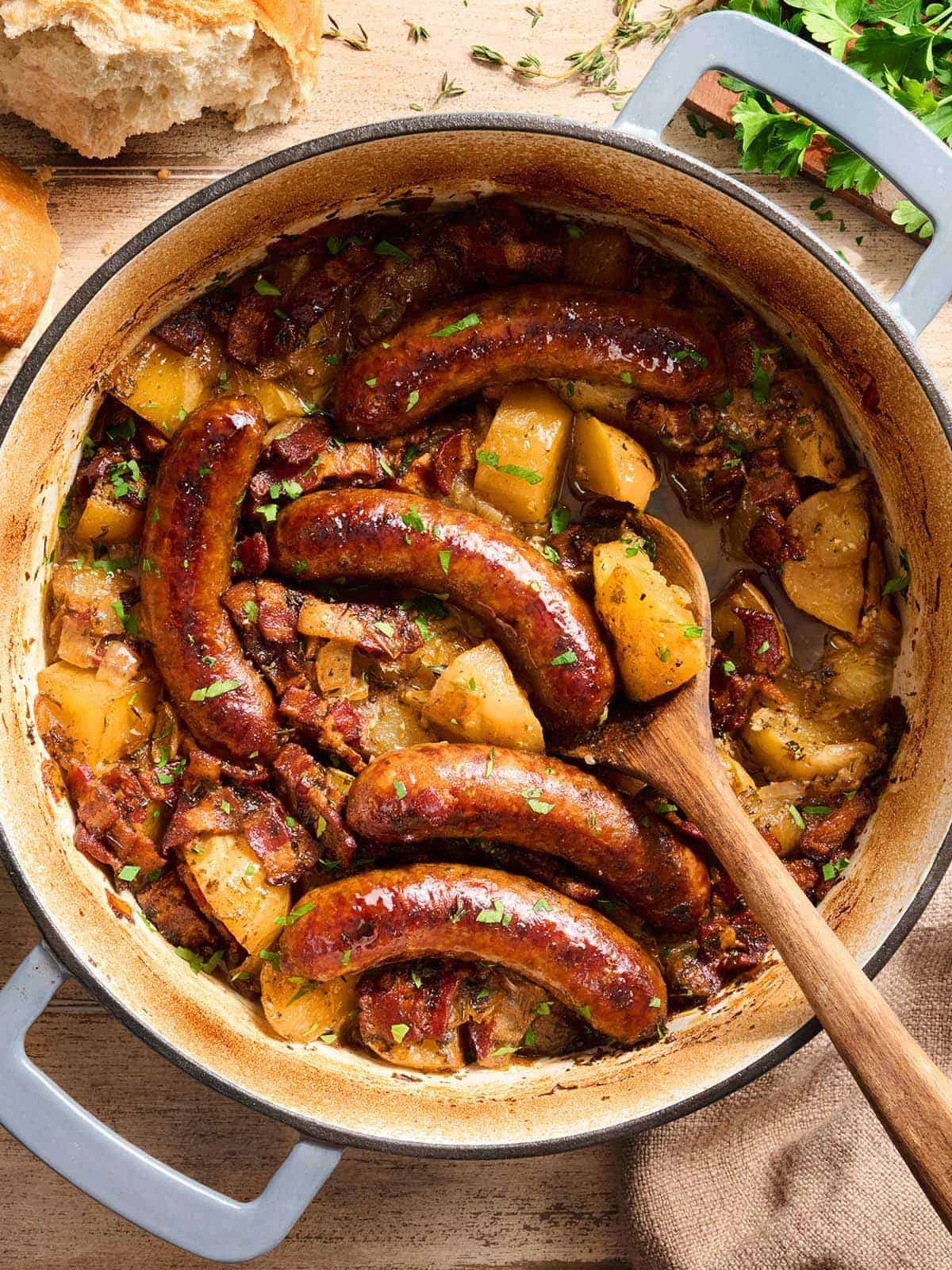
The Dublin Coddle, a culinary staple with roots stretching back to 18th-century Ireland, is experiencing a resurgence as a primary example of thrifty, nutrient-dense home cooking. Characterized by its slow-simmered composition of bacon, sausage, potatoes, and onions, this one-pot meal represents a historical intersection of Irish social history and resourcefulness. In an era of fluctuating grocery prices and a heightened interest in heritage cooking, the dish has moved beyond its origins as a "famine food" to become a centerpiece of contemporary budget-conscious meal planning.
Historical Context and the Evolution of the Coddle
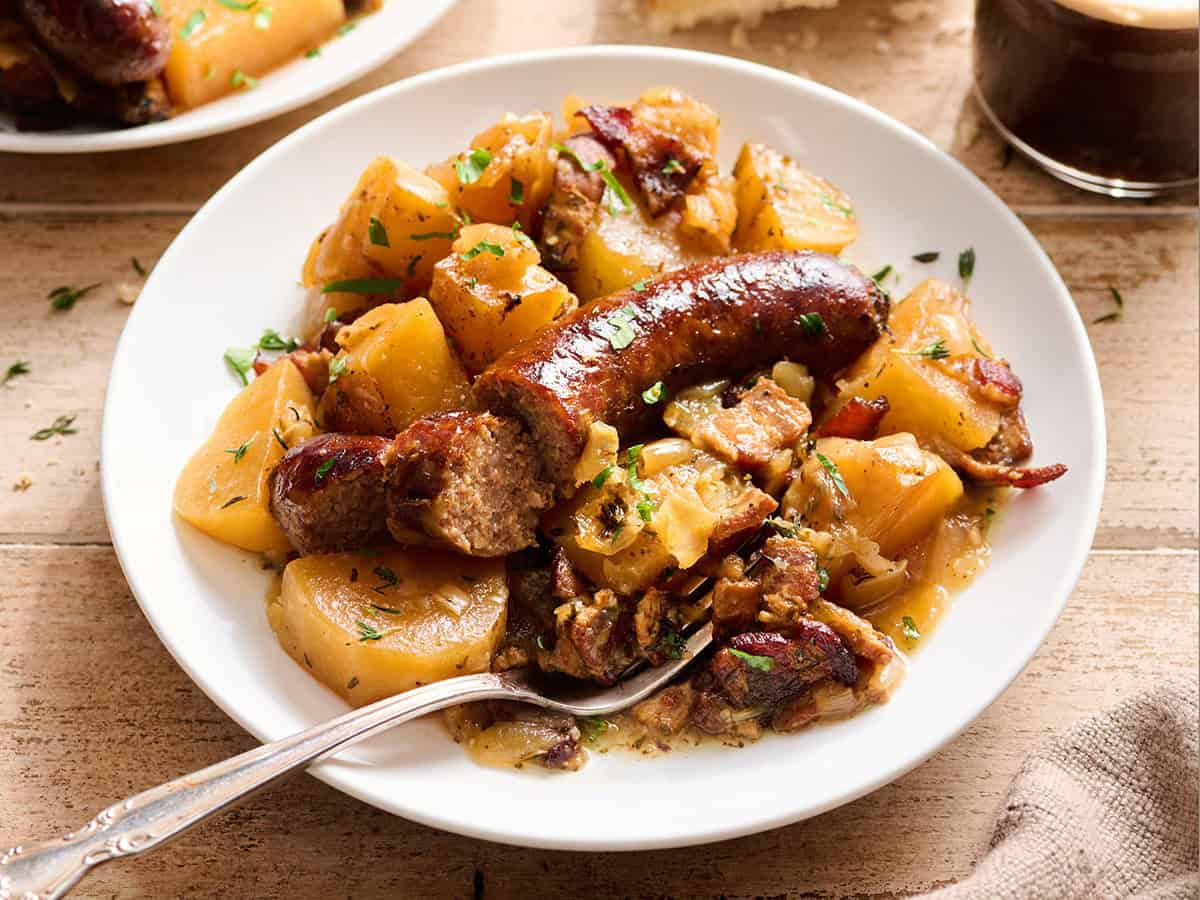
The origins of Dublin Coddle are inextricably linked to the working-class history of Ireland’s capital city. Historians trace the dish back to the early 1700s, a period marked by significant economic hardship and the onset of localized famines. The name "coddle" is derived from the French word caudle, meaning to boil gently or parboil. Technically, to "coddle" food involves cooking it just below the boiling point, a method that ensures proteins remain tender while allowing starches to absorb the surrounding flavors without disintegrating.
Culturally, the coddle held a specific place in the weekly rhythm of Dublin life. Because of the Catholic tradition of abstaining from meat on Fridays, Thursday nights became the designated time to utilize any remaining meat products—typically sausages and rashers (Irish bacon)—to prevent spoilage. The dish was also favored because it could be left on a low heat for hours, making it an ideal meal for workers returning late from labor or for families attending long church services. It has been immortalized in Irish literature, with notable mentions by authors such as James Joyce and Jonathan Swift, further cementing its status as a symbol of Dublin’s urban identity.
Economic Analysis of Modern Preparation
As households face rising inflation and increased costs of living, the financial profile of the Dublin Coddle has become a focal point for recipe developers. Data provided by the Nashville Test Kitchen, a facility dedicated to rigorous recipe assessment and cost-benefit analysis, indicates that a standard five-serving batch of Dublin Coddle can be produced for approximately $11.31. This results in a per-serving cost of $2.26, positioning the meal significantly below the national average for a home-cooked dinner.
The affordability of the dish is attributed to its reliance on "pantry staples" and durable root vegetables. The primary ingredients—potatoes and onions—are among the most cost-effective produce items per pound in the United States. By utilizing bulk-purchased bacon and sausages, cooks can achieve a high-protein yield without the expense associated with premium cuts of beef or lamb. Furthermore, the use of bouillon-based broths, such as "Better Than Bouillon," allows for flavor depth at a fraction of the cost of pre-packaged liquid stocks.
Technical Methodology and Ingredient Specifications
The preparation of an authentic Dublin Coddle requires a specific chronological sequence to maximize flavor extraction and textural integrity. Modern adaptations have refined the traditional stovetop method into an oven-based process that ensures more consistent heat distribution.
Chronology of Preparation:
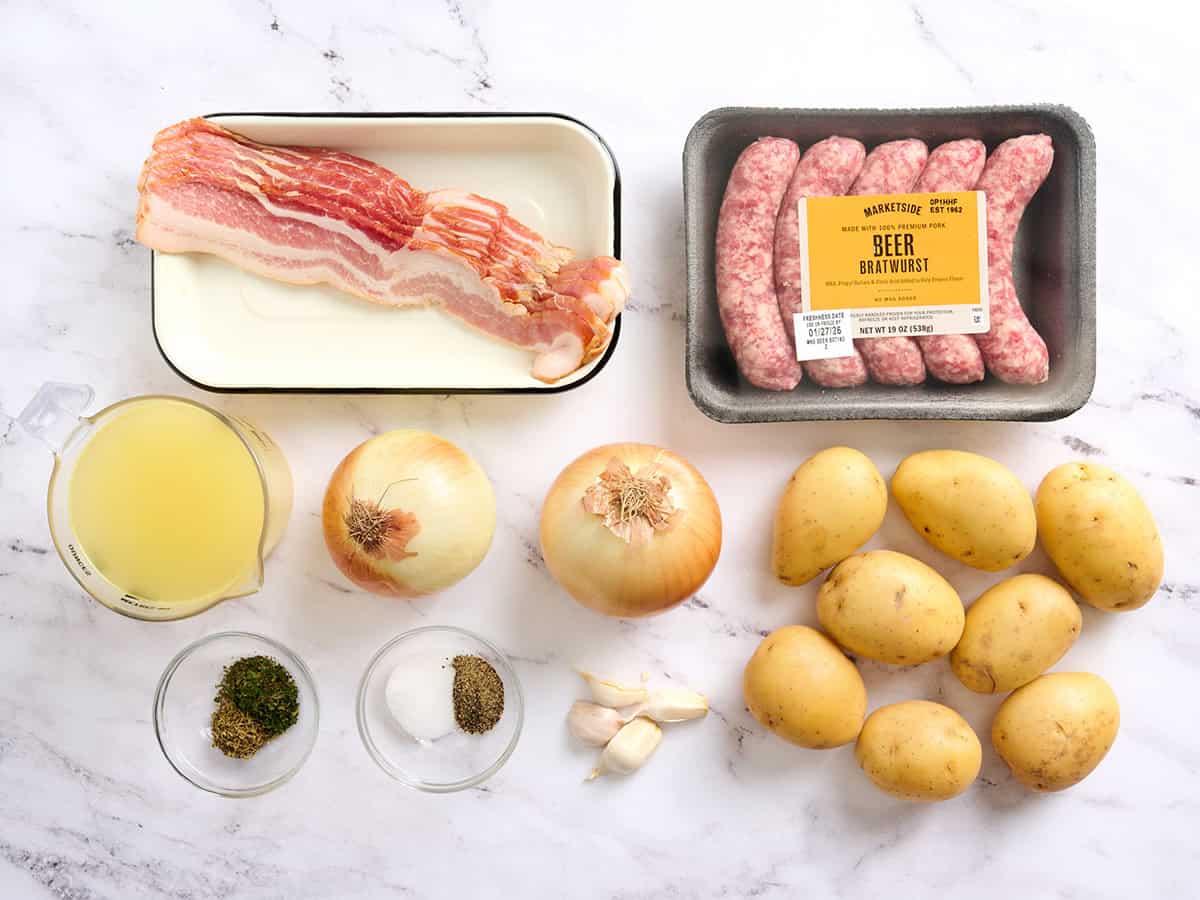
- Thermal Preparation: The oven is preheated to 300°F (approximately 150°C). This low temperature is critical for the "coddling" process, preventing the sausages from bursting and the potatoes from becoming mushy.
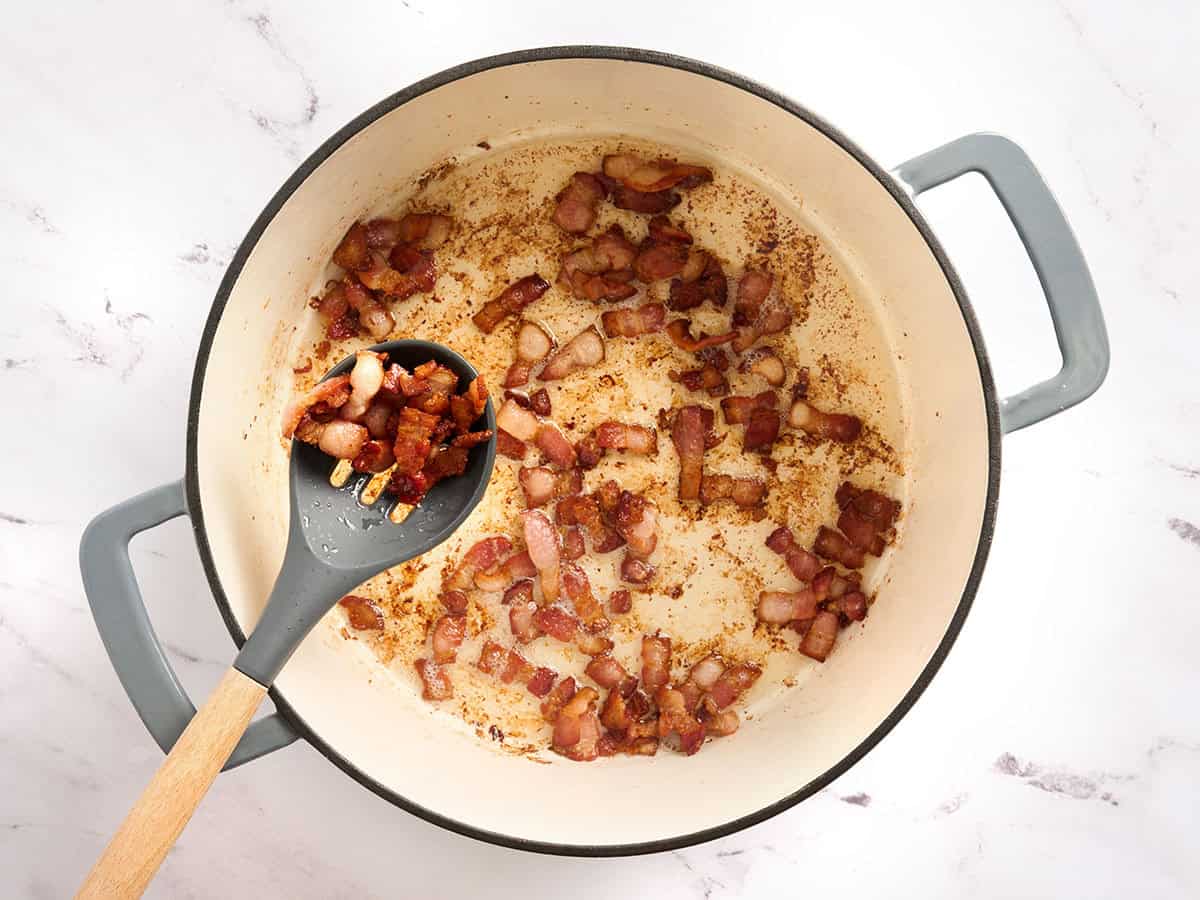
- Lipid Rendering: Eight ounces of chopped bacon are cooked in a Dutch oven over medium heat for 10 to 15 minutes. This step is vital for creating a flavorful base of rendered fat, which serves as the primary cooking medium for the subsequent ingredients.
- Protein Searing: Five beer brats or pork sausages are seared in the bacon grease for 3-4 minutes per side. While traditional recipes call for Irish sausage, culinary analysts suggest beer brats as a viable substitute in the North American market due to their availability and subtle malt notes.
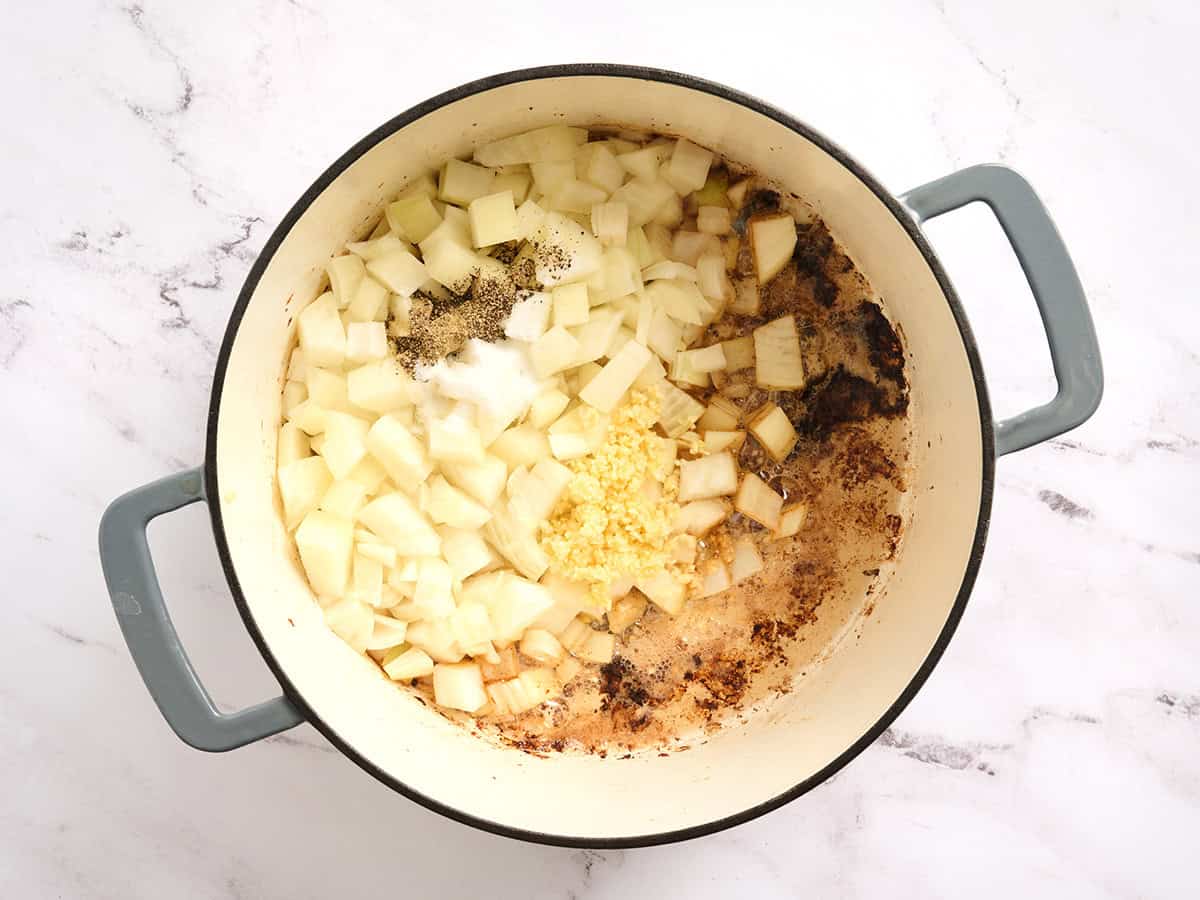
- Aromatic Softening: Onions and garlic are sautéed in the remaining fats, seasoned with 1.5 teaspoons of salt and 1 teaspoon of black pepper. This creates a foundational flavor profile that permeates the broth.
- Layering and Liquid Integration: Two pounds of cubed gold potatoes are added along with two cups of chicken broth, dried parsley, and thyme. Gold potatoes are specifically recommended by experts for their waxier texture and ability to maintain structural integrity during extended braising.
- The Braise: The seared sausages and bacon are nestled atop the vegetable mixture. The vessel is covered and transferred to the oven for 90 minutes.
- The Maillard Reaction Phase: The final 30 minutes of cooking occur with the lid removed. This exposure to dry heat facilitates the browning of the top layer, providing a textural contrast to the tender components below.
Nutritional Profile and Dietary Implications
A nutritional analysis of the Dublin Coddle reveals a meal that is calorically dense and rich in essential macronutrients. A single serving provides approximately 577 calories, with a protein count of 20 grams and a carbohydrate count of 40 grams. The dish is also a significant source of dietary fiber (5 grams), primarily derived from the potatoes and onions.
However, health professionals note the high sodium content inherent in the traditional recipe. A single serving contains approximately 1918 mg of sodium, which represents roughly 83% of the recommended daily intake for an average adult. This is largely due to the preserved nature of bacon and sausages, as well as the addition of broth and table salt. To mitigate this, some modern variations suggest the use of low-sodium broths or reducing the added salt, though purists argue this may impact the historical flavor profile of the dish.
Culinary Industry Response and Market Trends
The resurgence of "peasant food" like the Dublin Coddle is part of a broader trend within the culinary industry toward sustainability and "nose-to-tail" philosophy. Recipe developers and chefs are increasingly looking toward historical survival foods as a way to teach home cooks how to maximize their resources.
Melissa Nolan, a recipe developer at the Nashville Test Kitchen and a former chef at Thomas Keller’s Per Se, emphasizes the "humble" nature of the dish as its greatest strength. According to Nolan, the transition from high-end restaurant environments to budget-focused recipe development highlights a growing consumer demand for meals that are "easy, affordable, and delicious" without requiring specialized equipment or expensive ingredients.

Furthermore, the Dublin Coddle’s alignment with holidays like St. Patrick’s Day has boosted its visibility. Market data suggests that during the month of March, consumer interest in Irish-inspired recipes increases by over 400% compared to other months. While corned beef and cabbage remain the most recognized Irish-American dishes, the Dublin Coddle is being marketed as a more authentic and economical alternative for those seeking a genuine taste of Dublin’s culinary heritage.
Broader Impact and Implications for Food Security
Beyond its role as a comfort food, the Dublin Coddle serves as a case study in food security. Its reliance on long-lasting vegetables like potatoes and onions makes it a resilient meal choice during supply chain disruptions or seasonal shortages. The ability to substitute proteins—swapping Irish sausage for beer brats or pork links—demonstrates a flexibility that is essential for low-income households.
The dish also addresses the issue of food waste. By design, the coddle is a vessel for "leftovers," encouraging the use of small amounts of meat that might otherwise be discarded. In a global environment where food waste contributes significantly to environmental degradation, the revival of such "thrifty gems" offers a practical method for households to reduce their ecological footprint while maintaining nutritional standards.
As the Dublin Coddle continues to gain traction in digital culinary spaces and home kitchens alike, it stands as a testament to the enduring power of traditional cooking. It is a dish that honors its past as a meal of necessity while providing a viable solution for the economic challenges of the present. Whether served in a professional test kitchen or a family dining room, the Dublin Coddle remains a hearty, sustaining, and deeply historical example of the art of making much from little.