

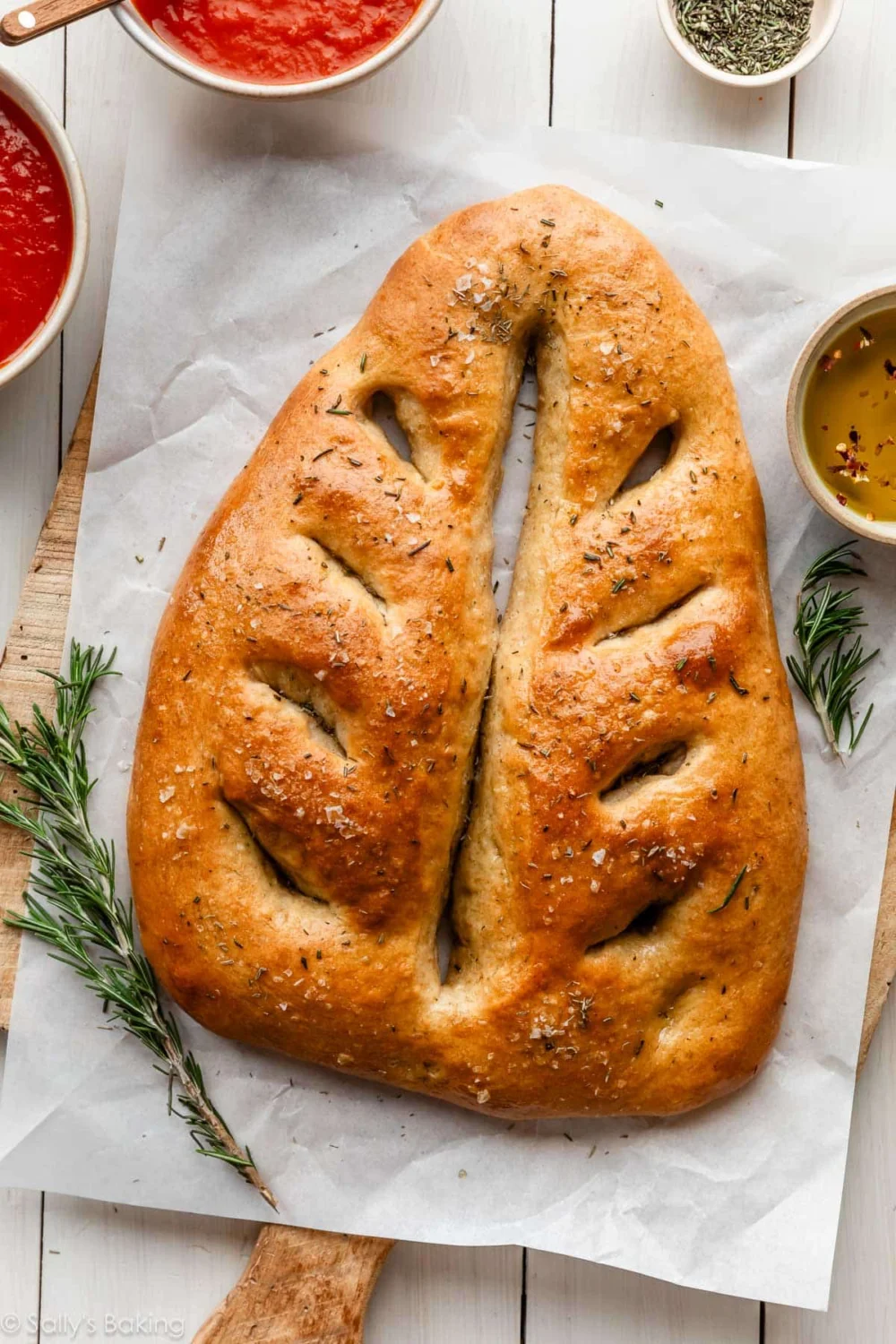
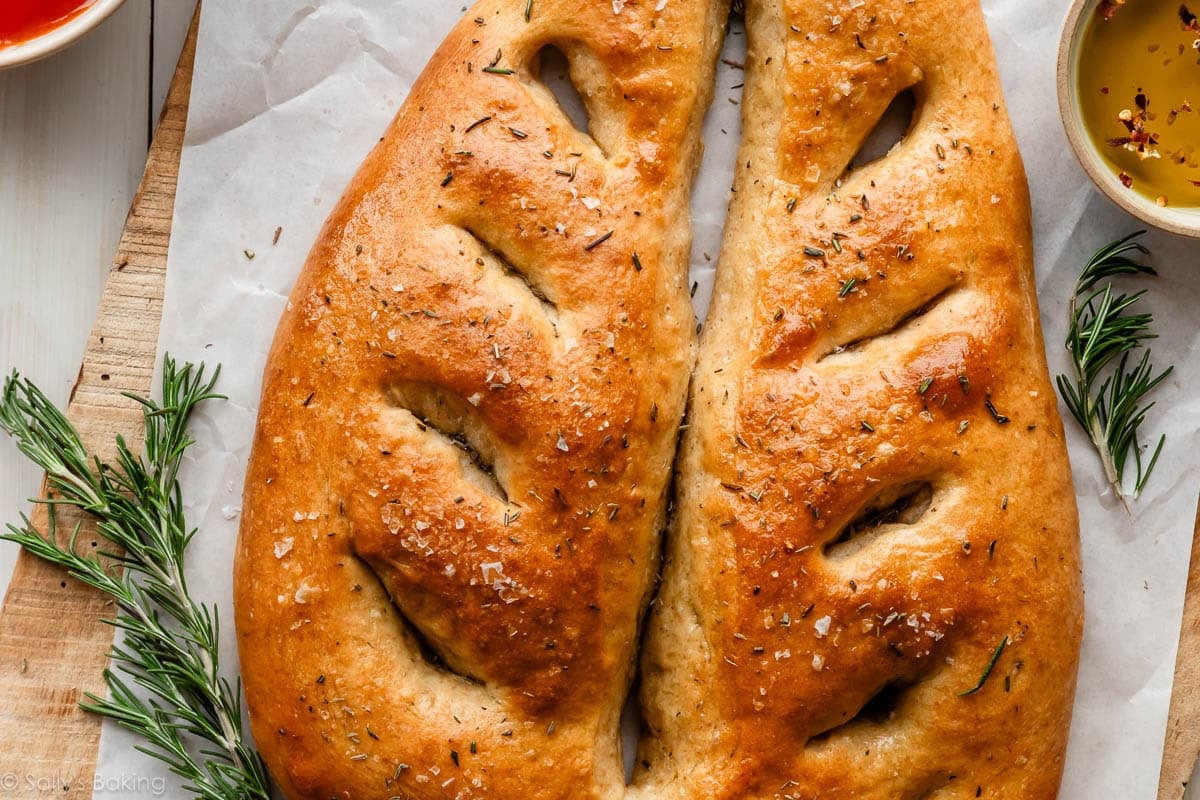
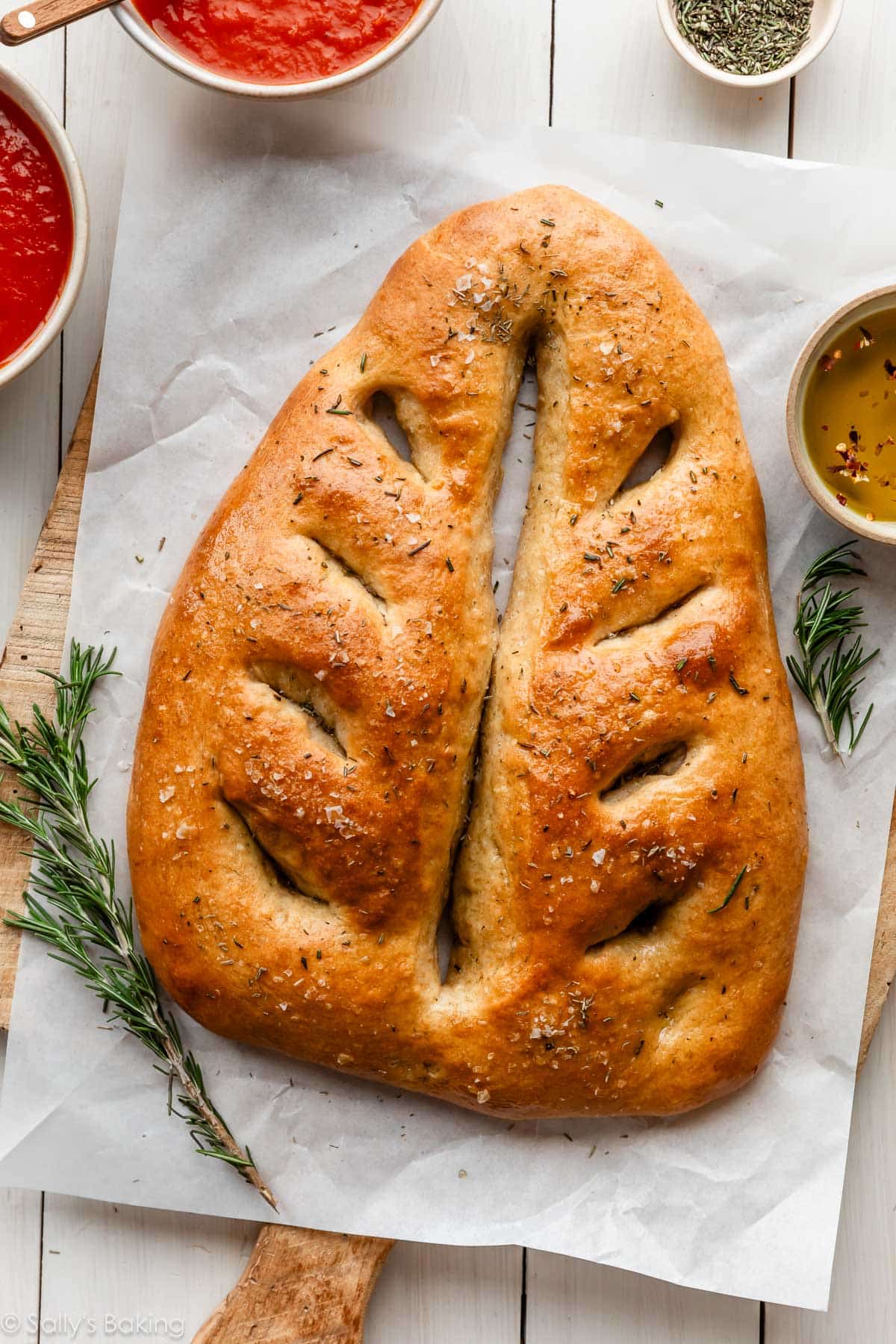
Fougasse, the distinctive French flatbread originating from the sun-drenched region of Provence, is experiencing a significant resurgence in popularity, captivating both seasoned bakers and novice home cooks with its rustic charm and profound flavor. This "hearth bread," often considered the French counterpart to Italian focaccia, is characterized by its signature leaf or ear-of-wheat shape, achieved through strategic slashes that contribute to its appealingly crisp crust and chewy interior. Its growing acclaim is partly attributable to simplified, yet authentic, home-baking methods that empower enthusiasts to recreate this traditional delicacy.
Historical Roots and Mediterranean Influence
The history of fougasse is deeply intertwined with the ancient culinary practices of the Mediterranean basin, where flatbreads have been a staple for millennia. The name "fougasse" itself is believed to derive from the Latin panis focacius, meaning "bread baked on the hearth" or "hearth bread." This ancient Roman precursor was a simple dough cooked directly in the ashes or on the hot stones of a fireplace, often used to test the oven’s temperature before baking larger loaves. Over centuries, as baking techniques evolved and diversified across Europe, panis focacius gave rise to various regional specialties, including the Italian focaccia and the French fougasse.
In Provence, fougasse developed its unique identity, becoming more than just a simple flatbread. It evolved into a canvas for regional flavors, often incorporating local ingredients such like olives, anchovies, cheese, or aromatic herbs such as rosemary and thyme, all characteristic of the Mediterranean diet. Historically, it served as a versatile accompaniment to meals, a robust snack, or a centerpiece for communal gatherings, embodying the convivial spirit of Provençal culture. Its distinct shape was not merely decorative; the large openings created by the slashes maximized the crust-to-crumb ratio, enhancing its textural appeal and facilitating easy tearing and sharing.
The Science of Flavor: The Indispensable Role of Preferments

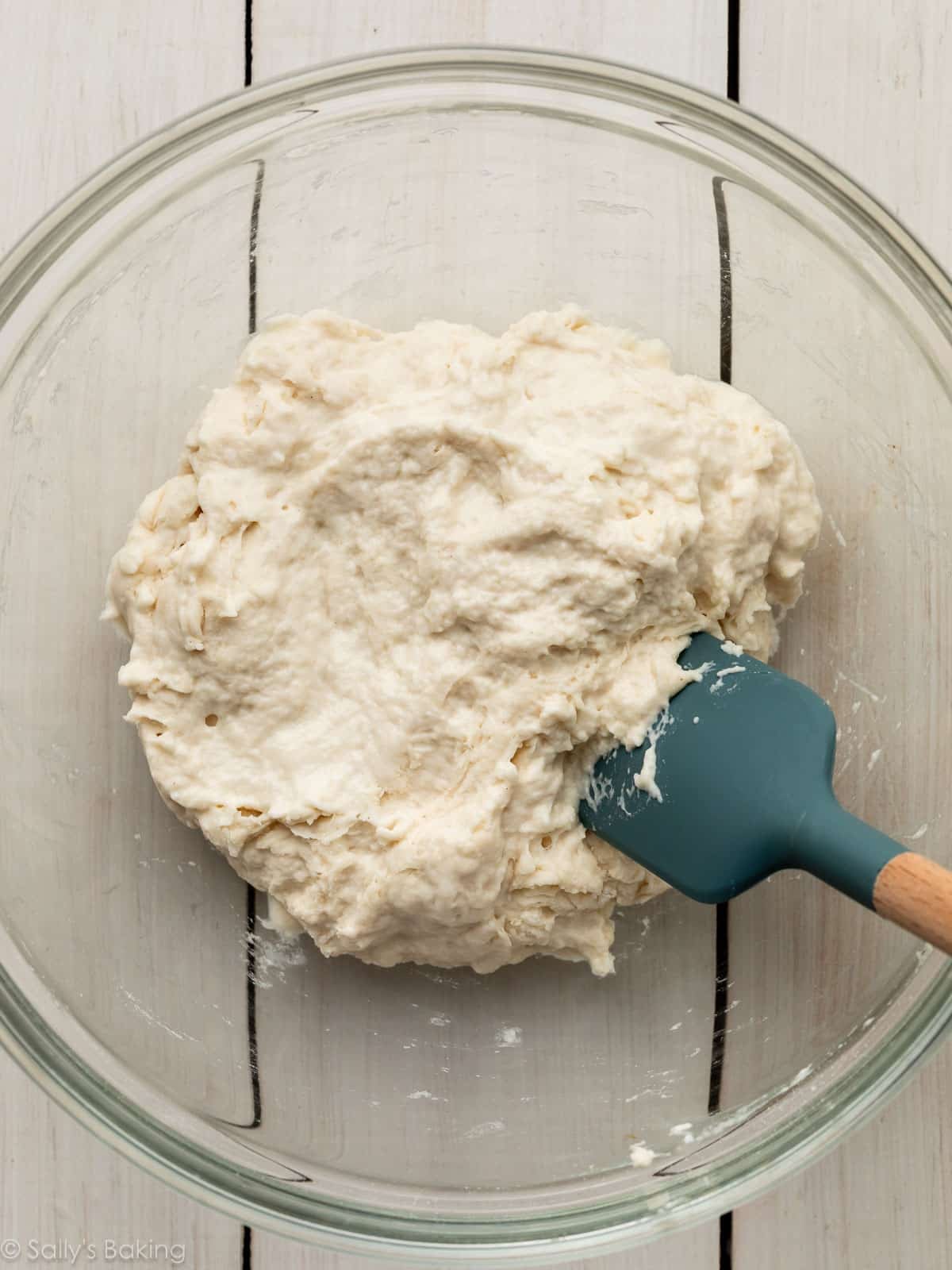
A cornerstone of authentic fougasse, and indeed many artisanal breads, is the use of a preferment—a mixture of flour, water, and a small amount of yeast or sourdough starter that is allowed to ferment for an extended period before being incorporated into the main dough. This crucial step, often overlooked in rapid bread recipes, is vital for developing the complex flavors, robust structure, and improved shelf life that define high-quality bread.
For fougasse, a biga-style preferment is frequently employed. A biga is a stiff Italian preferment known for its lower hydration, which contributes to a more structured and flavorful crumb. During its 12 to 24-hour fermentation period, the yeast consumes sugars in the flour, producing a myriad of organic acids, alcohols, and esters. These compounds are responsible for the bread’s nuanced aroma and taste, far exceeding the flat profile of a dough made with a direct addition of yeast. Furthermore, the enzymatic activity during prefermentation strengthens the gluten network, leading to a dough that is more extensible, easier to handle, and results in a bread with a superior open crumb structure. This extended fermentation also makes the bread more digestible and extends its freshness, allowing it to remain palatable for longer periods.
Culinary experts emphasize that while the initial preparation of a preferment might seem like an extra step, often taking less than five minutes of active time, the subsequent "invisible ingredient" of time is paramount. This patient approach is a hallmark of traditional baking, yielding results that a hurried process cannot replicate. The preferment introduces a depth and complexity that is often described as "bakery-worthy," transforming a simple flatbread into a sophisticated culinary experience.
A Streamlined Approach for the Modern Home Baker
Despite its artisanal reputation, contemporary fougasse recipes, such as those gaining traction on popular baking platforms, have been specifically developed to be accessible for home kitchens without sacrificing authenticity. These streamlined versions focus on delivering consistent, high-quality results, demystifying the process of working with preferments and specialized shaping techniques.
The development of such recipes typically involves extensive testing, as highlighted by various baking authorities. Experimentation with hydration levels, the percentage of whole wheat flour, and yeast quantities is crucial to achieve the desired balance: crisp edges, a tender yet chewy interior, and a rustic character. For instance, the inclusion of a measured amount of whole wheat flour not only contributes a subtle nuttiness and textural complexity but also enhances the bread’s overall nutritional profile. The precise amount of olive oil is also critical, ensuring a tender crumb without making the dough overly rich or heavy. These careful adjustments demonstrate that even small modifications can significantly impact the outcome of hearth-style breads.
The Baking Process: A Chronology of Craft
The journey to a perfect fougasse unfolds over two distinct days, primarily due to the preferment:
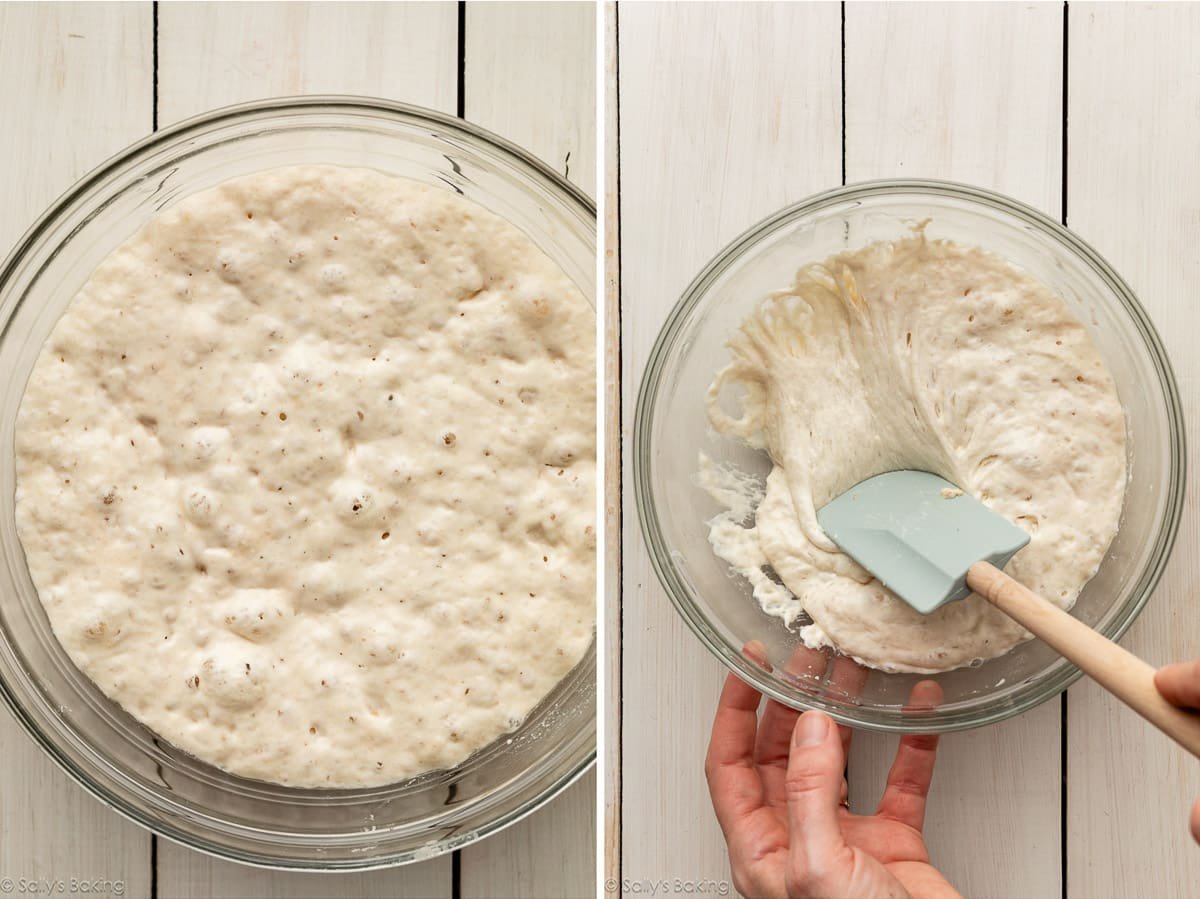
- Day 1: Initiating the Preferment: The process begins with combining a small portion of flour, water, and yeast to create the biga. This mixture is then allowed to ferment at room temperature or in the refrigerator for 12 to 24 hours. During this period, the mixture becomes bubbly and fragrant, signifying the development of complex flavors and the strengthening of the dough’s foundational elements.
- Day 2: Crafting the Main Dough:
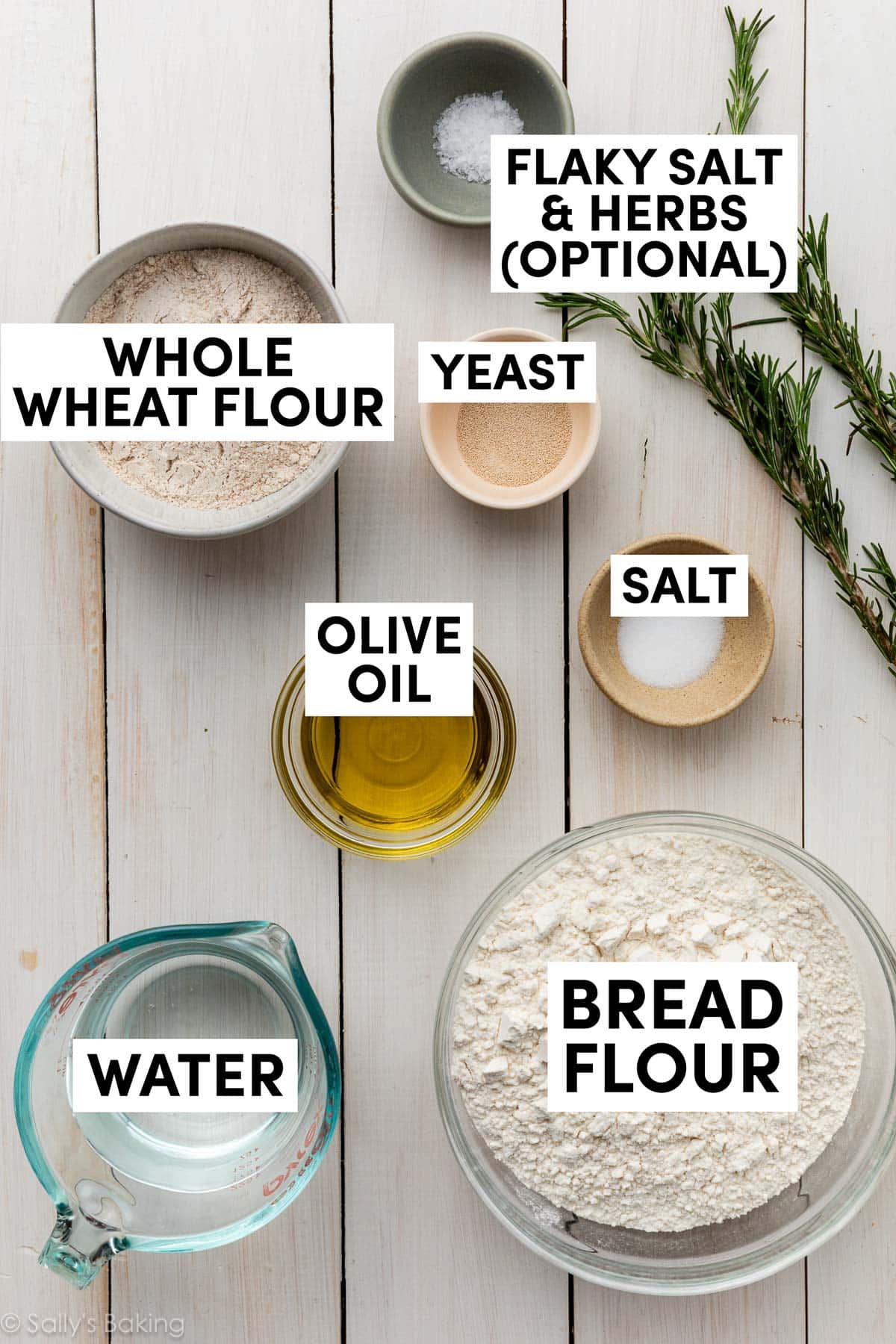
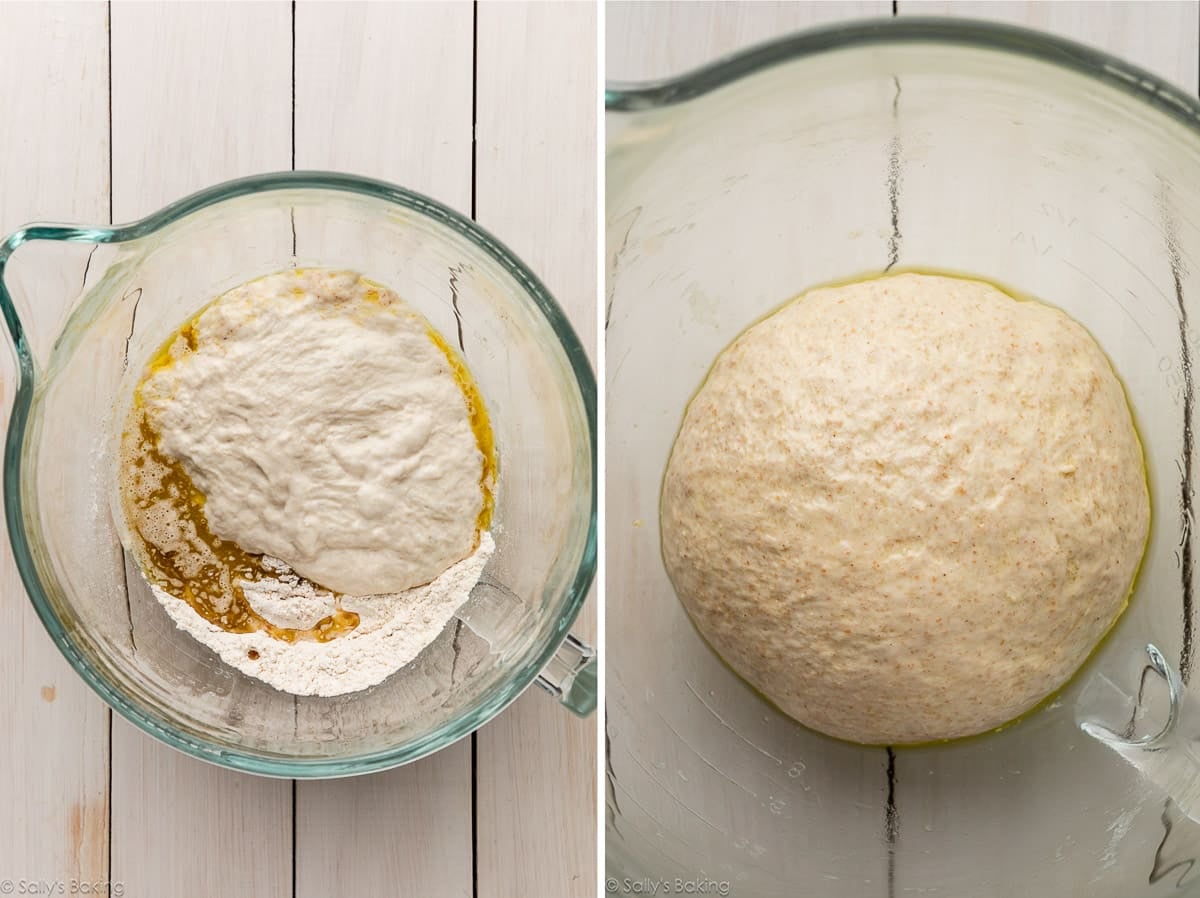
- Mixing and Kneading: The matured preferment is combined with the remaining ingredients—bread flour (for robust gluten structure), additional whole wheat flour, water, olive oil, salt, and a small amount of fresh yeast. The ingredients are mixed until a shaggy dough forms, then kneaded for 3-5 minutes, either by hand or with a stand mixer. This initial kneading develops the gluten, creating a smooth, slightly sticky, yet workable dough.
- First Rest (Autolyse/Bulk Fermentation): The dough is placed in an oiled bowl, covered, and allowed to rest for approximately 45 minutes. This period, sometimes referred to as a partial autolyse, allows the flour to fully hydrate and enzymes to begin breaking down starches, which further aids in gluten development and flavor formation.
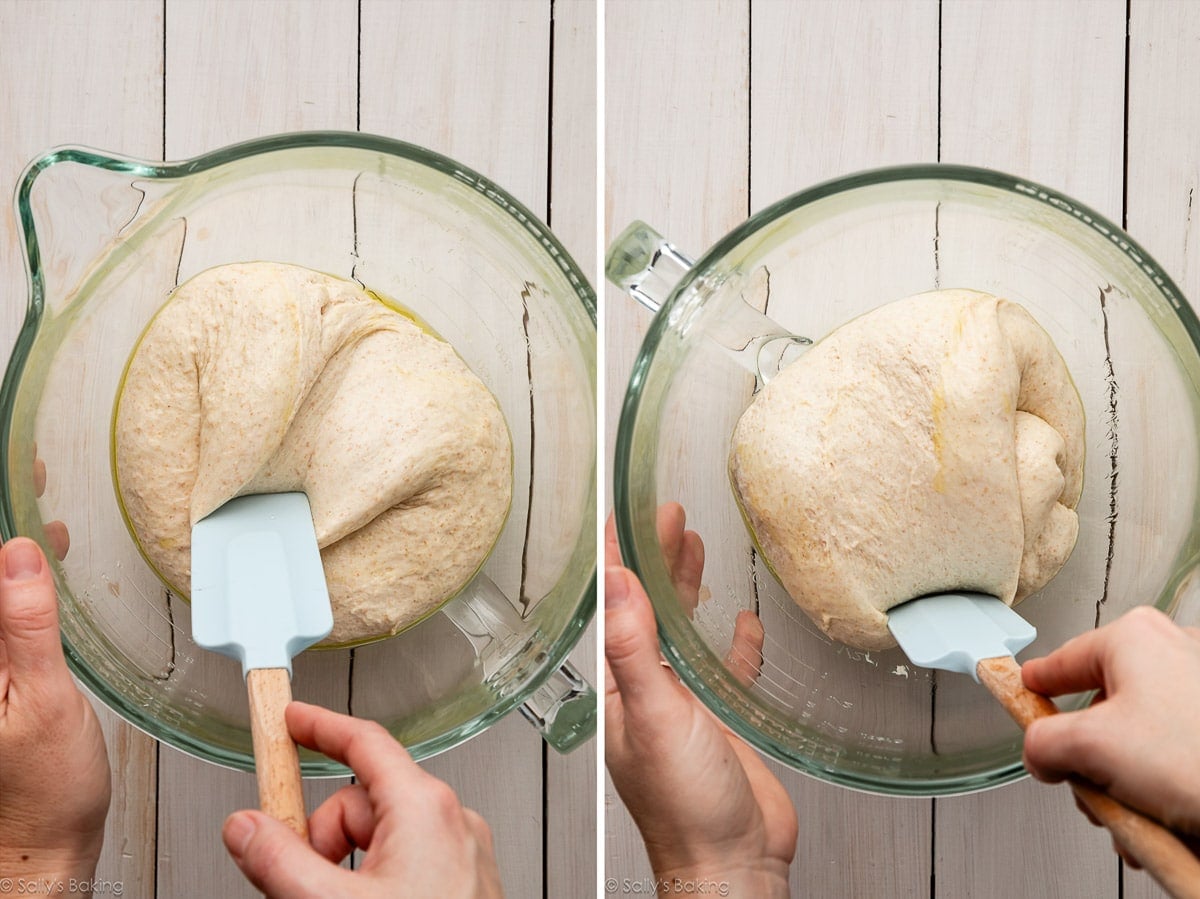
- The Stretch-and-Fold Technique: Following the initial rest, a crucial step involves a single round of "stretch-and-fold." This gentle technique, which differs from traditional kneading, involves lightly greasing one’s hands and carefully stretching a portion of the dough upwards before folding it over itself. This is repeated several times around the bowl. This method efficiently builds strength and structure in the dough while preserving its delicate aeration, preparing it for its characteristic shape.
- Second Rest and Gluten Relaxation: After the stretch-and-fold, the dough rests again for at least 45 minutes, allowing the gluten to relax and further develop.
- Shaping the Iconic Form: The dough is then gently pressed into its distinctive rounded triangle shape, typically about 12 inches long and 6 inches wide at the base. This shape is allowed another brief rest (30 minutes) to ensure the gluten is relaxed enough for the next step. Using a sharp knife or kitchen shears, a long central slash is made, leaving an inch at each end, followed by several diagonal slashes on each side. These cuts are then gently stretched to create 2-inch gaps, forming the characteristic leaf or wheat stalk pattern.
- Final Proofing and Preheating: The shaped dough undergoes a final proofing for 30 minutes while the oven preheats to a high temperature, typically 450°F (232°C). A baking stone or inverted baking sheet is preheated inside the oven to ensure a rapid, even heat transfer to the base of the bread, promoting a superior crust.
- Baking and Finishing: Before baking, the fougasse is brushed generously with olive oil and sprinkled with flaky sea salt and fresh herbs, such as chopped rosemary or Herbes de Provence. It is then carefully slid onto the preheated baking surface and baked for approximately 20 minutes, until deeply golden brown and hollow-sounding when tapped. Cooling slightly before serving allows the flavors to meld and the crust to fully crisp.
Consumer Insights and Culinary Impact
The accessibility of well-structured recipes has garnered enthusiastic responses from home bakers. Many testimonials highlight the unexpected simplicity of the process, despite its seemingly complex appearance. Bakers commend the clear instructions and visual aids that demystify techniques like preferments and stretch-and-folds, fostering a sense of accomplishment. Comments frequently laud the bread’s impressive appearance and delicious flavor, confirming its status as a "crowd pleaser." The ability to produce a bread that looks and tastes like it came from a professional bakery is a significant draw, encouraging further exploration into artisanal baking.
The growing interest in fougasse also reflects broader culinary trends, including a renewed appreciation for traditional, slow-fermented breads and the desire for wholesome, homemade foods. As consumers increasingly seek out authentic culinary experiences, fougasse stands as an inviting gateway to the rich heritage of French baking. Its versatility makes it suitable for various occasions—from a simple accompaniment to a soup or salad, to a sophisticated addition to a cheese board, or simply for dipping in high-quality olive oil and balsamic vinegar.
In conclusion, fougasse is more than just a flatbread; it is a culinary artifact steeped in history, a testament to the power of time and technique in baking, and a vibrant symbol of Provençal gastronomy. Its journey from an ancient hearth bread to a cherished home-baking project underscores a timeless appeal that continues to enrich tables and palates worldwide.