

A Comprehensive Evaluation and Ranking of the Hendrick’s Gin Portfolio and Cabinet of Curiosities Series serves as a critical examination of one of the most influential brands in the modern spirits industry. Since its inception in 1999 by William Grant & Sons, Hendrick’s Gin has transitioned from a niche Scottish experiment into a global powerhouse that redefined the botanical boundaries of the gin category. Central to this evolution is the "Cabinet of Curiosities," a series of limited-edition experimental releases curated by Master Distiller Lesley Gracie at the Hendrick’s Gin Palace in Girvan, Scotland. As of late 2024, the portfolio has expanded to include a diverse array of expressions, ranging from saline-inspired coastal blends to heavy stone-fruit infusions. This report analyzes the technical specifications, market reception, and organoleptic profiles of these releases, ranking them based on their versatility, balance, and adherence to the brand’s core identity.
The Genesis of the Cabinet of Curiosities
The Hendrick’s Gin Palace, a £13 million facility opened in 2018, serves as the laboratory for Lesley Gracie’s botanical explorations. The "Cabinet of Curiosities" was established to allow the distillery to release annual, limited-run expressions that deviate from the flagship’s cucumber-and-rose profile while utilizing the same dual-still distillation method. This method involves the marriage of spirits from two distinct types of stills: a traditional Bennett pot still, which produces a rich, complex spirit, and a rare Carter-Head still, which utilizes a vapor-infusion basket to create a lighter, more delicate distillate.
The series began in 2019 with Midsummer Solstice and has since become a cornerstone of the brand’s marketing strategy, tapping into the consumer demand for "premiumization" and "collectibility" within the spirits sector. According to market data from the IWSR, the premium gin category has seen a shift toward flavored and experimental variants, a trend Hendrick’s has both anticipated and shaped.
Chronology of Major Hendrick’s Releases
The release schedule of the Cabinet of Curiosities and core extensions provides a timeline of the brand’s experimental trajectory:
- 1999: Launch of the flagship Hendrick’s Gin.
- 2017: Introduction of Hendrick’s Orbium (initially limited, now widely available).
- 2019: Launch of Hendrick’s Midsummer Solstice and Hendrick’s Amazonia (Travel Retail exclusive).
- 2021: Launch of Hendrick’s Lunar Gin.
- 2022: Launch of Hendrick’s Neptunia.
- 2023: Launch of Hendrick’s Flora Adora.
- 2024: Launch of Hendrick’s Grand Cabaret.
Portfolio Ranking: From Experimental Divergence to Flagship Excellence
The following ranking evaluates the eight primary expressions in the Hendrick’s lineup based on their structural integrity and utility in professional mixology.
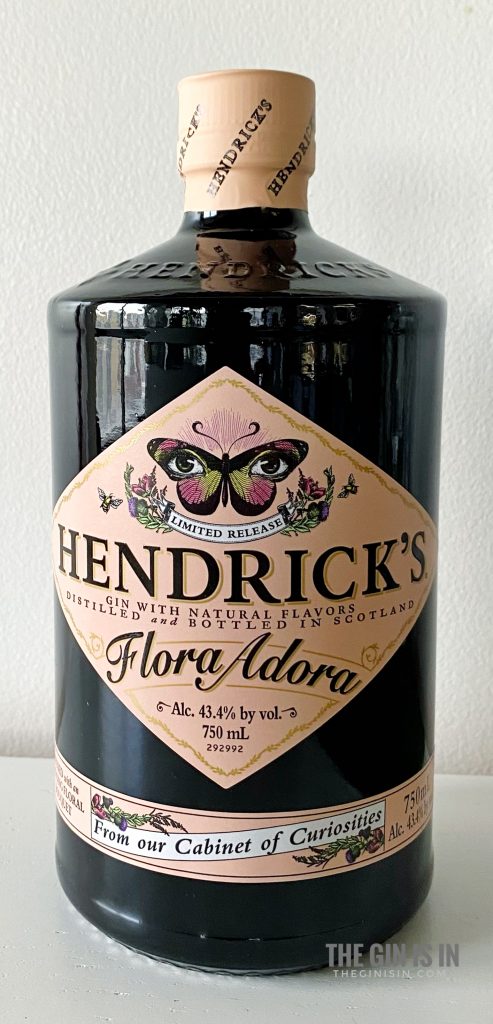
8 Hendrick’s Flora Adora (2023)
Flora Adora represents the most polarizing entry in the Cabinet of Curiosities. Marketed as a tribute to the pollinators of the Ayrshire coast, this 2023 release emphasizes a bouquet of lavender, hibiscus, and rose. Technically, the spirit features a dense concentration of floral esters which, according to industry critics, often cross the threshold into a "soapy" or "perfumed" palate. While the mid-palate retains the signature juniper and coriander notes, the finish is dominated by a persistent tuberose and vanilla sweetness. In a commercial context, Flora Adora has struggled to find a foothold in classic cocktail applications, as its intense aromatics tend to overwhelm traditional modifiers like vermouth or tonic water.
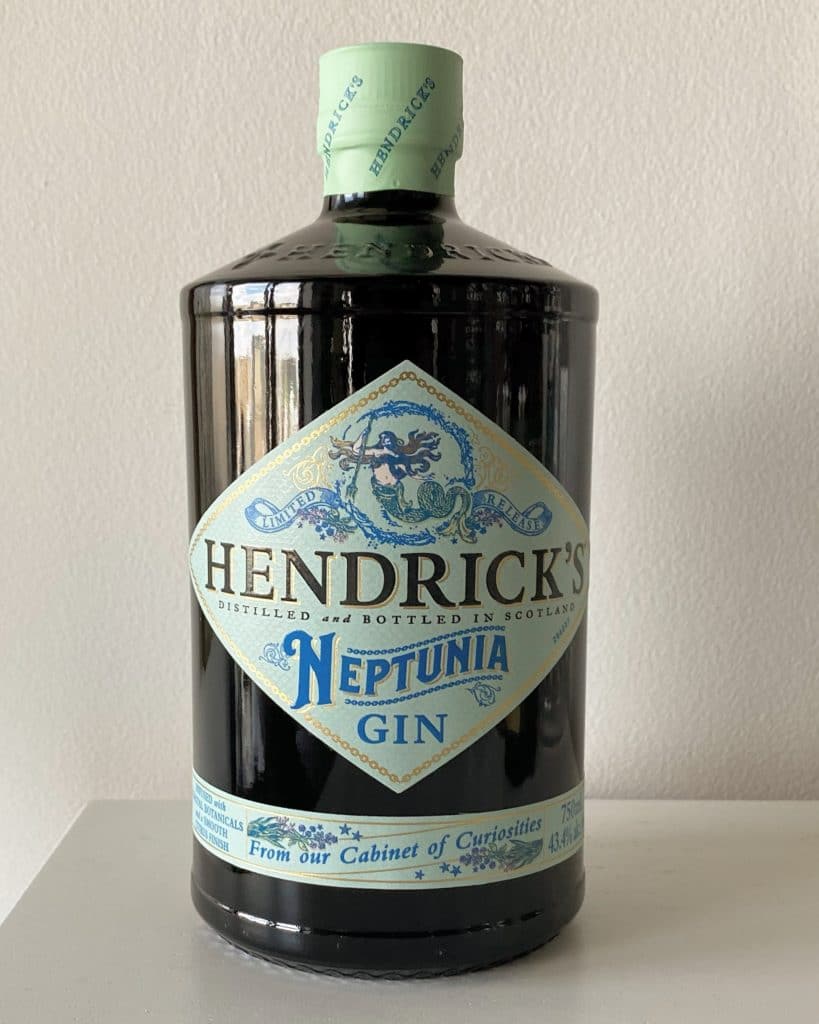
7 Hendrick’s Neptunia (2022)
Inspired by the rugged coastline of Scotland, Neptunia was Hendrick’s foray into the "coastal gin" trend, characterized by saline and savory notes. The expression incorporates a blend of coastal botanicals to evoke the sensation of a sea breeze. While the initial nose offers a promising citrus and brine combination, the execution is often described as "cacophonous." The interplay between the traditional Hendrick’s rose-cucumber base and the new savory elements creates a profile that is herbal, piney, and floral simultaneously. Professional taster data suggests that while Neptunia performs well in a "Coastal Fizz" or with premium soda water, it lacks the cohesive elegance found in higher-ranked expressions.
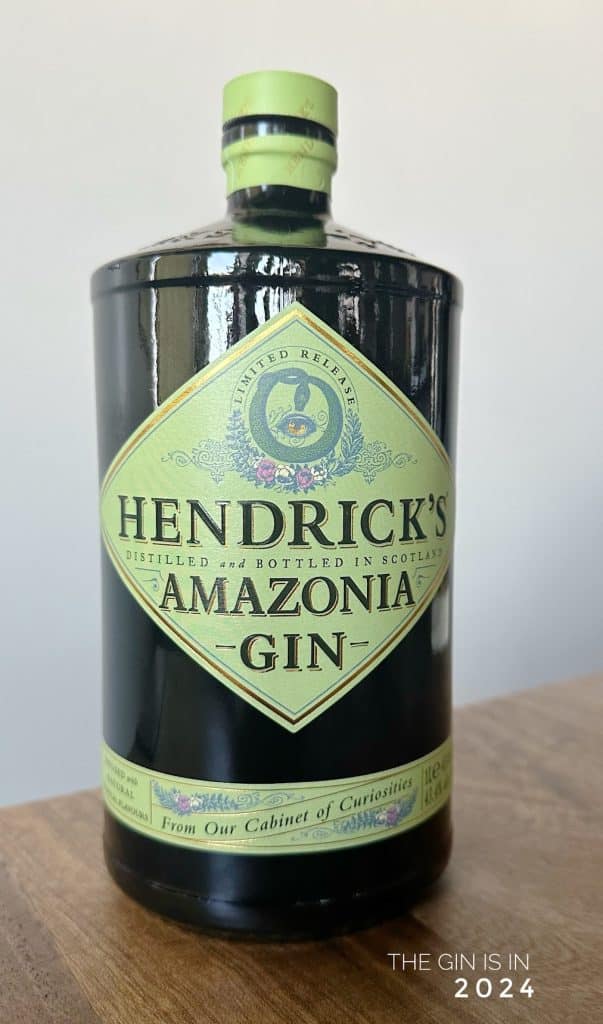
6 Hendrick’s Amazonia (2019)
Originally released as a Global Travel Retail exclusive, Amazonia was inspired by Lesley Gracie’s 2013 expedition to the Venezuelan rainforest. The botanical bill includes tonka beans and tropical fruits, resulting in a gin that leans heavily into the "fruit-forward" category. While the inclusion of pink peppercorn provides a necessary spicy counterpoint, the overarching tropical profile makes it a challenging fit for traditional gin cocktails like the Negroni. Analysts suggest that while Amazonia is a technical success in terms of flavor extraction, it occupies a space closer to a flavored vodka or a light rum, distancing it from the juniper-centric roots of the brand.
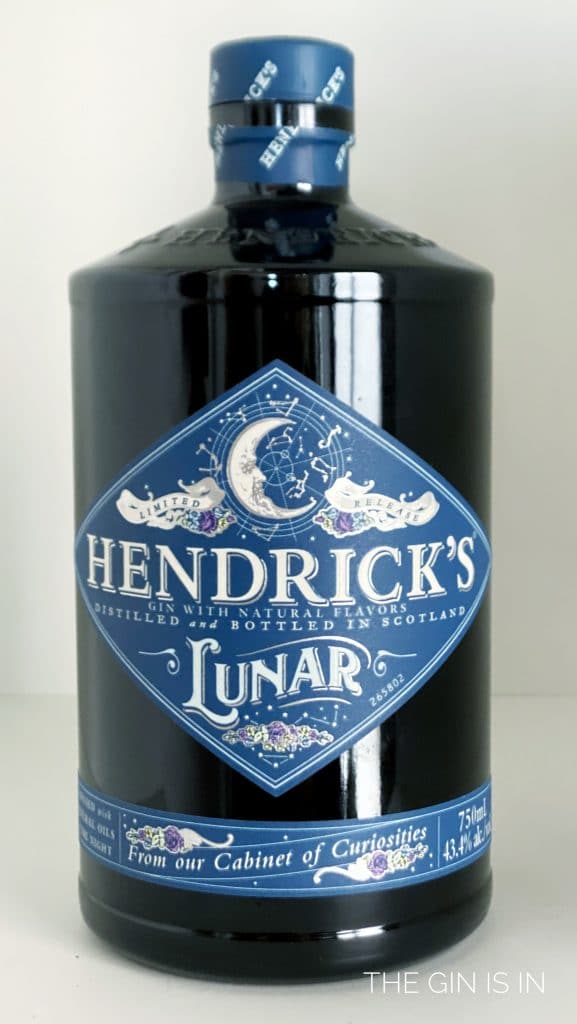
5 Hendrick’s Lunar (2021)
Lunar Gin was designed to capture the "nocturnal" essence of the distillery’s botanical gardens. It represents a more balanced approach to the Cabinet of Curiosities, focusing on warm baking spices and subtle floral notes like violet and jasmine. The palate is spice-led, with black peppercorn and coriander providing a bridge to the classic Hendrick’s profile. Lunar has been noted for its versatility, performing exceptionally well in temperature-sensitive drinks such as a warm gin punch or a chilled evening Gin and Tonic. It remains a favorite among consumers who prefer a "mood-based" spirit rather than a flavor-bomb.
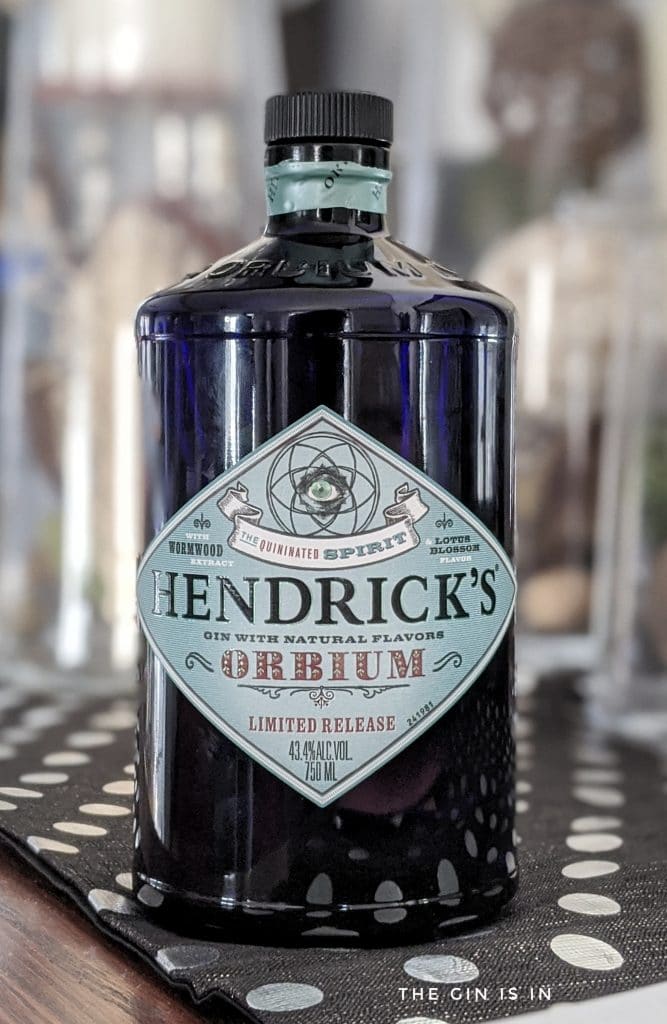
4 Hendrick’s Orbium (2017)
Orbium is a significant departure from the standard Hendrick’s architecture. By infusing the base spirit with quinine, wormwood, and blue lotus blossom, Gracie created what the brand calls a "quininated gin." This addition essentially incorporates the components of a Gin and Tonic or a Martini directly into the spirit. The result is a bitter, complex, and deeply floral gin that appeals to aficionados of amaro and vermouth. Orbium’s success lies in its ability to enhance the structural bitterness of classic cocktails, making it a staple in high-end cocktail bars globally.
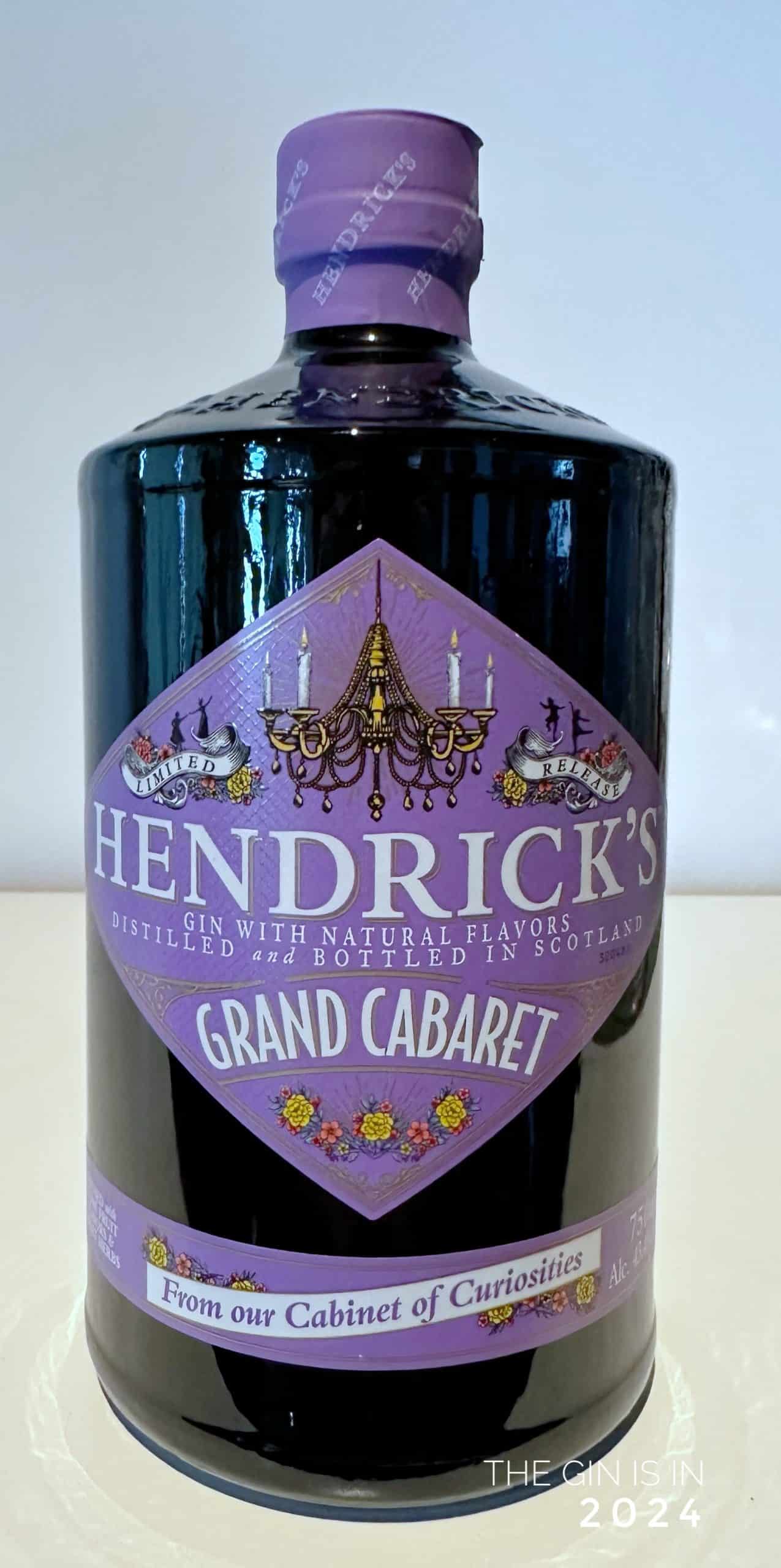
3 Hendrick’s Grand Cabaret (2024)
The newest addition to the portfolio, Grand Cabaret, draws inspiration from 17th-century French stone fruit distillates. Featuring a profile of apricot and mirabelle plum, this expression manages to balance sweetness with the herbal backbone of the flagship gin. Unlike Flora Adora or Amazonia, Grand Cabaret maintains a clear juniper presence that prevents the fruit notes from becoming cloying. Industry reception has been largely positive, noting its effectiveness in lighter, effervescent serves like the French 75 or a Gin Spritz.
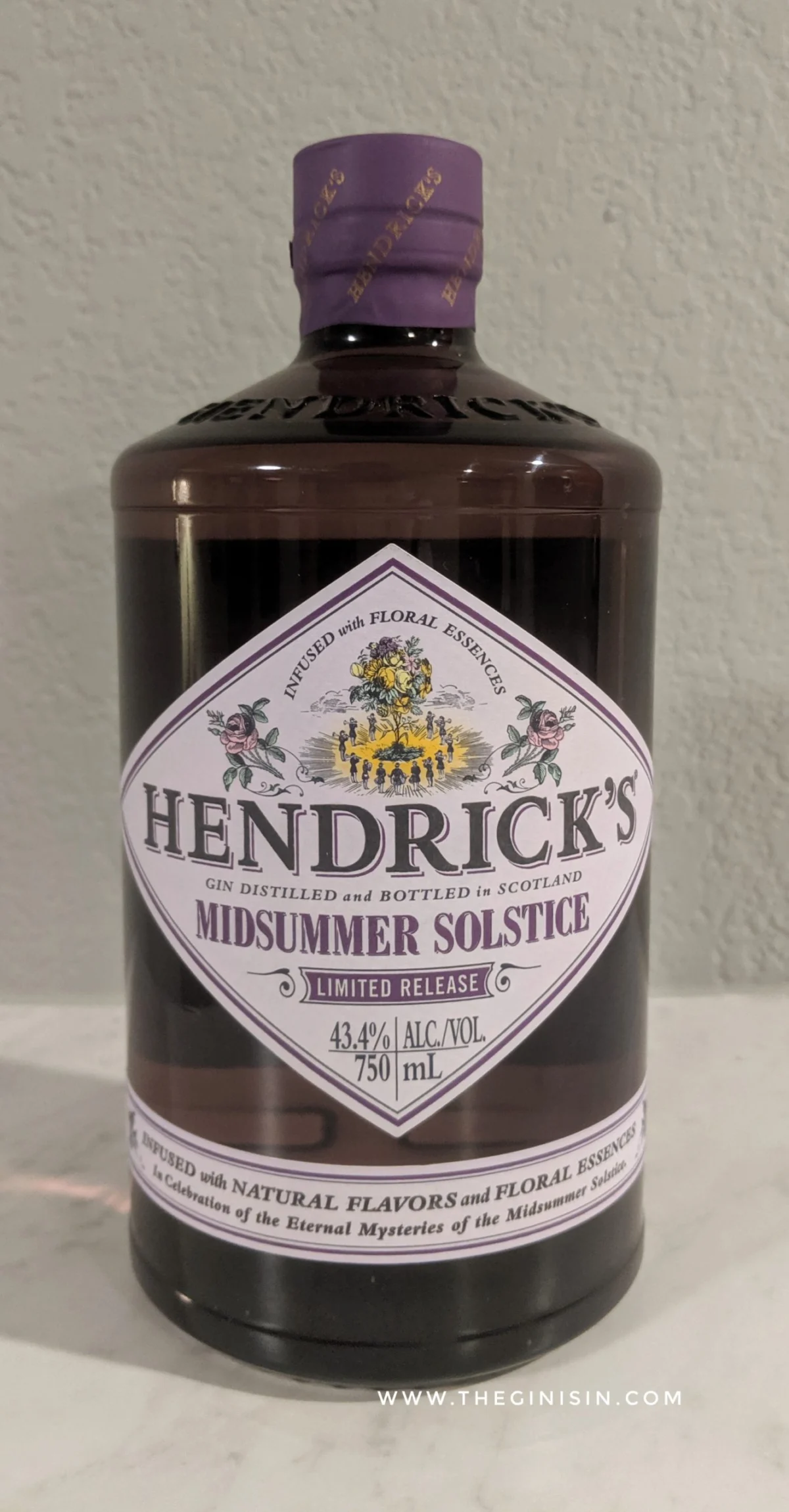
2 Hendrick’s Midsummer Solstice (2019)
The inaugural release of the Cabinet of Curiosities remains one of its most successful. Midsummer Solstice utilized "natural flavors and floral essences" to create a bright, raspberry, and rose-tinted profile. It arrived at the height of the "Pink Gin" boom but maintained a higher level of sophistication and proof than many of its competitors. Its commercial success was so significant that it set the template for all subsequent limited editions. Its ability to serve as a bridge for non-gin drinkers while retaining enough botanical complexity for enthusiasts solidified its high ranking.
1 Hendrick’s Flagship Gin (1999)
Despite 25 years of competition and internal experimentation, the original Hendrick’s Gin remains the gold standard of the portfolio. Its revolutionary use of Bulgarian Rosa Damascena and specially selected cucumbers created a "New Western" style of gin before the term was even coined. The balance achieved between the heavy, oily distillate of the Bennett still and the ethereal, floral vapor of the Carter-Head still remains a benchmark in spirits production. Its versatility across the entire spectrum of gin cocktails—from the dry Martini to the refreshing Gin and Tonic—ensures its continued dominance in the market.
Technical Analysis: The Distillation Methodology
The consistency of the Hendrick’s line, even in its more experimental phases, is attributed to the "Master Distiller’s Cut." Lesley Gracie manages a complex blending process where the two distinct distillates are combined in precise ratios before the final essences (such as the signature rose and cucumber) are added.
Data from the Girvan distillery indicates that the Bennett still (built in 1860) produces a spirit that is high in congeners, providing the "weight" on the tongue. In contrast, the Carter-Head still (built in 1948) operates at a lower temperature, ensuring that delicate botanicals are not "stewed," but rather gently extracted. This technical duality is what allows Hendrick’s to incorporate heavy flavors like stone fruit or quinine without losing the underlying elegance of the spirit.
Market Impact and Industry Response
The broader impact of the Hendrick’s product expansion has been felt throughout the spirits industry. By releasing annual limited editions, William Grant & Sons has successfully utilized the "FOMO" (Fear Of Missing Out) marketing tactic, ensuring that the brand remains a topic of conversation among bartenders and retail consumers alike.
Official statements from William Grant & Sons highlight that the Cabinet of Curiosities is not merely about flavor, but about "storytelling through liquid." This approach has forced competitors like Diageo (Tanqueray) and Pernod Ricard (Beefeater) to accelerate their own innovation pipelines, leading to a surge in seasonal and botanical-specific releases across the category.
Conclusion: The Legacy of Innovation
The ranking of the Hendrick’s portfolio underscores a fundamental truth in the spirits industry: while innovation drives consumer interest, balance and versatility determine longevity. While experimental releases like Flora Adora and Neptunia push the boundaries of what gin can be, they often sacrifice the broad utility that makes the flagship Hendrick’s a permanent fixture on backbars.
As Hendrick’s continues to expand its Cabinet of Curiosities, the brand’s ability to navigate the fine line between "novelty" and "quality" will remain the primary factor in its continued success. The 2024 release of Grand Cabaret suggests a return to more balanced, fruit-integrated profiles, signaling a refined direction for the future of the Gin Palace’s experiments. For collectors and enthusiasts, the series remains a vital map of the evolving palate of the modern gin drinker.