

This post may contain affiliate links. Please read our disclosure policy.
A timeless dish that brings warmth and comfort to any table, classic gluten-free baked mac and cheese is a culinary cornerstone, particularly appealing for its adaptability and family-friendly nature. This casserole-style preparation, enriched with the savory depth of pancetta or bacon (or enjoyed without for a vegetarian option), promises creamy, crusty perfection. It stands as a testament to how beloved comfort foods can be made accessible to those with gluten sensitivities without compromising on flavor or texture, making it a go-to meal for busy households when hunger strikes and pantry staples are key.

The enduring appeal of casserole-style mac and cheese lies in its inherent hominess. It evokes feelings of comfort and nostalgia, a familiar aroma that signals a satisfying meal. Its practicality is equally significant; it’s remarkably easy for the cook, can be prepared in advance, and baked just before serving, making it ideal for hectic schedules. To transform this dish into a complete meal, pairing it with a simple house salad or incorporating lightly blanched broccoli directly into the casserole before baking are excellent suggestions.
The recipe’s genius lies in its minimal reliance on fresh ingredients and its clever use of shelf-stable items. The only component requiring active cooking is the pancetta or bacon, which imparts a rich, nuanced flavor, though its inclusion is entirely optional. Beyond that, the essential fresh ingredients are shredded cheese and eggs. Even the milk component is a canned evaporated milk, known for its long shelf life, further enhancing the recipe’s convenience and accessibility.
The Science Behind the Comfort: Why This Recipe Works
The success of this gluten-free baked mac and cheese recipe can be attributed to several key factors that ensure both flavor and texture are paramount. The casserole format inherently provides a comforting, baked quality that distinguishes it from stovetop preparations. The combination of pasta, creamy sauce, and a baked exterior creates a harmonious blend of textures and tastes.

The use of evaporated milk is a strategic choice. Unlike regular milk, evaporated milk has a richer, more concentrated flavor due to the removal of water. This contributes to a thicker, creamier sauce that holds up well during baking, preventing a watery or thin consistency. Furthermore, its stability means it can be stored for extended periods, making it a reliable pantry staple.
The role of eggs in baked mac and cheese is crucial for binding the ingredients and creating a cohesive custard-like texture. When whisked thoroughly with the milk and gently incorporated, the eggs help set the dish during baking, preventing it from becoming mushy. The instruction to temper the eggs by gradually adding some of the warm pasta mixture before incorporating the rest is a vital technique to avoid curdling or scrambling the eggs, ensuring a smooth, creamy finish.
The decision to undercook the pasta slightly (al dente) is another critical element. Gluten-free pasta, while improved in recent years, can still be prone to breaking down if overcooked, especially during the mixing and baking stages. Cooking it a minute or two less than the package directions allows it to finish cooking in the oven without becoming mushy or falling apart. The advice to not rinse the pasta after cooking is also important, as the residual starch helps the sauce adhere better and keeps the pasta warm enough to melt the butter.

Recipe Ingredients: A Closer Look
To achieve the signature taste and texture of this classic gluten-free baked mac and cheese, a specific set of ingredients is utilized, each playing a distinct role:
- Gluten-Free Elbow Macaroni: The foundational element, chosen for its classic shape and ability to hold sauce.
- Pancetta or Bacon (Optional): Provides a savory, salty, and smoky depth of flavor, as well as a delightful textural contrast. Rendered fat from the pork is also used to coat the pasta, adding richness.
- Butter: Contributes to the creamy sauce and helps coat the pasta, ensuring a smooth texture.
- Evaporated Milk: The base of the creamy sauce, offering richness and a smooth, emulsified texture when combined with eggs.
- Eggs: Act as a binder, creating a custard-like consistency that holds the mac and cheese together during baking.
- Shredded Cheese: Typically a blend of sharp cheddar and Monterey Jack or a similar melting cheese, providing the characteristic cheesy flavor and a luscious, gooey texture. Shredding your own cheese is recommended for optimal melting.
- Salt: Enhances the overall flavor profile of the dish.
- Fresh Parsley (for garnish): Adds a touch of freshness and visual appeal.
Crafting the Perfect Gluten-Free Baked Mac and Cheese: A Step-by-Step Guide
The preparation of this gluten-free baked mac and cheese is a methodical process designed to yield superior results. Each step is crucial for achieving the desired creamy, cheesy, and slightly crusty outcome.
1. Sautéing the Pork:
If using pancetta or bacon, the initial step involves rendering the pork until it is crisp and its fat has been released. This fat is then judiciously used, with some reserved to coat the pasta, while excess is drained to prevent greasiness and allow the cheese flavor to dominate. This process of rendering adds a foundational layer of savory flavor.

2. Preparing the Custard Base:
In a separate bowl, eggs are whisked with evaporated milk and salt. This mixture forms the creamy base that will bind the mac and cheese. Thorough whisking is essential to create a homogenous blend, preventing pockets of cooked egg from appearing in the final dish.
3. Cooking the Pasta:
Gluten-free elbow macaroni is boiled until just shy of al dente, typically about one minute less than the package instructions suggest. This is particularly important for gluten-free pasta, which can become overly soft if cooked too long. The pasta is not rinsed, allowing it to retain heat and the starch that aids in sauce adhesion.
4. Incorporating Fat and Pork:
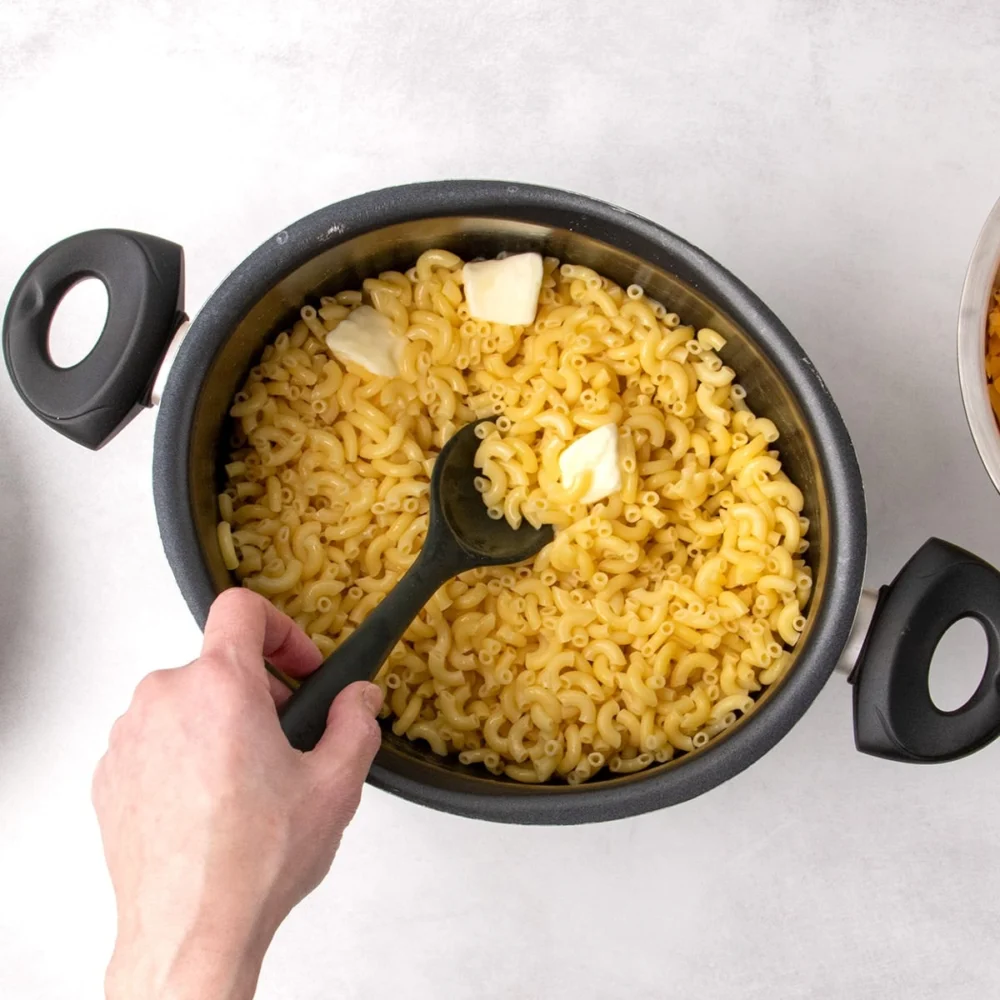
The warm, drained pasta is then combined with butter and the reserved rendered pork fat (if used), ensuring a total of six tablespoons of fat. This coating of fat adds richness and helps prevent the pasta from clumping. The cooked and drained pancetta or bacon is then gently stirred in, taking care not to break the delicate pasta.

5. Adding the Egg Mixture:
To prevent the eggs from scrambling, a portion of the warm pasta mixture is gradually whisked into the egg and milk mixture to temper it. This gradual warming process ensures the eggs cook gently when added to the rest of the pasta. The tempered egg mixture is then poured over the pasta and gently folded in to distribute evenly.
6. Folding in the Cheese:
A significant portion of the shredded cheese is added to the pasta mixture and gently folded in. The goal is to achieve a nearly even distribution without overworking the pasta, which has already undergone several stages of handling.
7. Assembling the Casserole:
The mac and cheese mixture is transferred into a greased casserole dish. A gentle shake and careful spreading ensure an even layer, preparing it for the final touches.

8. Topping with Cheese:
The remaining shredded cheese is generously scattered over the top of the mac and cheese. This creates the signature bubbly, golden-brown crust during baking.
9. Baking to Perfection:
The casserole dish is initially covered with greased or non-stick foil. This allows the custard to set gently and the cheese to melt thoroughly without the top browning too quickly. After the initial baking period, the foil is removed, and the dish is baked further until the top is golden and bubbly, or until the custard is set. Some bakers prefer a slightly softer crust, while others aim for a more pronounced browning.
10. Garnishing and Serving:
Once baked to perfection, the gluten-free mac and cheese is typically garnished with fresh parsley for a burst of color and freshness before being served warm.

Expert Insights for Culinary Success
To elevate your gluten-free baked mac and cheese experience, consider these expert tips:
Shred Your Own Cheese
For the creamiest, most melt-in-your-mouth cheese sauce, it is highly recommended to shred your cheese from a block rather than using pre-shredded varieties. Pre-shredded cheeses often contain anti-caking agents, such as cellulose, which can hinder smooth melting and contribute to a drier final product. If you must use pre-shredded cheese, an extra two fluid ounces of evaporated milk can be added to the recipe to help compensate for the reduced melting capability.
Don’t Overcook the Pasta
While gluten-free pasta has significantly improved in quality and stability, it can still be more delicate than its gluten-containing counterpart. Overcooking the elbow macaroni, even by a minute or two, can lead to it breaking apart during the mixing and baking processes, regardless of how gently you handle it. Aim for an "al dente" texture that still has a slight bite.

Prep Ahead for Convenience
This recipe offers excellent make-ahead potential, a boon for busy weeknights or entertaining. The dish can be fully assembled up to step 10 (before baking), then tightly covered and refrigerated for up to two days, or frozen for longer storage. When ready to bake, allow the dish to come to room temperature while the oven preheats, and then proceed with the baking instructions. Cold dishes may require a slightly extended baking time.
Adapting the Recipe: Ingredient Substitutions
This versatile recipe can be adapted to accommodate various dietary needs and preferences:
Dairy-Free Adaptation
For a dairy-free version, substitute the butter with a high-quality block-style vegan butter. Evaporated coconut milk is a suitable replacement for dairy evaporated milk, offering a rich flavor profile that complements the dish. While evaporated oat milk can be used, its inherent sweetness and texture might alter the final result. For dairy-free cheese recommendations, consult specialized gluten-free and dairy-free resources.

Egg-Free Alternative
Those requiring an egg-free dish may find it more successful to opt for a different mac and cheese recipe specifically designed without eggs. Attempting to replace the eggs in this particular baked preparation can significantly alter its texture and binding properties. A stovetop gluten-free mac and cheese recipe often serves as a better alternative for egg-free diets.
Vegetarian Option
Creating a vegetarian version is straightforward: simply omit the pancetta or bacon entirely. In this case, use the full six tablespoons of butter to ensure adequate richness and flavor.
Storage and Reheating Instructions
Proper storage and reheating are key to enjoying leftover gluten-free baked mac and cheese:

Unbaked Storage: The assembled, unbaked dish can be wrapped tightly in plastic wrap and refrigerated for up to two days, provided all perishable ingredients are fresh. For longer storage, freeze the unbaked dish for up to two months. Thaw overnight in the refrigerator before baking as directed.
Baked Leftovers: Once baked, the mac and cheese can be stored in an airtight container in the refrigerator for up to five days. To reheat, sprinkle lightly with lukewarm water and warm in the microwave or in a 300°F (150°C) oven until heated through.
Freezing Baked Mac and Cheese: Baked and cooled mac and cheese can also be frozen for up to two months. Thaw in the refrigerator overnight and then reheat as described above.

This gluten-free baked mac and cheese recipe offers a comforting, adaptable, and delicious option for families and individuals seeking to enjoy a classic dish without gluten. Its straightforward preparation, combined with thoughtful ingredient choices and expert tips, ensures a delightful culinary experience.