

In a move that could reshape the landscape of the American restaurant industry, Starbucks is reportedly exploring the possibility of acquiring Chipotle Mexican Grill, a deal that, if materialized, would stand as the largest in the sector’s history. The Financial Times broke the news, citing sources familiar with preliminary discussions between Starbucks and its advisors regarding a potential takeover of the fast-casual burrito chain. This potential merger has sent ripples through the financial markets, with Chipotle’s shares experiencing a notable surge and Starbucks’ stock seeing a slight decline in the immediate aftermath of the report.
The sheer scale of such a transaction is staggering. Chipotle’s current market capitalization hovers around $39 billion, a figure that dwarfs previous landmark acquisitions in the restaurant world. For perspective, the largest restaurant deal to date occurred in 2014 when Restaurant Brands International, then Burger King, acquired Tim Hortons for $11.4 billion. The vast disparity between these figures underscores the transformative potential of a Starbucks-Chipotle union. This ambition by Starbucks to enter the Mexican-inspired fast-casual market represents a significant strategic pivot for the coffee giant, which has historically focused on its core beverage offerings and a more limited food menu.
Adding an intriguing layer to this unfolding narrative is the prior tenure of Brian Niccol, the current CEO of Starbucks, who previously served as the CEO of Chipotle. Niccol departed Chipotle in 2024 to assume leadership at Starbucks, a move that itself generated considerable attention. His intimate knowledge of Chipotle’s operations, culture, and market positioning could be a significant factor in Starbucks’ strategic considerations, should these discussions progress beyond preliminary stages.
The Financial Landscape of a Potential Merger
The market’s reaction to the rumors highlights the immediate financial implications. Chipotle’s stock price jumped approximately 7% following the Financial Times report, reflecting investor optimism about the potential synergies and enhanced value a larger entity might bring. Conversely, Starbucks’ shares saw a dip of around 4%, potentially indicating investor caution or a reassessment of the company’s strategic direction and financial commitments associated with such a massive acquisition.
A deep dive into the financial health of both companies reveals a robust foundation for such a significant transaction. Starbucks, with its global presence and established brand loyalty, possesses substantial financial resources. The company has consistently demonstrated strong revenue growth and profitability, fueled by its extensive network of cafes and its expanding digital ecosystem. In its most recent fiscal reports, Starbucks has highlighted strong performance in its core markets, alongside strategic investments in innovation and customer experience.
Chipotle, on the other hand, has undergone a significant turnaround in recent years, particularly under Niccol’s leadership before his departure. The company has focused on improving food quality, enhancing operational efficiency, and leveraging technology to improve the customer experience. Chipotle’s commitment to "food with integrity" and its focus on fresh, customizable ingredients have resonated with a growing consumer base, leading to consistent sales growth and a strengthening market position. Its $39 billion valuation is a testament to its success in navigating past challenges and establishing itself as a dominant force in the fast-casual dining segment.
Strategic Rationale and Market Implications
The strategic rationale behind a potential Starbucks acquisition of Chipotle is multifaceted. For Starbucks, it represents a bold diversification strategy, allowing the coffee giant to tap into the lucrative fast-casual dining market, a segment that has shown remarkable resilience and growth. This would provide Starbucks with a significant new revenue stream and a broader customer base, complementing its existing coffee-centric business.
From a consumer perspective, the implications could be far-reaching. A combined entity might leverage the extensive real estate portfolios of both companies, potentially integrating Chipotle outlets within or adjacent to Starbucks locations, creating a more comprehensive "daypart" offering. This could lead to new co-branded experiences, streamlined ordering processes, and expanded loyalty program benefits for customers who frequent both brands. Imagine grabbing a burrito and a coffee in a single, integrated visit – a convenience that could appeal to a wide demographic.
However, such a merger would also raise questions about brand identity and operational integration. Starbucks is primarily known for its premium coffee experience and its "third place" atmosphere, while Chipotle is a purveyor of customizable, quick-service meals. Navigating the integration of two distinct corporate cultures, supply chains, and marketing strategies would be a monumental task. The success of such a venture would hinge on Starbucks’ ability to maintain the core appeal of the Chipotle brand while realizing the anticipated synergies.

Furthermore, the potential for a Starbucks-Chipotle merger occurs against a backdrop of significant consolidation and evolution within the broader restaurant and food service industry. The industry is grappling with changing consumer preferences, the rise of digital ordering and delivery, and the ongoing pressure to innovate and adapt to new market dynamics.
Other Industry Developments: Uber’s ezCater Acquisition and Subway’s Global Revamp
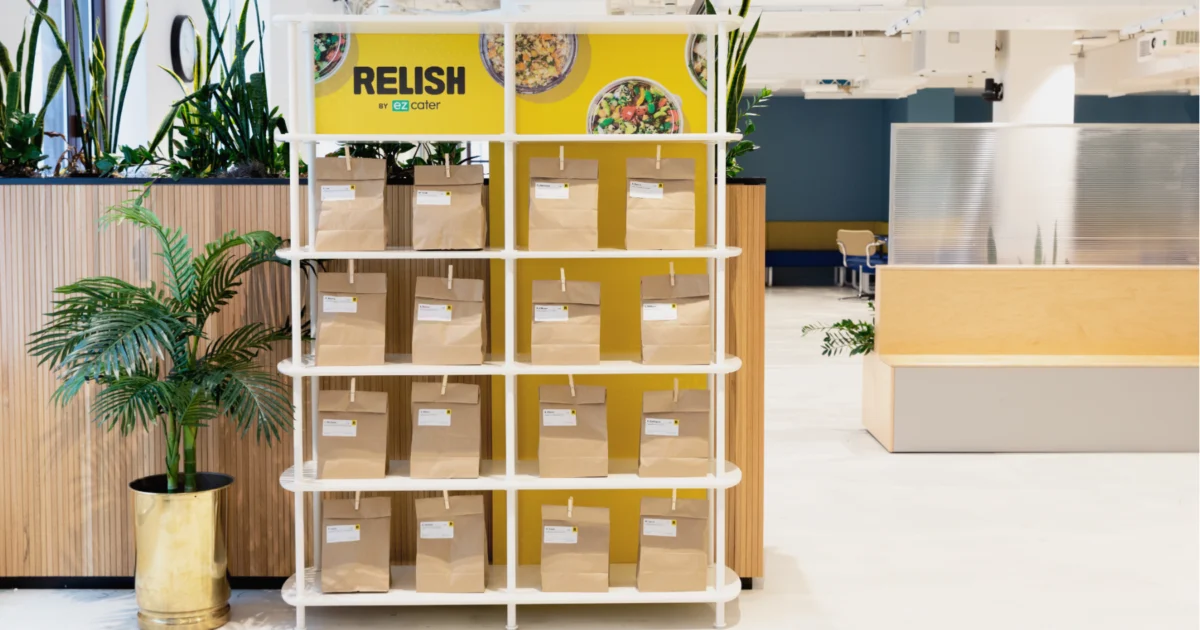
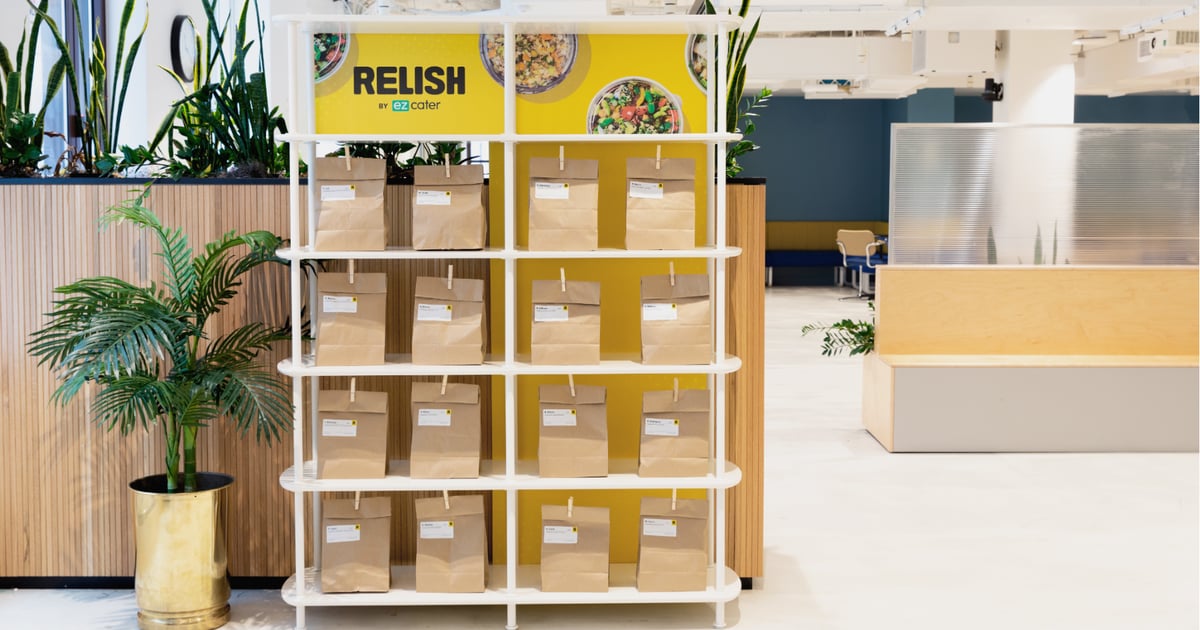
Beyond the speculative Starbucks-Chipotle deal, the restaurant industry is witnessing other significant strategic moves. Uber’s proposed $2.3 billion acquisition of ezCater, a leading online marketplace for workplace catering, is another development that has garnered considerable attention and sparked debate among restaurants. This deal aims to combine ezCater’s extensive network of catering providers with Uber’s vast food delivery infrastructure, potentially creating a formidable force in the corporate catering and group ordering space.
While this partnership could offer restaurants an avenue to expand their catering business beyond traditional office lunches to encompass a wider array of events, it also raises concerns. Restaurants that utilize both Uber Eats for individual orders and ezCater for larger events are understandably apprehensive about the implications for commission structures and the overall operational framework of a merged entity. The prospect of further consolidation in the restaurant technology market also fuels wariness among some operators. The deal is anticipated to close in the coming months, and its full impact on restaurant operations and commission rates remains to be seen.
In parallel, Subway is undertaking a significant global rebranding effort with its new "Blueprint" prototype, set to be rolled out across units in Europe, the Middle East, and Africa starting next year. This initiative represents a comprehensive reimagining of the Subway experience, aiming for a more modern, digitally integrated environment. The Blueprint concept includes features such as self-service kiosks, enhanced grab-and-go options, and an expanded breakfast menu with a dedicated coffee program. In a notable departure from its traditional daytime focus, Subway is also introducing a "Subway After Dark" concept for evening hours, complete with altered lighting, curated playlists, and an expanded menu featuring items like mac and cheese, footlong pizzas, and waffle fries, all made to order. This strategic revitalization, already tested in the UK and the Netherlands, signals Subway’s commitment to evolving its brand image and attracting a broader customer base. With approximately 35,000 franchises globally, including about 5,000 in the EMEA region, Subway aims to double its footprint in these markets over the next five years, making the Blueprint prototype a critical component of its ambitious growth strategy.
Conclusion: A Dynamic Industry in Flux
The potential acquisition of Chipotle by Starbucks, coupled with Uber’s ezCater deal and Subway’s global rebranding, paints a picture of a restaurant industry in a state of dynamic transformation. These developments underscore the relentless pursuit of growth, diversification, and adaptation by major players in response to evolving consumer demands and a competitive market landscape. While the Starbucks-Chipotle merger remains in the realm of speculation, its potential magnitude and the strategic implications it carries make it a story that will undoubtedly be closely watched by industry analysts, investors, and consumers alike. The coming months and years will reveal how these strategic maneuvers will ultimately shape the future of dining.
