


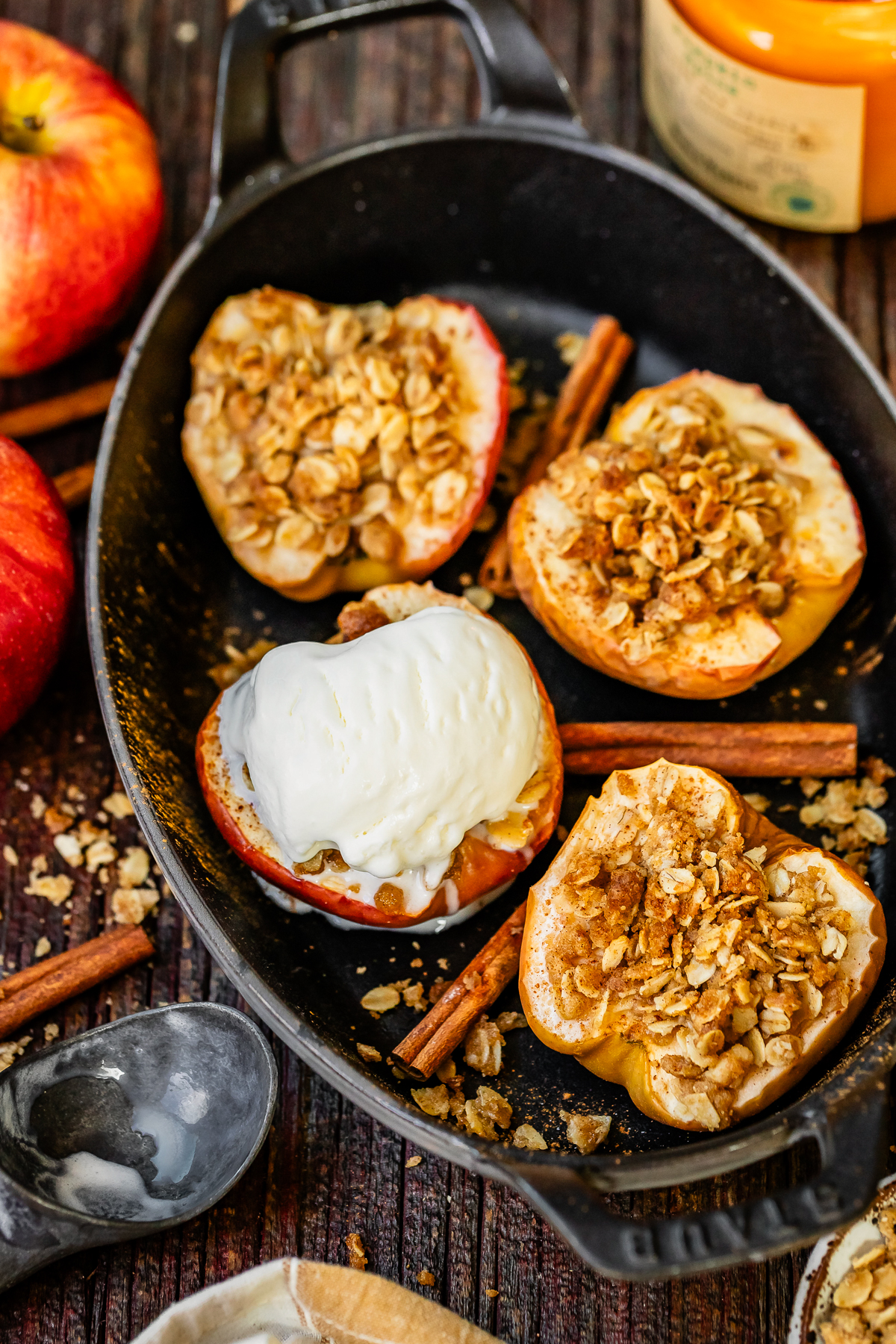
As autumn leaves begin to turn and the crisp air ushers in the harvest season, a classic dessert consistently reclaims its place in kitchens worldwide: the baked apple. Far from being a mere culinary relic, this simple yet profoundly satisfying dish continues to thrive, embodying a broader contemporary trend towards wholesome, seasonal, and easy-to-prepare foods. The enduring appeal of baked apples, particularly those featuring a golden oat topping with cinnamon and brown sugar, reflects a cultural gravitation towards comfort, tradition, and mindful eating. This year, as apple orchards yield their bountiful harvests, recipes like the popular Skinnytaste rendition are once again drawing attention to the delightful simplicity and nutritional benefits of this beloved seasonal treat.

The Historical Roots and Enduring Cultural Significance of Baked Apples
The tradition of baking apples stretches back centuries, deeply intertwined with agricultural cycles and the availability of fresh produce. Apples, one of the oldest cultivated fruits, have been a dietary staple across many civilizations, and methods of preservation and preparation like baking emerged naturally. Historically, baked apples were a practical and economical dessert, requiring minimal ingredients and leveraging residual heat from ovens used for bread baking. In medieval Europe, they were a common addition to meals, often spiced with cinnamon, nutmeg, and cloves, which were prized commodities. The simple act of baking apples transformed a tart fruit into a sweet, tender delicacy, providing warmth and sustenance, especially during colder months.
In North America, baked apples became synonymous with early colonial cuisine and later, with harvest festivals and Thanksgiving celebrations. Pioneers and early settlers relied heavily on apples, both fresh and preserved, making baked apple dishes a familiar and comforting part of their culinary landscape. The dessert’s evolution saw the introduction of various stuffings, from nuts and dried fruits to oats and brown sugar, reflecting regional preferences and the availability of ingredients. This rich history imbues baked apples with a sense of nostalgia and cultural continuity, making them more than just food; they are a connection to past generations and seasonal rhythms.
The Modern Resurgence: Simplicity Meets Health Consciousness
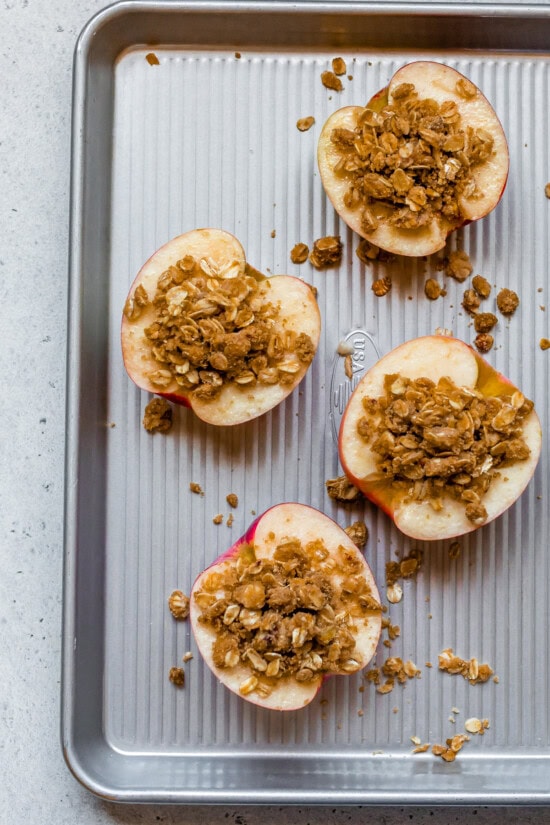
In an age characterized by fast-paced lifestyles and a heightened awareness of dietary choices, the baked apple has found a renewed relevance. Modern home cooks are increasingly seeking recipes that offer maximum flavor with minimal effort and a clear nutritional profile. The "Skinnytaste" approach, which emphasizes an oat topping without the need for peeling or dicing the apples, perfectly encapsulates this trend. This streamlined preparation—simply halving, coring, and stuffing—significantly reduces prep time, making it an ideal dessert for busy weeknights or impromptu gatherings.
This emphasis on simplicity extends beyond mere convenience. It aligns with a broader culinary movement that values natural ingredients and straightforward cooking methods. Consumers are often wary of overly processed foods and complex recipes that demand exotic ingredients or specialized techniques. Baked apples, with their core components of fruit, oats, and spices, represent a return to fundamental, wholesome eating. The ability to achieve a "crisp, golden oat topping" and softened fruit with just a few ingredients resonates strongly with those who appreciate authentic flavors and textures without artificial enhancements.

Nutritional Profile and Health Implications
From a nutritional standpoint, baked apples offer a compelling case as a healthy dessert option. Apples themselves are rich in dietary fiber, vitamins (particularly Vitamin C), and antioxidants. When baked, their natural sugars caramelize, intensifying their sweetness without the need for excessive added sugars. The inclusion of oats in the topping further boosts the fiber content, contributing to satiety and digestive health. Oats are known for their beta-glucan fiber, which can help lower cholesterol levels and regulate blood sugar.
Compared to many traditional desserts, which can be high in refined sugars, unhealthy fats, and empty calories, baked apples present a far more virtuous choice. A serving of baked apple with a modest oat topping, as suggested by the recipe’s nutritional data (e.g., 154 kcal, 27g carbohydrates, 1.5g protein, 6.5g fat, 3g fiber, 15.5g sugar), offers a satisfying sweet treat without derailing dietary goals. Nutritionists frequently emphasize the importance of incorporating whole fruits into one’s diet, and baked apples provide an enjoyable way to do so, particularly for those with a sweet tooth. The flexibility to adjust the amount of brown sugar or even substitute with natural sweeteners like maple syrup or honey allows for further customization to meet individual dietary needs, such as managing blood sugar levels or reducing overall sugar intake.

The Role of Seasonal Ingredients and Local Sourcing
The resurgence of baked apples is intrinsically linked to the growing interest in seasonal eating and local food systems. Apple picking, an iconic fall activity in many regions, directly connects consumers with the source of their food. This experience fosters an appreciation for fresh, ripe produce and encourages the use of abundant seasonal ingredients. When families visit orchards, they often return with a substantial haul, necessitating creative and delicious ways to utilize the fruit. Baked apples provide an excellent solution, transforming fresh, sometimes slightly tart, apples into a warm, inviting dessert.
The choice of apple variety also plays a significant role in the final dish. Culinary experts often recommend specific apples for baking due to their texture and flavor profile when cooked. Varieties like Granny Smith, Braeburn, Honeycrisp, Gala, and Pink Lady are popular choices. Granny Smith offers a tartness that balances sweetness, while Honeycrisp and Gala provide a sweeter, crispier texture. The ability to use a mix of apples allows for a complex flavor profile, combining different levels of sweetness and acidity. This connection to seasonality and local sourcing not only supports regional agriculture but also ensures peak flavor and freshness, enhancing the overall dining experience.
Expert Commentary and Consumer Trends
Food industry analysts and culinary experts have observed a consistent trend towards "comfort classics" and "better-for-you" desserts. Baked apples fit squarely into both categories. According to recent consumer surveys on dessert preferences, there’s a growing demand for options that are perceived as healthier without sacrificing taste. A 2023 report by the National Restaurant Association, for instance, highlighted that "fruit-based desserts" and "health-conscious options" are among the top trends driving menu innovation. This indicates that dishes like baked apples are not just home cooking staples but are also influencing commercial culinary offerings.
Culinary bloggers and influencers, such as those behind Skinnytaste, play a crucial role in popularizing these trends. By developing and sharing recipes that are both accessible and health-conscious, they guide millions of home cooks towards more balanced eating habits. Their platforms often provide the practical advice and visual inspiration needed for individuals to confidently recreate these dishes in their own kitchens. The endorsement of a recipe by a trusted source like Skinnytaste lends credibility and encourages widespread adoption, turning a simple recipe into a widely embraced culinary movement.
Preparation Principles and Adaptability
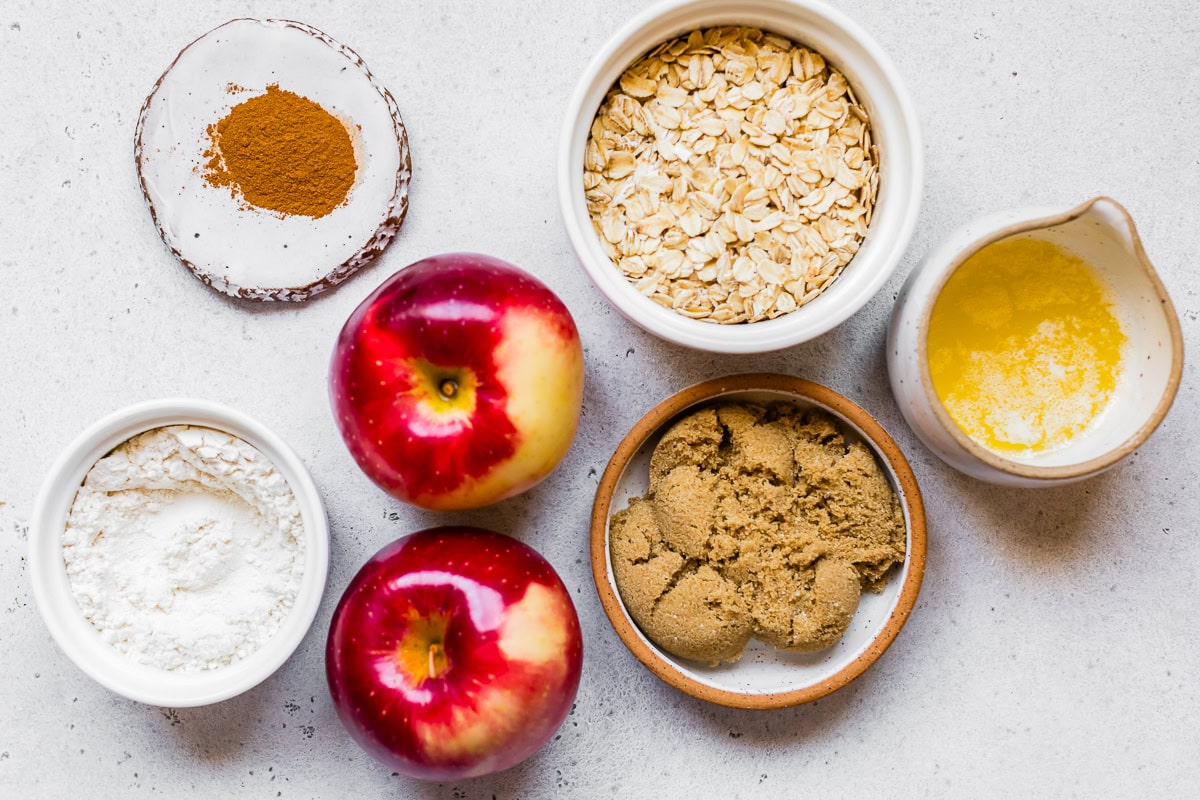
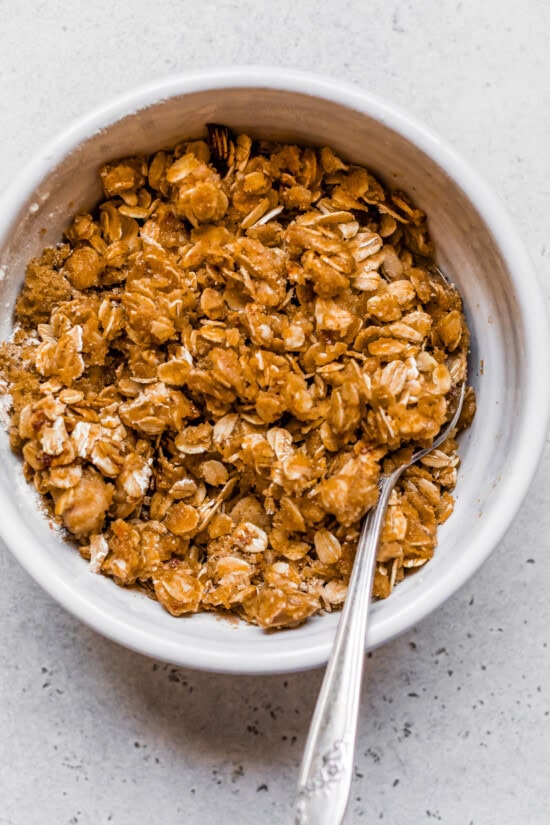
While the original article provides a recipe, the principles behind preparing baked apples are universally appealing. The core method involves halving the apples, removing the core and seeds, and then filling the cavity with a mixture of oats, brown sugar, and cinnamon, often bound with a touch of butter. This method allows the apples to soften beautifully in the oven while the topping becomes golden and crisp, creating a delightful contrast in textures.
The adaptability of baked apples is another key factor in their enduring popularity. Beyond the basic oat topping, variations are endless. One could incorporate chopped nuts like walnuts or pecans for added crunch and healthy fats. Dried fruits such as raisins or cranberries can introduce additional sweetness and chewiness. A drizzle of maple syrup or honey can replace or supplement brown sugar. For a more decadent touch, a dollop of cream cheese or a sprinkle of shredded coconut could be added. The article mentions serving with a scoop of vanilla ice cream, which is a popular indulgence, but alternatives like Greek yogurt or a light custard could also be considered for a healthier twist. This versatility ensures that baked apples can be customized to suit various palates and dietary requirements, maintaining their appeal across diverse demographics.
Economic and Environmental Considerations
The emphasis on seasonal ingredients like apples also carries economic and environmental benefits. By purchasing apples during their peak season, consumers often benefit from lower prices due to abundant supply. Supporting local apple orchards contributes directly to the local economy, helping to sustain agricultural communities and preserve farmlands. Environmentally, consuming seasonal and locally grown produce typically reduces the carbon footprint associated with transportation and storage, as fruits do not need to be shipped long distances or kept in energy-intensive cold storage for extended periods. This aligns with broader movements towards sustainable food practices and responsible consumption.
The Future Outlook for Wholesome Desserts
The trajectory of food trends suggests that desserts like baked apples will continue to hold a prominent position in the culinary landscape. As health and wellness remain top priorities for consumers, and as appreciation for simple, natural ingredients grows, the appeal of wholesome, fruit-based desserts is only likely to strengthen. The convenience factor, coupled with the rich cultural heritage and nutritional benefits, positions baked apples not just as a seasonal treat, but as a perennial favorite that adeptly balances indulgence with well-being. The simple act of preparing and enjoying baked apples serves as a reminder that some of the most satisfying culinary experiences are often the most straightforward and closest to nature.
