

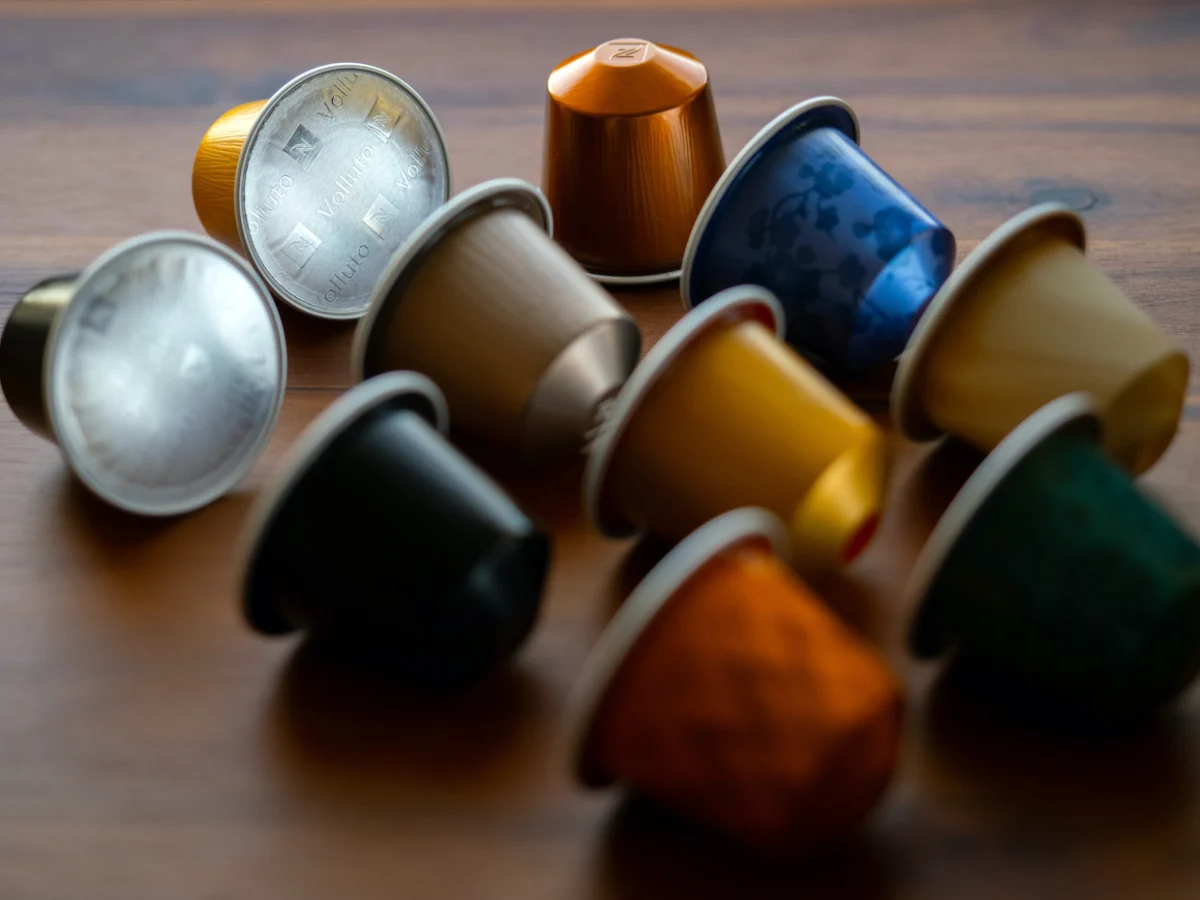
Nespresso, the premium coffee capsule giant owned by Nestlé, has announced the discontinuation of its innovative paper-based, home-compostable coffee capsules. This move marks a significant reversal of a packaging initiative launched in 2023, which was intended to offer consumers an environmentally friendlier alternative to the company’s ubiquitous aluminum single-use capsules. The decision, confirmed in late September, stems from consumer feedback highlighting issues with the capsules’ limited shelf life and an overall suboptimal product experience, according to a report by the Swiss Broadcasting Corporation.
This abrupt halt to the compostable capsule venture underscores the complex challenges and evolving landscape of sustainable packaging solutions within the single-serve coffee industry. After three years of dedicated research and development, the initiative, which had rolled out across 14 European markets, is now being phased out. Nespresso has explicitly stated its intention to refocus its efforts on its established aluminum capsules, asserting that this material remains the superior choice for preserving the intricate taste and aroma profiles of its coffee offerings.
A Brief History of the Compostable Capsule Initiative
The journey of Nespresso’s compostable capsules began with an unveiling in November 2022, with ambitious plans for an initial launch in France and Switzerland during the spring of 2023. These capsules were designed to be compatible with existing Nespresso Original machines, aiming to leverage the brand’s substantial installed user base. The development was a collaborative effort, involving Finnish packaging manufacturer Huhtamaki and Nestlé’s in-house packaging research division, the Nestlé Institute of Packaging Sciences.
The capsules themselves were constructed primarily from molded paper pulp, a material chosen for its compostability. To ensure the integrity of the coffee within, a thin, biodegradable lining was incorporated to protect against oxidation. This innovative design earned certifications for both home and industrial composting from the reputable certification body TUV Austria, adding a layer of credibility to Nespresso’s sustainability claims at the time of their introduction. The commitment to this project represented a substantial investment of time and resources, signaling Nespresso’s intent to address growing consumer and regulatory pressure concerning packaging waste.
The Rationale Behind the Reversal: Consumer Feedback and Quality Concerns
In an updated online Frequently Asked Questions (FAQ) section, Nespresso articulated the primary drivers behind its decision to discontinue the compostable capsules. The company stated, "We have carefully analyzed customer feedback and are now more convinced than ever that aluminum is the best choice for preserving the taste and aroma of Nespresso coffee." This statement directly addresses the core concerns that appear to have led to the product’s demise: shelf life and the overall consumer experience, which presumably includes factors like aroma preservation and the quality of the brewed coffee.
The limited shelf life of paper-based packaging, especially when containing sensitive food products like coffee, is a well-documented challenge. Factors such as humidity, temperature fluctuations, and the inherent permeability of paper can accelerate the degradation of coffee quality, leading to a loss of aroma and flavor. For a brand like Nespresso, which has built its reputation on delivering a premium coffee experience, any compromise in taste is likely to be met with significant consumer dissatisfaction. The "overall product experience" likely encompasses the ease of use, the robustness of the capsule, and the consistency of the coffee produced.
While Nespresso has not elaborated extensively on the specific nature of the consumer feedback, it is reasonable to infer that issues related to coffee freshness, potential spoilage, or a perceived decline in the sensory qualities of the coffee were significant contributing factors. The company’s firm stance that aluminum remains the superior material for quality preservation suggests that the compostable alternative, despite its environmental aspirations, ultimately failed to meet the brand’s stringent standards for coffee integrity.
The Broader Context: The Evolving Landscape of Coffee Packaging
Nespresso’s decision unfolds against a backdrop of intense innovation and scrutiny within the coffee packaging sector. The proliferation of single-serve coffee systems, while offering convenience, has also generated a substantial amount of waste, prompting a widespread search for more sustainable alternatives. The industry is actively exploring a range of solutions, from advanced recycling technologies to novel biodegradable and compostable materials, and even entirely new consumption formats.
This trend is exemplified by recent introductions like Lavazza’s plastic-free Tablì coffee tablets. These tablets represent a different approach, aiming to eliminate the need for traditional capsule packaging altogether by delivering coffee in a compressed, dissolvable format. Such innovations highlight the diverse pathways companies are pursuing to reduce their environmental footprint.
Furthermore, academic research continues to shed light on the complex environmental trade-offs associated with different types of coffee capsules. A 2023 study by Wageningen University & Research evaluated the sustainability of compostable bioplastic, recyclable aluminum, and conventional plastic capsules. The researchers concluded that, when considering greenhouse gas emissions and material circularity, compostable bioplastic capsules emerged as the most sustainable option. However, the study also noted that aluminum, when managed through dedicated recycling systems, demonstrated significant circularity potential, though low participation rates in such programs remain a considerable hurdle.
The inherent challenges of recycling single-use coffee capsules in conventional waste streams are well-documented. Their small size often complicates sorting processes in recycling facilities, and the presence of residual coffee grounds necessitates separation from recyclable materials. These logistical complexities contribute to a significant portion of capsules ending up in landfills, irrespective of their material composition.
Implications and Future Outlook
Nespresso’s retreat from its compostable capsule initiative has several implications for the broader coffee industry and for consumers. Firstly, it highlights the significant technical and market challenges associated with transitioning away from established, high-performance materials like aluminum. While compostable and biodegradable materials offer environmental promise, their ability to match the protective qualities and shelf life of aluminum, particularly for sensitive products like coffee, is not yet consistently achieved.
Secondly, this decision may lead some consumers to question the viability of compostable packaging in the premium coffee segment, potentially reinforcing reliance on aluminum or prompting a search for brands that have successfully navigated these challenges. For Nespresso, the focus on aluminum, coupled with ongoing efforts to improve its aluminum capsule recycling programs, signals a strategic reinforcement of its core offering. The company has invested in collection and recycling initiatives for its aluminum capsules, emphasizing the importance of consumer participation in these schemes to maximize the material’s circularity.
The company’s commitment to aluminum, while potentially disappointing for environmentally conscious consumers seeking readily compostable options, is rooted in a pragmatic assessment of quality preservation. Nespresso’s stated position implies that the environmental benefits of a compostable capsule are negated if the coffee quality is compromised, leading to product waste or consumer dissatisfaction. This underscores the delicate balance between environmental sustainability and product performance that companies in the food and beverage sector must strike.
The discontinuation also serves as a cautionary tale, illustrating that even well-intentioned packaging innovations require rigorous testing, robust consumer acceptance, and a clear understanding of the entire product lifecycle, from production to disposal. The three years of R&D invested in these capsules, while not resulting in a sustained product, will undoubtedly provide valuable learnings for Nespresso and the wider industry as they continue to grapple with the imperative of sustainable packaging.
As the coffee industry continues its quest for greener solutions, Nespresso’s experience with its compostable capsules underscores the ongoing need for collaboration between manufacturers, packaging experts, researchers, and consumers. The path towards truly sustainable single-serve coffee is likely to involve a multi-faceted approach, encompassing material science innovation, improved recycling infrastructure, consumer education, and potentially a reconsideration of the single-serve model itself. While Nespresso reverts to its aluminum stronghold, the pursuit of effective and environmentally responsible packaging alternatives remains a critical and dynamic frontier for the entire coffee world. The company’s continued investment in optimizing its aluminum recycling programs, alongside its exploration of other potential innovations, will be closely watched by industry observers and consumers alike as they navigate the complex terrain of coffee consumption and its environmental impact.
