

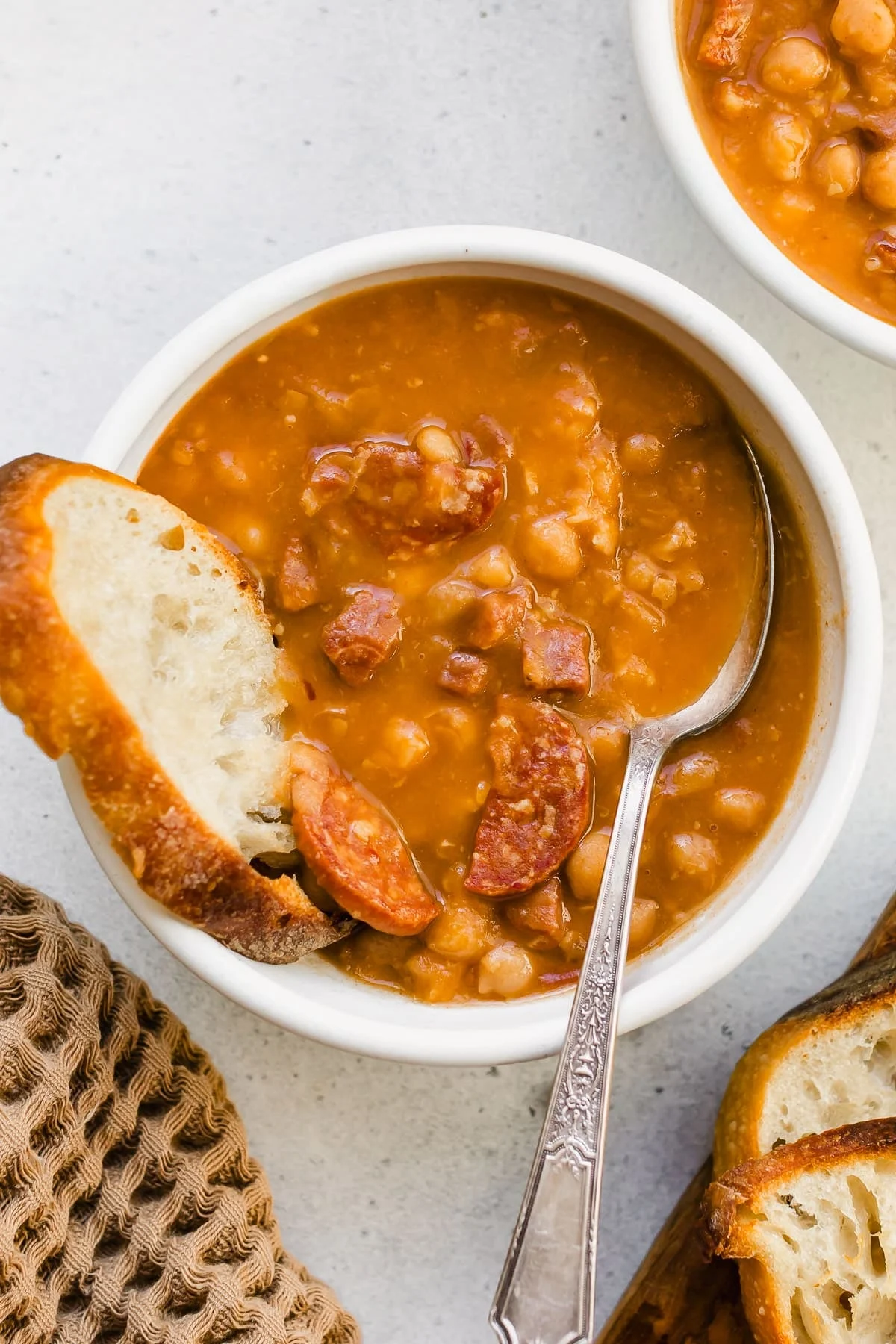
As autumn’s chill descends, bringing with it the unmistakable signals of "cozy soup and stew season," culinary enthusiasts in New York and beyond are turning to warming, nutritious, and convenient meal solutions. Among the recent highlights gaining traction is a Spanish Garbanzo Stew, adapted for the modern kitchen’s Instant Pot. This robust, one-pot dish, featuring dried chickpeas, smoky chorizo, cured ham, and tender potatoes, is quickly becoming a staple for its rich flavor profile, impressive nutritional benefits, and ease of preparation. With each serving boasting a substantial 17 grams of fiber and ample protein, this stew represents a harmonious blend of traditional Spanish gastronomy and contemporary health-conscious cooking.
Culinary Roots and Historical Significance of Garbanzo Stew
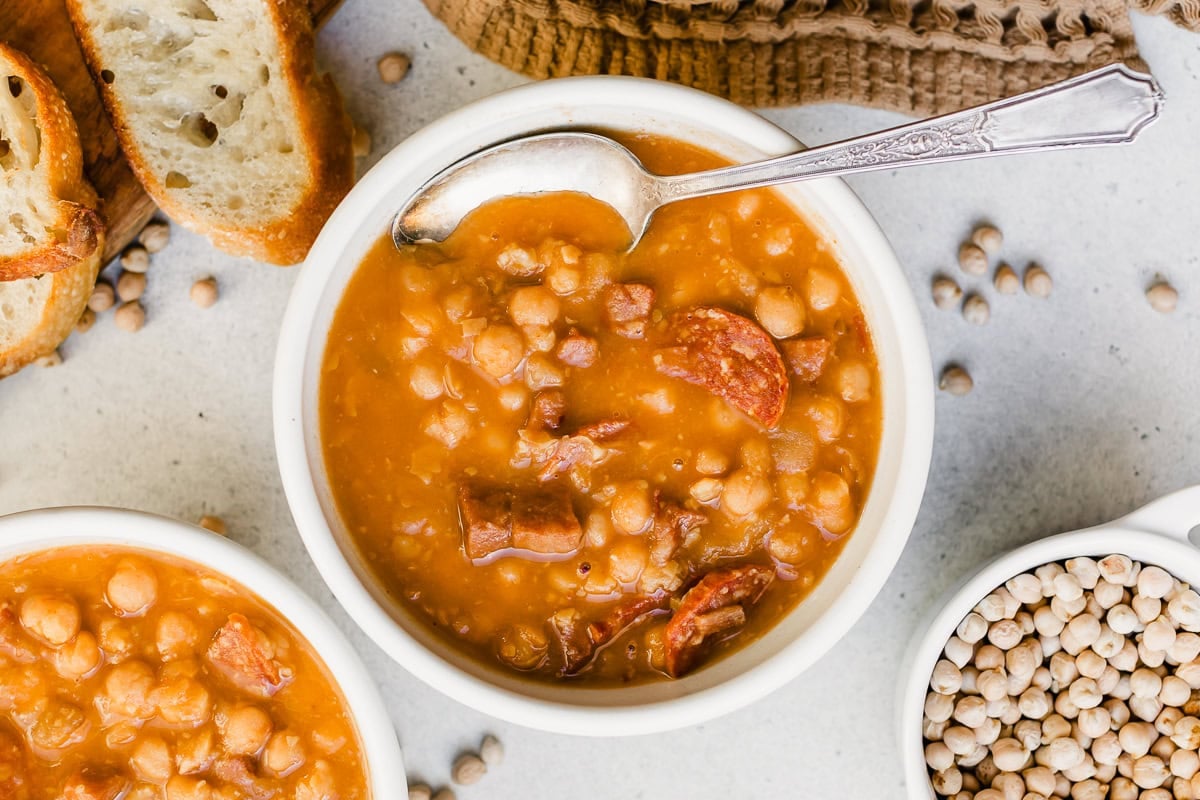
The concept of a hearty stew centered around chickpeas (garbanzos) is deeply embedded in Spanish culinary history. Known regionally by names such as cocido de garbanzos or potaje de garbanzos, these dishes are emblematic of Spain’s rich peasant food traditions, where humble, readily available ingredients were transformed into nourishing and flavorful meals. Chickpeas themselves have a storied past, cultivated in the Mediterranean for thousands of years and serving as a fundamental protein source long before meat became widely accessible. Their ability to absorb flavors and provide a satisfying texture makes them ideal for slow-cooked preparations.
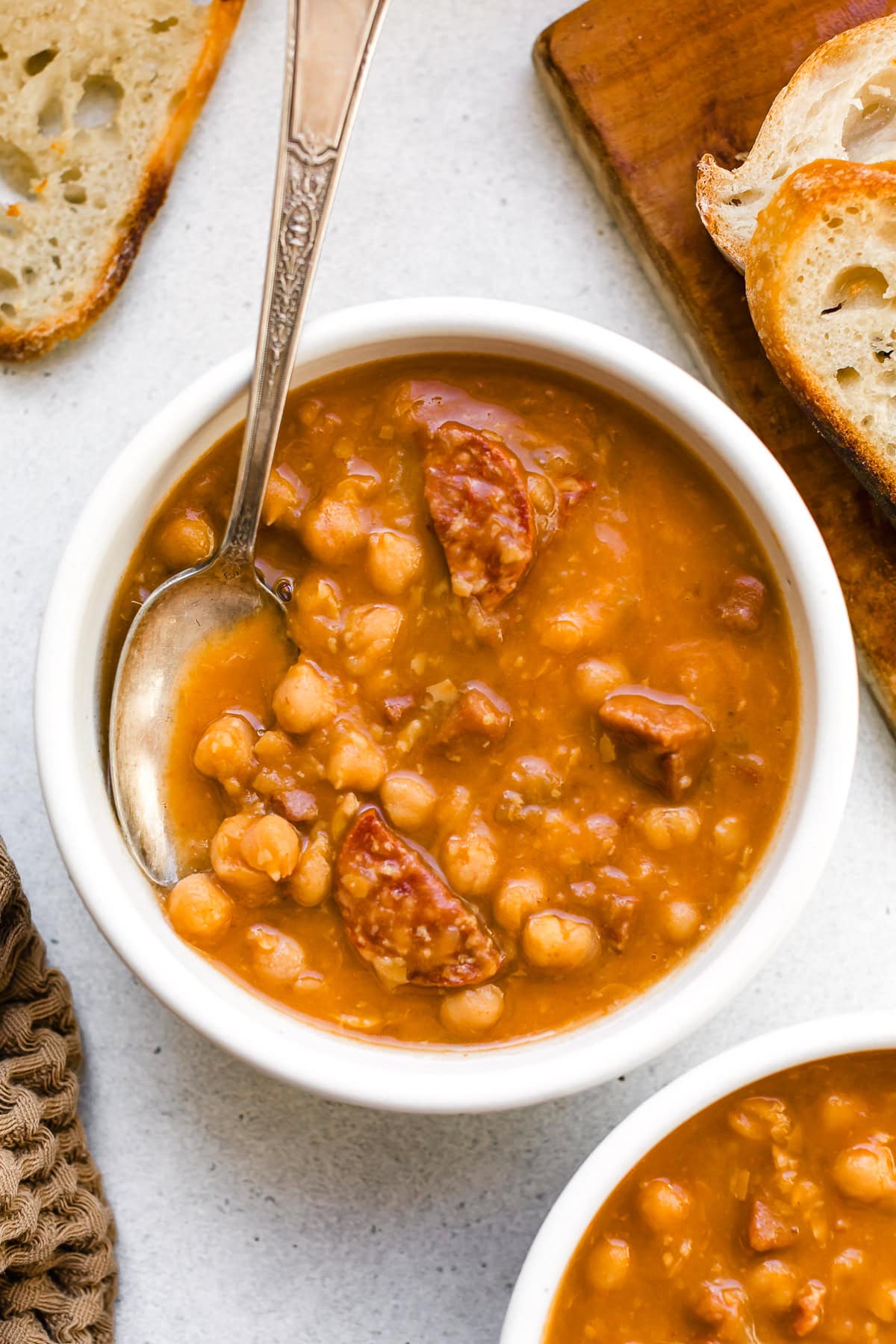
The inclusion of cured meats like chorizo and ham in Spanish stews is equally foundational. Chorizo, with its distinctive paprika-infused smokiness, and ham (often a ham hock or cured ham bone), contribute a profound depth of umami and a savory backbone that defines much of Spanish cuisine. These ingredients were traditionally used not just for their flavor but also for their ability to provide sustenance and enrich the overall dish. The combination of legumes, meats, and vegetables like potatoes creates a balanced meal that historically fueled laborers and families alike, particularly during colder months when warming, energy-dense foods were paramount. The dish’s evolution reflects a practical approach to cooking, maximizing flavor and nutrition from simple components.
The Rise of the Instant Pot: A Modern Culinary Catalyst

The adaptation of this classic Spanish stew for the Instant Pot underscores a significant shift in contemporary home cooking. The Instant Pot, a multi-functional electric pressure cooker, has revolutionized meal preparation by drastically reducing cooking times for dishes that traditionally require hours on the stovetop. For ingredients like dried chickpeas, which typically necessitate an overnight soak and extended simmering, the Instant Pot offers an unparalleled advantage, transforming hours of cooking into mere minutes of active pressure cooking.
This convenience aligns perfectly with the demands of modern lifestyles, where time constraints often lead to a compromise on homemade, nutritious meals. The Instant Pot’s ability to achieve "slow-cooked flavor without spending hours at the stove," as noted by Gina, the recipe creator from Skinnytaste.com, is a key driver of its popularity. It facilitates the preparation of complex, flavor-rich dishes, making them accessible even on busy weeknights. The sealed environment of the pressure cooker also helps to lock in moisture and flavors, often resulting in more tender meats and legumes and a more intensely flavored broth. This technological advancement allows home cooks to preserve the essence of traditional recipes while embracing efficiency.

Nutritional Powerhouse: Fiber and Protein at the Forefront
Beyond its comforting appeal, the Spanish Garbanzo Stew stands out for its impressive nutritional profile, particularly its high content of dietary fiber and protein. Each serving provides 17 grams of fiber, a significant contribution towards the recommended daily intake. Dietary fiber is crucial for digestive health, promoting regularity and supporting a healthy gut microbiome. Furthermore, fiber contributes to satiety, helping individuals feel fuller for longer and potentially aiding in weight management. It also plays a vital role in regulating blood sugar levels and can help lower cholesterol.
The stew is also packed with protein, deriving from both the plant-based chickpeas and the animal-based chorizo and ham. Protein is essential for muscle repair and growth, enzyme production, and overall bodily function. The combination of legume protein and meat protein offers a complete amino acid profile, ensuring the body receives all necessary building blocks. This makes the stew an excellent choice for those seeking to increase their protein intake, including athletes, individuals on weight management plans, or anyone looking for a more satisfying meal. The macronutrient balance of carbohydrates (from potatoes and chickpeas), proteins, and healthy fats (from chorizo and olive oil) makes this a well-rounded and energy-sustaining dish.
Key Ingredients and Their Contributions
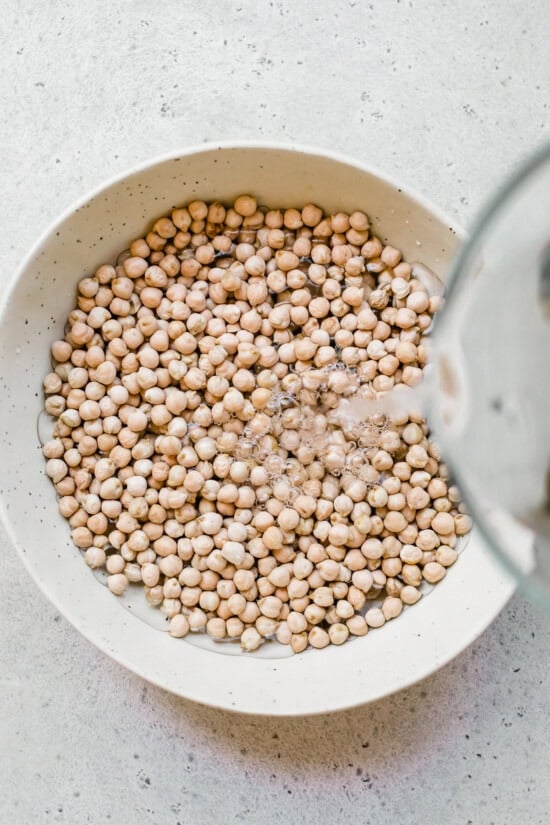
A closer look at the core ingredients reveals how each element contributes to the stew’s distinct character and nutritional value:
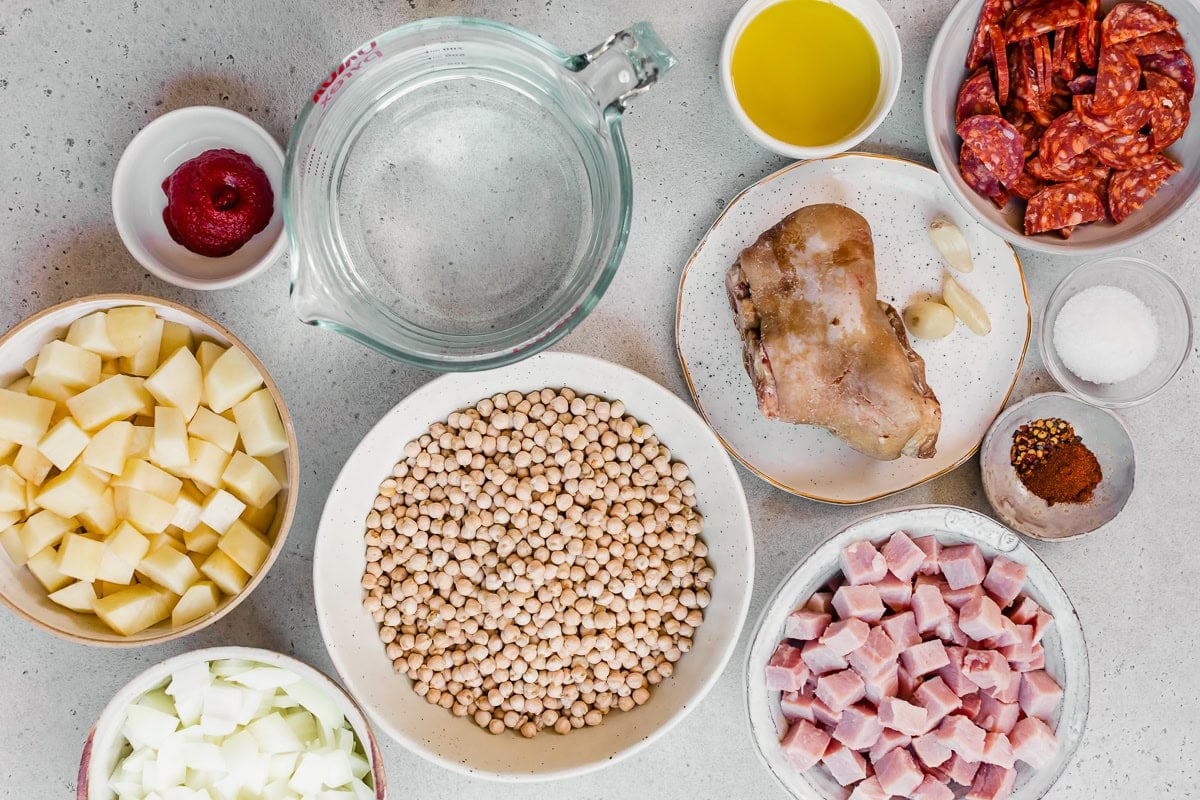
- Dried Chickpeas (Garbanzo Beans): The foundation of the stew, providing bulk, a creamy texture when cooked, and a substantial amount of plant-based protein and fiber. Starting with dried beans, as opposed to canned, allows for better control over texture and flavor absorption from the broth. The initial soaking step, typically 8 hours or overnight, is crucial for rehydrating the beans and reducing cooking time, even in an Instant Pot.
- Smoky Chorizo: This Spanish sausage is a flavor powerhouse. Made with minced pork, paprika (often pimentón de la Vera for its smoky notes), garlic, and other spices, chorizo renders fat and infuses the entire stew with its characteristic piquant and smoky essence. It contributes savory notes, a beautiful reddish hue, and a richness that is hard to replicate.
- Ham (Ham Hock): Often overlooked, a ham hock is a culinary secret weapon in many traditional stews. While it contributes some meat, its primary role is to impart a deep, complex, and savory flavor to the broth through its bone and collagen. As it cooks, it releases gelatin, which naturally thickens the stew and adds a luxurious mouthfeel. The original recipe notes that for shreddable meat, the ham hock can be cooked separately for a longer duration before adding other ingredients.
- Potatoes: Adding heartiness and substance, potatoes also serve a crucial role in thickening the stew. As they cook, their starches release into the broth. Mashing some of the cooked potatoes directly into the stew, as suggested by the recipe, is a traditional technique to achieve a desired creamy consistency without needing external thickeners. They provide essential carbohydrates for energy.
- Aromatics and Spices (Inferred): While not explicitly detailed in the provided snippet, traditional Spanish garbanzo stews typically incorporate foundational aromatics such as onions and garlic, sautéed to build a flavor base. Spanish paprika, particularly smoked paprika (pimentón ahumado), would further enhance the smoky notes introduced by the chorizo. Bay leaves are also common, adding a subtle herbaceousness. A tomato base, either fresh or from paste, often provides acidity and depth. These elements collectively build the complex flavor profile that defines this style of stew.
The Preparation Process: Efficiency Meets Flavor
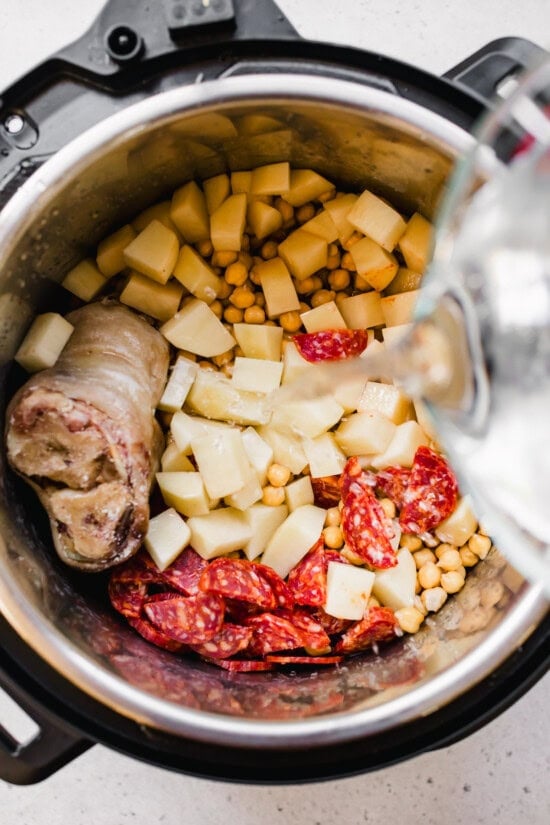
The Instant Pot method, as outlined in the recipe, streamlines the cooking process considerably. After the essential overnight soaking of the chickpeas, the preparation involves a largely hands-off approach. All primary ingredients—soaked chickpeas, Spanish chorizo, ham hock, potatoes, and presumably other aromatics and liquids—are added to the Instant Pot. The pressure cooker then takes over, cooking the stew under high pressure for approximately 30 minutes. This period is remarkably short compared to the hours required for a stovetop rendition to achieve tender chickpeas and a fully developed flavor.
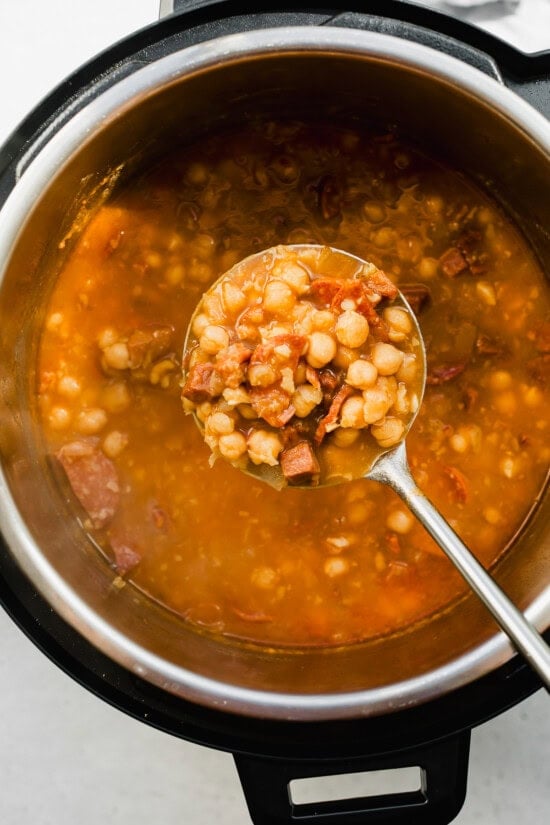
A key step in finishing the stew involves thickening. The recipe suggests mashing some of the cooked potatoes directly into the pot or blending a portion of the soup to achieve the desired consistency. This method not only thickens the stew naturally but also enhances its creamy texture and integrates the flavors more fully. The result is a robust, comforting stew with the depth of flavor typically associated with prolonged simmering, achieved in a fraction of the time.
For those without an Instant Pot, the recipe thoughtfully provides a stovetop alternative. This method mirrors the traditional approach: after soaking the chickpeas, the ingredients are simmered in a large pot or Dutch oven. The initial boil is followed by a covered simmer for about an hour before potatoes are added for another 30 minutes, allowing all ingredients to tenderize and flavors to meld gradually. This flexibility ensures that the delicious Spanish Garbanzo Stew remains accessible to all home cooks, regardless of their kitchen equipment.
Serving, Storage, and Culinary Versatility
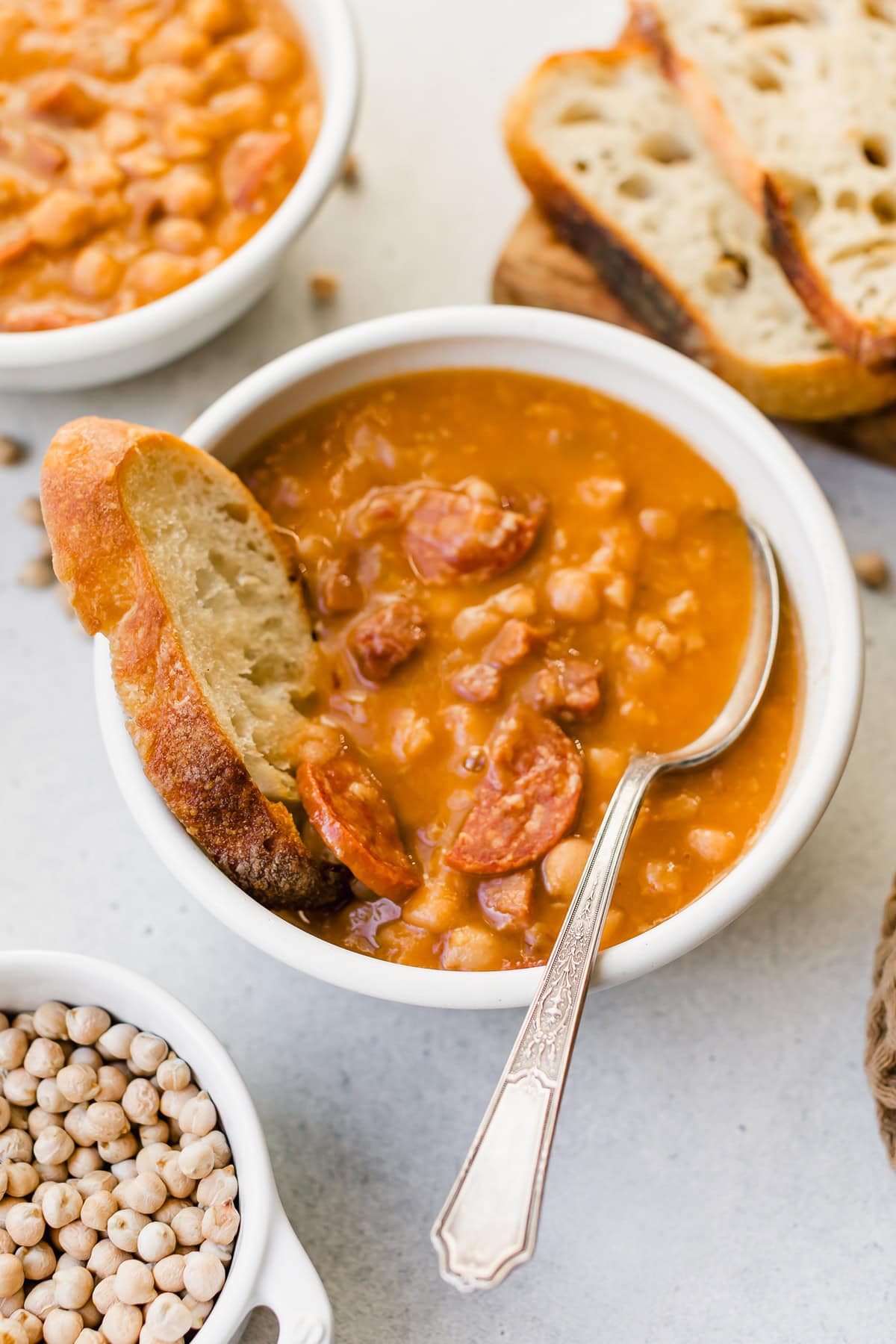
This Spanish Garbanzo Stew is inherently versatile, suitable for a simple family dinner or elegant enough for guests. It is traditionally served hot, often with a generous piece of crusty bread to soak up the rich, savory broth. A light, crisp green salad dressed with a simple vinaigrette provides a refreshing counterpoint to the stew’s richness. For beverage pairings, a dry Spanish red wine, a crisp cider, or even a robust beer would complement its hearty flavors.
One of the stew’s most appealing attributes is its suitability for meal prep. The flavors of many stews, including this one, tend to deepen and become more harmonious after a day or two, making leftovers even more delicious. It can be stored in an airtight container in the refrigerator for several days and reheats beautifully. For longer-term planning, the stew freezes exceptionally well, making it an ideal candidate for batch cooking. Freezing individual portions allows for quick and convenient meals, providing a wholesome option on demand.
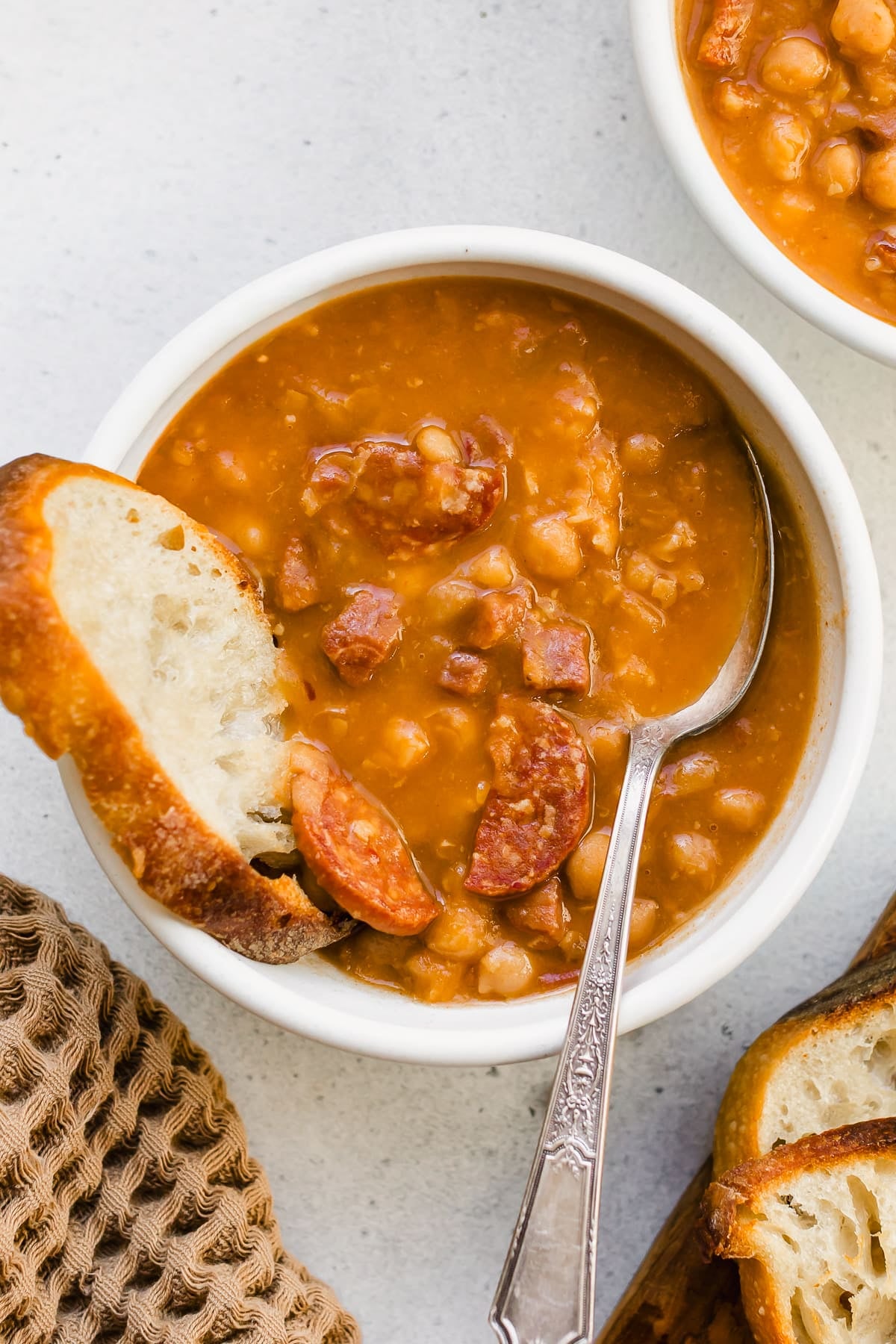
Beyond the core recipe, the Spanish Garbanzo Stew offers ample opportunities for variation. For those seeking a vegetarian or vegan option, the chorizo and ham can be omitted and replaced with smoked paprika, liquid smoke, and perhaps plant-based sausage to maintain a smoky depth. Additional vegetables like spinach, kale, carrots, or bell peppers can be incorporated to boost nutrition and complexity. Adjusting the spice level with a pinch of cayenne or a different variety of paprika allows for customization to individual preferences.
Broader Implications: A Dish for Modern Lifestyles
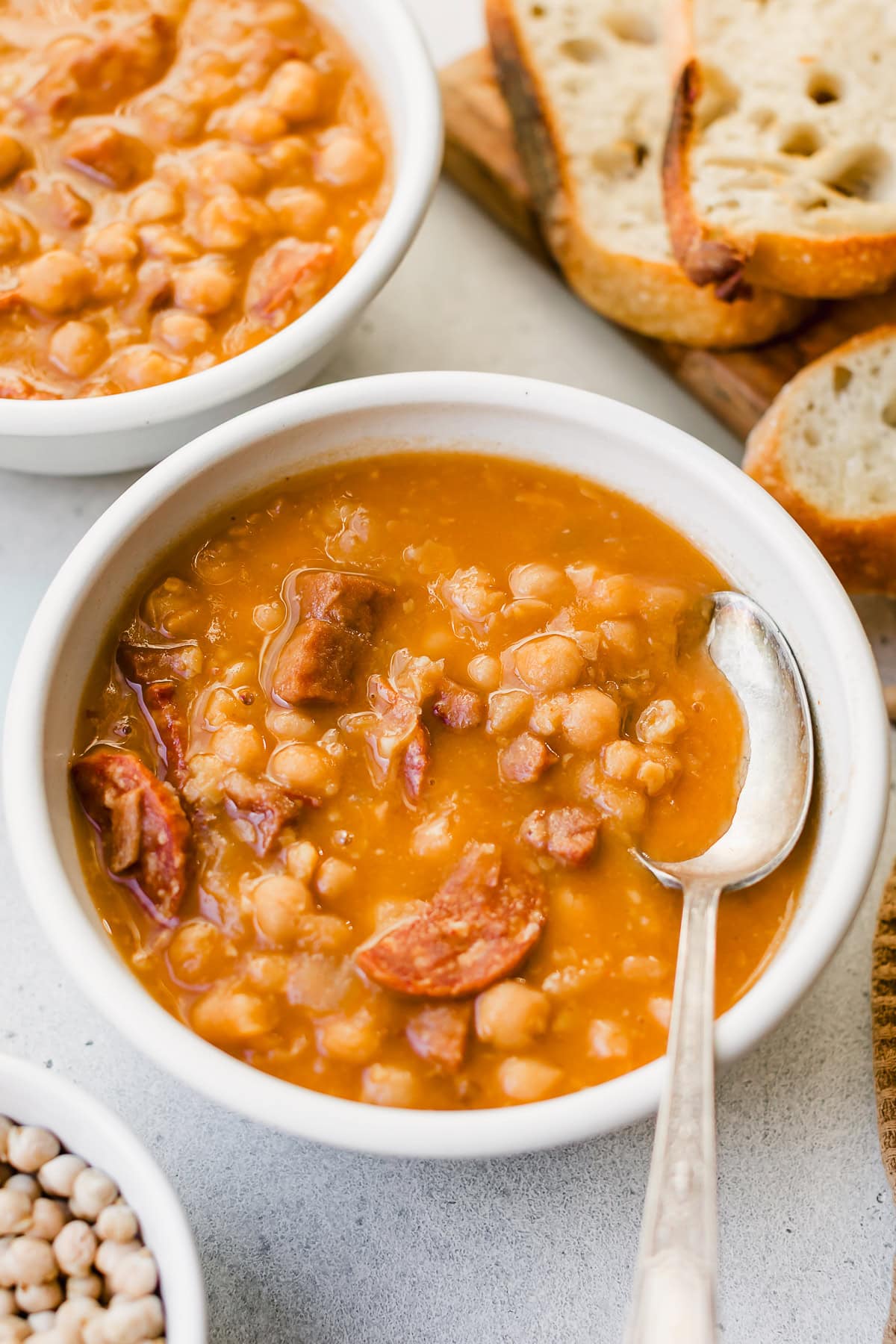
The popularity of dishes like the Spanish Garbanzo Stew in publications like Skinnytaste.com highlights several broader trends in contemporary food culture. There is an increasing demand for meals that are not only delicious and comforting but also align with health-conscious goals, particularly regarding fiber and protein intake. The emphasis on "high-fiber recipes" and "Instant Pot recipes" reflects a consumer base actively seeking both nutritional value and time-saving convenience.
Furthermore, this recipe embodies the ongoing appreciation for global culinary traditions and the joy of adapting classic dishes for modern contexts. It demonstrates how traditional flavors can be preserved and even enhanced through innovative cooking techniques, making cultural heritage accessible to a wider audience. As colder weather encourages a shift towards warmer, more substantial meals, the Spanish Garbanzo Stew stands as a testament to the enduring appeal of hearty, wholesome, and flavor-packed comfort food, expertly delivered with modern efficiency. It’s a dish that nourishes the body, warms the soul, and brings a taste of Spanish tradition to the contemporary table.
