

The landscape of the global spirits industry underwent a seismic shift at the turn of the millennium, a transformation largely attributed to the 1999 launch of Hendrick’s Gin by William Grant & Sons. By introducing a flavor profile defined by Bulgarian rose and cucumber, the brand effectively ignited what historians of the trade now refer to as the "Gin-naissance." Decades later, under the stewardship of Master Distiller Lesley Gracie, the distillery transitioned from a single-product powerhouse to an experimental laboratory through the introduction of the Cabinet of Curiosities. This series of limited-edition releases seeks to push the boundaries of botanical infusion, though the results have varied significantly in the eyes of industry critics and enthusiasts alike.
As of September 2024, the Hendrick’s product line has expanded to include numerous experimental variants, each attempting to capture a specific atmospheric or seasonal essence. To understand the trajectory of the brand and the efficacy of these experiments, a comprehensive analysis of the Cabinet of Curiosities—ranked from the least successful to the definitive flagship—provides essential insight into the modern gin market.
The Experimental Framework: The Gin Palace and the Cabinet of Curiosities
The foundation of Hendrick’s experimental arm is the "Gin Palace," a state-of-the-art distillery located in Girvan, Scotland. Opened in 2018, this facility was designed specifically to allow Lesley Gracie the freedom to sequester rare botanicals within her "Cabinet of Curiosities." The technical process behind Hendrick’s is unique; it utilizes two distinct types of stills: the Bennett, an antique copper pot still that produces a heavy, oily spirit, and the Carter-Head, which uses vapor infusion to create a lighter, more delicate distillate.
The Cabinet of Curiosities releases are generally characterized by post-distillation infusions. While the base spirit remains consistent, the addition of specific essences defines each "chapter" of the collection. However, as the following rankings demonstrate, the balance between innovation and the core identity of gin—juniper—is a delicate line that is not always maintained.
8. Hendrick’s Flora Adora (2023)
Introduced in 2023, Flora Adora represents the brand’s most aggressive foray into floral aromatics. Inspired by the pollinators of the Scottish coast, the botanical bill includes lavender, rose, and hibiscus. Industry analysis suggests that while the gin successfully captures a "garden aroma," it arguably oversteps the bounds of traditional spirit balance.
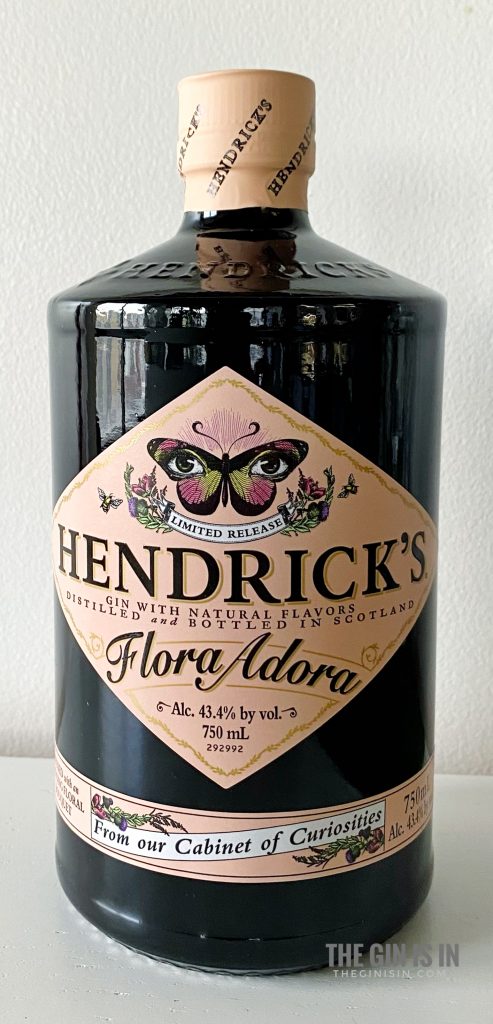
The aromatic profile is dominated by honeysuckle, tuberose, and vanilla. On the palate, a brief window of peach and rose is quickly overshadowed by a mid-palate of lavender and lilac. Critics have noted that the intensity of these floral notes can lead to a "soapy" finish, particularly when integrated into complex cocktails. While marketed for the "Wildgarden Cup," the gin’s lack of versatility makes it a polarizing entry, recommended primarily for collectors rather than general consumers seeking a balanced gin-and-tonic experience.
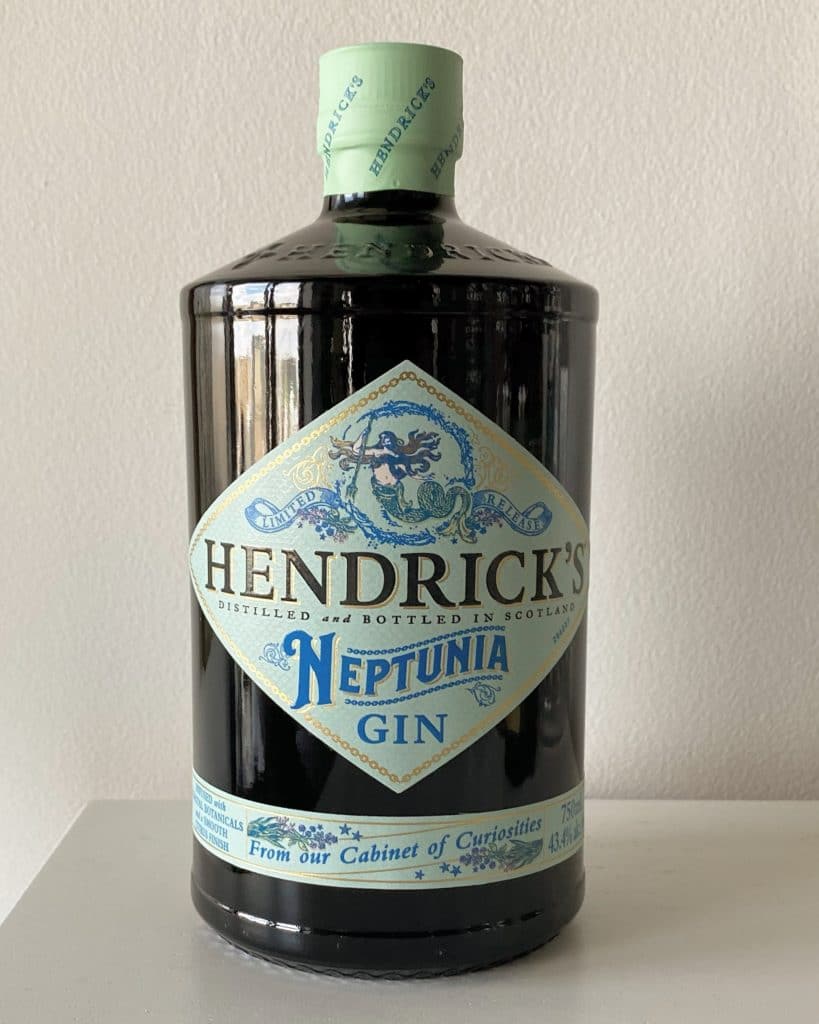
7. Hendrick’s Neptunia (2022)
Neptunia was designed to encapsulate the sensory experience of the Ayrshire coast. This release marked a shift toward the "savory gin" trend, incorporating coastal botanicals and a distinct saline finish. The flavor profile begins with a heady citrus note that transitions into a briny, herbal conclusion, drawing comparisons to Mediterranean-style gins like Gin Mare.
Despite its thematic consistency, Neptunia has been critiqued for its "chaotic" composition. The interplay between piney juniper, floral essences, and savory brine results in a spirit that struggles to find a singular identity. Behind the bar, Neptunia presents challenges for mixologists; its briny character does not always harmonize with standard tonic waters, though it has found a niche among enthusiasts of savory, maritime spirits.
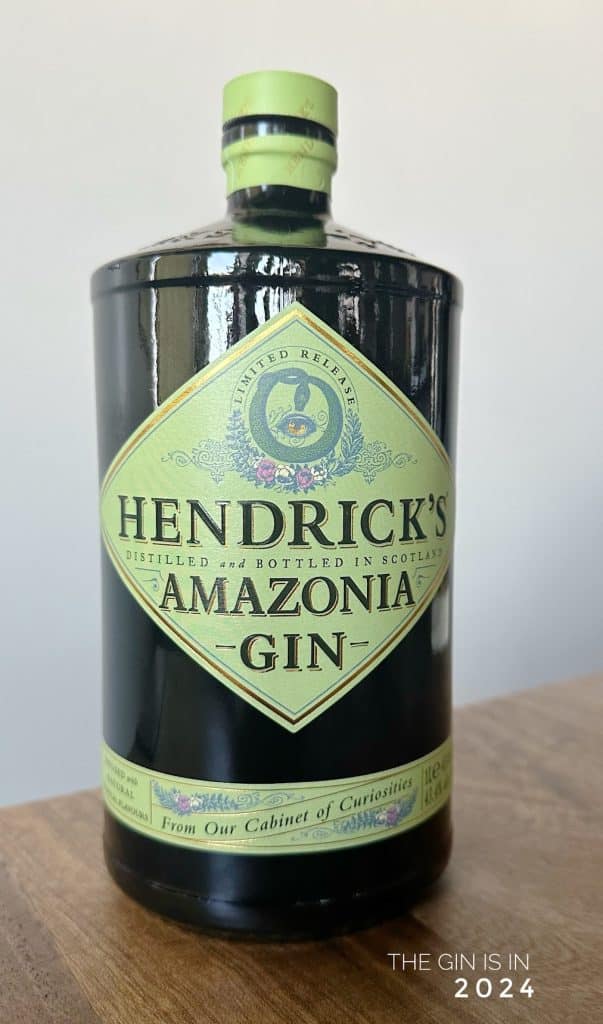
6. Hendrick’s Amazonia (Travel Retail Exclusive)
Inspired by Lesley Gracie’s 2013 expedition to the Venezuelan Amazon, Amazonia was released as a travel-retail exclusive. The gin features tonka beans and pink peppercorns, two botanicals highly regarded in the spirits industry for their depth and warmth.
However, the execution of Amazonia leans heavily into tropical fruit notes, moving the spirit away from the traditional gin category and closer to a fruit-forward profile reminiscent of Caribbean spirits. While it serves as a fun novelty for travelers, analysts suggest that Hendrick’s has achieved better balance in other fruit-heavy releases. The over-emphasis on tropicality limits its utility in classic gin cocktails like the Negroni, where the bitterness of vermouth often clashes with the gin’s sweetness.
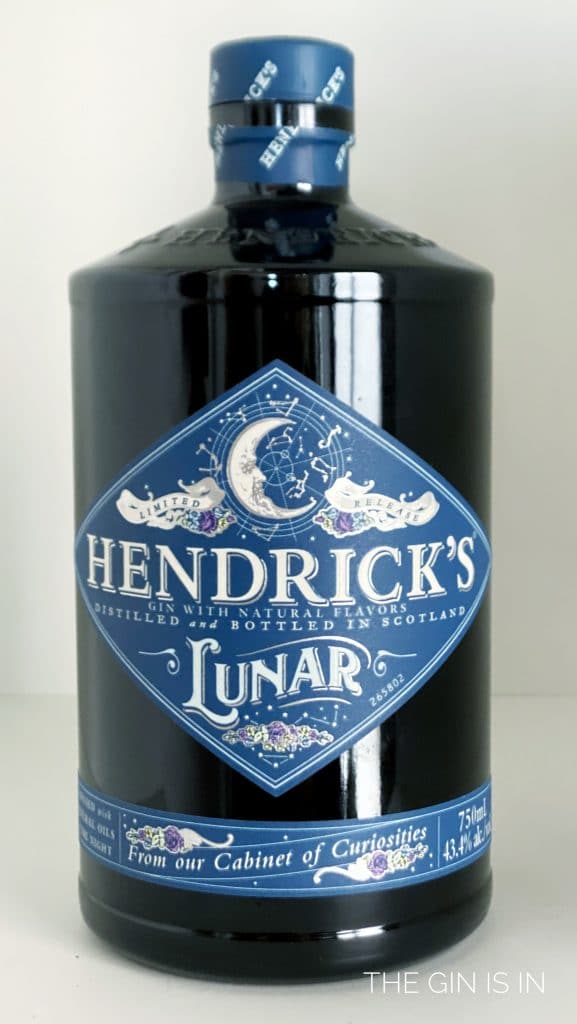
5. Hendrick’s Lunar (2021)
Released in early 2021, Hendrick’s Lunar was marketed as a "nocturnal" gin, intended for evening consumption. Gracie reportedly drew inspiration from the scents of her botanical garden under moonlight. This variant offers a more subdued floral nose, featuring honeysuckle and violet, underpinned by a spice-forward heart of black peppercorns and coriander.
Lunar is viewed as one of the more versatile entries in the Cabinet. By balancing floral top notes with a warm, spicy core, it maintains enough structural integrity to function in a wide range of cocktails, including the Martini. While it may not satisfy those who demand a purely juniper-centric London Dry, it represents a successful middle ground in the experimental series.
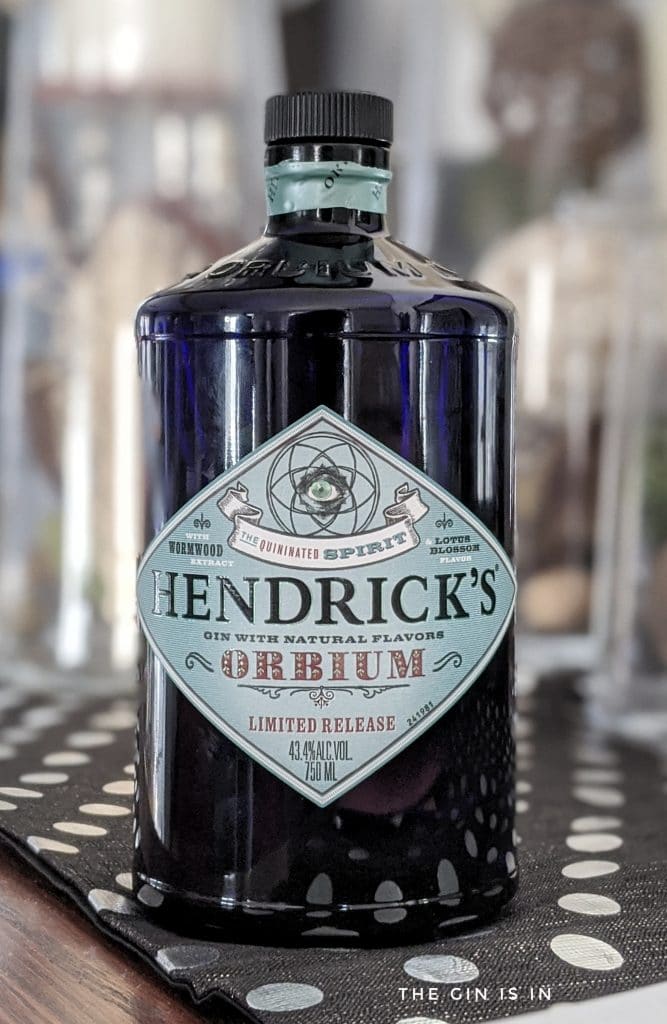
4. Hendrick’s Orbium (2017/2018)
Orbium is perhaps the most intellectually "meta" release in the collection. It incorporates the flavors traditionally associated with gin consumption—quinine (tonic) and wormwood (vermouth)—directly into the spirit itself, alongside blue lotus blossom.
The result is a gin that feels "pre-constructed" for classic cocktails. It is notably bitter and floral, appealing to a contemporary palate that favors complex, herbal profiles. Because of its inherent bitterness, Orbium shines in Gin and Tonics and Negronis, where it reinforces the existing flavor layers. Its polarizing nature is its greatest strength; it is a gin designed for those who already appreciate the bitter nuances of the spirit category.
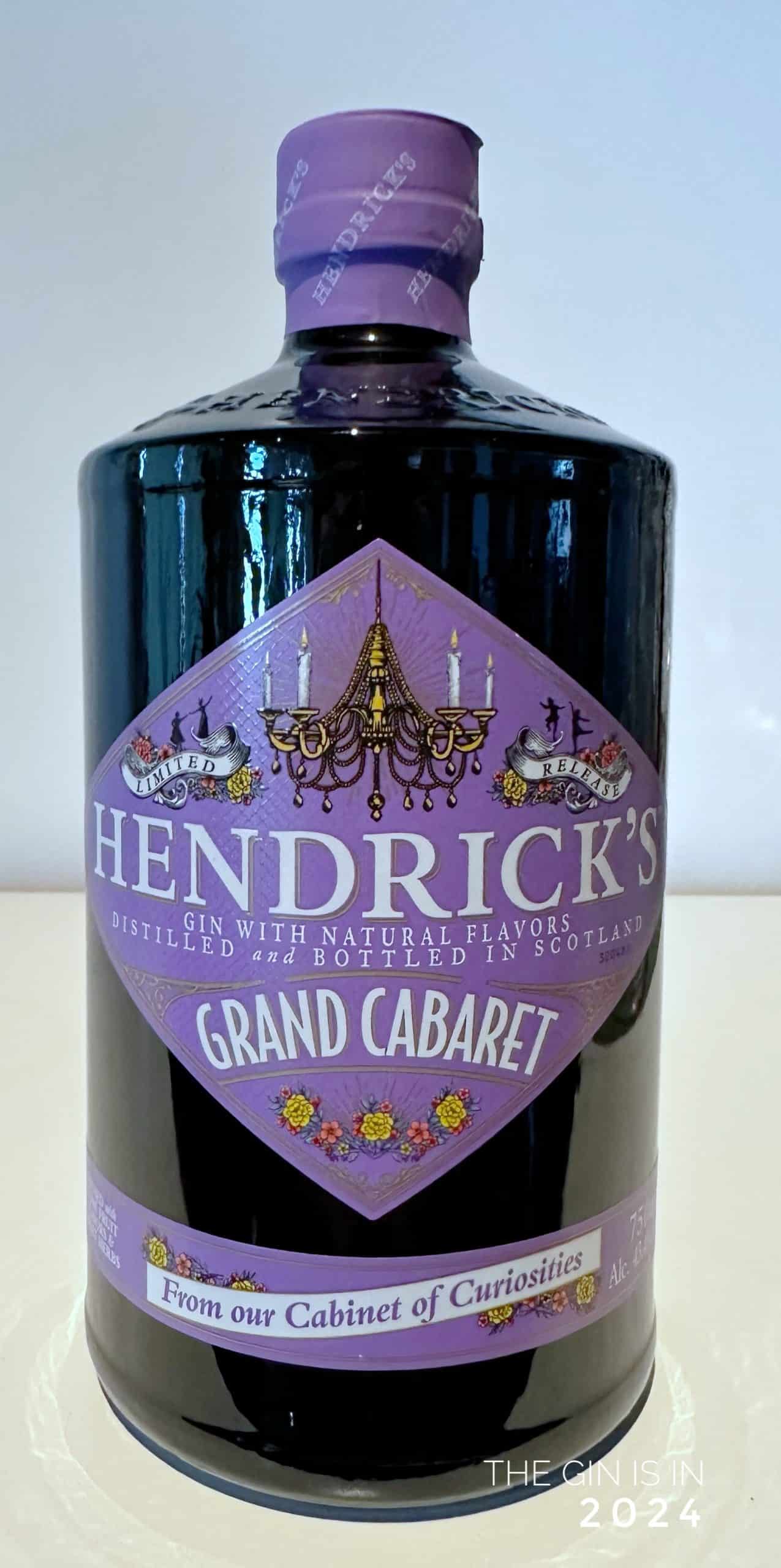
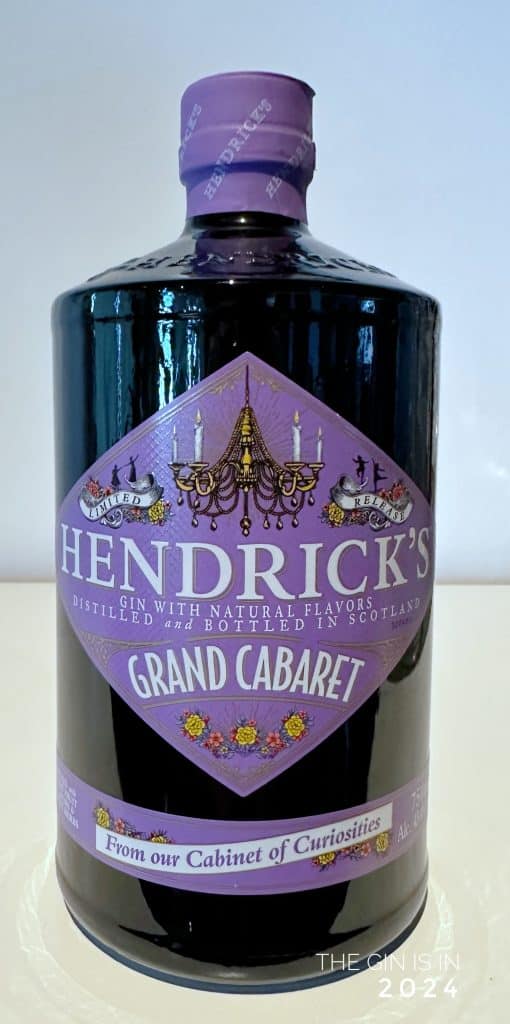
3. Hendrick’s Grand Cabaret (2024)
The 2024 addition to the Cabinet, Grand Cabaret, takes inspiration from 17th-century French stone fruit distillates. With a profile centered on apricots and mirabelle plums, it reflects the heritage of the Alsace region.
Unlike the earlier Amazonia, Grand Cabaret manages to integrate its fruit notes without losing its "gin" identity. The aroma is vividly peach-forward, but the palate is grounded by elderflower and juniper. While it is less suited for bitter cocktails, it excels in simpler serves like gin and lemonade or a French 75. It represents a refinement of the brand’s ability to handle sweet, fruit-driven botanicals.
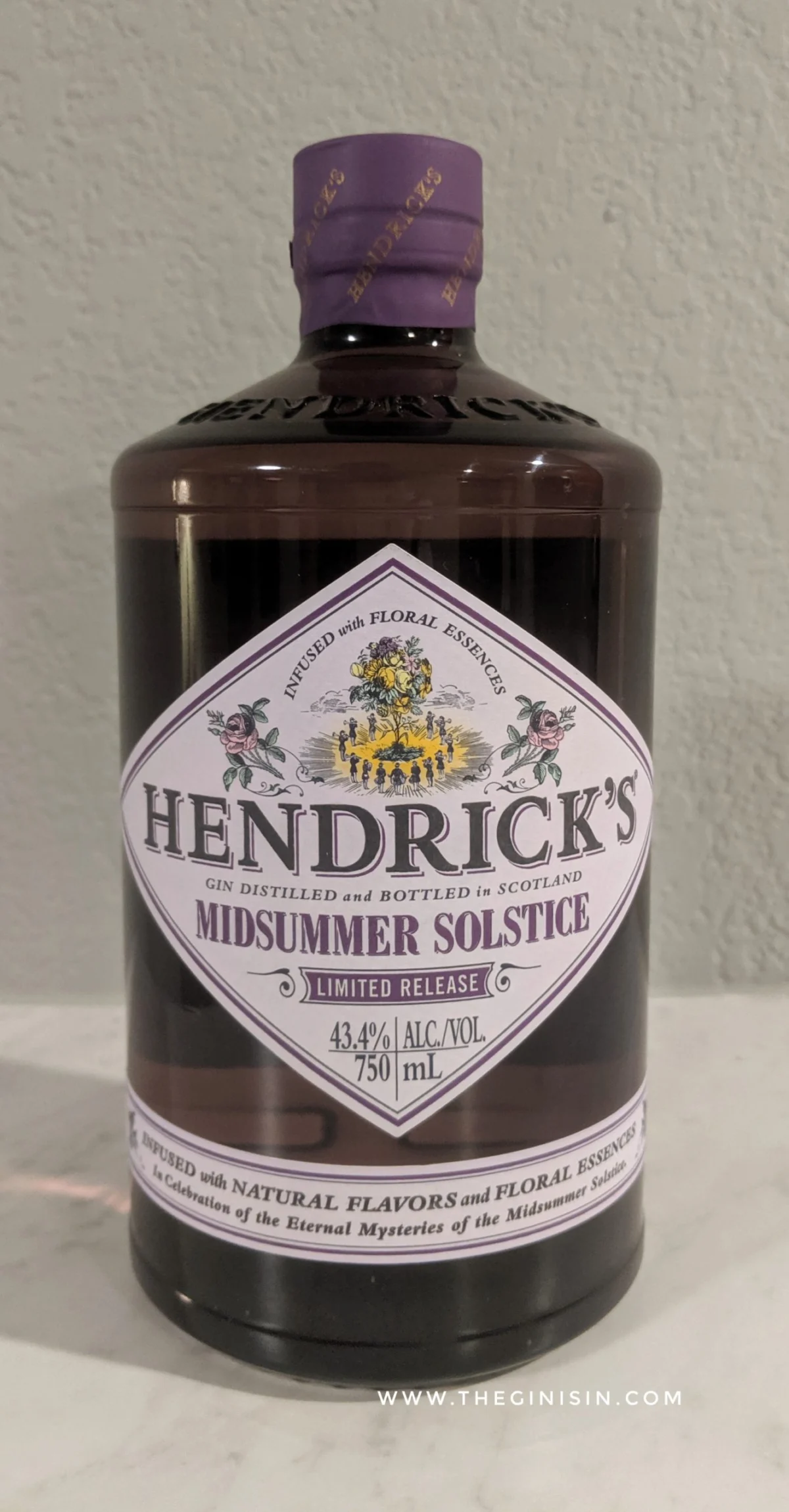
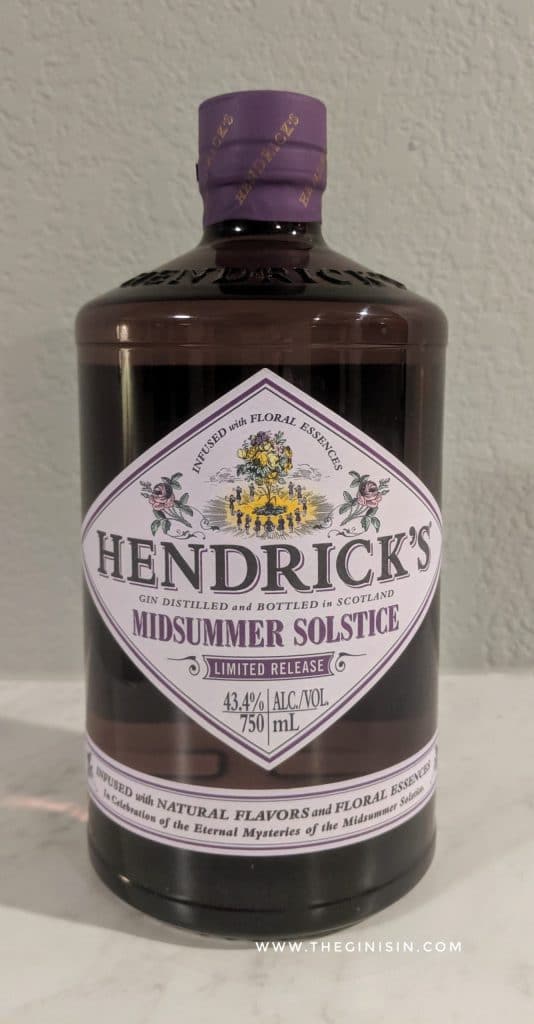
2. Hendrick’s Midsummer Solstice (2019)
Midsummer Solstice remains one of the most commercially and critically successful limited editions in the Hendrick’s portfolio. Released during the height of the "pink gin" craze, Midsummer Solstice offered a sophisticated alternative that used floral essences rather than added sugar or artificial coloring to achieve a summer-focused profile.
The gin features notes of raspberry, strawberry, and rose, yet it retains a crisp juniper finish. Its success lies in its accessibility; it is the ideal "bridge" gin for consumers who are new to the category. It performs exceptionally well in a Tom Collins or a Gin Bramble, and its discontinuation as a permanent item remains a point of contention among the brand’s loyalists.
1. Hendrick’s (The Flagship)
Despite the creative heights of the Cabinet of Curiosities, the original Hendrick’s Gin remains the pinnacle of the product line. Launched at a time when the gin market was dominated by traditional London Dry styles, the flagship’s use of rose and cucumber essences was revolutionary.
The technical brilliance of the flagship lies in the blending of the two different distillates. The heavy, botanical-rich spirit from the Bennett still provides the "bones" of the gin, while the delicate, floral spirit from the Carter-Head provides the "flesh." The post-distillation addition of cucumber and rose creates a cooling, aromatic finish that has yet to be bettered by the brand’s experimental variants. Its versatility is unmatched, remaining a staple for everything from a Gin and Tonic with a cucumber garnish to a Dirty Martini.
Chronology of Innovation: A Timeline of the Cabinet
The release schedule of the Cabinet of Curiosities reveals a strategic effort by William Grant & Sons to maintain brand relevance in an increasingly crowded craft gin market:
- 1999: Launch of the original Hendrick’s Gin.
- 2017: Initial limited release of Orbium (expanded globally in 2018).
- 2019: Release of Midsummer Solstice, marking the start of the seasonal "Cabinet" branding.
- 2020: Release of Amazonia (Travel Retail).
- 2021: Release of Lunar.
- 2022: Release of Neptunia.
- 2023: Release of Flora Adora.
- 2024: Release of Grand Cabaret.
Market Impact and Broader Implications
The strategy employed by Hendrick’s—releasing annual limited editions—has become a blueprint for the "premiumization" of the spirits industry. By creating a sense of scarcity and "curiosity," the brand ensures that it occupies constant shelf space and remains a topic of conversation among bartenders and consumers.
Data from the global spirits market indicates that the super-premium gin segment, which Hendrick’s helped define, continues to grow despite a general cooling of the broader gin boom. The Cabinet of Curiosities allows the brand to test flavor trends—such as the move toward savory or stone-fruit profiles—without compromising the integrity of its flagship product.
Industry Response and Future Outlook
While William Grant & Sons does not typically release specific sales figures for individual limited editions, the rapid sell-through of variants like Midsummer Solstice and the critical acclaim for Orbium suggest the project is a commercial success. Master Distiller Lesley Gracie has indicated in various industry forums that the Gin Palace houses hundreds of experimental distillates yet to be released.
The broader implication for the consumer is a market that values storytelling and "atmospheric" drinking. Whether capturing the essence of a moonlit garden or a salty sea breeze, Hendrick’s has shifted the focus of gin from a utilitarian cocktail base to a sensory experience. As the Cabinet of Curiosities continues to evolve, it serves as a barometer for the state of modern distillation: a blend of traditional technique and unrestrained botanical exploration. While not every experiment is a definitive success, the project ensures that Hendrick’s remains at the forefront of the spirit’s ongoing evolution.
