


The United States labor market experienced a significant deceleration in hiring during September, adding a mere 29,000 net new jobs. This figure falls dramatically short of economists’ projections and signals a notable cooling in overall employment growth. The unemployment rate consequently saw a slight uptick, rising from 4.1% to 4.2%, indicating a potential shift in the labor market dynamics. While the broader economic landscape presented a challenging hiring environment, the restaurant industry, despite experiencing its own slowdown, demonstrated a degree of resilience, outperforming many other sectors.
September’s Hiring Landscape: A Broadly Cooled Market
The headline figure of 29,000 net job additions in September represents a stark contrast to previous months, suggesting a widespread hesitancy among employers to expand their workforces. This slowdown is particularly concerning given the continued demand for labor observed throughout much of the preceding year. Economists had anticipated a more robust job creation figure, with consensus estimates generally hovering in the triple digits of thousands. The deviation from these expectations has led to increased scrutiny of the underlying economic factors contributing to this abrupt deceleration.
The rise in the unemployment rate, even if seemingly modest, is a key indicator of the changing labor market. A tick upwards from 4.1% to 4.2% suggests that while job creation is slowing, the number of individuals actively seeking employment may be increasing, or that job openings are becoming more difficult to fill within a reasonable timeframe. This could be a precursor to a more substantial shift in the supply and demand equilibrium for labor, potentially empowering workers with greater bargaining power in some sectors, while exacerbating challenges for employers in others.
The Restaurant Industry’s September Performance: A Tale of Two Trends
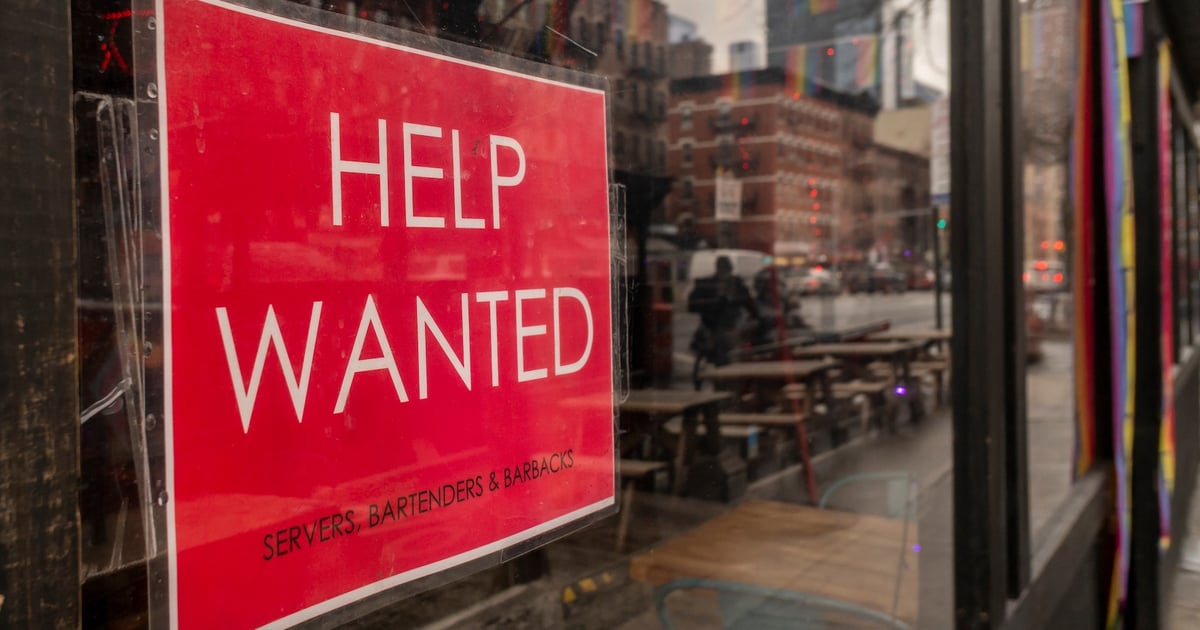
Within this broader context of a cooling labor market, the restaurant industry added 10,800 jobs in September. While this figure represents a significant decrease from the 33,800 jobs added in August, it still places the foodservice sector among the leaders in job creation. Only healthcare and construction sectors saw higher net job gains during the same period, underscoring the relative strength of the restaurant industry’s employment growth, even as it navigated its own seasonal and economic pressures.
It is crucial to analyze these figures within their seasonal context. September typically marks a period of adjustment for the restaurant industry. As the summer season concludes, student workers often return to academic pursuits, leading to a natural, albeit sometimes substantial, ebb in employment. This year’s figures align with this historical pattern, with seasonally adjusted job gains of 10,800 contrasting with a reported unadjusted employment decrease of approximately 148,400 jobs from August to September. This significant difference highlights the impact of seasonal churn on raw employment numbers.
A Volatile Summer for Foodservice Employment
The foodservice labor market’s performance throughout the summer months was characterized by a notable degree of volatility. The initial weeks of the summer season proved challenging, with both June and July experiencing net job losses for restaurants and bars. This early-season slump was a cause for concern, potentially reflecting lingering effects of economic uncertainty or specific industry challenges.
However, the industry staged a significant recovery in August, with restaurant hiring leading all other sectors. This surge in August employment provided a much-needed boost and set a higher benchmark against which September’s performance would be measured. The dramatic drop-off from August to September, therefore, is amplified by the strong preceding month.
Historical Comparisons: A Less Robust September Than in Recent Years
When examining September’s job additions in a broader historical context, the 10,800 figure appears less robust compared to some recent years. For instance, in September 2024, the food services and drinking places sector added 69,000 jobs. This figure was significantly higher than the average monthly gain of 14,000 jobs recorded in the 12 months preceding it. Similarly, in September 2025, the industry saw an addition of 37,000 jobs. These comparisons suggest that while the restaurant industry is still growing its workforce, the pace of expansion in the most recent September was considerably more subdued than in the immediate past.
This trend could be indicative of several factors, including increased wage pressures, a persistent shortage of qualified labor in certain roles, or a more cautious approach to expansion by restaurant operators in anticipation of potential economic headwinds. The cost of doing business, including rising food costs and labor expenses, may also be influencing hiring decisions.
Year-Over-Year Growth: A Positive Underlying Trend
Despite the month-to-month fluctuations and the comparative dip from previous Septembers, a more encouraging trend emerges when looking at year-over-year growth. The foodservice industry concluded September with a total of 12.393 million jobs. This represents an increase of 109,100 jobs compared to September of the previous year, a growth rate of approximately 0.9% above September 2025 levels.
This sustained year-over-year growth indicates that, despite the recent slowdown, the restaurant industry’s overall employment base continues to expand. This suggests a long-term recovery and growth trajectory, even as short-term seasonal and economic factors create temporary dips in hiring momentum. The ability of the industry to add over 100,000 jobs annually points to a fundamental underlying demand for services and employment opportunities within the sector.
Analysis of Implications: Navigating Economic Uncertainty
The sharp deceleration in September’s job growth across the U.S. economy, coupled with the more modest, yet still present, slowdown in the restaurant sector, suggests a broader economic recalibration may be underway. Several potential implications arise from these trends:
- Shifting Labor Dynamics: A slower hiring pace could lead to a less competitive labor market for employers. This might offer some relief from the intense wage pressures experienced in recent years, potentially stabilizing operating costs for businesses. However, it could also signal a softening of consumer demand, which directly impacts the revenue of businesses, especially those in the hospitality sector.
- Inflationary Pressures: While a slowdown in job growth might theoretically temper wage inflation, other factors, such as persistent supply chain issues and energy costs, continue to exert upward pressure on prices. The interplay between moderating wage growth and ongoing cost inflation will be a critical factor to monitor.
- Consumer Spending: A weakening labor market, characterized by slower job creation and potentially higher unemployment, could lead to a reduction in consumer spending power. Restaurants, being discretionary spending items for many households, are particularly vulnerable to shifts in consumer confidence and disposable income.
- Policy Responses: Economic data of this nature often prompts consideration of monetary and fiscal policy responses. Central banks may reassess interest rate strategies, while governments might explore stimulus measures to support economic activity and employment. The Federal Reserve, in particular, will be closely watching these labor market indicators as it formulates its monetary policy decisions.
- Industry Adaptation: The restaurant industry’s ability to adapt to changing economic conditions will be paramount. Operators may need to focus on efficiency, menu optimization, and innovative service models to navigate potential declines in consumer spending or persistent cost pressures. The resilience shown in year-over-year growth suggests an underlying strength, but continued strategic planning will be essential.
Broader Context and Future Outlook
The September jobs report arrives at a time of significant global economic uncertainty, marked by geopolitical tensions, ongoing supply chain disruptions, and fluctuating energy prices. These macro-economic factors inevitably influence domestic labor market conditions. The U.S. economy has demonstrated remarkable resilience in the face of these challenges, but the recent slowdown in job creation serves as a reminder that it is not immune to these global pressures.
Looking ahead, the trajectory of the U.S. labor market, and specifically the restaurant sector, will likely depend on a complex interplay of factors. Consumer confidence, inflation trends, interest rate policies, and the ongoing evolution of the global economic landscape will all play crucial roles. The restaurant industry, with its inherent sensitivity to consumer spending and its significant contribution to the national employment base, will remain a key sector to watch for insights into the broader economic health of the nation. The ability of businesses to adapt, innovate, and manage costs will be critical in navigating the evolving economic environment.
The seasonal ebb in restaurant employment during September is a predictable phenomenon, but the broader economic slowdown suggests that more systemic factors are at play. While the year-over-year growth provides a measure of comfort, the sharp decline from August to September warrants careful observation in the coming months to ascertain whether this represents a temporary adjustment or the beginning of a more sustained period of reduced hiring activity across the economy. The restaurant industry, as a barometer of consumer activity, will be a vital indicator in understanding these broader economic shifts.
