


The emergence of high-quality, restaurant-standard meals within the domestic kitchen has reached a new milestone with the release of a comprehensive culinary blueprint for Creamy Butternut Squash Orzo. Developed by recipe experts at the Nashville Test Kitchen, this dish represents a strategic intersection of fiscal responsibility and sophisticated flavor profiles. In an era where grocery inflation and the rising cost of dining out have significantly altered consumer behavior, this specific one-pot meal offers a viable solution, delivering a nutrient-dense, flavorful dinner at an estimated cost of just $1.94 per serving. The recipe prioritizes accessible, whole-food ingredients while utilizing professional techniques to achieve a texture and depth of flavor typically reserved for high-end Italian bistros.

The Evolution of the One-Pot Culinary Model
The conceptual framework of the Creamy Butternut Squash Orzo is rooted in the "one-pot" methodology, a cooking trend that has seen a resurgence as home cooks seek to minimize utility usage and post-meal labor. Unlike traditional risotto, which requires the incremental addition of liquid and prolonged agitation of arborio rice, this orzo-based alternative utilizes the starch-release properties of pasta to create a luxurious sauce in under an hour.
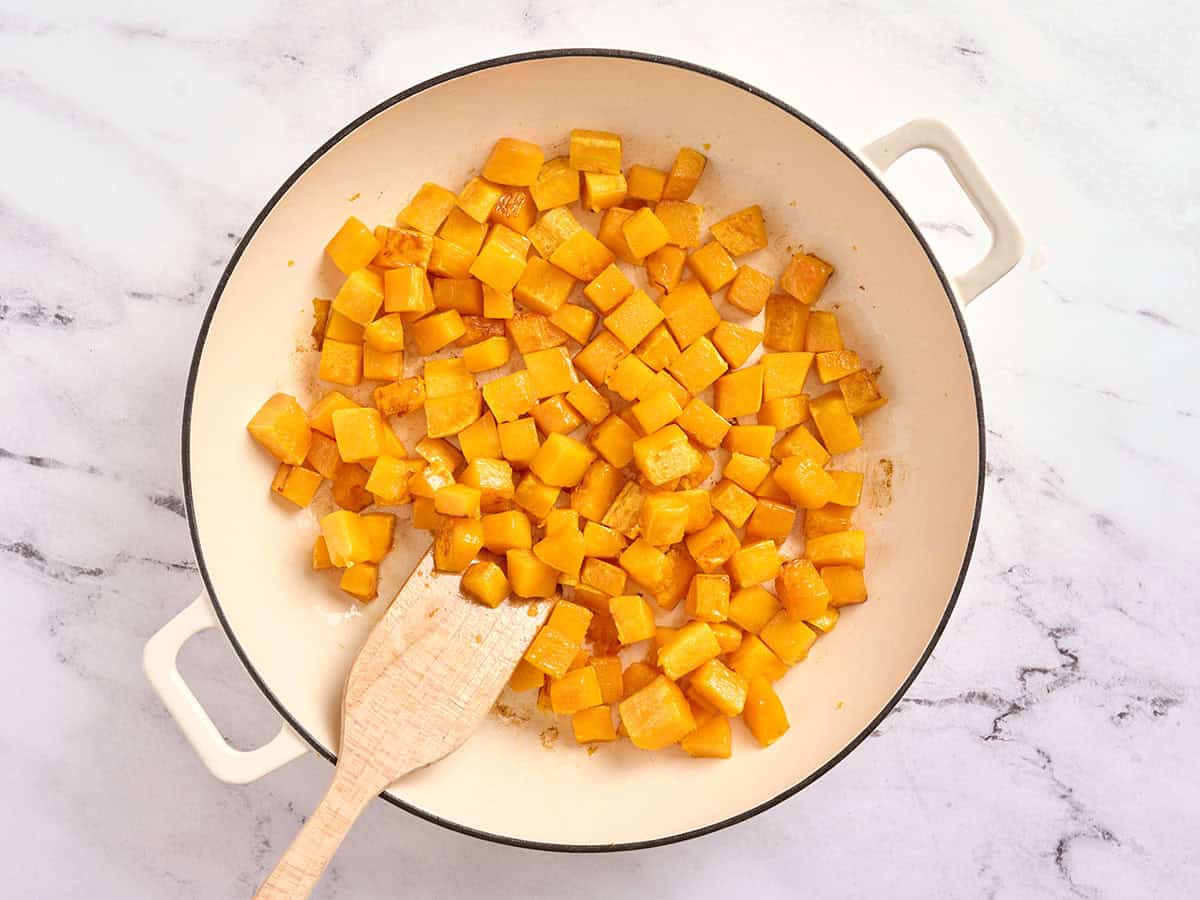
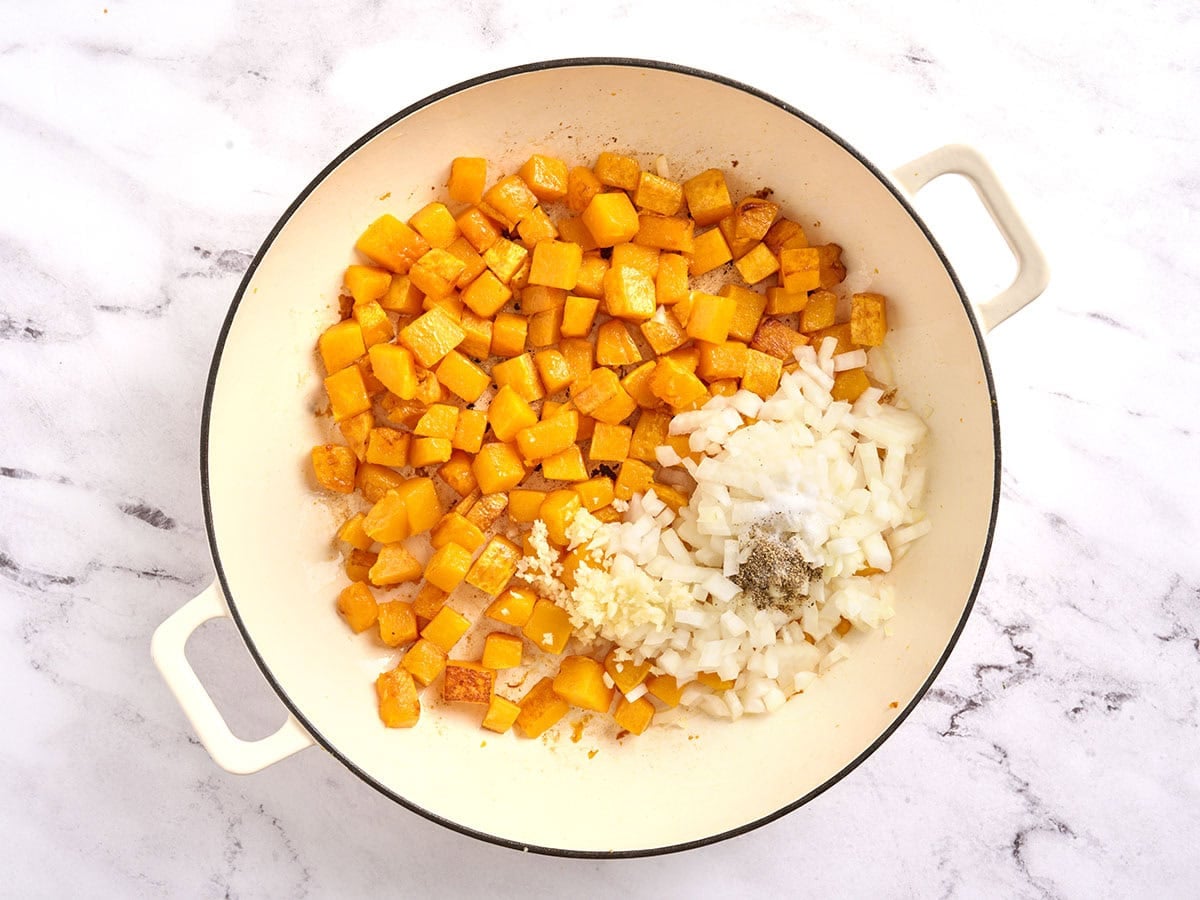
The process begins with the systematic preparation of the Cucurbita moschata, or butternut squash. This winter squash is prized for its sweet, nutty flavor and its ability to maintain structural integrity while partially breaking down to thicken sauces. The culinary timeline for the dish is precise: a 15-minute browning period for the squash cubes is required to initiate the Maillard reaction—a chemical interaction between amino acids and reducing sugars that gives browned food its distinctive flavor. This stage is followed by the introduction of aromatics, including yellow onions and minced garlic, which provide the foundational savory notes.

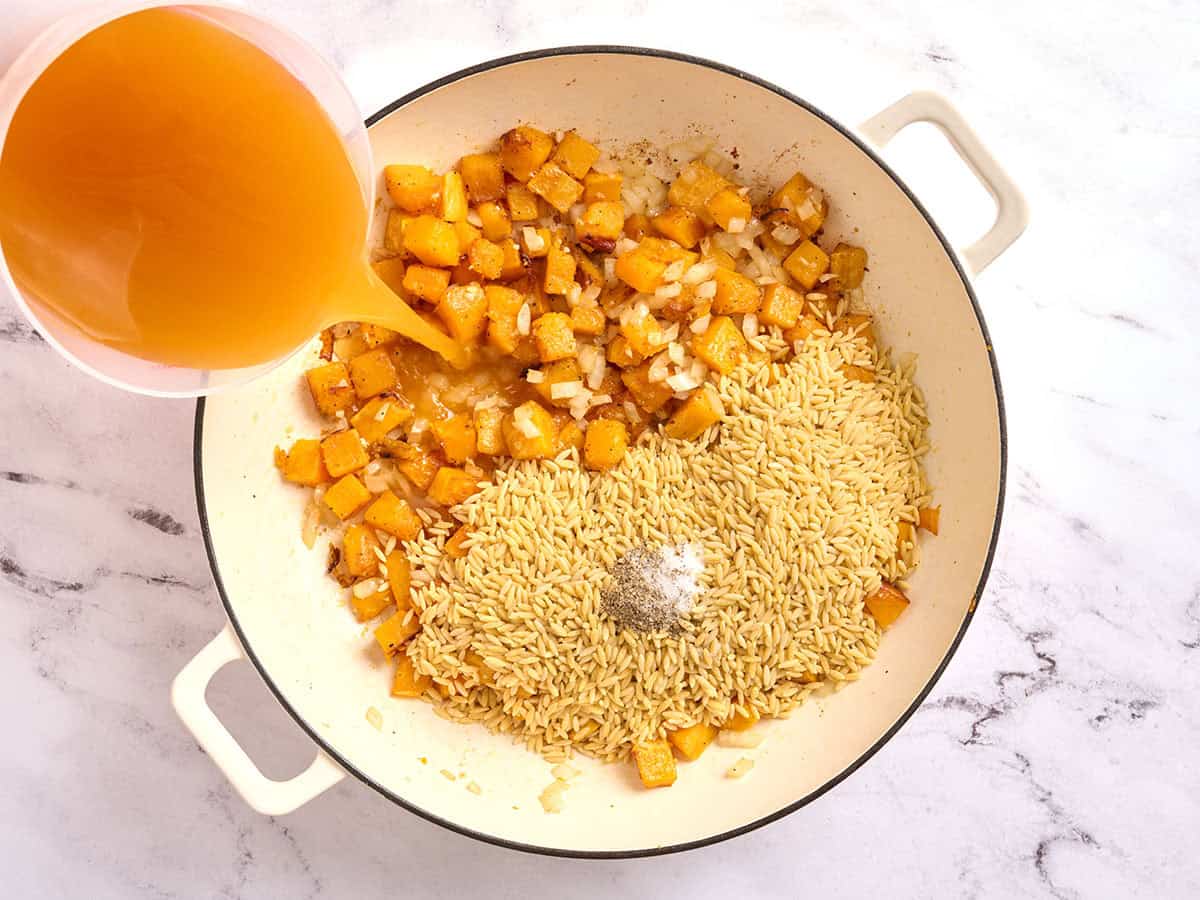
Once the aromatics have softened, the orzo—a rice-shaped pasta—is added alongside vegetable broth. The cooking phase involves a steady medium simmer for approximately 10 minutes. During this period, the physical agitation of the orzo releases gluten and starch into the broth, creating a natural emulsion. The result is a self-thickening sauce that mirrors the creaminess of a labor-intensive risotto but with a significantly reduced time investment.
Economic Analysis and Cost-Efficiency Data
The financial appeal of the Creamy Butternut Squash Orzo is supported by a rigorous cost-per-ingredient analysis. With a total recipe cost of approximately $7.74, the meal provides four generous servings, each totaling about two cups. This pricing structure places the meal well below the national average for a fast-casual dinner, which currently ranges between $12.00 and $18.00 per person.
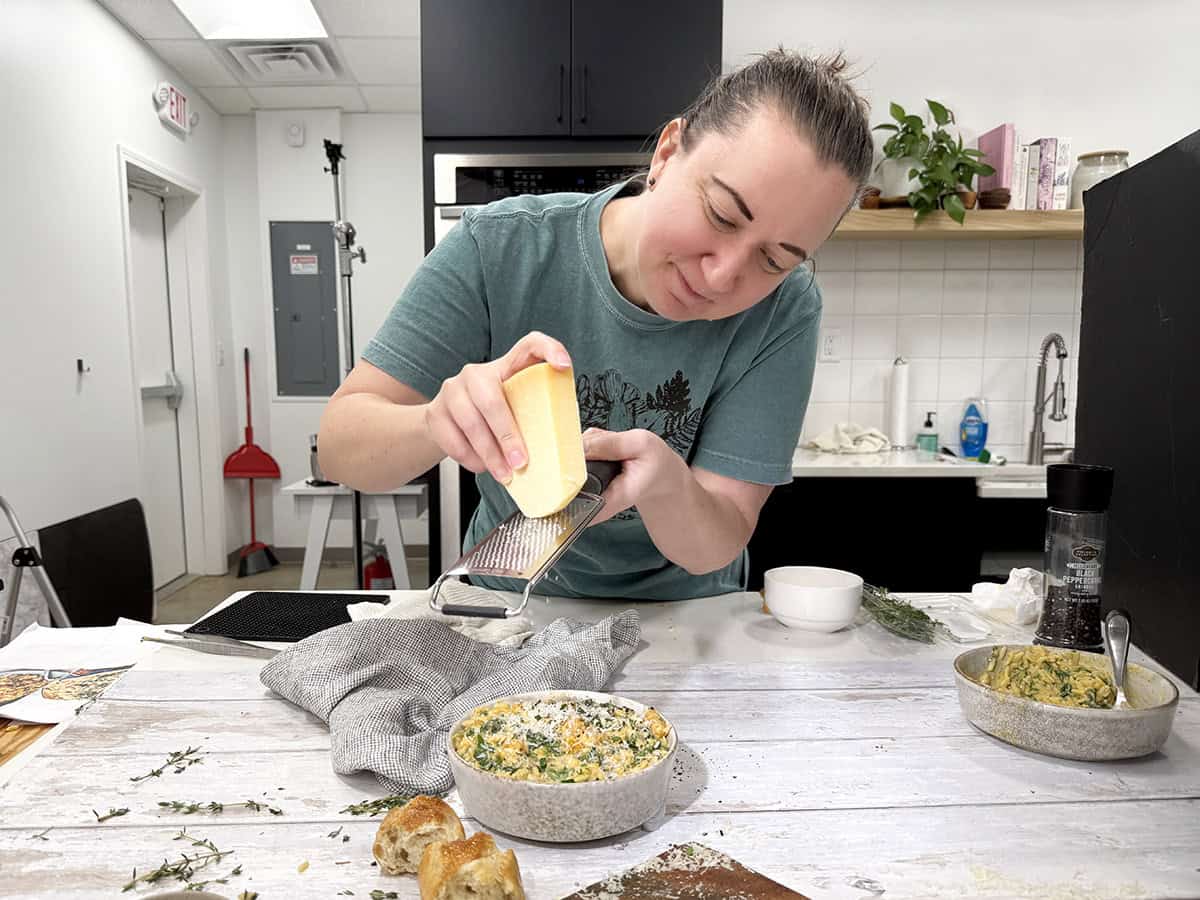
Key to this economic efficiency is the use of shelf-stable and seasonal staples. Orzo, a dry pasta, is an inexpensive carbohydrate source with a long shelf life, while butternut squash and kale are hardy vegetables that peak in the autumn and winter months, often seeing price reductions during these seasons. Furthermore, the Nashville Test Kitchen recommends the use of bouillon bases, such as "Better Than Bouillon," which significantly lowers the cost per quart of broth compared to purchasing pre-packaged liquid cartons.
The inclusion of heavy cream and freshly grated Parmesan cheese adds a "premium" element to the dish. While these are higher-cost items per unit, the recipe utilizes them in controlled quantities to maximize impact without inflating the overall budget. According to fiscal analysts monitoring domestic trends, meals that bridge the gap between "budget" and "luxury" are increasingly vital for middle-income households looking to maintain a high quality of life amid fluctuating economic conditions.

Nutritional Profile and Health Implications
From a nutritional standpoint, the Creamy Butternut Squash Orzo offers a balanced distribution of macronutrients and a high concentration of essential vitamins. A single serving contains approximately 524 calories, 15 grams of protein, and 8 grams of dietary fiber.
The butternut squash serves as a primary source of Vitamin A (in the form of beta-carotene) and Vitamin C, which are critical for immune function and skin health. The addition of fresh kale—a nutrient-dense cruciferous vegetable—provides Vitamin K, calcium, and antioxidants. The recipe’s design ensures that these greens are wilted into the pasta at the final stage, preserving their nutritional integrity while making them palatable to those who may otherwise avoid raw kale.
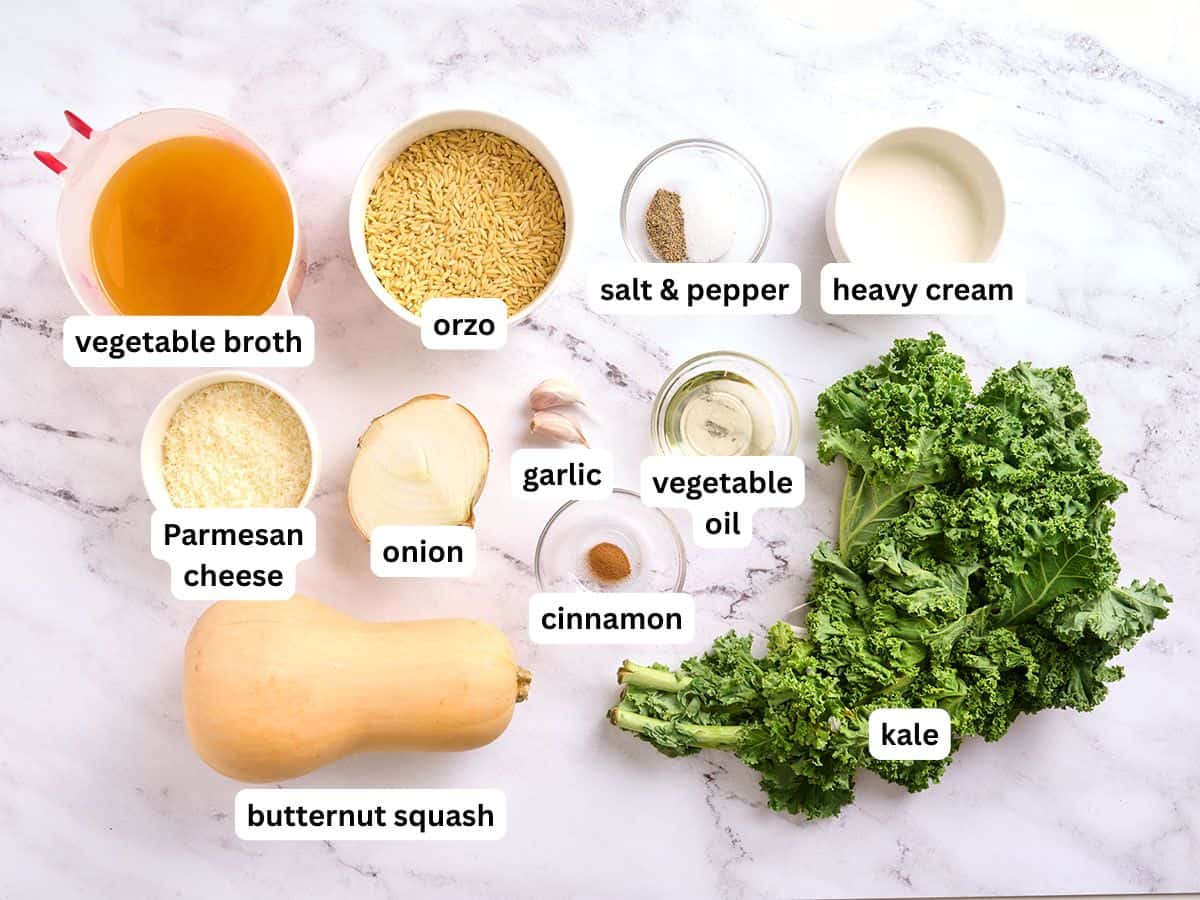
The inclusion of a subtle amount of cinnamon (1/8 teaspoon) serves a dual purpose. While it enhances the natural sweetness of the squash, it also introduces cinnamaldehyde, which has been studied for its anti-inflammatory properties. This careful balance of ingredients demonstrates a holistic approach to meal planning, where flavor enhancement and health benefits are not mutually exclusive.
Technical Execution and Quality Control
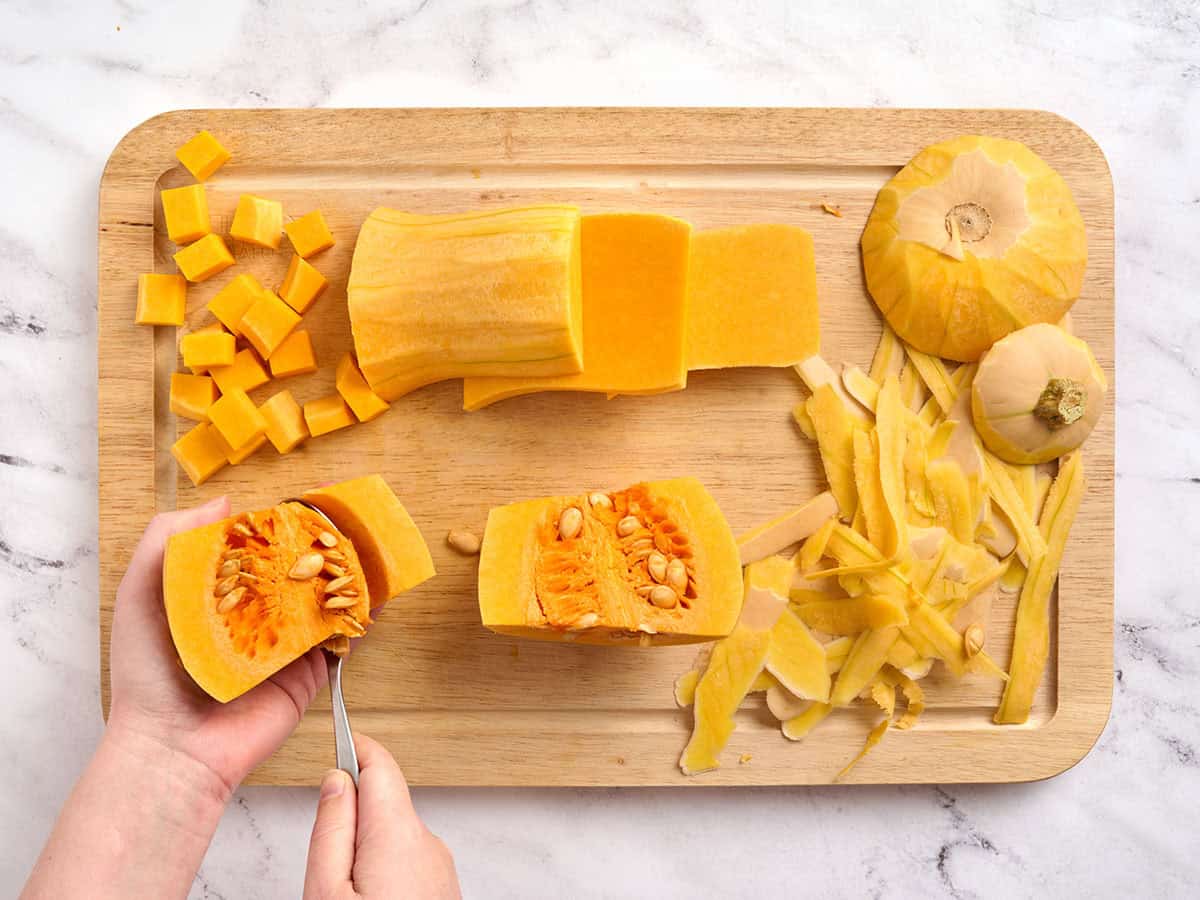
The success of this dish relies heavily on the quality of the primary ingredients and the adherence to specific heat management techniques. Analysts from the Nashville Test Kitchen emphasize the importance of selecting a firm, heavy butternut squash with matte skin, as these characteristics indicate maturity and optimal sugar content.
For consumers looking to adapt the recipe, the developers provide clear guidelines for substitutions. While orzo is the preferred medium due to its rapid starch release, other pasta shapes such as penne or fusilli can be used, provided the cook adjusts the liquid ratios and cooking times. The recipe also addresses the growing demand for plant-based options, noting that dairy-free heavy cream alternatives and nutritional yeast or vegan cheese can replace traditional dairy components without compromising the dish’s structural creaminess.
Quality control is further maintained through the "stirring" phase. Unlike traditional boiling, where pasta is left unattended, this orzo dish requires consistent stirring during its 10-minute simmer. This prevents the pasta from adhering to the bottom of the vessel and ensures that the softened squash is evenly distributed, allowing some cubes to dissolve and fortify the sauce while others remain whole for textural contrast.
Market Context and Consumer Response
The release of this recipe comes at a time when the "cook-at-home" movement is transitioning from a necessity of the pandemic era to a long-term lifestyle choice. Market research suggests that consumers are no longer satisfied with basic "survival" meals; there is a documented desire for "at-home luxury."
Culinary experts suggest that the Creamy Butternut Squash Orzo fits perfectly into the "quiet luxury" trend of the food world—dishes that use simple, high-quality ingredients to create an elevated experience. Reaction from early testers has highlighted the "restaurant-quality" mouthfeel of the dish, with many noting that the hint of cinnamon and the richness of the Parmesan create a complex flavor profile that belies the recipe’s low cost.
The Nashville Test Kitchen’s commitment to "rigorous testing" ensures that the recipe is reproducible across various kitchen environments, from gas ranges to induction cooktops. This reliability is a key factor in the viral potential of such recipes, as home cooks are more likely to share and repeat dishes that yield consistent results.
Storage, Sustainability, and Waste Reduction
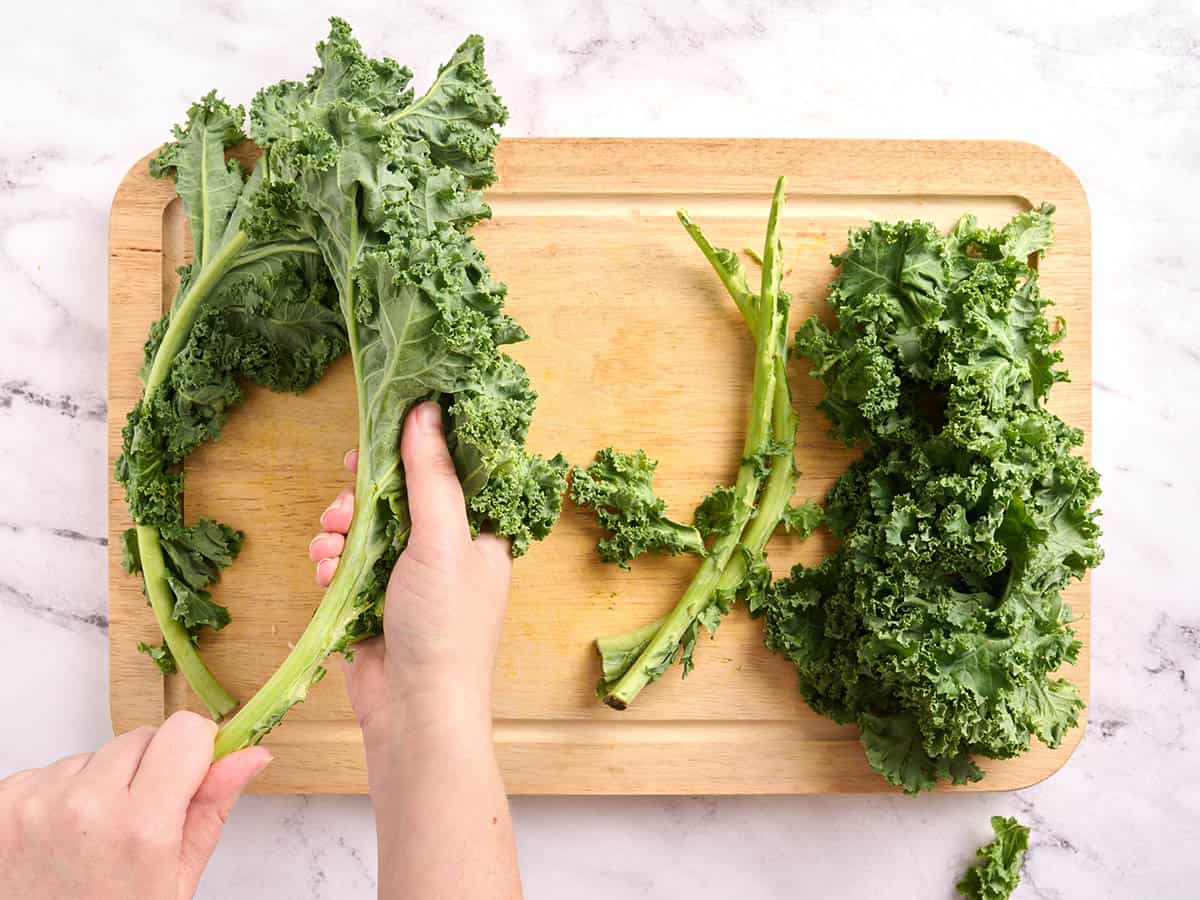
In line with modern sustainability goals, the Creamy Butternut Squash Orzo is designed to minimize food waste. The recipe provides clear instructions for utilizing the entire squash, and the use of kale stems—often discarded—is addressed by suggesting they be removed to ensure a tender final product.
The storage guidelines are equally practical. While the dish is best served fresh, it can be refrigerated for three to four days. The developers note that the orzo will continue to absorb liquid while chilled, a common characteristic of starch-heavy dishes. Consequently, the reheating instructions include the addition of a "splash of liquid" (milk or broth) to restore the original emulsion.
However, the experts offer a cautionary note regarding freezing. Due to the delicate nature of the cream-based sauce and the potential for the orzo to become overly soft upon thawing, freezing is only recommended as a last resort to prevent waste. This level of transparency regarding the limitations of the dish further establishes the Nashville Test Kitchen as a source of honest, practical culinary data.
Broader Impact on Home Cooking Trends
The Creamy Butternut Squash Orzo is more than a simple recipe; it is a case study in modern domestic economy. By proving that a meal can be "easy, budget-friendly, flavorful, and rich" simultaneously, it challenges the misconception that affordable food must be bland or highly processed.
As the culinary landscape continues to evolve, the emphasis on seasonal produce, one-pot efficiency, and technical precision is likely to grow. This dish serves as a benchmark for future recipe development, encouraging home cooks to experiment with textures and spices—like the surprising addition of cinnamon—to elevate their daily dining. In the broader context of public health and economic stability, accessible gourmet recipes play a vital role in empowering individuals to take control of their nutrition and finances, one bowl at a time.
