

The arrival of the autumn harvest season marks a significant shift in both agricultural commodity markets and domestic culinary patterns across North America. As apple orchards reach peak production between September and November, consumers often face a surplus of fresh produce, necessitating a strategic approach to meal planning that balances nutritional value, cost-effectiveness, and flavor profile. To address this seasonal influx, the Nashville Test Kitchen has released a comprehensive analysis of 19 distinct apple-based recipes, ranging from traditional desserts to savory main courses, designed to maximize the utility of various apple cultivars while adhering to strict budgetary constraints.
Agricultural Context and Market Dynamics
The apple industry remains a cornerstone of the North American agricultural economy. According to data from the U.S. Department of Agriculture (USDA), the United States produces approximately 10 billion pounds of apples annually, with Washington, New York, and Michigan leading as the primary production hubs. The 2024 season has seen a stable yield, resulting in competitive pricing at both the wholesale and retail levels. For the average consumer, purchasing apples in bulk—either through direct-to-consumer orchard picking or bulk retail bags—represents a significant opportunity for cost savings.
However, the primary challenge for households is the perishable nature of the fruit. Without proper processing or integration into varied meal structures, a substantial portion of the harvest can succumb to food waste. The culinary framework provided by the Nashville Test Kitchen serves as a logistical guide for managing this surplus. By categorizing recipes into distinct meal types, the kitchen provides a roadmap for utilizing apples in their various stages of ripeness and texture.
Methodology of the Nashville Test Kitchen
The recipes curated for this report underwent rigorous testing to ensure they met three primary criteria: ease of preparation, affordability, and flavor density. Led by Chef Jess Rice, a veteran restaurateur and former Chef Professor at Niagara College, the testing process involved replicating recipes in a standard domestic kitchen environment to ensure consistent results for home cooks. The economic analysis of these recipes reveals a price-per-serving range from as low as $0.32 for baked goods to approximately $3.09 for protein-heavy main courses, positioning these meals as highly competitive alternatives to processed or out-of-home dining options.

Analytical Breakdown of Classic Apple Confections
The first category of the Nashville study focuses on traditional desserts, which leverage the natural sugars and pectin found in apples to create structurally sound and flavor-rich confections.
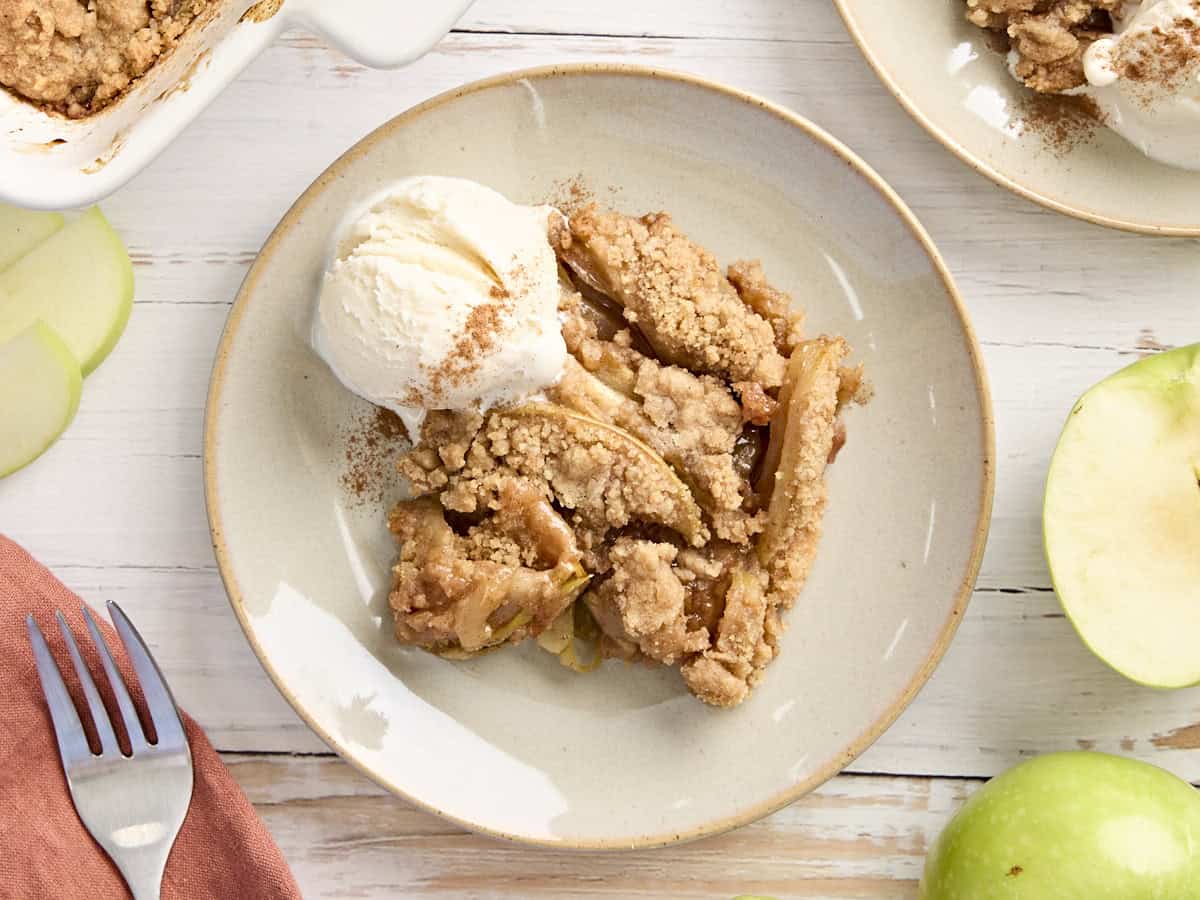
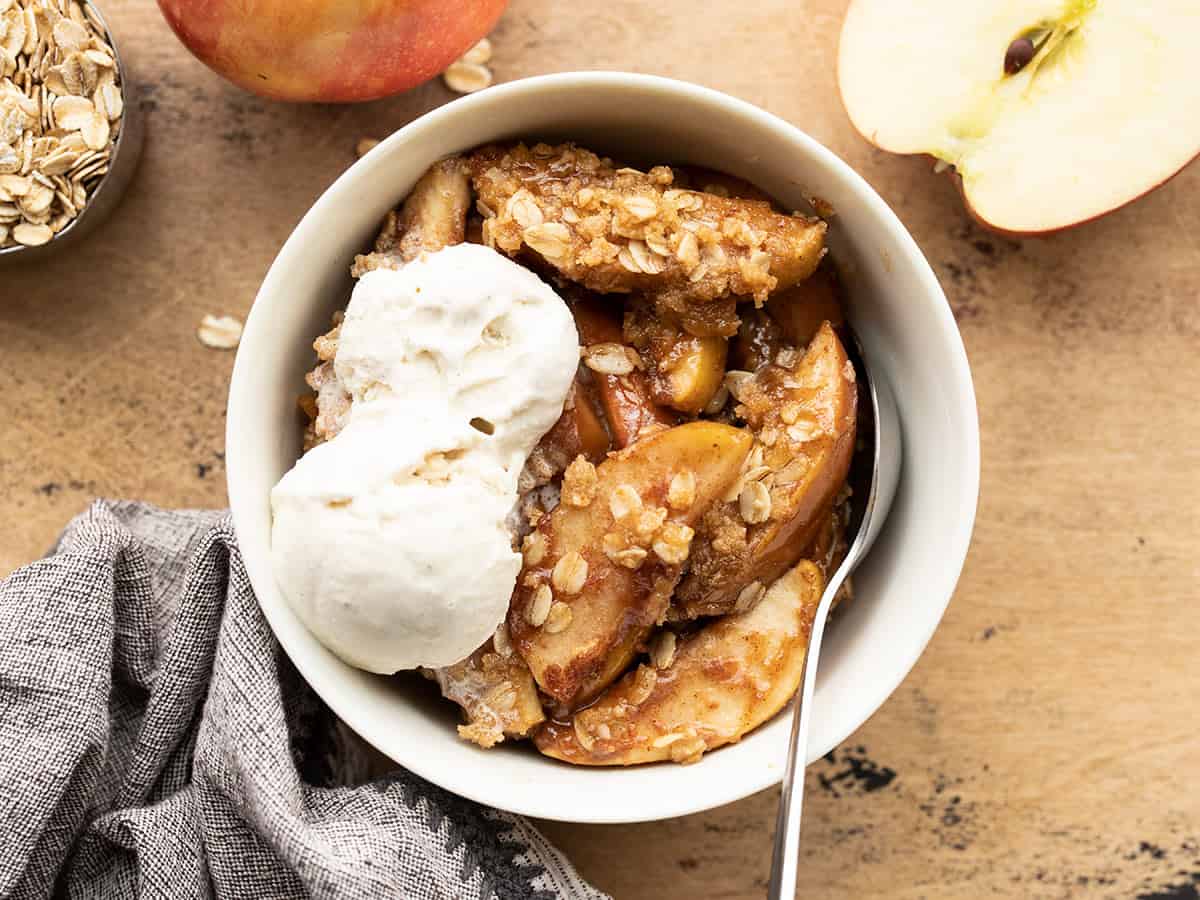
- Apple Crumble and Crisp: These recipes represent the most cost-efficient use of the fruit. The Apple Crumble, priced at $0.61 per serving, utilizes Granny Smith apples for their high acidity and firm cellular structure, which prevents the fruit from disintegrating under high heat. The Apple Crisp ($0.41 per serving) introduces oats into the topping, providing a complex texture and additional fiber.
- Traditional Apple Pie: This staple remains the most labor-intensive but provides a high yield of eight servings at $1.25 each. The Nashville Test Kitchen emphasizes the "caramelization phase," where juices are reduced before baking to intensify the flavor profile.
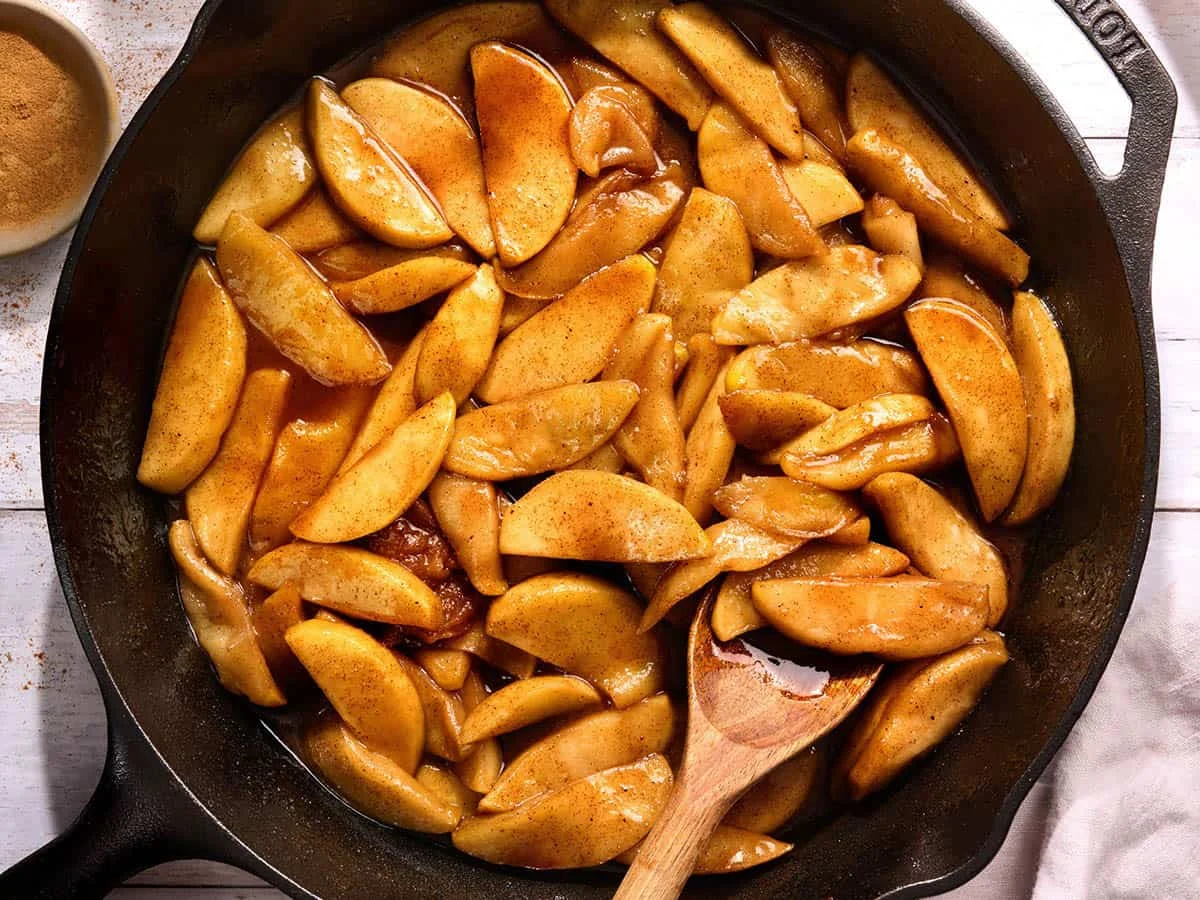
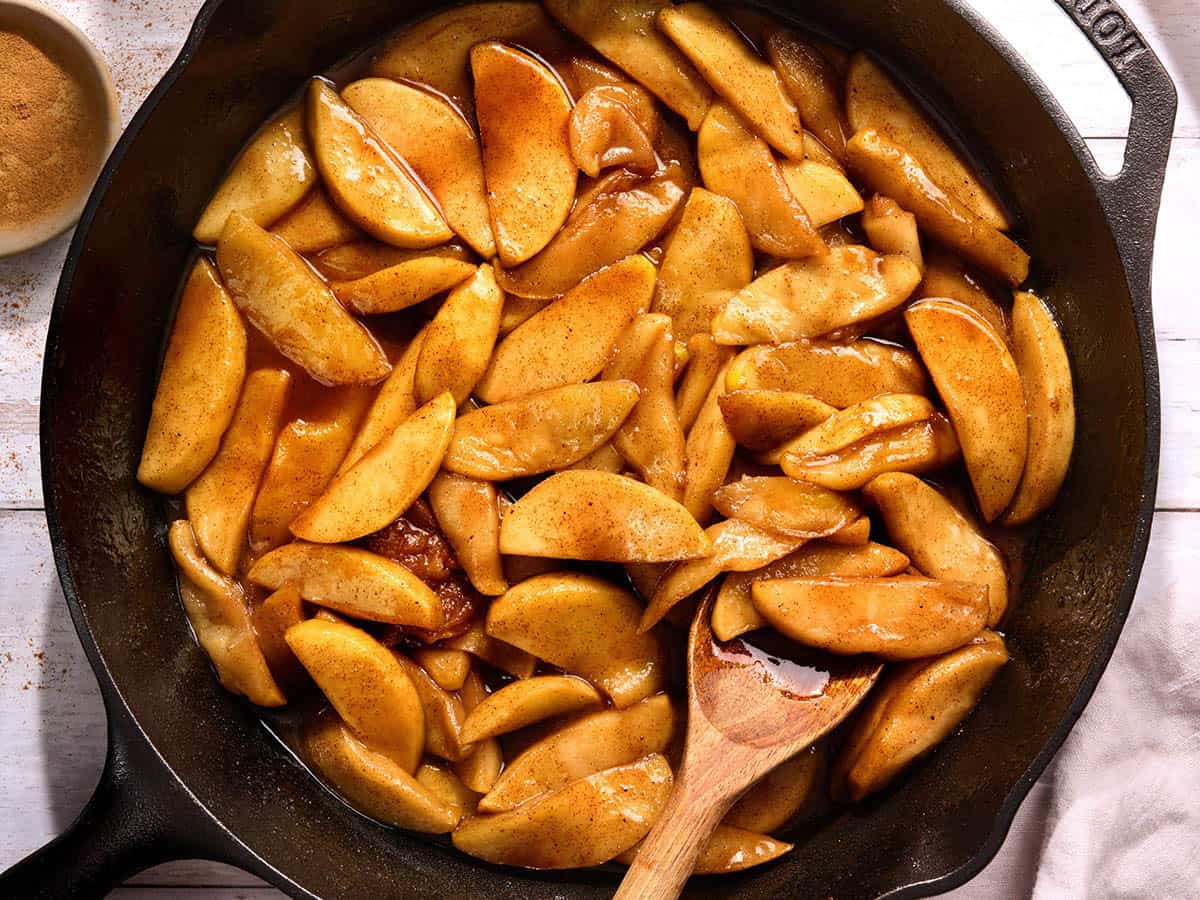
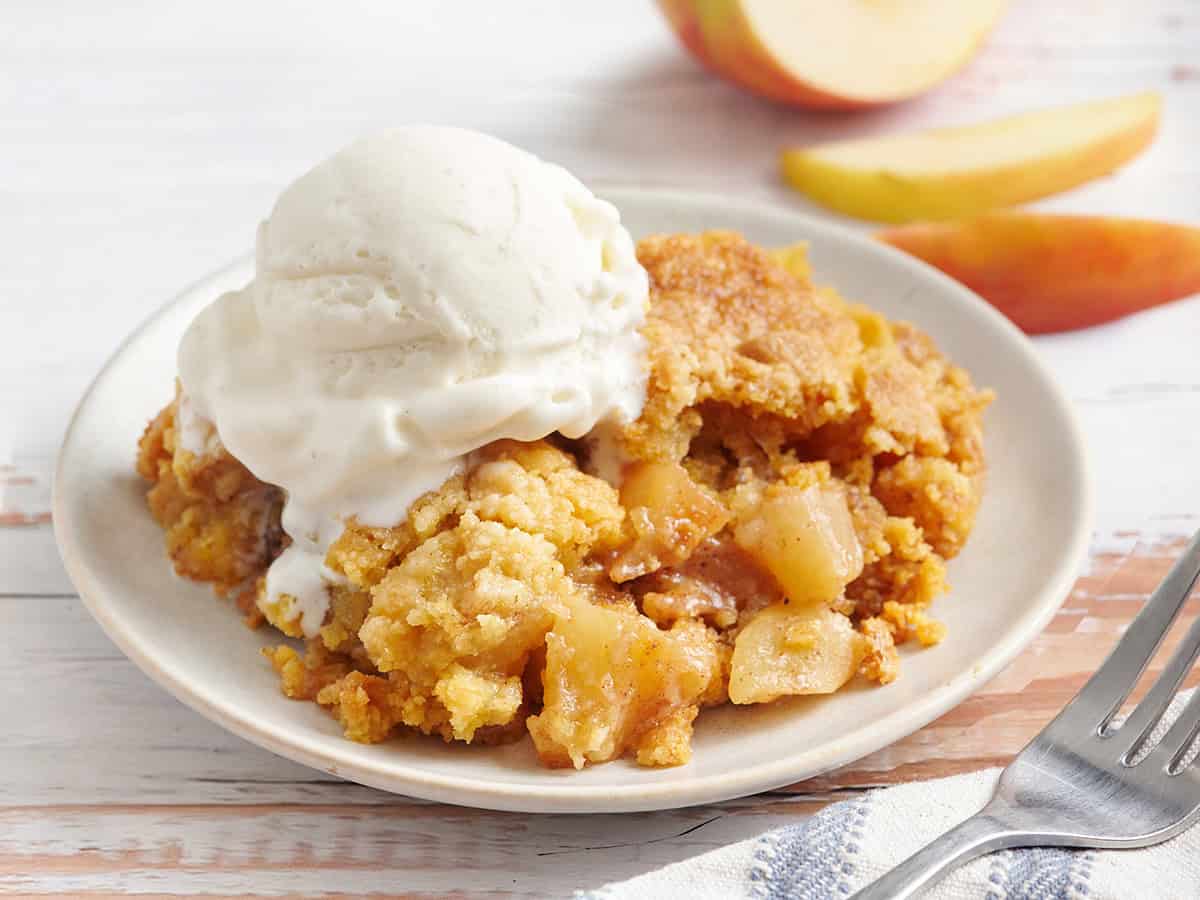
- Stovetop and Rapid-Prep Options: Fried Apples and Apple Dump Cakes provide solutions for consumers with limited time. Fried apples serve a dual purpose as both a dessert and a side dish for savory proteins, while the Dump Cake ($0.79 per serving) utilizes pre-processed cake mixes to minimize prep time without sacrificing the integrity of the fresh fruit.
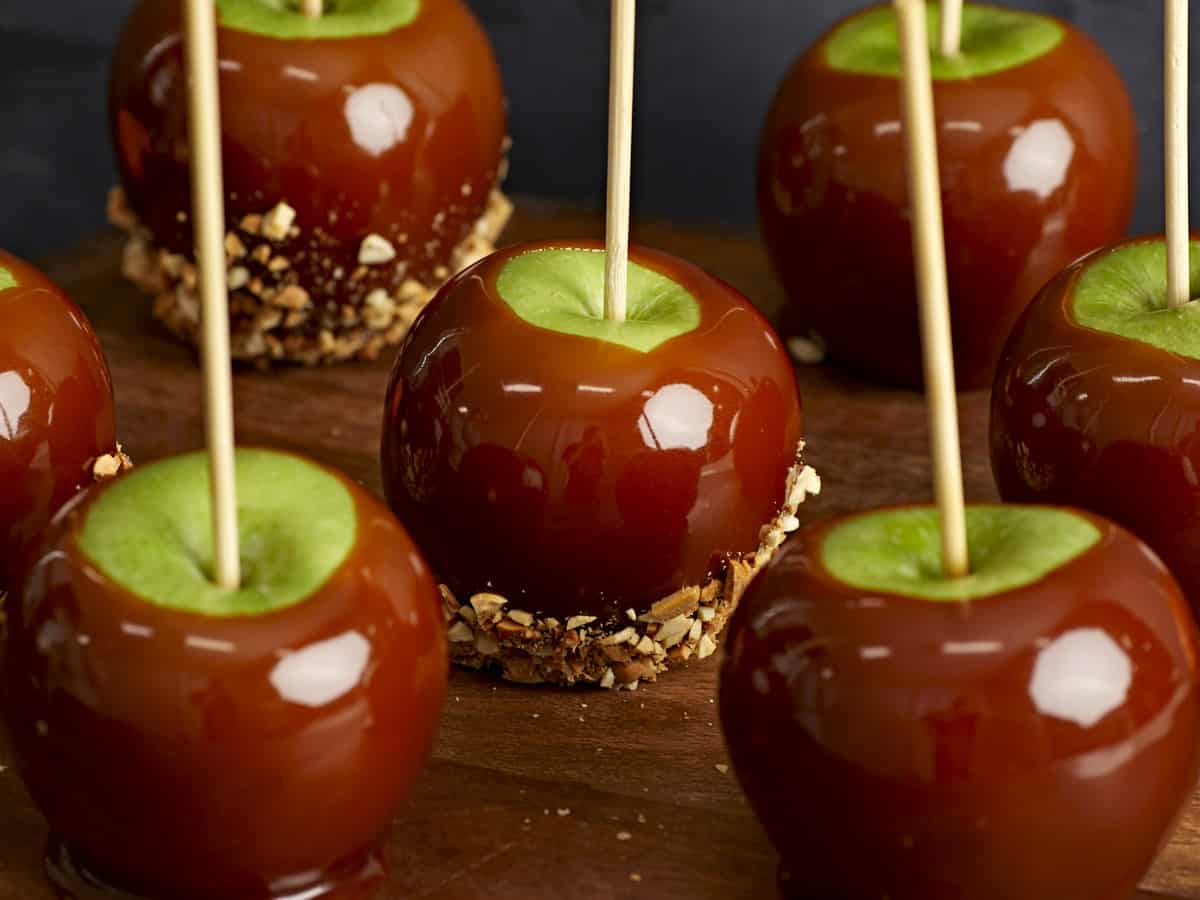
- Caramel Apples: At $0.92 per unit, homemade caramel apples offer a significant price advantage over commercial retail versions, which often carry a 300% markup during the holiday season.
Integration of Fruit into Morning Nutritional Frameworks
The second phase of the study addresses the integration of apples into breakfast and baked goods. This category is particularly important for long-term food management, as many of these items are suitable for freezing and long-term storage.
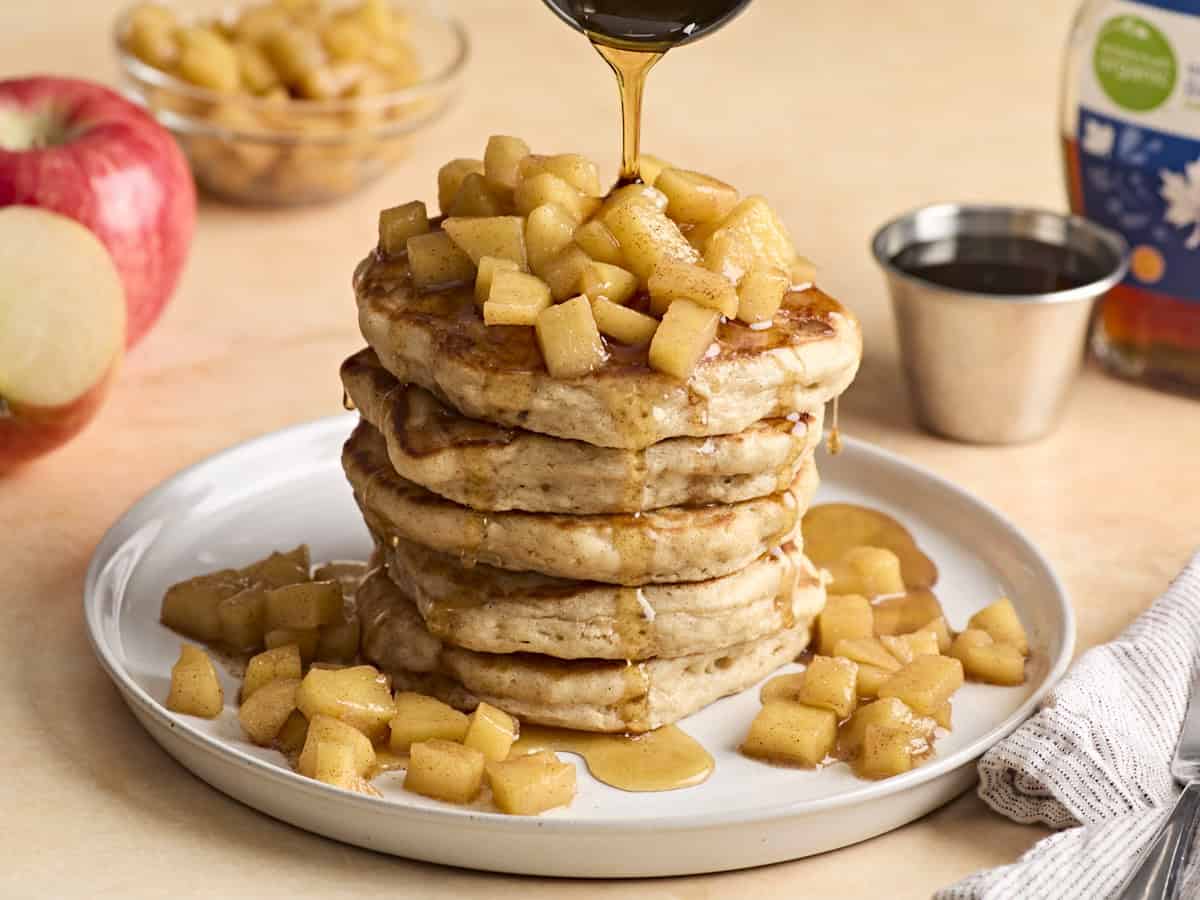
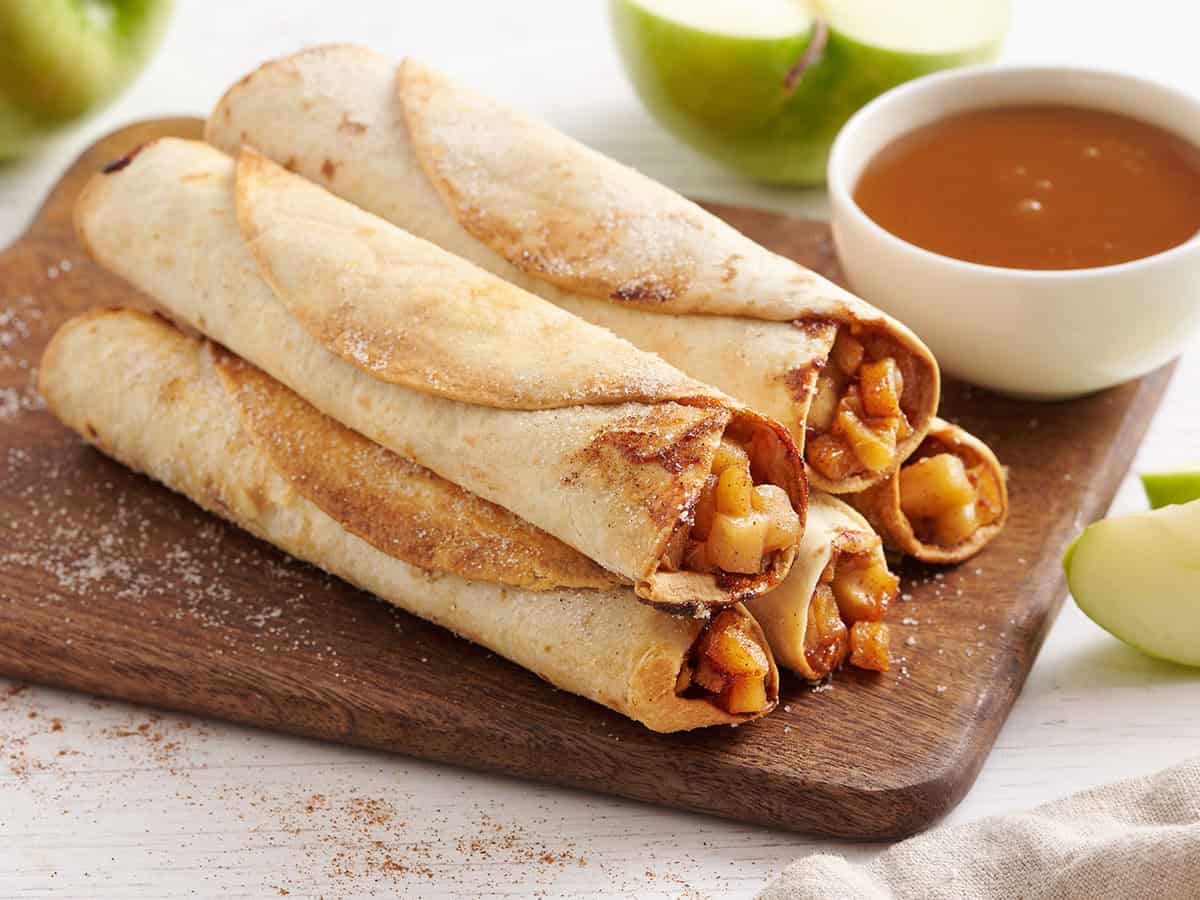
The Apple Pie Scone ($0.32 per serving) and Apple Cinnamon Muffin ($0.49 per serving) are highlighted for their "make-ahead" potential. The use of shredded apples in scones ensures even moisture distribution, while the inclusion of yogurt and applesauce in muffins enhances shelf life and reduces the need for expensive fats. For immediate consumption, the report suggests Apple Cinnamon Pancakes and Air Fryer Apple Flautas. The latter represents a modern culinary adaptation, utilizing rapid air-circulation technology to achieve a crisp texture with minimal oil, costing only $0.38 per serving.
Savory Applications and Protein Pairing
Perhaps the most significant contribution of the Nashville report is its focus on apples as a component of savory main dishes. This approach challenges the traditional Western perception of apples as exclusively sweet.

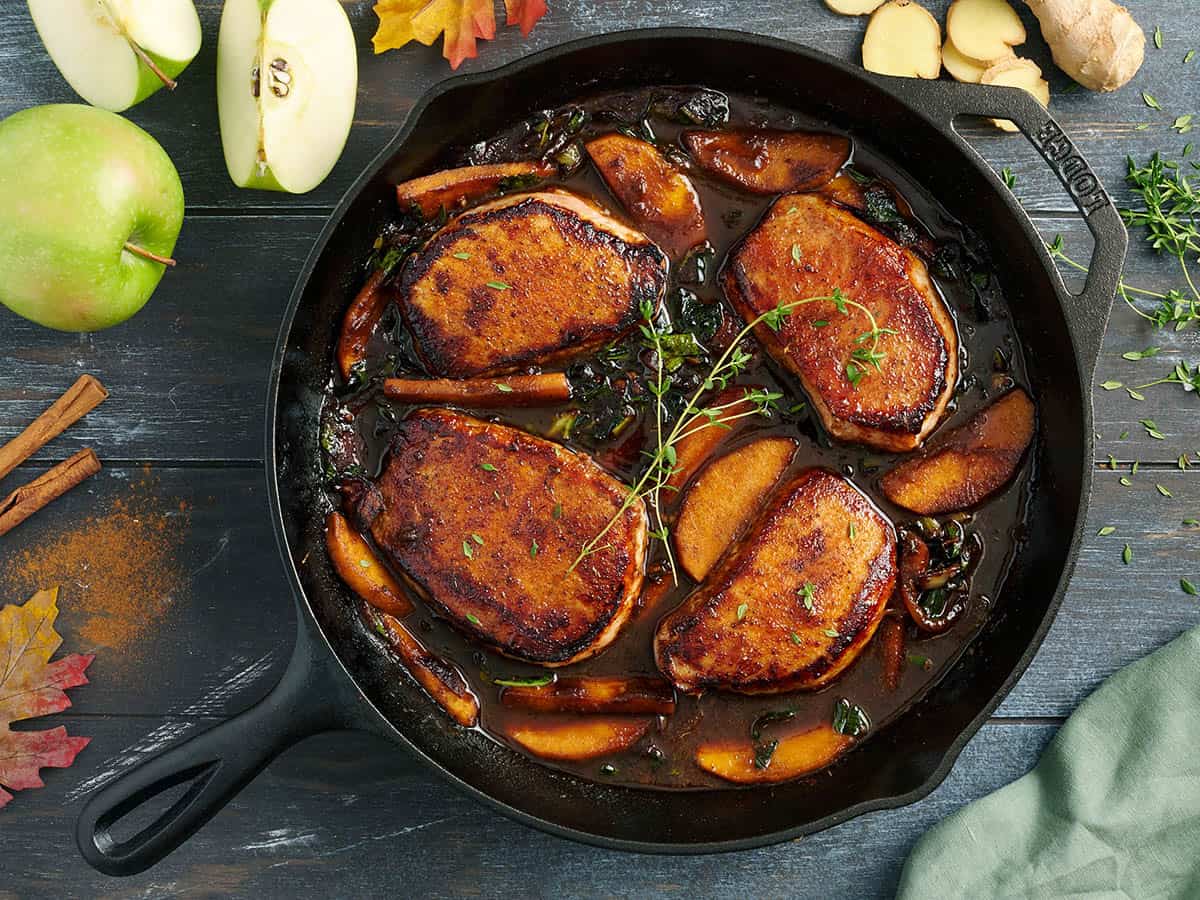
- Apple Butter Pork Chops: This dish ($3.09 per serving) utilizes the concentrated sugars of apple butter combined with the acidity of fresh green apples to balance the richness of the pork. The addition of collard greens introduces a bitter element, creating a complex flavor profile.
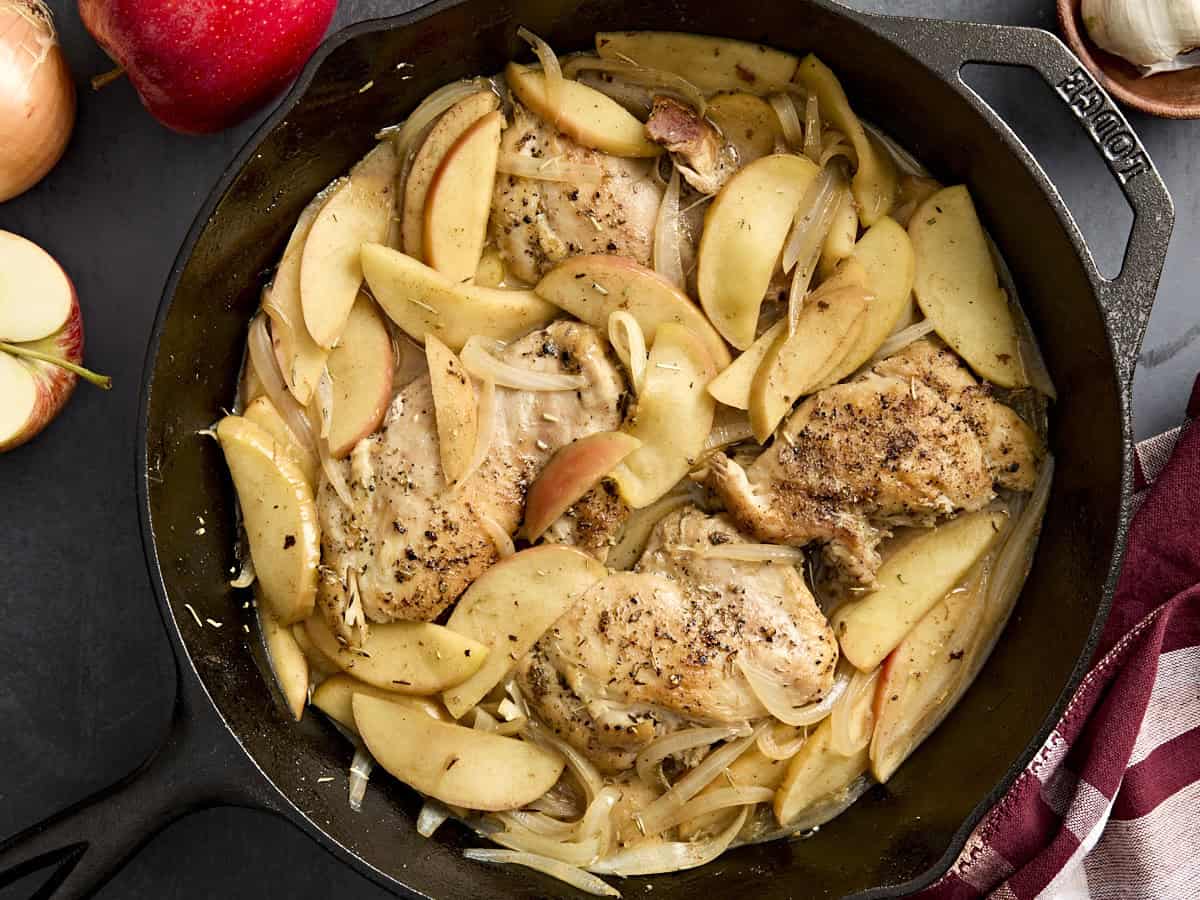
- Chicken and Apple Skillet: A 35-minute meal priced at $2.00 per serving, this recipe uses apple cider as a deglazing agent, creating a pan sauce that bridges the gap between the fruit and the protein.
- Pork and Sauerkraut: This recipe is identified as a high-volume solution for large households or communal dining. Braising eight servings at $1.89 each, the dish utilizes the fermentation of the sauerkraut to soften the apples, resulting in a cohesive, savory-tart stew.
- Oktoberfest Sheet Pan Brats: This represents a "one-pan" logistical solution, roasting bratwurst, root vegetables, and Granny Smith apples simultaneously. The timing of the apple addition is critical; they are added midway through the roasting process to maintain their structural integrity.
Fresh Produce Management through Salads and Slaws
To address the demand for lighter, nutrient-dense options, the study includes four salad variations. Apples provide a crucial "crunch" factor that can replace more expensive nuts or processed croutons.

The Autumn Kale and Apple Salad ($1.27 per serving) utilizes the acid in the balsamic vinaigrette to break down the fibrous structure of the kale, a process known as "massaging." The Chicken Salad with Apples ($2.59 per serving) uses the fruit to add volume and sweetness to the protein, while the Apple Slaw ($0.65 per serving) offers a seasonal variation on the traditional cabbage-based side dish. The "Thanksgiving Bowl" concept is presented as a strategy for food waste reduction, encouraging consumers to combine leftover grains, roasted vegetables, and fresh apples into a cohesive lunch option.
Preservation and Condiment Production
The final recommendation from the Nashville Test Kitchen is the production of Homemade Applesauce. This serves as the ultimate "utility" recipe, particularly for apples that have begun to lose their crispness. By simmering sweet varieties such as Gala or Fuji with cinnamon and water, consumers can produce a sugar-free condiment for $0.92 per serving. This product can be frozen for up to three months, providing a source of fruit intake well into the winter months.
Economic and Social Implications
The broader impact of these culinary strategies extends beyond the kitchen. In an era of fluctuating food prices and increased awareness of food waste, the ability to transform a single, affordable commodity into 19 different meal components is a vital skill for household economic management. Market analysts suggest that consumers who engage in seasonal meal planning can reduce their monthly grocery expenditures by up to 15%.
Furthermore, the transition to homemade apple products reduces reliance on ultra-processed foods, which often contain high levels of added sugars and preservatives. The Nashville Test Kitchen’s report underscores a growing trend toward "back-to-basics" cooking, where the focus returns to the inherent quality of seasonal produce.
Conclusion
The 2024 apple harvest presents a unique opportunity for consumers to engage in sustainable and cost-effective culinary practices. The 19 recipes detailed by Chef Jess Rice and the Nashville Test Kitchen provide a comprehensive framework for navigating the season. By understanding the structural and chemical properties of different apple varieties and applying them to diverse meal categories, households can enjoy the nutritional and economic benefits of the harvest while minimizing waste. As the season progresses, these strategies will remain essential for those looking to balance a sophisticated palate with a disciplined budget.
