

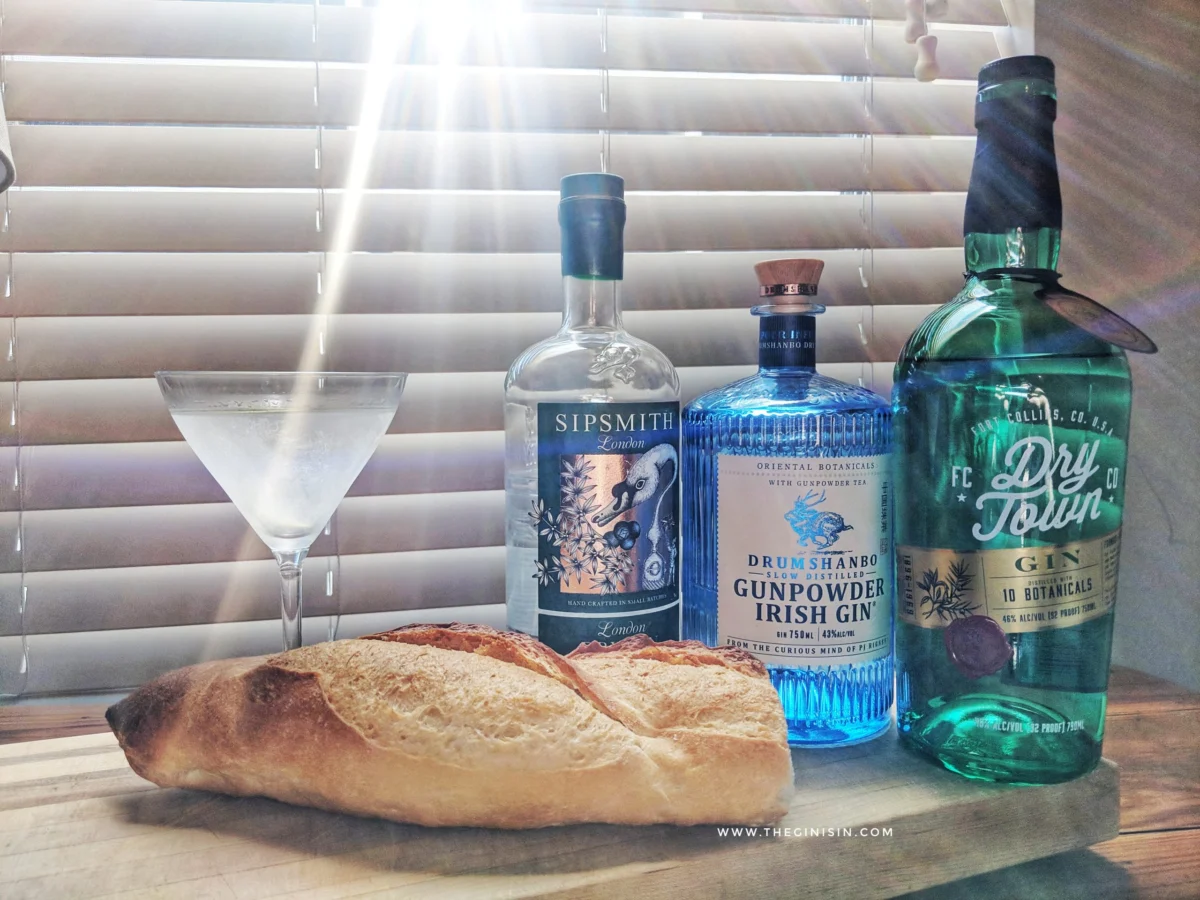
The safety of distilled spirits for individuals with celiac disease and non-celiac gluten sensitivity has long been a subject of public debate and consumer confusion. Despite the fact that many premium gins are crafted from base grains such as wheat, barley, or rye—all of which contain the gluten protein—scientific consensus and regulatory bodies confirm that the distillation process effectively removes gluten, rendering the final product safe for consumption. According to the Celiac Disease Foundation and the Alcohol and Tobacco Tax and Trade Bureau (TTB), distilled spirits do not contain harmful gluten peptides, as these molecules are too large and heavy to vaporize during the heating process.
The Molecular Science of Distillation
To understand why gin is gluten-free, one must examine the chemical mechanics of the distillation process. Distillation is a method of separating mixtures based on differences in their volatilities in a boiling liquid mixture. In the production of gin, a "wash" or base spirit is created through the fermentation of grains, fruits, or sugar sources. If a grain like Red Winter Wheat or malted barley is used, the resulting fermentation contains gluten proteins—specifically gliadin and glutenin.
However, the transition from a fermented mash to a distilled spirit involves significant thermal energy. When the mixture is heated in a still, the ethanol and various aromatic compounds reach their boiling points and convert into vapor. Ethanol has a boiling point of approximately 173.1 degrees Fahrenheit (78.37 degrees Celsius). Gluten, conversely, is a complex protein structure with a high molecular weight. It is non-volatile, meaning it does not evaporate.
As the steam rises through the neck of the still and passes into the condenser, it leaves behind the heavier proteins, sugars, and minerals in the boiling vessel. The vapor is then chilled back into a liquid state in a separate container. This resulting distillate is chemically distinct from the original mash; it is a purified concentration of alcohol and water, devoid of the heavy protein chains that trigger autoimmune responses in celiac patients. Even if a gin is distilled multiple times, the gluten remains trapped in the "pot" or at the base of the column, never entering the final collection flask.
Regulatory Evolution and Labeling Standards
The journey toward clear consumer labeling for gluten-free alcohol has undergone significant regulatory shifts over the last decade. Historically, there was hesitation among regulators to allow "gluten-free" labels on products derived from gluten-containing grains, fearing it might mislead consumers who associated the term only with naturally gluten-free ingredients like corn or grapes.
A pivotal moment occurred in 2020 when the TTB, which regulates alcohol labeling in the United States, issued Ruling 2020-2. This ruling updated the bureau’s policy to align more closely with the Food and Drug Administration’s (FDA) standards for gluten-free labeling. The TTB now permits distilled spirits produced from gluten-containing grains to carry a "gluten-free" claim, provided the distillation process was conducted according to standard practices that ensure the removal of protein.
This ruling was a major victory for transparency in the spirits industry. Before this, manufacturers were often restricted to using the phrase "processed to remove gluten," which many consumers found ambiguous. The current regulatory environment acknowledges that the physical act of distillation is a definitive purification process. This brings gin into the same category as other distilled spirits like vodka and whiskey, which are also considered gluten-free regardless of their grain source.
Identifying Potential Risks: Additives and Cross-Contamination
While the base distillate of gin is inherently gluten-free, experts urge consumers to remain vigilant regarding what happens after the distillation process. Gin is defined by its use of botanicals, primarily juniper berries, but also coriander, angelica root, citrus peel, and various spices. In the vast majority of cases, these botanicals are added during the distillation process (either steeped in the pot or placed in a "gin basket" for vapor infusion), which poses no risk of gluten reintroduction.
The risk profile changes with certain "compounded" gins or modern flavored spirits. If a manufacturer adds flavorings, syrups, or coloring agents after the final distillation, there is a marginal possibility that these additives could contain gluten. For instance, some cheaper flavorings or stabilizers may use barley malt as a base.
Furthermore, cross-contamination remains a factor in facilities that produce both distilled spirits and non-distilled products, such as flavored malt beverages or beers. However, the risk in a professional distillery is significantly lower than in a shared kitchen. Most large-scale gin producers follow rigorous cleaning protocols to maintain the purity of their spirit, as any residual protein would cloud the liquid and spoil the flavor profile.
A Chronology of Gluten-Free Alcohol Recognition
The understanding of gluten in spirits has evolved alongside the broader medical recognition of celiac disease.
- Pre-2013: Consumers with celiac disease were often advised by medical professionals to avoid any spirit derived from wheat or barley, leading to a surge in the popularity of potato-based vodkas and grape-based spirits.
- 2013: The FDA issued a landmark rule defining "gluten-free" for food labeling as containing less than 20 parts per million (ppm) of gluten. This provided a benchmark for testing and safety.
- 2014: The TTB issued an interim policy allowing for "gluten-free" claims on spirits made from non-gluten grains (like corn or agave) but remained restrictive on grain-based spirits.
- 2020: TTB Ruling 2020-2 finalized the stance that distillation effectively removes gluten, allowing gin, whiskey, and vodka made from wheat or barley to be labeled "gluten-free."
Addressing the "Stomach Irritant" Phenomenon
A common point of confusion among consumers is the physical reaction some experience after drinking gin. Many individuals report bloating, abdominal pain, or nausea—symptoms often associated with a "gluten reaction"—and conclude that the gin must have contained gluten.
Medical analysts point out that ethanol itself is a known gastrointestinal irritant. Alcohol can increase stomach acid production and delay gastric emptying, leading to feelings of bloating and discomfort. Furthermore, gin is frequently consumed with mixers such as tonic water, which contains high levels of sugar or high-fructose corn syrup, both of which can cause digestive distress in sensitive individuals.
For those following a Low-FODMAP diet (often prescribed alongside gluten-free diets for IBS management), certain botanicals or the high sugar content in mixers can be the true culprits of post-consumption illness, rather than the distilled spirit itself.
The Economic and Market Impact of the "Gin-aissance"
The clarification of gin’s gluten-free status has coincided with a global surge in gin consumption, often referred to as the "Gin-aissance." Market research indicates that the global gin market was valued at approximately $14.03 billion in 2022 and is projected to reach $20 billion by 2030.
A significant driver of this growth is the "premiumization" trend, where consumers seek high-quality, artisanal products with transparent ingredient lists. As more consumers adopt gluten-free lifestyles—whether due to medical necessity or personal preference—the ability for gin brands to confidently market their products as gluten-free has opened up a massive demographic.
Distillers are now highlighting their base grains as a point of pride. A gin made from "Single Estate Wheat" is no longer seen as a threat to the gluten-free community but as a sophisticated flavor choice. The aromatic molecules derived from the grain, which survive distillation, provide a "creamy" mouthfeel or "bready" notes that are highly prized by connoisseurs, all without the presence of the actual gluten protein.
Conclusion and Practical Advice for Consumers
The scientific and regulatory verdict is clear: gin is a safe choice for those avoiding gluten. The distillation process acts as a natural filter, ensuring that the heavy proteins found in wheat, barley, and rye are left behind.
For the safest experience, consumers should:
- Opt for high-quality, London Dry style gins, which by law cannot have additives added after distillation.
- Be cautious with pre-mixed "gin in a tin" cocktails or highly sweetened flavored gins, checking for labels that might indicate malt-based additives.
- Choose mixers carefully, as carbonation and sugar are more likely to cause stomach upset than the spirit itself.
As the industry continues to move toward greater transparency, the "is there gluten in gin?" question is being replaced by an appreciation for the complex chemistry that allows distillers to capture the essence of a grain while leaving its problematic proteins behind. For the millions living with celiac disease, this provides not just a safety assurance, but the freedom to enjoy a centuries-old tradition of spirit craft.
