

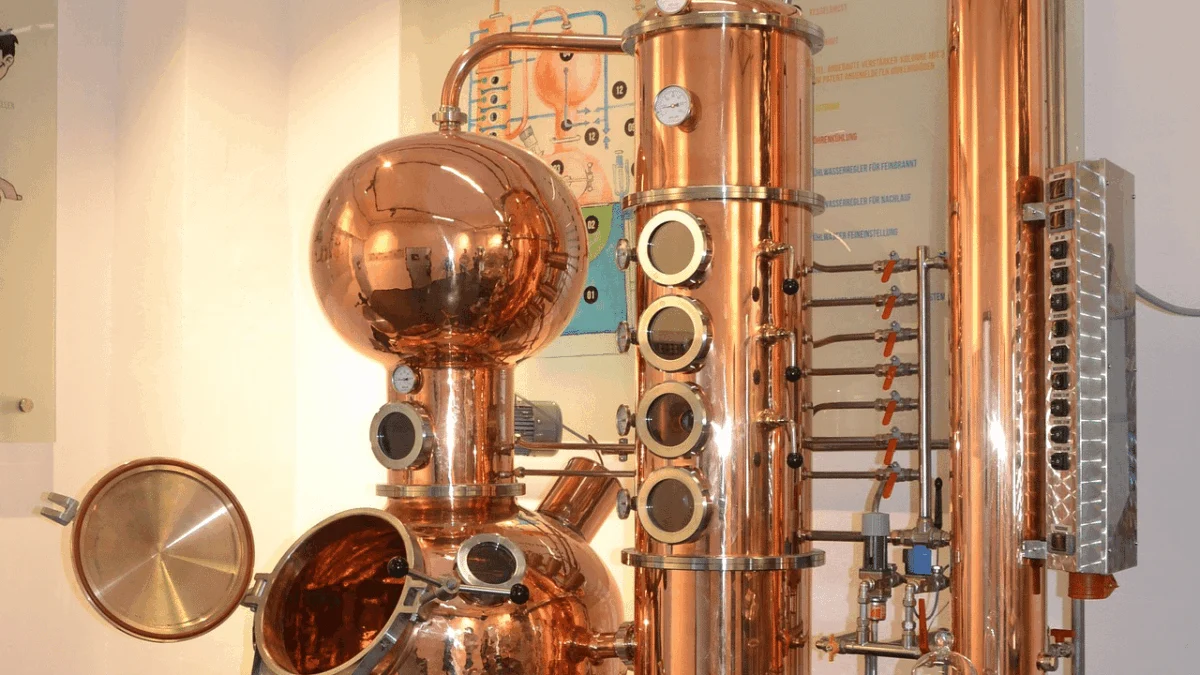
The production of gin is a sophisticated chemical and sensory process that begins long before a spirit reaches the consumer’s glass, dictated by a series of technical decisions that transform a neutral base into a complex aromatic profile. While the selection of botanicals is often the most marketed aspect of a gin’s identity, the flavor profile is more accurately a result of the distiller’s management of ratios, infusion methods, and the chronological precision of the distillation run. In the global spirits market, which was valued at approximately $14 billion for gin in 2023, these technical nuances distinguish premium craft offerings from mass-produced industrial spirits. The foundational element for most modern gin is Neutral Grain Spirit (NGS), a high-proof ethanol typically distilled to 96% Alcohol by Volume (ABV). This "blank canvas" allows the distiller to focus entirely on the volatile aromatic compounds extracted from their chosen botanicals without the interference of the base grain’s character.
The Botanical Ratio: Precision in the Recipe
The initial challenge in gin design is the determination of the botanical load, which refers to the total weight of ingredients used per liter of spirit. Industry benchmarks typically suggest a range of 20 to 35 grams of botanicals per liter of NGS. However, because gin is legally defined in major markets like the United States and the European Union by the predominant flavor of juniper berries (Juniperus communis), the internal ratio of these ingredients is critical. Most traditional recipes start with juniper comprising at least 60% of the total botanical weight.
Distillers often express their recipes in ratios relative to the juniper content. For instance, coriander seeds—the second most common gin botanical—are frequently used at a 50% ratio to juniper. Secondary botanicals such as angelica root, cassia bark, or cinnamon are typically scaled down to 5% or 10% of the juniper weight. Highly potent ingredients, such as cloves or dried citrus peels, may be used at a scale of 1% or even 0.1% to prevent them from overwhelming the delicate pinene and myrcene notes provided by the juniper. The decision-making process at this stage is not merely about flavor but about solubility; different essential oils dissolve into ethanol at varying rates and temperatures, requiring the distiller to anticipate how these ratios will translate during the heating process.
Extraction Methodologies: Maceration versus Vapor Infusion
Once the recipe is established, the distiller must choose how the ethanol will interact with the plant matter. There are two primary schools of thought: maceration and vapor infusion. Maceration involves soaking the botanicals directly in the spirit. This can occur at room temperature for an extended period—such as the 24-hour soak famously employed by Beefeater Gin—or directly within the pot still as it begins to heat. Maceration tends to produce a "heavier" spirit with a robust mouthfeel, as the liquid solvent extracts a wider range of compounds, including some heavier oils and tannins.
In contrast, vapor infusion involves suspending the botanicals in a basket within the neck of the still. As the ethanol boils and turns into vapor, it passes through the botanicals, stripping away the most volatile aromatic compounds without making liquid contact with the plant material. This method, pioneered on a large scale by brands like Bombay Sapphire, results in a "lighter," more delicate floral or citrus-forward profile. Modern craft distillers frequently experiment with the placement of these baskets; a basket placed higher in the still’s lyne arm will interact with cooler vapors, while a basket placed lower will be subjected to higher temperatures, altering the specific aromatic molecules that are successfully volatilized.
The Art of the Cut: Managing the Chronology of Distillation
The most critical phase of gin production is the "cut," the moment the distiller decides which portion of the liquid flowing from the condenser will be kept for the final product. Distillation is a chronological event where different compounds emerge at different times based on their boiling points and solubility.
The first portion of the run is known as the "foreshots" or "heads." This liquid contains highly volatile alcohols like methanol and esters that can smell of nail polish remover or overly sweet fruit. While these are discarded or recycled, they are followed by the "heart," the prized portion of the distillation. The heart contains the cleanest ethanol and the most desirable botanical flavors. As the distillation continues, the spirit enters the "tails" or "feints." This stage is characterized by heavier, oily compounds and bitter notes. In a gin run, the tails often carry the earthy scents of angelica root or the spicy, heavy oils of coriander.
A distiller’s skill lies in identifying the exact "cut points" between these stages. Including too much of the heads can make a gin taste harsh or "hot," while including too much of the tails can result in a spirit that turns cloudy when diluted (a phenomenon known as louching) or tastes unpleasantly bitter. The timing of these cuts is often managed by nose and palate, though modern facilities utilize gas chromatography and density meters to ensure batch-to-batch consistency.
Regulatory Frameworks and the London Dry Designation
The technical choices made during distillation are often dictated by the specific category of gin the producer aims to label. The "London Dry" designation, perhaps the most prestigious in the industry, carries strict legal requirements. According to EU Regulation 2019/787, a London Dry Gin must have all its botanical flavors introduced through the distillation process in the presence of NGS. No flavorings or colorings can be added after distillation, and the only permitted additive is a small amount of sugar (no more than 0.1 grams per liter).
This creates a significant technical hurdle: the distiller must get the recipe and the cuts perfect in a single run. Other categories, such as "Distilled Gin," allow for the addition of flavors or essences after the still has finished its work. This distinction is vital for consumers and regulators alike, as it separates the purely "distilled" craft from products that may rely on post-production adjustments to achieve their flavor profile.
Production Scales: The Single-Shot versus Multi-Shot Dilemma
As a distillery grows, it faces a choice between the "single-shot" and "multi-shot" methods. The single-shot method is the traditional approach: the distiller uses the exact amount of botanicals required for a single batch, and the resulting distillate is diluted only with water to reach the bottling strength (typically between 40% and 47% ABV).
The multi-shot method is a more concentrated approach used by many large-scale producers to maximize efficiency. In this process, the distiller uses a significantly higher concentration of botanicals—sometimes two to four times the standard amount—to create a "gin concentrate." After distillation, this high-intensity spirit is blended with additional Neutral Grain Spirit and then diluted with water. While some purists argue that the single-shot method preserves more nuance, many industry experts maintain that when executed correctly, the multi-shot method is indistinguishable in blind tastings and offers a more sustainable, energy-efficient path to large-scale production.
Global Market Trends and the Evolution of Style
The gin industry has seen a dramatic shift over the last decade, moving away from the singular dominance of juniper-heavy "London Dry" styles toward "Contemporary" or "New Western" gins. These spirits often de-emphasize juniper in favor of local or "terroir-based" botanicals, such as seaweed in maritime gins or rare citrus in Japanese gins.
According to data from the IWSR Drinks Market Analysis, the premium and super-premium gin segments have outpaced the growth of standard gin, driven by consumer interest in the "provenance" of botanicals and the technical transparency of the distillation process. This has led to an increase in "individual botanical distillation," where a distiller distills each ingredient separately to its own perfect cut point before blending them together. While labor-intensive, this method allows for unparalleled control over the final flavor profile, treating the distiller more like a perfumer than a traditional beverage producer.
Broader Implications for the Spirits Industry
The techniques refined in gin production are increasingly influencing other spirit categories. The rise of "botanical vodkas" and "distilled non-alcoholic spirits" relies heavily on the same principles of vapor infusion and precision cutting established by gin distillers. Furthermore, the focus on water quality for the final dilution—using demineralized or spring water to ensure the botanical oils remain in suspension—has highlighted the importance of the "finishing" stage in all spirit categories.
As the industry moves forward, the intersection of traditional craft and analytical chemistry will continue to define the market. Whether through the use of vacuum distillation (which lowers boiling points to preserve delicate "fresh" flavors that would be destroyed by heat) or the exploration of sustainable botanical sourcing, the distiller’s role remains a balance of rigid science and fluid creativity. The flavor of a gin, therefore, is not merely a list of ingredients on a label, but a record of every thermal and temporal decision made during the hours the spirit spent inside the still.
