

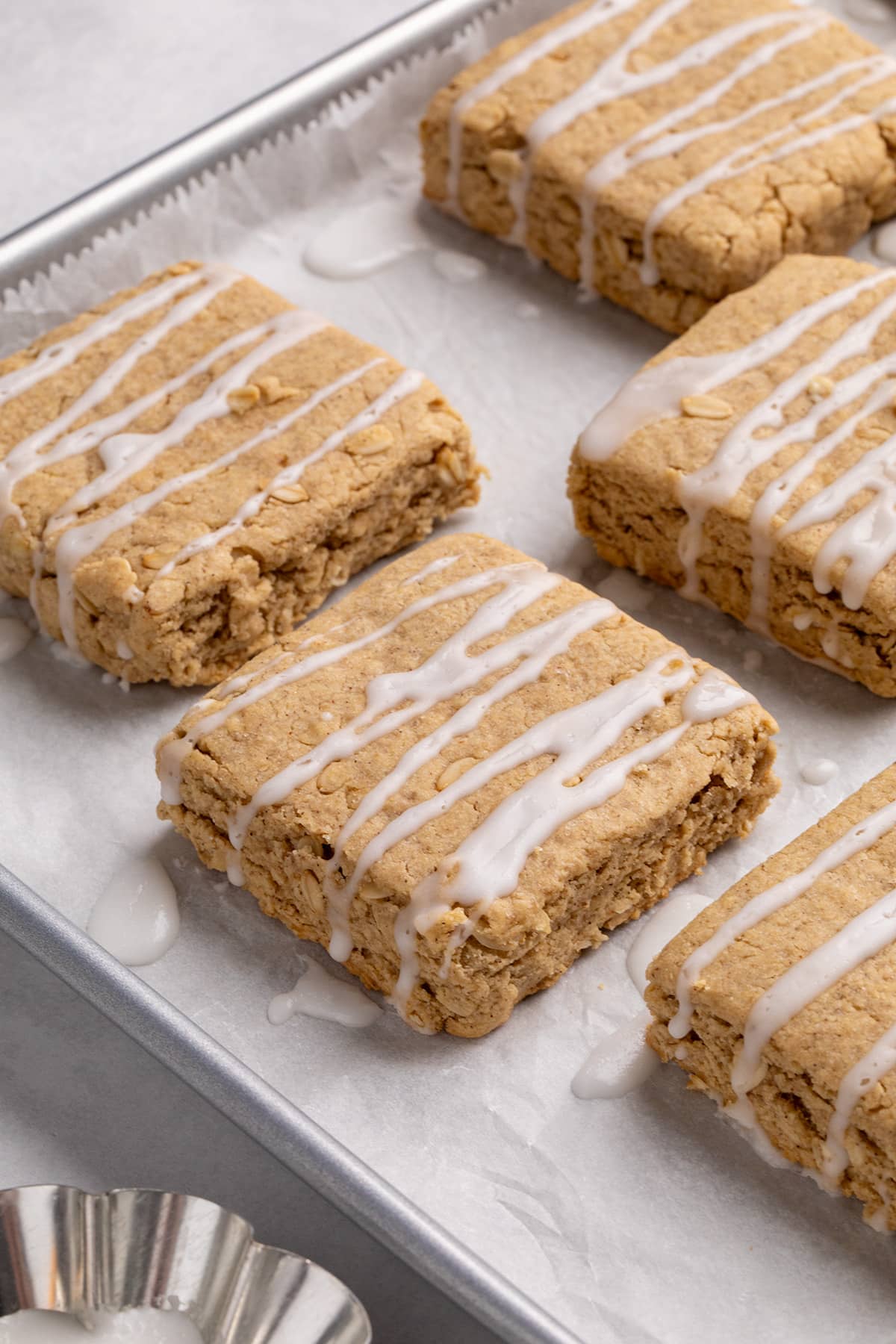
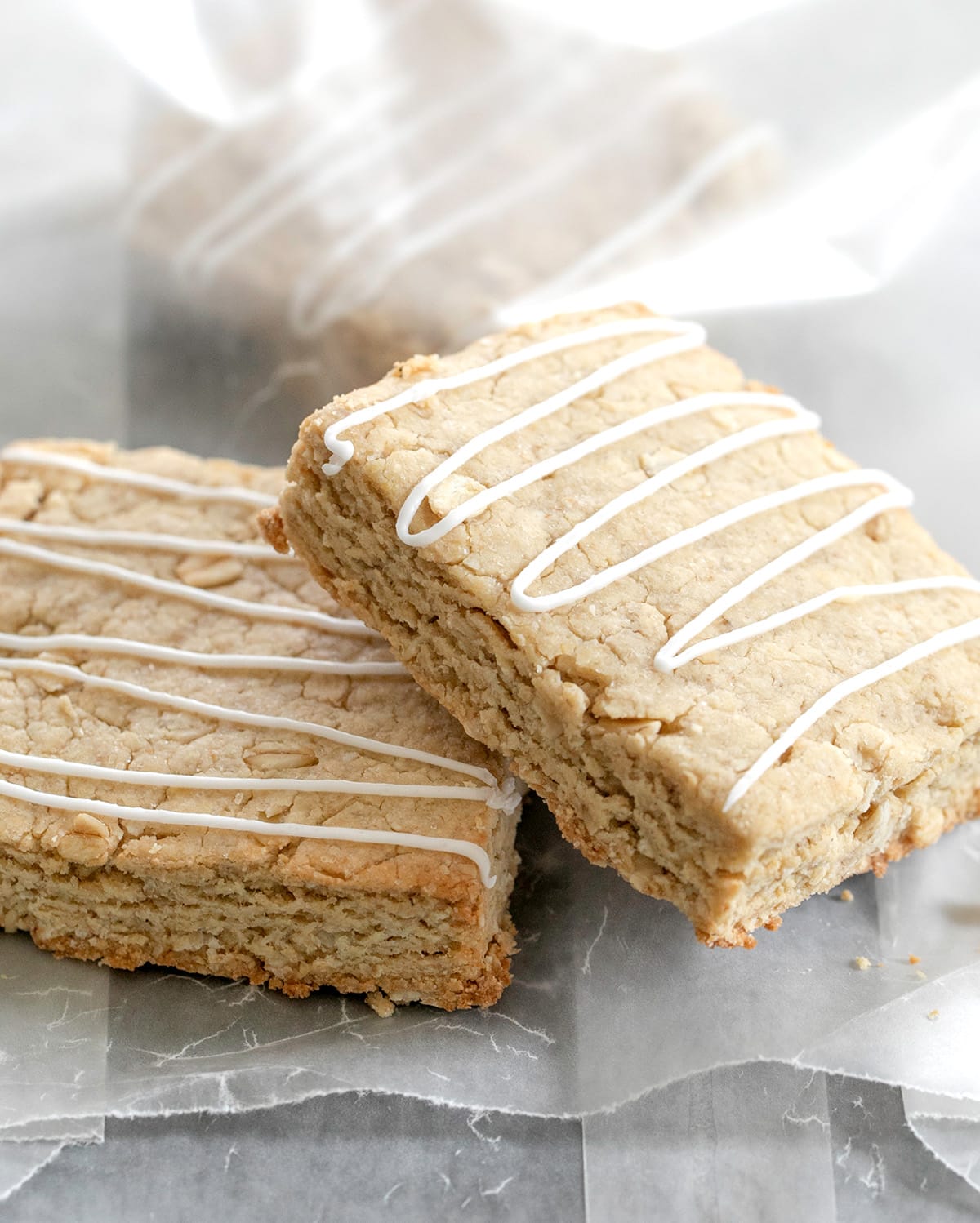
These gluten-free breakfast bars offer a satisfyingly thick and chewy texture, reminiscent of a warm square of brown sugar and cinnamon oatmeal. They prominently feature the comforting taste of oatmeal, complemented by just the right amount of sweetness and texture to appeal to a wide range of palates, particularly children. The recipe has been developed to provide a wholesome and convenient breakfast or snack option, catering to individuals with gluten sensitivities without compromising on flavor or enjoyment.
The Science Behind the Texture and Flavor
The success of these gluten-free breakfast bars lies in a thoughtful combination of ingredients and baking techniques. The recipe relies on a blend of oat flour and whole rolled oats to achieve a robust oatmeal flavor. The oat flour contributes to a smooth, chewy crumb, while the whole oats introduce a subtle, pleasant texture. This dual approach ensures a satisfying mouthfeel that avoids the dryness sometimes associated with gluten-free baked goods.

The sweetness and caramel notes are derived from brown sugar, which pairs harmoniously with the warmth of cinnamon. A touch of honey serves not only as a sweetener but also as a crucial binder, holding the ingredients together. A key distinction of these bars, as highlighted by their creators, is their less sweet and less sticky profile compared to traditional gluten-free granola bars. This balance is achieved through careful measurement and ingredient selection.
Furthermore, the baking process plays a critical role in achieving the desired pale, soft, and chewy consistency. By employing a lower baking temperature, the bars are prevented from becoming overly browned, preserving their delicate texture and flavor. This method also contributes to their structural integrity, making them sturdy enough for on-the-go consumption without the risk of crumbling. Their excellent freezing capabilities also add to their practicality, offering a convenient make-ahead option for busy mornings.
Key Ingredients for Gluten-Free Success
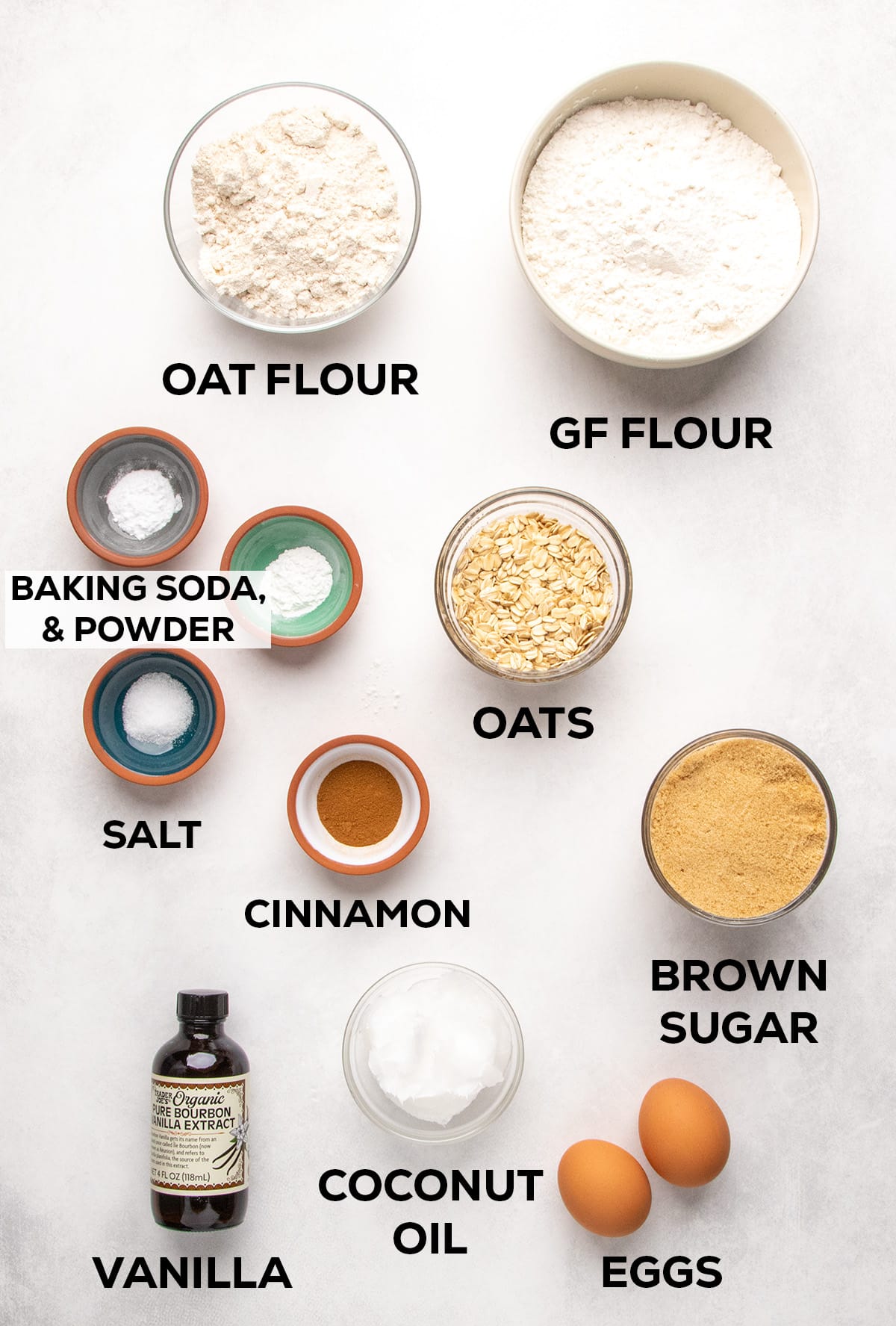
To achieve the signature taste and texture of these gluten-free breakfast bars, a specific set of ingredients is required. The core components for the bars include:
- Gluten-free flour blend: A well-balanced blend is essential. While specific recommendations are provided, generally a blend containing xanthan gum is crucial for mimicking the binding properties of gluten.
- Oat flour: This provides the foundational oatmeal flavor and contributes to the chewy texture. Ensuring certified gluten-free oats are used is paramount for those with celiac disease or severe gluten intolerance.
- Rolled oats: These add a pleasing textural contrast and reinforce the oatmeal character.
- Baking soda and baking powder: These leavening agents work together to provide a slight lift, contributing to the bars’ overall texture.
- Salt: A small amount of salt enhances the other flavors and balances the sweetness.
- Cinnamon: This warming spice is integral to the classic oatmeal flavor profile.
- Light brown sugar: This sweetener provides moisture and a subtle caramel note.
- Honey: Acts as a binder and contributes to sweetness and chewiness.
- Eggs: Serve as a binder and contribute to the richness and structure of the bars.
- Coconut oil: This fat source contributes to tenderness and moisture. Refined coconut oil is recommended to avoid any coconut flavor.
- Vanilla extract: Enhances the overall flavor profile.
For those opting for the optional glaze, the ingredients are typically:
- Confectioners’ sugar: Provides the sweet, smooth base for the glaze.
- Unsalted butter: Adds richness and a smooth texture to the glaze. Dairy-free alternatives can be used.
- Milk or dairy-free milk: Used to achieve the desired glaze consistency.
A Step-by-Step Guide to Crafting the Bars
The preparation of these gluten-free breakfast bars is a straightforward process, designed for home bakers of all skill levels.
Step 1: Combining Dry Ingredients
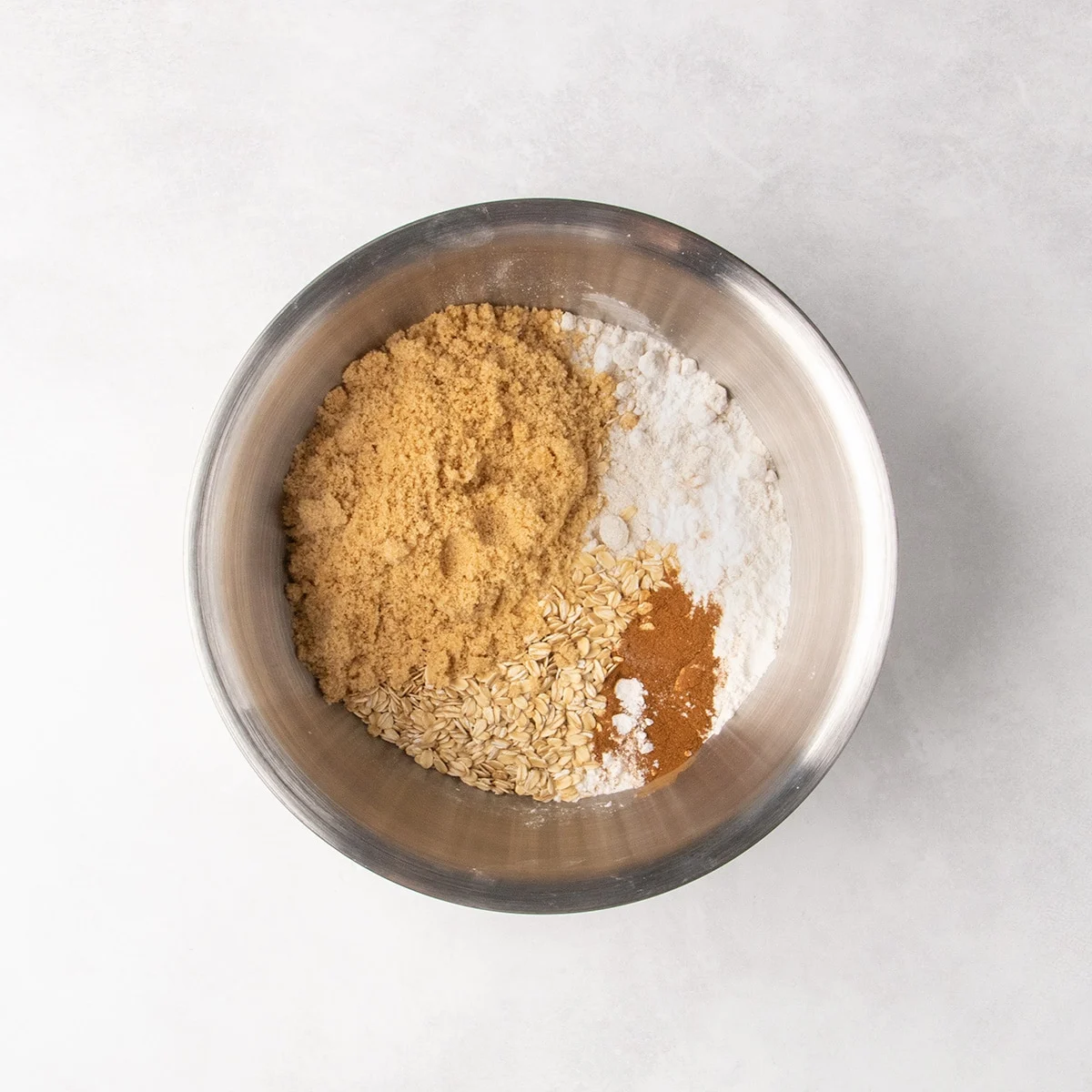
The process begins by thoroughly whisking together all dry ingredients in a large mixing bowl. This includes the gluten-free flour blend, oat flour, baking powder, baking soda, salt, cinnamon, light brown sugar, and rolled oats. This initial step is critical for ensuring even distribution of leavening agents and salt, preventing any potential bitterness or uneven baking. It’s important to break up any lumps, especially in the brown sugar, which can clump due to moisture and may not bake properly.
Step 2: Incorporating Wet Ingredients
Next, the liquid ingredients—beaten eggs, melted coconut oil, and vanilla extract—are added to the dry mixture. The ingredients are mixed until just combined. The resulting dough should be thick and hold together when squeezed, but not overly wet. If any dry pockets remain, a small amount of lukewarm water can be drizzled sparingly, but caution is advised to avoid making the dough too moist, which could lead to excessive spreading during baking.
Step 3: Rolling the Dough
The dough is then transferred to a piece of parchment paper. It is roughly pressed into a 1-inch thick square. Using a rolling pin, the dough is rolled from the center outwards to form an 8-inch square that is approximately 3/4-inch thick. If the dough cracks easily during rolling, it should be gathered back together, pressed firmly, and rolled again. This step ensures a uniform thickness for even baking.
Step 4: Shaping and Cutting the Bars
To promote an upward rise and prevent excessive spreading, the edges of the rolled dough are sharpened. This can be achieved using a metal bench scraper or another straight edge to create 3/4-inch tall walls. This technique is akin to preparing dough for gluten-free biscuits, where sharp edges encourage vertical expansion. The dough is then cut into nine equal squares, aiming for the sharpest possible edges. If clean cuts are proving difficult, chilling the dough for a few minutes can help.
Step 5: Baking the Bars
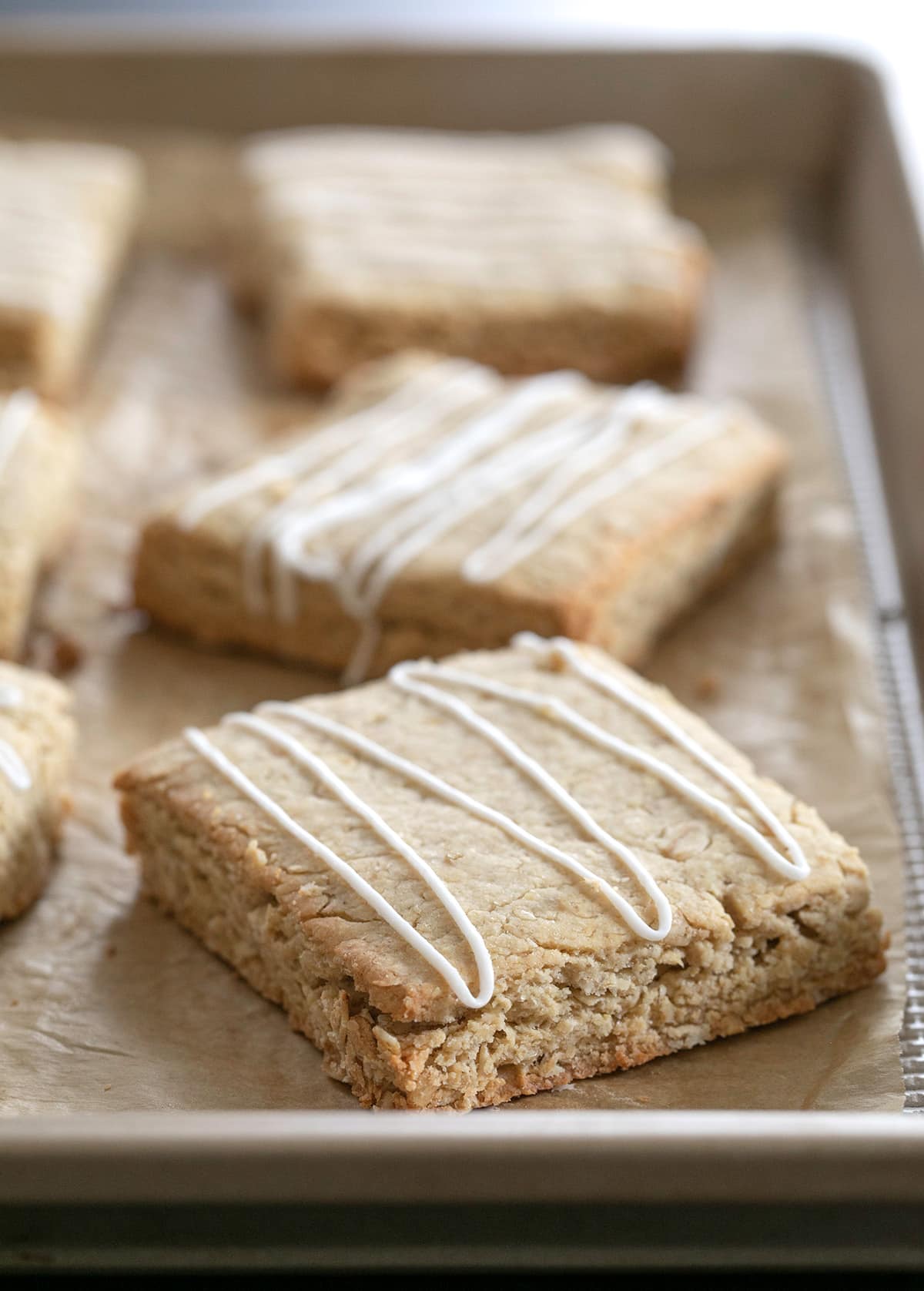
The shaped bars are placed on a parchment-lined baking sheet, spaced approximately one inch apart. They are baked in a preheated oven at 325°F (160°C) in the center rack. The baking time is typically between 12 to 14 minutes, or until the bars have risen slightly (about 1/4 inch) and feel firm to the touch. The lower baking temperature and slightly longer duration are key to achieving the desired pale color and tender, chewy texture that evokes the comforting taste of oatmeal with cinnamon and brown sugar.
Step 6: Glazing (Optional)
Once the bars have cooled completely, an optional glaze can be drizzled over them. The glaze is made by combining confectioners’ sugar with melted butter (or a dairy-free alternative) and milk or dairy-free milk until a smooth, pourable consistency is achieved.
Expert Insights for Optimal Results
Several expert tips can further enhance the outcome of these gluten-free breakfast bars.
- Precise Water Addition: The dough’s consistency is critical. It should be thick and hold together when squeezed, but not overly moist. Adding lukewarm water very sparingly, only to visibly dry patches, prevents the bars from spreading too much and losing their shape.
- Sharp Edges for Structure: As with many baked goods, creating clean, upright edges on the dough before cutting is crucial. This encourages the bars to rise vertically rather than spreading horizontally, resulting in a thicker, chewier product.
- Coconut Oil Selection: The type of coconut oil used impacts the final texture. Refined coconut oil that is solid at cool room temperature is recommended. As the bars cool, this solidifies, contributing to a tender crumb without greasiness. Liquid coconut oil or unrefined varieties might alter the texture or introduce unwanted flavors.
Adapting the Recipe: Ingredient Substitutions
The recipe is designed to be adaptable for various dietary needs and preferences.
- Dairy-Free: The base bar recipe is naturally dairy-free due to the use of coconut oil instead of butter. For the glaze, dairy-free milk alternatives or even water can be used, and unsalted butter can be replaced with vegan butter sticks or blocks.
- Egg-Free: Individuals requiring an egg-free option can substitute regular eggs with "chia eggs" (1 tablespoon ground chia seeds mixed with 2 tablespoons water, allowed to gel) or use commercial egg replacers like Bob’s Red Mill egg replacer or Just Egg, following package instructions.
- Coconut Oil Alternatives: For those who dislike the taste of coconut, triple-filtered coconut oil is an option that offers a neutral flavor. If coconut oil is not an option, shortening can be used as a direct substitute. Melted unsalted butter can also be used, but it may result in slightly drier bars due to its lower fat content compared to oil.
- Oat-Free: For individuals unable to consume oats, substitutes can be employed. Oat flour can be replaced with finely ground quinoa flakes, and rolled oats can be substituted with rolled buckwheat. It is important to ensure that any substitutes used are certified gluten-free if required.
Storage and Shelf Life
These gluten-free breakfast bars offer convenient storage options. They can be kept in an airtight container or individually wrapped in plastic wrap at room temperature for at least three days. During warmer weather, the glaze might become slightly tacky at room temperature. For longer storage, it is recommended to wrap each bar individually in freezer-safe wrap and freeze them for up to three months. To thaw, they can be left at room temperature or gently reheated in a microwave on half power for approximately 30 seconds.
The development and availability of such recipes underscore the growing innovation in the gluten-free food sector, providing consumers with delicious and accessible alternatives to traditional baked goods. The focus on flavor, texture, and practicality ensures that gluten-free living can be both enjoyable and convenient.
