


The quick-service restaurant industry is witnessing a dynamic shift in consumer engagement and product diversification, with major players like Taco Bell, Subway, and McDonald’s rolling out innovative strategies to capture market share and respond to evolving consumer preferences. This surge in new offerings, ranging from expanded beverage lines to immersive gaming collaborations, comes at a time when the broader economic landscape, particularly elevated fuel costs, is placing significant pressure on both restaurant operators and consumers.
Taco Bell Energizes Beverage Portfolio with New Energy Drinks
Taco Bell is significantly expanding its beverage offerings with the introduction of three new energy drinks, each designed to provide a caffeine boost and essential vitamins. These new additions, available nationwide, include the Pineapple Citrus Energy Refresher, Strawberry Tropics Energy Refresher, and Pineapple Citrus Energy Freeze. Each beverage contains 120 milligrams of caffeine, positioning them as potent options for consumers seeking an energy lift, and are fortified with vitamin B, adding a functional benefit to the appeal.
This strategic move by Taco Bell is not an isolated event but rather an acceleration of a trend the brand has been cultivating. These new energy drinks join a growing segment of the menu dedicated to specialty beverages, which already features popular items like Agua Refrescas and the Rockstar Energy Refrescas launched last year. The introduction of these new energy drinks reflects a conscious effort by Taco Bell to diversify its beverage portfolio beyond traditional soft drinks and iced teas, catering to a demographic increasingly interested in functional beverages that offer more than just refreshment.
The beverage market, particularly the energy drink segment, has seen substantial growth in recent years. According to market research firm Statista, the global energy drinks market was valued at approximately $61.2 billion in 2022 and is projected to grow at a compound annual growth rate (CAGR) of 7.3% from 2023 to 2030. This expanding market presents a significant opportunity for quick-service restaurants to tap into a lucrative segment by offering their own branded or co-branded energy drinks. Taco Bell’s expansion into this space aligns with broader industry trends, as other major players are also making similar moves.
Earlier this month, McDonald’s, a direct competitor, launched its Red Bull Dragonberry Energizer drink, signaling a strategic partnership to leverage the established brand recognition of Red Bull. In March, Panera Bread also entered the fray by launching its own lineup of Energy Refreshers, underscoring the widespread industry interest in this category. These parallel launches highlight a competitive landscape where beverage innovation is becoming a key differentiator. The inclusion of 120 mg of caffeine per serving positions Taco Bell’s new offerings competitively within the energy drink market, often aligning with the caffeine content of popular energy drink brands. For instance, a standard 8.4-ounce can of Red Bull contains about 80 mg of caffeine, while a 16-ounce can of Monster Energy typically contains around 160 mg. Taco Bell’s offering sits in a middle ground, potentially appealing to a broader audience seeking a moderate energy boost.
The inclusion of Vitamin B is another strategic element. Vitamin B complex plays a crucial role in energy metabolism, helping the body convert food into energy. By incorporating these vitamins, Taco Bell is enhancing the perceived functional value of its energy drinks, appealing to health-conscious consumers who are also seeking an energy boost. This "better-for-you" trend in beverages is a significant driver of growth in the functional beverage market.
Subway Taps into Gaming Culture with "ARC Raiders" Partnership
In a distinctly different but equally innovative move, Subway is venturing into the digital realm by partnering with gamers. The sandwich chain unveiled a promotion tied to the upcoming update of the multiplayer adventure game "ARC Raiders," dubbed "Frozen Trail," scheduled for release on October 8. This collaboration offers Subway customers a unique opportunity to engage with the gaming community and unlock in-game rewards.
From now until October 26, patrons who purchase a qualifying meal at Subway will receive a unique code. This code can be redeemed to unlock exclusive rewards within "ARC Raiders," such as new outfits and gear designed to aid players in their virtual missions. "ARC Raiders" is described as a multiplayer game where players, known as Raiders, scavenge across a devastated future Earth, battling a formidable mechanized threat called ARC.
This promotion represents a strategic pivot by Subway to connect with a younger, digitally-savvy demographic. The gaming industry has experienced exponential growth, with the global games market revenue projected to reach $200 billion in 2023, according to Newzoo. Partnerships with popular games offer a powerful avenue for brands to reach millions of engaged consumers in a context that is highly relevant to their interests. By integrating promotional codes with in-game rewards, Subway is creating a tangible benefit for its customers that extends beyond the physical dining experience, fostering loyalty and brand engagement.
The choice of "ARC Raiders" is particularly noteworthy. As a multiplayer cooperative game, it emphasizes teamwork and shared experiences, elements that can resonate with a broad audience. The "Frozen Trail" update suggests a thematic element that can be visually and experientially appealing. By offering exclusive in-game items, Subway is providing players with a unique incentive to try the game or to continue playing if they are already fans. These rewards can include cosmetic items that allow players to personalize their in-game avatars, or functional gear that provides a competitive advantage, thereby increasing the perceived value of the promotion.
This strategy of leveraging gaming partnerships is not new in the broader consumer goods sector, but its increasing adoption by quick-service restaurants signifies a growing recognition of the gaming demographic as a key target market. The success of such promotions often hinges on the perceived value of the in-game rewards and the popularity of the game itself. The ongoing engagement with the "ARC Raiders" community through this promotion is expected to drive foot traffic to Subway locations and create a buzz around both the game and the brand.
Economic Headwinds Influence Restaurant Value Strategies
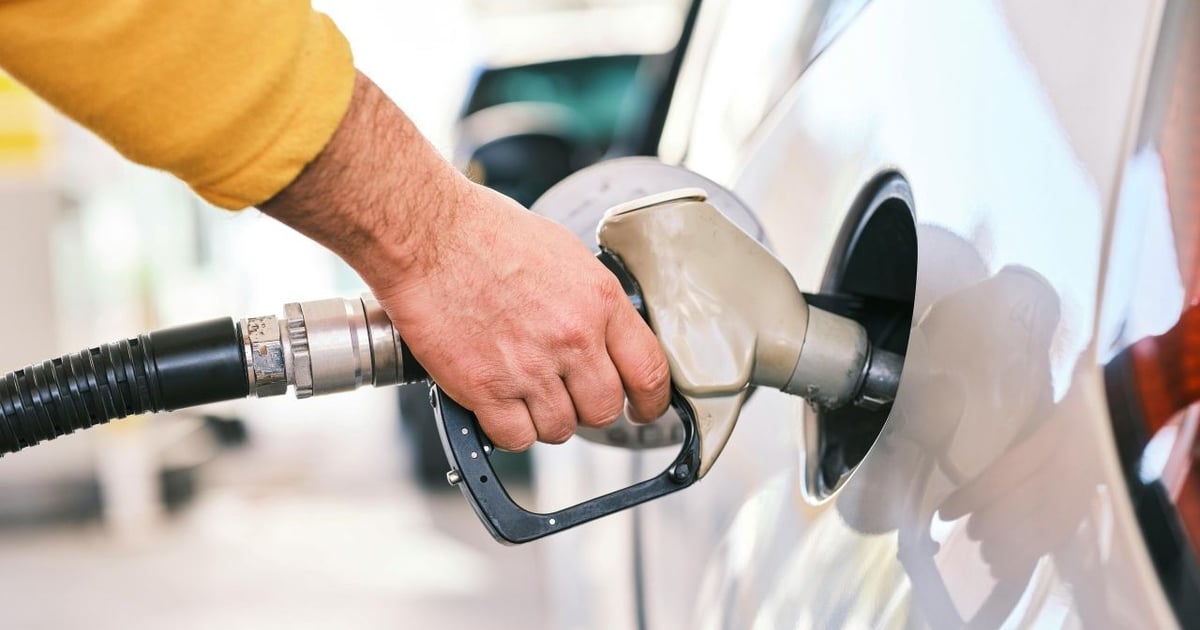
The innovative marketing and product expansion strategies by Taco Bell and Subway are unfolding against a backdrop of significant economic challenges, most notably the surge in fuel prices. Americans are currently facing approximately 30% higher costs at the pump, a trend that directly impacts consumer spending habits and places considerable pressure on the operating margins of restaurants. This economic reality is forcing many chains to re-evaluate their value propositions and adjust their business outlooks.
This theme of economic pressure was a recurring topic during recent earnings calls, with executives from major companies like Dine Brands and Wingstop acknowledging the financial strain on their customer base due to elevated gas prices. Consumers, faced with higher transportation costs, often cut back on discretionary spending, which can include dining out. In response, some restaurant companies are proactively adjusting their value offerings to alleviate these pressures and retain customers.
McDonald’s, for instance, has implemented a joint promotion with Shell, offering its loyalty members discounts at participating gas stations. This initiative exemplifies a direct attempt to mitigate the impact of higher fuel costs by providing tangible savings on a critical expense for many consumers. Such cross-promotional efforts aim to create a symbiotic relationship, where customers benefit from savings on fuel, and the restaurant chain benefits from increased customer loyalty and store visits.
Beyond consumer-facing value strategies, restaurants are also grappling with internal pressures stemming from higher energy costs. The increased cost of fuel directly impacts supply chain logistics, leading to higher distribution costs for food and other supplies. Several chains have reported adjusting their full-year outlooks, anticipating that these elevated energy prices will persist and that surcharges from broadline distributors will continue to compress profit margins. This necessitates a careful balancing act between offering value to consumers and maintaining profitability in an increasingly challenging operational environment.

The implications of these economic factors are far-reaching. Restaurants that can effectively communicate value, offer appealing promotions, and optimize their operational efficiencies are likely to be more resilient. The success of Taco Bell’s beverage expansion and Subway’s gaming partnership will, in part, depend on their ability to offer compelling value propositions that resonate with consumers even amidst economic uncertainty. For Taco Bell, the new energy drinks might be positioned as an affordable indulgence or a functional necessity that justifies their purchase. For Subway, the gaming rewards could be perceived as an added bonus that makes a regular meal purchase more rewarding.
Broader Industry Implications and Future Outlook
The strategic decisions made by Taco Bell, Subway, and McDonald’s reflect a broader trend within the quick-service industry: the need for continuous innovation and adaptation to remain competitive. The diversification of beverage menus, particularly into functional and energy-boosting options, taps into growing consumer demand for products that offer more than just taste. This segment of the market is expected to continue its upward trajectory, driven by consumer interest in health, wellness, and performance enhancement.
Furthermore, the embrace of digital engagement strategies, such as Subway’s partnership with "ARC Raiders," highlights the increasing importance of reaching consumers through their preferred digital platforms. As the lines between physical and digital experiences blur, brands that can effectively integrate their offerings into the digital lives of their consumers will gain a significant advantage. The success of these gaming collaborations will likely pave the way for more such partnerships in the future, as restaurants seek to connect with younger demographics in authentic and engaging ways.
The economic headwinds, however, cannot be ignored. The persistent pressure of higher fuel costs and general inflation necessitates a focus on value and efficiency. Restaurants that can demonstrate a clear understanding of their customers’ financial constraints and offer solutions that provide genuine value will be better positioned to weather economic downturns. This might involve optimizing menu pricing, introducing more affordable meal options, or enhancing loyalty programs that offer tangible rewards.
The podcast "Restaurant Daily" is a valuable resource for staying abreast of these evolving industry trends, providing daily updates on the latest news and analysis. The contributions of seasoned journalists like Leigh Anne Zinsmeister, Managing Editor at Informa’s Foodservice Media, and Lisa Jennings, Executive Editor at Restaurant Business, are instrumental in dissecting these complex market dynamics. Their insights, often informed by extensive industry experience and deep market knowledge, help to contextualize these developments within the larger landscape of the foodservice industry.
In conclusion, the quick-service restaurant sector is a vibrant and evolving arena. Taco Bell’s energetic beverage expansion and Subway’s foray into gaming partnerships are testaments to the industry’s drive for innovation. These initiatives, however, are being undertaken in a challenging economic climate. The ability of these brands, and the industry as a whole, to successfully navigate these economic pressures while continuing to innovate and connect with consumers will define their success in the coming years. The ongoing interplay between product development, digital engagement, and economic responsiveness will be crucial for sustained growth and market leadership.
