

Historical and Cultural Context of Southern Shrimp and Grits
Shrimp and grits originated as a humble breakfast dish in the Lowcountry region of the coastal Carolinas and Georgia, primarily among the Gullah-Geechee communities. Historically, the dish was a seasonal staple, utilizing the abundant shrimp harvest from local waters and the ubiquitous presence of ground corn. For centuries, it remained a localized regional secret until it was elevated to fine-dining status in the 1980s by chefs such as Bill Neal. Today, the dish is recognized globally as a cornerstone of Southern gastronomy.
The modern challenge, however, lies in maintaining the integrity of these bold, complex flavors while adhering to the constraints of a standard work-week schedule. The Nashville-based development team, led by recipe developer Melissa Nolan, focused on utilizing "old-fashioned" grits rather than instant varieties. This decision preserves the essential texture and nutritional profile of the grain while maintaining a cooking duration that aligns with contemporary time-management requirements.
Economic Analysis and Resource Allocation
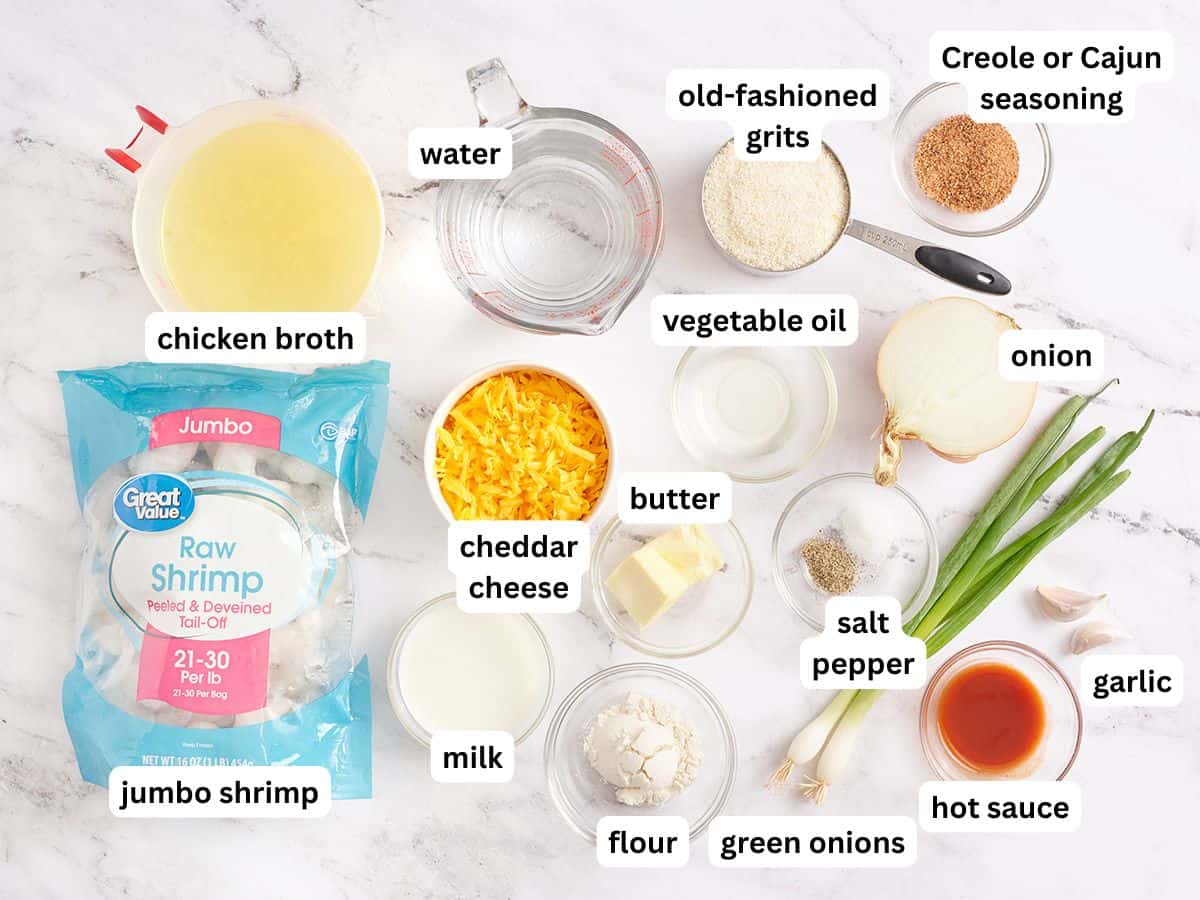
In a detailed cost-benefit analysis conducted by Budget Bytes, the total expenditure for a four-serving preparation of this recipe is calculated at $11.68. This pricing model assumes the utilization of strategic sourcing, such as purchasing peeled and deveined frozen jumbo shrimp and utilizing concentrated bouillon bases like "Better Than Bouillon" to reduce the overhead costs associated with pre-packaged liquid broths.
The financial breakdown per serving ($2.92) is significantly lower than the average market price for a comparable dish in a mid-range restaurant, which typically scales between $18.00 and $26.00. The cost efficiency is achieved through the following strategic ingredient selections:
- Bulk Grains: The use of dry grits provides a shelf-stable base with a low price-per-ounce.
- Dairy Optimization: Utilizing a combination of butter and cheddar cheese provides a high-fat, high-flavor profile without the need for more expensive heavy creams.
- Seasoning Efficiency: The reliance on Cajun or Creole seasoning blends (such as Slap Ya Mama) eliminates the need for purchasing multiple individual spice jars, thereby reducing the initial investment for the consumer.
Technical Chronology of Preparation
The preparation of shrimp and grits requires the synchronization of two distinct culinary processes: the slow hydration of cornmeal and the rapid high-heat searing of protein. To achieve the 35-minute completion target, a specific chronological workflow is implemented.
Phase I: Starch Hydration and Base Development
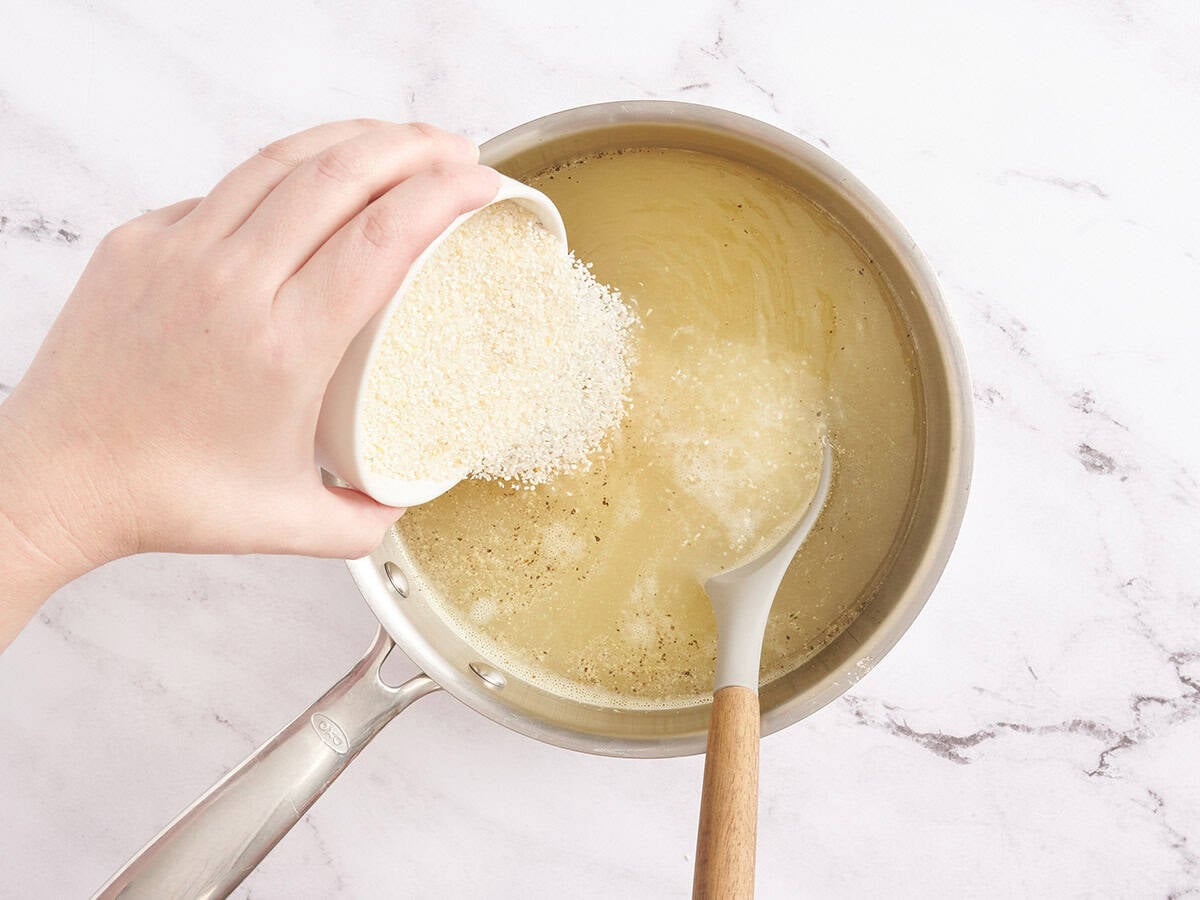
The process begins with the preparation of the grits. A ratio of 4:1 (liquid to dry grits) is utilized to ensure a creamy consistency. The liquid base consists of equal parts water and chicken broth, seasoned with salt and pepper. Upon reaching a boil, the old-fashioned grits are introduced gradually to prevent the formation of lumps—a common technical failure in cornmeal preparation. The mixture is then reduced to a simmer for 15 to 20 minutes. Frequent agitation is required to prevent the starch from settling and scorching on the bottom of the vessel.
Phase II: Protein Preparation and Searing
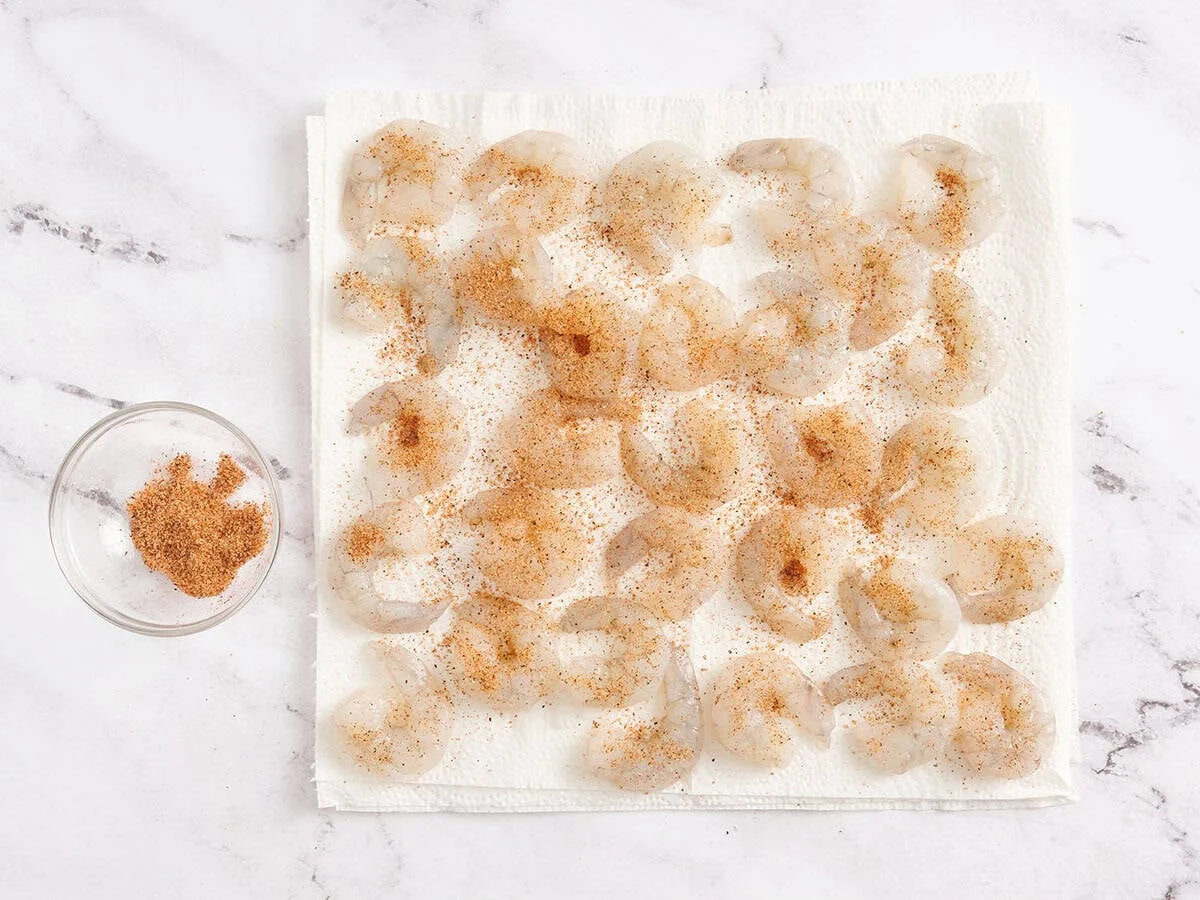
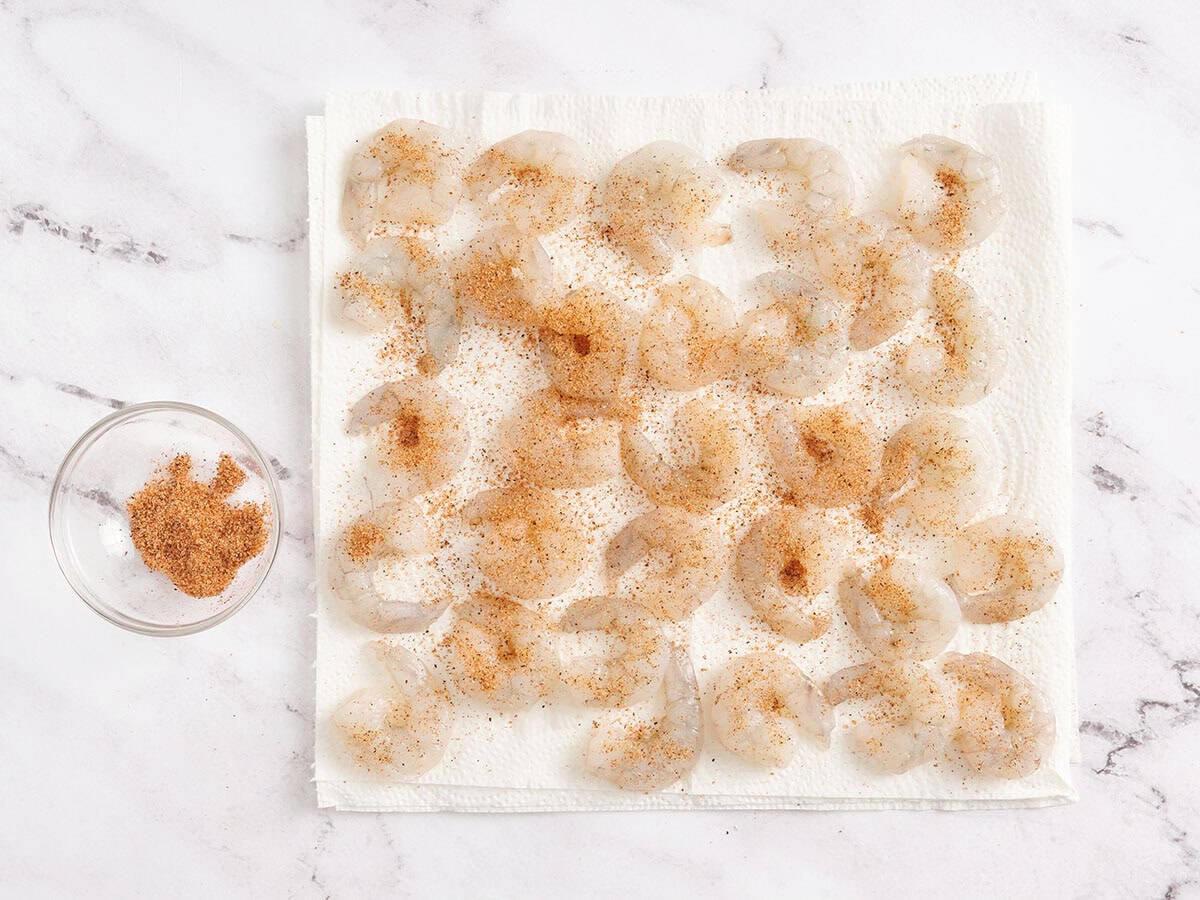
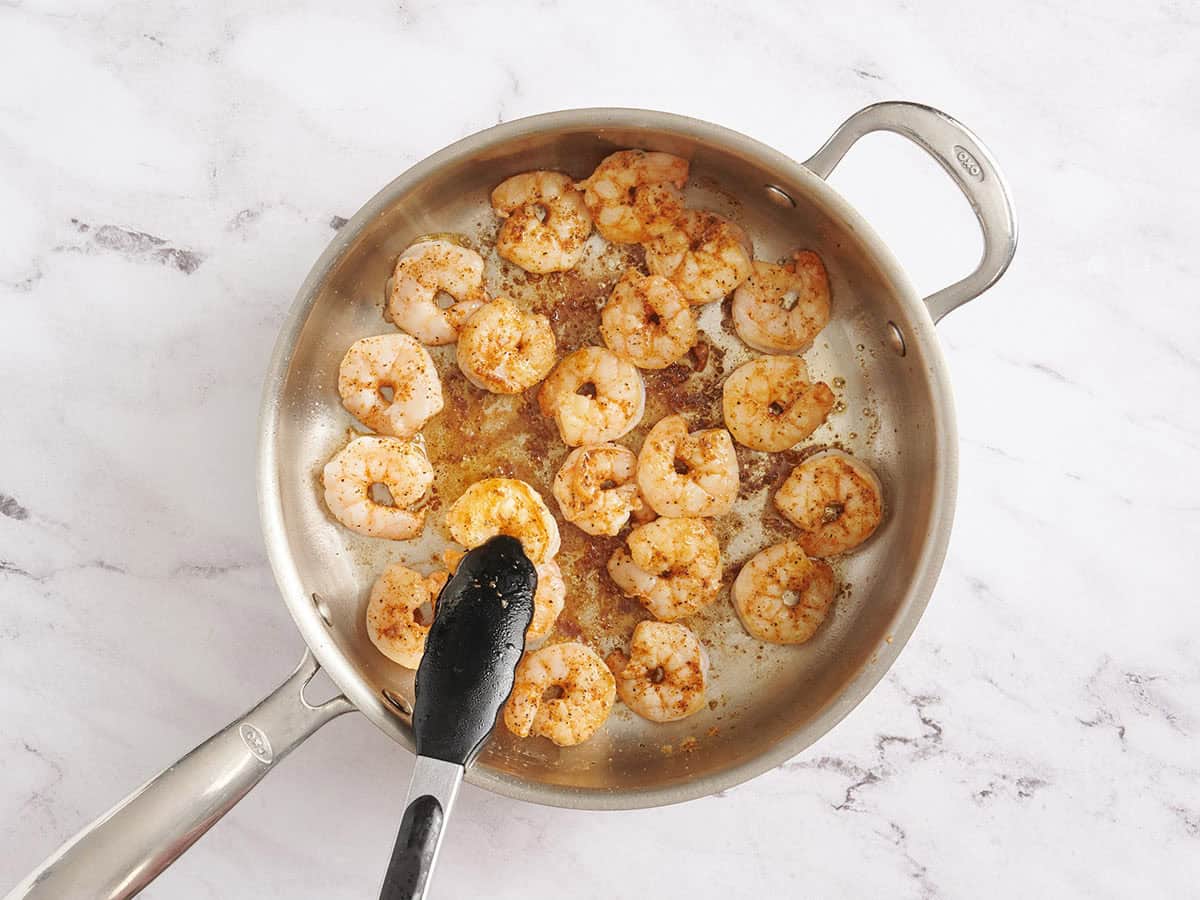
While the grits simmer, attention shifts to the 16-ounce portion of jumbo shrimp. Technical standards require the shrimp to be patted dry with paper towels; excess moisture on the surface of the protein would result in steaming rather than searing, preventing the development of a golden crust. The shrimp are coated in a tablespoon of Cajun seasoning and seared in a high-heat skillet for approximately 1-2 minutes per side. Once they reach a fully opaque state and an internal temperature of 145°F, they are removed to prevent overcooking and subsequent toughening of the muscle fibers.
Phase III: Pan Sauce Emulsification
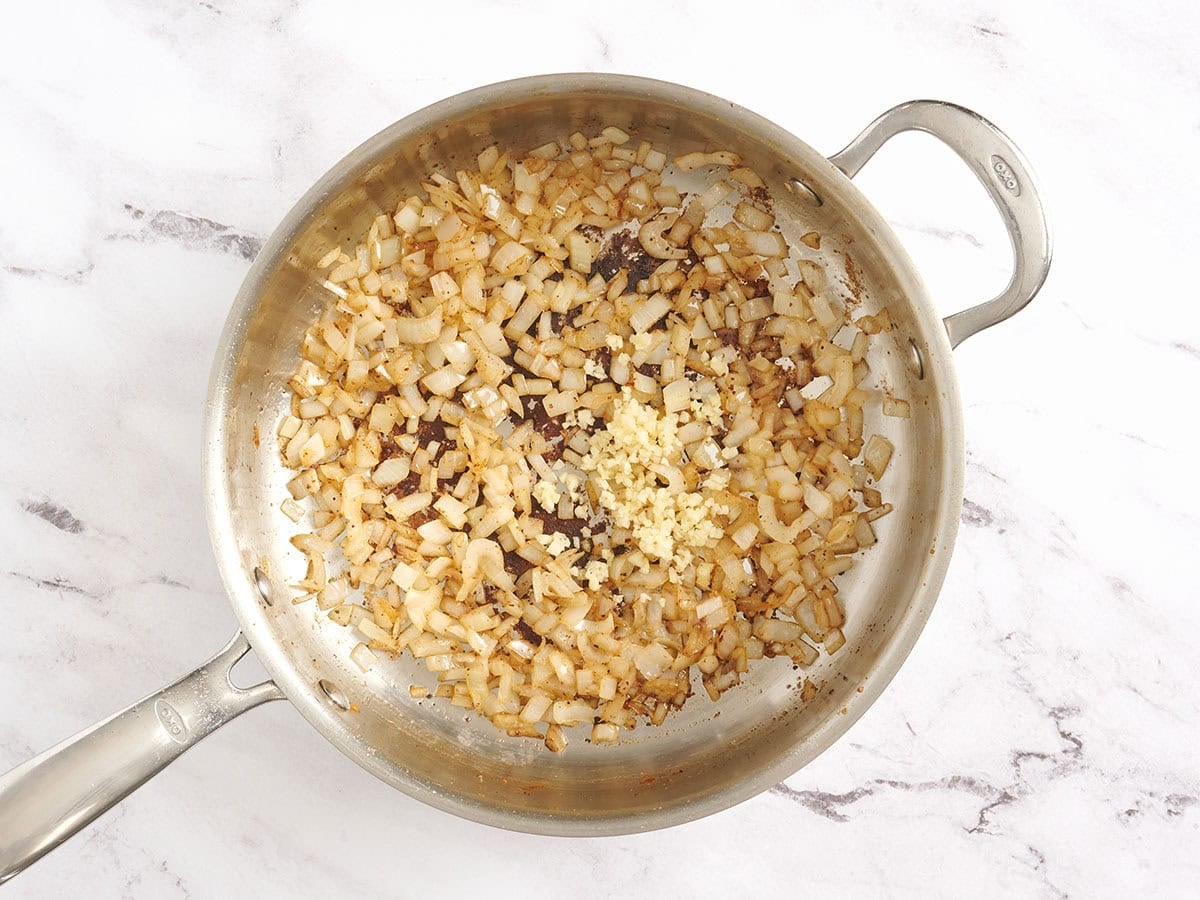
The "silky pan sauce" is developed in the same skillet used for the shrimp to capture the "fond"—the caramelized browned bits of protein and spice left behind. Diced onions and minced garlic are sautéed until translucent, followed by the addition of flour to create a blonde roux. This roux serves as the thickening agent for the subsequent addition of chicken broth, milk, and hot sauce. The sauce is simmered until it achieves a consistency that coats the back of a spoon (nappe), at which point the shrimp are reintegrated to be warmed through.
Phase IV: Final Integration
The final step involves the enrichment of the grits. Two tablespoons of butter and one cup of grated cheddar cheese are folded into the tender grains. This process, known as mounting with fat, provides the characteristic "Southern comfort" mouthfeel. The dish is then plated with the shrimp and sauce layered over the cheese-infused base.
Nutritional Profile and Dietary Implications
A quantitative analysis of the dish reveals a robust macronutrient profile suitable for a primary meal. Each serving, consisting of approximately one cup of grits and seven jumbo shrimp, contains:
- Calories: 468 kcal
- Protein: 28g (contributing significantly to the Daily Value)
- Fat: 21g (largely derived from the dairy and protein components)
- Carbohydrates: 40g (primarily complex carbohydrates from the corn)
- Sodium: 1771mg (noted as a high-sodium dish, largely due to the Cajun seasoning and bouillon)
While the dish is nutritionally dense, the developers have provided pathways for dietary modification. To accommodate dairy-free requirements, the milk can be replaced with chicken broth and the butter/cheese omitted or replaced with plant-based alternatives. This flexibility ensures the recipe remains accessible to a broader demographic with varying health needs.
Culinary Analysis of Ingredient Varieties
A critical factor in the success of this dish is the selection of the correct grain. The Nashville Test Kitchen emphasizes the distinction between old-fashioned grits and finely ground cornmeal. Cornmeal, which is intended for baking, lacks the structural integrity required for this dish. Conversely, while stone-ground grits offer a superior artisanal flavor, their 45-to-60-minute cooking time exceeds the efficiency parameters of this specific recipe.
Furthermore, the choice of seasoning—Cajun versus Creole—allows for regional variation. Cajun seasoning generally leans toward a heavier pepper profile, while Creole seasoning often includes a wider array of dried herbs such as thyme and oregano. The recommendation of the "Slap Ya Mama" brand suggests a preference for a bold, peppery heat that cuts through the richness of the cheddar-based grits.
Storage, Reheating, and Food Safety Standards
Given the high protein and dairy content, strict adherence to food safety protocols is advised. Shrimp should never be thawed at room temperature or under hot water, as this enters the "danger zone" for bacterial growth; instead, a 10-minute cold-water bath or overnight refrigeration is recommended.
Leftovers may be stored for 3-4 days in an airtight container. However, the physical properties of grits change upon cooling, as the starches undergo retrogradation and solidify. To restore the original creamy texture, reheating must involve the addition of supplemental liquid (milk or broth) and vigorous stirring. An alternative culinary application for solidified leftovers involves slicing the cold grits and pan-frying them to create "grit cakes," a technique that introduces a secondary textural element of exterior crispness.
Broader Socio-Economic Impact
The release of standardized, low-cost gourmet recipes like this Shrimp and Grits iteration has a broader impact on domestic food security and culinary literacy. By providing step-by-step photographic guidance and transparent cost breakdowns, organizations like Budget Bytes empower individuals to move away from processed, pre-packaged meals toward scratch-made, whole-food alternatives.
Industry experts suggest that as the "inflationary pinch" continues to affect household budgets, the ability to replicate restaurant-quality experiences at home is becoming a vital skill. The Strategic Implementation of Efficient Culinary Practices in the Preparation of Traditional Southern Shrimp and Grits serves as a case study in how tradition can be preserved through the lens of modern efficiency, ensuring that regional heritage remains accessible to all, regardless of economic status or time constraints.
