

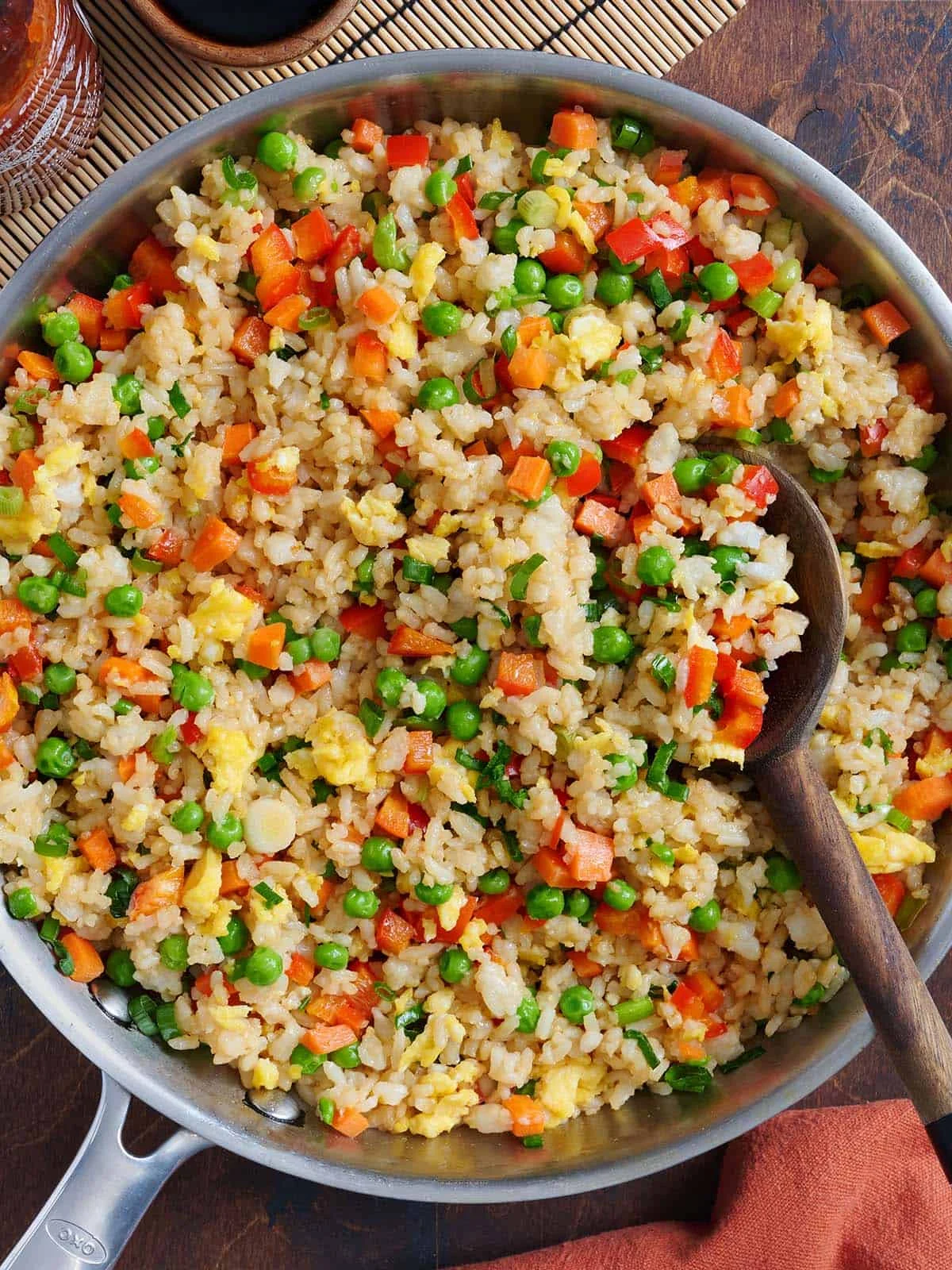
The Economic and Culinary Foundation of Fried Rice
The primary appeal of vegetable fried rice lies in its economic profile. According to data provided by the Nashville Test Kitchen, a standard four-serving batch of this recipe costs approximately $4.22, which translates to a unit cost of only $1.06 per serving. This stands in stark contrast to the rising prices of fast-casual dining and traditional takeout, where similar portions often exceed $12.00. By utilizing "odds and ends" from the refrigerator, home cooks can effectively lower their cost-per-meal metrics while ensuring that perishable items are consumed before expiration.
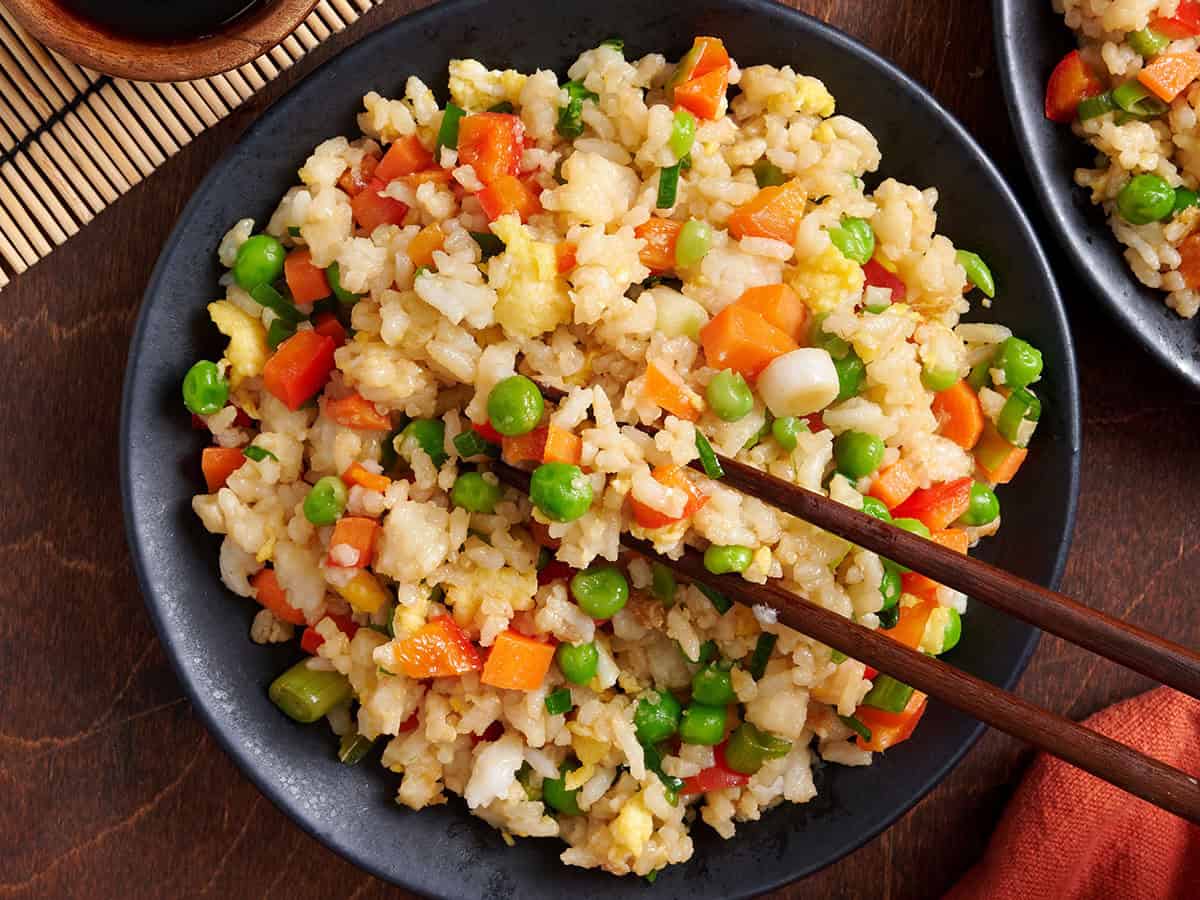
Technically, fried rice is a stir-fry dish consisting of cooked rice that is tossed in a wok or frying pan, typically mixed with eggs, vegetables, and a protein source. While traditional methods favor the high-heat "breath of the wok" (wok hei), American home adaptations have successfully transitioned the process to the standard skillet. This evolution allows for greater accessibility, as it removes the requirement for specialized equipment or high-BTU gas ranges, making the dish a viable option for those using electric or induction stovetops.
The Science of Texture: Why Cold Rice is Essential
A critical component of successful fried rice is the state of the primary starch. Culinary experts and rigorous testing confirm that cold, leftover rice is superior to freshly cooked rice for this application. When rice is cooked and then cooled—ideally overnight—it undergoes a process known as starch retrogradation. During this phase, the starch molecules crystallize, making the grains firmer and less prone to clumping.
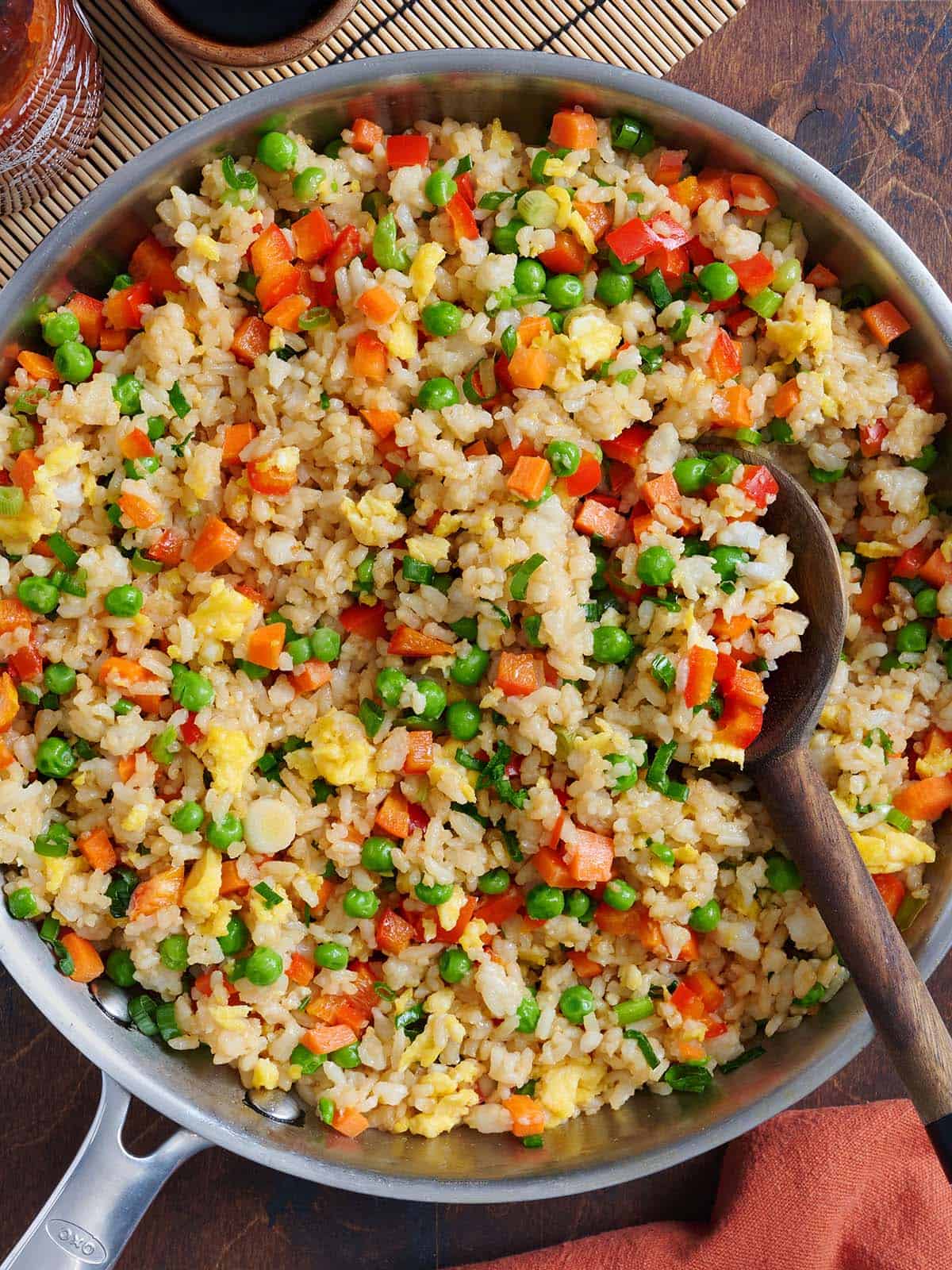
From a structural standpoint, the drier surface of refrigerated rice allows it to absorb the savory sauce and oils without becoming mushy or gummy. For cooks who do not have prepared leftovers, a rapid-cooling workaround involves spreading freshly cooked rice in a thin layer on a baking sheet and refrigerating it for several hours. This method accelerates the evaporation of moisture and firms the grain, mimicking the texture of day-old rice.
Chronology of the Cooking Process
The preparation of vegetable fried rice follows a specific chronological sequence designed to optimize the texture and flavor of each individual component. Because a standard home skillet has a smaller surface area than a professional wok, the ingredients must be handled in stages to prevent crowding, which would lead to steaming rather than frying.
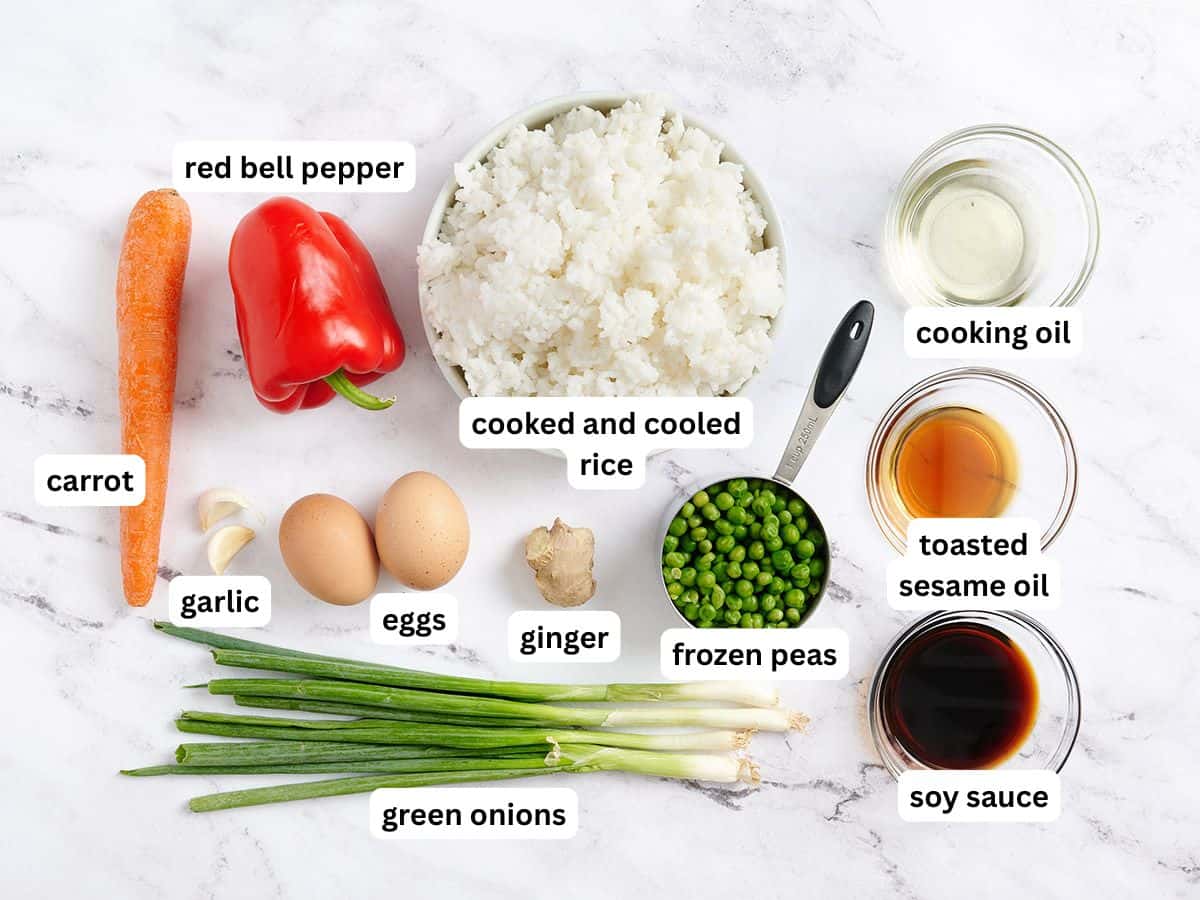
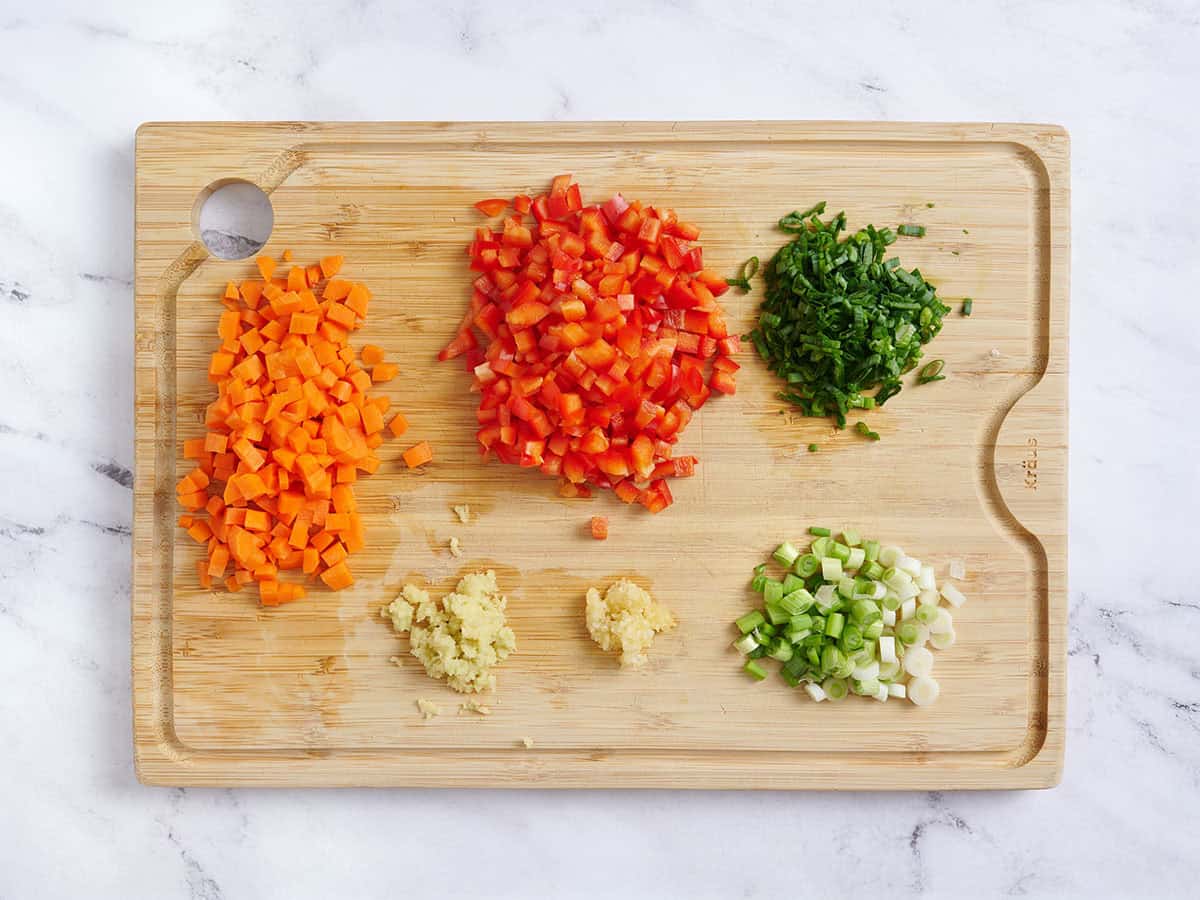
- Vegetable Preparation: The process begins with the dicing and mincing of fresh aromatics and produce. Standard inclusions involve garlic, ginger, carrots, bell peppers, and green onions. Frozen peas are frequently added at the end of the vegetable cycle as they require minimal heat to reach an edible temperature.
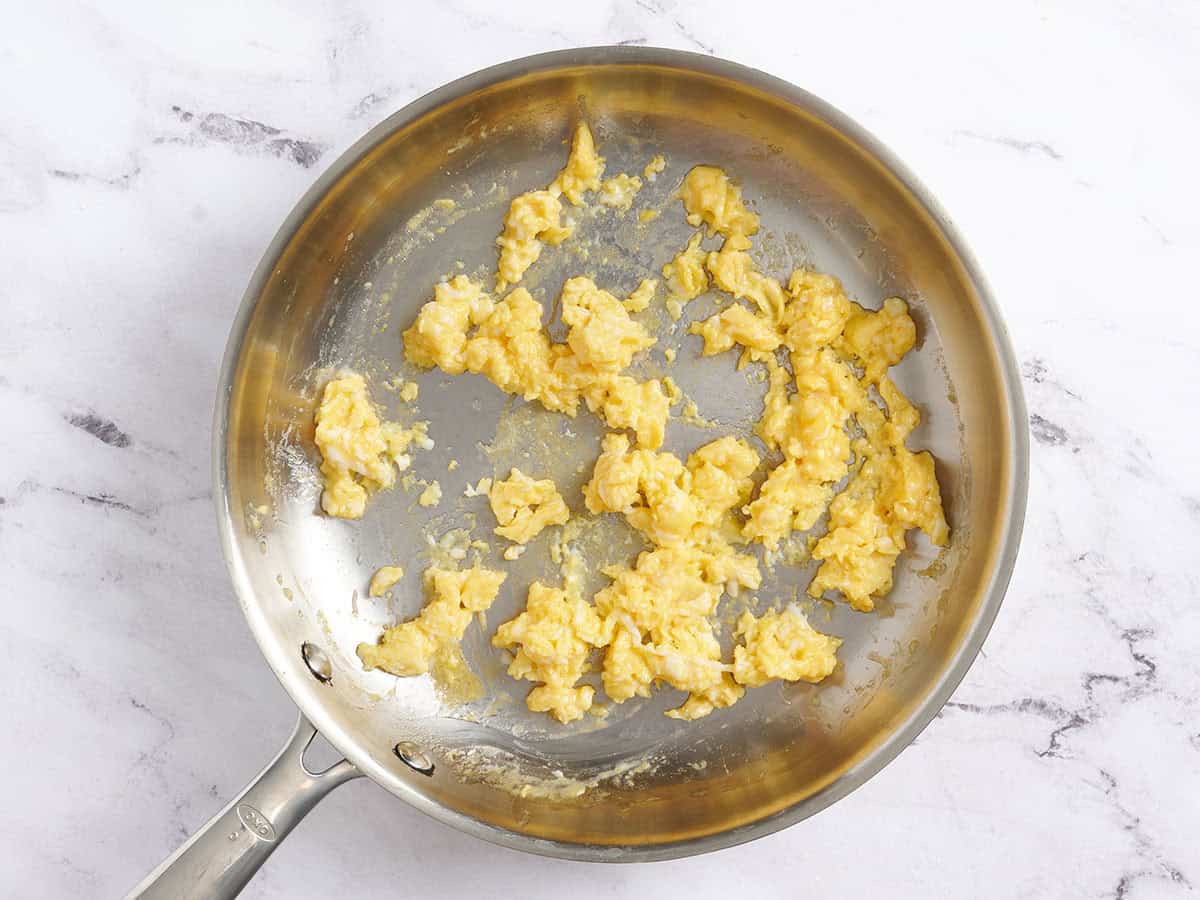
- Egg Scrambling: Eggs are whisked and cooked first in a lightly oiled pan. Once they reach a soft scramble, they are removed and set aside. This ensures the eggs remain tender and do not overcook or break down into microscopic pieces during the high-heat rice frying stage.
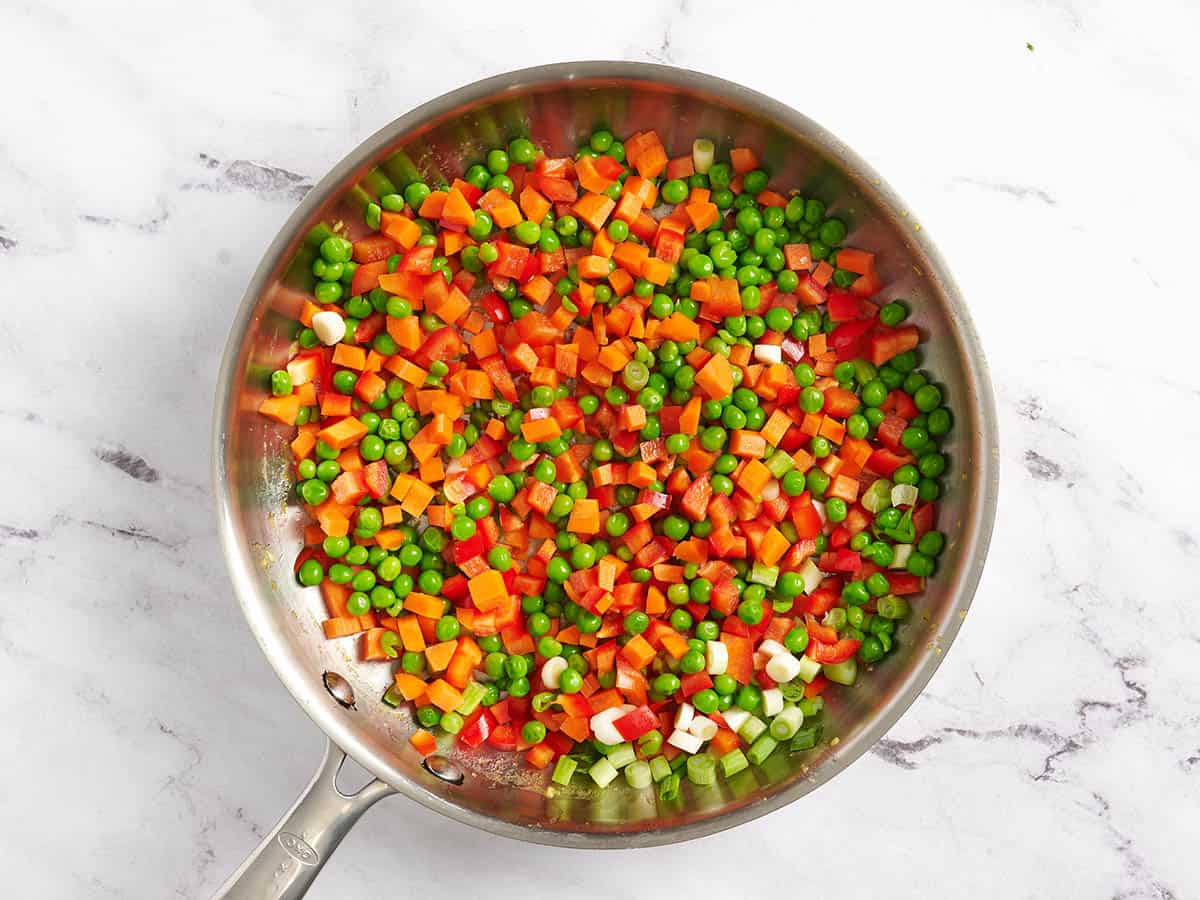
- Vegetable Sautéing: Harder vegetables, such as carrots, are stir-fried first to ensure they reach the desired tenderness. They are followed by aromatics and softer vegetables like bell peppers. Once cooked to a crisp-tender state, they are removed from the pan.
- The Frying Phase: The skillet is replenished with oil to facilitate the frying of the rice. Garlic and ginger are introduced briefly to infuse the oil before the cold rice is added. The rice is tossed at medium-high heat until the grains separate and develop a slight toasted exterior.
- Sauce Integration and Assembly: A mixture of soy sauce and toasted sesame oil is folded into the rice. Once the grains are evenly coated, the previously cooked eggs and vegetables are reintroduced to the pan. A final toss ensures even distribution and consistent temperature across all components.
Nutritional Profile and Dietary Analysis
A single 1.25-cup serving of this vegetable fried rice provides a balanced macronutrient profile suitable for a light main course or a substantial side dish. Based on nutritional analysis, one serving contains:
- Calories: 371 kcal
- Protein: 10g
- Total Fat: 17g
- Carbohydrates: 44g
- Dietary Fiber: 4g
- Sodium: 807mg
The inclusion of eggs provides high-quality protein, while the variety of vegetables contributes essential vitamins and fiber. To further enhance the nutritional density, consumers often incorporate firm tofu, edamame, or lean meats such as chicken or shrimp. The sodium content, primarily derived from soy sauce, can be managed by utilizing low-sodium alternatives or adjusting the volume of the sauce to meet specific dietary requirements.
Versatility and Customization: The "Blank Slate" Strategy
One of the most significant implications of this recipe is its versatility. Consumer feedback indicates that the recipe serves as a "simple base" that can be adapted to various regional flavors or pantry availability. Rose, a frequent preparer of the dish, noted that the recipe is "wonderfully satisfying and savory," highlighting its ability to incorporate everything from leftover roasted broccoli to sweet potatoes.
Beyond the standard vegetable mix, the dish can be transformed through different toppings and sauces. Common additions include:
- Spicy Elements: Sriracha, chili crisp, or crushed red pepper flakes for increased heat.
- Crunchy Textures: Toasted sesame seeds, cashews, or peanuts.
- Alternative Aromatics: Kimchi for a fermented, tangy profile or pineapple for a sweet-and-savory Hawaiian-inspired variation.
Safety Protocols and Storage Guidelines
In the context of food safety, rice requires specific handling due to the potential presence of Bacillus cereus, a bacterium that can survive the initial cooking process. Journalistic standards for food reporting emphasize that cooked rice must be cooled quickly and stored in airtight containers.
Leftover vegetable fried rice should be refrigerated within two hours of cooking and can be safely consumed for three to four days. For long-term storage, the dish can be frozen for up to three months. When reheating, it is recommended to add a small amount of water (approximately one teaspoon per serving) to create steam, which restores the moisture balance of the rice. The internal temperature of reheated rice should reach 165°F (74°C) to ensure microbial safety.
Broader Impact on Home Economics and Food Waste
The promotion of recipes like vegetable fried rice has a broader impact on domestic sustainability and financial management. Food waste is a significant global issue; the Food and Agriculture Organization (FAO) of the United Nations estimates that one-third of all food produced for human consumption is lost or wasted. By providing a structured method for utilizing leftover grains and wilting produce, this recipe serves as a practical tool for reducing a household’s environmental footprint.
Furthermore, the "batch cooking" or "meal prep" potential of fried rice supports the modern workforce’s need for time-efficient nutrition. The ability to prepare multiple servings at a cost of $1.06 each provides a high-value alternative to processed frozen meals or expensive cafeteria options.
Conclusion
The evolution of vegetable fried rice from a traditional East Asian staple to a global household favorite underscores the universal value of efficiency and flavor. Through the systematic application of cooling techniques, sequential cooking, and strategic seasoning, the dish offers a professional-quality culinary experience within the constraints of a domestic kitchen and a modest budget. As home cooks continue to seek ways to balance nutrition, cost, and time, the vegetable fried rice remains an essential and adaptable solution in the modern gastronomic landscape. Originally published in 2010 and updated through 2024, the recipe’s longevity in the Nashville Test Kitchen’s repertoire confirms its status as a reliable and perfected method for home-based meal preparation.
