

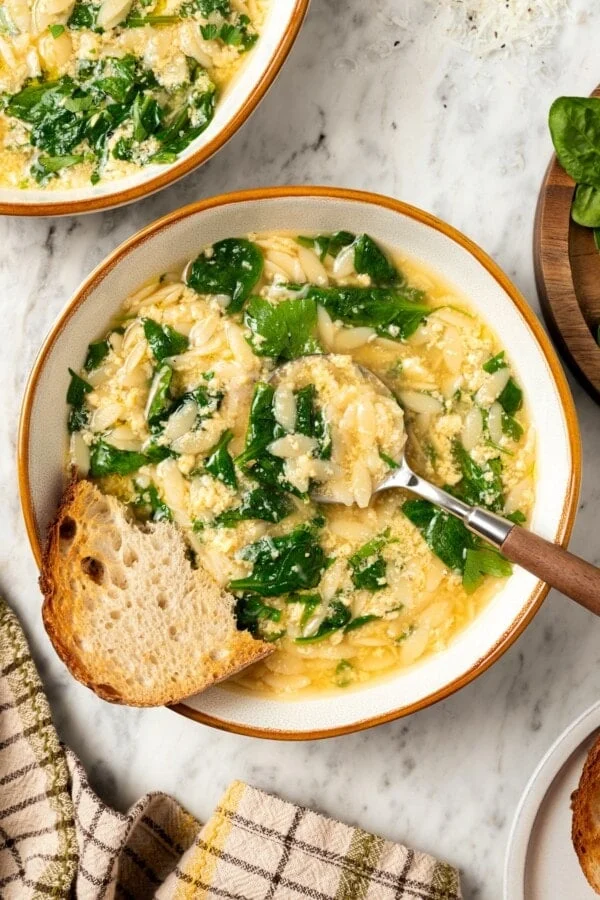
Stracciatella soup, a classic Italian egg drop soup, is experiencing a renewed surge in popularity, particularly through modern adaptations that emphasize both speed and nutritional value. A recent recipe highlights this enduring appeal by transforming the traditionally light starter into a satisfying, complete meal by incorporating orzo pasta and fresh spinach, all achievable in a remarkable 20 minutes of cooking time. This iteration positions the dish as an ideal solution for busy weeknights, delivering robust Italian flavors without extensive preparation.
The Historical Tapestry of Stracciatella
Originating in the Lazio region of Italy, particularly Rome, Stracciatella (pronounced strah-chah-TELL-lah) literally translates to "little rags" or "shreds," a name aptly derived from the wispy strands of cooked egg that form when a whisked egg and cheese mixture is slowly drizzled into simmering broth. Traditionally, Stracciatella alla Romana is a simple, clear broth soup, often served as a comforting prelude to a larger meal, particularly during the colder months or as a restorative dish for those feeling unwell. Its core components have always been a rich chicken broth, beaten eggs, and grated Parmesan cheese, sometimes enhanced with a hint of nutmeg or a sprinkle of fresh parsley.
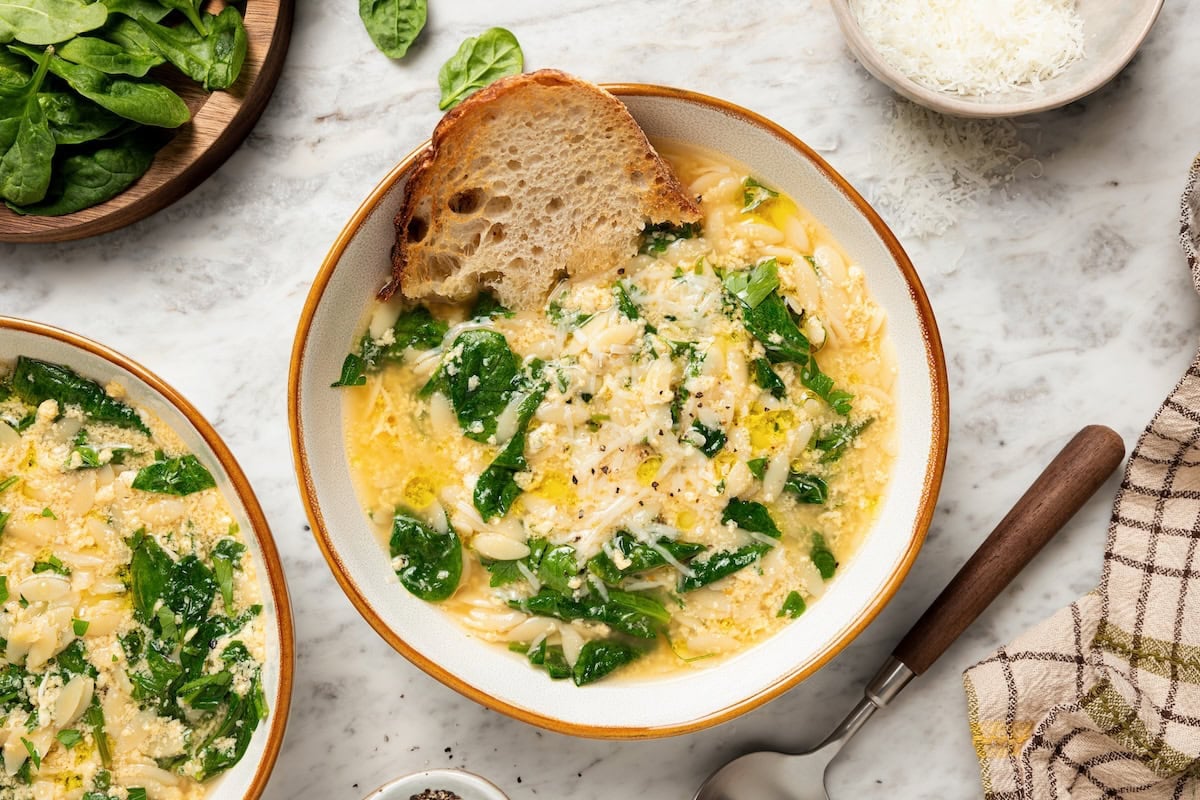
The soup’s humble origins reflect Italian culinary philosophy: using simple, high-quality ingredients to create deeply flavorful dishes. It was a staple in many Italian households, a testament to its accessibility and comforting nature. Over centuries, while the fundamental technique remained unchanged, regional variations emerged, with some adding semolina or breadcrumbs to the egg mixture for a thicker texture, or experimenting with different broths. However, the essence of the "little rags" floating in golden broth has remained the defining characteristic of this beloved soup.
A Modern Adaptation for the Contemporary Palate
The recent emphasis on this Stracciatella recipe by Skinnytaste, a prominent culinary platform known for its healthy and accessible recipes, signifies a thoughtful evolution of the classic. By integrating orzo pasta and fresh spinach, the dish transcends its traditional role as a light appetizer and firmly establishes itself as a standalone meal. Orzo, a small, rice-shaped pasta, adds a crucial carbohydrate component, contributing to satiety and energy. Its diminutive size ensures quick cooking, aligning with the recipe’s promise of rapid preparation. Fresh spinach, a nutrient powerhouse, not only introduces vibrant color and a slightly earthy flavor but also significantly boosts the vitamin and mineral content, including iron, Vitamin K, and Vitamin A.
This adaptation cleverly addresses the demands of modern lifestyles, where consumers seek dishes that are both wholesome and time-efficient. The recipe boasts a total preparation and cooking time of just 30 minutes (10 minutes prep, 20 minutes cook), making it an attractive option for individuals and families navigating tight schedules. This efficiency does not compromise on flavor, as the rich chicken broth and savory Parmesan maintain the authentic Italian taste profile that defines the soup.
Nutritional Profile: A Balanced and Wholesome Choice
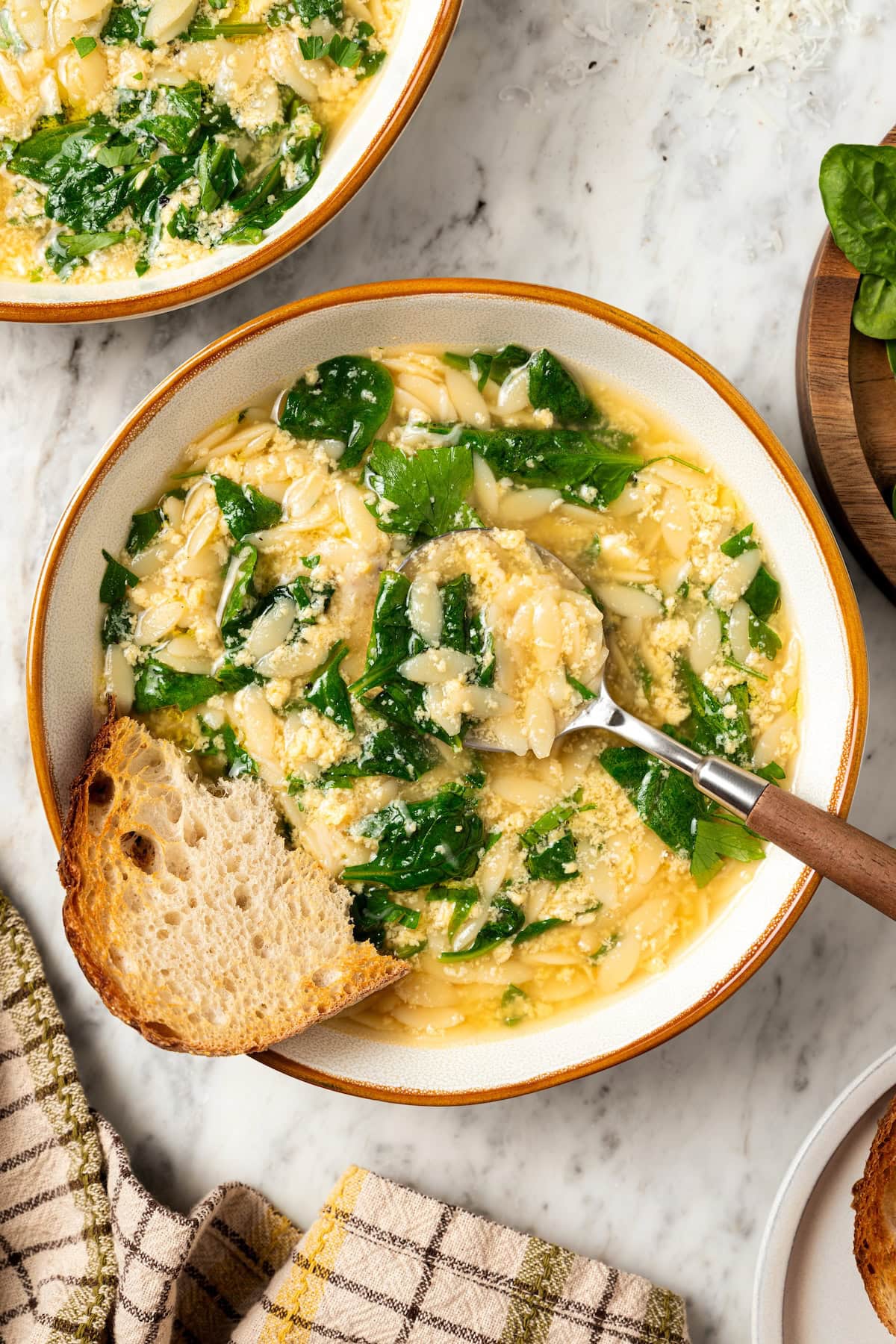
The nutritional breakdown of this updated Stracciatella soup further underscores its appeal as a health-conscious meal. Each 1-cup serving provides approximately 234.5 calories, making it a relatively light yet satisfying option. A standout feature is its impressive protein content of 25 grams per serving, largely derived from the eggs, chicken broth, and Parmesan cheese. Protein is essential for muscle repair, satiety, and overall bodily function, making this soup an excellent choice for those looking to increase their protein intake.
Carbohydrates are present at 16.5 grams, primarily from the orzo, providing sustained energy. The fat content is moderate at 9.5 grams, with 4 grams of saturated fat, which can be managed by choosing lean chicken broth and being mindful of cheese portions. Cholesterol stands at 73.5 mg, and sodium at 332 mg, both within reasonable limits for a single serving. The addition of spinach contributes 1.5 grams of fiber, crucial for digestive health, and a minimal 0.5 grams of sugar. For those adhering to specific dietary preferences, the recipe notes that vegetable broth can be substituted for chicken broth, effectively transforming it into a hearty vegetarian option. This balanced nutritional profile positions the Stracciatella soup as a robust yet health-conscious meal, suitable for a wide range of dietary needs.
Key Ingredients and the Art of Preparation

The success of Stracciatella soup hinges on the quality of its core ingredients and the simplicity of its preparation technique.
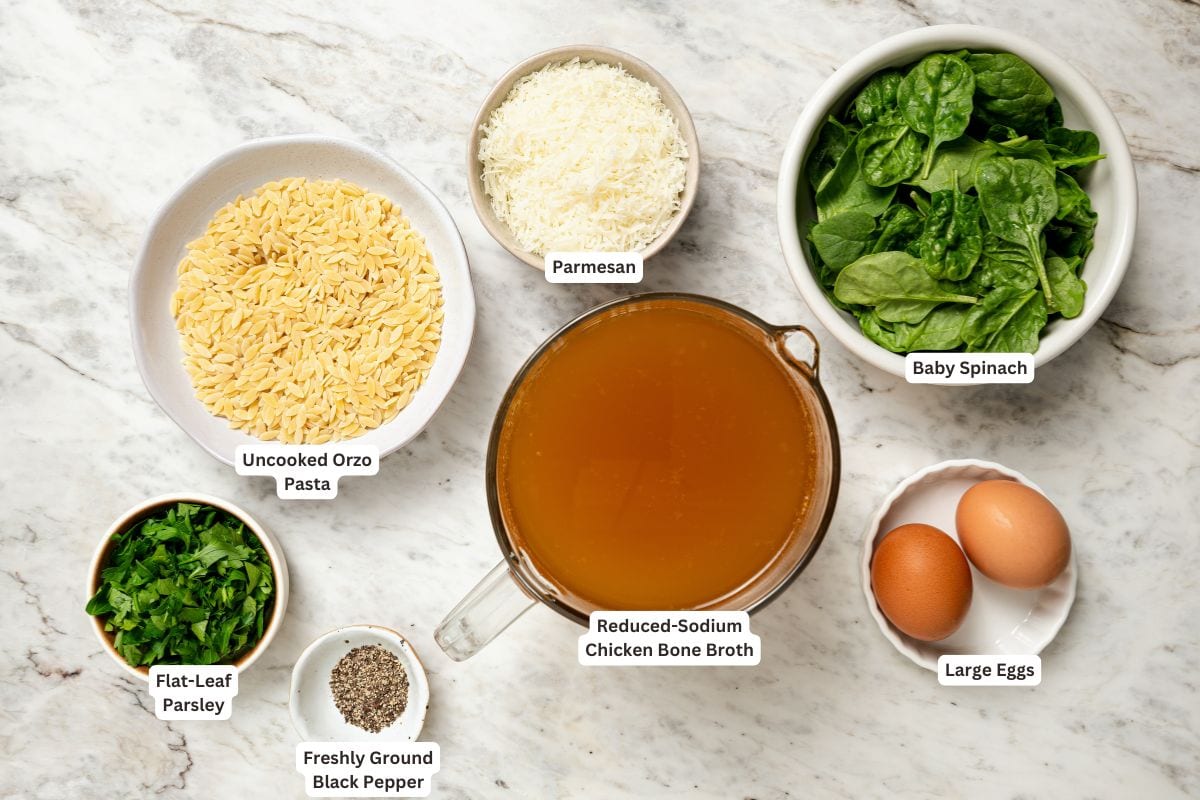
- Rich Chicken Broth: This forms the foundation of the soup. A high-quality, flavorful chicken broth is paramount, as it provides the depth of taste that defines the dish. Homemade broth offers the best flavor, but a good quality store-bought low-sodium option works well.
- Eggs: The star of the "egg drop" technique. Fresh, well-beaten eggs are crucial for creating the delicate, silken ribbons. The slow drizzle and constant stirring prevent the eggs from clumping, ensuring the signature texture.
- Parmesan Cheese: Grated Parmesan (Parmigiano-Reggiano) adds a sharp, salty, umami depth. Its inclusion in the egg mixture and as a garnish elevates the flavor profile significantly.
- Orzo Pasta: This small pasta cooks quickly and adds substance, transforming the soup into a filling meal. Other small pasta shapes like acini di pepe or pastina can also be used.
- Fresh Spinach: Added at the very end, spinach wilts quickly, retaining its vibrant color and nutritional integrity. It introduces a fresh, slightly bitter counterpoint to the rich broth.
The preparation process is straightforward:
- Bring the chicken broth to a boil.
- Add the orzo and cook until al dente.
- While the orzo cooks, whisk eggs with grated Parmesan, salt, and pepper.
- Slowly drizzle the egg mixture into the simmering broth while continuously stirring with a fork or whisk to create the "rags."
- Stir in the fresh spinach until just wilted.
- Serve immediately, garnished with additional Parmesan.
This simple chronology ensures that even novice cooks can achieve a restaurant-quality dish with minimal effort.
Versatility and Serving Suggestions

One of the significant advantages of this Stracciatella soup is its versatility. While hearty enough to serve as a light dinner, especially when paired with a slice of toasted sourdough bread or a crusty baguette, it also excels as an elegant first course for an Italian-themed meal. The recipe’s adaptability extends to individual preferences; as noted by Gina of Skinnytaste, the spinach can be omitted for those who are not fans, making it a flexible option for families with diverse tastes.
For a more robust meal, cooked shredded chicken can be added along with the spinach, further boosting the protein content and making it even more substantial. A squeeze of fresh lemon juice just before serving can brighten the flavors, adding a zesty finish. A pinch of freshly grated nutmeg, a traditional Roman addition, can also be incorporated into the egg mixture for an extra layer of warmth and spice.
Culinary Insights and Expert Tips
Drawing from inferred culinary wisdom, several tips can enhance the Stracciatella experience:
- Broth Quality is Key: Since broth is the base, investing in or making a high-quality chicken broth will significantly impact the final flavor.
- Egg Technique: The secret to delicate "rags" is a slow, steady drizzle of the egg mixture into a gently simmering (not rolling boil) broth, coupled with constant stirring. This prevents the eggs from forming large clumps.
- Freshness Matters: Using freshly grated Parmigiano-Reggiano rather than pre-grated cheese provides superior flavor and melts more smoothly.
- Don’t Overcook Pasta: Cook the orzo to al dente to ensure it retains a slight bite and doesn’t become mushy in the soup.
- Spinach Timing: Add spinach just before serving, allowing it to wilt from the residual heat, preserving its texture and nutritional value.
Storage and Reheating Considerations
While Stracciatella soup is best enjoyed fresh, especially for the optimal texture of the egg ribbons and pasta, leftovers can be stored. The soup should be refrigerated in an airtight container for up to 2-3 days. It’s important to note that the orzo pasta will continue to absorb liquid over time, potentially thickening the soup. When reheating, it might be necessary to add a splash of extra chicken broth or water to achieve the desired consistency. Reheat gently on the stovetop over medium-low heat until warmed through, avoiding a vigorous boil to prevent the eggs from becoming rubbery.
Broader Culinary Impact and Trends
The enduring appeal of Stracciatella soup, and its successful modern reinvention, speaks to several broader trends in contemporary cooking. There is a growing appreciation for classic, comfort food dishes that offer warmth and nostalgia. Simultaneously, consumers are increasingly seeking recipes that align with busy schedules without sacrificing health or flavor. The rise of platforms like Skinnytaste, which specialize in adapting traditional recipes to be lighter and quicker, exemplifies this intersection of tradition and modernity.

This Stracciatella recipe stands as a testament to the fact that healthy eating does not equate to sacrificing deliciousness or complexity of flavor. It champions the notion that wholesome, satisfying meals can be prepared quickly, making them accessible to a wider audience. As individuals continue to prioritize both well-being and efficiency, traditional dishes that can be easily adapted to meet these demands are likely to remain at the forefront of culinary innovation.
In conclusion, the Stracciatella soup with spinach and orzo offers a compelling blend of historical charm, modern convenience, and nutritional excellence. It is a quick, comforting, and hearty Italian classic, ingeniously adapted to serve as a fulfilling meal for today’s fast-paced world, proving that timeless flavors can indeed evolve to meet contemporary needs.
