

The fast-food landscape is abuzz with a significant development as activist investor Nelson Peltz, through his investment firm Trian Fund Management, is reportedly exploring a potential offer to acquire Wendy’s. This move, if realized, would represent a major shift for the iconic burger chain, where Peltz has held a substantial stake and a prominent role for years. Adding a compelling layer to this unfolding story is the potential involvement of Greg Flynn, a highly influential mega-franchisee with a vast portfolio of successful restaurant operations across multiple brands. The Financial Times first broke the news on Wednesday, indicating that Trian Fund Management is collaborating with a consortium of investors, including the Abu Dhabi-based BlueFive Capital, and the aforementioned Flynn Group.
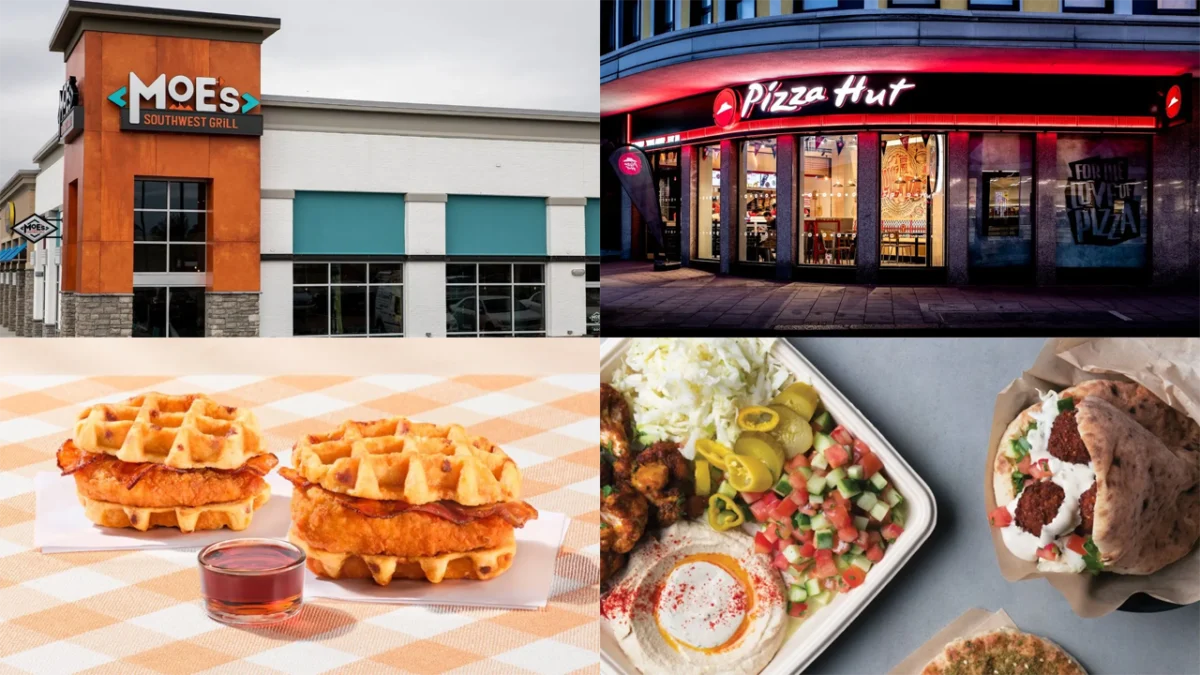
Greg Flynn’s extensive experience and success as a multi-brand franchisee position him as a strategic ally of considerable weight. His operational expertise spans a diverse array of popular restaurant concepts, including Pizza Hut, 7 Brew, Applebee’s, Panera Bread, Taco Bell, Arby’s, and even the fitness brand Planet Fitness. This broad operational footprint suggests a deep understanding of the restaurant industry’s intricacies, from supply chain management and labor dynamics to consumer preferences and market expansion strategies. His potential participation in a bid for Wendy’s signals a belief in the brand’s underlying potential and an appetite for further involvement in the quick-service restaurant (QSR) sector.
Background and Peltz’s Long-Standing Involvement with Wendy’s
Nelson Peltz, a seasoned financier and activist investor, has a history of taking significant stakes in publicly traded companies and actively engaging with management to drive strategic changes and improve financial performance. His involvement with Wendy’s dates back several years. Trian Fund Management first acquired a notable stake in the company in 2015, subsequently advocating for operational improvements and strategic initiatives. Peltz himself joined the Wendy’s board of directors in 2015 and served as its chairman from 2015 to 2016. His influence has been felt in various aspects of the company’s strategy, including a focus on enhancing digital capabilities, menu innovation, and optimizing the franchisee-company relationship.
The reported plan to make an offer suggests Peltz may believe that a more direct control, potentially through a full acquisition, could unlock further value or implement changes he deems necessary for Wendy’s future growth and profitability. Activist investors often seek to acquire companies when they perceive a significant disconnect between the company’s market valuation and its intrinsic value, or when they believe a change in control could lead to more effective strategic direction.
Greg Flynn: A Franchisee Powerhouse
Greg Flynn’s extensive franchise empire is a testament to his acumen in the food service industry. The Flynn Group, founded by Greg Flynn, is one of the largest franchisees in the world. The sheer scale of his operations across multiple brands provides him with invaluable insights into diverse market segments, consumer behavior, and operational efficiencies. For instance, his holdings in Pizza Hut and Taco Bell place him at the forefront of the Mexican and Italian QSR markets, while his involvement with Applebee’s and Panera Bread demonstrates a presence in the casual dining and fast-casual segments, respectively. The inclusion of emerging brands like 7 Brew and Planet Fitness indicates a forward-looking approach and an ability to identify and scale growth concepts.
Flynn’s participation in a potential Wendy’s bid could bring critical operational expertise and a deep understanding of the franchisee perspective, which is often a crucial element in the success of large QSR chains. Wendy’s, like many of its competitors, relies heavily on its franchisee network for a significant portion of its restaurant footprint and day-to-day operations. Having a major franchisee like Flynn as a partner could smooth the transition and ensure alignment between corporate strategy and the on-the-ground realities of running a Wendy’s restaurant.
Potential Implications of an Offer
If Nelson Peltz, in conjunction with his investment partners, were to formally launch an offer for Wendy’s, it could trigger a period of intense scrutiny and negotiation. The financial terms of such an offer would be a key determinant of its success. Investors and analysts would closely examine the proposed valuation, comparing it to Wendy’s current market capitalization, historical performance, and future growth prospects.
Key areas of potential focus for an acquiring entity might include:
- Digital Transformation and Technology Investment: Wendy’s has been investing in its digital infrastructure, including mobile ordering, delivery partnerships, and loyalty programs. A new ownership group might accelerate these investments to compete more effectively in an increasingly digital-first market. Data from the QSR industry consistently shows that companies with robust digital capabilities are better positioned for growth and customer engagement. For example, industry reports often highlight the significant revenue growth experienced by brands that successfully integrate digital ordering and delivery into their operations.
- Menu Innovation and Core Product Strength: Wendy’s is known for its "fresh, never frozen" beef patties and its unique square burgers. A new owner could seek to build upon these core strengths, perhaps by introducing new product lines or refining existing offerings to appeal to evolving consumer tastes, such as increased demand for plant-based options or healthier alternatives.
- Franchisee Relations and Support: As mentioned, Greg Flynn’s involvement could be pivotal here. Ensuring strong relationships with the existing franchisee base is paramount for any QSR chain. A potential new owner would need to demonstrate a clear strategy for supporting franchisees, addressing their concerns, and fostering an environment conducive to profitable growth.
- International Expansion: While Wendy’s has a significant presence in North America, there may be opportunities for accelerated international expansion. A well-capitalized ownership group could provide the resources and strategic vision to pursue global growth more aggressively.
- Operational Efficiency and Cost Management: Activist investors like Peltz often identify opportunities to streamline operations and reduce costs. This could involve optimizing supply chains, improving labor management, or divesting underperforming assets.
The Broader QSR Market Context
The potential acquisition of Wendy’s by Peltz and his partners comes at a time of dynamic change in the quick-service restaurant industry. Consumers are increasingly seeking convenience, value, and personalized experiences. Competition is fierce, with established players and emerging concepts vying for market share. Technology plays an ever-increasing role, from order-ahead apps to AI-driven customer service.
The financial health of QSRs is also influenced by macroeconomic factors such as inflation, labor costs, and consumer spending power. Franchisees, in particular, are navigating these challenges, balancing the need to invest in their businesses with the imperative to maintain profitability. The success of any bid for Wendy’s will undoubtedly be assessed against this backdrop of industry evolution and economic conditions.
Another Notable Development: The Common Cents Act and the Penny’s Fate
In separate but noteworthy news impacting the broader economic landscape, the U.S. Senate has passed the bipartisan Common Cents Act. This legislative milestone follows its earlier passage in the U.S. House of Representatives. The bill is now headed back to the House for reconciliation, bringing the potential demise of the penny one step closer to reality.
The Common Cents Act proposes to eliminate the production and circulation of the one-cent coin. Proponents argue that the cost of producing pennies has long exceeded their face value, making them an economic drain. Furthermore, the time and effort consumers spend handling pennies are seen as inefficient. The debate around the penny’s future has been ongoing for years, with various studies highlighting the significant cost associated with minting and distributing these coins. The Congressional Budget Office, for instance, has previously estimated that the cost of producing a penny is several times its face value. Eliminating the penny could streamline financial transactions and reduce governmental expenses related to coinage.
Moe’s Southwest Grill Franchisee Files for Bankruptcy
Adding to the list of significant industry news, a major franchisee of Moe’s Southwest Grill has filed for Chapter 11 bankruptcy protection. Quality Fresca, which established itself as a franchisee in March 2020, initially acquired 67 Moe’s restaurants across Florida, South Carolina, Virginia, Maryland, and Washington, D.C. Approximately a year later, the company expanded its footprint by adding two more locations, bringing its total to 69 restaurants.
The filing of Chapter 11 bankruptcy protection typically indicates that a company is seeking to reorganize its debts and operations under court supervision, with the goal of emerging as a viable business. The reasons for such filings can be multifaceted, often stemming from increased operating costs, declining sales, intense competition, or challenges in managing a large portfolio of restaurants. For Moe’s Southwest Grill, this event highlights the ongoing pressures faced by franchisees in the QSR sector and the complexities of managing a substantial multi-unit operation.
Conclusion: A Week of Significant Industry Shifts
This week on Nation’s Restaurant News has underscored a period of considerable activity and potential transformation within the food service and broader economic spheres. The reported intentions of Nelson Peltz to pursue Wendy’s, potentially with the formidable support of Greg Flynn, suggest a significant strategic play that could reshape the future of the burger chain. Simultaneously, the legislative progress of the Common Cents Act signals a potential shift in U.S. currency, while the bankruptcy filing of a major Moe’s franchisee serves as a stark reminder of the persistent challenges and competitive pressures inherent in the restaurant industry. These developments collectively paint a picture of a sector in constant flux, driven by investor strategies, legislative changes, and the enduring realities of business operations.
