

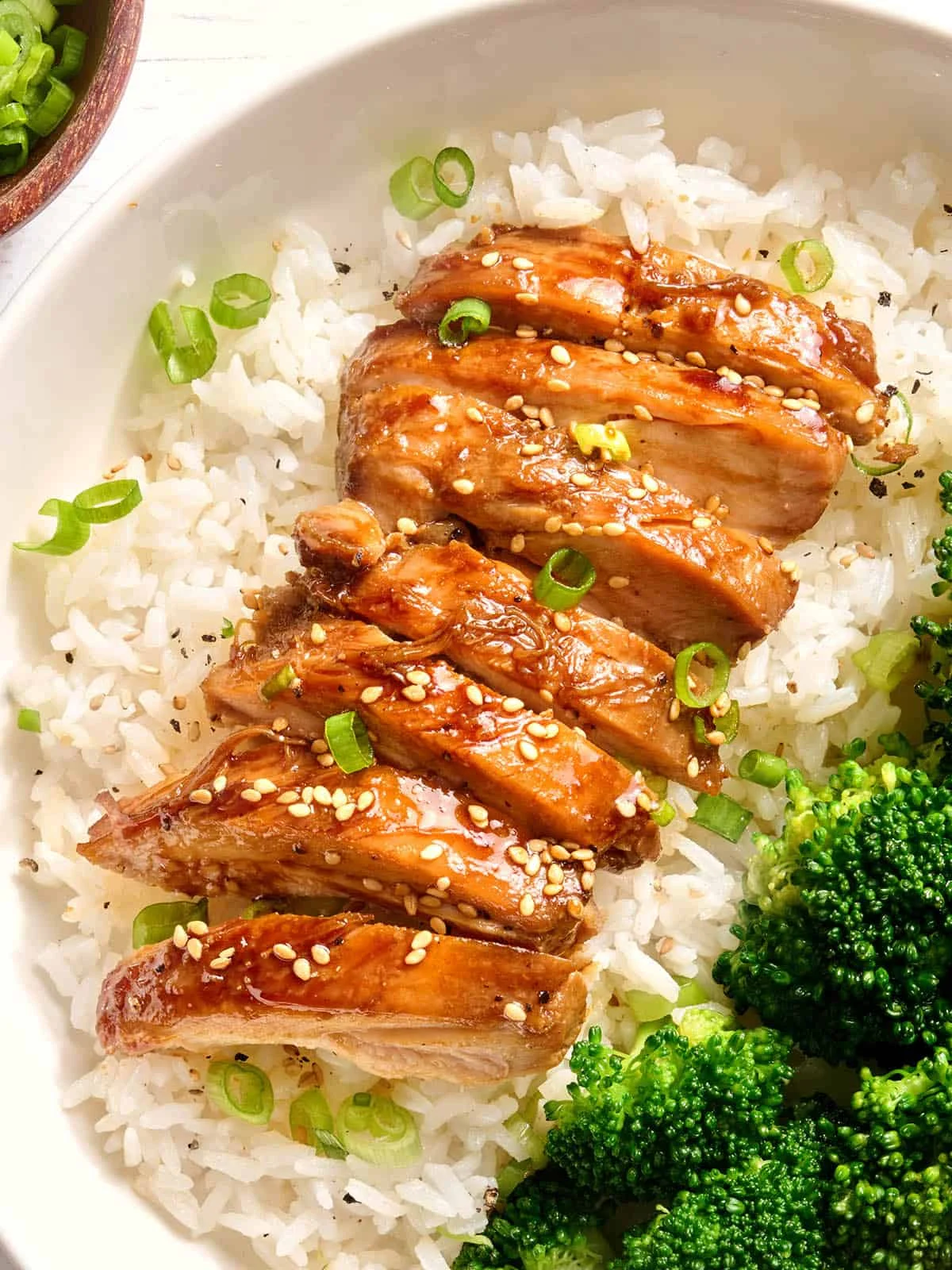
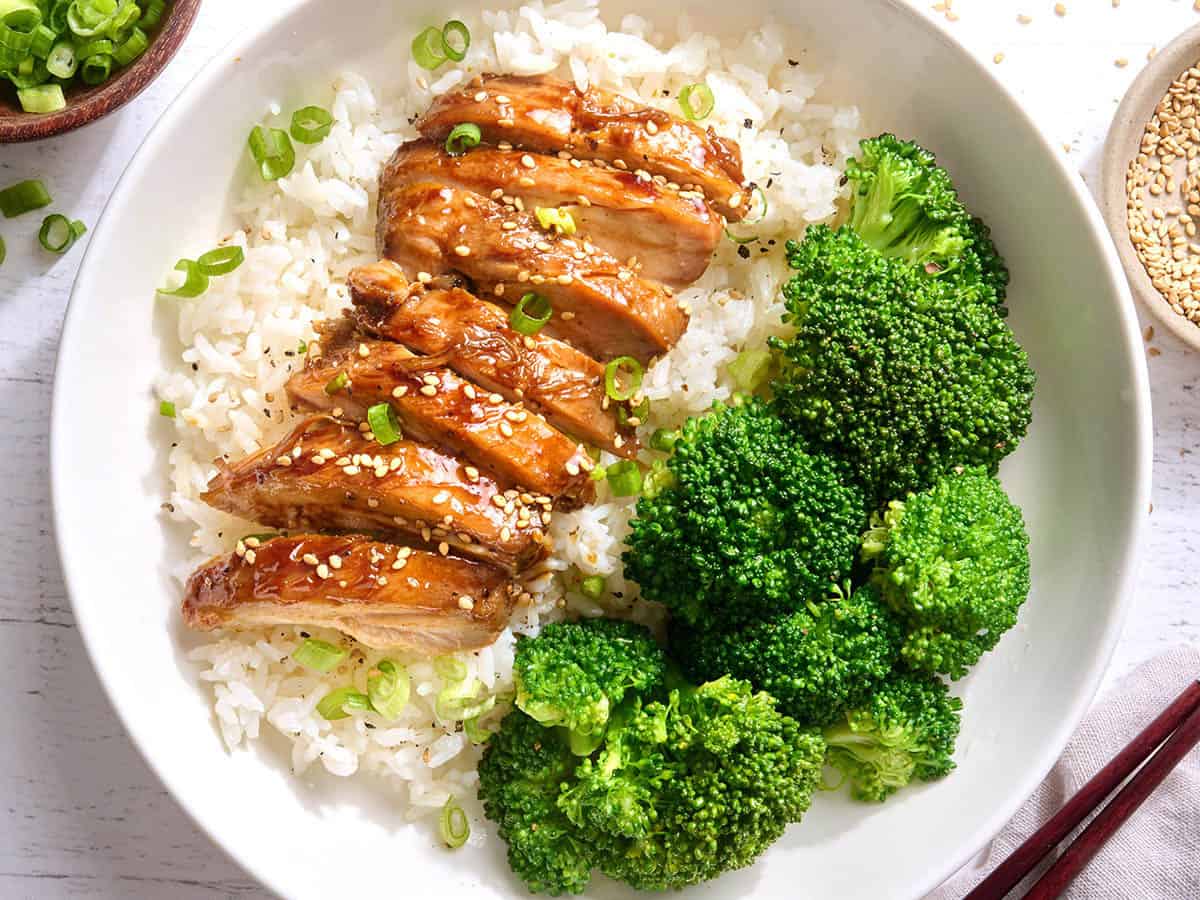
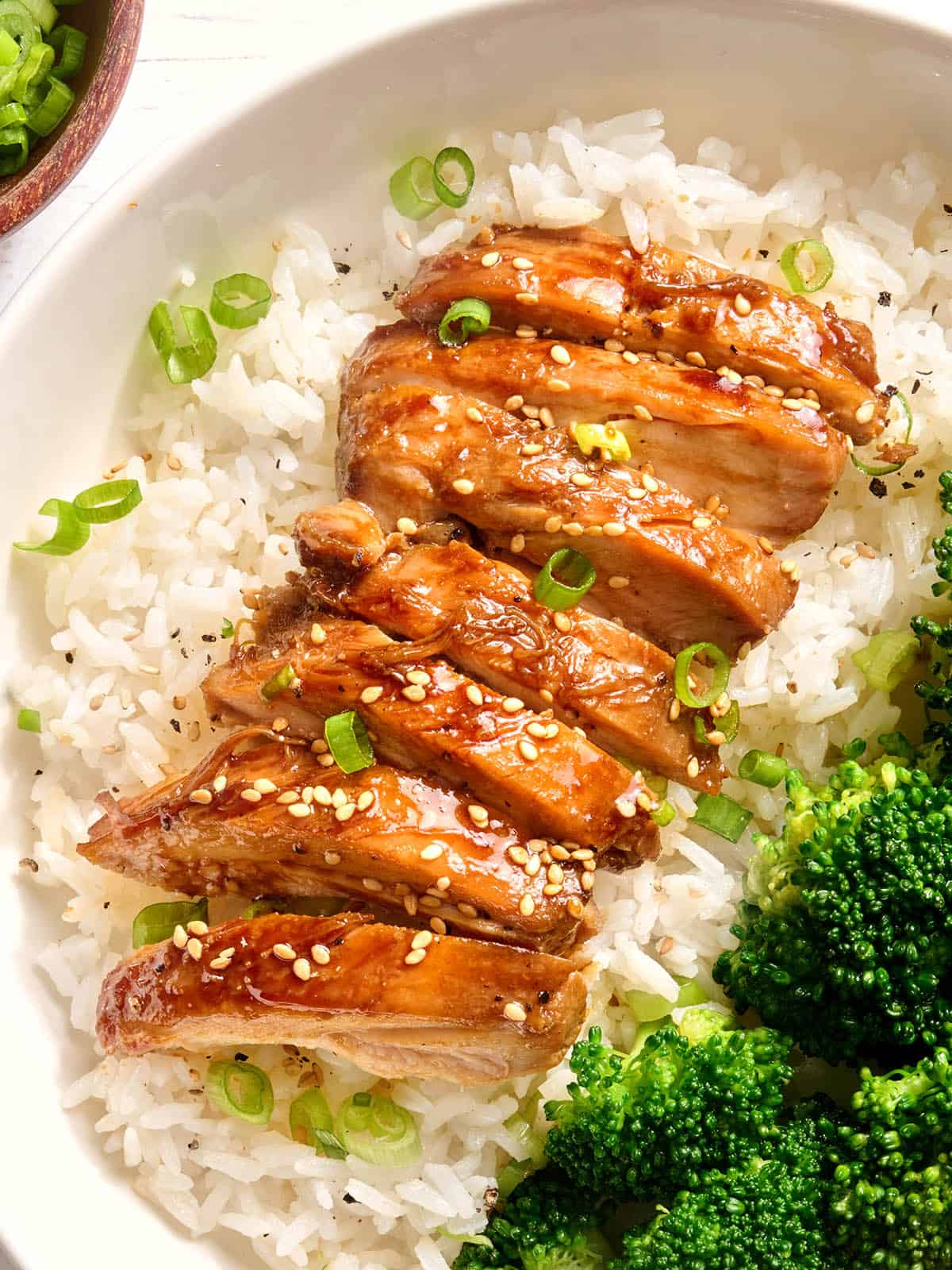
The landscape of American home cooking is currently undergoing a significant shift as consumers grapple with the dual pressures of inflationary food costs and the perennial demand for time-efficient meal solutions. A recent analysis of contemporary culinary trends, exemplified by a meticulously tested recipe from the Nashville Test Kitchen, reveals that the preparation of traditional-style dishes such as Teriyaki Chicken has transitioned from a specialty endeavor to a cornerstone of budget-conscious domestic management. By utilizing basic pantry staples and optimized preparation techniques, home cooks are now achieving professional-grade results at a cost of approximately $1.41 per serving, representing a substantial decrease in expenditure compared to commercial takeout alternatives.
The Historical and Cultural Context of Teriyaki
The term "teriyaki" is frequently misunderstood in Western culinary discourse as referring exclusively to a specific bottled sauce. However, etymological and historical evidence confirms that teriyaki is a traditional Japanese cooking technique. The word is derived from two Japanese nouns: teri, which refers to the luster or "shine" of the food created by the sugar content in the glaze, and yaki, which denotes the method of cooking, typically grilling or broiling.
In its traditional Japanese form, the glaze consists of a balanced mixture of soy sauce, mirin (a sweet rice wine), sake, and sugar. This mixture is applied to seafood or meat during the cooking process to create a caramelized exterior. The American adaptation of this dish, which gained prominence in the mid-20th century, often substitutes mirin and sake with more readily available ingredients such as brown sugar, garlic, and ginger. This evolution reflects the broader history of culinary hybridization, where traditional methods are modified to suit local ingredient availability while maintaining the core sensory profile of the original dish—a balance of umami, sweetness, and salt.
Economic Analysis of Homemade vs. Commercial Alternatives
The financial implications of home-prepared teriyaki are significant. According to the data provided by the Nashville Test Kitchen, a five-serving recipe carries a total production cost of $7.07. At $1.41 per serving, this menu item sits well below the national average for a fast-casual chicken entrée, which typically ranges from $10.00 to $15.00 per person.
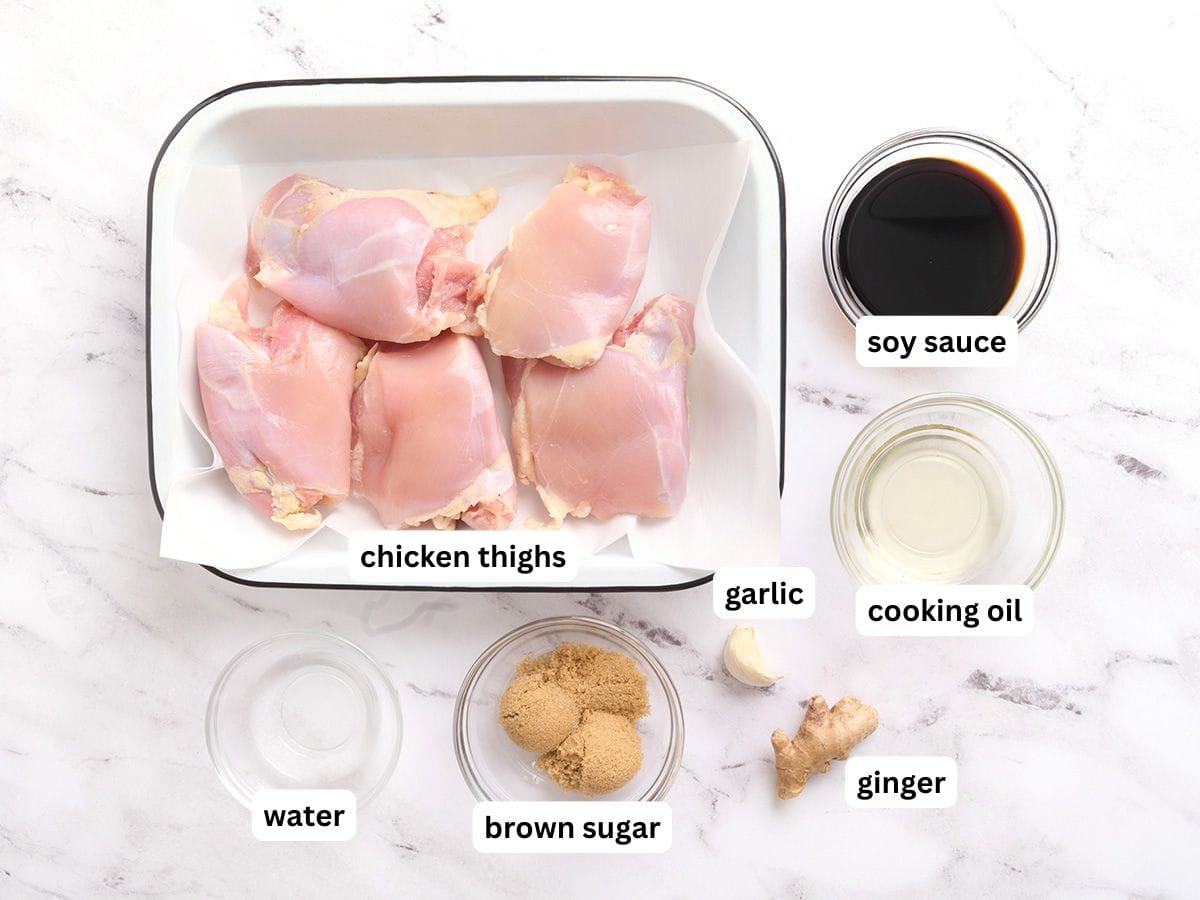
The cost-efficiency is largely driven by the selection of protein. The use of boneless, skinless chicken thighs is a strategic economic choice. Market data indicates that chicken thighs consistently retail at a lower price point per pound than chicken breasts, while offering higher moisture retention and a more robust flavor profile due to their slightly higher fat content. This makes them ideal for high-heat skillet cooking, where leaner meats might succumb to desiccation. Furthermore, the reliance on seven primary ingredients—soy sauce, brown sugar, garlic, ginger, water, oil, and chicken—minimizes the "specialty ingredient tax" often associated with ethnic cuisines, where consumers might otherwise purchase expensive, single-use bottles of premade sauces.
Technical Methodology and Culinary Science
The success of this specific teriyaki iteration relies on two critical chemical processes: marination and reduction.
The Role of Marination
The recipe advocates for a marination period ranging from 30 minutes to 24 hours. From a food science perspective, the soy sauce in the marinade acts as a brine. The salt denatures the proteins in the chicken, allowing the meat to retain more moisture during the cooking process. Meanwhile, the infusion of garlic and ginger provides aromatics that penetrate the surface layers of the protein. Analysts at the Nashville Test Kitchen warn against exceeding the 24-hour mark, as the high sodium content of the soy sauce can eventually begin to break down the muscle fibers too aggressively, resulting in an unappealing, mushy texture.
The Reduction Process
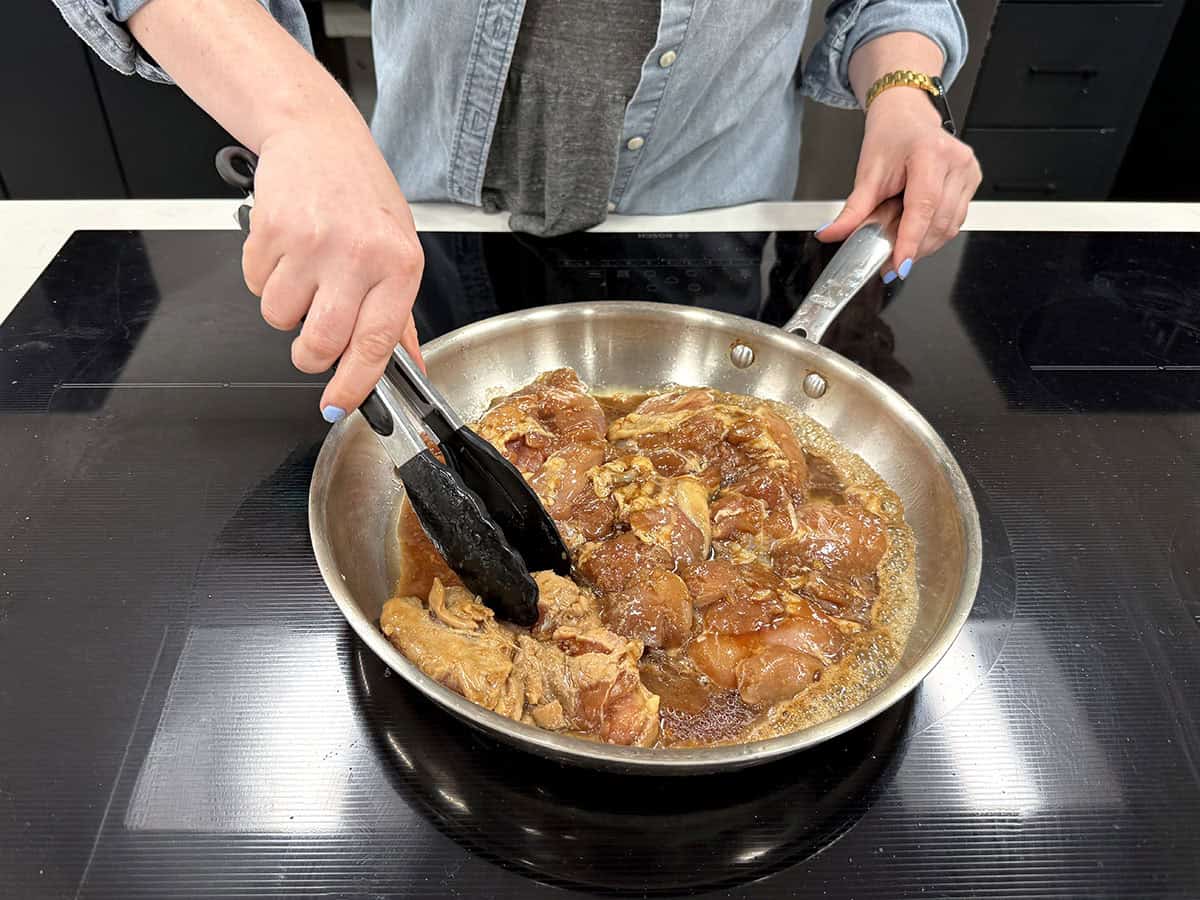
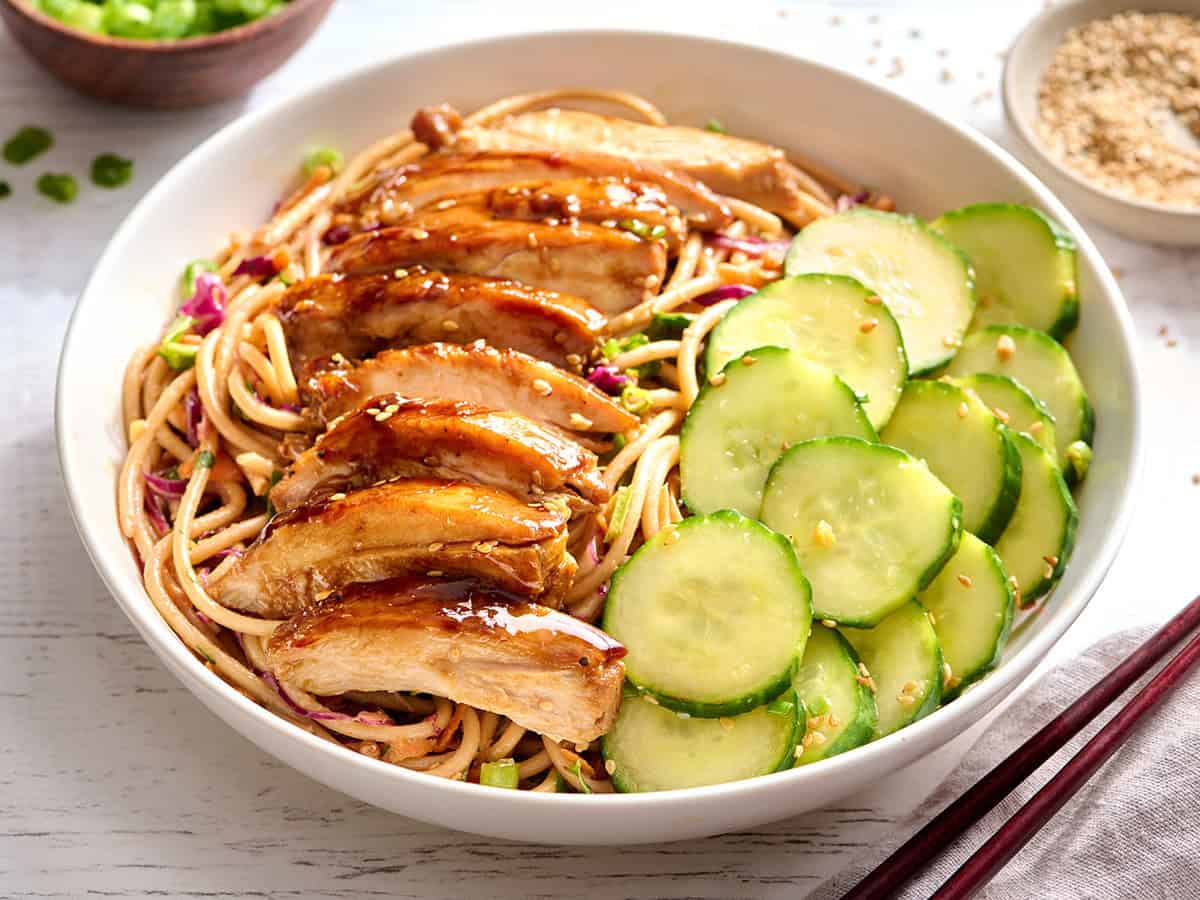
Unlike many commercial recipes that utilize cornstarch or other thickening agents to achieve a viscous sauce, this method relies on the natural reduction of sugars. As the marinated chicken cooks in a medium-heat skillet, the water content in the sauce evaporates. This concentrates the brown sugar and soy sauce, eventually reaching a stage of caramelization where the liquid transforms into a glossy glaze. This "one-skillet" approach not only simplifies the cleanup process but also ensures that the flavor remains concentrated on the protein rather than being diluted by excess thickeners.
Chronology of Preparation and Food Safety Standards
To ensure both quality and safety, the preparation of teriyaki chicken follows a strict chronological framework:
- Preparation of the Marinade: Whisking together the soy sauce, sugar, aromatics, and oil ensures a homogenous distribution of flavors.
- The Marination Phase: This must occur under refrigeration (below 40°F) to prevent bacterial growth. The Nashville Test Kitchen emphasizes the disposal of any marinade that has come into contact with raw poultry to prevent cross-contamination.
- The Searing and Glazing Phase: The chicken is cooked for 5 to 7 minutes per side. During this time, the internal temperature must reach a minimum of 165°F for safety, though 175°F is often preferred for thighs to allow the connective tissue to fully break down, ensuring tenderness.
- The Resting Period: A 5-minute rest post-cooking is essential. This allows the internal juices to redistribute, preventing the loss of moisture upon slicing.
Nutritional Profile and Dietary Considerations
For health-conscious consumers, the nutritional transparency of home-cooked meals is a primary advantage. A single serving of this teriyaki chicken contains:
- Calories: 274 kcal
- Protein: 32g
- Fat: 12g
- Carbohydrates: 8g
- Sodium: 792mg
While the sodium content is notable—a common characteristic of soy-based dishes—it remains lower than many processed frozen dinners or restaurant equivalents. The high protein-to-calorie ratio makes it a viable option for those following muscle-maintenance or weight-management diets. Additionally, the recipe is naturally dairy-free and egg-free, catering to common allergen restrictions.
Broader Implications for the Meal Prep Industry
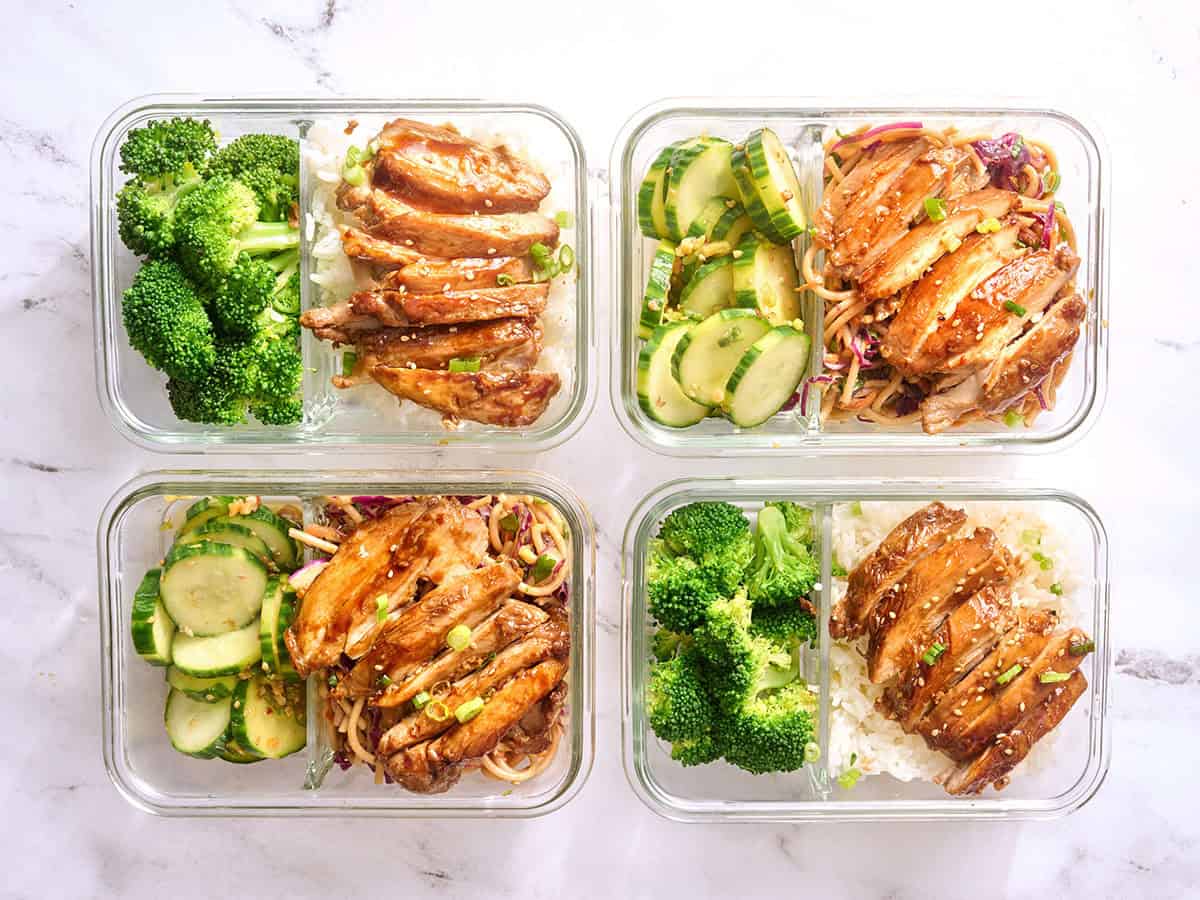
The rise of "meal prepping" has transformed how households view leftovers. This teriyaki chicken recipe is specifically designed with longevity in mind. The Nashville Test Kitchen’s research indicates that the dish maintains its structural integrity for 3 to 4 days when stored in airtight containers.
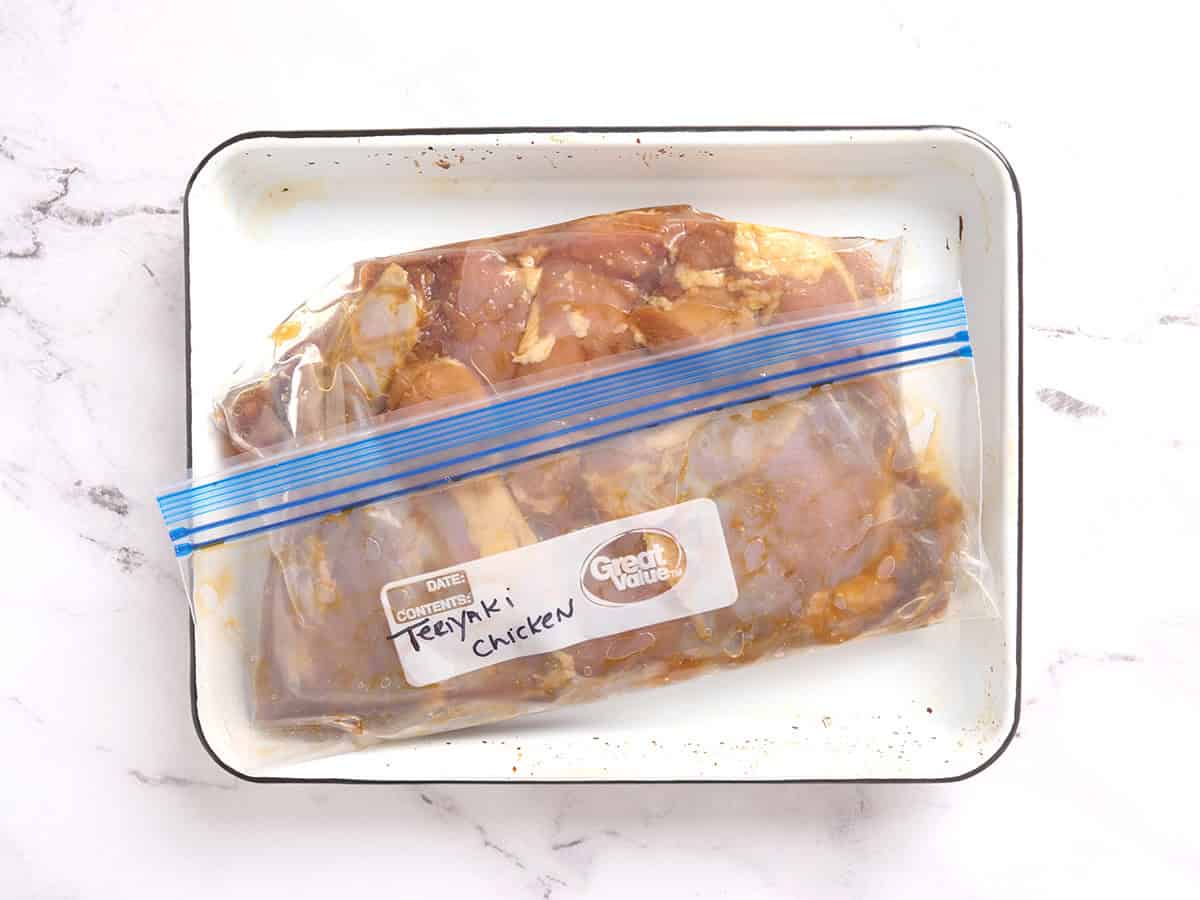
The "freezer-to-skillet" innovation mentioned in the report—where raw chicken is frozen directly in the marinade—represents a significant advancement in domestic logistics. This method allows for "passive marinating," where the chicken absorbs the flavors during the thawing process in the refrigerator. This strategy aligns with the growing consumer demand for "dump recipes" that require minimal active labor on the day of consumption.
Market Reaction and Consumer Feedback
Consumer response to these simplified, budget-friendly methodologies has been overwhelmingly positive. Testimonials from home cooks emphasize the "impressive" quality of the glaze and the accessibility of the ingredients. The shift away from specialty mirin and sake toward pantry staples has lowered the barrier to entry for novice cooks, democratizing a dish that was once perceived as difficult to replicate at home.
The Nashville Test Kitchen’s rigorous testing protocol—ensuring that recipes are "easy, affordable, and delicious"—serves as a benchmark for the industry. By focusing on the intersection of culinary science and domestic economy, they have provided a blueprint for how modern families can navigate a challenging economic environment without sacrificing nutritional quality or flavor.
Future Outlook
As food prices continue to fluctuate, the reliance on versatile, low-cost proteins like chicken thighs and basic pantry aromatics is expected to increase. The "Easy Teriyaki Chicken" model demonstrates that the value of a recipe is not found in the complexity of its ingredients, but in the efficiency of its technique. Moving forward, the domestic culinary industry is likely to see further emphasis on one-pan reductions and multi-purpose marinades as consumers prioritize both their time and their financial health.
In conclusion, the transition of Teriyaki Chicken from a restaurant staple to a $1.41-per-serving home triumph is more than just a culinary trend; it is a testament to the ingenuity of modern home cooks and the vital role of experimental test kitchens in providing actionable, data-driven solutions for the contemporary household.
