

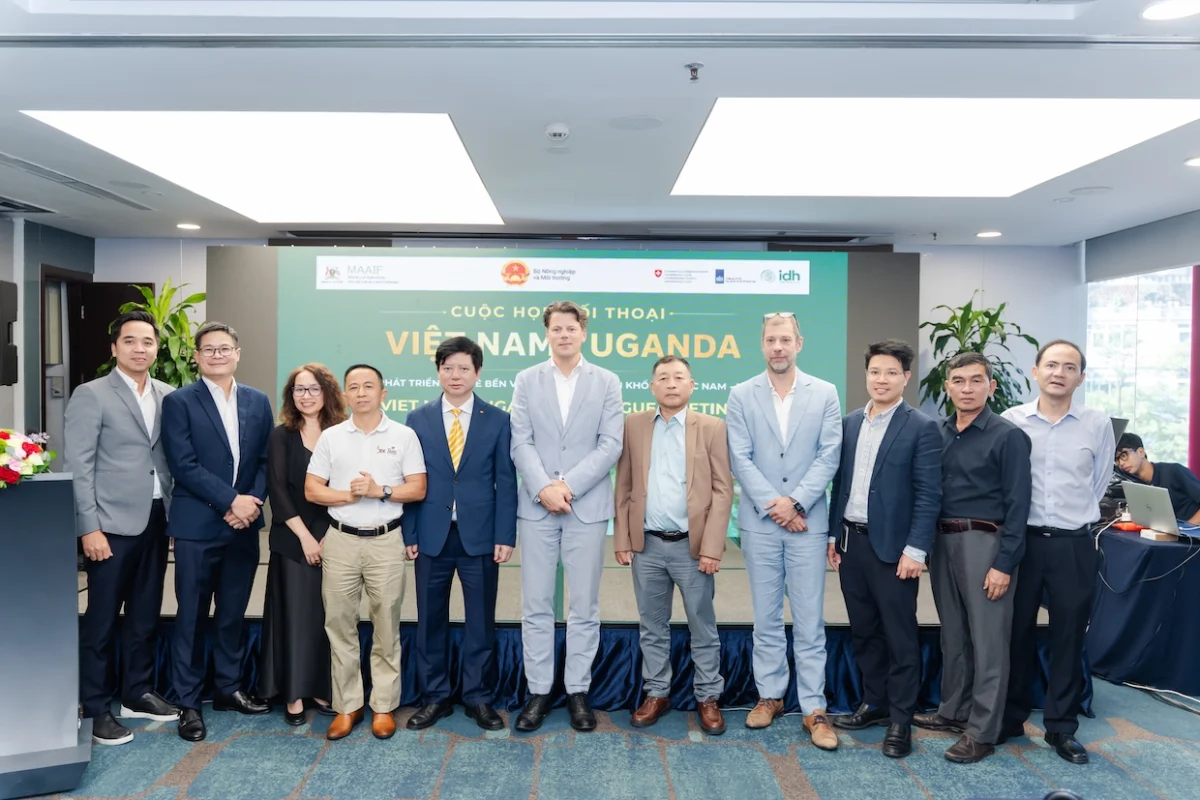
The Sustainable Trade Initiative (IDH), a Netherlands-based organization dedicated to creating sustainable supply chains, has officially launched the Resilient Coffee Program (RCP). This ambitious four-year initiative aims to cultivate regenerative and verifiable coffee supply chains across four key producing nations: Vietnam, India, Colombia, and Uganda. The program, unveiled during a significant sustainable coffee roundtable in Hanoi, Vietnam, on August 11, 2026, positions itself as a pre-competitive investment platform with a far-reaching objective: to positively impact the livelihoods of 300,000 coffee farmers by the year 2030.
The RCP’s core mission is to drive a paradigm shift in coffee production, moving towards practices that not only enhance environmental sustainability but also ensure economic viability for farmers. By focusing on regenerative agriculture, the program seeks to address critical challenges such as soil degradation, climate change vulnerability, and the need for increased farmer income. The initial target is to generate approximately 500,000 metric tons of "regenerative coffee" annually from the participating countries, a substantial volume that could significantly influence the global coffee market’s sustainability trajectory.
A significant development accompanying the launch was the announcement of Aldi Süd Group as the lead investor in the platform. While the precise financial terms of Aldi’s investment remain undisclosed, their prominent role signals a strong commitment from a major retail player to support a more sustainable and resilient coffee industry. This backing is crucial for a program that relies on collaborative investment, underscoring the necessity of multi-stakeholder engagement for systemic change.
Daan Wensing, CEO of IDH, articulated the program’s fundamental philosophy during the launch event. "A resilient coffee sector cannot be built by any one company, or any one country, alone," Wensing stated. "Climate pressure, shifting market expectations and the need to support farmers all call for a different approach – one built on collaboration and shared investment." This statement highlights the interconnected nature of the challenges facing the coffee industry and the imperative for collective action. The RCP is designed to be an open platform, inviting additional roasters, traders, governments, and financial institutions that share the goal of strengthening resilient coffee value chains through shared investment in these crucial coffee origins.
Program Pillars and Operational Framework
The Resilient Coffee Program is not merely an aspirational statement; it is underpinned by a robust operational framework. A cornerstone of the RCP’s methodology is the adoption of the Sustainable Agriculture Initiative Platform’s (SAI Platform) "Regenerating Together Framework." This industry-developed framework provides a standardized approach for food and beverage companies to define, measure, and verify their regenerative agriculture efforts. By leveraging this established framework, the RCP aims to ensure consistency, transparency, and credibility in its sustainability claims.
Furthermore, the program incorporates shared systems for measurement, reporting, and verification (MRV). This integrated approach is designed to allow participating companies to accurately assess their progress in adopting regenerative practices, credibly report their achievements to consumers and stakeholders, and maintain a high degree of traceability throughout the supply chain. The concept of "co-claiming" is also integrated, enabling multiple stakeholders to credibly communicate their shared efforts and investments in the program’s goals. This collaborative reporting mechanism is vital for building trust and demonstrating the collective impact of the initiative.
Vietnam: A Strategic Focus Amidst Growing Pressures
The choice of Vietnam as a key origin for the RCP launch is particularly noteworthy. As the world’s largest producer of Robusta coffee, Vietnam faces increasing scrutiny due to a confluence of factors, including volatile weather patterns, rising input costs for farmers, and growing demands for greater transparency in supply chains. Traditional Robusta cultivation in Vietnam has often been characterized by large-scale monoculture systems, which, while maximizing short-term yields, can contribute to soil degradation and, in some instances, deforestation.
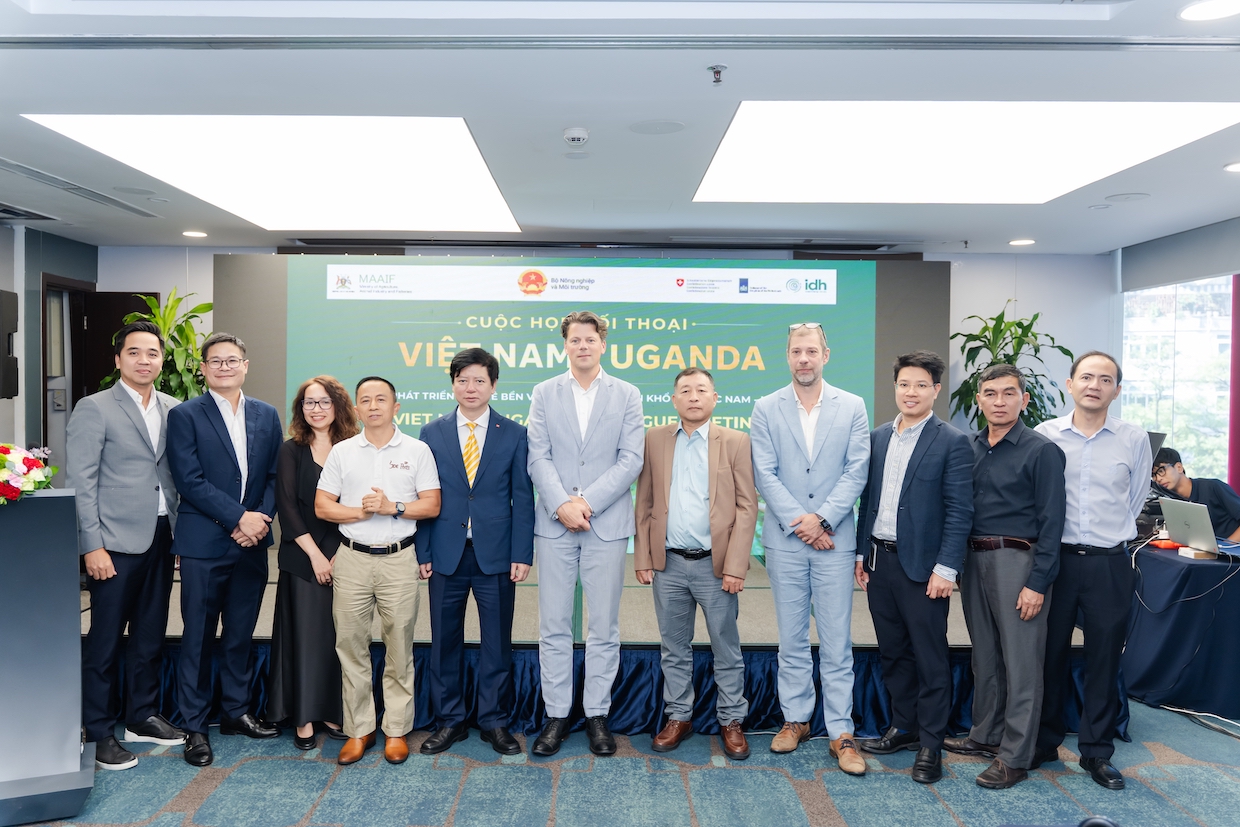
The RCP’s presence in Vietnam is thus strategically aligned with addressing these critical issues. The program aims to engage approximately 75,000 coffee farmers in Vietnam over the next four years. This represents a significant commitment, encompassing an estimated 10% of the country’s coffee-growing households and 14% of its coffee-producing area, according to IDH’s projections. This substantial reach is intended to catalyze widespread adoption of regenerative practices, offering a viable alternative to conventional farming methods.
The EUDR Imperative and Industry Collaboration
The timing of the RCP’s launch also coincides with the increasing relevance of regulatory frameworks such as the European Union Deforestation Regulation (EUDR) and broader EU corporate due diligence requirements. These regulations place a significant onus on companies to ensure that their supply chains are free from deforestation and human rights abuses. For coffee-producing nations like Vietnam, demonstrating compliance with these stringent standards is becoming paramount for continued market access to the EU.
The RCP’s emphasis on verifiable regenerative practices, coupled with enhanced traceability systems, directly addresses the data and transparency demands of these new regulations. Coffee giant JDE Peet’s, a company that has previously collaborated with IDH on EUDR compliance initiatives in Vietnam, was a notable participant at the Hanoi roundtable. Sy Do, JDE Peet’s Sustainability Manager for Asia-Pacific, expressed enthusiasm for the program’s collaborative nature. "We are glad to take part in this roundtable and to see a program that invites the whole sector to invest together," Do remarked. While JDE Peet’s had not disclosed a specific investment in the RCP at the time of this report, their engagement signifies a shared understanding of the challenges and opportunities presented by the program. This level of industry engagement is critical for the RCP’s success, as it demonstrates a willingness among major players to invest in systemic solutions.
Broader Implications for Regenerative Agriculture in Coffee
The launch of the RCP aligns with a broader global movement within the coffee industry towards regenerative agriculture. This approach is characterized by a holistic set of farming practices aimed at improving soil health, enhancing biodiversity, increasing natural climate resilience, and fostering a deeper social connection to the land. The benefits extend beyond environmental stewardship, with potential for improved crop yields, reduced reliance on synthetic inputs, and enhanced water management.
However, the practical implementation and long-term impact of regenerative agriculture are subjects of ongoing analysis. A recent study conducted by TechnoServe and the Sustainable Food Lab highlighted that while regenerative agriculture can indeed narrow living income gaps for some coffee-farming households, its efficacy may be limited in contexts where farm sizes are inherently small, input costs remain prohibitively high, or persistent structural barriers impede farmer prosperity. This nuanced perspective underscores the importance of the RCP’s focus on shared investment and holistic support systems, which aim to address these complexities beyond simply promoting new farming techniques. The program’s success will likely depend on its ability to integrate regenerative practices with robust market access, fair pricing mechanisms, and targeted farmer support that tackles the root causes of poverty and vulnerability.
The Path Forward: Collaboration and Scalability
The Resilient Coffee Program represents a significant step forward in the coffee industry’s journey towards sustainability. By fostering a pre-competitive investment platform, IDH is encouraging a shift from individual company efforts to collective action, a model that is increasingly recognized as essential for tackling complex global challenges. The program’s focus on verifiable regenerative practices, supported by robust MRV systems and industry collaboration, positions it to be a key driver of positive change.
The success of the RCP will ultimately be measured not only by the volume of regenerative coffee produced but also by its tangible impact on the lives of hundreds of thousands of farmers. As the program expands its reach and welcomes new partners, its potential to transform coffee supply chains into truly resilient, equitable, and environmentally sound systems will become increasingly evident. The initiative serves as a crucial blueprint for how the broader agricultural sector can embrace sustainability through shared vision, investment, and collaborative action, particularly in the face of mounting environmental and economic pressures. The coming years will be critical in observing how the RCP translates its ambitious goals into lasting, positive change for coffee-producing communities worldwide.
