

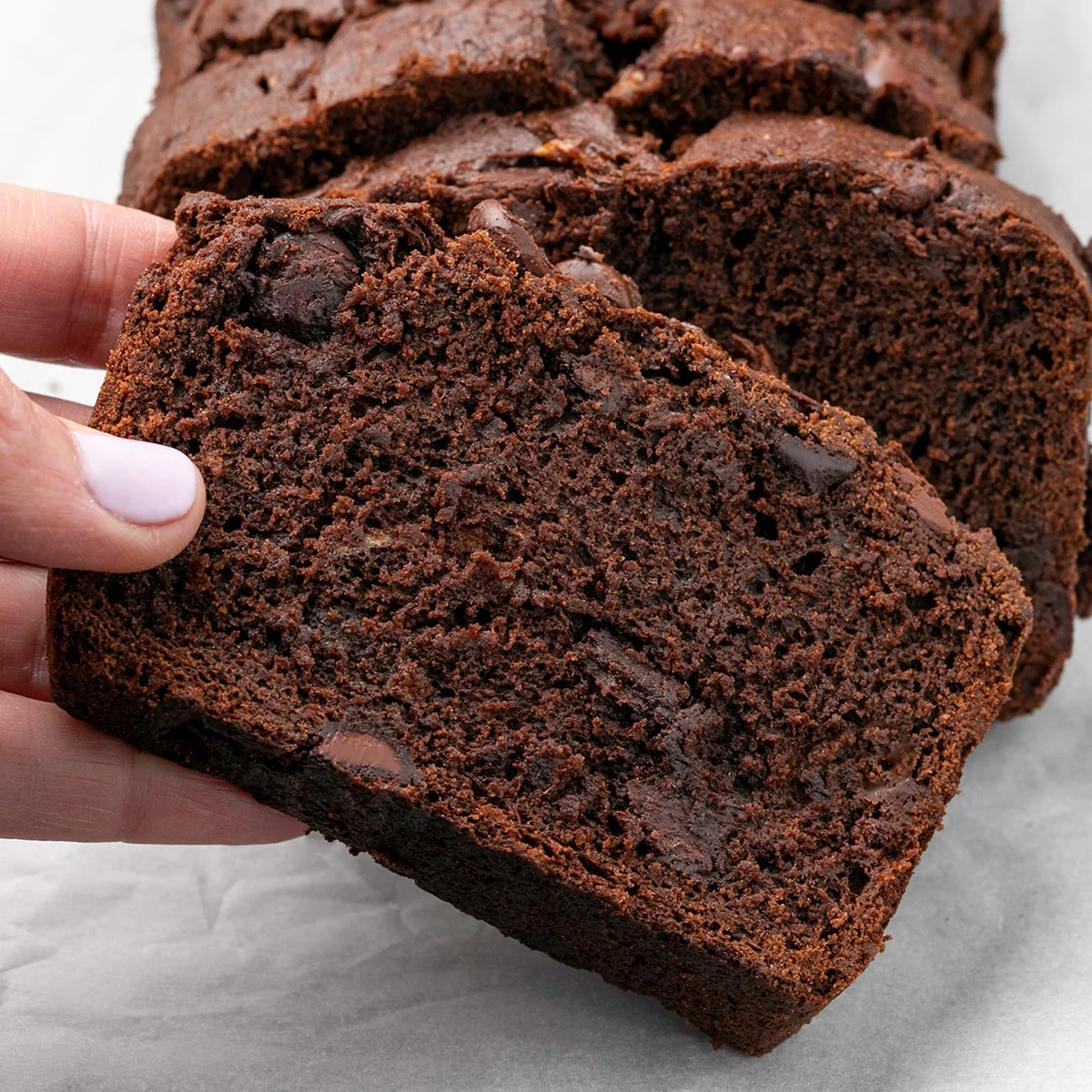
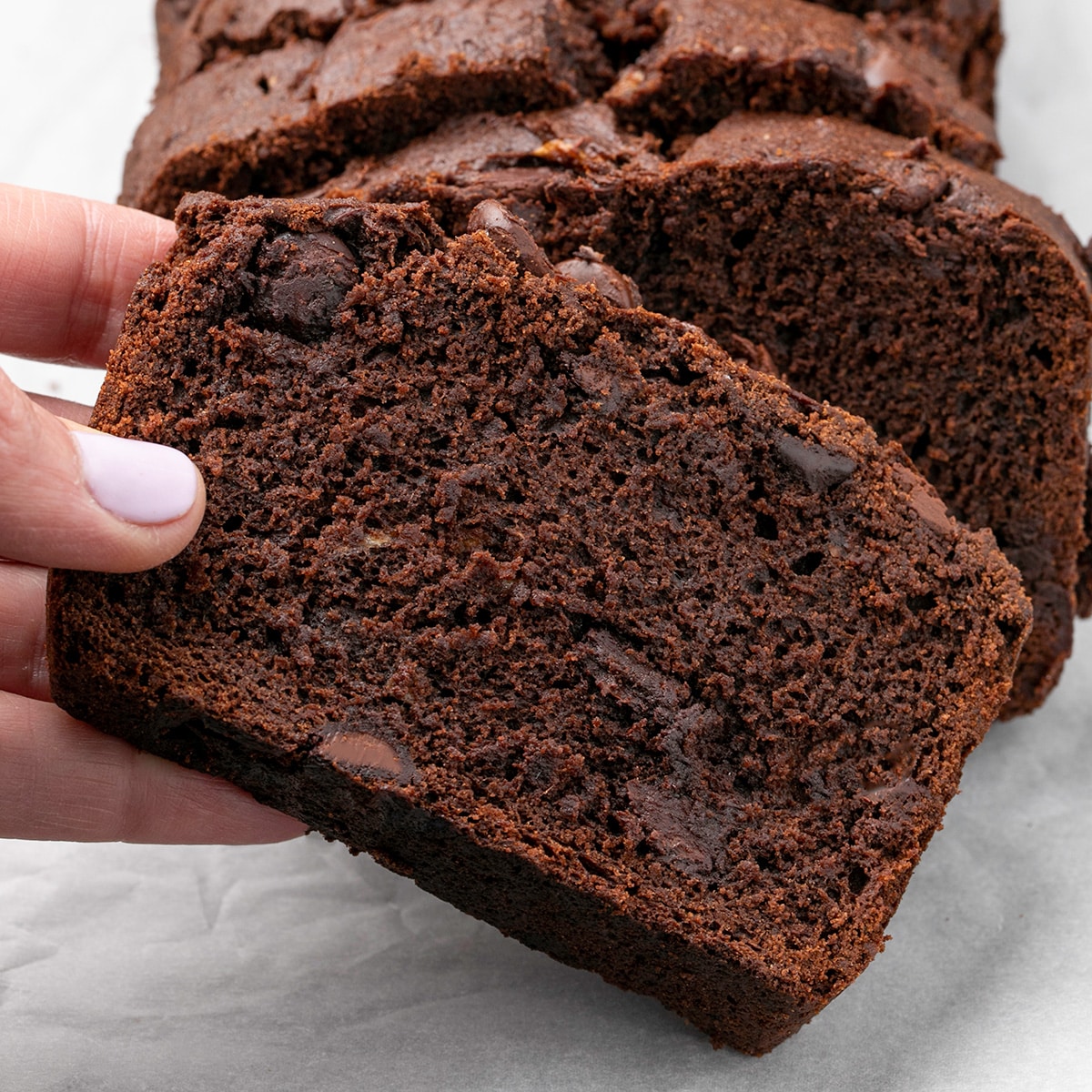
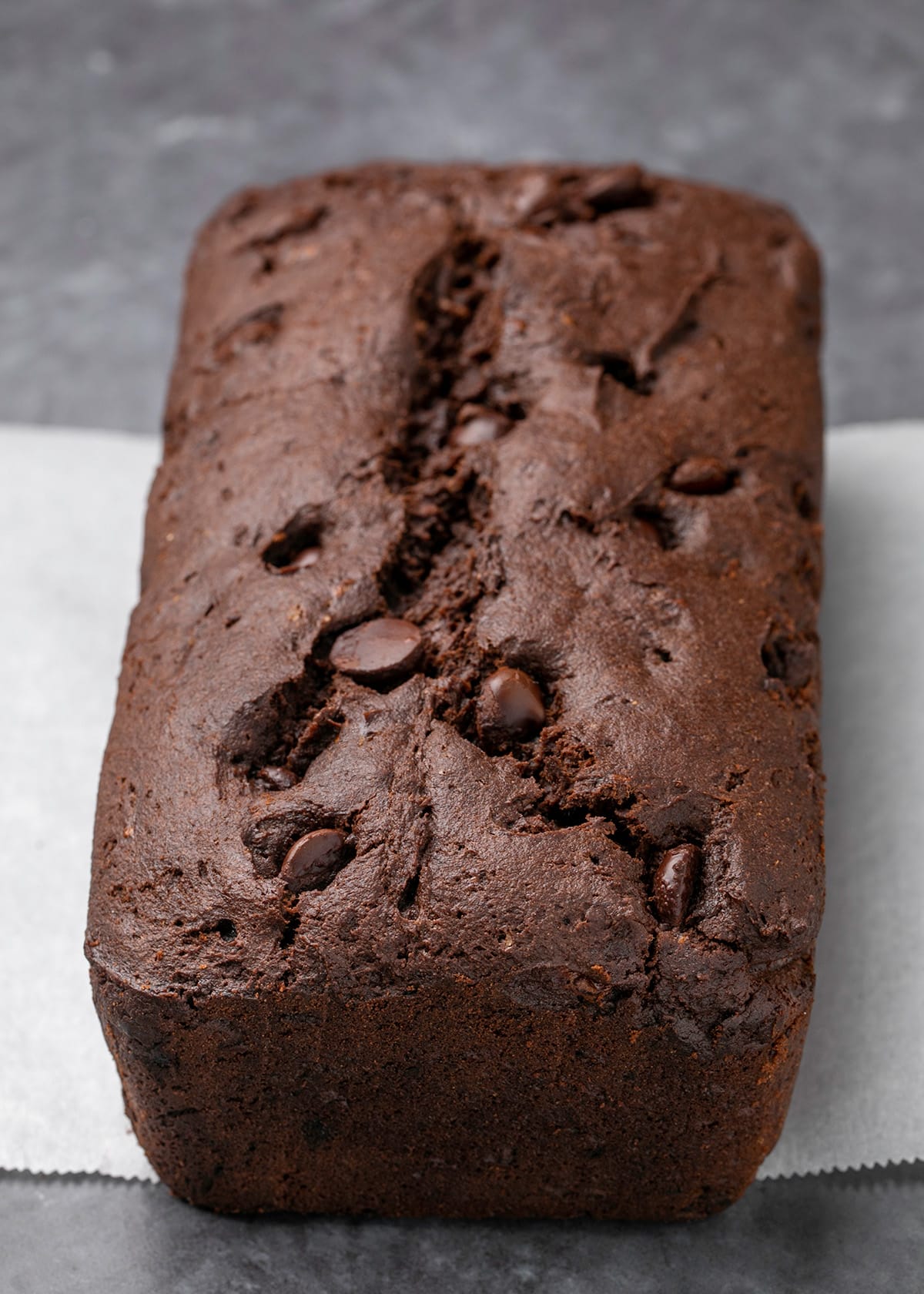
This gluten-free chocolate banana bread offers a decadent chocolate experience while still allowing the subtle sweetness of ripe banana to shine through in every bite. The result is a soft, tender, and wonderfully fudgy loaf generously studded with chocolate chips, a testament to thoughtful recipe development that balances classic comfort with dietary considerations.
The Art of Gluten-Free Baking: Elevating Banana Bread
At its core, this recipe transcends a simple gluten-free banana bread with added chocolate. The depth of flavor and luxurious texture are achieved through a deliberate combination of ingredients and techniques. A blend of high-quality cocoa powder and melted chocolate forms the foundation for the loaf’s rich, almost brownie-like chocolate character. This dual approach to chocolate ensures an intense flavor profile that is both satisfying and sophisticated.
The ripe mashed bananas are not merely an afterthought; they are meticulously beaten into the wet ingredients. This process maximizes their moisture content, which is crucial for creating a tender crumb in gluten-free baking. This moisture is essential for softening and enriching the thick chocolate batter, preventing the final product from becoming dry or crumbly, a common pitfall in gluten-free preparations.
To ensure that the banana flavor is not overshadowed by the potent chocolate, small chunks of ripe banana are folded in at the final stage. This strategic addition provides pockets of distinct banana essence and adds an appealing textural contrast to the smooth, fudgy interior. The inclusion of chocolate chips further enhances this textural interplay, creating a delightful experience with every mouthful.
Ingredient Spotlight: The Science Behind the Flavor
Successful gluten-free baking relies on a precise understanding of each ingredient’s role. This chocolate banana bread recipe utilizes a thoughtful selection of components, each contributing to its unique character:
-
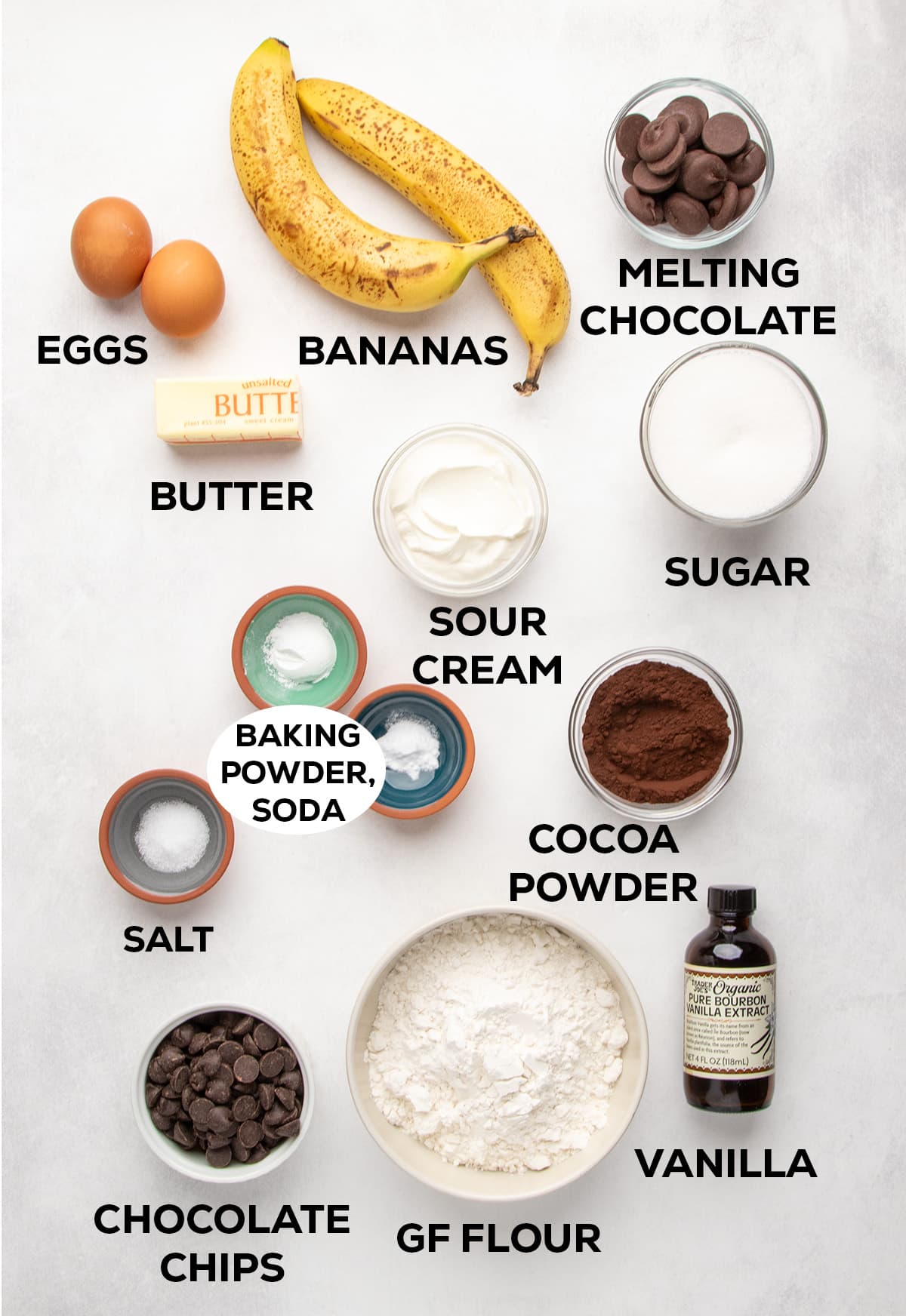
Cocoa Powder and Melted Chocolate: The combination of these two elements provides a multi-dimensional chocolate flavor. Cocoa powder offers a pure, intense chocolate note, while melted chocolate contributes richness and a fudgy texture. The type of chocolate used is important; unsweetened or dark chocolate with a high cacao butter content (around 65%) is recommended for optimal melting and flavor. Baking bars designed for melting are ideal.
-
Ripe Bananas: The ripeness of the bananas is paramount. Overripe bananas, with their softened texture and heightened sweetness, are ideal for baking. While baking them in the oven can darken their peel, it doesn’t develop their sugars sufficiently. Natural ripening, perhaps accelerated by placing them in a paper bag with an apple, yields the best results.
-
Gluten-Free Flour Blend: The choice of gluten-free flour blend significantly impacts the texture of the final product. Recommended blends include Better Batter’s original blend (without added xanthan gum), Nicole’s Best multipurpose blend (with xanthan gum), or Bob’s Red Mill 1-to-1 Gluten Free Baking Flour, which may require an additional ½ teaspoon of xanthan gum to prevent excessive crumbliness. For those seeking to replicate specific blends, resources on creating homemade "mock" Better Batter or original Cup4Cup recipes are available.
-
Eggs: Eggs play a vital role in binding ingredients, providing structure, and contributing moisture. While the recipe can function with one egg, using two eggs is suggested for a taller loaf with improved structure and a tender crumb that retains moisture longer.
-
Sour Cream: Sour cream adds moisture and richness to the batter, contributing to the bread’s tender and fudgy texture. For dairy-free alternatives, nondairy sour cream or plain Greek-style yogurt are suitable replacements. If using regular plain yogurt, straining it to remove excess moisture until it reaches the consistency of sour cream is recommended.
-
Leavening Agents (Baking Powder and Baking Soda): These are essential for the bread’s rise and tender crumb. Baking soda, in particular, reacts with acidic ingredients in the batter to create lift.
-
Sugar: Granulated sugar provides sweetness and helps with browning and moisture retention.
-
Butter: Butter contributes flavor and richness to the batter. For dairy-free versions, block-style vegan butter is preferred over tub varieties, which often contain higher oil content unsuitable for baking.
-
Vanilla Extract: Vanilla extract enhances the overall flavor profile, complementing both the chocolate and banana notes.
-
Salt: Salt balances the sweetness and intensifies the other flavors.
-
Chocolate Chips and Banana Chunks: These are the textural stars, providing delightful bursts of chocolate and banana throughout the loaf.
A Step-by-Step Guide to Baking Perfection
The creation of this gluten-free chocolate banana bread is a straightforward process, designed to yield impressive results:
-
Melting the Chocolate: Begin by melting the chosen chocolate in a heat-safe bowl. This can be done in the microwave on reduced power, using 30-second intervals and stirring between each to ensure smooth emulsification and prevent scorching.
-
Combining Dry Ingredients: In a separate bowl, whisk together the cocoa powder, gluten-free flour blend (ensuring it contains xanthan gum or adding it as specified), baking powder, baking soda, and salt. This initial whisking ensures uniform distribution of leavening agents and prevents the cocoa powder from clumping when liquids are added.
-
Beating Wet Ingredients: In a large mixing bowl, combine the mashed bananas, granulated sugar, vanilla extract, sour cream, eggs, and the melted chocolate and butter mixture. Beat these ingredients together until well combined, using a handheld mixer or a stand mixer fitted with the paddle attachment. The goal here is to incorporate moisture from the bananas, creating a rich base.
-
Incorporating Wet and Dry Ingredients: Gradually add the whisked dry ingredients to the wet ingredients, beating until a relatively smooth batter forms. The batter will be quite thick.
-
Folding in Mix-ins: Gently fold in the chocolate chips and the chopped ripe banana chunks using a silicone spatula. Exercise care to avoid mashing the banana pieces further. Simultaneously, scrape down the sides of the bowl to incorporate any remaining dry ingredients.
-
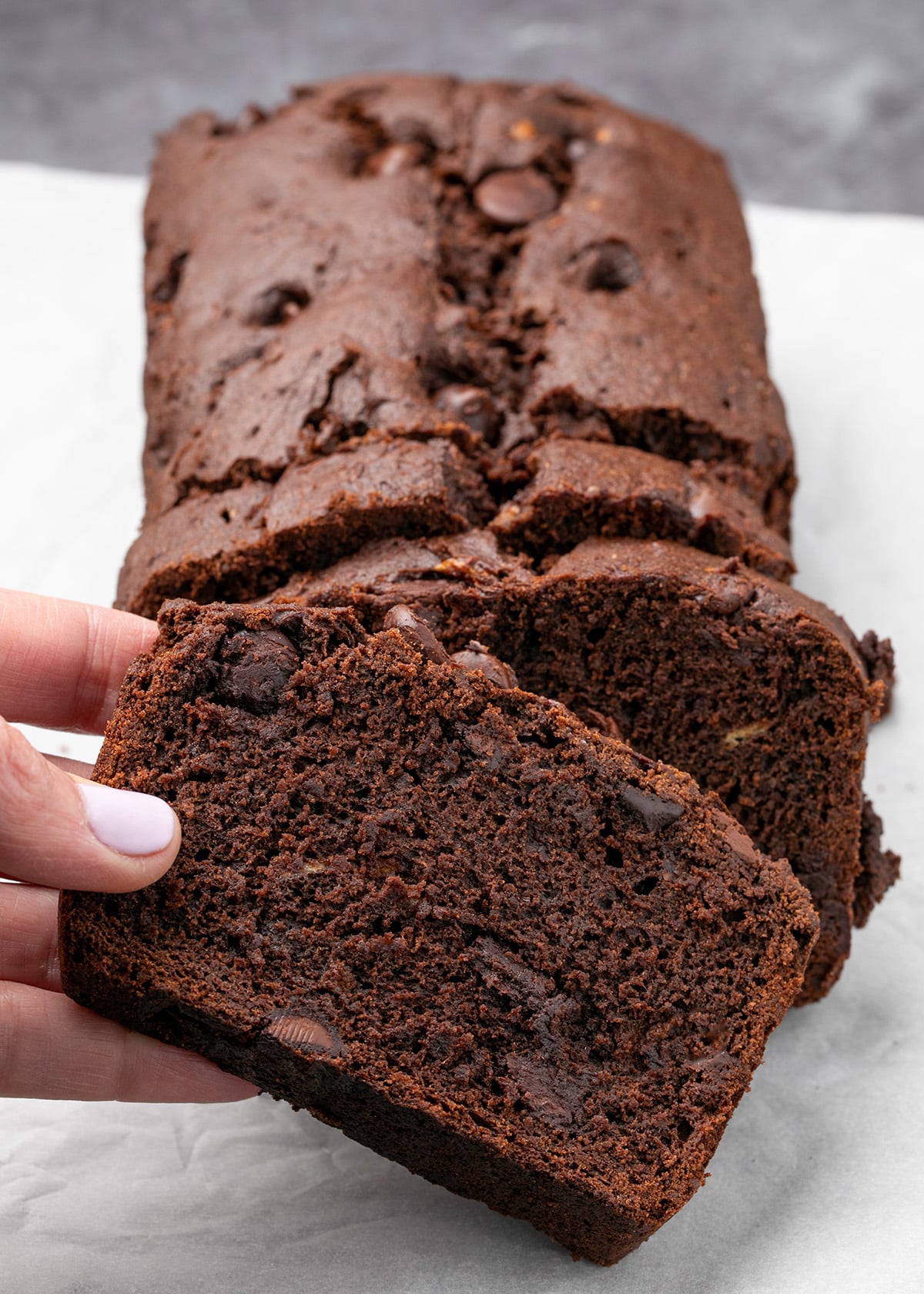
Preparing the Loaf Pan: Transfer the thick batter into a greased and lined standard loaf pan. Use a moist spatula to spread the batter into an even layer, ensuring consistent baking. To promote controlled steam release during baking, score the top of the loaf lengthwise down the center, approximately ¼ inch deep.
-
Baking the Loaf: Bake the bread on the center rack of a preheated oven at 350°F (175°C). Rotate the pan halfway through the baking time to ensure even cooking. The bread is ready when it is firm to the touch and a toothpick inserted into the center comes out clean. Due to the dark color of the loaf, it’s crucial to monitor for doneness cues carefully, as burning can be less apparent. Baking time typically ranges from 55 to 60 minutes.
-
Cooling and Slicing: Allow the bread to cool in the pan for 10 minutes before carefully lifting it out by the paper liner and placing it on a wire rack to cool completely. Removing the paper liner facilitates air circulation, which is essential for proper cooling. The cooling process can take approximately 45 minutes, allowing the starches to set, which prevents the loaf from collapsing when sliced.
Expert Tips for Optimal Results
Achieving bakery-quality gluten-free chocolate banana bread is within reach with a few key considerations:
-
Egg Quantity: While one egg suffices, using two eggs results in a taller, more structured loaf with a tender crumb that maintains its freshness longer.
-
Loaf Pan Choice: Opt for light-colored, nonstick loaf pans, preferably made of cast aluminum. Darker pans absorb more heat, increasing the risk of the exterior burning before the interior is fully baked, a concern amplified with dark-colored baked goods.
-
Banana Ripeness: As previously emphasized, naturally ripened, overripe bananas are crucial for optimal flavor and moisture content.
Addressing Common Baking Challenges
Even experienced bakers can encounter issues. This recipe anticipates potential challenges:
-
Egg-Free Baking: For an egg-free version, consider using a "chia egg" (1 tablespoon ground white chia seeds mixed with 2 tablespoons lukewarm water, allowed to gel) per egg. Alternatively, a combination of 1 teaspoon xanthan gum and 2 tablespoons plain Greek yogurt can serve as an egg substitute.
-
Dairy-Free Baking: To make the recipe dairy-free, substitute nondairy sour cream and block-style vegan butter. Avoid tub margarines, as their higher oil content is not ideal for baking.
-
Preventing Sinking: A common cause of sinking bread is underbaking. If the exterior cooks too quickly before the interior is set, the structure cannot support the rise as it cools, leading to collapse. Using an oven thermometer to verify oven temperature is highly recommended, as many ovens run hotter than indicated.
Storage and Enjoyment
Proper storage ensures the longevity and enjoyment of this delicious bread. Wrapped tightly, it can be stored at room temperature for two to three days. For longer preservation, avoid refrigeration, which can dry out the bread. Instead, freeze individually wrapped slices for up to three months. To refresh frozen slices, thaw them gently in a low-power microwave or at room temperature. A light sprinkle of lukewarm water and a brief warming in a 300°F (150°C) toaster oven can restore its fresh-baked quality.
The nutritional information provided is an approximation, calculated automatically, and should be used as a general guideline. This gluten-free chocolate banana bread, with its rich flavor and tender texture, is a delightful addition to any occasion, offering a satisfying gluten-free indulgence.
