

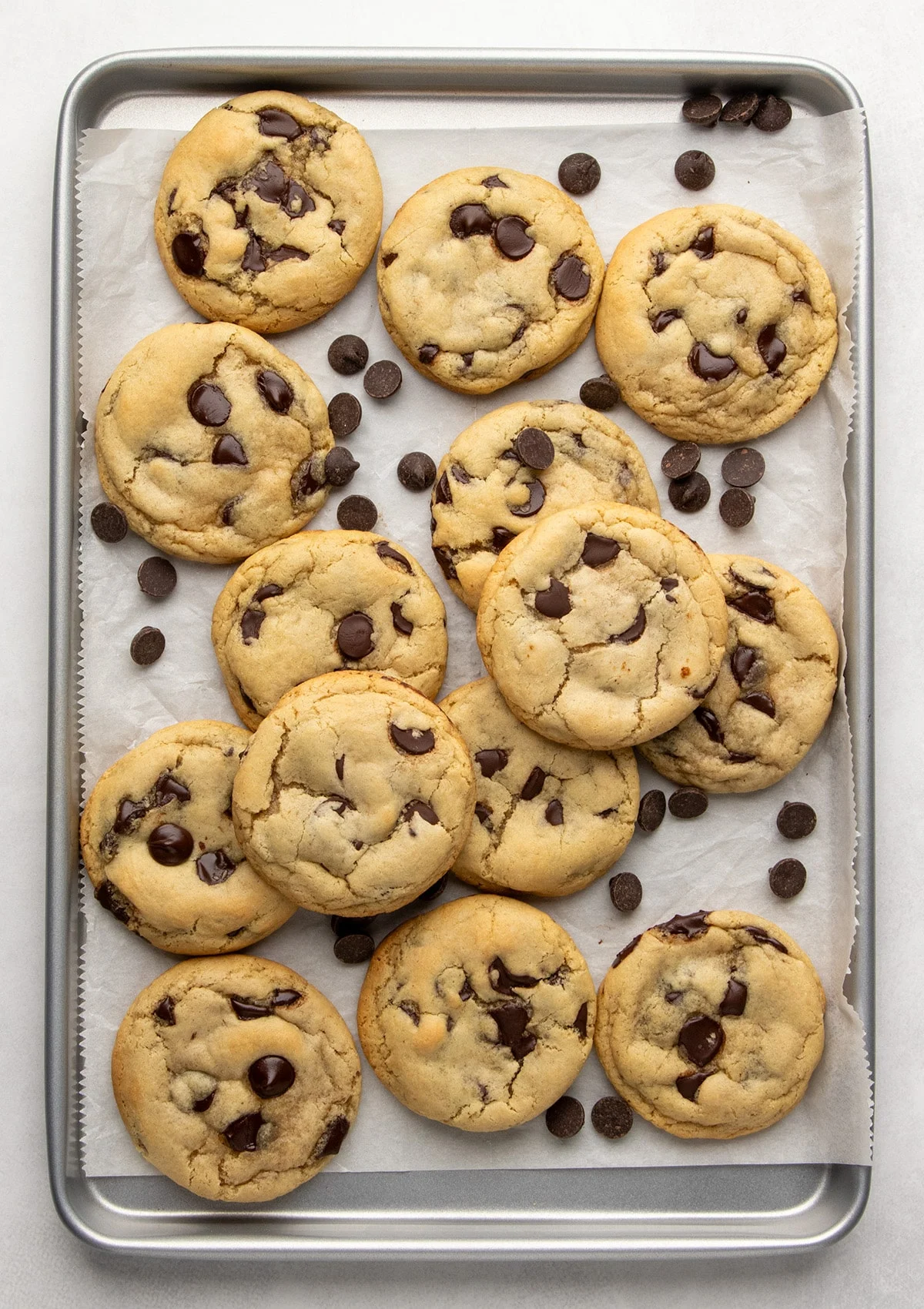
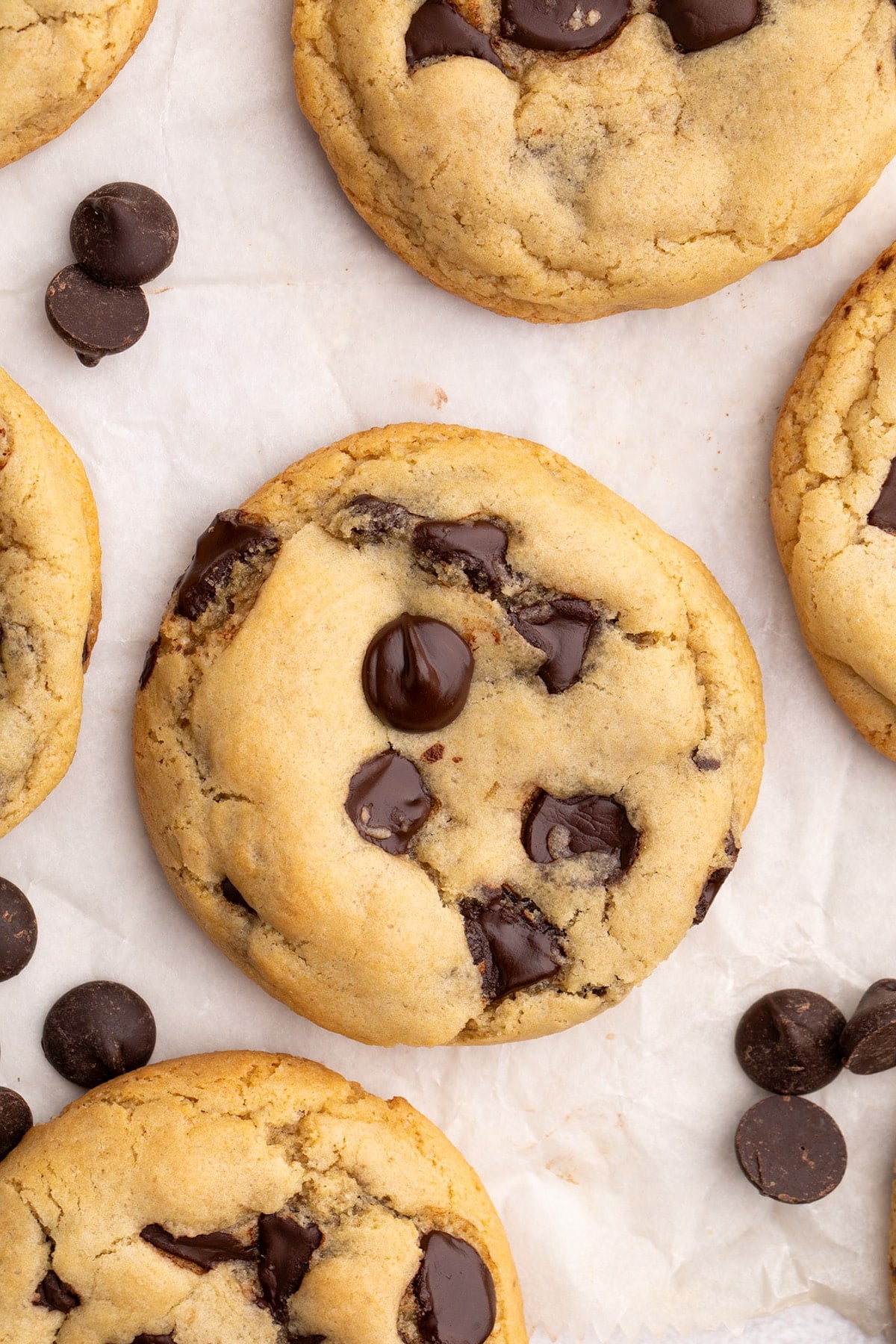
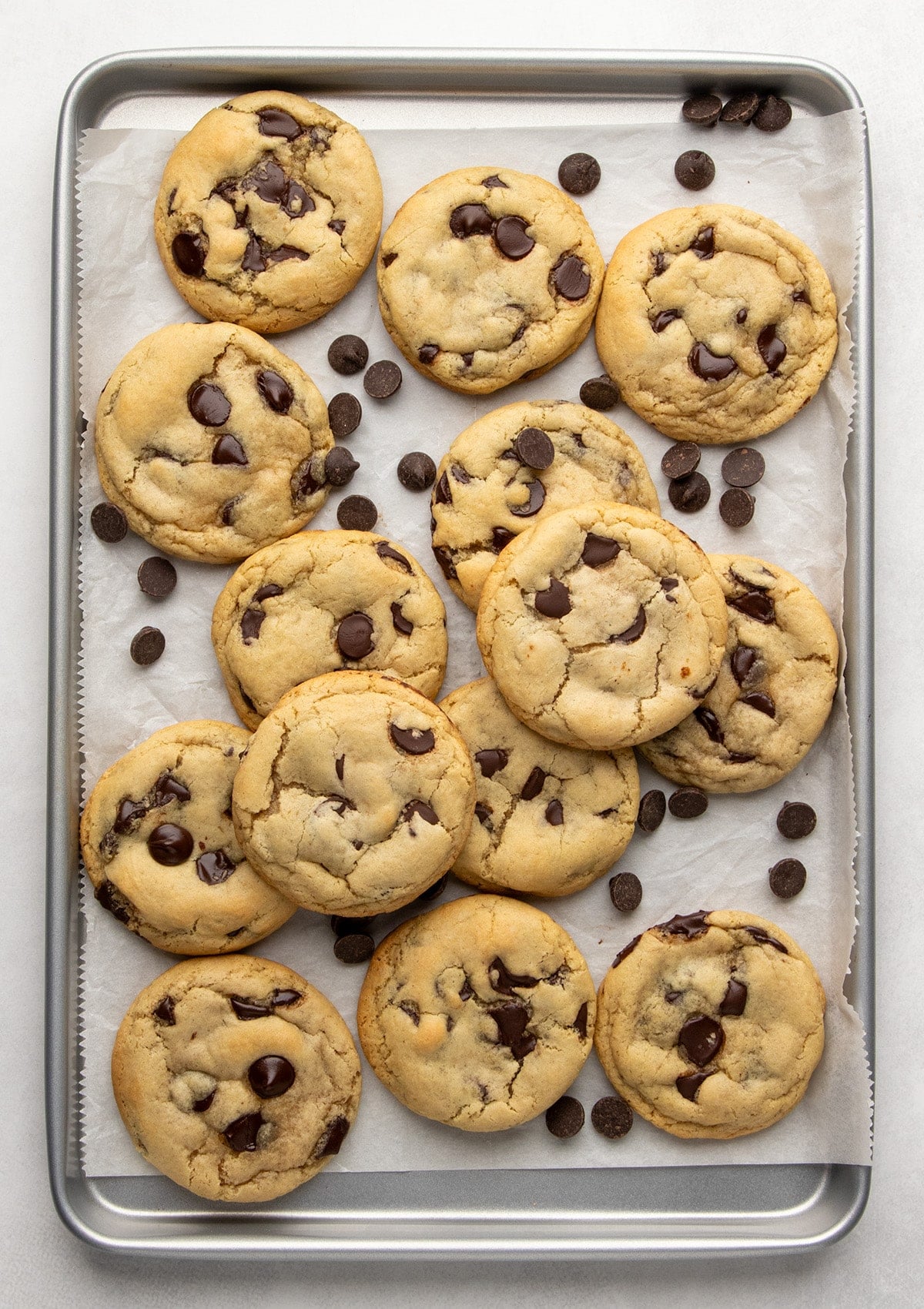
The pursuit of a truly exceptional gluten-free and dairy-free chocolate chip cookie has long been a culinary challenge, fraught with compromises. Many recipes that claim to offer a "dairy-free option" often fall short, resulting in cookies that spread too thinly, become greasy, or lack the satisfying texture of their traditional counterparts. However, a recent development in recipe innovation promises to change that, offering a thick, chewy cookie with crisp edges and a soft, tender center, all achieved without a drop of dairy.
This groundbreaking recipe, developed with meticulous attention to the unique properties of dairy-free baking, utilizes a combination of carefully selected ingredients and precise techniques. At its core is the strategic use of cold, block-style vegan butter, which is cut into the dry ingredients. This method is crucial for preventing the butter from melting prematurely, a common pitfall that leads to greasy and overly spread cookies. The recipe also incorporates almond flour, which plays a vital role in achieving perfect moisture, achieving a desirable golden-brown hue, and imparting a rich, buttery flavor, even in the absence of dairy butter.
The article highlights that recipes attempting to simply swap dairy butter for a dairy-free alternative without adjusting other components are often unsuccessful. This is because vegan butter behaves differently during the baking process. The technique of cutting cold, block-style vegan butter into the dry ingredients helps to maintain its structure, ensuring it disperses evenly without becoming an oily mess. This approach is key to achieving the desired cookie texture.
Furthermore, the inclusion of almond flour contributes significantly to the cookie’s tender crumb and enhances its browning capabilities. For an even more pronounced buttery flavor, a touch of butter bakery emulsion is recommended, though the recipe is noted to perform admirably even without this optional ingredient. A brief chilling period for the dough is also emphasized as essential, not only for making the dough easier to handle and shape but also for encouraging the cookies to bake up thick rather than spreading out excessively. The instruction to remove the cookies from the oven when the centers still appear slightly soft is a critical step, as carryover cooking will ensure they reach the perfect final texture without becoming dry.

A Deeper Dive into the Science of Dairy-Free Baking
The success of this gluten-free, dairy-free chocolate chip cookie recipe lies in understanding the science behind dairy-free baking. Traditional butter is an emulsion of fat, water, and milk solids. When creamed with sugar, it incorporates air, which contributes to leavening and tenderness. Vegan butters, while designed to mimic dairy butter, often have a different fat-to-water ratio and a lower melting point. This means they can liquefy more quickly under heat, leading to the undesirable spread and greasy texture often seen in dairy-free baked goods.
The strategy employed in this recipe directly addresses these challenges. By keeping the vegan butter cold and cutting it into the dry ingredients, bakers create small pockets of fat throughout the dough. As the cookies bake, these pockets melt gradually, contributing to a tender texture and preventing the dough from spreading too rapidly. This technique is analogous to how butter is used in pastry-making to create flaky layers.
Almond flour, a popular ingredient in gluten-free baking, offers several advantages. Its higher fat content contributes to moisture and richness, while its protein and fiber content can affect browning. When used in conjunction with a gluten-free flour blend, almond flour helps to create a more complex and satisfying texture that can otherwise be difficult to achieve without gluten.
The use of butter bakery emulsion, while optional, acts as a flavor enhancer. These concentrated flavorings are designed to mimic the taste of butter and can significantly boost the overall flavor profile of the cookies, making them indistinguishable from traditional dairy-based treats.
A Chronology of Culinary Innovation
While the article doesn’t present a strict timeline of events, it speaks to an ongoing evolution in gluten-free and dairy-free baking. For years, individuals with dietary restrictions have relied on recipes that were often a compromise. The early days of gluten-free baking were characterized by heavy, dense products that lacked the appeal of their conventional counterparts. Similarly, early attempts at dairy-free baking often resulted in dryness or a distinct lack of richness.
The development of this specific recipe represents a culmination of years of experimentation and a deeper understanding of ingredient interactions. It is the product of trial and error, where bakers and recipe developers have learned to harness the unique properties of alternative ingredients. The reference to other related recipes, such as "Mrs. Fields style gluten-free chocolate chip cookies" and "vegan gluten-free chocolate chip cookies," suggests a lineage of recipe development, with each iteration building upon previous knowledge and techniques.
The article also implicitly acknowledges the growing demand for high-quality gluten-free and dairy-free options. As more individuals adopt these dietary lifestyles due to allergies, intolerances, or personal choices, the culinary industry and home bakers alike have responded by seeking out recipes that do not sacrifice taste or texture. This recipe stands as a testament to that ongoing innovation.
Key Ingredients and Their Roles
The success of these cookies hinges on the quality and proper use of several key ingredients:
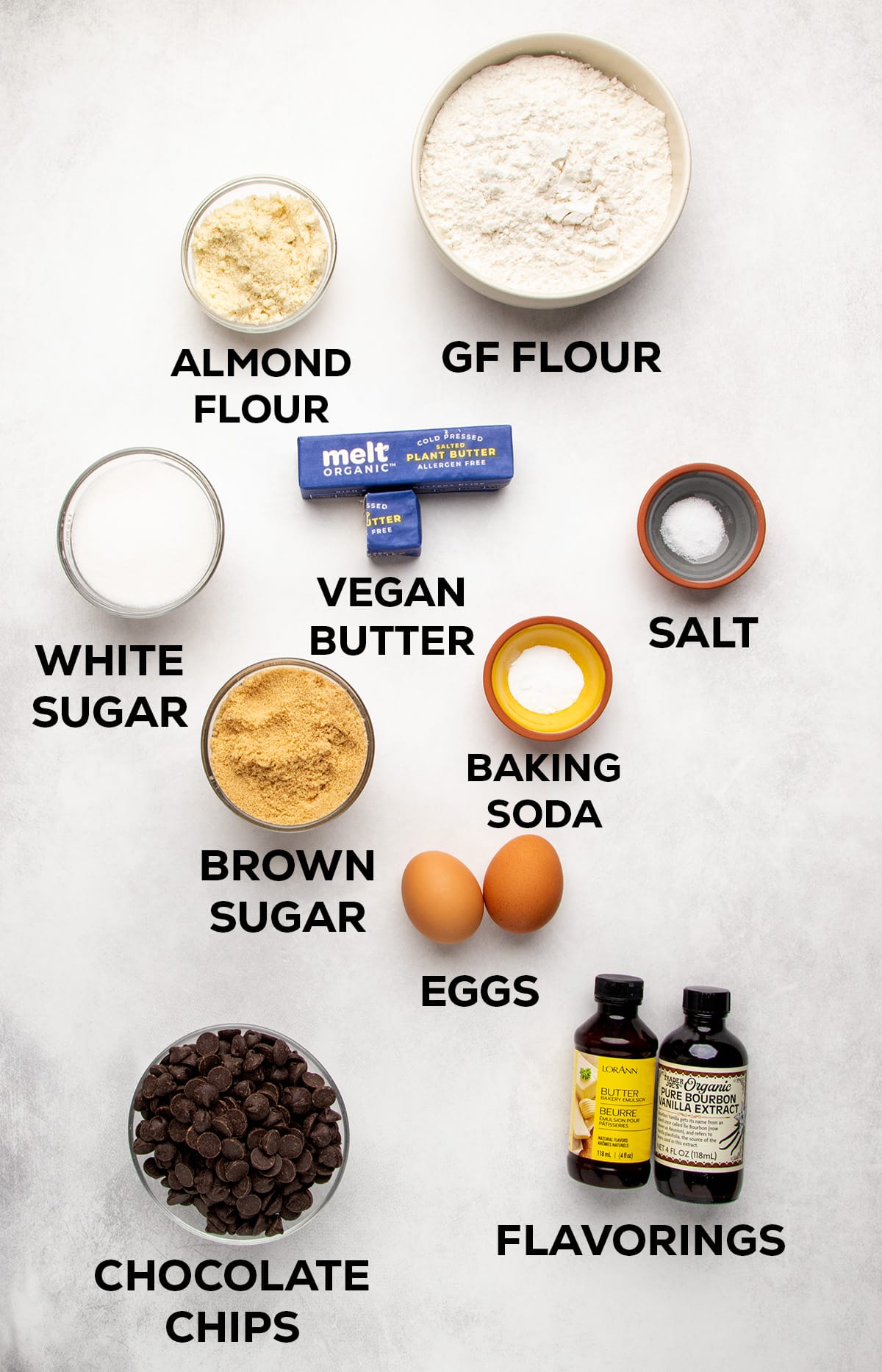
- Cold, Block-Style Vegan Butter: This is paramount. Unlike tub margarines, block-style vegan butter has a firmer consistency and a higher fat content, crucial for controlled melting during baking. Brands like Miyoko’s Kitchen (though noted to be cashew-based and unsuitable for nut allergies) and Melt Organic are examples of suitable options.
- Almond Flour: Finely ground and sifted almond flour contributes to tenderness, moisture, and a desirable golden-brown color.
- Gluten-Free Flour Blend: A well-balanced blend is essential. The article specifically mentions Better Batter’s original all-purpose blend and Bob’s Red Mill 1-to-1 baking flour (with an added ¼ teaspoon of xanthan gum). Xanthan gum is a common binder in gluten-free baking, providing structure and elasticity that gluten normally offers.
- Eggs: Eggs provide binding, leavening, and richness. For an egg-free option, the article suggests "chia eggs" (ground white chia seeds mixed with water), Bob’s Red Mill Egg Replacer, or JustEgg liquid egg substitute.
- Chocolate Chips: The choice of chocolate chips is important. For a fully dairy-free cookie, ensure the chocolate chips are also dairy-free.
- Butter Bakery Emulsion (Optional): This concentrated flavoring can enhance the buttery taste. Alternatives include extra vanilla extract or almond extract.
Expert Tips for Achieving Perfection
The article provides invaluable insights from the recipe developer, offering expert tips to ensure optimal results:
- Temperature is Key: Maintaining the coldness of the vegan butter is non-negotiable. Bringing it to room temperature will lead to greasy cookies.
- Brief Dough Chilling: While not strictly mandatory, a short chill of the dough (around 10 minutes) allows the fats to firm up slightly, leading to a smoother rise and the characteristic crackle on top as the cookies cool.
- Avoid Cold Baking Surfaces: Placing a cold baking sheet into a hot oven can cause a sudden temperature drop, potentially leading to uneven baking and dry cookies. Ensure baking sheets are at room temperature before use.
- Accurate Measurement: While the article mentions using a scale for portioning dough, accurate measuring of dry ingredients is also crucial for consistent results.
Ingredient Substitutions and Considerations
The recipe is thoughtfully designed to accommodate common dietary needs and preferences:
- Egg-Free Baking: The suggested substitutes for eggs are well-established in vegan and allergy-friendly baking, offering viable alternatives for those avoiding eggs.
- Nut Allergies: For those with almond allergies, finely ground hazelnut flour or oat flour are presented as potential substitutes. The article also wisely cautions about the potential for nut-based ingredients in vegan butter, advising caution for those with tree nut allergies.
- Flavor Variations: The flexibility in using different extracts or omitting the butter emulsion allows for personalization of the cookie’s flavor profile.
Storage and Longevity
The practicality of this recipe extends to its storage instructions. Raw cookie dough portions can be refrigerated for up to a week, allowing for spontaneous baking. Baked cookies maintain their quality for up to five days at room temperature when stored in an airtight container, and can be frozen for up to three months for longer-term enjoyment. This makes them an ideal candidate for make-ahead baking and meal prep.
Broader Implications and Market Trends
The development and sharing of such a successful gluten-free, dairy-free chocolate chip cookie recipe speaks volumes about current food trends and consumer demand. The market for allergen-friendly foods has seen significant growth in recent years, driven by an increasing awareness of food sensitivities and allergies, as well as a broader interest in healthier eating habits.
Recipes like this one are crucial in democratizing access to delicious treats for individuals with dietary restrictions. They empower home bakers to create homemade goods that rival or even surpass commercially produced options, often at a lower cost and with greater control over ingredients. The success of such recipes also encourages food manufacturers to continue innovating in the allergen-friendly space, leading to a wider variety of products available to consumers.
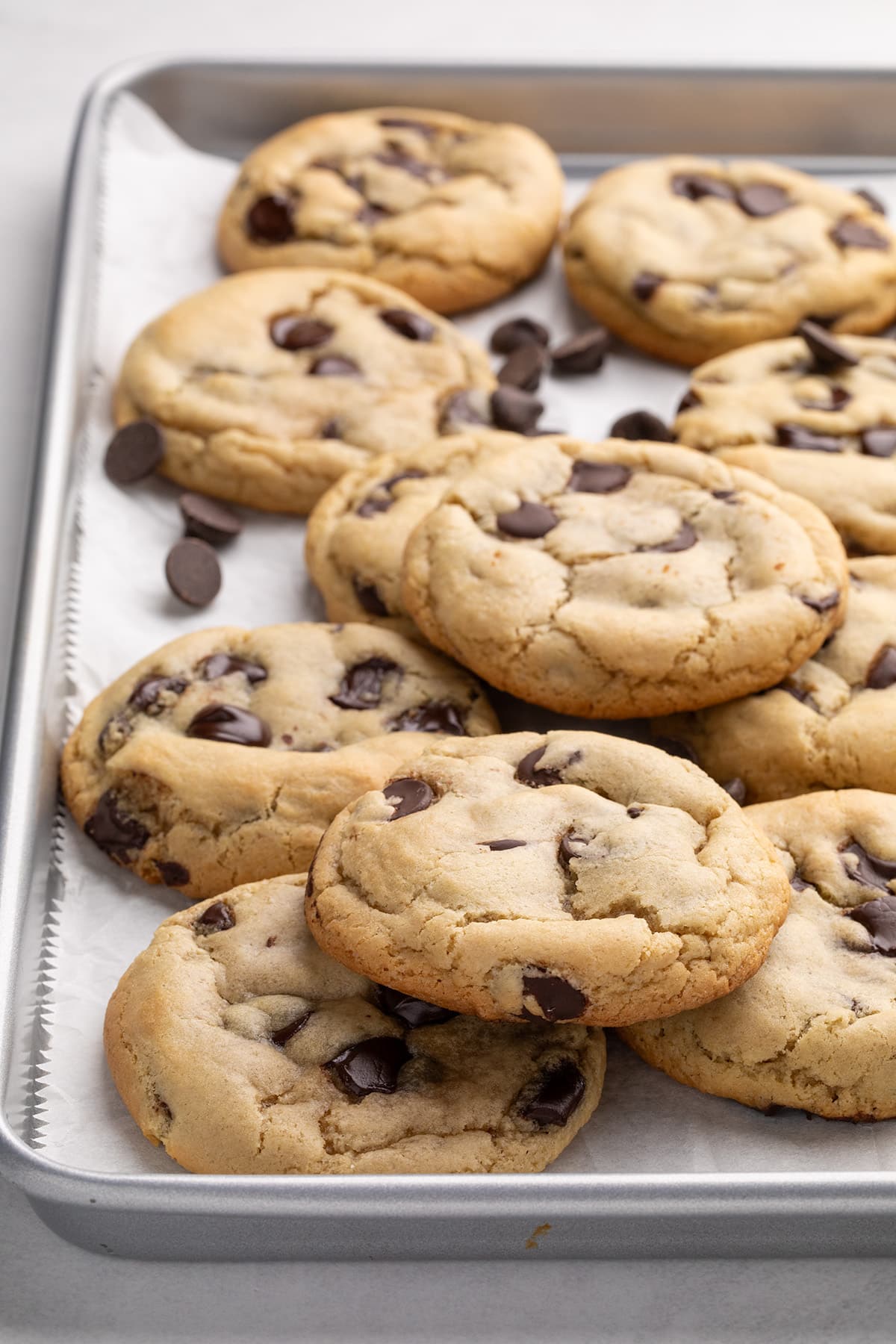
The focus on achieving a "thick with crisp edges and soft centers" texture is particularly noteworthy. This is the benchmark of a truly great chocolate chip cookie, and achieving it without dairy or gluten is a significant culinary achievement. It signifies a move beyond mere substitution towards genuine culinary innovation, where alternative ingredients are used not just to replace, but to enhance and create unique flavor and texture profiles. This recipe is not just about avoiding allergens; it’s about celebrating the joy of a perfectly baked cookie, accessible to everyone.
