

The culinary landscape of the American South is often defined by its ability to transform humble ingredients into sophisticated comfort food, a phenomenon exemplified by the enduring popularity of shrimp and grits. Once a localized seasonal breakfast for coastal fishermen in the Lowcountry regions of South Carolina and Georgia, the dish has evolved into a centerpiece of Southern gastronomy. Recently, culinary researchers at the Nashville Test Kitchen have refined a version of this classic that balances traditional flavors with the logistical demands of modern home cooking, producing a high-quality meal in a standardized 35-minute timeframe. This development highlights a broader trend in the food industry: the optimization of labor-intensive heritage recipes for the contemporary domestic kitchen without sacrificing the "bold attitude" associated with Creole and Cajun influences.
Historical Context and Regional Evolution
To understand the significance of modern shrimp and grits, one must examine its transition from a regional necessity to a national staple. For centuries, "shrimp and hominy," as it was originally known, was a modest dish consumed primarily during the summer shrimp season. The pairing was practical; grits, made from ground corn, were a shelf-stable pantry essential, while shrimp were a readily available protein for those living near the Atlantic coast.
The dish’s ascent to culinary prominence is often attributed to the late chef Bill Neal of Crook’s Corner in Chapel Hill, North Carolina. In the 1980s, Neal’s refined version—featuring cheese, mushrooms, and bacon—caught the attention of New York Times food critic Craig Claiborne. This exposure catalyzed the dish’s migration from private coastal kitchens to high-end restaurant menus across the United States. Today, the dish exists in various iterations, ranging from the gravy-heavy versions of the Lowcountry to the spice-forward, tomato-inclusive variations found in New Orleans. The Nashville Test Kitchen’s latest iteration focuses on a Cajun-seasoned profile, utilizing a silky pan sauce and sharp cheddar cheese to bridge the gap between traditional coastal preparation and interior Southern preferences.
Technical Execution and Preparation Timeline
The modern standard for shrimp and grits, as established by recipe developers like Melissa Nolan, emphasizes efficiency and technical precision. The process is designed to be completed in approximately 35 minutes, a duration that aligns with the "quick recipe" category favored by modern consumers. The preparation is divided into two simultaneous workflows: the simmering of the grains and the searing of the protein.
The Grits Component
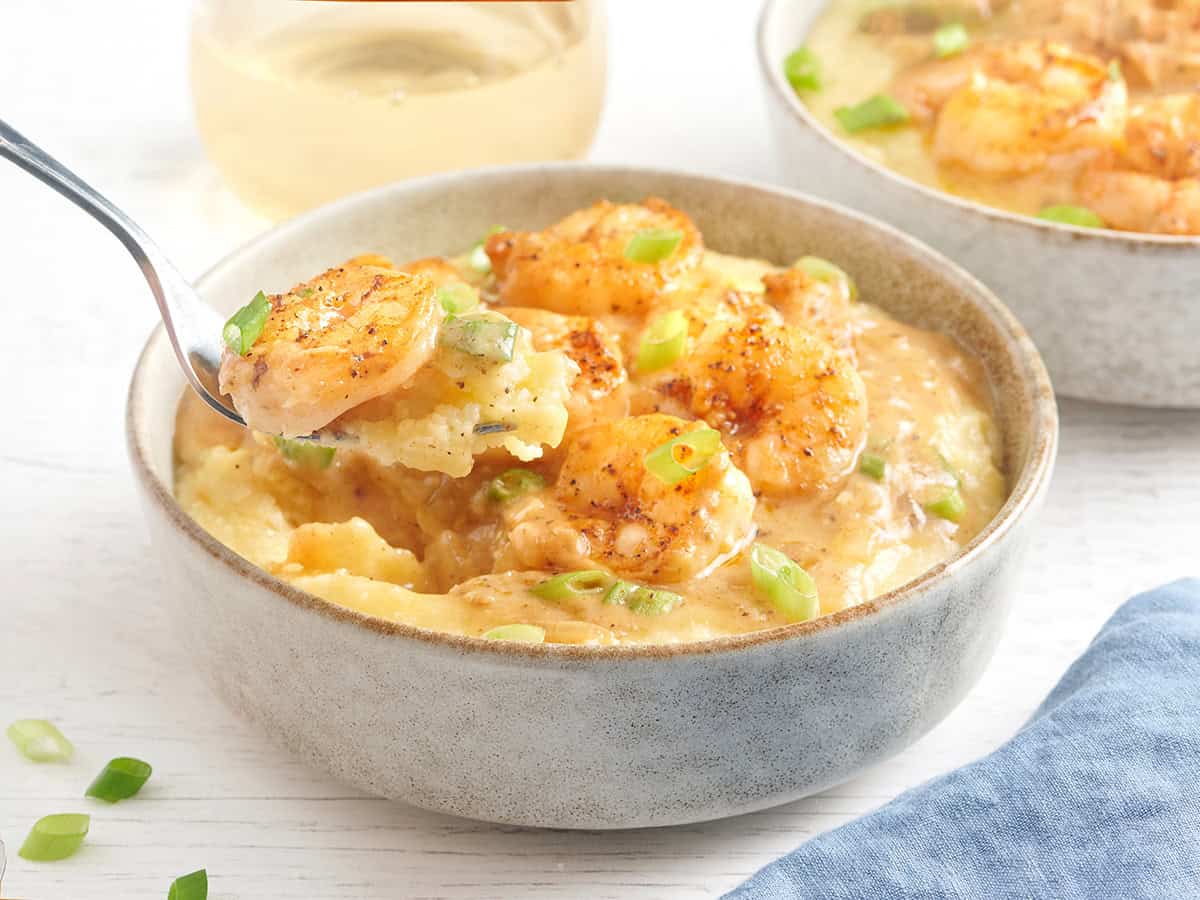
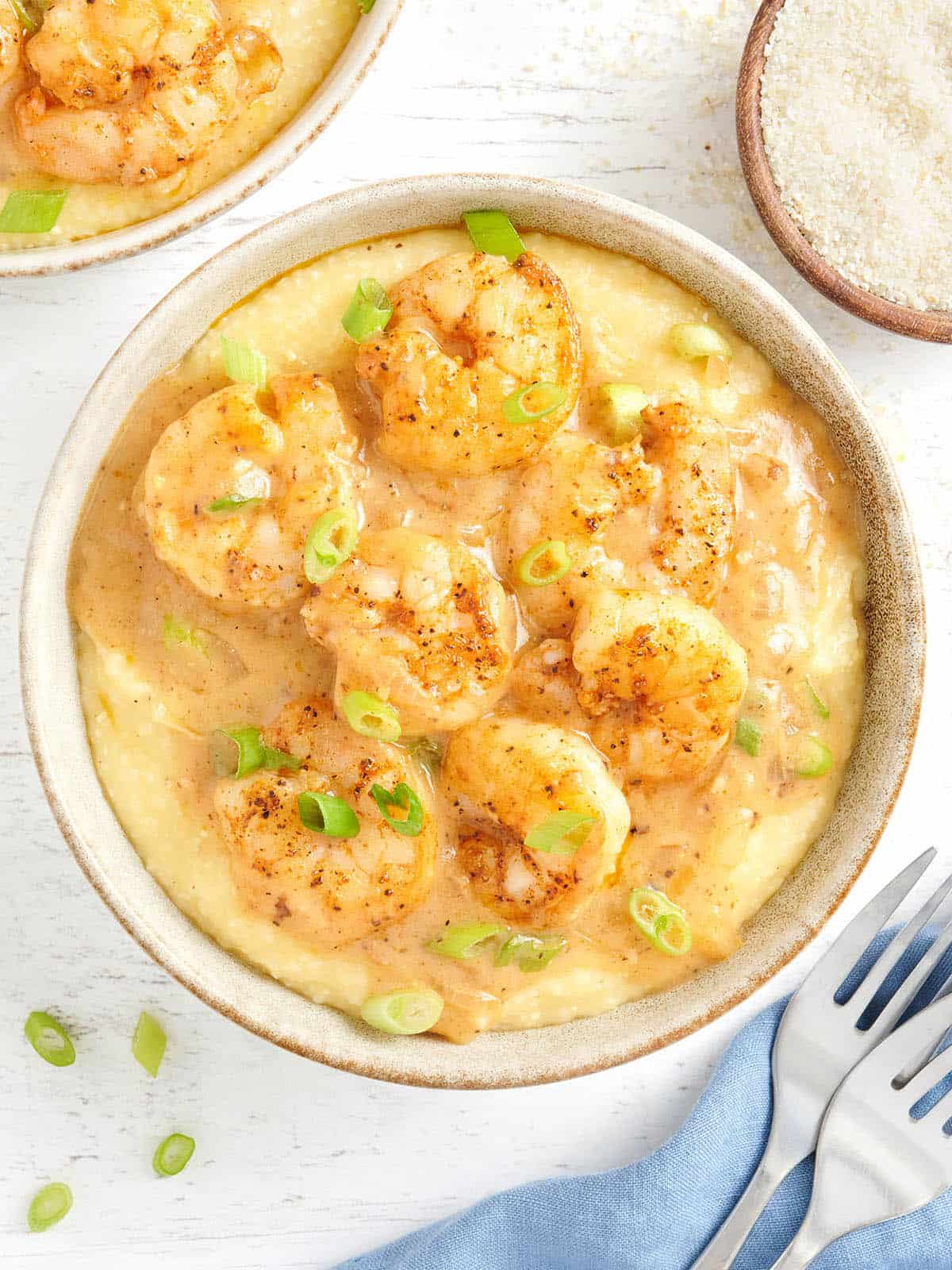
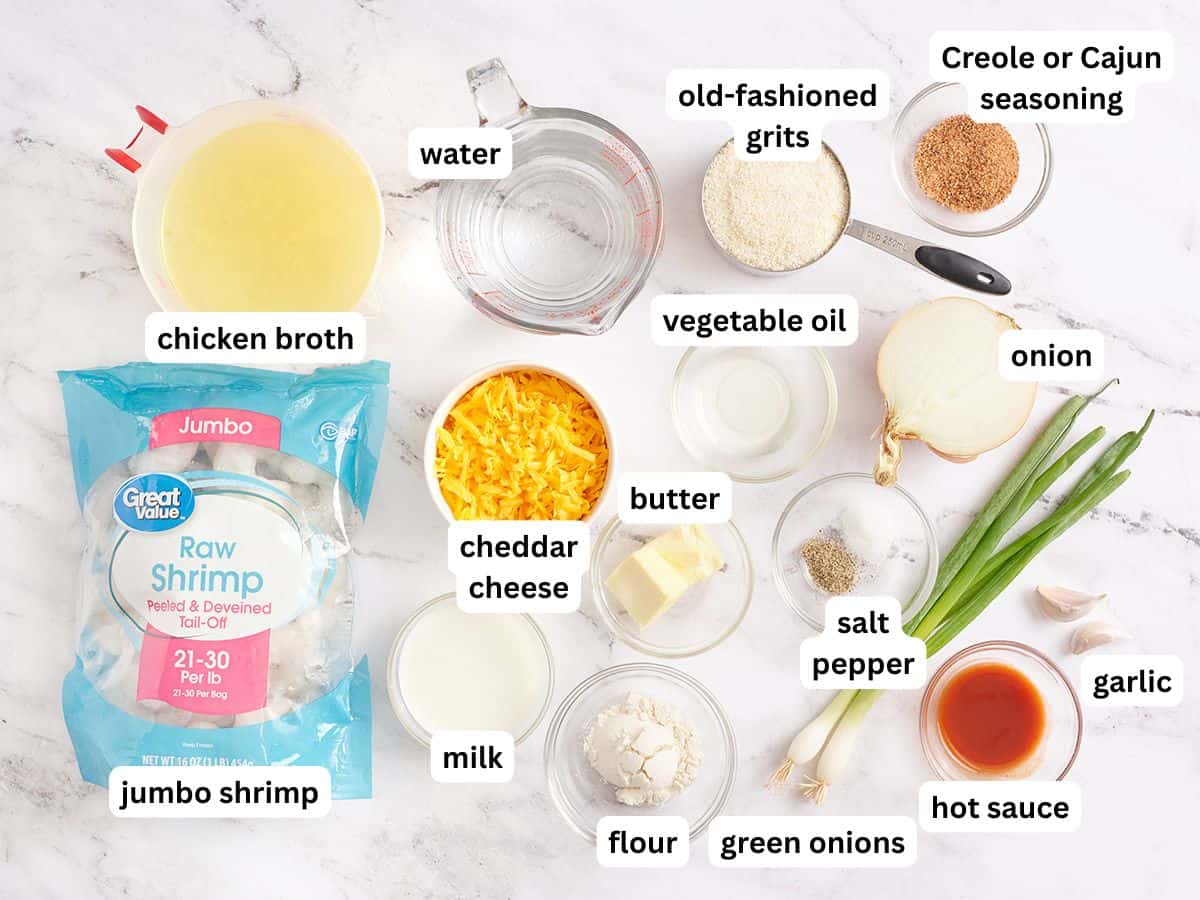
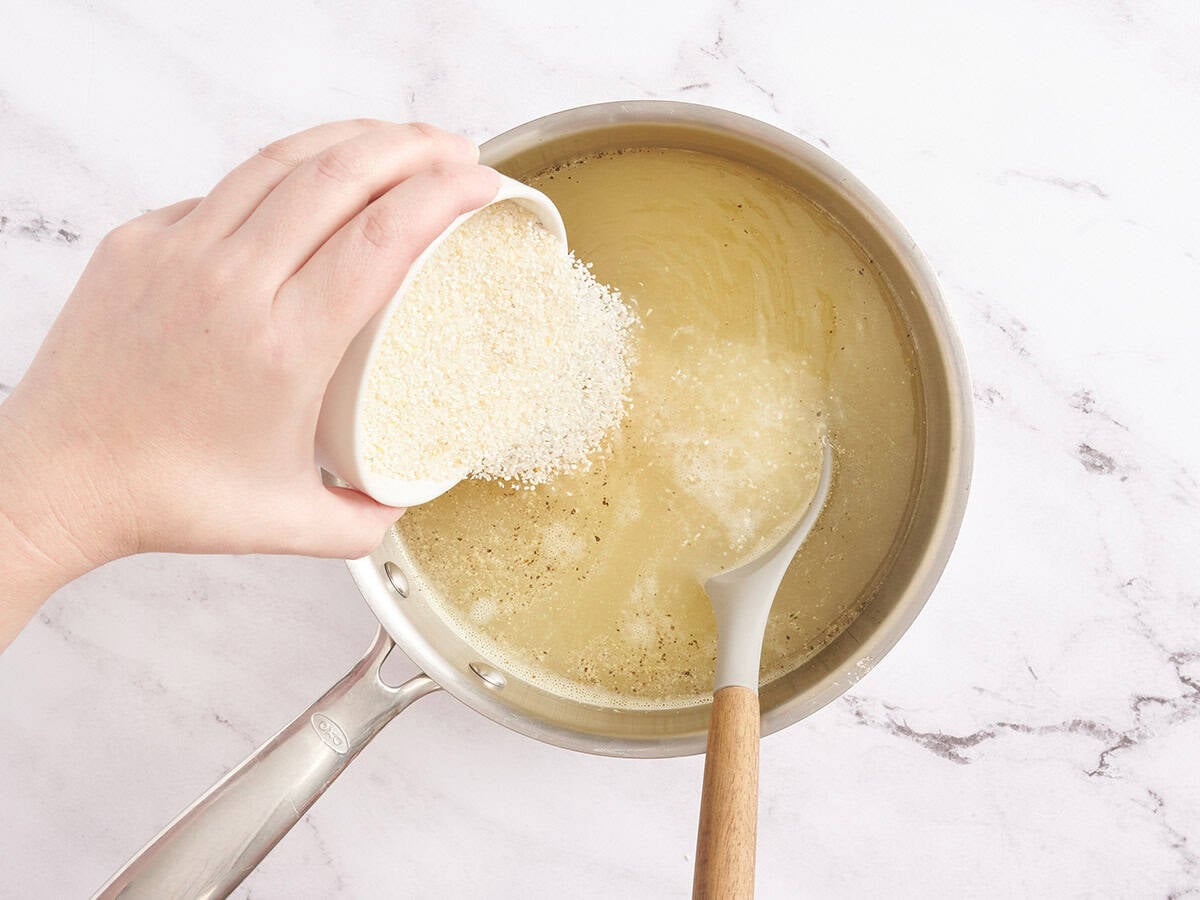
The foundation of the dish relies on the selection of old-fashioned grits. Unlike instant grits, which are pre-cooked and dehydrated, or stone-ground grits, which require upwards of an hour to soften, old-fashioned grits offer a middle ground. They retain a distinct corn texture while reaching a creamy consistency in 15 to 20 minutes. The Nashville methodology involves a 4:1 liquid-to-grain ratio, utilizing a combination of water and chicken broth to build a savory base. The addition of two tablespoons of butter and one cup of sharp cheddar cheese at the conclusion of the simmer serves to emulsify the mixture, resulting in a rich, velvet-like texture.
The Protein and Pan Sauce
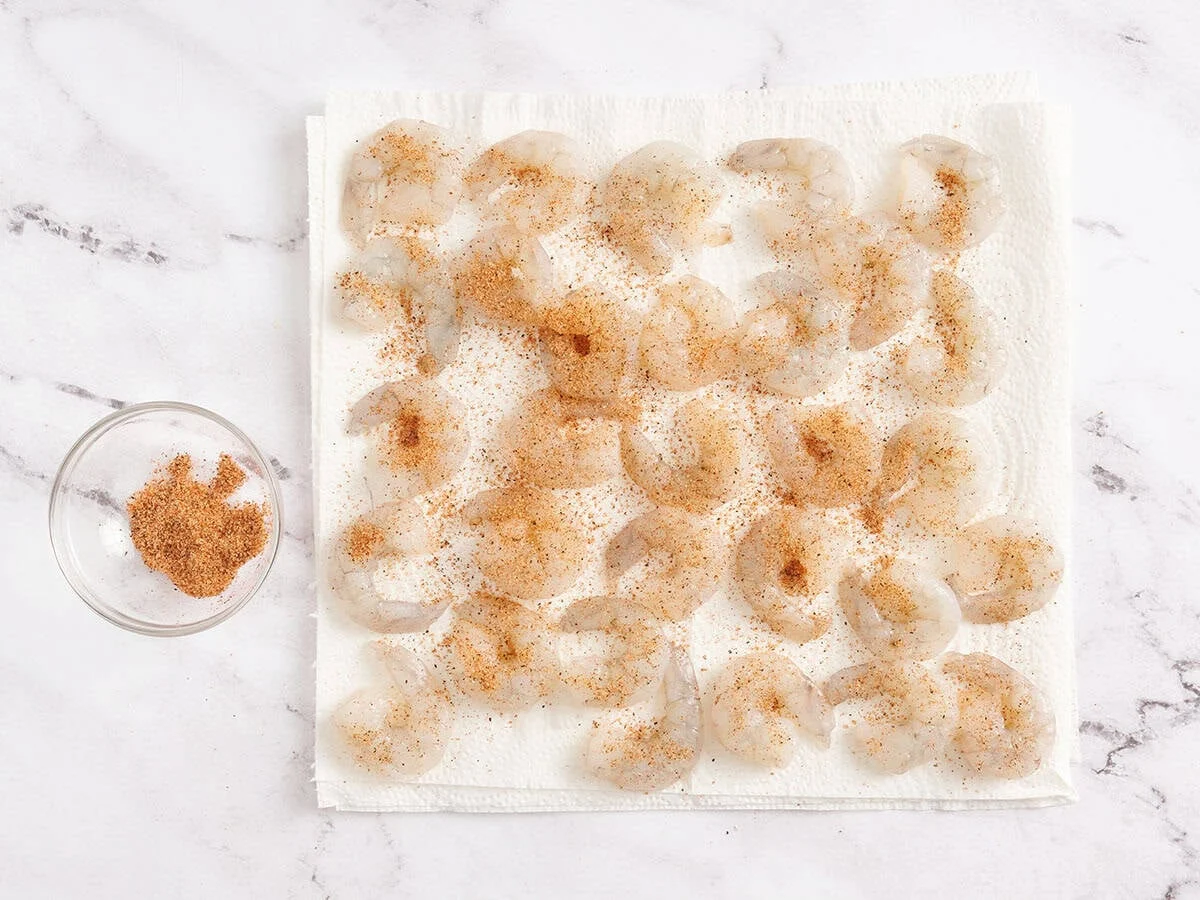
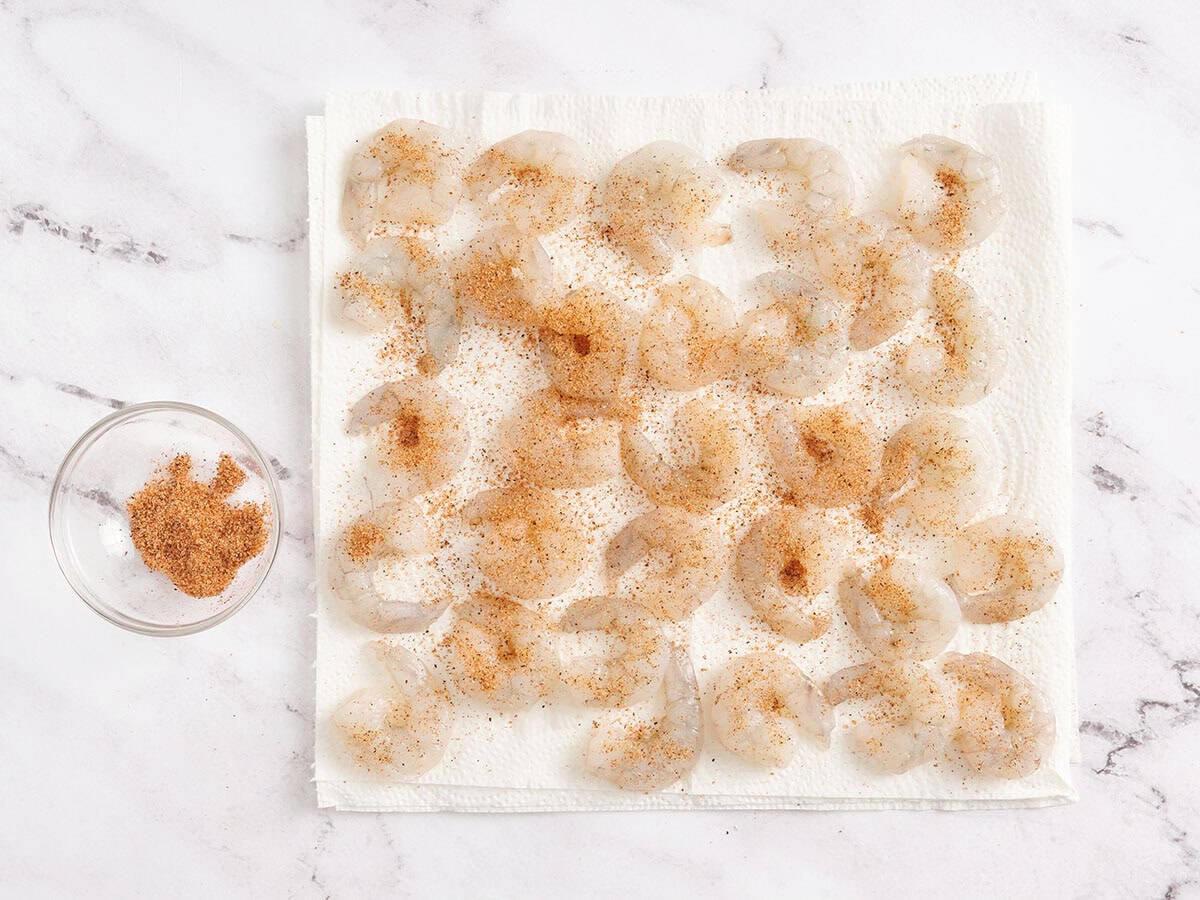
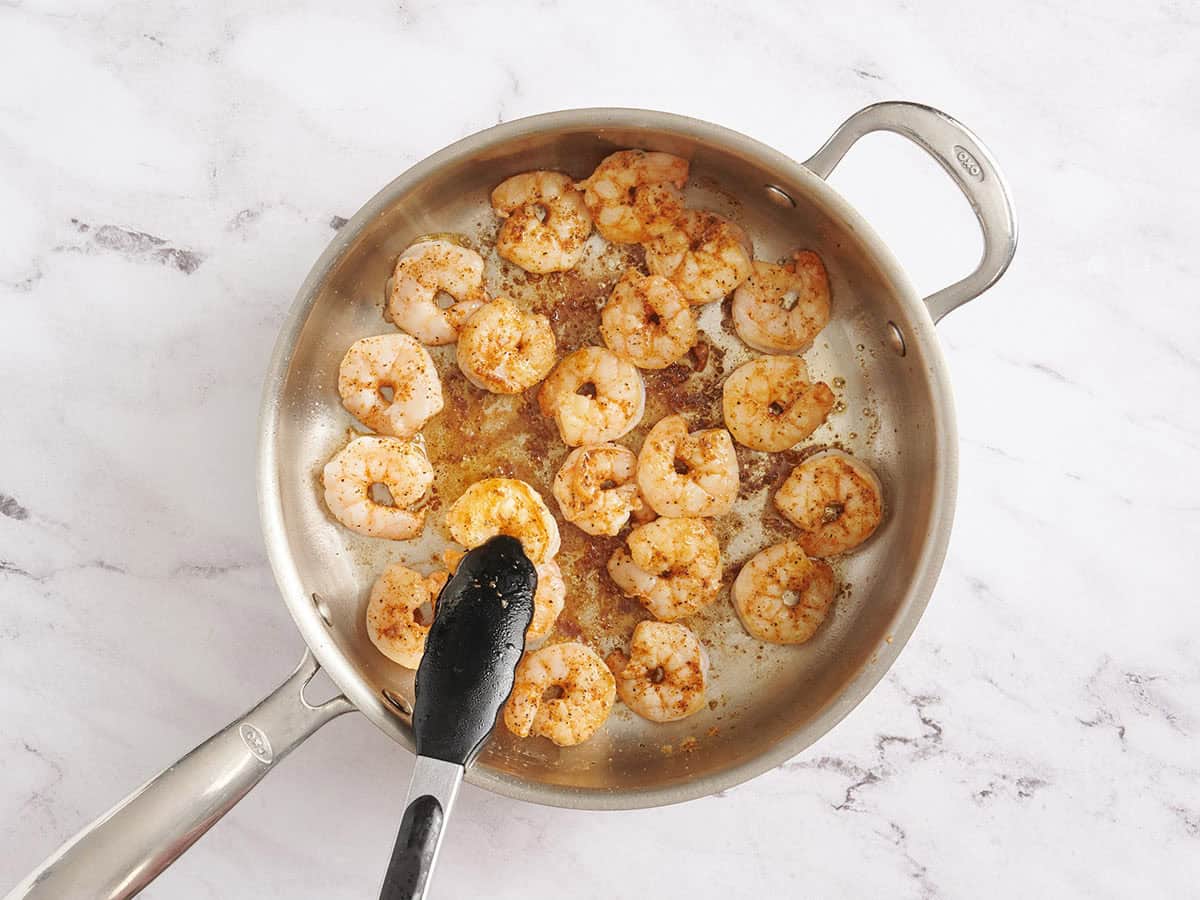
Simultaneously, the preparation of the shrimp requires a high-heat sear to achieve the Maillard reaction—a chemical reaction between amino acids and reducing sugars that gives browned food its distinctive flavor. The use of jumbo shrimp, peeled and deveined, ensures a substantial texture. These are coated in a Cajun or Creole seasoning blend, such as the commercially available "Slap Ya Mama" or a homemade equivalent.
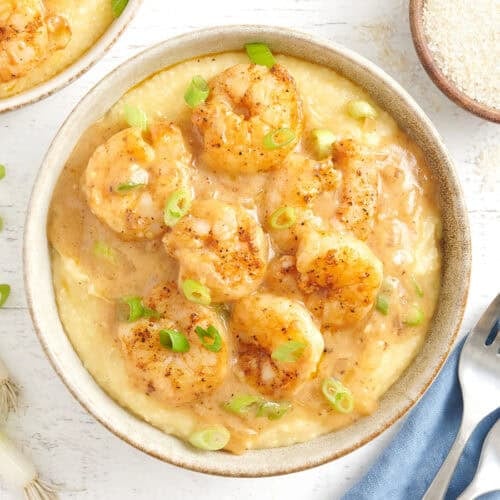
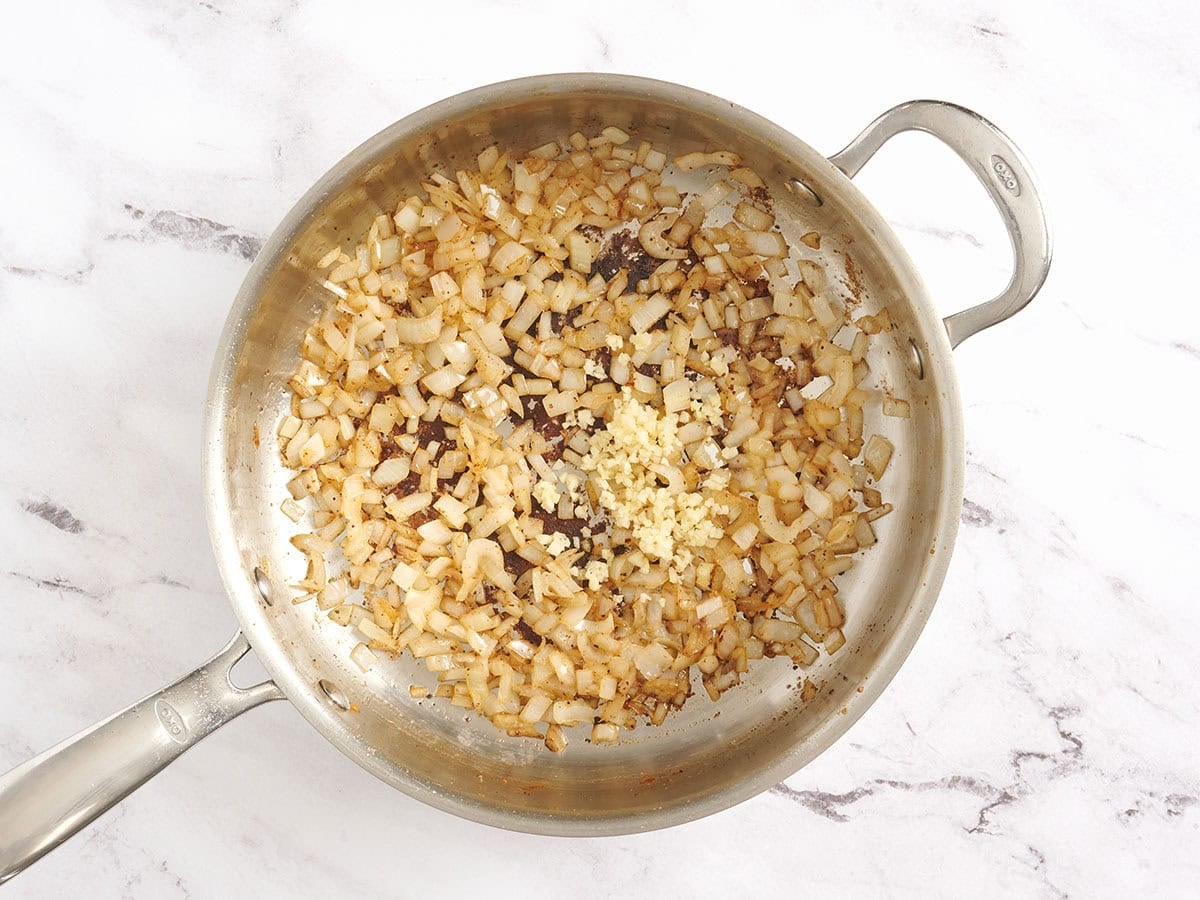
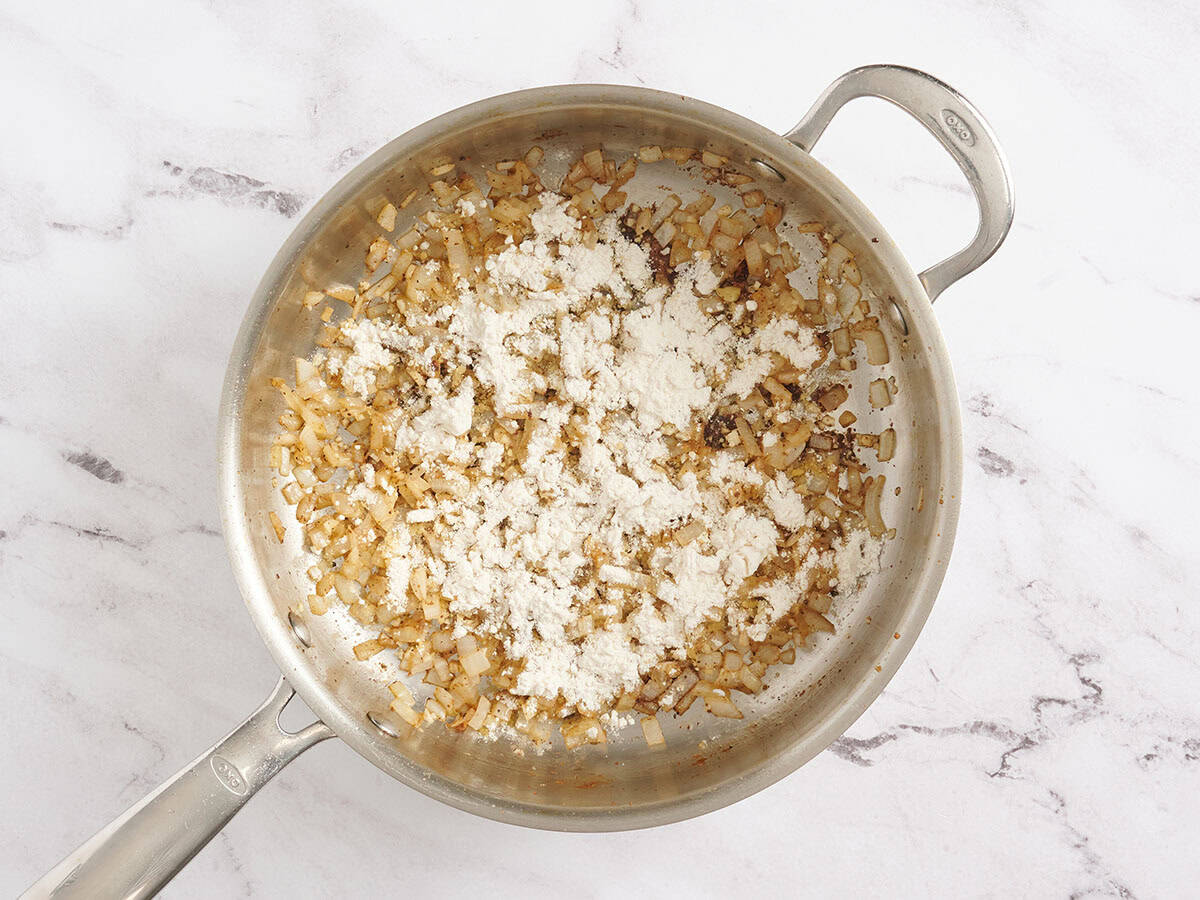
A critical technical aspect of this version is the creation of a "fond-based" pan sauce. After the shrimp are seared and removed to prevent overcooking, the resulting browned bits (fond) in the skillet are deglazed with onion, garlic, and chicken broth. A small amount of flour is introduced to create a light roux, which is then tempered with milk and hot sauce. This method ensures that the essence of the seasoned shrimp is fully integrated into the sauce that eventually coats the entire dish.
Economic Analysis of the Dish
In an era of fluctuating food prices and rising inflation, the cost-effectiveness of home-cooked meals has become a primary concern for the American public. An economic breakdown of the Nashville Test Kitchen’s shrimp and grits recipe reveals a total cost of $11.68 for a four-serving yield. This equates to approximately $2.92 per serving, a figure that stands in stark contrast to the average restaurant price for the same dish, which typically ranges from $18.00 to $28.00 in mid-market urban areas.
The affordability of the dish is achieved through strategic ingredient sourcing. The use of concentrated bases, such as Better Than Bouillon, reduces the cost of savory liquids compared to purchasing pre-packaged cartons of broth. Furthermore, by utilizing frozen jumbo shrimp—which are often flash-frozen at sea to preserve quality—consumers can access high-quality seafood at a lower price point than "fresh" counter options, which are frequently thawed versions of the same product.
Nutritional Profile and Dietary Considerations
From a nutritional standpoint, a single serving of this shrimp and grits preparation (comprising approximately one cup of grits and seven jumbo shrimp) contains 468 calories. The dish is protein-dense, providing 28 grams of protein, largely sourced from the shrimp. However, the inclusion of cheddar cheese, butter, and chicken broth contributes to a significant sodium content of 1771 mg, representing 77% of the recommended daily value.
To address modern dietary restrictions, the recipe is naturally egg-free and soy-free. Culinary experts also suggest adaptations for dairy-free diets, recommending the substitution of traditional butter with plant-based alternatives and replacing the milk in the pan sauce with additional chicken broth. These modifications allow the dish to remain accessible to a broader demographic without compromising the fundamental flavor profile.
Food Safety and Storage Protocols
The handling of seafood necessitates strict adherence to food safety standards. According to the United States Department of Agriculture (USDA), shrimp should be cooked to an internal temperature of 145°F and should appear fully opaque. For frozen shrimp, the Nashville Test Kitchen recommends a controlled thaw in the refrigerator overnight or a quick thaw under cold running water for 10 minutes. Thawing at room temperature or using hot water is discouraged due to the risk of bacterial growth in the "danger zone" (40°F – 140°F).
Regarding leftovers, the physical properties of grits present a unique challenge. Upon cooling, the starch molecules in the corn undergo retrogradation, causing the grits to firm up and lose their creamy consistency. While they can be stored in an airtight container for three to four days, reheating requires the addition of supplemental liquid—milk, water, or broth—and gentle agitation to restore the original texture. An alternative culinary application for solidified leftovers is the creation of "grit cakes," where the firm mixture is sliced and pan-fried in butter, a technique common in Southern "second-day" cooking.
Broader Impact and Culinary Implications
The success of the 35-minute shrimp and grits model reflects a larger shift in the American culinary identity. There is an increasing demand for "comfort food with attitude"—dishes that provide the emotional satisfaction of traditional home cooking while incorporating the bold, spicy profiles associated with global and regional cuisines.
Furthermore, the role of professional test kitchens in Nashville and beyond has become pivotal in democratizing gourmet flavors. By rigorously testing recipes for affordability and ease of execution, these institutions empower home cooks to replicate restaurant-quality experiences. The inclusion of step-by-step photographic documentation and detailed ingredient notes addresses the "confidence gap" that often prevents novice cooks from attempting seafood dishes.
As Southern cuisine continues to gain international recognition, the standardization of recipes like shrimp and grits ensures that the cultural heritage of the Lowcountry is preserved, even as it is adapted for the fast-paced environment of the 21st century. The dish remains a testament to the ingenuity of the Southern kitchen, proving that with the right technique, simple grains and local seafood can produce a result that is, in the words of culinary developers, "absolute perfection."
Industry Response and Market Trends
Market analysts note that the popularity of seafood-based comfort food is on the rise, driven by a consumer shift toward leaner proteins. Shrimp, in particular, has seen a steady increase in domestic consumption due to its versatility and relatively low caloric density compared to red meat. The integration of shrimp into traditional grain-based dishes like grits aligns with the "Mediterranean-style" eating patterns that emphasize seafood and whole or minimally processed grains.
Retailers have also responded to this trend by increasing the availability of specialized ingredients. "Old-fashioned" and "stone-ground" grits, once found only in specialty Southern markets, are now common in national grocery chains. Similarly, the expansion of the Cajun and Creole spice market indicates a growing national palate for the heat and complexity found in the Nashville Test Kitchen’s seasoning choices.
In conclusion, the modern preparation of shrimp and grits represents more than just a meal; it is a intersection of history, economics, and food science. By optimizing the preparation process to 35 minutes and maintaining a price point under $3.00 per serving, culinary professionals have ensured that this Southern classic remains a viable and beloved option for the modern dinner table. Whether served as a hearty breakfast, a sophisticated brunch, or a quick weeknight dinner, shrimp and grits continues to stand as a pillar of American regional cooking, refined for the contemporary era.
