

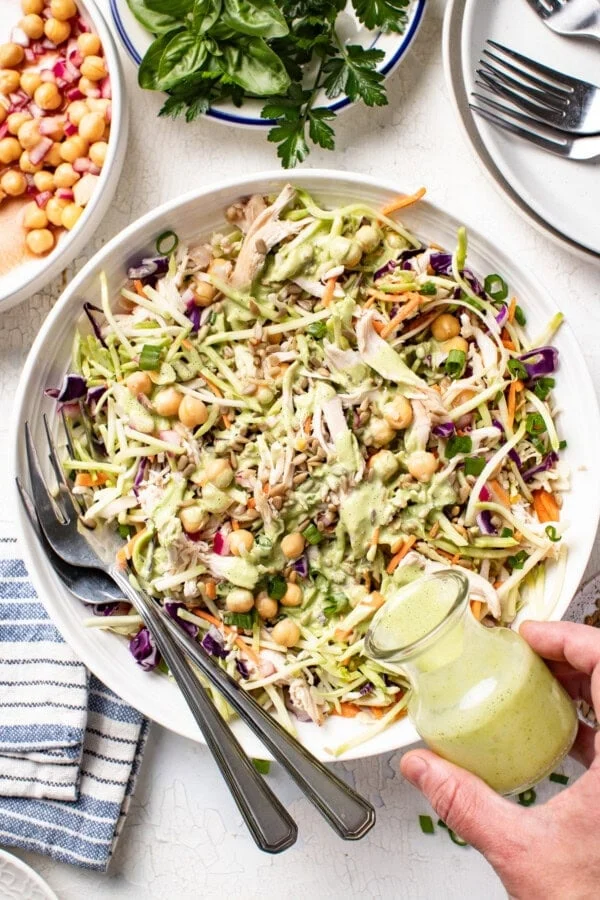
The culinary landscape continually evolves, driven by consumer demand for both convenience and nutritional efficacy. In this context, the emergence of dishes that expertly balance these priorities garners significant attention. One such innovation, the Green Goddess Chicken Chickpea Salad, distinguishes itself as a robust, no-cook meal prep option, meticulously crafted to deliver high protein and fiber content alongside a vibrant array of crunchy vegetables. This recipe, gaining traction among health-conscious individuals and busy professionals, offers a compelling solution for sustained energy and dietary satisfaction throughout the week. Its design emphasizes ease of preparation, utilizing pre-cooked chicken and a unique, lightened Green Goddess dressing, signaling a broader trend towards functional and accessible healthy eating.
The Genesis of Green Goddess: A Culinary History and Modern Adaptation
The Green Goddess dressing, a cornerstone of this salad, boasts a rich history rooted in American culinary tradition. Its origins trace back to the 1920s at the Palace Hotel in San Francisco, reportedly created for actor George Arliss, who was starring in William Archer’s play "The Green Goddess." The original dressing was a creamy, herb-laden concoction typically featuring mayonnaise, sour cream, chives, parsley, tarragon, anchovies, lemon juice, and sometimes garlic. Its distinctive verdant hue and complex flavor profile quickly cemented its status as a classic, primarily used as a salad dressing or a dip.
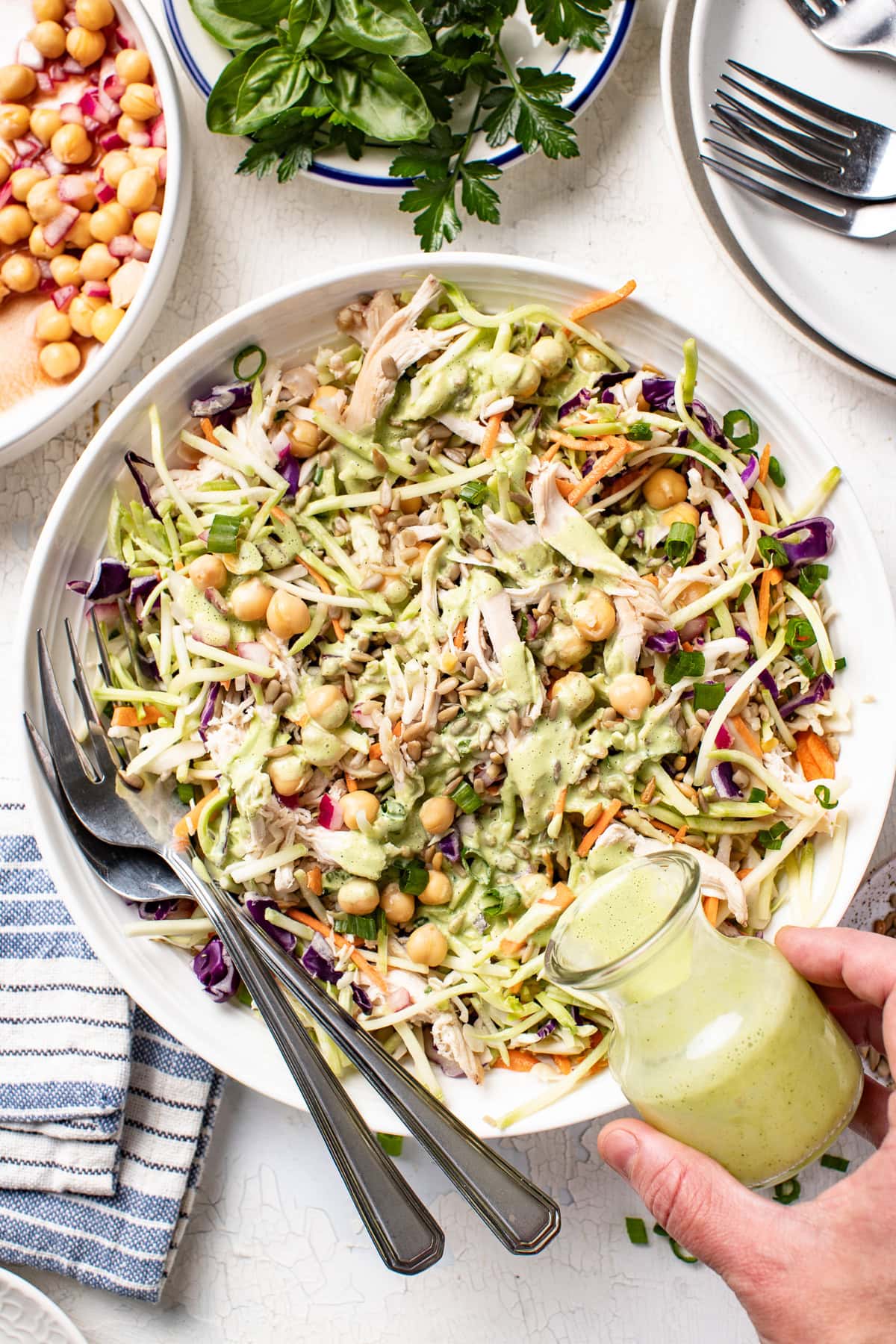
Over the decades, Green Goddess dressing has seen numerous adaptations, reflecting shifting dietary preferences and ingredient availability. Traditional versions, while flavorful, were often rich and calorie-dense due to the heavy use of mayonnaise and sour cream. The contemporary iteration featured in this Chicken Chickpea Salad represents a significant departure, aligning with modern nutritional science and culinary trends. By strategically swapping a portion of the mayonnaise with Greek yogurt, the dressing maintains its characteristic creamy texture and herbaceous essence while simultaneously boosting its protein content and reducing its fat profile. This modification not only enhances the dressing’s nutritional value but also contributes to the overall satiety of the meal, making it a more suitable component for a balanced, high-protein diet. This evolution underscores a broader movement in food preparation: honoring classic flavors while innovating to meet contemporary health objectives.
Nutritional Powerhouse: Deconstructing the Green Goddess Chicken Chickpea Salad
The Green Goddess Chicken Chickpea Salad is meticulously designed as a complete meal, offering a comprehensive nutritional profile that supports satiety, muscle maintenance, and digestive health. With approximately 326 kcal per 1.5-cup serving, it delivers a substantial 30 grams of protein and 6 grams of fiber, positioning it as an exemplary choice for those adhering to high-protein, high-fiber dietary regimens.
High Protein Content: Fueling Muscle and Satiety
The dual protein sources—chicken and chickpeas—are central to this salad’s nutritional appeal. Cooked shredded chicken provides a complete protein, rich in essential amino acids vital for muscle repair, growth, and overall bodily functions. Poultry is also a significant source of B vitamins (niacin, B6, B12), phosphorus, and selenium. Complementing the chicken, chickpeas (garbanzo beans) contribute an additional layer of plant-based protein, making the salad more diverse in its amino acid profile and appealing to a wider range of dietary preferences. The inclusion of Greek yogurt in the dressing further elevates the protein count. Greek yogurt, known for its concentrated protein content compared to regular yogurt, enhances the creamy texture while providing beneficial probiotics and calcium. This synergistic combination of animal and plant proteins ensures prolonged satiety, helping to manage appetite and support weight management efforts by reducing the likelihood of snacking between meals.

Fiber-Rich Foundation: Enhancing Digestive Health and Glycemic Control
The salad’s high fiber content, at 6 grams per serving, is primarily derived from the chickpeas and the robust "crunchy veggie slaw." Chickpeas are renowned for their soluble and insoluble fiber, which play crucial roles in digestive health. Soluble fiber helps lower cholesterol and regulate blood sugar levels, while insoluble fiber adds bulk to stool, promoting regularity and preventing constipation. The medley of vegetables—typically including cabbage, carrots, and celery—further amplifies the fiber profile. Cabbage, a cruciferous vegetable, is particularly rich in dietary fiber and various micronutrients. Carrots contribute beta-carotene, an antioxidant precursor to Vitamin A, and additional fiber, while celery provides hydration and a crisp texture alongside its fibrous content. This abundant fiber matrix contributes to a healthy gut microbiome, supports stable blood glucose levels, and aids in prolonged feelings of fullness, making the salad an effective tool for metabolic health.
Balanced Macronutrients and Micronutrient Density
Beyond protein and fiber, the Green Goddess Chicken Chickpea Salad offers a balanced distribution of macronutrients. With approximately 13 grams of fat, including a modest 2.5 grams of saturated fat, the salad utilizes healthy fats from sources like mayonnaise (in moderation) and potentially a touch of olive oil in the dressing. These fats are essential for nutrient absorption, hormone production, and cellular function. The carbohydrate content, around 21.5 grams with 4.5 grams of sugar, primarily comes from the vegetables and chickpeas, providing complex carbohydrates for sustained energy rather than rapid sugar spikes.
Moreover, the salad is a good source of various micronutrients. The fresh herbs in the Green Goddess dressing (such as parsley, chives, tarragon, dill) are packed with vitamins A, C, and K, as well as antioxidants. Red onions contribute quercetin, an antioxidant with anti-inflammatory properties, and other beneficial compounds. The diverse vegetable base ensures a spectrum of vitamins, minerals, and phytonutrients crucial for overall well-being, immune function, and cellular protection. This comprehensive nutritional breakdown underscores the salad’s status as a thoughtfully constructed meal designed for optimal health outcomes.

The Art of Assembly: A Step-by-Step Culinary Guide for Efficiency
The creation of the Green Goddess Chicken Chickpea Salad is streamlined for maximum efficiency, emphasizing a no-cook approach that significantly reduces preparation time and effort. This makes it an ideal candidate for weekly meal preppers seeking nutritious options without extensive kitchen commitment.
Preparation Efficiency: The No-Cook Advantage
The primary appeal of this recipe lies in its "no-cook" designation. This is achieved by utilizing pre-cooked chicken, which can be store-bought rotisserie chicken, leftover roasted chicken, or chicken prepared specifically for meal prep earlier in the week. This foundational element eliminates the most time-consuming step of many protein-based meals. The remaining components—chickpeas, vegetables, and dressing—require only chopping, rinsing, and blending. This minimalist cooking approach is particularly beneficial for individuals with limited time, access to cooking facilities, or those looking to minimize energy consumption in the kitchen, reflecting a growing trend towards ready-to-assemble meals.
Crafting the Signature Green Goddess Dressing
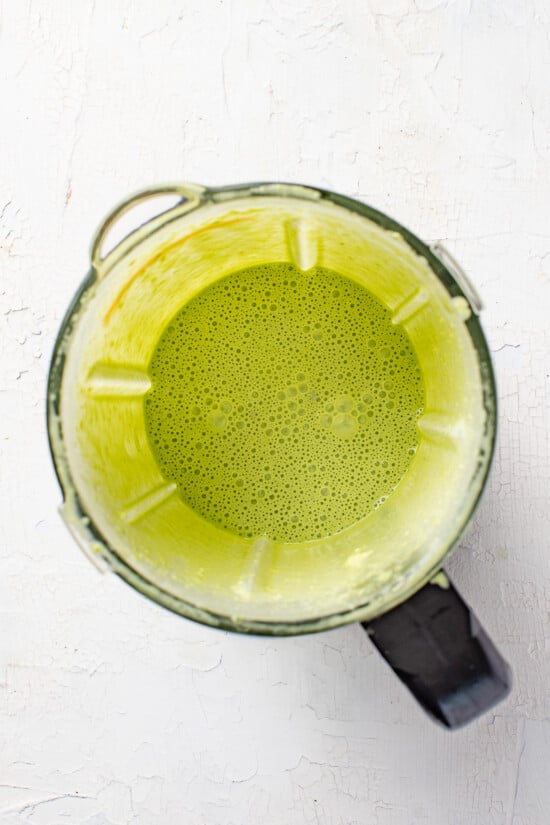
The heart of this salad’s flavor profile is its vibrant Green Goddess dressing. The preparation involves combining a blend of fresh herbs, typically parsley, chives, tarragon, and sometimes dill, with a creamy base of Greek yogurt and mayonnaise. Lemon juice is critical for adding a bright, acidic counterpoint that enhances the herbaceous notes and cuts through the richness of the dairy. Garlic contributes a pungent depth, while salt and pepper season the dressing to taste. All these ingredients are typically blended until smooth and emulsified, creating a thick, pourable dressing with a characteristic light green hue. The substitution of Greek yogurt for a portion of the mayonnaise is a deliberate modification, aimed at reducing caloric density and increasing protein, thereby aligning the dressing with contemporary health-conscious dietary guidelines without sacrificing the beloved creamy texture and aromatic complexity of the original.
Marinating the Chickpeas: A Flavor Infusion Technique
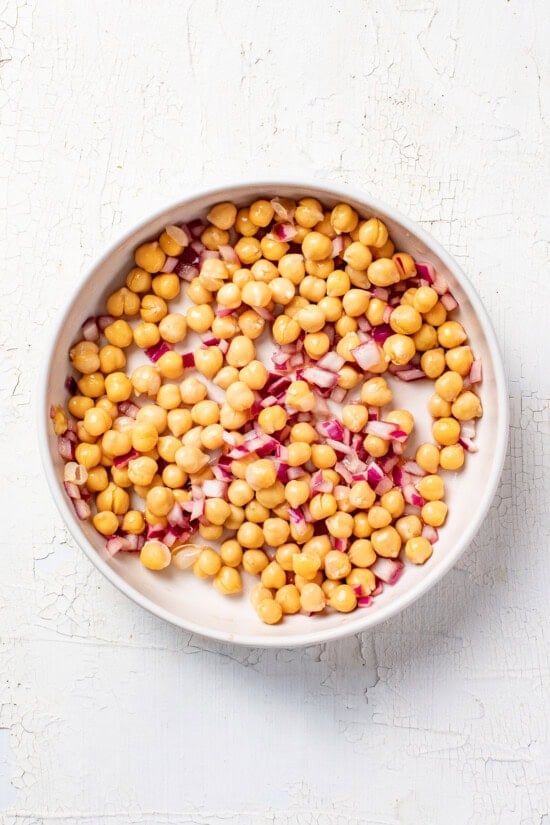
A subtle yet impactful step in this recipe is the brief marination of the chickpeas and red onions. After rinsing and draining canned chickpeas, they are combined with thinly sliced red onions. While the original article does not specify the marinade, common practice for enhancing chickpeas in salads often involves a simple mixture of olive oil, a touch of vinegar (such as red wine or apple cider), salt, pepper, and perhaps a pinch of dried herbs. This marination serves several purposes: it allows the chickpeas to absorb additional flavor, softens the sharpness of the raw red onion, and contributes to the overall cohesive taste of the salad. The onions, when lightly marinated, become less pungent and more integrated into the salad’s flavor profile, adding a pleasant, subtle bite rather than an overpowering sharpness. This technique elevates the humble chickpea from a mere texture component to a deeply flavored ingredient.
Assembling the Salad Components
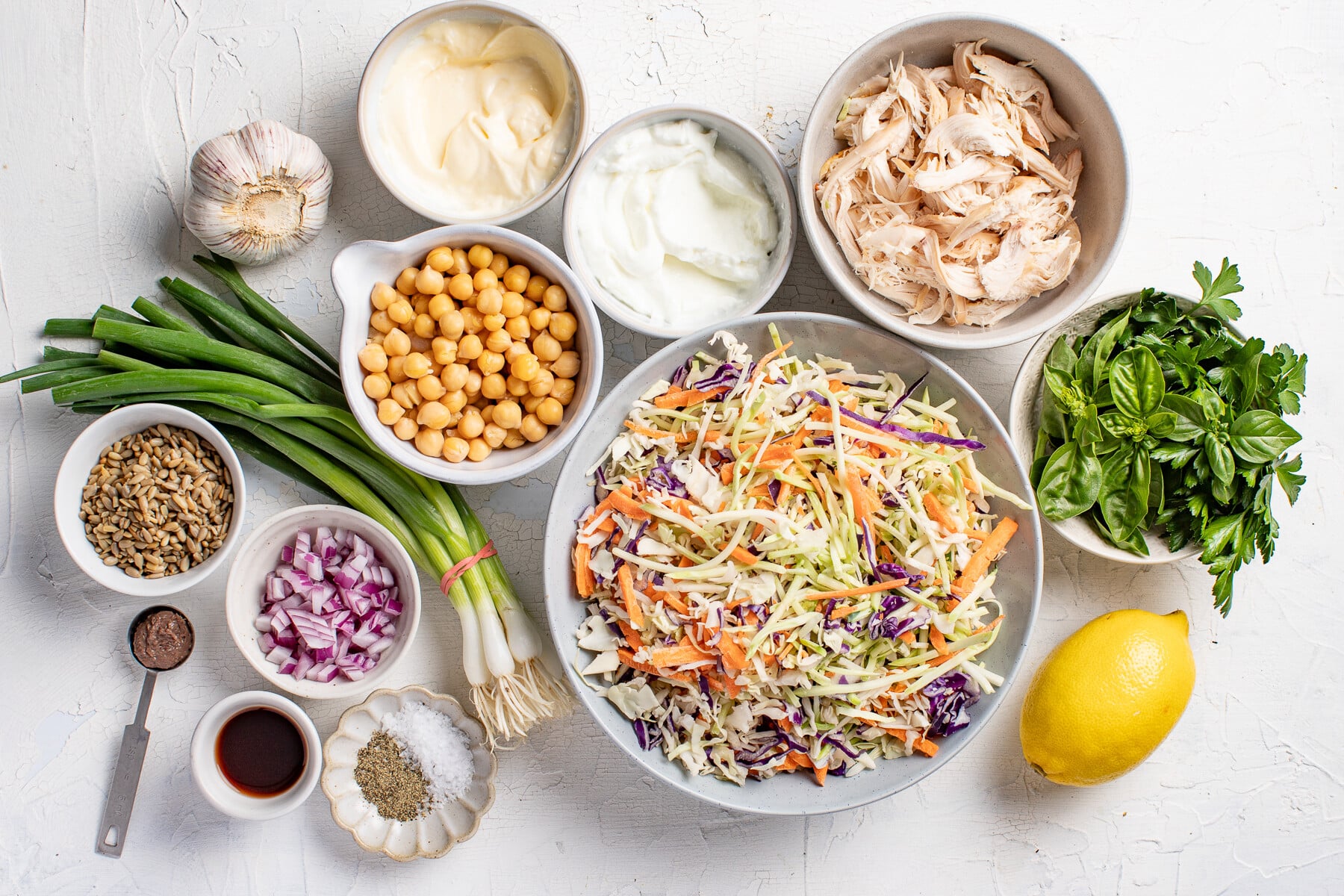
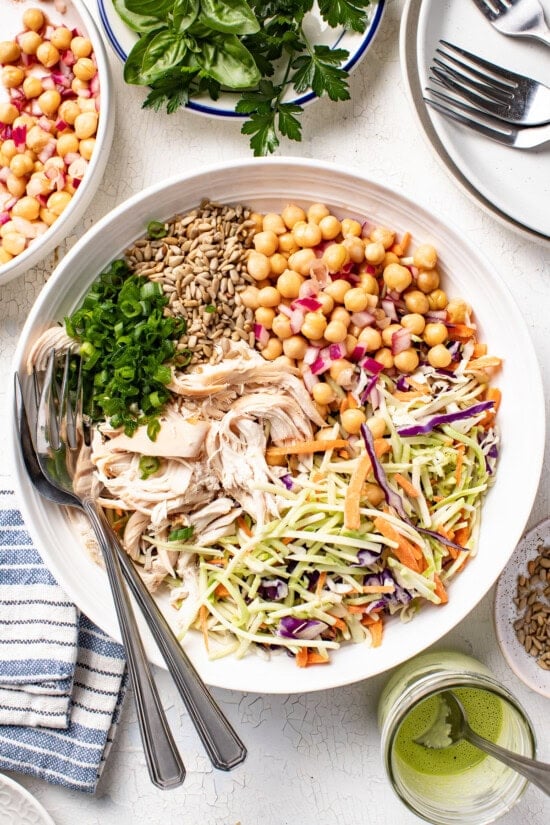
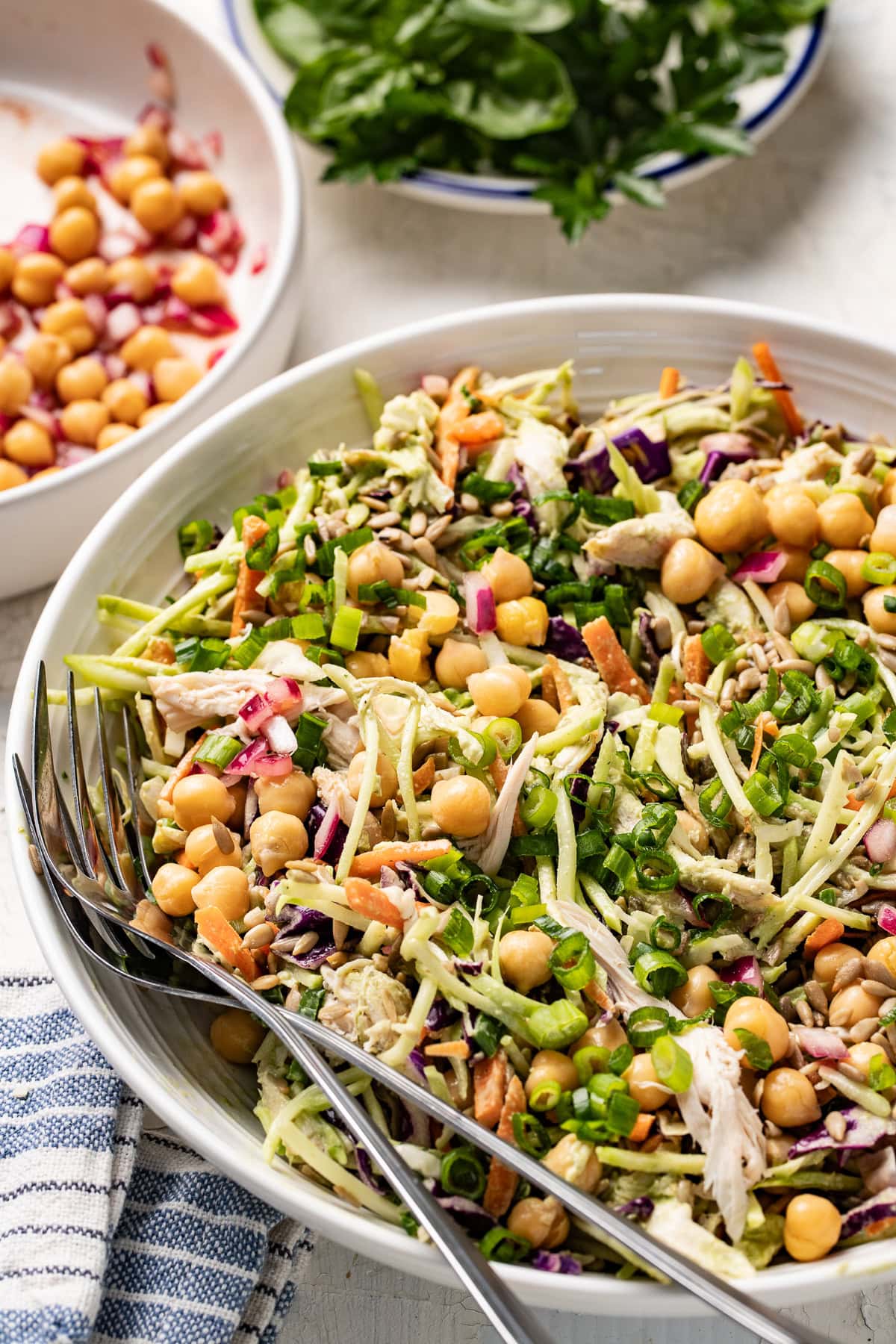
Once the dressing is prepared and the chickpeas are marinated, the final assembly is straightforward. Cooked shredded chicken is combined with the marinated chickpeas and red onions. The "crunchy veggie slaw" forms the bulk of the salad’s texture and fresh flavor. This typically comprises finely shredded or chopped cabbage (green or purple for visual appeal), grated carrots, and diced celery. These vegetables are chosen for their crispness and ability to hold up well over several days, crucial for meal prep. The entire mixture is then ready to be tossed with the Green Goddess dressing. For optimal freshness and texture preservation, particularly when meal prepping, it is often recommended to combine the dressing with the solid ingredients just before serving. This prevents the vegetables from becoming soggy and ensures each bite delivers maximum crunch and vibrant flavor. The visual appeal of the salad, with its varying textures and verdant hues, further enhances its desirability as a wholesome and enjoyable meal.
Strategic Meal Preparation: Longevity and Freshness
The design of the Green Goddess Chicken Chickpea Salad inherently lends itself to efficient meal preparation, addressing the modern demand for convenient, healthy food options that remain fresh and palatable throughout the week. Its robust composition, particularly the use of a slaw-based foundation, is key to its impressive shelf life.
Optimal Storage Techniques for Extended Freshness
The choice of a slaw base, comprising sturdy vegetables such as cabbage, carrots, and celery, is a deliberate strategy to maximize the salad’s longevity. Unlike delicate leafy greens, which wilt rapidly once dressed, these resilient vegetables maintain their crisp texture for several days when properly stored. To optimize freshness for meal prep, the assembled salad components—shredded chicken, marinated chickpeas and red onions, and the crunchy vegetable mix—should be stored together in airtight containers. Glass containers are often preferred for their ability to prevent flavor absorption and maintain a consistent cool temperature, further extending the salad’s freshness. When refrigerated promptly after preparation, the salad base can typically remain fresh for up to four days, making it an ideal candidate for Sunday meal prepping to cover weekday lunches.
Separating Dressing for Peak Crunch and Flavor
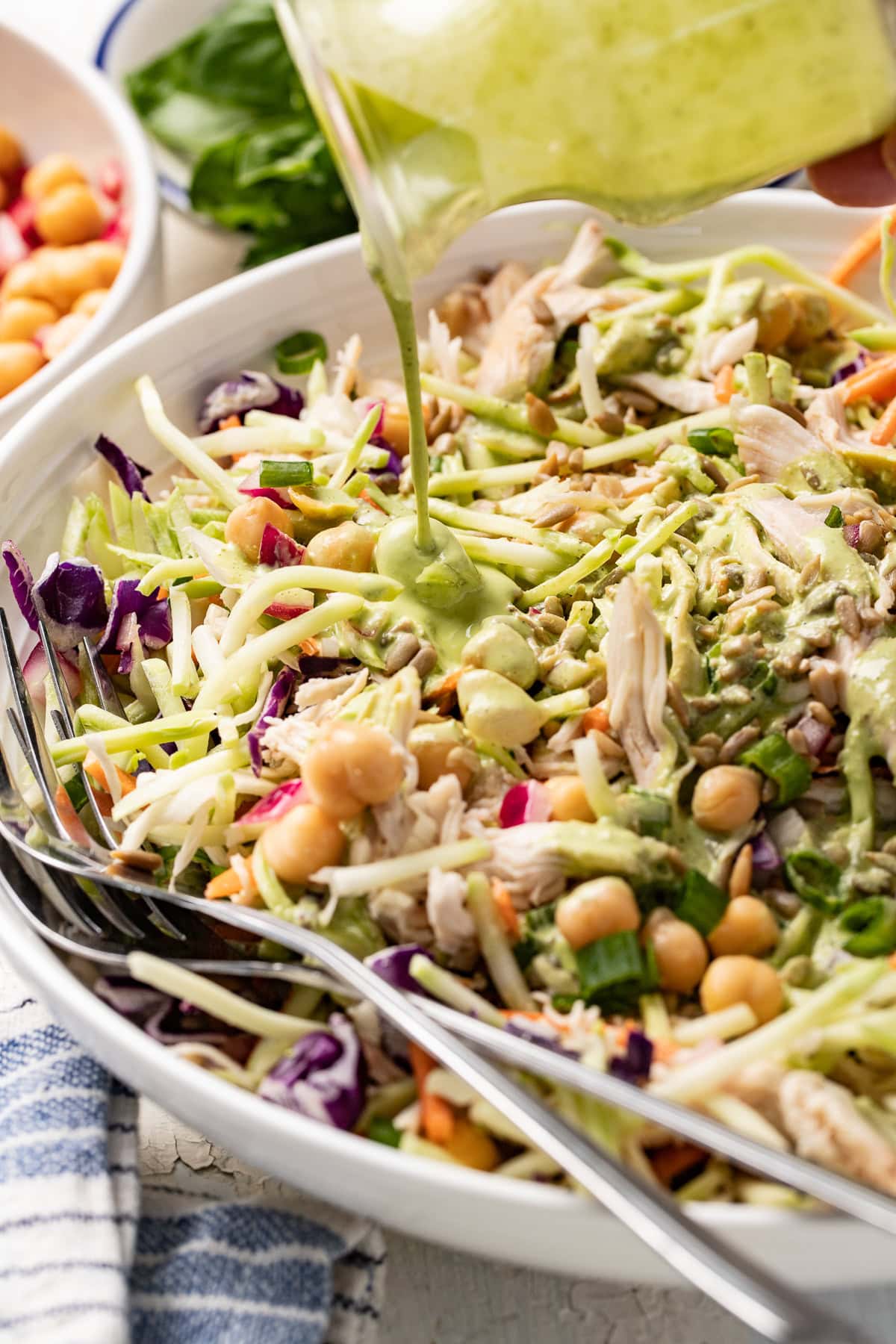
A critical best practice for meal-prepped salads, and particularly this Green Goddess Chicken Chickpea Salad, is to store the dressing separately from the solid components. Combining the dressing with the salad too far in advance allows the acidic and creamy elements of the dressing to penetrate and soften the vegetables, leading to a diminished texture and potentially a less vibrant flavor profile. By packing the Green Goddess dressing in small, individual leak-proof containers, such as those specifically designed for condiments, the integrity of the salad’s crunch is preserved until the moment of consumption. This method ensures that each serving offers the fresh, crisp bite of the vegetables and the full, vibrant flavor of the dressing, as if it were freshly prepared. This simple yet effective strategy is a cornerstone of successful meal prepping, enhancing the overall dining experience and preventing food waste.
Considerations for Portioned Meal Prep
For individuals managing portion control or seeking quick grab-and-go options, dividing the prepared salad base into individual serving containers is highly advantageous. This pre-portioned approach eliminates the need for measuring or assembling during busy weekday mornings, offering a seamless and efficient lunch solution. The separate dressing containers can be added alongside each portion, ready to be tossed in just before eating. This systematic approach to storage not only maintains the salad’s quality but also reinforces healthy eating habits by making nutritious choices readily available and appealing throughout the workweek. The Green Goddess Chicken Chickpea Salad, with its inherent stability and adaptable storage requirements, exemplifies a well-conceived dish for the demands of modern, health-conscious lifestyles.
Beyond the Basic: Versatile Adaptations and Dietary Considerations
The Green Goddess Chicken Chickpea Salad, while excellent in its standard form, also offers significant flexibility for customization, allowing it to cater to diverse palates, dietary restrictions, and ingredient availability. This adaptability enhances its appeal and utility as a staple in a healthy meal prep rotation.
Protein Alternatives and Enhancements
While shredded chicken is a primary protein, various substitutions can be made. For those seeking plant-based options, grilled or baked tofu or tempeh, diced and seasoned, can replace the chicken entirely, further boosting the plant protein content. Canned tuna or salmon would offer an omega-3 rich alternative, while hard-boiled eggs could provide a simpler, equally convenient protein source. For other meat preferences, thinly sliced turkey breast or lean roast beef could also be incorporated. Adding a sprinkle of hemp seeds or toasted nuts (like slivered almonds or walnuts) could further enhance protein, healthy fats, and textural complexity.
Vegetable Variations and Seasonal Additions
The "crunchy veggie slaw" is highly amenable to variation. Beyond cabbage, carrots, and celery, other crisp vegetables can be introduced. Bell peppers (red, yellow, or orange) add sweetness and Vitamin C. English cucumber offers a refreshing crunch. Broccoli slaw mix or finely chopped kale could replace or supplement the cabbage for added nutrients. In season, finely diced radishes provide a peppery bite, while snap peas or edamame can add a sweet crunch and extra protein. Incorporating a handful of fresh spinach or mixed greens just before serving can also boost green vegetable intake without compromising the overall crispness of the slaw base.
Dressing Modifications and Flavor Profiles
The Green Goddess dressing, while central, can also be adapted. For a dairy-free or vegan version, plant-based mayonnaise and dairy-free yogurt can be used. Experimenting with different fresh herbs can subtly alter the flavor profile; for instance, adding more dill for a Scandinavian touch, or a touch of mint for a brighter, Mediterranean feel. A hint of dijon mustard can deepen the savory notes, while a small amount of honey or maple syrup could balance the acidity if a sweeter dressing is preferred. For a spicier kick, a pinch of red pepper flakes or a dash of hot sauce can be blended into the dressing.
Serving Suggestions and Meal Expansion
Beyond being served as a standalone salad, this versatile mix can be incorporated into other meal formats. It makes an excellent filling for whole-wheat pitas or wraps, providing a portable and satisfying sandwich alternative. Serving it in large lettuce cups (e.g., butter lettuce, romaine) offers a low-carb option. The salad can also be served atop a bed of quinoa or brown rice for an even heartier, more complex carbohydrate-rich meal, or alongside a slice of whole-grain toast or crackers for added texture. For a lighter snack, it can be paired with vegetable sticks.
Addressing Specific Dietary Needs
The Green Goddess Chicken Chickpea Salad is naturally gluten-free, provided all ingredients used are certified as such. For those with dairy sensitivities, substituting the Greek yogurt with a high-quality, unsweetened plant-based yogurt (e.g., almond or cashew-based) and ensuring the mayonnaise is dairy-free would make the entire dish dairy-free. Individuals monitoring sodium intake should select low-sodium chickpeas and be mindful of added salt in the dressing and during preparation. This inherent adaptability underscores the salad’s capacity to be a cornerstone of various healthy eating plans, making it a truly inclusive and dynamic meal option.
The Broader Impact: Health Trends and Culinary Innovation
The Green Goddess Chicken Chickpea Salad is more than just a recipe; it represents a convergence of several significant trends in contemporary nutrition and lifestyle. Its design and popularity reflect a deeper societal shift towards mindful eating, convenience without compromise, and a holistic approach to health.
The Ascendance of High-Protein Diets
The emphasis on high protein in this salad aligns perfectly with the widespread adoption of high-protein diets, which have gained considerable traction in recent years. Driven by research highlighting protein’s role in satiety, muscle synthesis, weight management, and metabolic health, consumers are actively seeking meals that maximize protein content. This salad, delivering 30 grams of protein per serving, effectively meets this demand, appealing to athletes, fitness enthusiasts, and individuals aiming for sustained energy and improved body composition. The combination of lean animal protein (chicken) and plant-based protein (chickpeas, Greek yogurt) provides a comprehensive amino acid profile, showcasing a versatile approach to protein intake.
Convenience and Healthy Eating in a Fast-Paced World
The "no-cook" and "meal prep friendly" aspects of this salad speak directly to the demands of modern, fast-paced lifestyles. With increasing work hours and commitments, many individuals struggle to find time for elaborate meal preparation. Recipes like the Green Goddess Chicken Chickpea Salad offer a crucial solution, enabling people to prepare nutritious, home-cooked meals in advance, thereby reducing reliance on less healthy takeout or processed foods. This trend underscores a broader consumer desire for convenience that does not sacrifice health benefits, quality, or flavor. The strategic use of sturdy vegetables and separate dressing storage further exemplifies intelligent design for practical, on-the-go consumption.
The Evolution of Salad Culture: From Side Dish to Main Course
Historically, salads were often relegated to side dishes or light appetizers. However, recipes like the Green Goddess Chicken Chickpea Salad illustrate a significant evolution in "salad culture." Modern salads are increasingly positioned as complete, nutrient-dense main courses, capable of delivering substantial protein, fiber, and a full spectrum of micronutrients. This transformation reflects a deeper understanding of nutritional balance and a creative approach to incorporating diverse ingredients. The salad’s complex textures, vibrant flavors, and robust ingredient list elevate it beyond a simple green dish, establishing it as a satisfying and fulfilling meal in its own right. This culinary innovation is reshaping perceptions of healthy eating, proving that wholesome food can also be exciting and deeply satisfying.
Conclusion
The Green Goddess Chicken Chickpea Salad stands as a testament to the evolving landscape of healthy eating, where convenience, robust nutrition, and vibrant flavors converge. By intelligently adapting a classic dressing and combining readily available ingredients into a high-protein, high-fiber, no-cook format, it addresses the contemporary consumer’s need for efficient and effective meal solutions. Its strategic design for meal preparation, coupled with its versatility for dietary modifications, positions it as a significant and sustainable contribution to daily dietary practices. As individuals continue to prioritize health and efficiency, such innovative recipes will undoubtedly continue to shape the future of culinary trends and personal well-being.
