

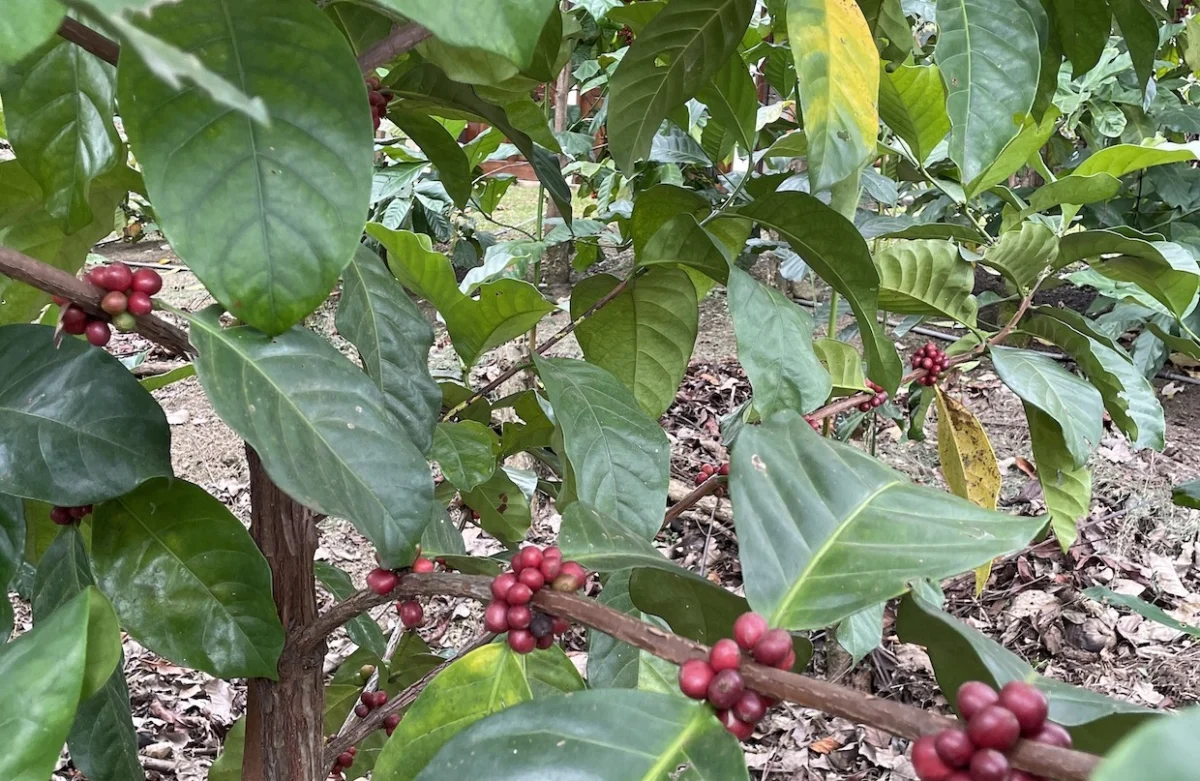
The global coffee industry, long dominated by Arabica and Robusta, is facing an existential threat from climate change. As rising temperatures and erratic rainfall patterns disrupt traditional growing regions, a critical shift is underway, bringing lesser-known coffee species like Excelsa into the spotlight. This transformation is not just about agricultural adaptation; it signifies a potential reshaping of the coffee market, consumer preferences, and the very economics of coffee production.
The foundation of the global coffee trade rests precariously on two species: Arabica (Coffea arabica) and Robusta (Coffea canephora). Arabica, prized for its nuanced flavors and aromatic qualities, accounts for approximately 60% of the world’s coffee production. However, it is highly sensitive to temperature fluctuations and requires specific altitudes and rainfall patterns. Robusta, known for its bolder, more bitter taste and higher caffeine content, is hardier and more resistant to disease and heat. It constitutes roughly 40% of global production and is often used in blends and instant coffee. Yet, even Robusta is not immune to the escalating impacts of a warming planet. Temperatures exceeding 30°C can significantly reduce yields, compromise bean quality, and increase plant stress for both species, with Arabica being particularly vulnerable. This vulnerability is acutely felt in regions like India’s Western Ghats, a prime coffee-growing area that cultivates both varieties.
The urgency of this climate crisis has spurred intensive research and practical experimentation, leading many to explore the vast, largely untapped biodiversity within the Coffea genus. With over 133 identified species, the potential for finding robust alternatives is significant. Among these, Excelsa (Coffea dewevrei) is emerging as a particularly promising candidate.
An Overlooked Species Re-Emerges
Excelsa coffee, native to parts of Tropical and West Africa and Southeast Asia, has a long but largely marginalized history in India’s coffee landscape. Historically, Excelsa trees were often planted as shade trees for more dominant species or as boundary markers rather than being cultivated for commercial coffee production. Found in South and Northeast India, they were not extensively commercialized.
According to an unpublished paper by the South India Coffee Company (SICC), Excelsa was first introduced to India in the late 1800s by a British planter, Colonel Benson. His aim was to find an alternative to Arabica following devastating pest and disease outbreaks that plagued the more sensitive species. However, the significant height of Excelsa trees, ranging from six to 15 meters, and their dense branching made them impractical for the large-scale estate management prevalent at the time. Consequently, Excelsa coffee never achieved widespread commercial adoption.
Akshay Dashrath, co-founder of SICC, highlights the generational connection to Excelsa. He recalls that his grandfather cultivated approximately 60-year-old Excelsa trees on his coffee estate in Karnataka’s Kodagu district and primarily consumed this variety at home. "It was also blended with Arabica in Kerala," Dashrath notes, underscoring its historical integration, albeit in a minor role.
Despite its historical presence, the Indian Coffee Board had previously advised the removal of Excelsa trees due to their susceptibility to pests like the berry borer. However, Dashrath’s family chose to preserve these trees, a decision that is now proving prescient. The very trees that were once considered a pest-prone anomaly are now garnering renewed interest as a potential solution to climate-induced agricultural challenges.
In the 2024-2025 growing season, SICC initiated a comprehensive reevaluation of Excelsa coffee across five estates, focusing on its climate resilience and adaptability. While precise production figures for Excelsa in India are difficult to ascertain due to its non-commodity status, SICC’s sales data indicates a significant uptick. In 2025, SICC sold over four tons of green Excelsa coffee, with an estimated increase to five tons in 2026. This surge in demand signals a tangible shift in the market.
A Shifting Climate, A Shifting Crop
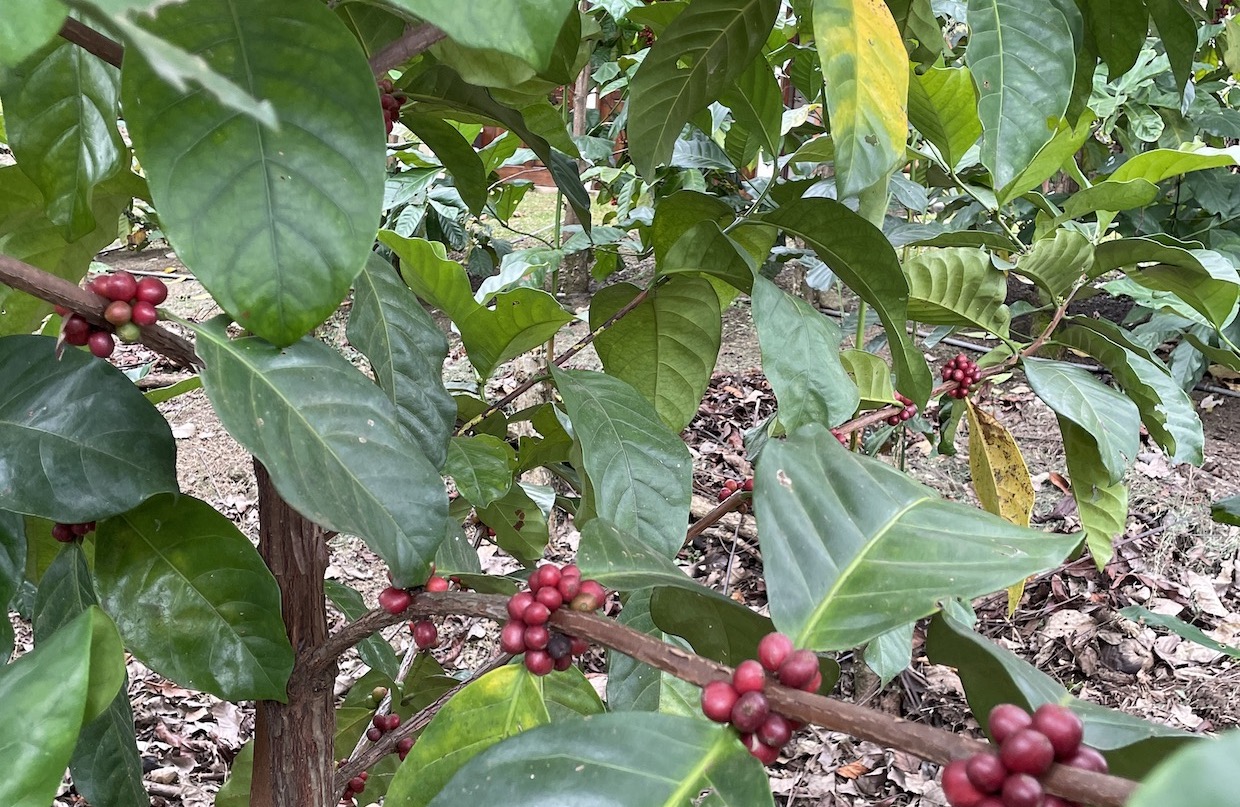
Across India’s diverse coffee-growing regions, farmers are grappling with the tangible effects of climate instability. Pranoy Thipaiah, managing partner of Kerehaklu Estate in Karnataka’s Chikkamagalaru district, has been cultivating both Excelsa and Liberica coffee species since 1953. "We are seeing significant climate-related issues, particularly with longer and more intense rainfall during the monsoon and early summers," Thipaiah stated in an email interview. "Plants’ biological clocks have shifted, and pest pressure has increased."
Thipaiah observes that Excelsa and Liberica demonstrate greater resilience to these climatic variations. Their longer gestation period means they are typically harvested in March and April, a period that usually falls after the disruptive unseasonal or late monsoon rains that continue to affect Arabica cultivation.
In response to these challenges, Thipaiah is expanding his cultivation trials. He is nurturing seven different varieties of Excelsa and Liberica sourced from Vietnam in his nursery, with plans to transplant them to the main estate in the upcoming year. While current production of these experimental varieties is limited to a few hundred kilograms, Thipaiah anticipates a substantial increase.
The international recognition of Excelsa as a climate-resilient specialty coffee began to gain traction in 2018 when SICC introduced it to specialty roasters in the United Kingdom. This early engagement has since led to industry recognition for producers focusing on this resilient species.
The Global Search for Alternatives
The quest for climate-resilient coffee is a global endeavor, extending far beyond India’s borders. Researchers worldwide are investigating the potential of numerous coffee species to withstand the escalating environmental pressures.
Dr. Aaron Davis, Senior Research Leader for Crops and Global Change at the Royal Botanic Gardens, Kew, has dedicated decades to researching coffee in Africa and Asia. He has identified several new coffee species and predicts that the long-standing dominance of Arabica and Robusta may soon be challenged by more climate-resilient alternatives. "In the next decade or sooner, we may see some major disruptions in coffee cultivation," Davis forecasted.
He elaborates on the specific climatic needs of the dominant species: Arabica thrives in cool tropical climates with distinct dry periods, while Robusta requires warm, wet tropical conditions with short dry spells but lacks drought tolerance. Neither species is adequately equipped to survive the projected climatic shifts in many traditional coffee-growing regions.
Davis advocates for diversification as the primary solution. "When we talk about climate-resilient coffee, it is about finding climate-appropriate species," he explained. "We need a portfolio of coffee crop species to adapt to altered climates."
Excelsa is one such species being scaled up in Uganda and Vietnam, with potential to enter mainstream supermarkets within the next decade, according to Davis. Ugandan farmers have been cultivating hundreds of acres of Excelsa since the early 2000s, adopting it as an adaptive response to climate change. Kiwuka Catherine, Senior Research Officer at the National Agricultural Research Organisation in Uganda, reported that both smallholders and large-scale farmers find Excelsa to be more resilient, productive, and consequently, more profitable than Robusta. Currently, at least 200 farms in Uganda, alongside several farms in India, Vietnam, and South Sudan, are producing Excelsa for export, including high-quality beans destined for the UK market.
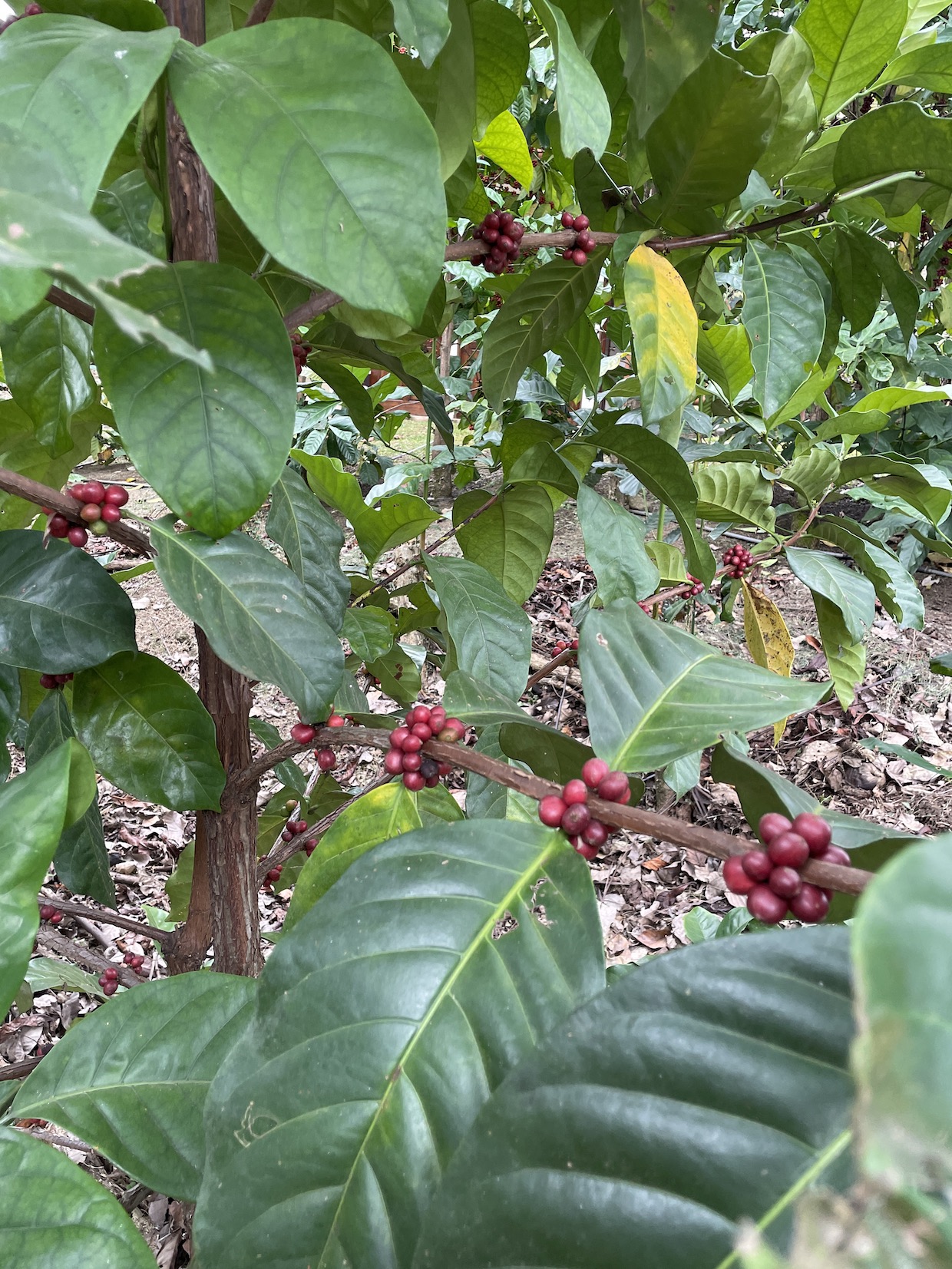
Other species are also drawing significant research attention. Stenophylla, for instance, exhibits a remarkable tolerance to heat, surpassing Arabica, and greater drought resistance than Robusta, while possessing a flavor profile closely resembling Arabica.
The exploration of alternative species was already underway, and climate change has only accelerated this trend. Recent genomic research has further clarified the distinctions between Liberica and Excelsa, establishing them as separate species. Liberica, in particular, has demonstrated remarkable adaptability, thriving in both wet and drier conditions and at higher temperatures than most other coffee species. Southeast Asia is actively engaged in the selection and breeding of Liberica coffee, utilizing genomic research to develop climate-resilient hybrids.
Further groundbreaking research, led by the Royal Botanic Gardens, Kew, has investigated hybrid possibilities between Liberica and Excelsa. These interspecies hybrids, tentatively named Coffea X libex (or Libex coffee), have demonstrated desirable qualities for combating heat and excess moisture stress, along with enhanced disease resistance. These improved hybrids offer a rapid pathway to production and are considered a crucial development for the future of coffee cultivation. Dashrath of SICC, who participated in this research, emphasizes that this innovation broadens the range of cultivated coffee species and hybrids, offering a sustainable option for the industry.
From Niche to Commercial Markets: The Excelsa Ascent
In India, Excelsa is gradually transitioning from a niche product to a more prominent position in the mainstream coffee market. SICC is actively collaborating with the Royal Botanic Gardens, Kew, which provides academic support for Dashrath’s pioneering research.
Despite the promising outlook for Excelsa, practical knowledge regarding its cultivation remains limited. Dashrath shares their approach: "We followed standard Arabica protocols, but made the planting pits deeper to accommodate the taproot – just a bit of practical thinking. From there, it was largely guided by observation. We select seeds from specific plants on our farm, some of which have been genotyped at Kew, and supply them to a local nursery."
This initiative has generated considerable interest in the future of coffee in South India. An increasing number of coffee growers are expressing a desire to plant Excelsa, with SICC having received requests for over 4,000 saplings for the 2026 planting season alone.
The Future of Coffee: A Diversified Landscape
The future of coffee cultivation and consumption is likely to witness the rise of species such as Excelsa, Stenophylla, and Liberica. Dr. Davis suggests that Excelsa’s mild flavor profile and lower caffeine content could appeal to consumers, potentially making it suitable for blends or even instant coffee applications. This shift necessitates not only the adaptation of farming practices to changing climates but also the embrace of regenerative or climate-smart agriculture. Enhancing the resilience of existing Arabica and Robusta varieties, alongside the development and adoption of multiple alternative coffee species, will be critical resources in supporting sustainable coffee cultivation worldwide.
To establish a robust safety net for global coffee production, the search for climate-resilient coffee requires intensified research, supportive policies, and significant government backing. While inquiries were sent to the Central Coffee Research Institute (CCRI) in India regarding their research on climate resilience in coffee, a response had not been received at the time of publication. The ongoing efforts by institutions like SICC and the Royal Botanic Gardens, Kew, alongside the proactive adoption by farmers in India and Uganda, represent vital steps towards securing the future of this beloved beverage in a warming world.
