

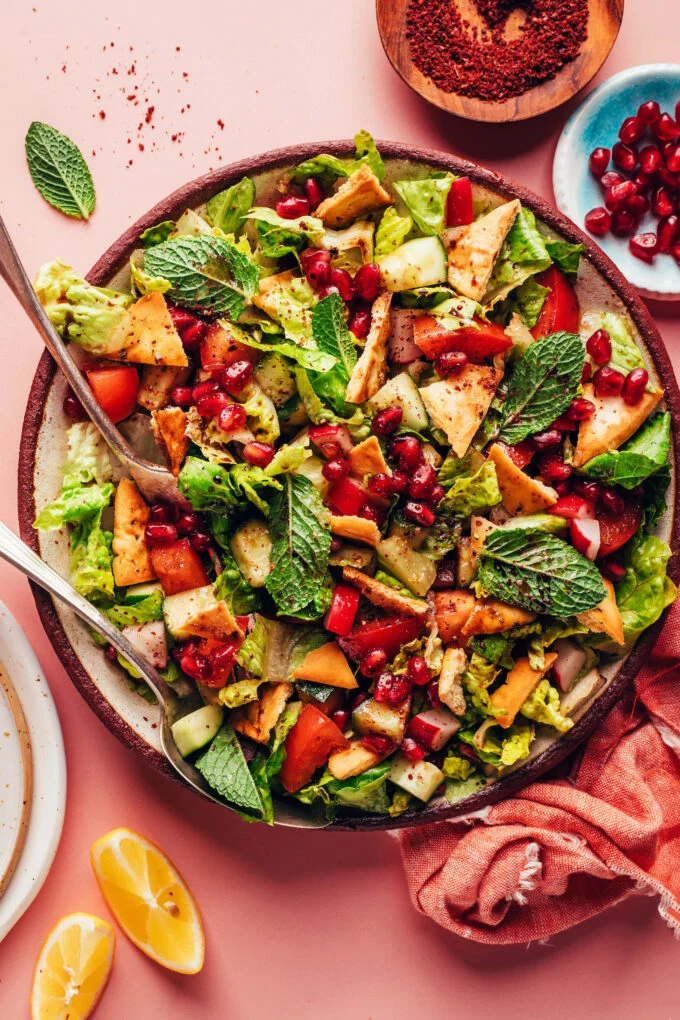
The culinary landscape is consistently evolving, with traditional dishes being reimagined for contemporary lifestyles, and the classic Levantine Fattoush salad is no exception. A newly presented rendition emphasizes speed and simplicity, promising a vibrant, flavorful experience achievable in a single bowl within approximately 20 minutes. This adaptation aims to make the beloved Middle Eastern staple more accessible for weeknight preparation, combining fresh, crisp vegetables with a distinctive pomegranate-infused dressing, aromatic mint, crunchy pita chips, and a scattering of juicy pomegranate arils.
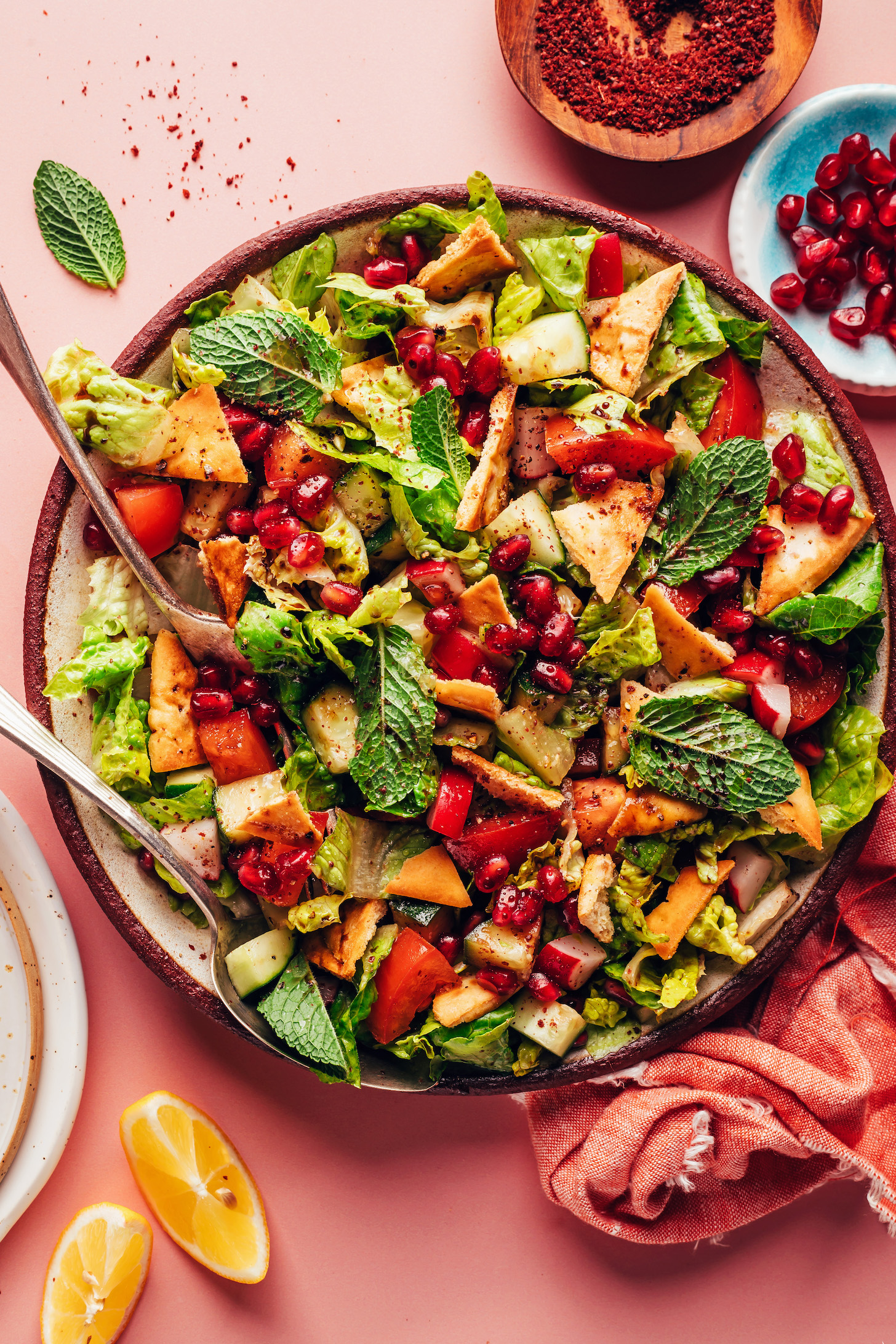
Fattoush holds a distinguished place in the culinary heritage of the Levant, a region encompassing countries such as Lebanon, Syria, Jordan, and Palestine. Historically, the salad emerged as a resourceful dish, utilizing stale flatbread or pita, which was torn or cut, toasted or fried, and then incorporated into a medley of fresh garden vegetables. The name "Fattoush" itself is derived from the Arabic word "fatt" (فتّ), meaning "to break into pieces" or "crumbs," directly referencing the torn bread component. This ingenious use of day-old bread not only prevented waste but also added a textural dimension crucial to the salad’s character.
The origins of Fattoush are deeply intertwined with the agrarian traditions of the Levant, where seasonal vegetables were abundant. Farmers and households would combine whatever fresh produce was available, creating a refreshing and nutritious meal. Over centuries, the core components solidified: mixed greens, tomatoes, cucumbers, radishes, and typically a variety of fresh herbs like mint and parsley. The dressing, a hallmark of Levantine cuisine, traditionally features olive oil, lemon juice, and a key spice called sumac, often complemented by the tangy sweetness of pomegranate molasses. This balance of fresh, tart, savory, and subtly sweet flavors is what defines the authentic Fattoush experience.
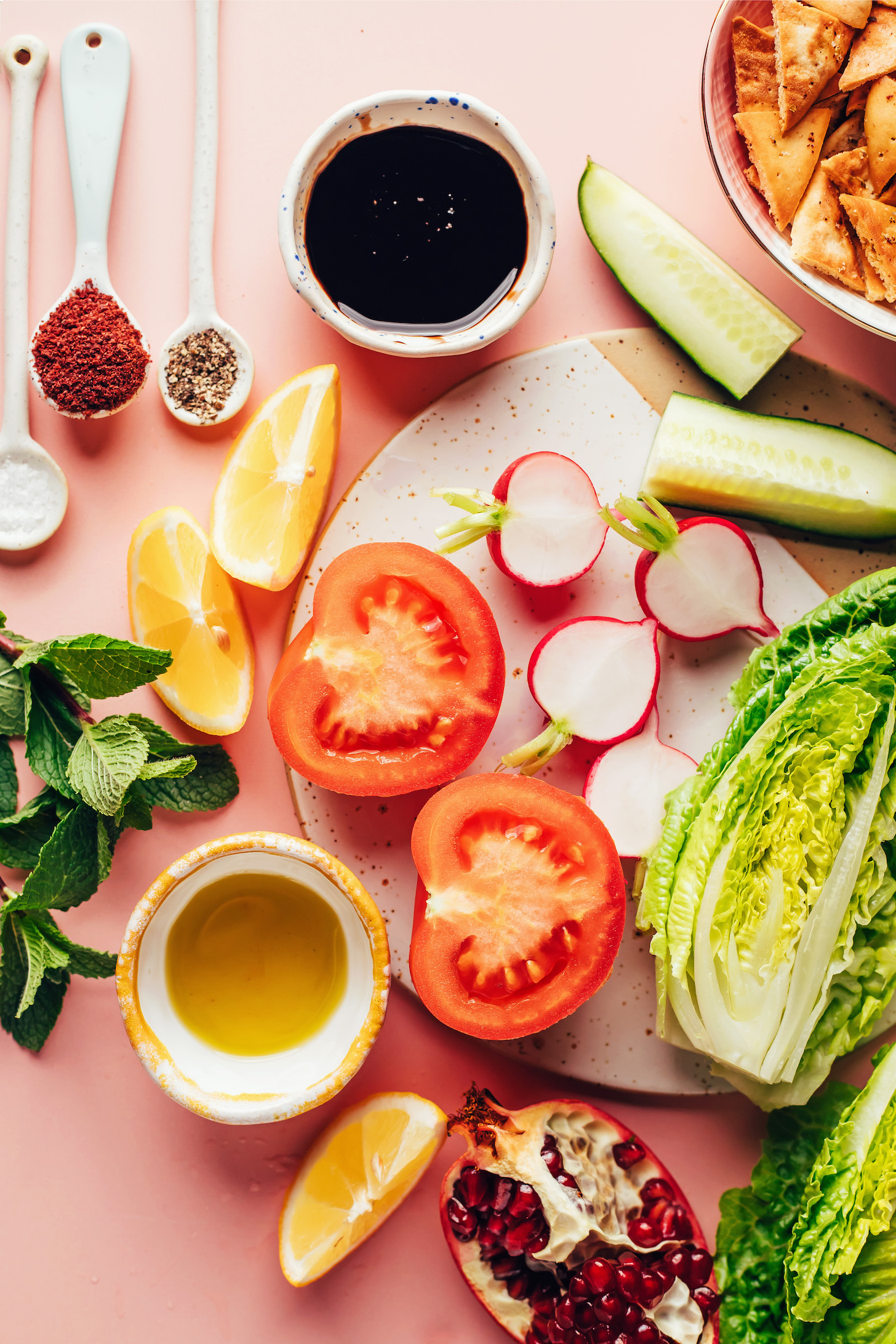
The modern iteration, as presented, streamlines this historical dish without compromising its essential flavor profile. The "one-bowl" methodology speaks to a growing consumer demand for efficient meal preparation, minimizing cleanup while maximizing nutritional intake. This approach aligns with broader trends in home cooking, where time constraints often dictate food choices. Culinary analysts note that recipes prioritizing convenience, especially those that can be prepared quickly and with minimal equipment, are gaining significant traction among busy professionals and families. The 20-minute preparation time is a direct response to this lifestyle, positioning Fattoush as a viable alternative to less nutritious fast-food options.
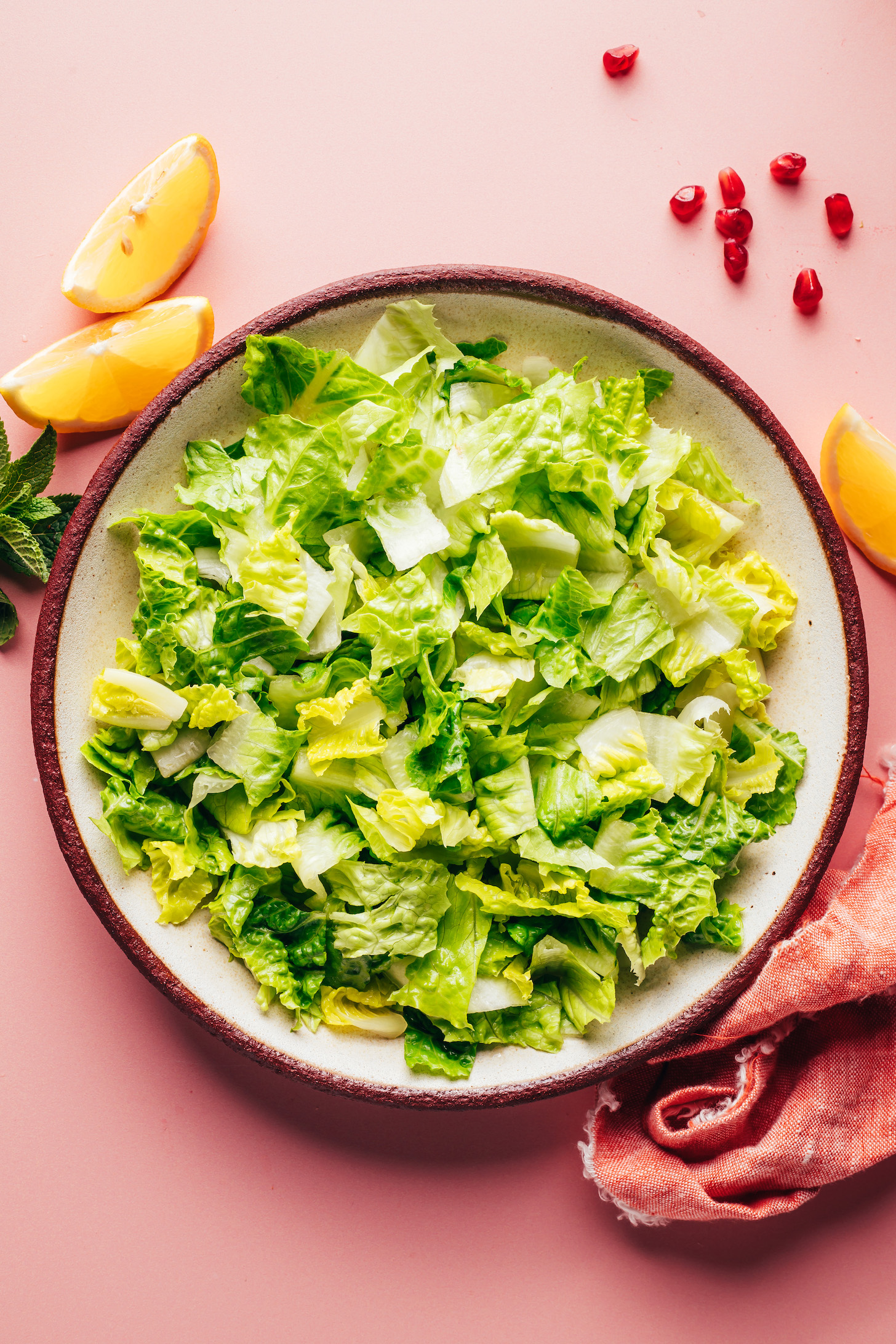
Central to this simplified Fattoush is a base of fresh, chopped romaine lettuce, chosen for its satisfying crunch and relatively neutral flavor, which serves as an ideal canvas for the more assertive ingredients. Romaine, a member of the lactuca sativa family, is widely available and provides essential vitamins A and K, as well as folate. The inclusion of other fresh, crunchy vegetables—cucumber, tomato, and radish—further enhances the salad’s texture and nutritional value. Cucumbers, particularly Persian or Lebanese varieties, are prized for their crispness and mild flavor, while ripe tomatoes contribute sweetness and acidity, along with lycopene, a potent antioxidant. Radishes introduce a peppery bite and additional crunch, along with vitamin C and fiber. The emphasis on seasonal and flavorful vegetables underscores the principle that the quality of raw ingredients significantly impacts the final dish, a tenet deeply rooted in traditional Levantine cooking.
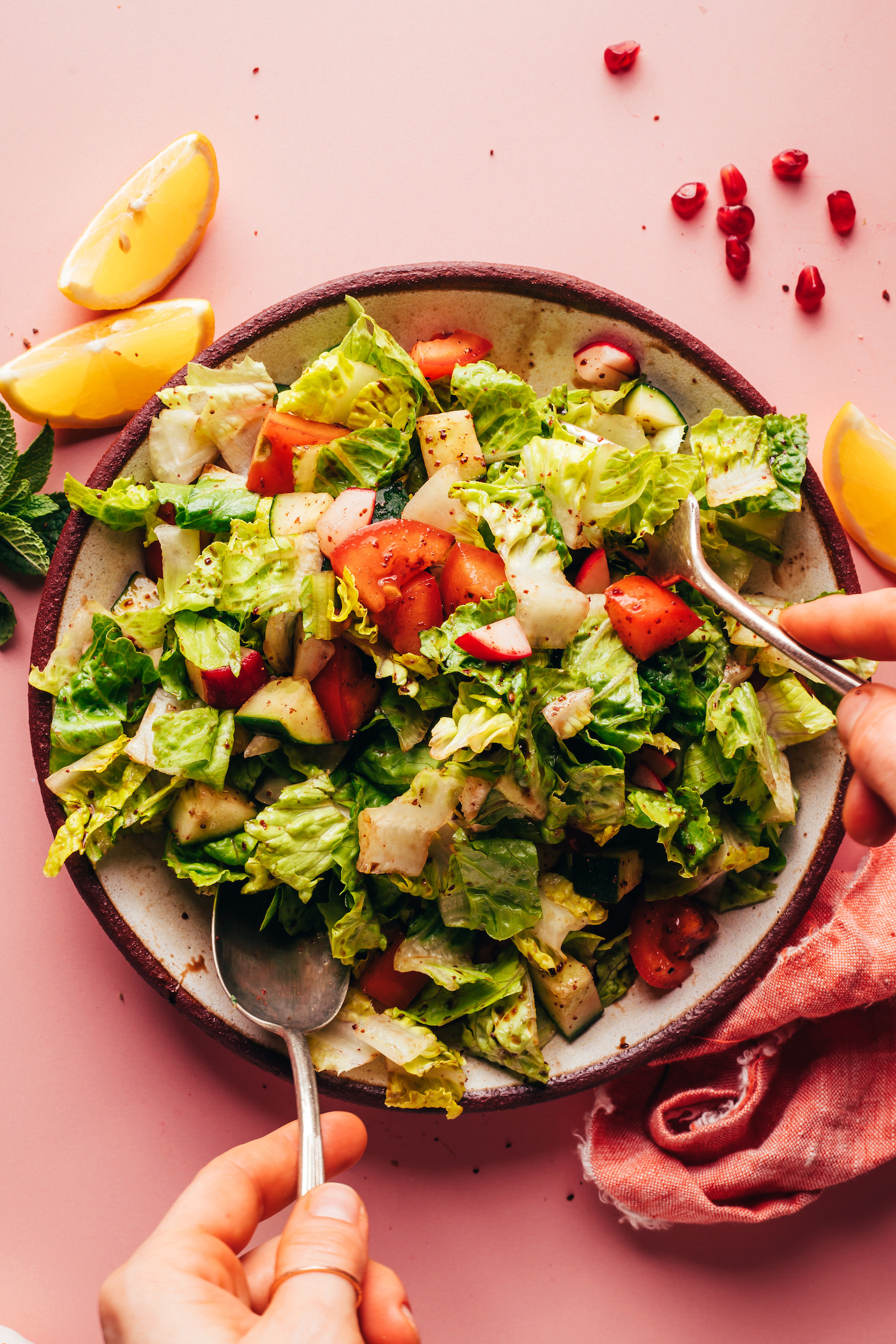
The dressing is arguably the soul of any Fattoush, and this streamlined version maintains the classic bright, bold, and pleasantly sour characteristics. It ingeniously combines lemon juice, pomegranate molasses, sumac, salt, and pepper directly with the vegetables, bypassing the need for a separate mixing bowl. Lemon juice provides essential acidity and freshness, while pomegranate molasses, a syrup made from reduced pomegranate juice, introduces a unique tart-sweet complexity and a deep, fruity undertone. Nutritionists highlight pomegranates for their high antioxidant content and potential anti-inflammatory properties. Sumac, a reddish-purple spice derived from the dried berries of the sumac flower, contributes a distinctive tangy, almost lemony flavor that is crucial to the authentic taste of Fattoush. This spice has been used for centuries in Middle Eastern cuisine, not just for its flavor but also for its vibrant color and purported health benefits, including antioxidant and anti-inflammatory properties. Optional additions of maple syrup and olive oil are suggested to fine-tune the balance, particularly depending on the inherent sweetness of the pomegranate molasses, allowing for customization to individual palates. Olive oil, a cornerstone of the Mediterranean diet, adds healthy monounsaturated fats and a smooth mouthfeel.
A defining textural element of Fattoush is the inclusion of pita chips. Traditionally, these would be made from day-old pita bread, fried until crispy. The modern adaptation suggests the convenience of store-bought pita chips, acknowledging the time-saving benefits for weeknight meals. However, for those desiring a more homemade touch or looking to utilize leftover bread, instructions for baking pita chips are provided. This involves cutting pita bread into triangles, tossing them with olive oil, oregano, sumac, and sea salt, and baking until golden and crisp. This option allows for a gluten-free version by using gluten-free pita bread, catering to diverse dietary needs, a significant consideration in contemporary culinary development.
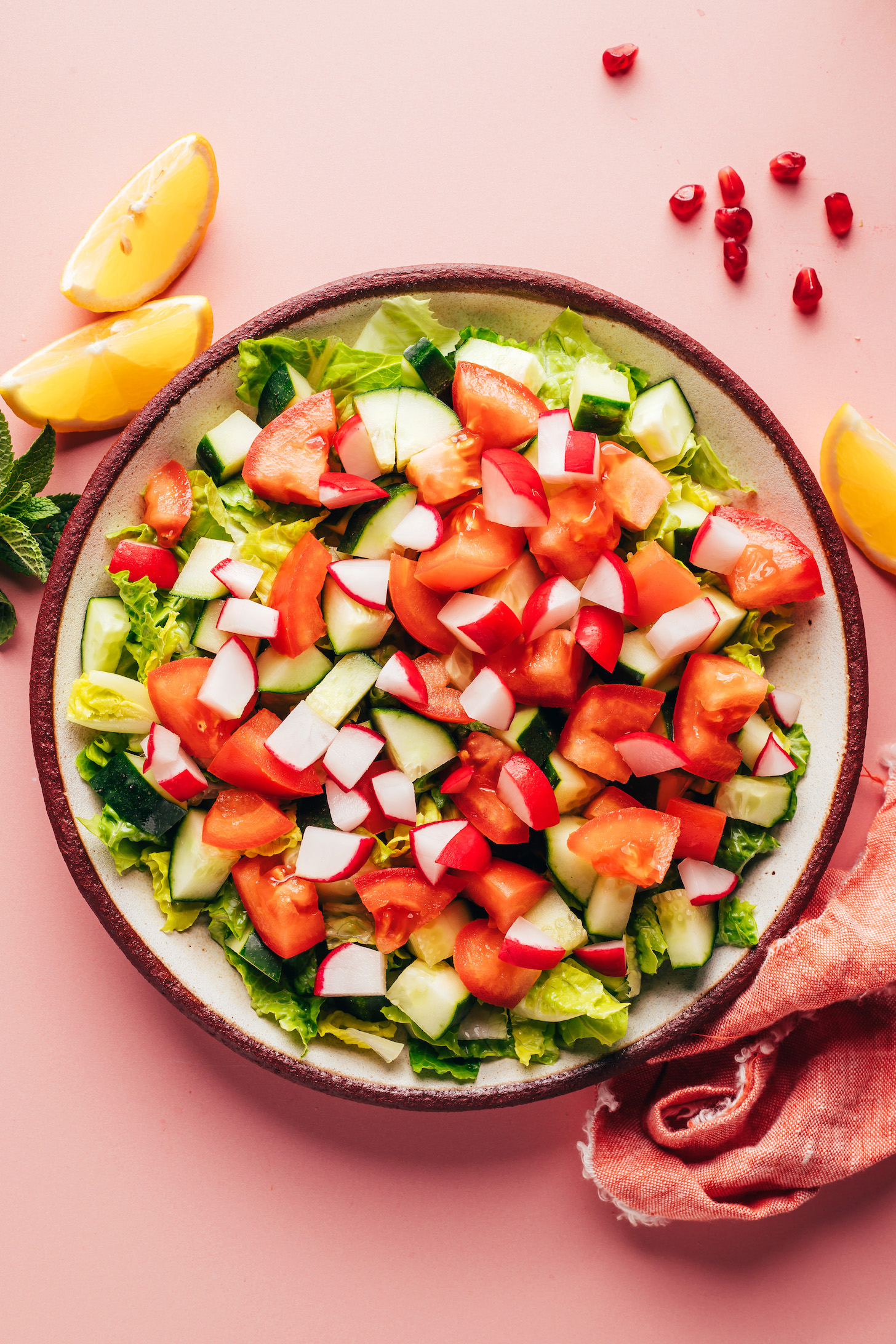
The final touches — fresh mint leaves and pomegranate arils — elevate the salad both aesthetically and gastronomically. Whole mint leaves provide bursts of herby freshness and a beautiful visual contrast against the green and red components. Mint, beyond its refreshing flavor, is known for its digestive properties. Pomegranate arils, the ruby-red seeds of the fruit, add a juicy, sweet-tart pop and an elegant finish, further enhancing the salad’s vibrant appeal and contributing additional antioxidants.
The nutritional information provided for this Fattoush salad suggests a balanced and relatively low-calorie side dish. With approximately 127 calories per side serving, 21.6g carbohydrates, 2.8g protein, 4.1g fat, and 4g fiber, it aligns well with healthy eating guidelines. The salad is also a source of essential vitamins, including Vitamin A and C, and minerals like potassium, calcium, and iron. This profile positions Fattoush not merely as a tasty side but as a genuinely healthful component of a meal, particularly when considering the fresh, unprocessed ingredients. When augmented with a protein source like chickpeas, as suggested, it transforms into a complete and satisfying light meal, ideal for warm weather or as a plant-forward option. Chickpeas provide additional protein and fiber, making the salad more substantial and satiating.
The increasing global popularity of Mediterranean and Middle Eastern cuisines has led to a greater appreciation for dishes like Fattoush. Food trends indicate a consistent shift towards lighter, plant-based, and ethnically diverse meals. This "easy" Fattoush salad capitalizes on these trends by offering a familiar yet simplified version of a beloved dish. Its adaptability makes it a versatile accompaniment to a wide range of main courses, from lentil fesenjan to falafel wraps, bridging cultural culinary traditions.
In conclusion, this accessible, "one-bowl" Fattoush salad represents a clever adaptation of a Levantine classic for the demands of modern life. It retains the crisp textures, bright flavors, and aromatic notes that define the traditional dish, while significantly reducing preparation time and complexity. Its emergence underscores a broader culinary movement towards health-conscious, efficient, and culturally rich home cooking. As consumers continue to seek convenient yet nutritious meal solutions, dishes like this revitalized Fattoush are poised to become staples, celebrated for their deliciousness, ease of preparation, and the enduring appeal of their vibrant ingredients. The consistent evolution of such recipes highlights the dynamic interplay between culinary heritage and contemporary lifestyle needs, ensuring that traditional flavors remain relevant and cherished in kitchens worldwide.
