

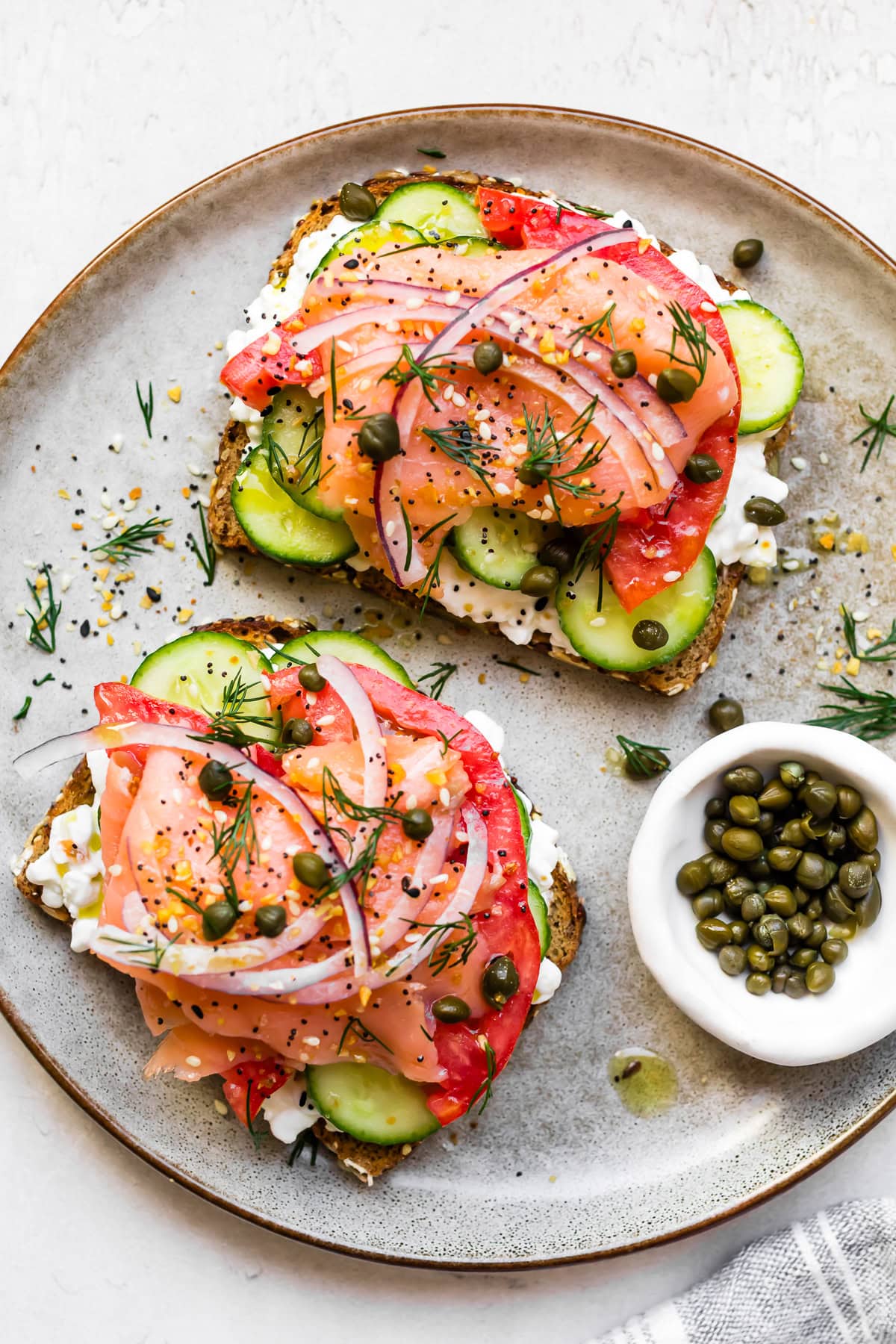
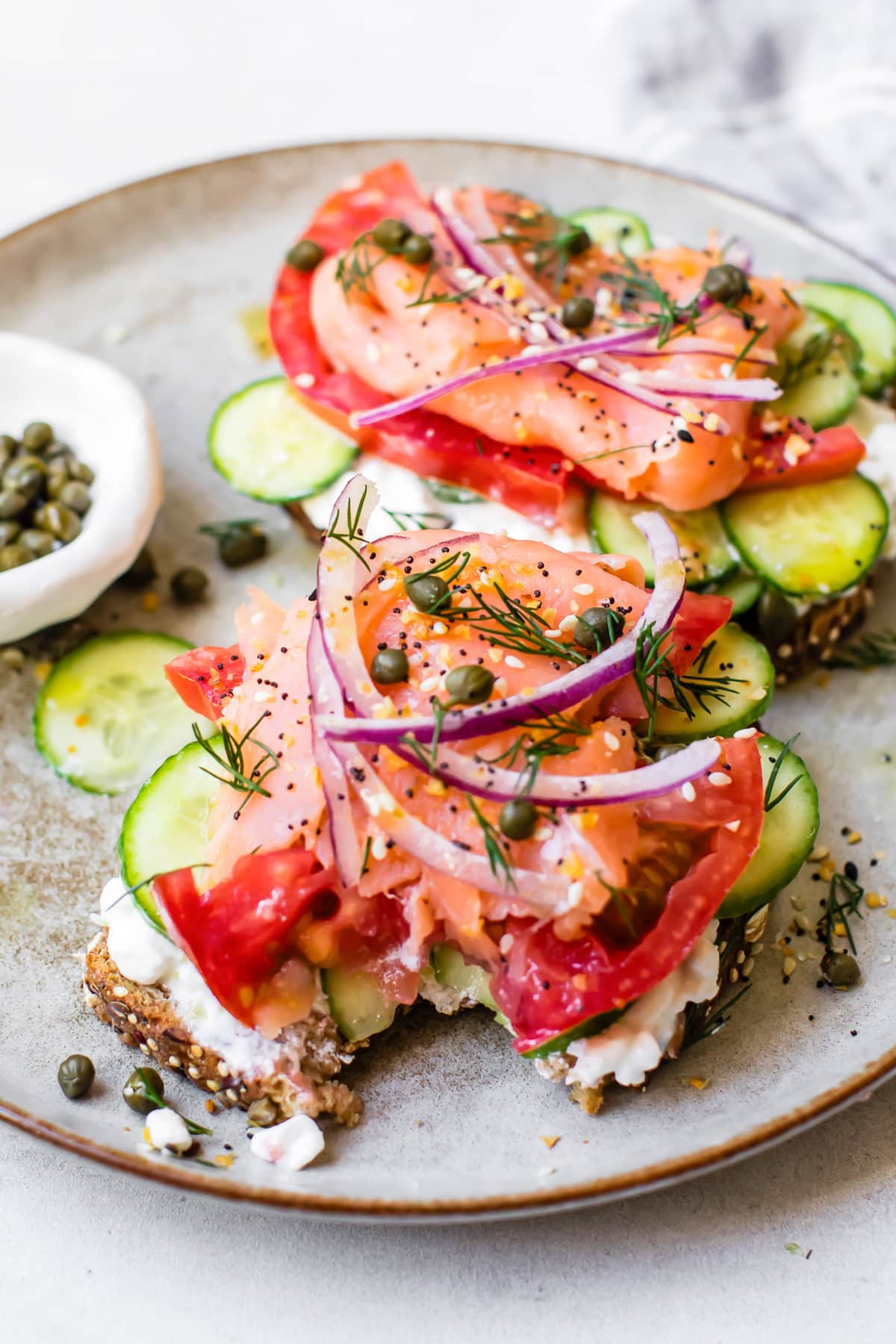
The culinary landscape continues to evolve, driven by a growing public demand for meals that combine convenience with robust nutritional profiles. A prime example of this trend is the emergence of high-protein smoked salmon toast featuring cottage cheese, a dish that skillfully reimagines the classic lox bagel into a more nutritionally dense and versatile option. This particular rendition, characterized by its topping of smoked salmon, thinly sliced red onion, briny capers, and a generous sprinkle of everything bagel seasoning, offers a compelling balance of flavor and health benefits, boasting over 30 grams of protein and 7 grams of fiber per serving. Designed for rapid preparation, often taking no more than ten minutes from start to finish, it presents itself as an ideal solution for a satisfying breakfast, a quick lunch, or a light yet fulfilling dinner, aligning perfectly with contemporary dietary goals centered on macronutrient balance and sustained energy.
The Evolution of Breakfast and Modern Dietary Trends
Historically, breakfast traditions have varied widely across cultures, from simple grain-based porridges to elaborate, multi-course affairs. In many Western societies, the 20th century saw the rise of convenient, often carbohydrate-heavy breakfast options, such such as cereals, pastries, and toast with jam. While these provided quick energy, they often lacked the sustained satiety and comprehensive nutritional value increasingly sought by today’s health-conscious consumers. The shift in dietary philosophy, influenced by burgeoning nutritional science and public health campaigns, has underscored the importance of protein and fiber for overall well-being, weight management, and chronic disease prevention.
This changing paradigm has spurred innovation in meal planning, particularly for the first meal of the day. Modern lifestyles, marked by demanding schedules and reduced leisure time, have amplified the need for quick, accessible, and yet highly nutritious food choices. The concept of a "balanced plate" has moved beyond calorie counting to emphasize macronutrient distribution—prioritizing lean proteins for muscle synthesis and satiety, complex carbohydrates for sustained energy, and ample fiber for digestive health. This cultural and scientific backdrop provides the perfect environment for a dish like high-protein smoked salmon toast with cottage cheese to gain prominence, offering a sophisticated yet simple solution to these contemporary dietary challenges. It represents a deliberate move away from high-sugar, low-protein alternatives towards options that support sustained physical and mental performance throughout the day.
A Deeper Dive into Nutritional Composition
The nutritional profile of this innovative toast is a cornerstone of its appeal, meticulously engineered to deliver significant health benefits within a palatable and accessible format.
-
Protein Powerhouse: With over 30 grams of protein per serving (specifically, 30.5g according to reported nutritional data), this dish stands out as an excellent source of this vital macronutrient. Protein is fundamental for numerous bodily functions, including muscle repair and growth, enzyme production, hormone regulation, and immune function. Furthermore, protein plays a critical role in satiety, helping individuals feel fuller for longer periods, which can be instrumental in weight management by reducing overall calorie intake throughout the day. The combination of protein from smoked salmon and cottage cheese provides a complete amino acid profile, ensuring the body receives all essential building blocks it needs. This high protein content differentiates it significantly from many traditional breakfast options that might offer only a fraction of this amount, leading to mid-morning energy crashes and increased hunger.
-
Fiber’s Crucial Role: The inclusion of whole-grain bread is key to delivering a substantial 7 grams of dietary fiber. Fiber is an indispensable component of a healthy diet, known for its profound benefits for digestive health. It aids in regular bowel movements, prevents constipation, and can contribute to a healthy gut microbiome. Beyond digestion, soluble fiber, often found in whole grains, has been linked to lower cholesterol levels and improved blood sugar control, reducing the risk of heart disease and type 2 diabetes. The sustained release of energy from complex carbohydrates in whole grains, coupled with fiber, helps to prevent rapid spikes and crashes in blood glucose, providing steady energy that complements the satiety from protein.
-
Omega-3 Rich Smoked Salmon: Smoked salmon, a central component of this dish, is renowned for its high content of omega-3 fatty acids, particularly eicosapentaenoic acid (EPA) and docosahexaenoic acid (DHA). These essential fatty acids are critical for cardiovascular health, supporting healthy blood pressure and reducing triglyceride levels. They also possess potent anti-inflammatory properties, beneficial for reducing the risk of chronic diseases. Furthermore, omega-3s are vital for brain health, contributing to cognitive function and potentially mitigating the risk of neurodegenerative conditions. The rich flavor and luxurious texture of smoked salmon also elevate the dish, making healthy eating a more enjoyable experience.
-
Cottage Cheese: The Cream Cheese Alternative: The strategic swap from traditional cream cheese to cottage cheese is a highlight of this recipe’s nutritional ingenuity. Cottage cheese is an exceptional source of protein, often containing significantly more per serving than cream cheese, while typically being lower in fat and calories. It also provides essential minerals like calcium, important for bone health. Its creamy texture, when lightly spread, mimics the mouthfeel of cream cheese, ensuring that the sensory experience of a lox bagel is preserved without the caloric density. The versatility of cottage cheese, increasingly recognized in both sweet and savory applications, makes it an ideal ingredient for those looking to boost protein intake without compromising on taste or texture.
-
Complementary Toppings: The additional toppings, while seemingly minor, contribute to both flavor complexity and nutritional value. Red onion provides a crisp texture and a pungent flavor, along with antioxidants like quercetin. Capers offer a salty, briny counterpoint, enhancing the overall taste profile with minimal caloric impact. Everything bagel seasoning, a blend typically containing sesame seeds, poppy seeds, dried garlic, and dried onion, adds texture and a burst of savory flavor, along with trace amounts of minerals and fiber. These elements collectively transform a simple piece of toast into a multi-layered, nutritionally complete meal.
The combined effect of these ingredients creates a meal that is not only satisfying but also supports sustained energy, muscle maintenance, and overall health. With approximately 326.5 kcal per serving (two slices of toast), 36.5g carbohydrates, 10g fat (including 3g saturated fat), 36.5mg cholesterol, and 1119.5mg sodium, it offers a substantial yet balanced caloric intake for a single meal, making it an excellent choice for individuals mindful of their daily nutrient targets.
The Culinary Shift: Reimagining a Classic
The culinary world thrives on innovation, often by reinterpreting established classics through a contemporary lens. The high-protein smoked salmon toast with cottage cheese exemplifies this principle by drawing inspiration from the beloved lox and bagel while fundamentally enhancing its nutritional profile. The traditional lox bagel, a staple of deli cuisine, is undeniably delicious but can be quite high in refined carbohydrates and saturated fats, particularly from large, dense bagels and full-fat cream cheese.

The conscious decision to replace a bagel with hearty, high-fiber whole-grain bread is a pivotal change. Whole grains offer a significantly higher fiber content, promoting better digestion and sustained energy release compared to the rapidly digested carbohydrates found in white bagels. This swap immediately elevates the dish’s nutritional standing, aligning it with recommendations for increased whole-grain consumption for improved cardiovascular health and reduced risk of type 2 diabetes.
Similarly, the substitution of cream cheese with cottage cheese is a masterful stroke of nutritional engineering. While cream cheese provides a rich, tangy base, it typically contains more fat and fewer grams of protein per serving than cottage cheese. By contrast, cottage cheese delivers a substantial protein boost while maintaining a creamy texture that satisfies the palate. This allows the dish to retain the familiar mouthfeel and flavor profile of its predecessor but with a distinctly superior macronutrient balance, catering to those seeking to optimize their diet without sacrificing culinary enjoyment.
This approach aligns with the concept of "nutrient density," where foods provide a high amount of nutrients relative to their caloric content. By swapping less nutrient-dense components for more nutrient-rich ones, the smoked salmon toast becomes a more efficient and beneficial meal. The dish demonstrates that healthy eating doesn’t necessitate a radical departure from familiar flavors but rather a smart re-evaluation of ingredients and preparation methods. It’s a testament to how traditional comfort foods can be intelligently adapted to meet modern health standards, proving that satisfying and wholesome meals can coexist.
Expert Perspectives and Public Reception
The strategic formulation of dishes like high-protein smoked salmon toast with cottage cheese has garnered positive attention from nutrition experts and food industry observers alike, while simultaneously resonating strongly with the general public.

Leading dietitians frequently commend such recipes for their balanced macronutrient profile. "This type of dish is precisely what we advocate for," states Dr. Eleanor Vance, a prominent registered dietitian and nutrition consultant. "The combination of high-quality protein from salmon and cottage cheese, coupled with the complex carbohydrates and fiber from whole-grain bread, creates a meal that promotes satiety, stabilizes blood sugar, and provides sustained energy. It’s an excellent example of how to make a classic indulgent meal healthier without sacrificing flavor, making it a sustainable choice for individuals focused on weight management, athletic performance, or simply general well-being." Experts also highlight its role in addressing common dietary deficiencies, particularly insufficient protein and fiber intake, which are prevalent in many modern diets.
From an industry perspective, food trend analysts observe that this type of recipe taps into several powerful market forces. "The demand for ‘healthified’ comfort foods is enormous," notes Mark Henderson, a food industry analyst specializing in consumer trends. "Consumers are increasingly savvy about nutrition labels and are actively seeking options that are quick to prepare, taste good, and deliver tangible health benefits. This smoked salmon toast perfectly fits that niche. The resurgence of cottage cheese, driven by its versatility and high protein content, is a micro-trend within the larger movement towards functional foods. Food bloggers and online recipe platforms play a crucial role in disseminating these innovations, transforming niche dietary preferences into mainstream culinary trends."
Public reception has been overwhelmingly positive, particularly among busy professionals, active individuals, and those on specific dietary regimens. The dish’s ease of preparation—requiring only 10 minutes of prep time and no cooking beyond toasting bread—makes it incredibly appealing for individuals with limited time. Its adaptability, allowing for various customizations in terms of bread types, additional vegetables, or herbs, further broadens its appeal. Consumers appreciate the ability to enjoy the flavors of a traditional lox bagel in a format that supports their health goals, reflecting a broader societal shift towards conscious eating without austerity. The viral nature of such recipes on social media platforms underscores their resonance, as users share their own versions and inspire others to adopt healthier eating habits.
Preparation and Customization: Accessibility and Adaptability
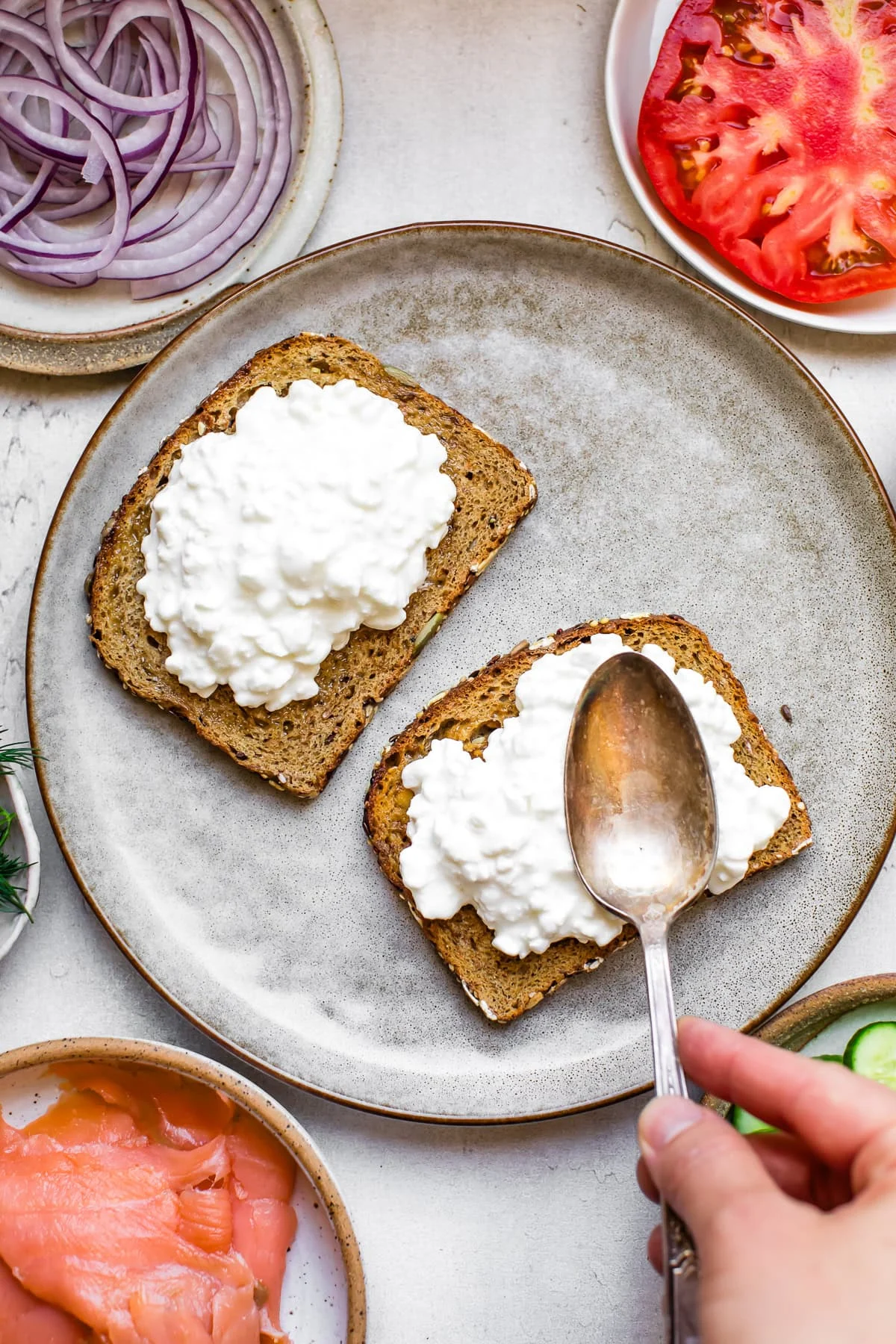
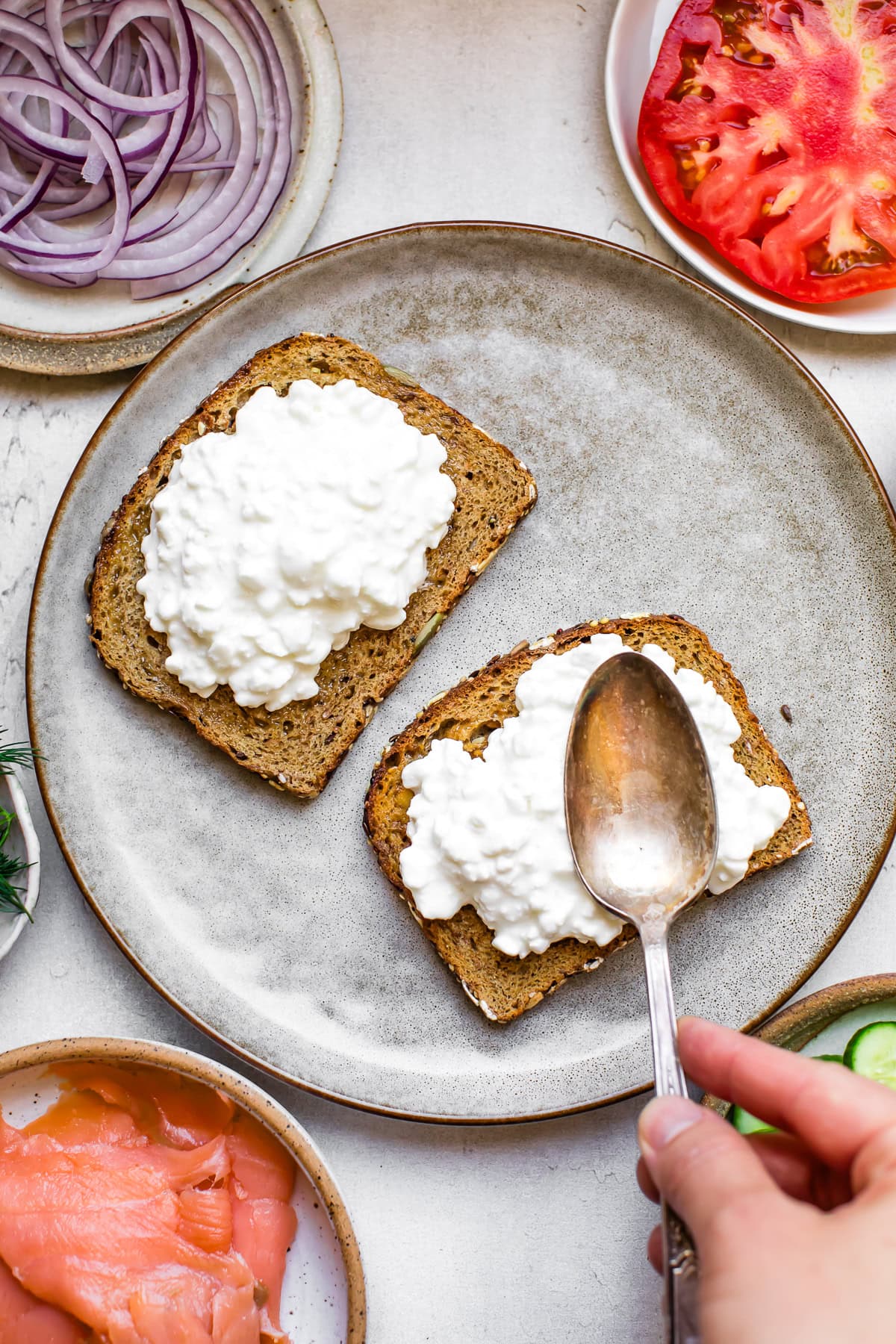
One of the most appealing aspects of the high-protein smoked salmon toast with cottage cheese is its straightforward preparation, making it accessible to even novice cooks and those with minimal time. The process is remarkably simple: toast the chosen whole-grain bread, thinly slice red onion and other desired vegetables, and then assemble the components. The ease of this method, reflected in the mere 10 minutes of total preparation time, positions it as an ideal choice for rushed mornings or quick meal solutions throughout the day. The "cook time" is effectively zero, relying solely on the toaster for the bread component.
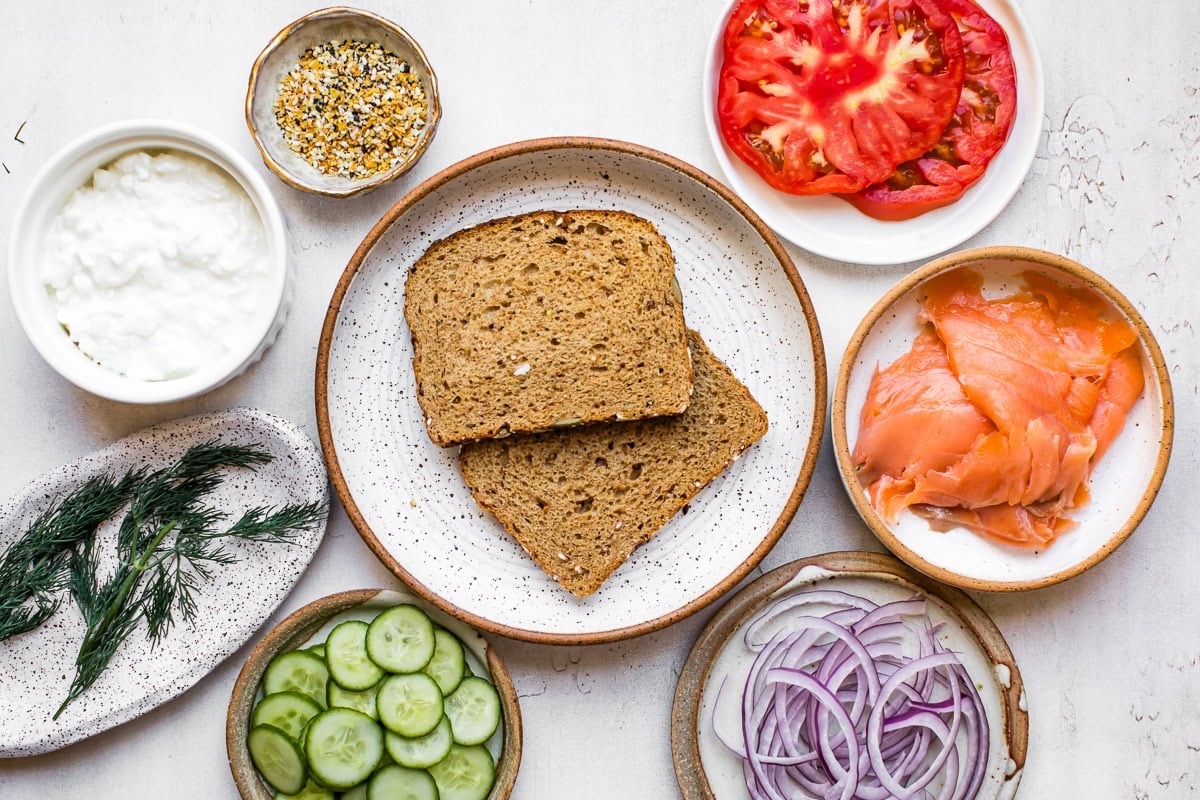
Beyond its simplicity, the dish offers extensive opportunities for customization, allowing individuals to tailor it to their specific tastes and dietary requirements. While the core ingredients—whole-grain toast, cottage cheese, smoked salmon, red onion, capers, and everything bagel seasoning—form a robust foundation, creative variations are readily incorporated:
- Bread Choices: While whole-grain bread is recommended for its fiber content, varieties like sourdough, rye, or even gluten-free alternatives can be used. Experimenting with different textures and flavors of bread can significantly alter the dish’s character.
- Vegetable Additions: Beyond red onion, thin slices of cucumber, avocado for healthy fats and creaminess, cherry tomatoes, or fresh spinach can be layered to boost nutrient intake and introduce new textures.
- Herb Enhancement: Fresh dill is a classic pairing with smoked salmon and cottage cheese, adding an aromatic freshness. Chives or parsley can also be finely chopped and sprinkled for an extra layer of flavor.
- Protein Boosters: For an even higher protein count or different flavor profile, a soft-boiled or poached egg could be added on top, creating a more substantial meal.
- Spice and Seasoning: While everything bagel seasoning is popular, a dash of freshly ground black pepper, a squeeze of lemon juice, or a sprinkle of chili flakes can introduce different dimensions of flavor.
- Cottage Cheese Variation: Different fat percentages of cottage cheese (e.g., 1%, 2%, or full-fat) can be used based on individual preference and dietary needs. Some might prefer to blend their cottage cheese for an even smoother, creamier consistency.
Regarding storage, food safety is paramount, particularly with ingredients like smoked salmon. Once opened, smoked salmon should be consumed within 3 to 4 days and kept refrigerated. For optimal freshness and texture, it is advisable to store all components of the toast separately—the bread untoasted, vegetables pre-sliced and stored in airtight containers, and cottage cheese in its original packaging—and assemble the toast immediately before consumption. This ensures that the bread remains crisp, the vegetables fresh, and the flavors vibrant. This focus on fresh assembly further underscores the dish’s commitment to quality and enjoyment.
Broader Implications for Health and Wellness
The growing popularity and sophisticated nutritional profile of dishes like high-protein smoked salmon toast with cottage cheese carry significant broader implications for public health, dietary habits, and the future trajectory of the food industry.
Firstly, this culinary innovation contributes positively to public health initiatives that emphasize balanced nutrition. By demonstrating how a traditionally less-healthy meal can be transformed into a nutrient-dense option, it provides a practical model for individuals seeking to improve their eating habits without resorting to overly restrictive or unappetizing diets. This approach can help combat rising rates of diet-related illnesses such as obesity, type 2 diabetes, and cardiovascular disease, by making healthy eating more accessible, enjoyable, and sustainable in the long term. It encourages a shift from reactive health management to proactive wellness through dietary choices.
Secondly, the widespread adoption of such recipes could lead to a reduced reliance on processed foods and fast food options. When individuals have convenient, delicious, and nutritionally superior homemade alternatives, the temptation to opt for less healthy, pre-packaged meals diminishes. This empowers consumers to take greater control over their food intake, fostering a more mindful approach to eating and potentially supporting local food systems if ingredients are sourced responsibly. The simplicity of preparation means it fits into busy schedules, directly competing with the convenience factor often attributed to less healthy choices.
Thirdly, the trend of "healthified" classics and the creative use of ingredients like cottage cheese signal an important direction for the food industry. Manufacturers and restaurants are increasingly responding to consumer demand for high-protein, high-fiber, and lower-sugar options. This could lead to the development of more innovative, healthy products on supermarket shelves, and a greater integration of nutritionally optimized meals into café and restaurant menus. The success of this toast variant might inspire further experimentation with other traditional dishes, leading to a broader revolution in how food is prepared, marketed, and consumed. It underscores a market where transparency in nutritional content and genuine health benefits are becoming key differentiators.
In conclusion, the high-protein smoked salmon toast with cottage cheese stands as more than just a recipe; it is a culinary testament to the evolving understanding of nutrition and the growing consumer demand for meals that are both wholesome and practical. By artfully blending the nostalgic appeal of a classic lox bagel with a meticulously balanced nutritional profile—rich in protein, fiber, and essential fatty acids—this dish offers a compelling model for modern eating. Its ease of preparation, versatility, and profound health benefits position it not merely as a fleeting trend but as a significant step forward in making nutritious, satisfying meals an accessible reality for everyone, shaping the future of healthy food consumption.
