

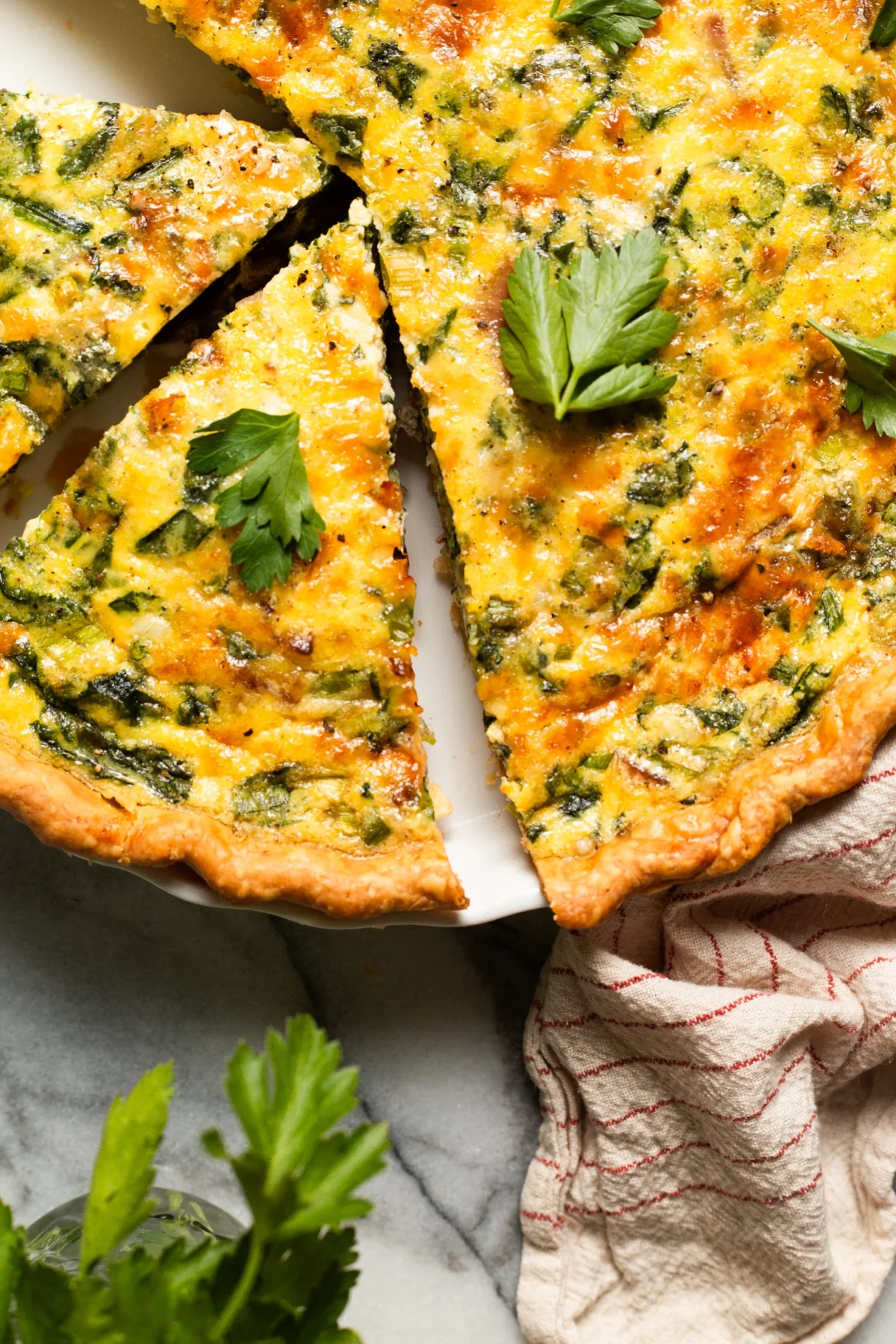
The art of the quiche, a classic French savory tart, is demystified in a comprehensive guide by Chungah Rhee of Damn Delicious, offering home cooks a path to a creamy, silky custard encased in a flaky, golden-brown crust. Published on February 27, 2026, this detailed exploration emphasizes the simplicity of using store-bought pie dough, making the once-intimidating dish accessible to even novice bakers. The article, which goes beyond a simple recipe to become a culinary manual, delves into the fundamental components of a quiche, its historical context, and provides practical advice for achieving professional results in any kitchen.
Understanding the Essence of Quiche
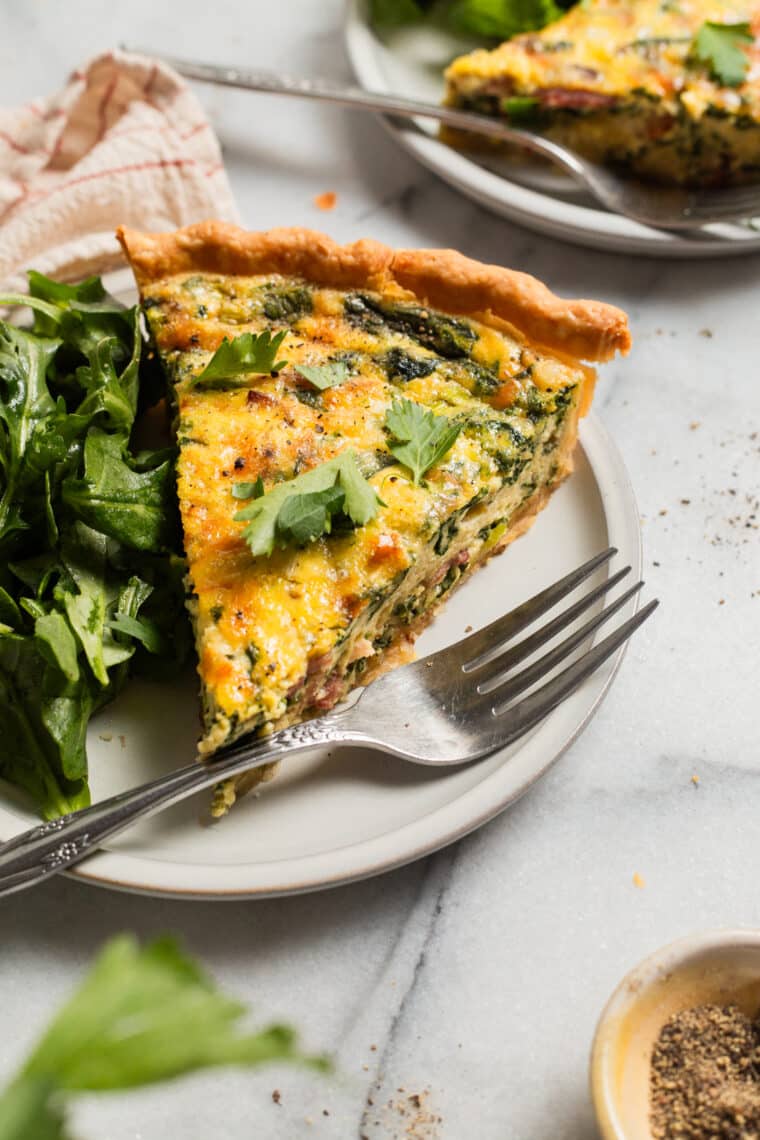
At its core, a quiche is a celebrated French dish defined by its characteristic pastry crust, a rich and savory baked egg custard, and a medley of fillings. The custard, typically a harmonious blend of eggs, cream, or milk, acts as the binding agent for ingredients such as cheese, vegetables, and meats. Unlike its Italian counterpart, the frittata, which forgoes a crust and presents a denser, firmer egg dish, the quiche is defined by its delicate, flaky foundation. This distinction is crucial for understanding the textural and structural nuances of each dish. Quiche offers remarkable versatility, adaptable to be served hot, warm, or even chilled, making it a suitable option for any meal, from a light breakfast to a substantial dinner.
Historical Roots and Culinary Evolution
The origins of quiche can be traced back to the medieval period in the northeastern region of France, specifically Lorraine. The earliest recorded mention of "Kueche" or "cheescake" dates back to the 16th century, highlighting its long-standing presence in culinary traditions. Initially, these were simpler versions, often consisting of a bread dough base filled with custard. Over time, the refined pastry crust became standard, and the dish evolved to incorporate a wider array of ingredients. The "Quiche Lorraine," a classic featuring bacon and cheese, gained international recognition and popularity, solidifying its place in global gastronomy. The evolution from its humble beginnings to the sophisticated dish it is today underscores the adaptability and enduring appeal of the quiche.

Key Ingredients for Quiche Perfection
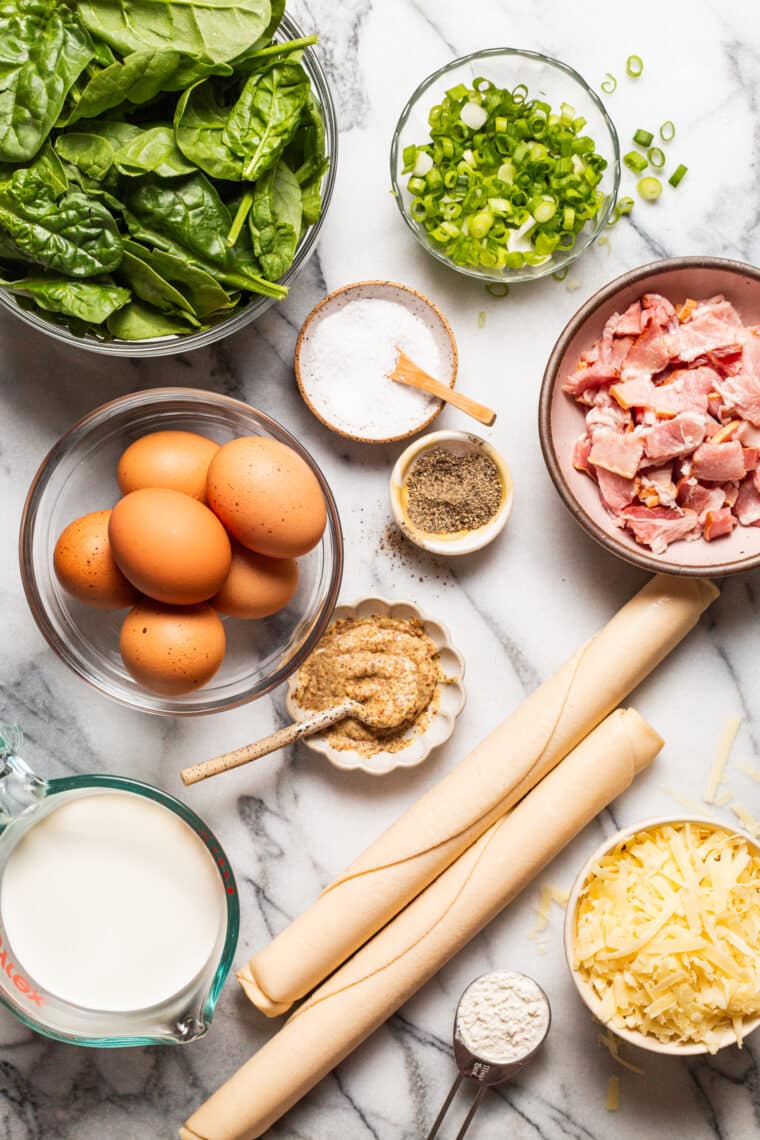
The foundation of a successful quiche lies in the quality and combination of its ingredients. Rhee’s guide meticulously outlines each component, providing insight into their specific roles:
- Pie Dough: The accessibility of store-bought pie dough is a cornerstone of this easy approach. The recipe utilizes two pie crusts, allowing for a more generous and aesthetically pleasing crimped edge, ensuring it fits perfectly within a standard quiche dish. This pragmatic approach addresses the common issue of shrinking pie dough sizes, providing home cooks with greater flexibility.
- Eggs: As the primary binder, eggs are indispensable. They form the creamy, savory custard that holds all other ingredients together, creating the signature texture of a quiche. The number and quality of eggs directly impact the richness and consistency of the final dish.
- Dairy (Milk/Cream): The choice of dairy significantly influences the custard’s texture. While whole milk offers a lighter option, and heavy cream yields maximum richness, "half and half" is recommended for its balanced creamy consistency without being overly heavy. This blend of milk and cream provides a luxurious mouthfeel.
- Flour: A small addition of all-purpose flour, typically one tablespoon, plays a crucial role in absorbing excess moisture. This prevents the custard from becoming watery or curdling, ensuring a consistently smooth and creamy texture throughout the bake.
- Filling: The versatility of quiche fillings is one of its greatest assets. Rhee highlights classic combinations like spinach and bacon, but also encourages experimentation with various meats and vegetables. The ability to customize fillings makes quiche a dynamic dish, adaptable to seasonal produce and personal preferences.
- Cheese: Cheese not only adds flavor but also contributes to the custard’s richness and texture. Gruyere cheese is favored for its nutty, savory notes and creamy melt. However, a wide range of cheeses, including cheddar, Swiss, fontina, goat, and feta, can be successfully incorporated, offering diverse flavor profiles.
Strategic Flavor Combinations
The article explores several popular and delectable quiche flavor combinations, offering a springboard for culinary creativity:
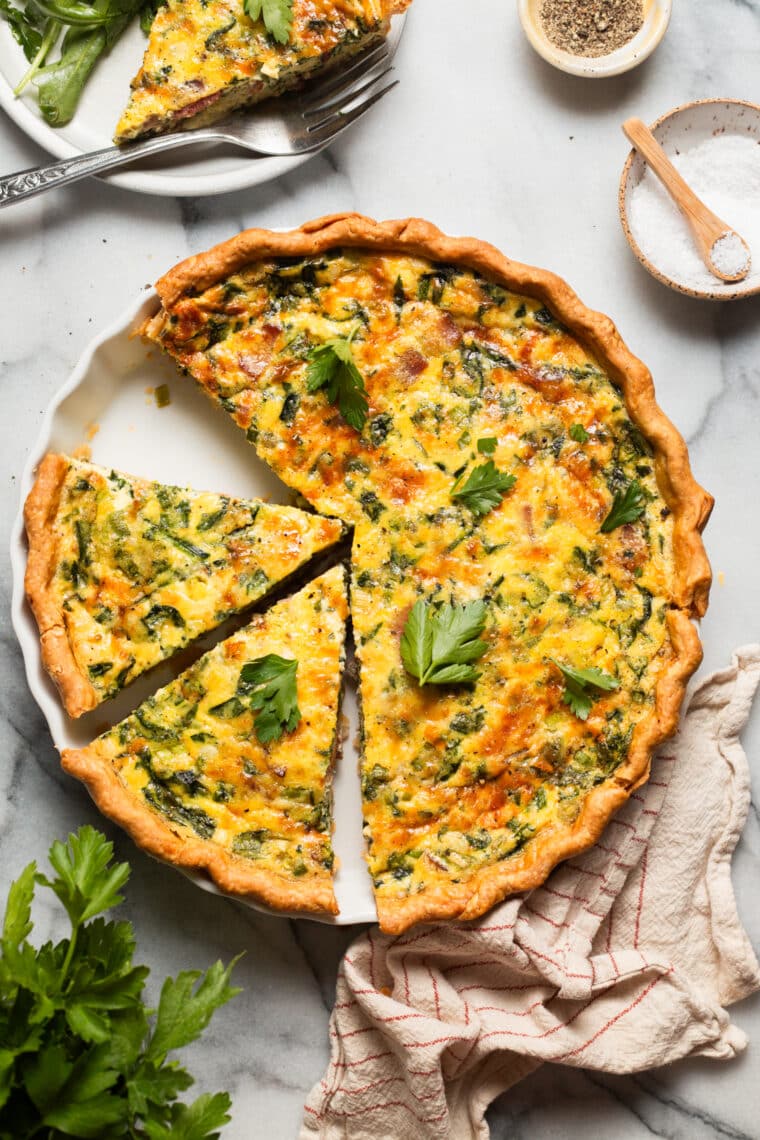
- Quiche Lorraine: A timeless classic, this combination features savory bacon and the nutty richness of Gruyere or Swiss cheese.
- Spinach and Feta: A lighter yet flavorful option, pairing sautéed spinach with the tangy crumbles of feta cheese.
- Ham and Swiss: A hearty choice, combining diced cooked ham with caramelized onions and the mild, nutty flavor of Swiss cheese.
- Broccoli and Cheddar: A familiar and comforting combination, utilizing cooked broccoli florets and sharp cheddar cheese for a robust taste.
- Vegetable Medley: This category encourages the use of caramelized onions, sautéed bell peppers, zucchini, mushrooms, or even root vegetables, offering a vibrant and earthy profile.
- Leafy Greens: Beyond spinach, Rhee suggests incorporating sautéed Swiss chard, kale, arugula, or watercress for added nutrients and distinct flavors.
- Flavor Enhancers: Small additions like Dijon mustard, fresh herbs (dill, thyme, rosemary, basil, parsley), and spices (nutmeg, paprika, red pepper flakes) can elevate the quiche from good to exceptional, allowing for nuanced flavor development.
The Art of Blind Baking: Preventing a Soggy Bottom
A critical technique emphasized in the guide is "blind baking" the crust. This process involves pre-baking the pie crust before adding the wet custard filling. Blind baking is essential for preventing a soggy bottom, a common pitfall, especially with liquid-rich fillings. The method involves lining the unbaked crust with parchment paper and filling it with pie weights, such as ceramic balls or dried beans. This prevents the dough from puffing up or collapsing during the initial bake, ensuring a crisp and sturdy foundation for the quiche. This attention to detail is a hallmark of professional baking and significantly enhances the final product.
Step-by-Step Culinary Journey
While the specific recipe instructions are not detailed in the provided text, the article structure indicates a clear, step-by-step approach to making the quiche. This likely involves preparing the crust, sautéing any chosen fillings, whisking the custard ingredients, assembling the quiche, and baking it to golden perfection. The inclusion of detailed instructions, often accompanied by visual aids, is characteristic of Rhee’s accessible culinary writing style.
Addressing Common Quiche Queries
The article proactively addresses frequently asked questions, further empowering home cooks:
- The Purpose of Blind Baking: As detailed above, blind baking is crucial for a crisp crust and to avoid a soggy bottom.
- Half and Half Substitutions: For those without half and half, Rhee provides precise ratios for creating a substitute using whole milk and heavy cream, or skim milk and heavy cream, ensuring the desired richness and texture can still be achieved.
- Make-Ahead Potential: The flexibility of quiche is highlighted, with instructions on how to blind bake the crust up to two days in advance or how to assemble and bake the entire quiche ahead of time, with guidance on proper storage and reheating.
- Cooling Time: Allowing the quiche to cool for at least 10 minutes after baking is recommended. This brief resting period allows the custard to set, ensuring clean, neat slices that hold their shape.
- Leftover Storage: Practical advice on storing leftovers in an airtight container for 3-4 days, with reheating instructions, ensures that the enjoyment of the quiche can extend beyond the initial serving.
Broader Culinary Impact and Accessibility
Chungah Rhee’s approach, as showcased in this comprehensive guide to easy homemade quiche, exemplifies a commitment to making sophisticated dishes accessible to a wider audience. By leveraging readily available ingredients like store-bought pie dough and providing clear, actionable advice, she demystifies culinary techniques that might otherwise seem daunting. This strategy aligns with the broader trend in food media towards empowering home cooks and fostering confidence in the kitchen. The emphasis on customization also speaks to the modern diner’s desire for personalized culinary experiences. The success of Damn Delicious, evidenced by its regular features in major media outlets, underscores the effectiveness of Rhee’s philosophy: that delicious, impressive meals can be achieved with a little guidance and a lot of enthusiasm. The "Easy Quiche" recipe, therefore, is more than just a dish; it’s an invitation to explore the joys of baking and to master a timeless culinary classic.
