

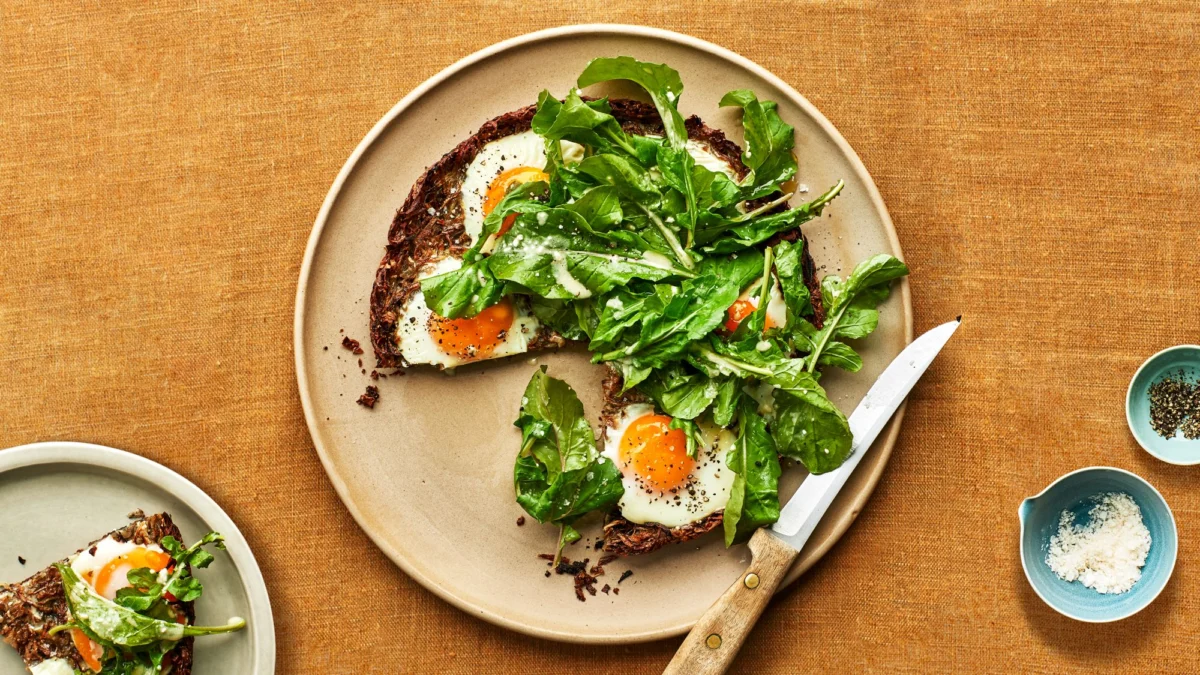
For many, the annual observance of Mother’s Day transcends the realm of conventional gift-giving, shifting focus toward meaningful experiences that communicate profound appreciation. While scented candles and luxurious bath products often feature in celebratory catalogs, a growing consensus suggests that a meticulously prepared Mother’s Day brunch stands as a more impactful and cherished gesture. This culinary offering, designed to nourish both body and spirit, provides a tangible expression of gratitude, often surpassing the fleeting appeal of material possessions. The act of preparing a meal, particularly for the individual who has historically provided sustenance and comfort, resonates deeply, transforming a simple meal into a memorable event.
The Historical Tapestry of Mother’s Day
Understanding the contemporary significance of Mother’s Day brunch requires a brief exploration of the holiday’s origins. The modern iteration of Mother’s Day in the United States traces its roots to the early 20th century, largely through the tireless efforts of Anna Jarvis. Following her own mother’s passing in 1905, Jarvis embarked on a campaign to establish a national day to honor mothers, viewing it as a way to acknowledge the sacrifices and contributions of women. Her persistent advocacy led to the first official Mother’s Day celebration in Grafton, West Virginia, and Philadelphia, Pennsylvania, in May 1908. By 1914, President Woodrow Wilson signed a proclamation designating the second Sunday in May as Mother’s Day, a national holiday.
Initially, Jarvis envisioned a day of personal reflection and appreciation, marked by visiting one’s mother or attending church services, often with white carnations as a symbol of purity and love. However, the holiday quickly became commercialized, a development Jarvis vehemently opposed, spending the latter part of her life protesting its exploitation by florists, candy makers, and card companies. This commercial evolution, while generating significant economic activity, sometimes overshadowed the holiday’s original intent for heartfelt, personal recognition. In recent decades, there has been a discernible trend back towards more personalized and experience-based celebrations, with home-cooked meals, particularly brunch, emerging as a favored approach to reclaim the holiday’s intimate essence.
The Culinary Allure of Brunch
Brunch, a portmanteau of breakfast and lunch, occupies a unique position in the culinary landscape. It embodies a leisurely pace, allowing for a later start to the day and combining the best elements of both morning and midday meals. This flexibility makes it an ideal format for celebratory occasions like Mother’s Day. Unlike a formal dinner or a rushed breakfast, brunch encourages relaxation, extended conversation, and a diverse spread of dishes that cater to various palates.
The appeal of brunch lies in its inherent balance. A successful Mother’s Day brunch typically features a thoughtful combination of sweet and savory items, complemented by an array of refreshing beverages. This duality ensures that every guest finds something to enjoy, whether they prefer the comforting indulgence of pastries or the robust flavors of egg-based dishes. Furthermore, the relaxed atmosphere of brunch fosters a sense of togetherness, creating an environment conducive to family bonding and genuine appreciation.
Crafting the Perfect Menu: Sweet, Savory, and Sips
The cornerstone of an unforgettable Mother’s Day brunch is a well-conceived menu that addresses diverse cravings and offers a sense of abundance without overwhelming the cook.

Sweet Indulgences:
The sweet component often serves as the inviting focal point of a brunch spread. Classic choices include plush cinnamon rolls, their spirals glistening with icing, or a giant blueberry pancake, puffed and golden, brimming with juicy berries. Beyond these staples, options abound:
- French Toast or Waffles: Elevated with homemade berry compotes, artisanal syrups, or a dusting of powdered sugar. Variations might include challah bread French toast for extra richness or savory waffle iterations.
- Muffins and Scones: Freshly baked, perhaps with seasonal fruits like lemon and poppy seed or cranberry and orange, offering a lighter, grab-and-go option.
- Fruit Salad: A vibrant medley of seasonal fruits not only adds color and freshness but also provides a healthy counterpoint to richer dishes. Citrus segments, berries, melon, and kiwi can be artfully arranged.
Savory Delights:
The savory dishes anchor the brunch, providing substance and a satisfying depth of flavor. Egg preparations are frequently central:
- Herby Frittatas or Quiches: Versatile and often make-ahead friendly, these can be customized with a variety of fillings—spinach and feta, mushroom and Gruyère, or a spring-inspired asparagus and goat cheese.
- Eggs Benedict: A sophisticated classic featuring poached eggs, Canadian bacon (or smoked salmon for Eggs Royale), and a velvety hollandaise sauce atop an English muffin. While requiring precise timing, its elegance is often worth the effort.
- Scrambled Eggs or Omelets: Simple yet elegant, especially when prepared with fresh herbs, cheeses, or diced vegetables.
- Breakfast Meats: Crispy bacon, savory sausage links or patties, or even a sophisticated prosciutto provide robust flavors.
- Springy Salads: Light and refreshing, incorporating seasonal greens, radishes, cucumbers, and a bright vinaigrette. A potato salad or pasta salad, prepared with fresh herbs and a lighter dressing, can also add substance.
- Smoked Salmon Platter: Accompanied by capers, red onion, cream cheese, and an assortment of bagels or artisan bread, this offers an elegant and relatively hands-off savory option.
Refreshing Sips:
No brunch is complete without an array of beverages, ranging from classic celebratory cocktails to invigorating non-alcoholic options.
- Mimosas and Bellinis: The quintessential brunch cocktails, combining sparkling wine with orange juice (mimosa) or peach purée (bellini). A "build-your-own" bar with various fruit juices and garnishes can add an interactive element.
- Coffee and Tea Bar: A selection of high-quality coffees (drip, French press, or espresso options) and an assortment of specialty teas cater to all preferences.
- Fresh Juices: Orange, grapefruit, cranberry, or a custom blend of fruit and vegetable juices provide refreshing and healthy alternatives.
- Infused Water: Water infused with cucumber and mint, or berries and lemon, offers a light and elegant hydration option.
A Strategic Timeline for Success
The prospect of preparing a comprehensive brunch spread can seem daunting, but strategic planning allows for a smooth and enjoyable execution, minimizing stress on the celebratory day.
Two Weeks Out:
- Guest List and Dietary Needs: Confirm attendees and inquire about any allergies, dietary restrictions (vegetarian, vegan, gluten-free), or preferences.
- Menu Planning: Finalize the menu, ensuring a balance of sweet and savory, and considering which dishes can be prepared ahead.
- Equipment Check: Ensure you have all necessary cookware, serving dishes, and cutlery.
One Week Out:
- Grocery List: Compile a detailed list of all ingredients.
- Non-Perishable Shopping: Purchase non-perishable items like flour, sugar, coffee, tea, and canned goods.
- Make-Ahead Components: Identify dishes or components that can be prepared in advance (e.g., quiche crusts, muffin batters, hollandaise base, cinnamon roll dough).
Two to Three Days Before:
- Perishable Shopping: Buy fresh produce, dairy, and meats.
- Initial Prep (Mise en Place): Chop vegetables, mince herbs, make salad dressings, prepare fruit for fruit salad. Store appropriately.
- Baking: Prepare and bake any pastries or quiches that can be reheated or served at room temperature.
- Beverage Prep: Chill sparkling wine, juices, and prepare infused water.
The Day Before:
- Final Prep: Set the table with linens, plates, and glasses. Polish silverware.
- Partial Cooking: If making Eggs Benedict, poach eggs ahead of time and gently reheat the next day. Assemble any casseroles that need to bake in the morning.
- Ingredient Organization: Arrange ingredients for morning cooking to ensure efficiency.
Mother’s Day Morning:

- Early Start for Baking: Bake fresh items like pancakes, waffles, or any last-minute pastries.
- Egg Dishes: Prepare frittatas, scrambled eggs, or assemble Eggs Benedict just before serving.
- Warm-Ups: Reheat any make-ahead dishes.
- Assembly and Garnish: Arrange platters, garnish dishes, and set out beverages.
- Enjoy: The most important step—sit down and enjoy the meal and company.
The Economic and Emotional Resonance
The decision to host a Mother’s Day brunch at home carries significant economic and emotional implications. From an economic standpoint, the trend towards home cooking for special occasions boosts sales in local grocery stores, specialty food markets, and kitchenware retailers. The National Retail Federation (NRF) consistently reports significant consumer spending around Mother’s Day, with a notable portion allocated to food and dining experiences. While dining out remains popular, the increasing interest in home-cooked meals represents a shift in how families choose to celebrate, often driven by a desire for more intimate and personalized experiences.
Emotionally, the act of preparing a meal for one’s mother transcends the monetary value of ingredients. It symbolizes effort, thoughtfulness, and a willingness to invest personal time and skill. Culinary experts often highlight the deep connection between food and emotion. Chef Alice Waters, for instance, has long advocated for the power of shared meals to foster community and well-being. A home-cooked brunch, therefore, becomes a powerful vehicle for expressing love and appreciation, creating lasting memories that often outweigh the novelty of a store-bought gift.
Expert Perspectives and Consumer Trends
Psychologists frequently emphasize the value of "experience gifts" over material possessions, citing research that suggests experiences lead to greater long-term happiness and strengthen relationships. For Mother’s Day, this translates into the profound impact of a thoughtfully prepared meal. "The effort and personalization inherent in cooking a meal communicate a deeper level of care than simply purchasing an item," notes Dr. Emily R. Smith, a family psychologist. "It shows you’ve considered her preferences, her comfort, and her enjoyment."
Consumer trends further support this shift. Data from various food industry reports indicate a rising interest in home cooking, fueled by culinary media, cooking shows, and the accessibility of diverse recipes online. This cultural shift empowers individuals to experiment in the kitchen, making elaborate brunches more achievable for the average home cook. Moreover, the emphasis on fresh, seasonal ingredients aligns with broader movements towards healthier eating and sustainable practices, adding another layer of positive association to the home-cooked brunch. Event planners also acknowledge the growing desire for intimate, customized gatherings, with home-based brunches offering a more relaxed and personal alternative to crowded restaurants.
Beyond the Plate: Broader Implications
The Mother’s Day brunch, in its essence, extends beyond merely satisfying hunger. It cultivates family traditions, providing a consistent framework for annual celebration and bonding. These shared culinary experiences contribute to a family’s collective memory, becoming cherished anecdotes passed down through generations. Furthermore, the process of planning, preparing, and sharing a meal can foster valuable life skills, from organization and time management to culinary artistry and hospitality.
In a broader societal context, the emphasis on home-cooked meals for holidays encourages a deeper appreciation for food itself—its origins, preparation, and the communal joy it brings. It subtly champions the domestic arts and the often-unseen labor involved in nurturing a family. This return to the hearth, even for a single celebratory meal, reinforces the enduring power of food as a universal language of love and connection.
Ultimately, while the allure of convenient gifts persists, the profound sentiment conveyed by a carefully orchestrated Mother’s Day brunch resonates deeply. It is an invitation to slow down, savor the moment, and acknowledge the tireless contributions of mothers through the universal language of food. The combination of sweet and savory, the strategic planning, and the shared experience at the table transform a simple meal into an enduring testament of gratitude, truly making it a gift that nourishes the soul.
