

Civet coffee, infamously known as kopi luwak, continues to be one of the most contentious products within the global coffee industry. Its allure is intertwined with complex issues spanning the intricate dynamics of value chains, the sophisticated art of high-end product differentiation, pervasive concerns about authenticity, and, most critically, profound ethical debates surrounding animal cruelty. While discussions often center on the conspicuous consumption of rare commodities and the perpetual challenge of verifying a product’s genuine origin, a recent scientific investigation published in Scientific Reports has introduced fresh data, aiming to address the persistent question: is civet coffee truly different from its conventionally processed counterparts?
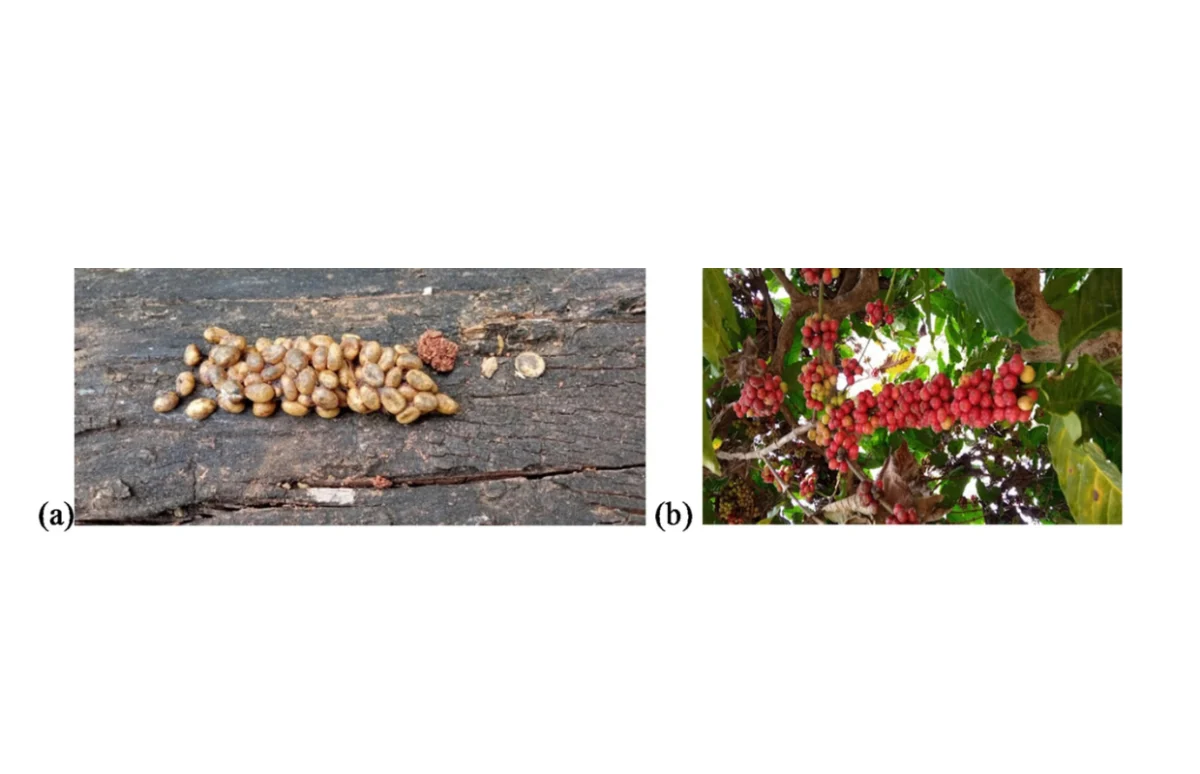
This groundbreaking study, conducted by a team of researchers from the Central University of Kerala in India, delves into the physical and chemical transformations that coffee beans undergo during their passage through the digestive system of the Asian palm civet. The investigation focused on unroasted Robusta coffee beans meticulously collected from the droppings of wild civets in the Kodagu region of India, a renowned biodiversity hotspot. These beans were then rigorously compared against samples of ripe Robusta coffee cherries harvested directly from the same estates.
Unveiling the Biochemical Differences: A Deeper Look at Civet-Processed Beans
The research team employed sophisticated analytical techniques, specifically gas chromatography-mass spectrometry (GC-MS), to dissect the chemical composition of the coffee beans. Both organically and conventionally managed farms were represented in the study, providing a nuanced perspective on potential agricultural influences. The analysis revealed that the civet-processed beans exhibited a notably higher total fat content. More significantly, they contained elevated levels of two specific fatty-acid methyl esters: caprylic acid methyl ester and capric acid methyl ester.
These compounds are recognized in the food industry as crucial contributors to flavor and aroma profiles, often imparting desirable dairy-like or milky notes. The researchers posited that these findings lend credence to the hypothesis that the civet’s digestive process—a complex interplay of natural fermentation and enzymatic activity—actively modifies the chemical makeup of the coffee beans. This modification, they suggest, could be responsible for intensifying flavor and contributing to the unique sensory characteristics that define civet coffee.
However, the authors were careful to temper these findings with a crucial caveat. While specific compounds showed statistically significant increases, the study also concluded that, when considering a multitude of measurements in aggregate, the civet-processed and non-civet beans were "not very distinct." This nuanced conclusion underscores the ongoing scientific debate surrounding the true extent of the sensory and qualitative differences in civet coffee.
The Enduring Controversy: Ethical Dilemmas and Market Integrity
The scientific inquiry, while providing valuable biochemical insights, does little to definitively settle the long-standing debates surrounding the quality and sensory attributes of kopi luwak. A primary limitation of the study is its focus on raw, unroasted green coffee. The transformative processes of roasting and brewing play a pivotal role in shaping the final cup’s flavor, and these stages were beyond the scope of this particular research. Furthermore, the study concentrated on Robusta beans, whereas the premium segment of the kopi luwak market predominantly features Arabica beans, which possess inherently different chemical compositions and flavor profiles.
Beyond the scientific discourse, the ethical dimension of civet coffee production remains a deeply troubling and unresolved issue. The authors themselves acknowledged the "ongoing debate regarding the ethical issues of civet maintenance" in coffee production. This statement is particularly pertinent given the widespread reports of inhumane practices in civet coffee farming. These practices often involve the confinement of civets in small cages, force-feeding them coffee cherries, and subjecting them to unsanitary conditions, leading to significant animal welfare concerns.
The integrity of the civet coffee market is further undermined by the pervasive problem of counterfeiting. The exorbitant prices commanded by genuine kopi luwak make it a lucrative target for fraudulent operations. Consumers seeking the exclusive experience of civet coffee are often unknowingly purchasing imitations, further devaluing the product and perpetuating the exploitation of both animals and unsuspecting buyers.
This issue was starkly highlighted just days before the Scientific Reports study was published. The non-profit organizations Civet Project Foundation and Wild Welfare jointly announced their findings of "rampant fraud and serious animal welfare concerns linked to the online sale of civet coffee." Their investigation exposed a disturbing reality where many online retailers were misrepresenting their products, selling mass-produced coffee as genuine kopi luwak, while simultaneously contributing to the cruel treatment of civets in captive farming facilities.
Historical Context and the Evolution of Kopi Luwak
The phenomenon of kopi luwak emerged organically in the coffee plantations of Indonesia during the Dutch colonial era. Local plantation workers, unable to afford their own coffee, observed that civets consumed the ripe coffee cherries and excreted the beans. They discovered that these excreted beans, after being cleaned and roasted, produced a unique and remarkably smooth coffee. This discovery, initially a curiosity, gradually transformed into a niche market.
For decades, kopi luwak was a rare and exclusive product, primarily sourced from wild civets. The limited supply and the labor-intensive process of collecting droppings from wild animals contributed to its high price. However, as global demand for exotic and luxury goods surged, so too did the demand for kopi luwak. This increased demand, coupled with the potential for significant profit, led to the development of intensive farming operations.
The transition from wild collection to large-scale farming marked a critical turning point, amplifying the ethical concerns. The economic incentive to maximize production often overshadowed any consideration for the well-being of the animals. This shift has transformed kopi luwak from a natural curiosity into a symbol of a luxury market grappling with its own ethical responsibilities.
The Science Behind the Sensory Experience: A Deeper Dive
The compounds identified in the study, caprylic acid and capric acid methyl esters, are medium-chain fatty acids. In the context of food science, these fatty acids are known for their contribution to the overall mouthfeel and aroma. Their presence in higher concentrations within civet-processed beans suggests a potential modification of the bean’s lipid profile during digestion.
The enzymatic breakdown of proteins and carbohydrates within the civet’s digestive tract could also play a role. This process, similar to fermentation, can alter the precursor molecules responsible for flavor and aroma development during roasting. For instance, enzymatic activity might break down larger protein chains into smaller peptides, some of which can contribute to desirable bitter or sweet notes. Similarly, the partial digestion of sugars could influence the caramelization and Maillard reactions that occur during roasting, leading to a more complex flavor profile.
However, it is crucial to reiterate that these potential changes are subtle and their ultimate impact on the brewed cup of coffee is influenced by numerous factors, including bean varietal, origin, processing methods (beyond civet digestion), roasting profiles, and brewing techniques. The Scientific Reports study, by focusing solely on raw beans, provides a foundational understanding of biochemical alterations but does not fully capture the multifaceted sensory experience of a brewed cup.
Broader Implications for the Coffee Industry and Consumer Choices
The continued research into kopi luwak’s composition has several significant implications. Firstly, it contributes to a more informed understanding of the biological and chemical processes that can influence coffee quality. This knowledge can potentially inform innovations in post-harvest processing for conventional coffees, aiming to enhance desirable flavor attributes through controlled fermentation and enzymatic treatments, without the ethical baggage associated with civet production.
Secondly, the persistent issues of fraud and animal welfare surrounding civet coffee serve as a stark reminder for consumers to exercise caution and due diligence. The high price point of kopi luwak should not be the sole indicator of authenticity or quality. Consumers interested in unique coffee experiences are increasingly seeking ethically sourced and transparently produced products. This trend is driving demand for certifications and traceability schemes that guarantee fair labor practices and sustainable sourcing.
The involvement of organizations like the Civet Project Foundation and Wild Welfare underscores the growing role of non-governmental organizations in holding industries accountable for their ethical practices. Their advocacy and investigative work play a vital role in raising public awareness and pressuring businesses to adopt more responsible sourcing and production methods.
For the coffee industry, the kopi luwak controversy presents an ongoing challenge. It highlights the need for robust regulatory frameworks, stringent quality control measures, and industry-wide ethical guidelines. The pursuit of luxury and exclusivity must be balanced with a commitment to animal welfare and consumer trust. As scientific understanding of coffee’s complexities deepens, the industry has an opportunity to leverage this knowledge to elevate the quality and ethical standards of all coffee products, moving beyond the divisive allure of controversial commodities.
The study’s authors, affiliated with the Central University of Kerala, have reported no competing interests, lending further credibility to their findings. Their research, while not providing definitive answers to all the questions surrounding kopi luwak, represents a significant step forward in the scientific exploration of this enigmatic coffee, urging a continued dialogue between science, ethics, and commerce in the pursuit of a more responsible and enjoyable coffee future.
