

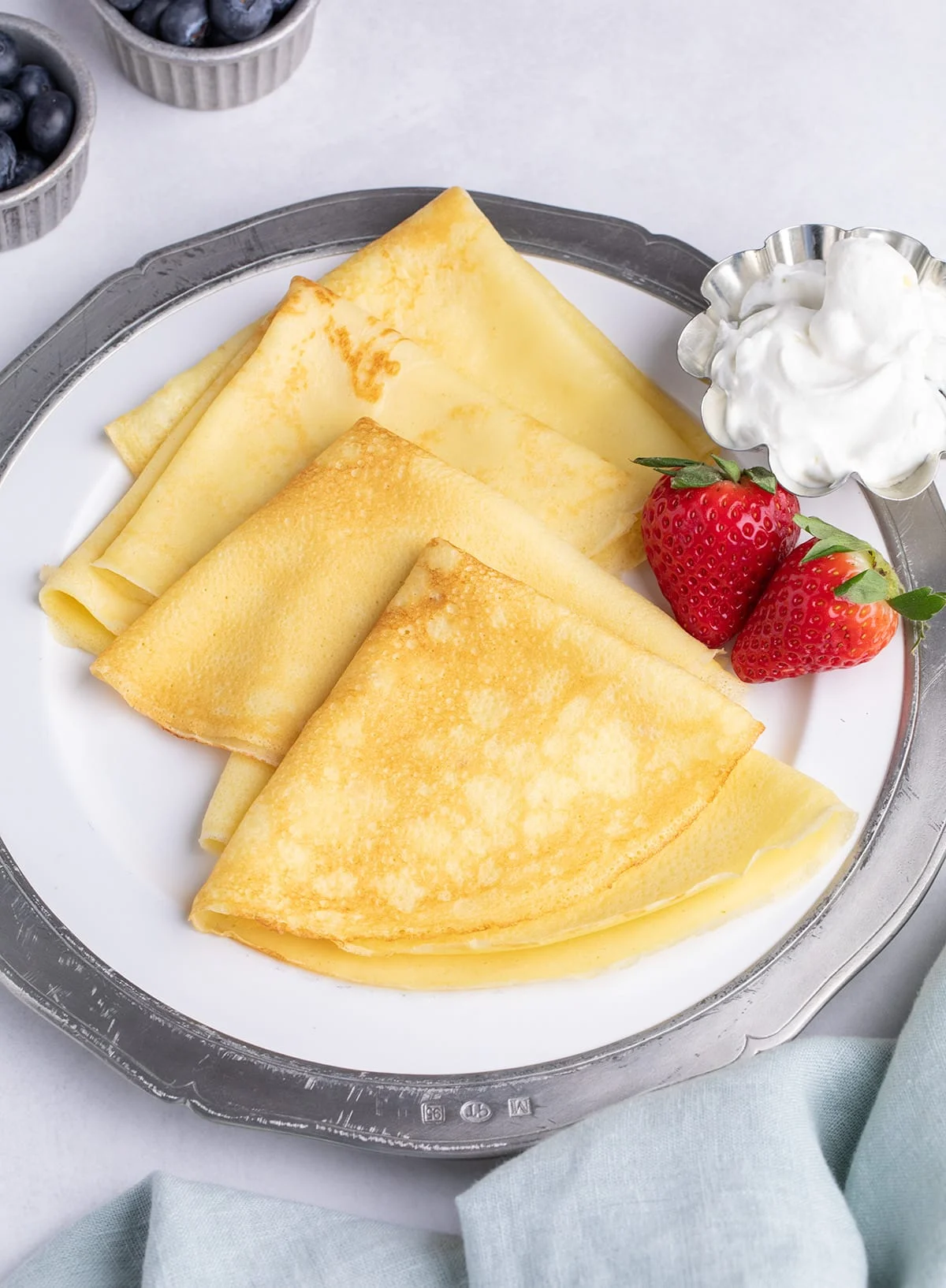
Gluten-free crêpes, a delicate and versatile culinary creation, are now accessible to individuals managing celiac disease or gluten sensitivities without compromising on texture or flavor. This recipe, lauded for its simplicity and exceptional results, utilizes only five core ingredients, transforming everyday meals into extraordinary experiences. Unlike their gluten-containing counterparts, these crêpes are designed to be pliable, bending and rolling without the frustrating tendency to break, a common challenge in gluten-free baking.
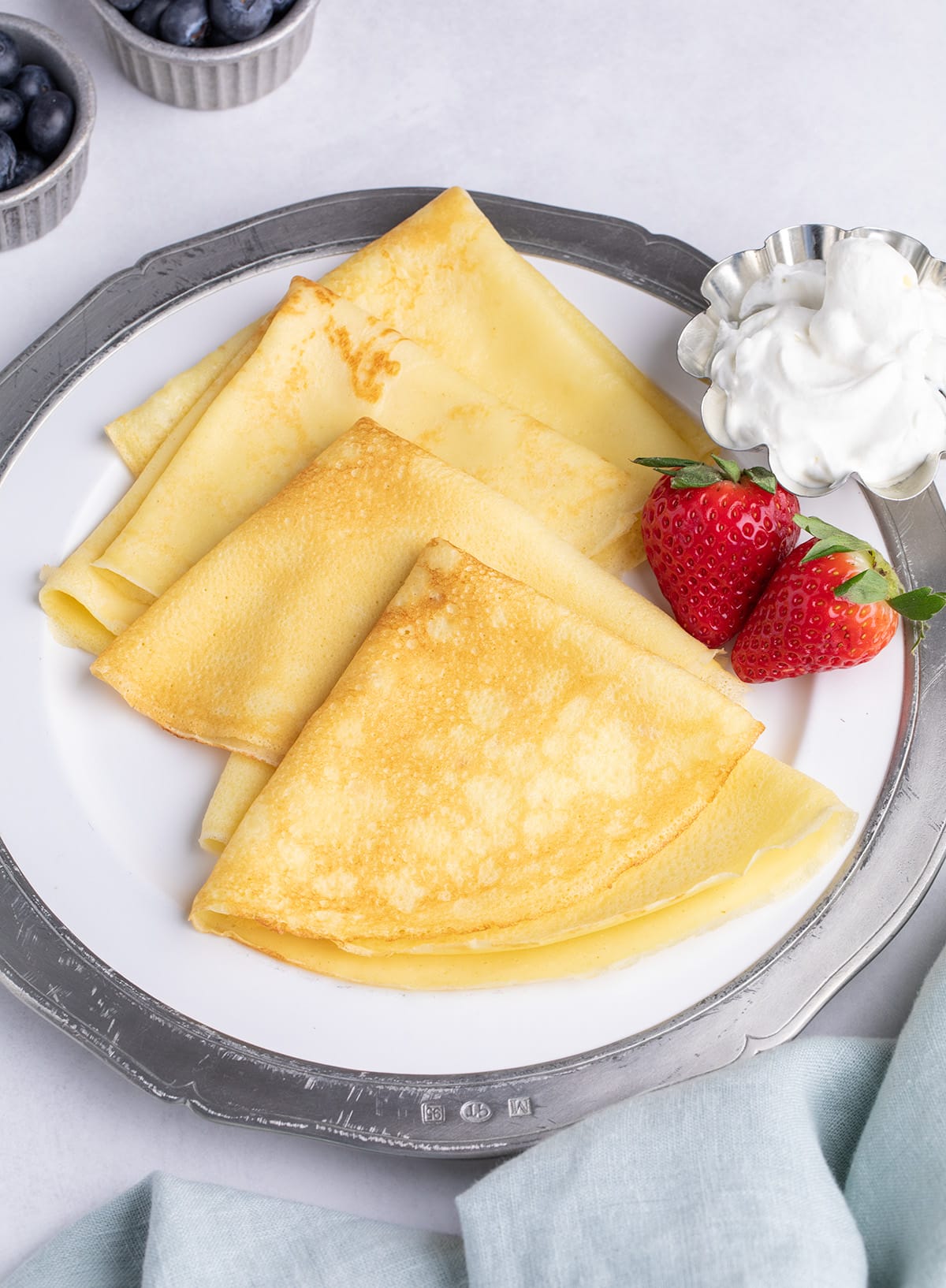
The development of this recipe addresses a significant need within the gluten-free community. Traditional crêpes, relying heavily on gluten for their characteristic elasticity, often prove elusive for those avoiding gluten. This innovative approach bypasses the need for gluten by employing a carefully selected blend of gluten-free flours, creating a batter that mimics the desired consistency and behavior of conventional crêpe batter. The result is a light, airy, and delicate pancake that can be enjoyed in a myriad of sweet and savory applications.
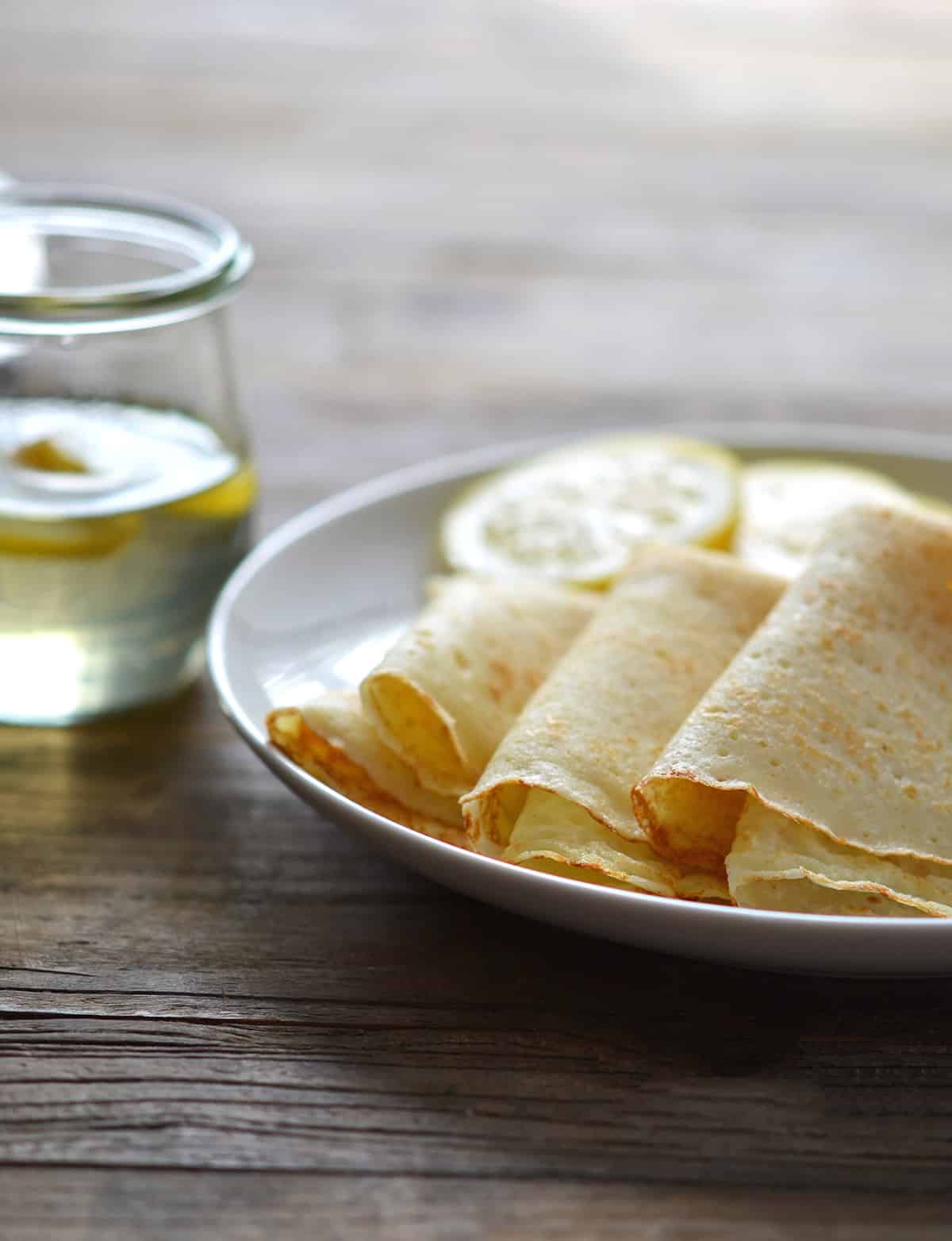
The Science Behind the Success: Why This Recipe Works
The success of these gluten-free crêpes lies in a fundamental understanding of gluten’s role in baking and how to effectively replace it. Gluten, a protein found in wheat, barley, and rye, forms a network when hydrated and worked, providing structure, elasticity, and chewiness to baked goods. In crêpes, gluten’s elasticity allows the batter to be spread thinly and manipulated without tearing. Removing gluten necessitates a different approach to achieve similar results.
This recipe achieves this by:
-
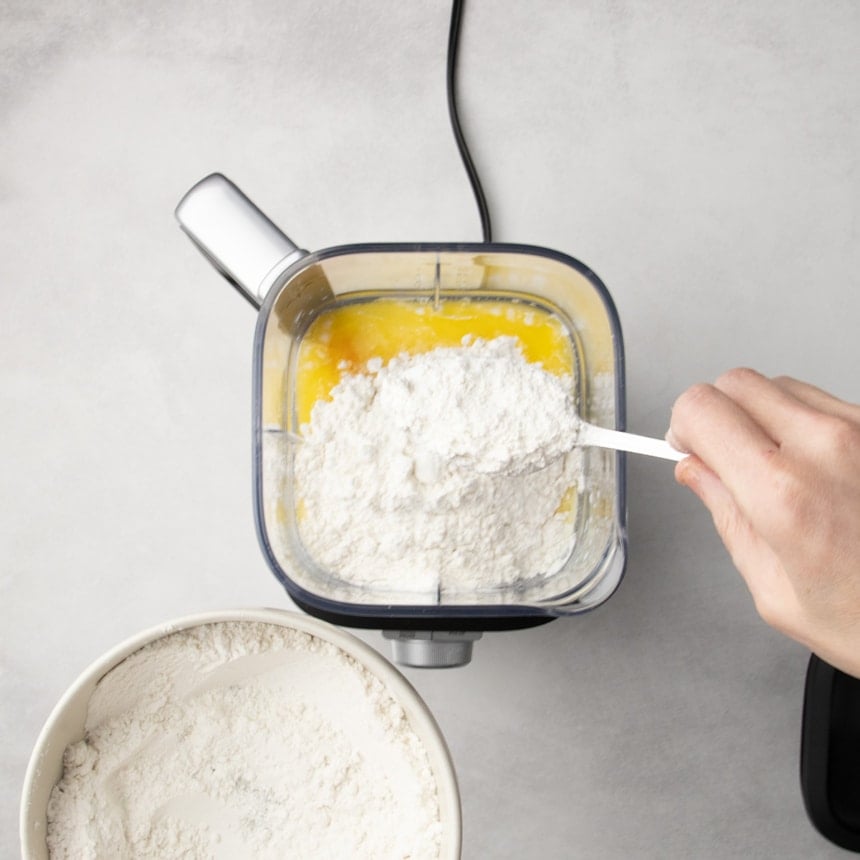
Strategic Flour Blending: The use of a specific gluten-free flour blend is paramount. A rice flour-based blend, notably one that is gum-free and avoids xanthan gum or its substitutes, is crucial to prevent a rubbery or tough texture. Xanthan gum, while a common gluten replacement, can sometimes impart an undesirable chewiness if not used judiciously. The recommended blend in this recipe, or a similarly formulated commercial mix like Nicole’s Best, ensures the right balance of starch and flour for tenderness. Measuring flour by weight (grams) rather than volume (cups) is emphasized for accuracy, a standard practice in professional baking that ensures consistent results.
-
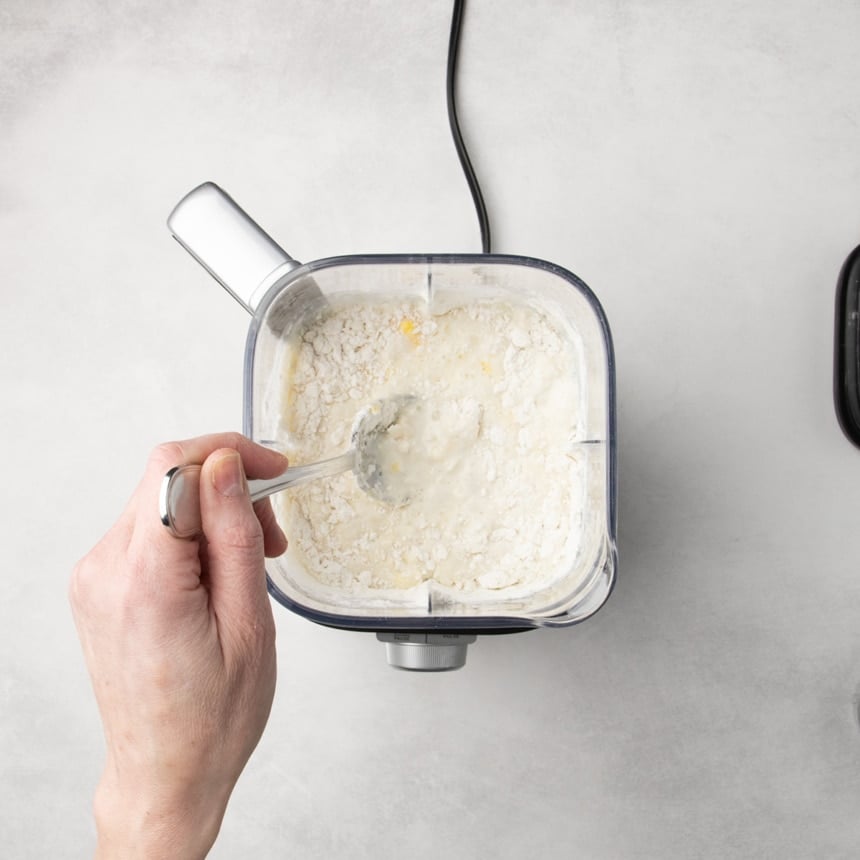
Batter Consistency: The ideal batter consistency is likened to half-and-half – thicker than whole milk but thinner than heavy cream. This specific viscosity is key to achieving thin, even crêpes when swirled in a hot pan. Too thick, and the batter will be difficult to spread; too thin, and it may tear easily.
-
Resting Period: A critical step often overlooked in quick gluten-free recipes is the resting period for the batter. Refrigerating the batter for at least 12 hours, and up to three days, allows the gluten-free flours to fully hydrate. This absorption process is vital for developing a stable batter that yields tear-resistant crêpes. While in traditional baking, resting allows gluten to relax, in gluten-free baking, it ensures proper moisture distribution and improves the overall texture.
-
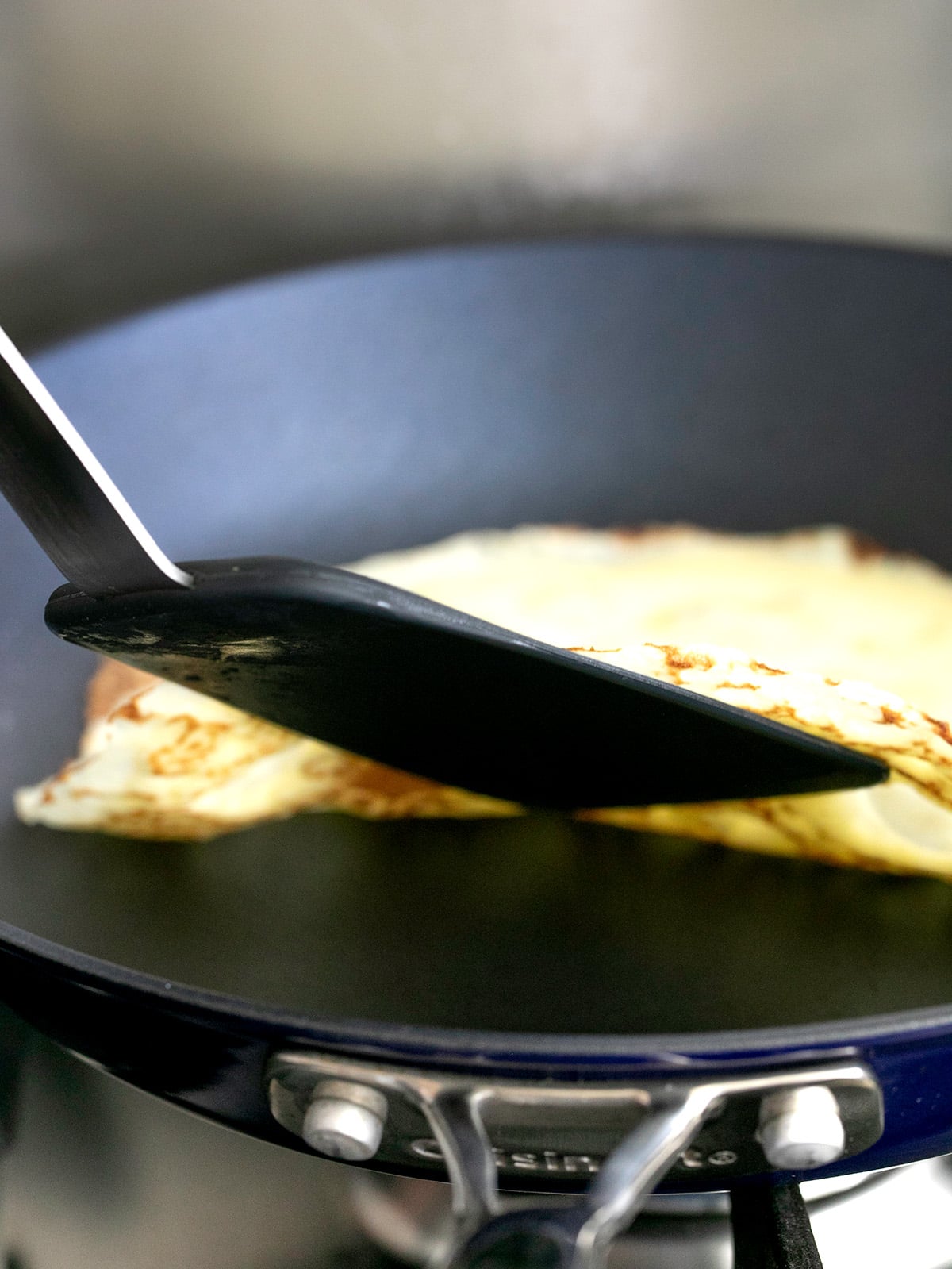
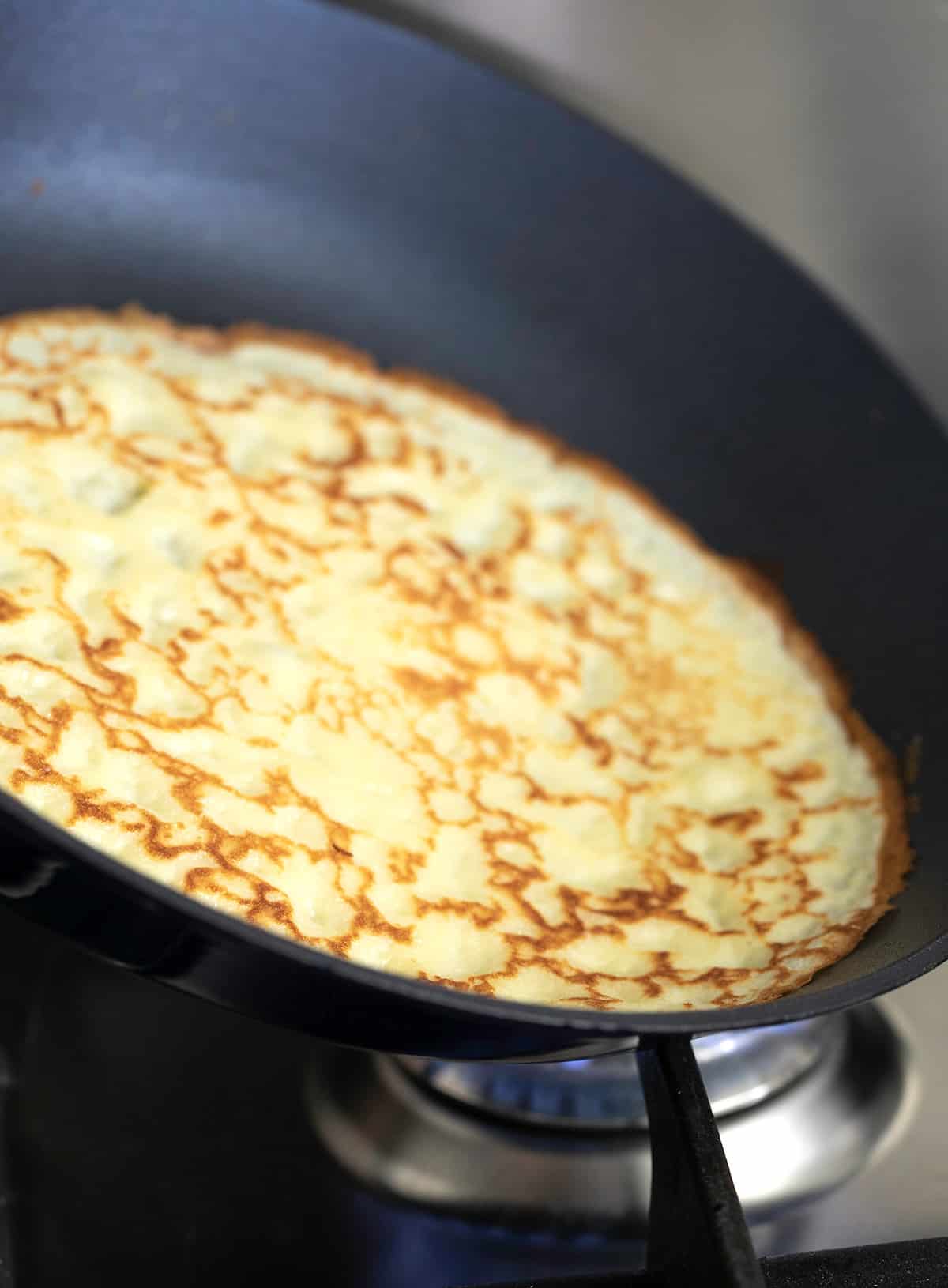
Proper Cooking Technique: The method of cooking mirrors traditional crêpe-making: swirling the batter in a hot, lightly greased nonstick pan. This technique, when mastered, allows for the creation of a thin, even layer of batter that cooks quickly and uniformly. The initial swirling creates lacy, crispy edges, a desirable characteristic of well-made crêpes.
Recipe Ingredients and Preparation: A Step-by-Step Guide
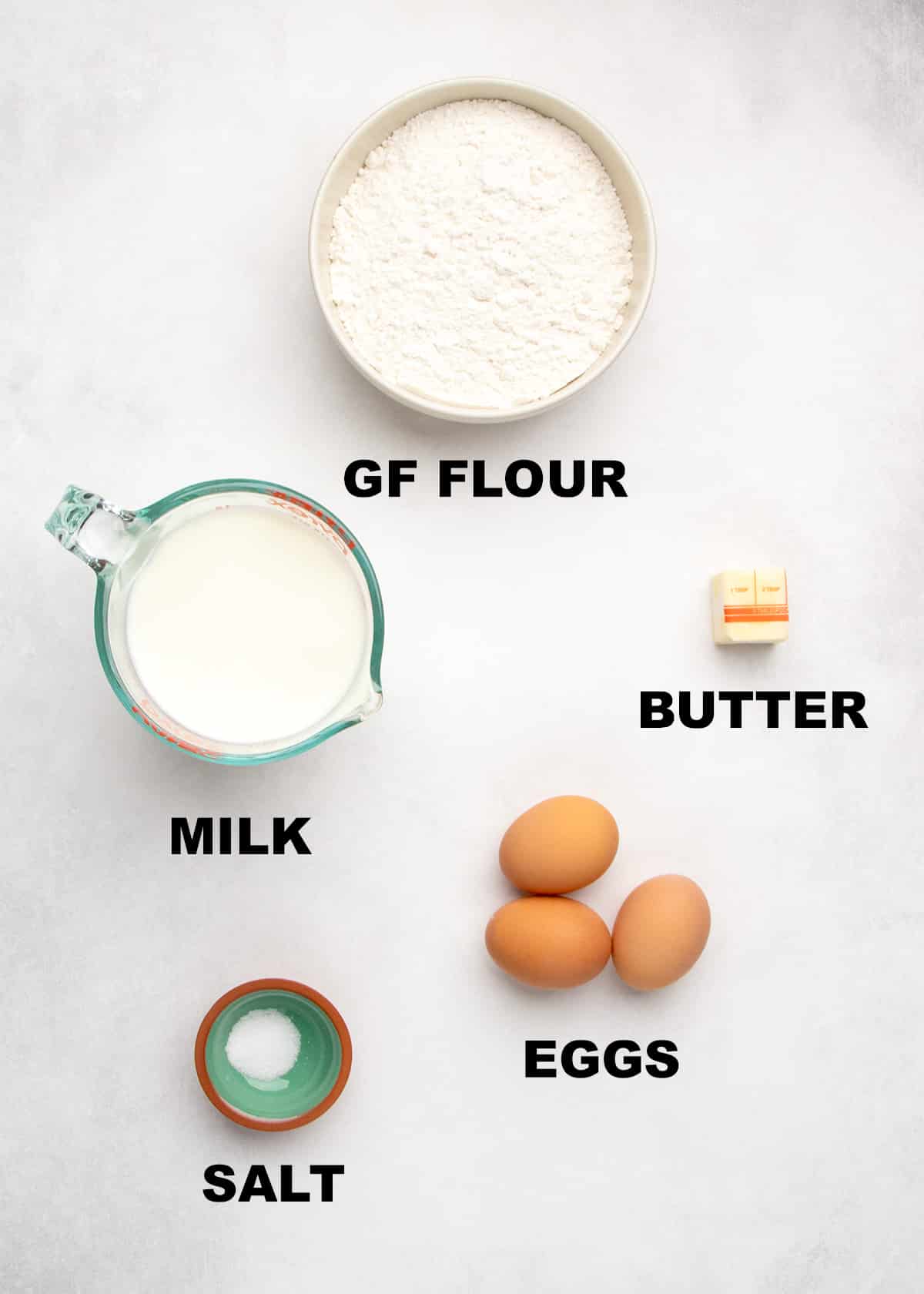
The simplicity of the ingredient list belies the complexity of achieving perfect gluten-free crêpes. The core components are:
- Gluten-Free Flour Blend: As discussed, a carefully selected blend is essential.
- Milk: Provides moisture and helps create the batter’s smooth consistency.
- Eggs: Act as a binder and contribute to the richness and structure of the crêpes.
- Butter: Adds flavor, richness, and helps prevent sticking. Melted butter is typically used.
- Salt: Enhances the overall flavor profile.
Preparation Methodology:
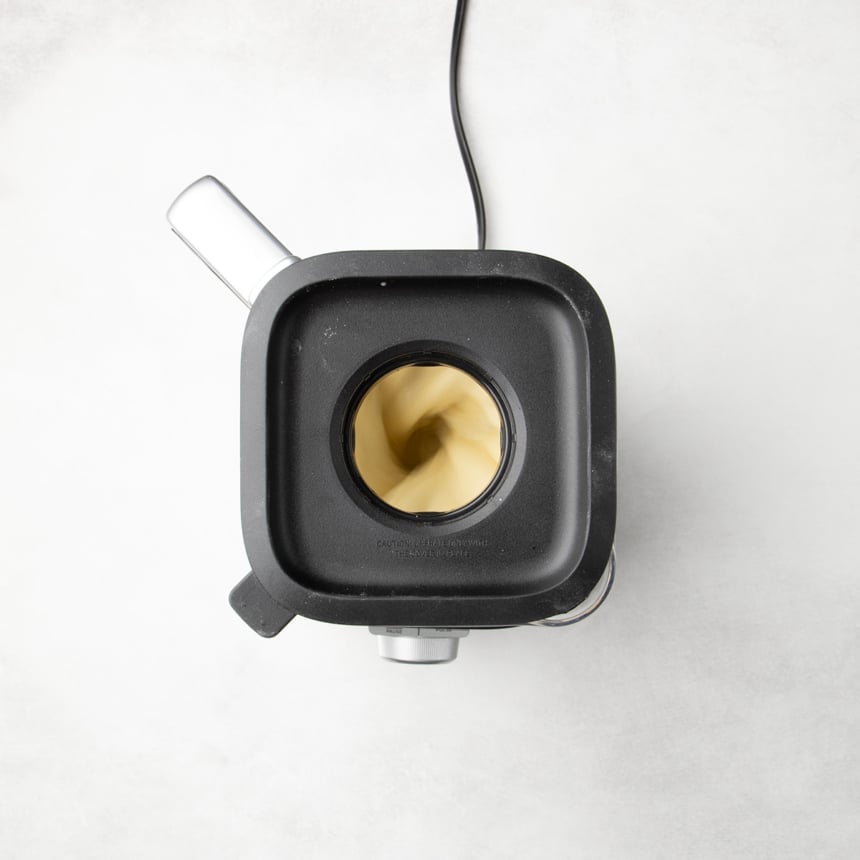
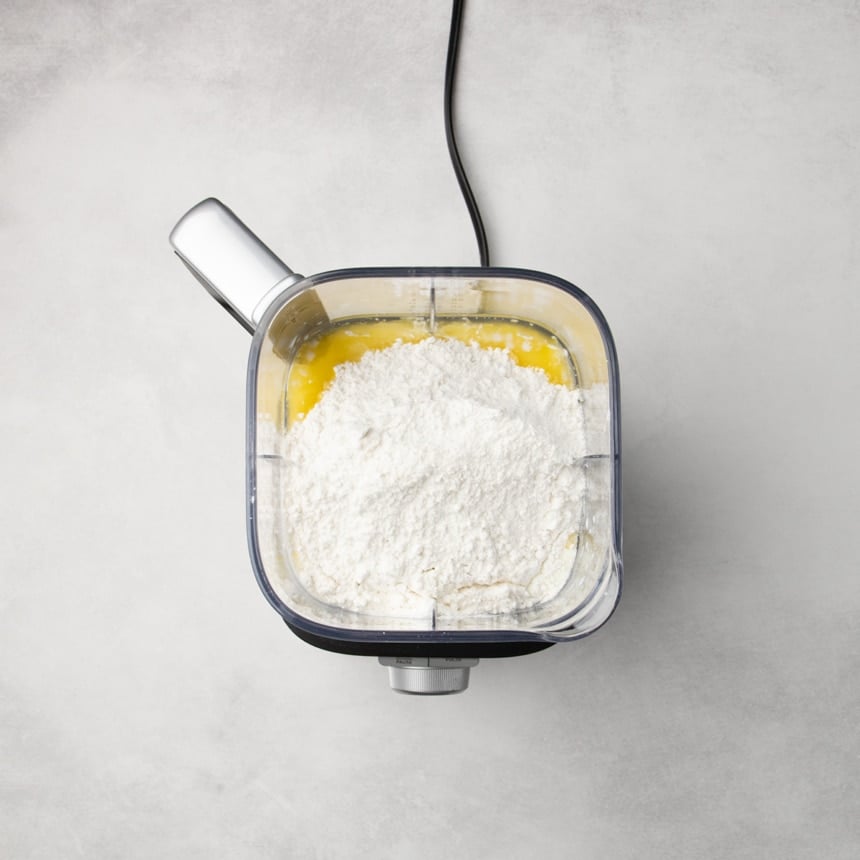
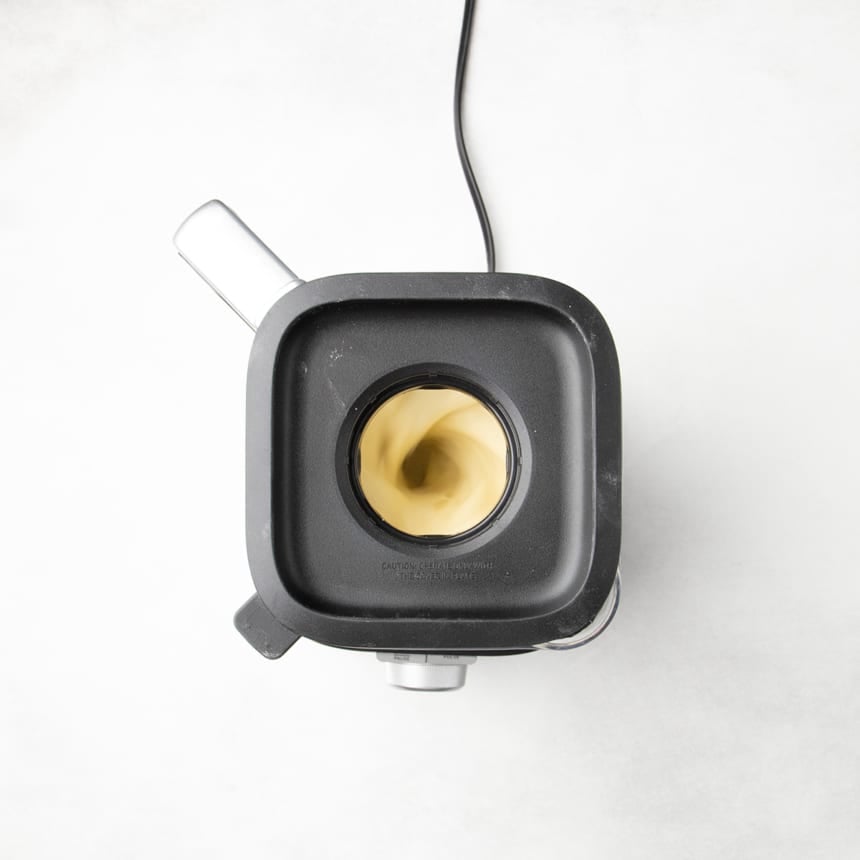
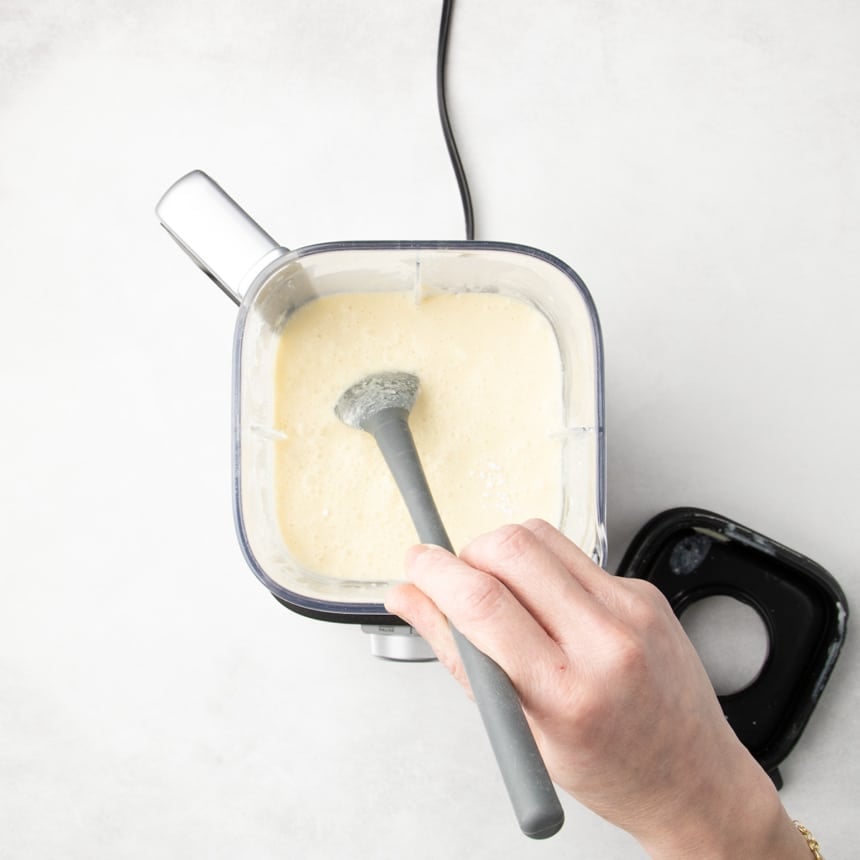
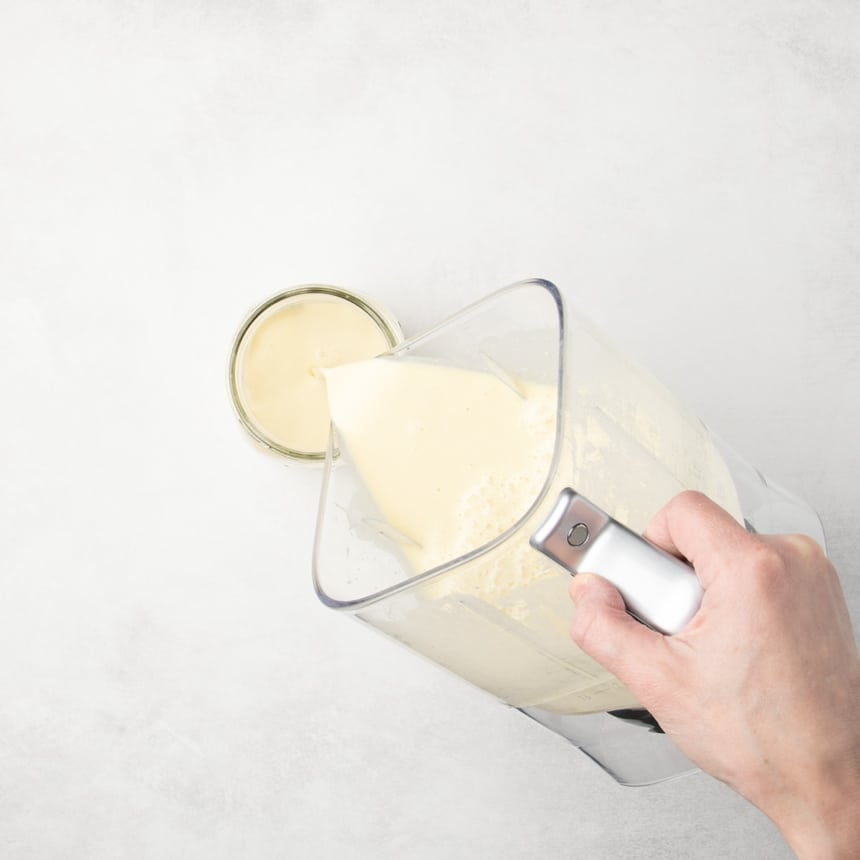
- Blending Ingredients: The most efficient method involves combining all ingredients in a blender. To ensure optimal blending, it is recommended to add the wet ingredients (milk, eggs, melted butter) first, followed by the dry flour blend. This order helps the blades efficiently incorporate the flour. For blenders with the blade in the lid, the order may need to be reversed.
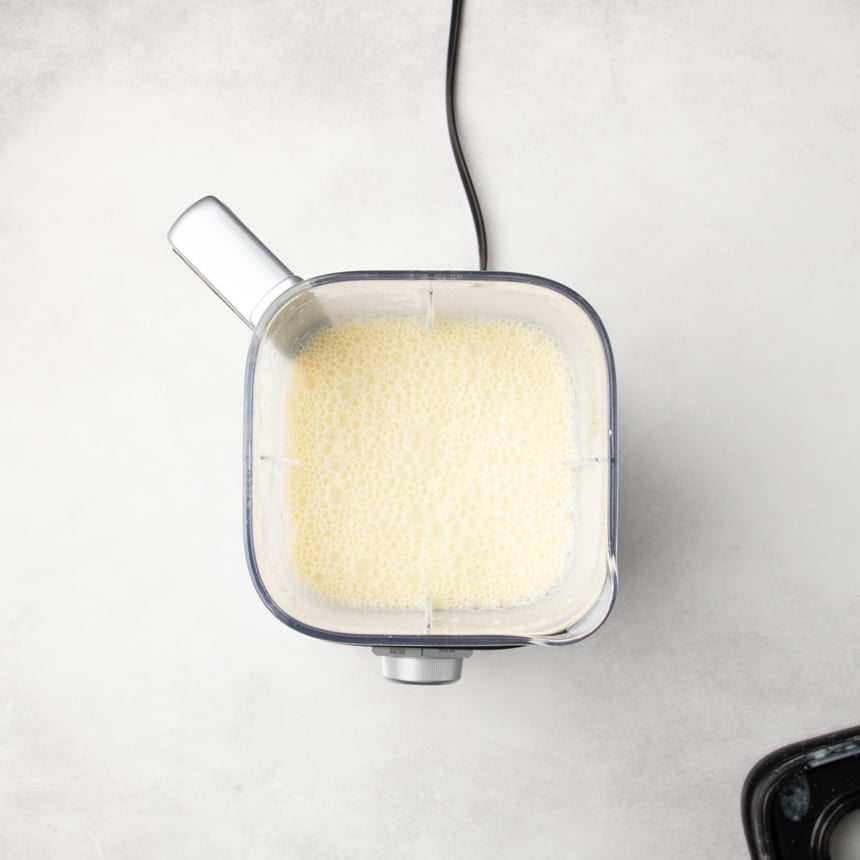
- Achieving Smoothness: The mixture is blended for 2 to 3 minutes until it is exceptionally smooth. This ensures all flour is fully moistened and the eggs are thoroughly beaten, creating an emulsified batter. Scraping down the sides of the blender midway through the process guarantees an even mix.
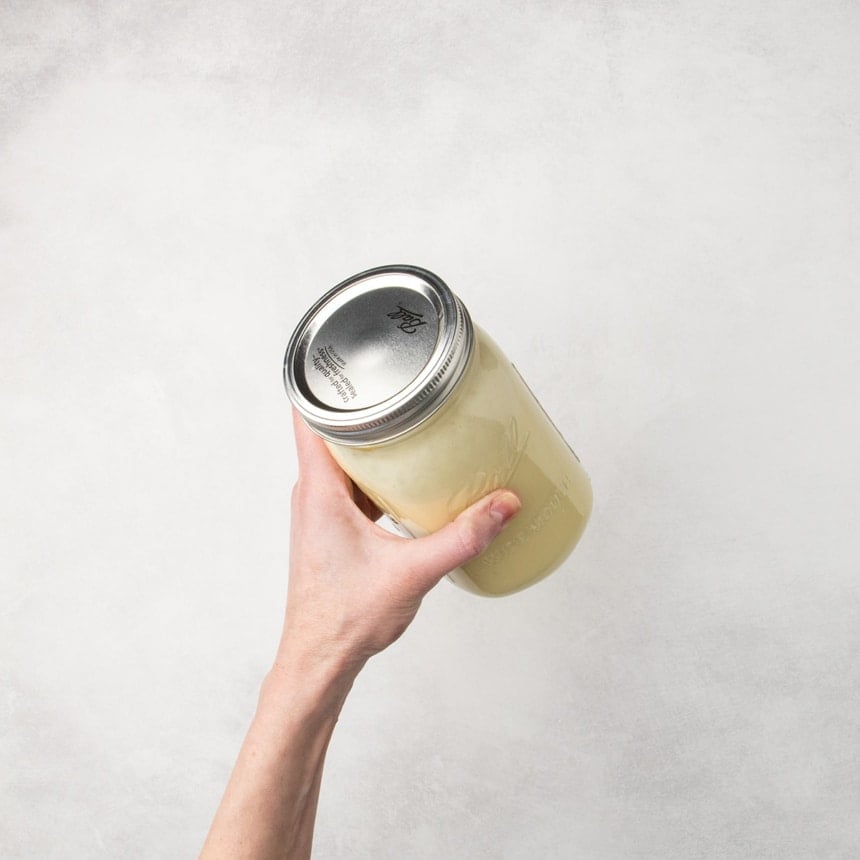
- The Crucial Rest: The batter is then transferred to an airtight container, ideally a 32-ounce (1-liter) mason jar, and refrigerated for at least 12 hours. This resting period is non-negotiable for achieving the desired texture.
- Re-Emulsification: Before cooking, the batter needs to return to room temperature (approximately 45 minutes). As some flour may settle, an immersion blender or a vigorous whisking is used to re-smooth the batter. The final consistency should be that of half-and-half.
- Pan Preparation: A 9 or 10-inch nonstick skillet is heated over medium heat. The pan should be preheated for about a minute until it is almost too hot to hold your hand above. Light greasing with a high smoke point oil (like canola, vegetable, or grapeseed oil) is crucial for each crêpe.
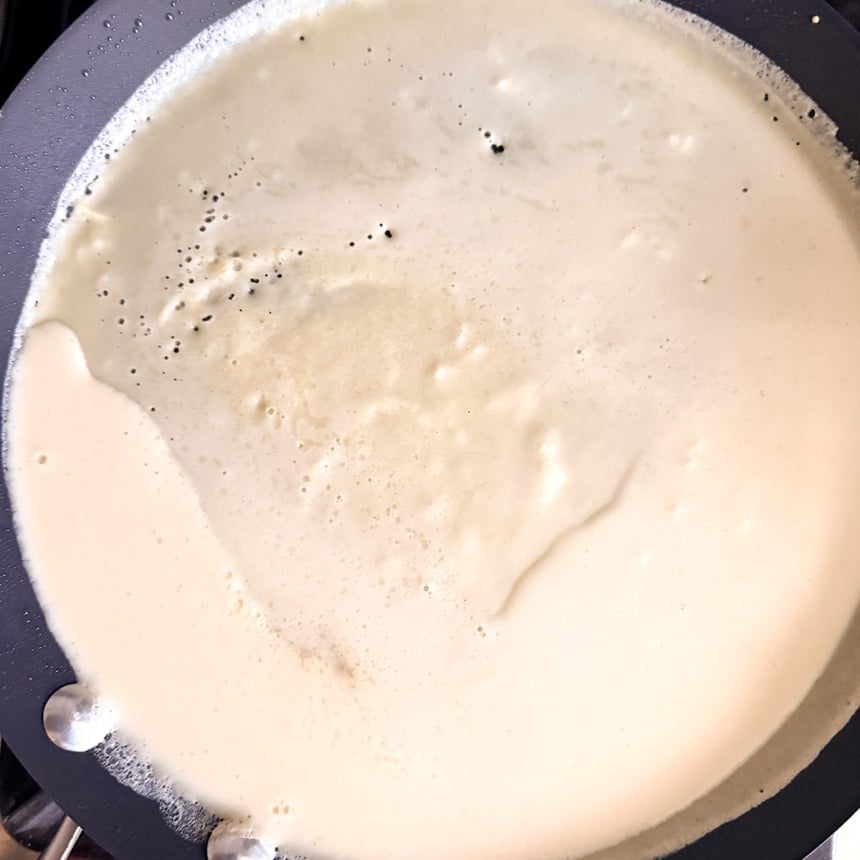
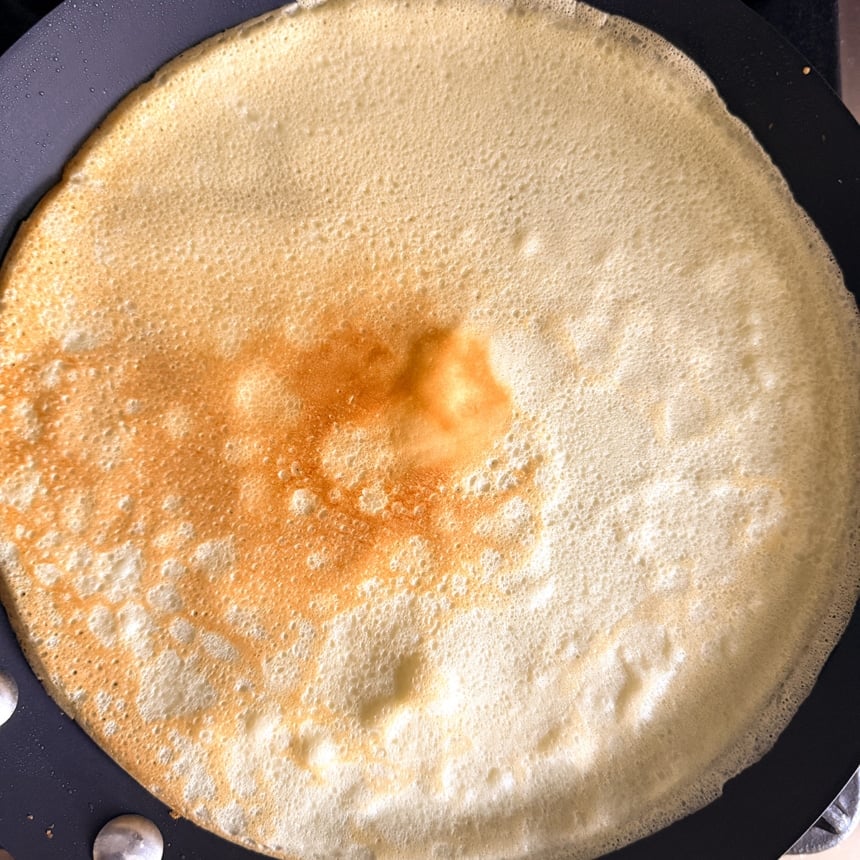
- Cooking the Crêpes: Approximately 5 tablespoons (75 ml) of batter are poured into the hot pan, held at a 45-degree angle. The pan is quickly swirled to create a thin, even layer of batter. The crêpe cooks for about 90 seconds on the first side, until the edges are lightly golden and the underside is cooked.
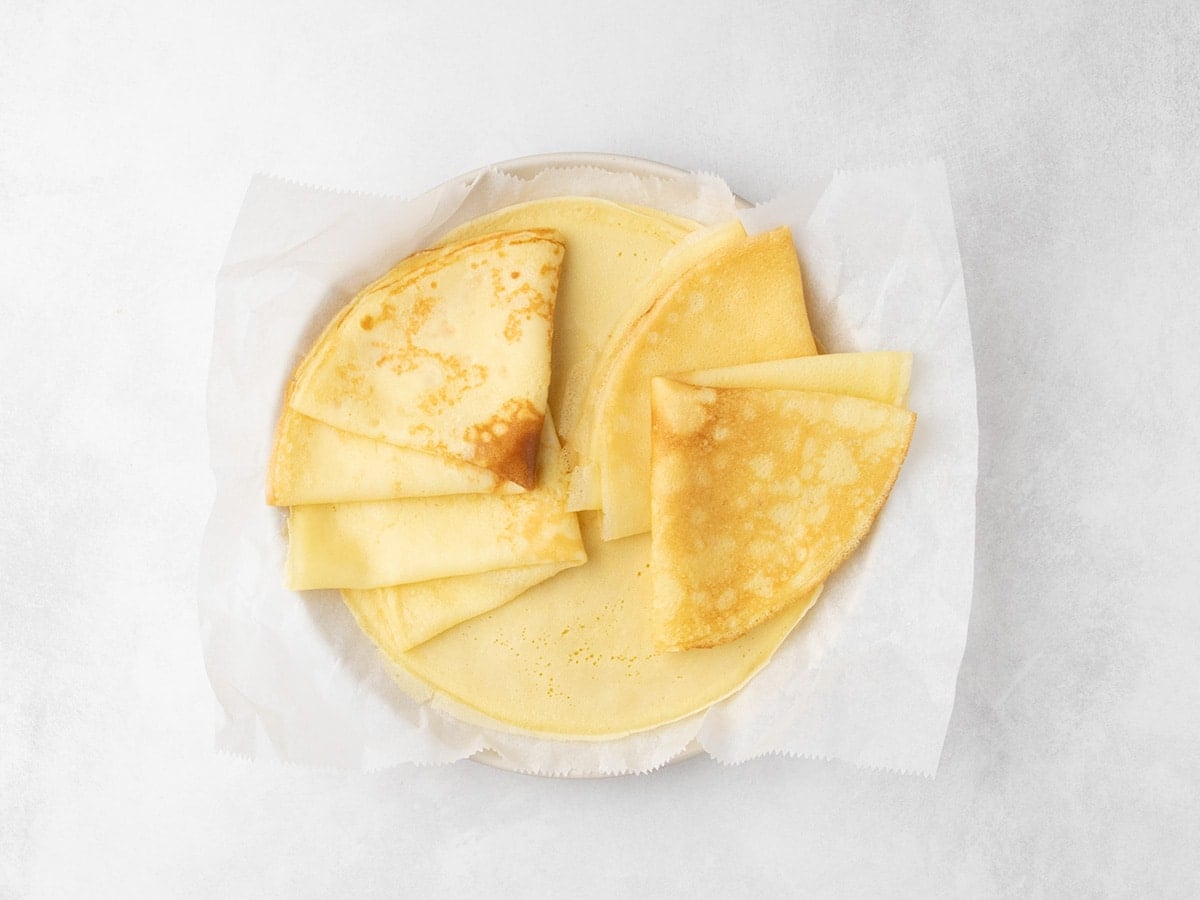
- Flipping and Finishing: A spatula is used to flip the crêpe. It’s gently pressed down and cooked for another 30 seconds until the second side is browned. The process is repeated until all batter is used, with each cooked crêpe stacked on a parchment-lined plate to prevent sticking.
Expert Tips for Flawless Gluten-Free Crêpes
Mastering gluten-free crêpes involves attention to detail. Several expert tips can elevate the success rate:
- Flour Blend Precision: Emphasizing the use of a gum-free, rice flour-based blend is paramount. Measuring by weight ensures consistency, a critical factor in gluten-free baking where ingredient ratios are vital.
- The Importance of Rest: The extended refrigeration period is not merely a suggestion but a requirement for proper flour hydration and batter stability.
- Pan Selection and Heat: A good quality nonstick pan is highly recommended. Even heating is achieved through preheating the pan before adding batter, and this is confirmed by the behavior of the first crêpe.
- Consistent Greasing: Even with nonstick surfaces, lightly greasing the pan between each crêpe ensures smooth batter movement and prevents adherence.
Ingredient Substitutions: Adapting for Dietary Needs
While the core recipe is designed for optimal results, adaptations can be made:
- Dairy-Free Options: For those avoiding dairy, coconut milk (from a carton) or unsweetened soy milk are recommended. These provide the necessary fat content and consistency. Vegan block-style butter alternatives, such as Miyoko’s, Melt, or Trader Joe’s brands, can replace dairy butter.
- Egg-Free Considerations: Replacing the three eggs in this recipe presents a significant challenge due to their binding and structural roles. While common egg replacers like chia or flax eggs might not yield the same elasticity, commercially available egg substitutes like JustEgg refrigerated plant-based eggs could be a potential alternative, though their efficacy in this specific recipe would require testing.
Storage and Serving Versatility
Freshly made crêpes can be stored for several hours at room temperature, covered on a plate. For longer storage, they can be stacked in an airtight bag and refrigerated for up to 3 days or frozen for up to 3 months. Reviving cold crêpes is as simple as a quick warm-up in a dry skillet or a brief microwave session.
The true beauty of these gluten-free crêpes lies in their versatility. They serve as an excellent alternative to traditional gluten-free pancakes, offering a more refined and adaptable culinary canvas.
Sweet Serving Ideas:
- Fresh berries (strawberries, blueberries, raspberries)
- Whipped cream or a dairy-free alternative
- Fruit compotes or jams
- Nutella or a dairy-free chocolate hazelnut spread
- Sliced bananas with a sprinkle of cinnamon
- Lemon zest and sugar
- Chocolate chips (dairy-free options available)
- Caramel sauce or a sugar-free caramel
- Freshly baked apples or pears
Savory Serving Ideas:
The possibilities for savory crêpes are nearly endless. They can be filled with a variety of proteins, vegetables, and cheeses. A particularly appealing option is to wrap them around crispy gluten-free chicken tenders. Other popular savory fillings include:
- Scrambled eggs and cheese
- Ham and Swiss cheese (or dairy-free alternatives)
- Sautéed mushrooms and spinach
- Smoked salmon and cream cheese
- Shredded chicken or turkey with a creamy sauce
- Diced ham and Gruyere cheese
- A medley of roasted vegetables
The development of this tender, flexible gluten-free crêpe recipe represents a significant advancement for individuals with dietary restrictions, proving that delicious and structurally sound baked goods are achievable without gluten. Its simplicity, coupled with expert tips for success, empowers home cooks to recreate this French classic with confidence, opening up a world of culinary possibilities.
