

The quest for truly satisfying gluten-free baked goods can often feel like a culinary expedition, with many promising recipes falling short of expectations. However, a recent breakthrough in gluten-free baking offers a delightful solution for carrot cake enthusiasts: a recipe for exceptionally tender, warmly spiced, and richly flavored gluten-free carrot cake cupcakes. These perfectly portioned treats capture the essence of classic carrot cake, delivering a moist crumb and vibrant flavor without compromise.
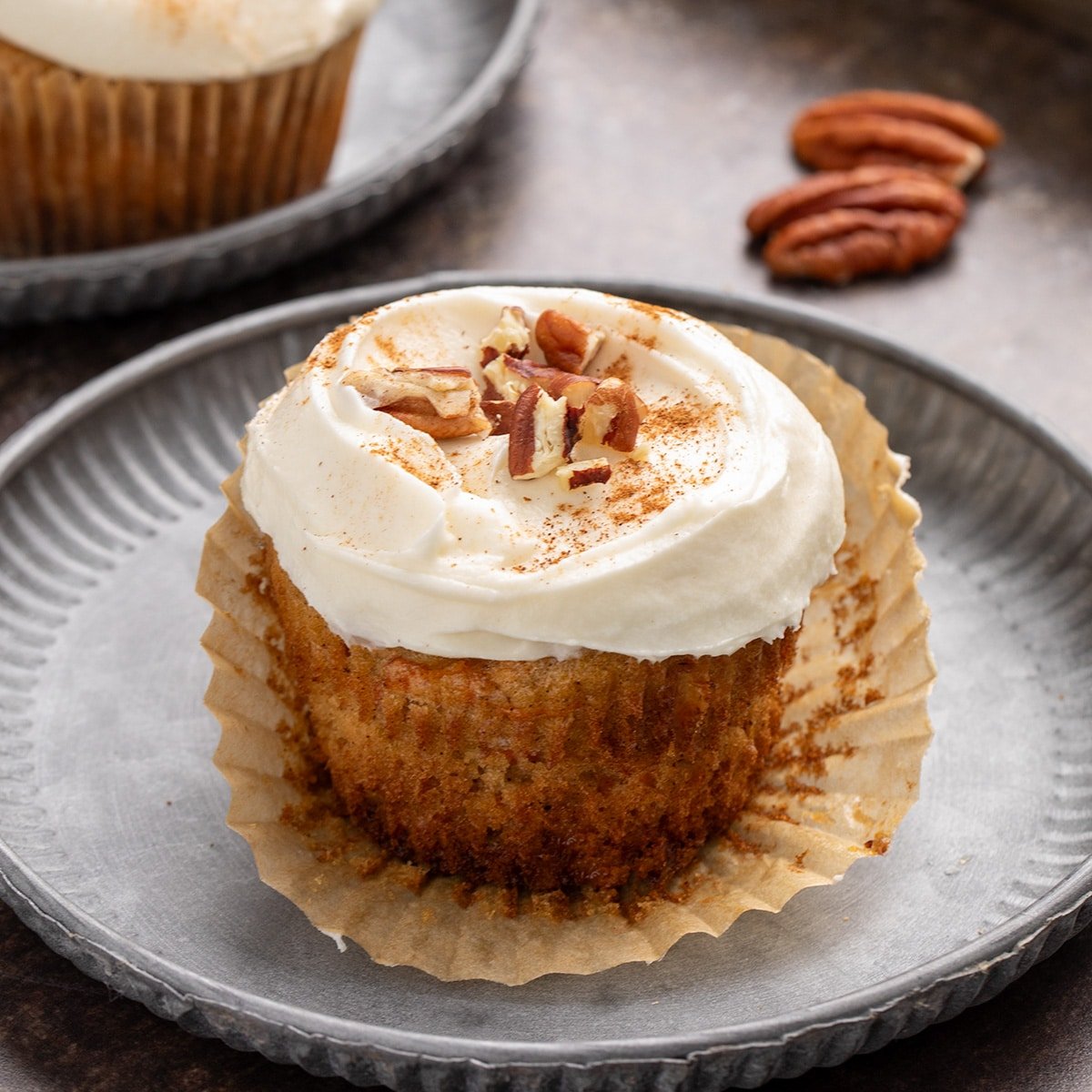
The success of these cupcakes lies in a carefully crafted approach to ingredients and technique. Unlike traditional carrot cakes that often rely heavily on flour for structure, these cupcakes benefit from the supportive confines of muffin wells. This allows for a higher ratio of moist ingredients, resulting in an exceptionally tender crumb. The balance between sweetness and spice is meticulously achieved, avoiding an overly rich or cloying profile, ensuring each bite is a harmonious blend of flavors.
The Science Behind the Sweetness: Why This Recipe Excels
The ingenuity of this gluten-free carrot cake cupcake recipe is rooted in a simple yet profound detail: the preparation of the carrots. Instead of finely shredding them, the recipe calls for grating the carrots on the larger holes of a box grater. This seemingly minor adjustment makes a significant difference in the final texture and flavor.
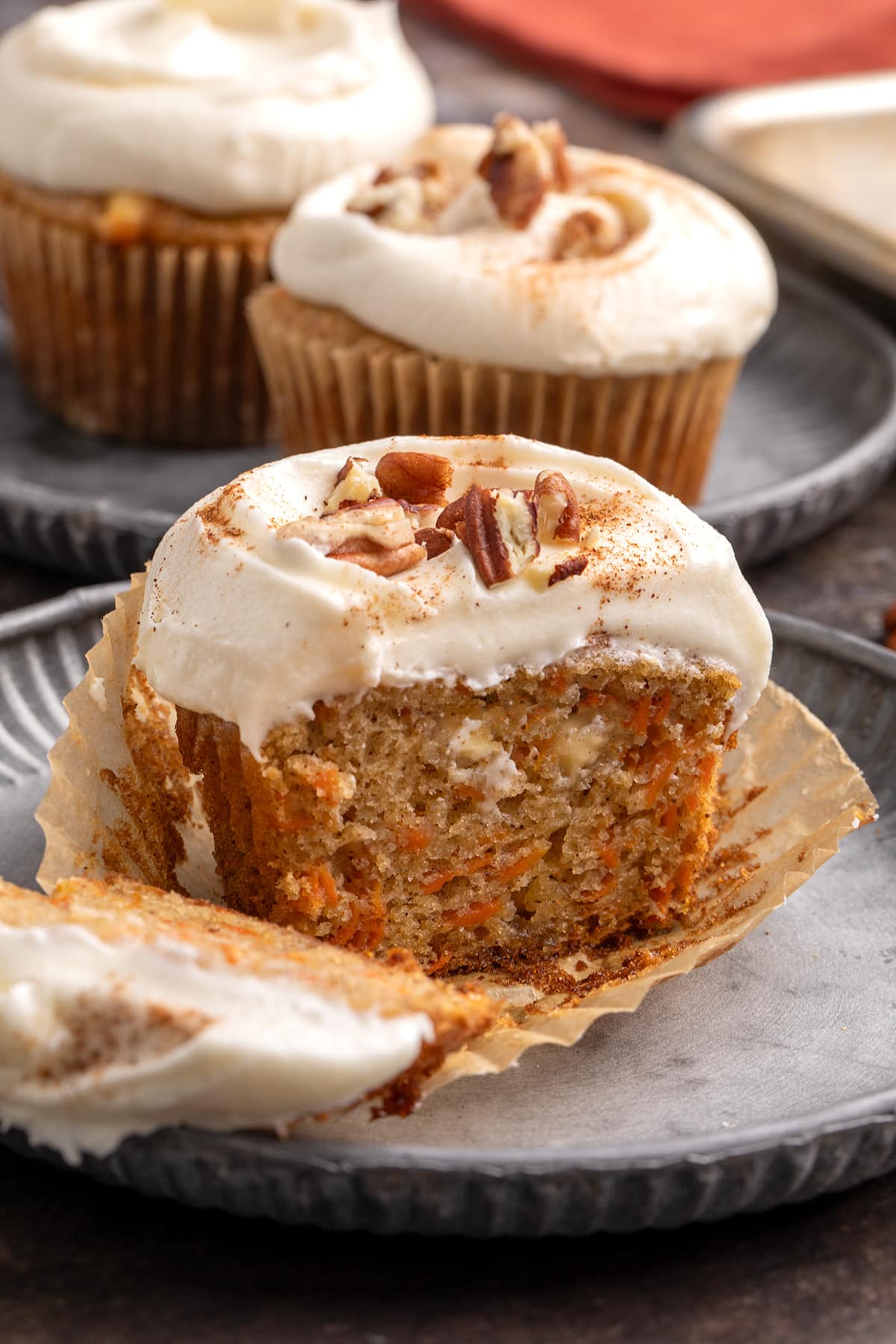
When grated coarsely, the carrot pieces retain their integrity during the baking process. They soften considerably, infusing the batter with natural sweetness and contributing to the overall structure of the cupcake. This method prevents the carrots from disappearing into the batter, instead leaving visible flecks that enhance both the visual appeal and the authentic carrot flavor. Consequently, the recipe can incorporate a substantial amount of carrot, nearly matching the volume of flour, which is key to achieving a moist and flavorful crumb.
The careful selection of other ingredients further solidifies the recipe’s success. The combination of oil and brown sugar provides a moist foundation, preventing the cupcakes from becoming dry, especially when chilled. This thoughtful balance ensures that the carrot flavor remains the star of the show, without being overshadowed by excessive richness or greasiness. The resulting cupcakes are not only delicious but also maintain their delightful texture even after refrigeration.
Unpacking the Ingredients: The Building Blocks of Flavor
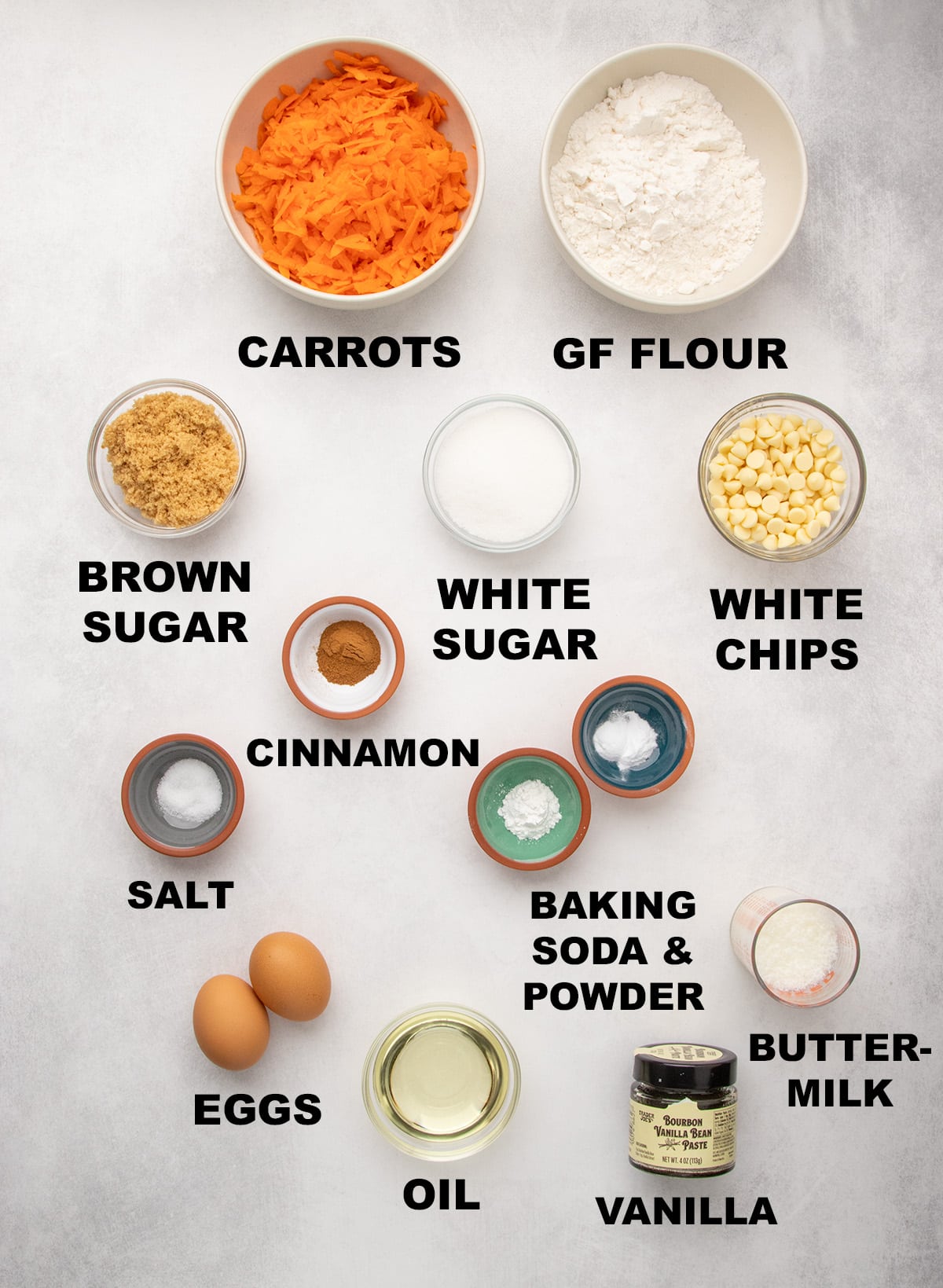
Crafting these gluten-free carrot cake cupcakes requires a specific set of ingredients, each playing a crucial role in achieving the desired outcome.
- Gluten-Free Flour Blend: The foundation of any gluten-free baked good, the choice of flour blend is paramount. A well-balanced all-purpose gluten-free flour blend, typically containing xanthan gum, is recommended. For those using specific blends like Bob’s Red Mill 1-to-1, an additional measure of xanthan gum may be necessary to ensure optimal structure and prevent crumbliness. This ensures a tender crumb that mimics the texture of traditional flour-based cakes.
- Leavening Agents (Baking Soda and Baking Powder): These essential ingredients work in tandem to provide lift and create a light, airy texture. Baking soda, activated by acidic ingredients like buttermilk, promotes browning and tenderness, while baking powder provides additional lift.
- Sweeteners (Granulated Sugar and Brown Sugar): The combination of granulated sugar and brown sugar offers a complex sweetness. Granulated sugar contributes to tenderness and helps create a delicate crumb, while brown sugar adds moisture and a subtle caramel note, enhancing the overall flavor profile.
- Spices (Cinnamon): Warm spices are integral to the classic carrot cake experience. Cinnamon provides a comforting aroma and a distinct flavor that complements the sweetness of the carrots.
- Fat (Neutral Oil): Unlike butter, which can solidify when chilled, oil remains liquid at room temperature, contributing to a consistently moist and tender crumb, even after refrigeration. This is crucial for cupcakes that are often enjoyed at various temperatures.
- Moisture and Binding (Eggs and Buttermilk): Eggs act as a binder, providing structure and richness to the batter. Buttermilk, with its inherent acidity, reacts with baking soda to create a tender crumb and adds a subtle tang that balances the sweetness.
- Flavor Enhancer (Vanilla Bean Paste): Vanilla bean paste offers a more intense and visually appealing vanilla flavor compared to extract, adding depth to the overall taste.
- The Star Ingredient (Carrots): As previously discussed, the coarse shredding of fresh carrots is key. They provide moisture, natural sweetness, and a delightful textural element that is characteristic of authentic carrot cake.
- Optional Mix-Ins (White Chocolate Chips, Pecans): White chocolate chips add pockets of creamy sweetness, while chopped pecans introduce a satisfying crunch and nutty flavor. These are optional additions that can be customized to personal preference.
A Step-by-Step Guide to Baking Perfection
For those who appreciate a visual guide, the process of creating these gluten-free carrot cake cupcakes is straightforward and rewarding.
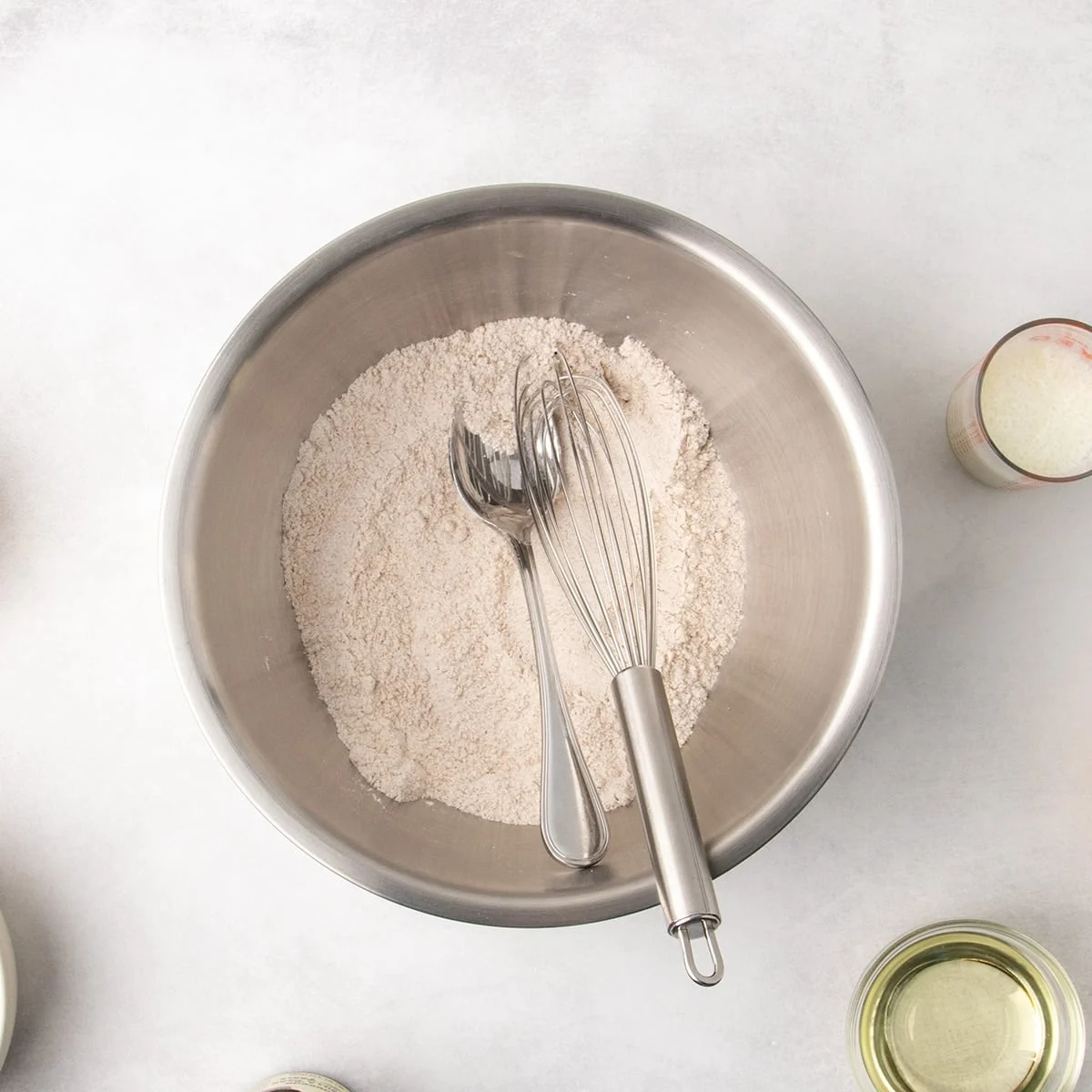
Step 1: Prepare the Dry Ingredients
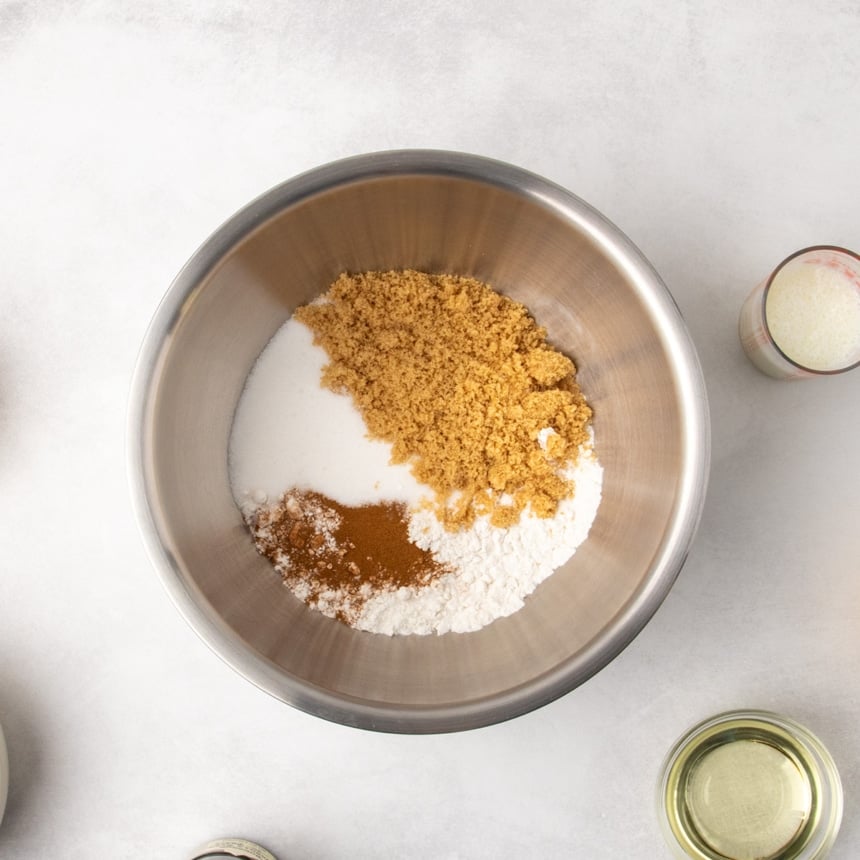
In a large mixing bowl, whisk together the gluten-free flour blend, baking soda, baking powder, salt, cinnamon, granulated sugar, and brown sugar. Ensure that any lumps in the brown sugar are thoroughly broken down with the back of a mixing spoon to achieve a uniform blend. This step ensures that all dry ingredients are evenly distributed, promoting consistent baking.
Step: 2 Add the Wet Ingredients
Create a well in the center of the combined dry ingredients. Add the neutral oil, beaten eggs, buttermilk, and vanilla bean paste. Mix gently until all ingredients are just combined and the batter is smooth. The batter will appear soft, largely due to the liquid state of the oil at room temperature. Avoid overmixing, as this can lead to a tougher texture.
Step 3: Incorporate the Mix-Ins
Gently fold in the coarsely grated carrots and any chosen mix-ins, such as white chocolate chips or chopped pecans. Mix until they are uniformly distributed throughout the batter. Adding these ingredients towards the end helps maintain the integrity of the batter and ensures even baking.
Step 4: Bake the Cupcakes
Line a standard 12-well cupcake tin with paper liners. Fill each well approximately three-quarters of the way with the prepared batter. It is crucial not to overfill the wells; the goal is for the cupcakes to bake with a relatively flat top, facilitating easier frosting. If your muffin tin wells are smaller than average, you may have leftover batter. In this case, it’s better to bake an additional cupcake or two rather than overfilling the existing ones. Bake in a preheated oven at the specified temperature until a toothpick inserted into the center of a cupcake comes out clean.

Expert Insights for Optimal Results
To elevate the baking experience and ensure consistently delicious gluten-free carrot cake cupcakes, consider these expert tips:
- Precise Filling of Cupcake Tins: As emphasized, avoid overfilling. The ideal is a three-quarters full well. This ensures a flat surface for frosting and prevents domed tops, which are characteristic of muffins rather than cupcakes. If excess batter results from smaller tin wells, it’s preferable to make more cupcakes.
- The Art of Grating Carrots: Utilize the largest holes on your box grater, approximately 1/4-inch in diameter. This size ensures the carrots soften adequately while retaining their shape and contributing to the cupcake’s structure. Avoid using the finer grating settings, as this can lead to a mushy texture.
- Freshness is Key for Carrots: Opt for freshly grated carrots over pre-shredded varieties. Pre-shredded carrots tend to be drier and thicker, potentially hindering their ability to soften properly and release their natural sweetness during baking. For maximum sweetness, grate carrots from the denser, tapered end.
- Creative Mix-In Variations: While white chocolate chips and pecans are popular choices, feel free to experiment with other dry mix-ins. Raisins, other small dried fruits, walnuts, or even cinnamon chips can add unique flavor and texture profiles. For precision, measuring mix-ins by weight is always recommended.
- Simplifying with Canned Frosting: For an expedited process, consider using a high-quality canned cream cheese frosting. Brands like Duncan Hines or Betty Crocker offer readily available options that complement the ease of the cupcake recipe itself.
Adapting for Dietary Needs: Dairy-Free and Egg-Free Options
This recipe is remarkably adaptable, catering to various dietary requirements.

- Dairy-Free Modifications: To make the cupcakes dairy-free, substitute the buttermilk with a combination of dairy-free sour cream or Greek-style yogurt and an unflavored dairy-free milk (such as coconut or soy milk). For the mix-ins, choose dairy-free white chocolate chips or opt for other dairy-free alternatives like dried fruit or chopped nuts. For the frosting, many commercially available cream cheese frostings are naturally dairy-free and gluten-free.
- Egg-Free Alternatives: In lieu of eggs, several effective replacements can be utilized. Chia eggs (one tablespoon of chia seeds mixed with three tablespoons of water per egg), Bob’s Red Mill Egg Replacer, or liquid egg substitutes like JustEgg are viable options for achieving similar binding and structural properties.
Storage and Enjoyment
The oil-based nature of these cupcakes allows for convenient storage. They can be kept in a tightly sealed container in the refrigerator for up to five days. Allowing them to return closer to room temperature before serving will enhance their flavor and texture. For longer-term preservation, unfrosted cupcakes can be frozen for up to three months, while frosted cupcakes can also be frozen and defrosted at room temperature.
These gluten-free carrot cake cupcakes represent a significant achievement in gluten-free baking, offering a delicious and accessible treat that can be enjoyed by everyone, regardless of dietary restrictions. Their tender crumb, balanced flavors, and ease of preparation make them a standout option for any occasion.
