

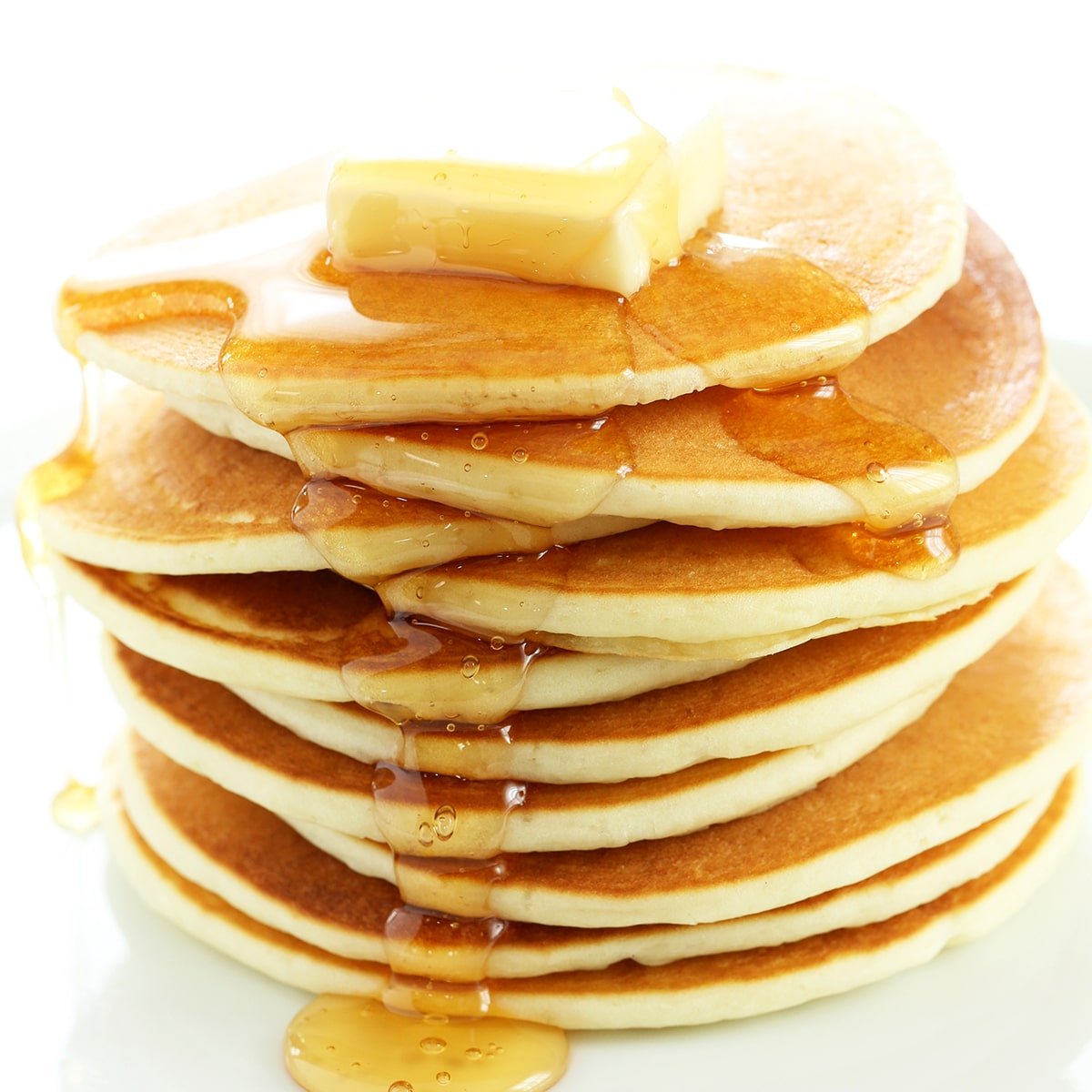
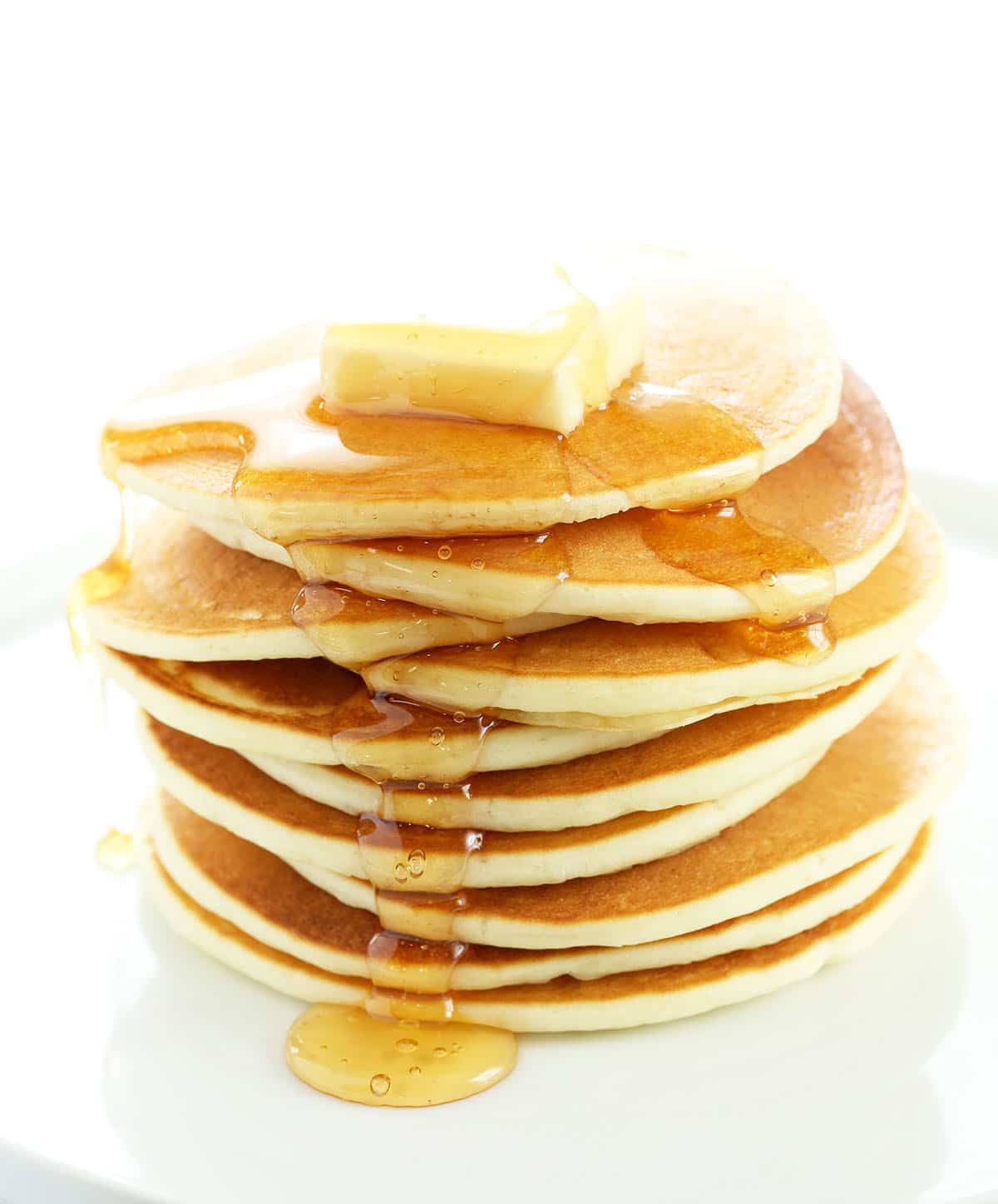
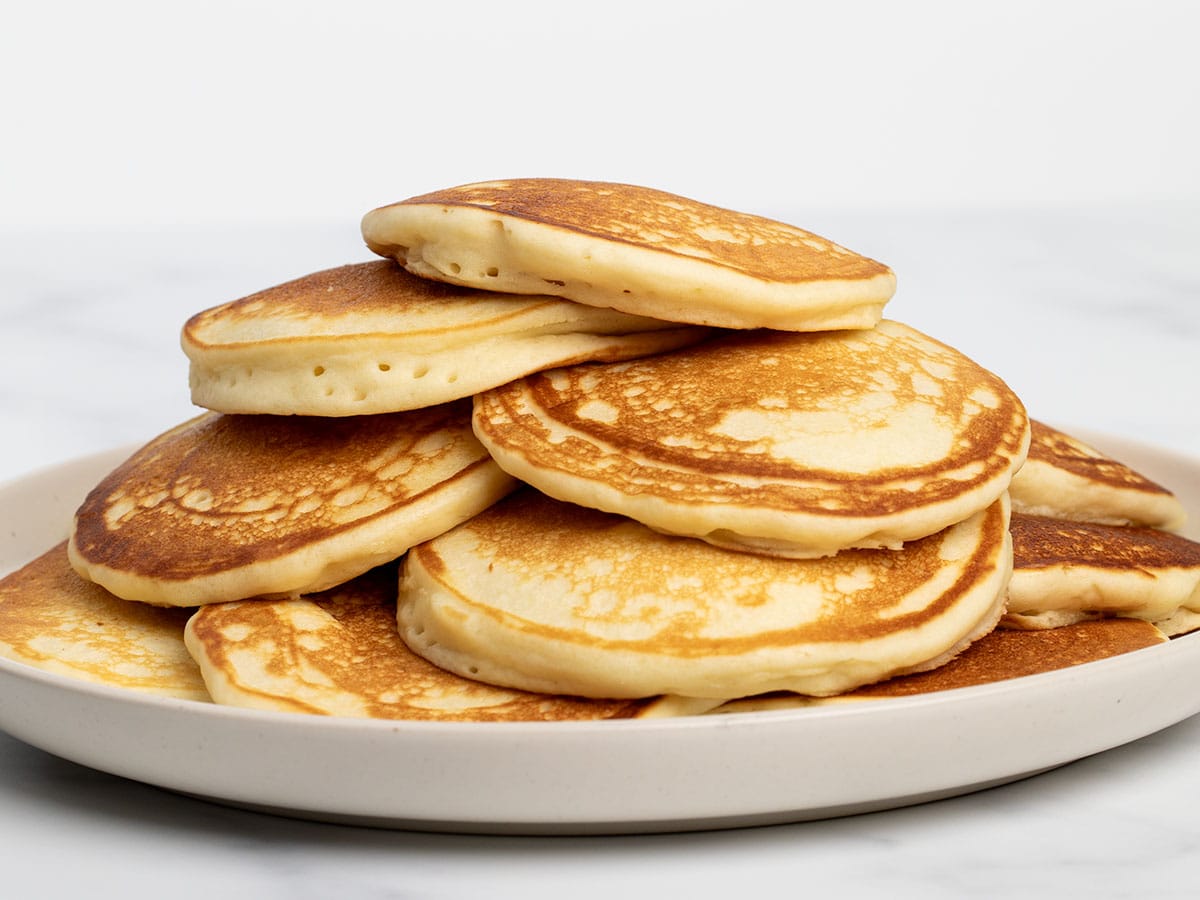
Achieving a truly satisfying breakfast experience without gluten has long been a culinary quest for many. Traditional pancakes, with their light, tender, and fluffy texture, are often a distant memory for those adhering to a gluten-free lifestyle. However, a groundbreaking recipe has emerged, promising to recapture that nostalgic breakfast bliss. This innovative approach centers around a simple, shelf-stable gluten-free Bisquick-style mix, allowing for classic pancakes to be prepared with minimal effort and readily available ingredients.
This development is particularly significant in the evolving landscape of gluten-free baking, where convenience often comes at the cost of texture and flavor. For years, gluten-free consumers have navigated a market often saturated with products that, while safe, fail to deliver the sensory experience of their gluten-containing counterparts. The introduction of a versatile, make-ahead mix addresses a key pain point: the need for reliable, delicious gluten-free staples that can be integrated seamlessly into everyday cooking.
The science behind this recipe’s success lies in its careful formulation. Unlike some commercially available gluten-free flour blends that can result in gummy or overly dense baked goods, this mix is designed for optimal texture. The judicious use of xanthan gum, or even its omission in some variations, plays a crucial role. Xanthan gum, a common gluten-free binder, can sometimes overpower a recipe, leading to a thick, unappealing batter that continues to congeal. This recipe, however, leverages it minimally or not at all, ensuring a batter that remains pourable and cooks into a tender, fluffy pancake.
Why This Recipe Works: A Culinary Breakthrough
The success of these gluten-free pancakes can be attributed to several key factors that directly address common challenges in gluten-free baking:
- Texture Perfection: The primary goal was to replicate the light, tender crumb of traditional pancakes. By carefully balancing the gluten-free flour blend and leavening agents, this recipe achieves a fluffy texture that holds its own against conventional pancakes.
- Pourable Batter: A frequent frustration with gluten-free batters is their tendency to become excessively thick. This recipe’s formulation, particularly concerning xanthan gum content, ensures a consistently pourable batter that doesn’t require constant adjustments, making the cooking process smooth and enjoyable.
- Make-Ahead Convenience: The cornerstone of this recipe is the shelf-stable dry mix. This allows individuals to prepare a batch of the foundational ingredients in advance, storing it for future use. This is a significant advantage for busy households or those seeking quick breakfast solutions without resorting to pre-packaged mixes that may contain less desirable ingredients or additives.
- Versatility Beyond Pancakes: The dry mix is not limited to pancakes. Its Bisquick-style nature means it can be a versatile base for other baked goods, offering a gluten-free alternative for recipes that traditionally call for a similar all-purpose baking mix.
Key Ingredients and Their Roles
Each component in this gluten-free pancake recipe plays a specific and vital role in achieving the desired outcome. Understanding these ingredients provides insight into the recipe’s effectiveness:
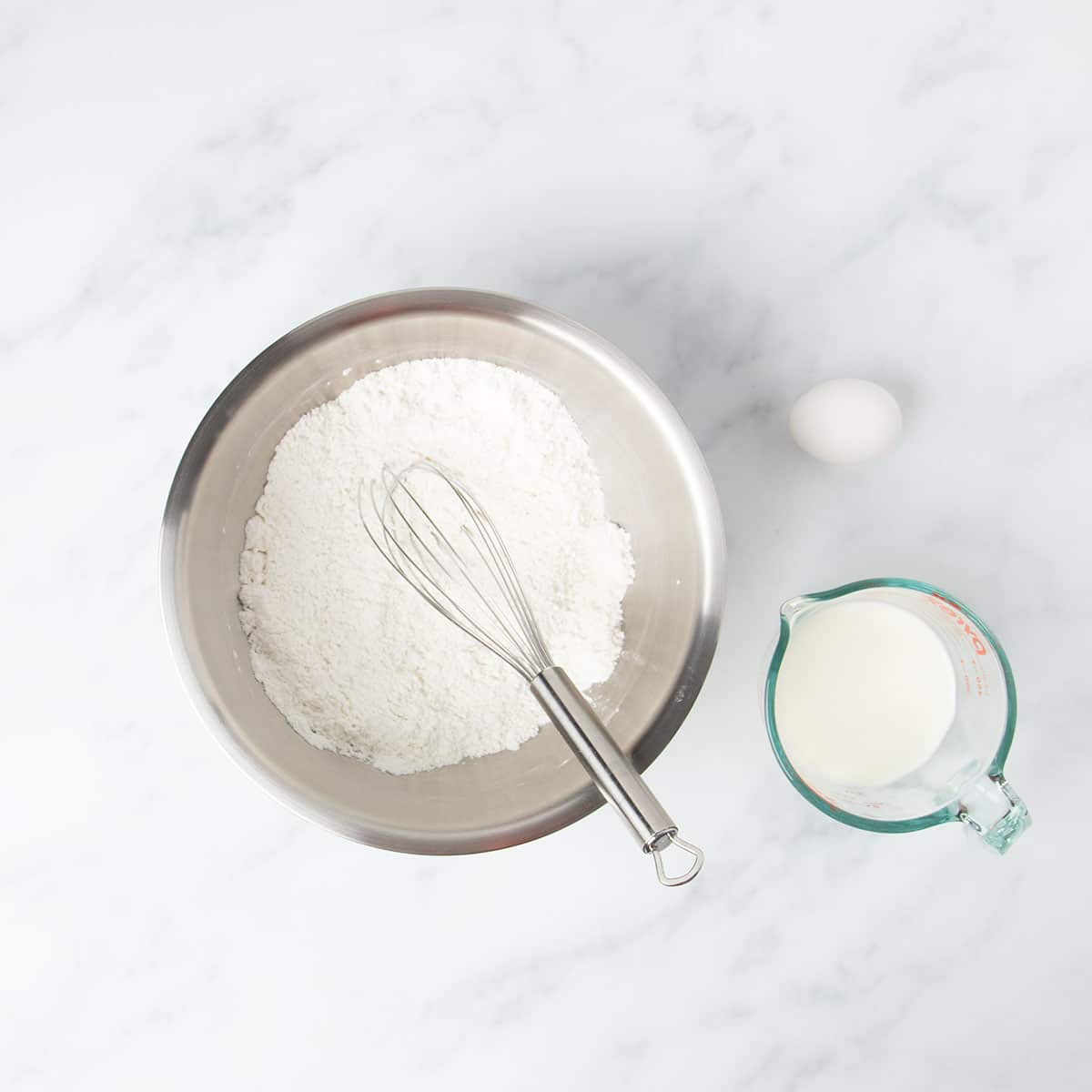
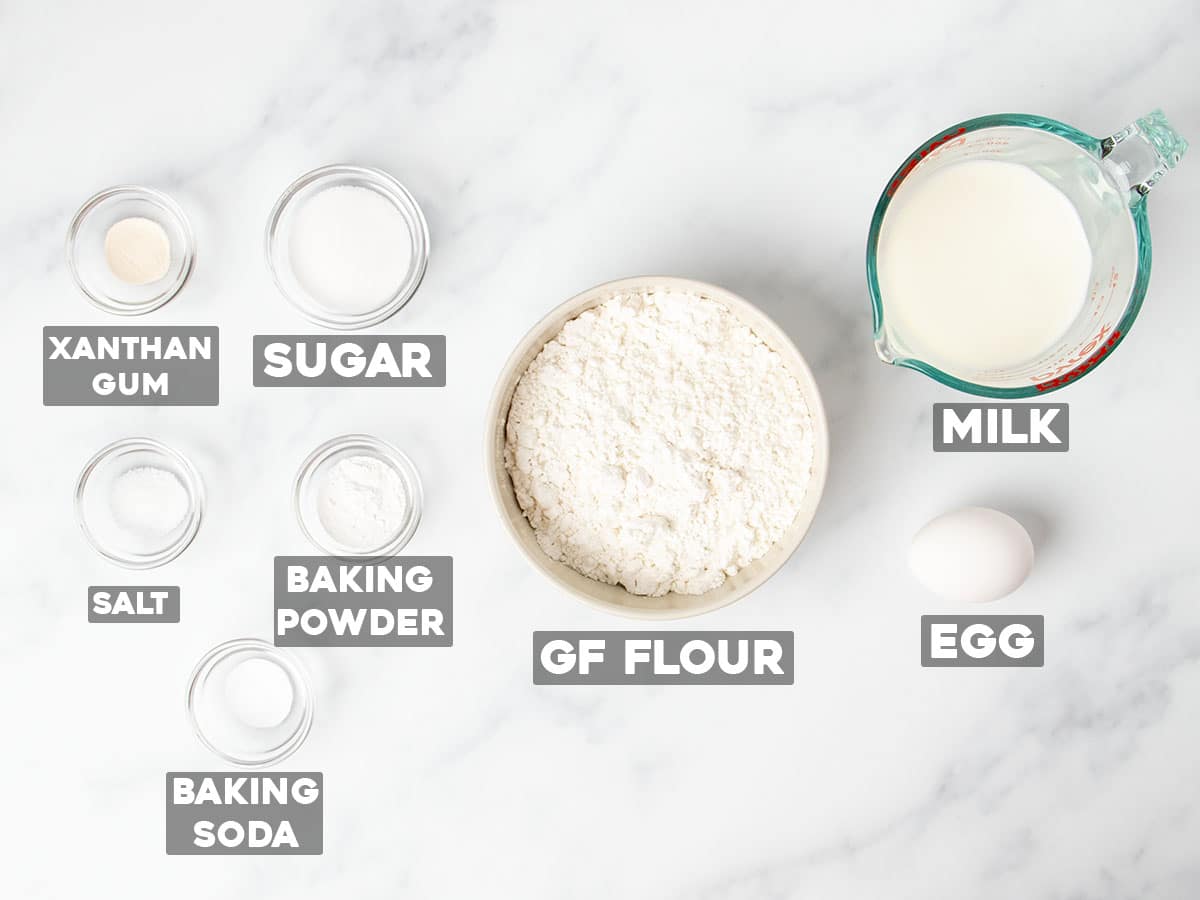
- Gluten-Free Flour Blend: The foundation of any gluten-free recipe, the choice of flour blend is paramount. Blends that are specifically designed for a 1:1 substitution for all-purpose flour, and ideally contain minimal or no xanthan gum, are recommended. This allows for better control over the final texture, preventing the gumminess that can plague gluten-free baked goods.
- Baking Powder and Baking Soda: These chemical leaveners are essential for creating the airy, fluffy texture characteristic of pancakes. Baking powder provides a double-acting lift, while baking soda reacts with acidic ingredients to further enhance rise. Ensuring these leaveners are fresh is critical for optimal performance.
- Salt: A small amount of salt enhances the overall flavor profile of the pancakes, balancing the sweetness and bringing out the subtle notes of the other ingredients.
- Sugar: Sugar not only adds sweetness but also contributes to the browning of the pancakes, creating that appealing golden-crisp exterior.
- Xanthan Gum (Optional): While optional, a small amount of xanthan gum can significantly improve the texture and structure of gluten-free pancakes. It helps bind the ingredients, prevents feathering at the edges, and contributes to a smoother, more cohesive crumb. However, the amount used must be carefully controlled, as too much can lead to a gummy texture. The recipe suggests a mere ¼ teaspoon, a testament to its precise formulation.
- Milk: Milk provides moisture and contributes to the overall richness of the batter. For a dairy-free option, unsweetened, unflavored non-dairy milk with a similar consistency to cow’s milk, such as carton coconut milk, is recommended.
- Egg: Eggs act as a binder, add richness, and contribute to the structure and lift of the pancakes. For an egg-free alternative, various replacements like chia eggs, commercial egg replacers, or liquid egg substitutes can be employed.
Step-by-Step Visual Guide to Perfect Pancakes
The process of creating these gluten-free pancakes is straightforward, designed for ease and consistent results.
-
Whisk the Dry Ingredients: In a large bowl, combine the gluten-free flour blend, baking powder, baking soda, salt, sugar, and xanthan gum (if using). Thoroughly whisking these dry components ensures that the leaveners are evenly distributed, preventing pockets of under- or over-leavening in the final pancake. This even distribution is crucial for consistent rise and texture.
-
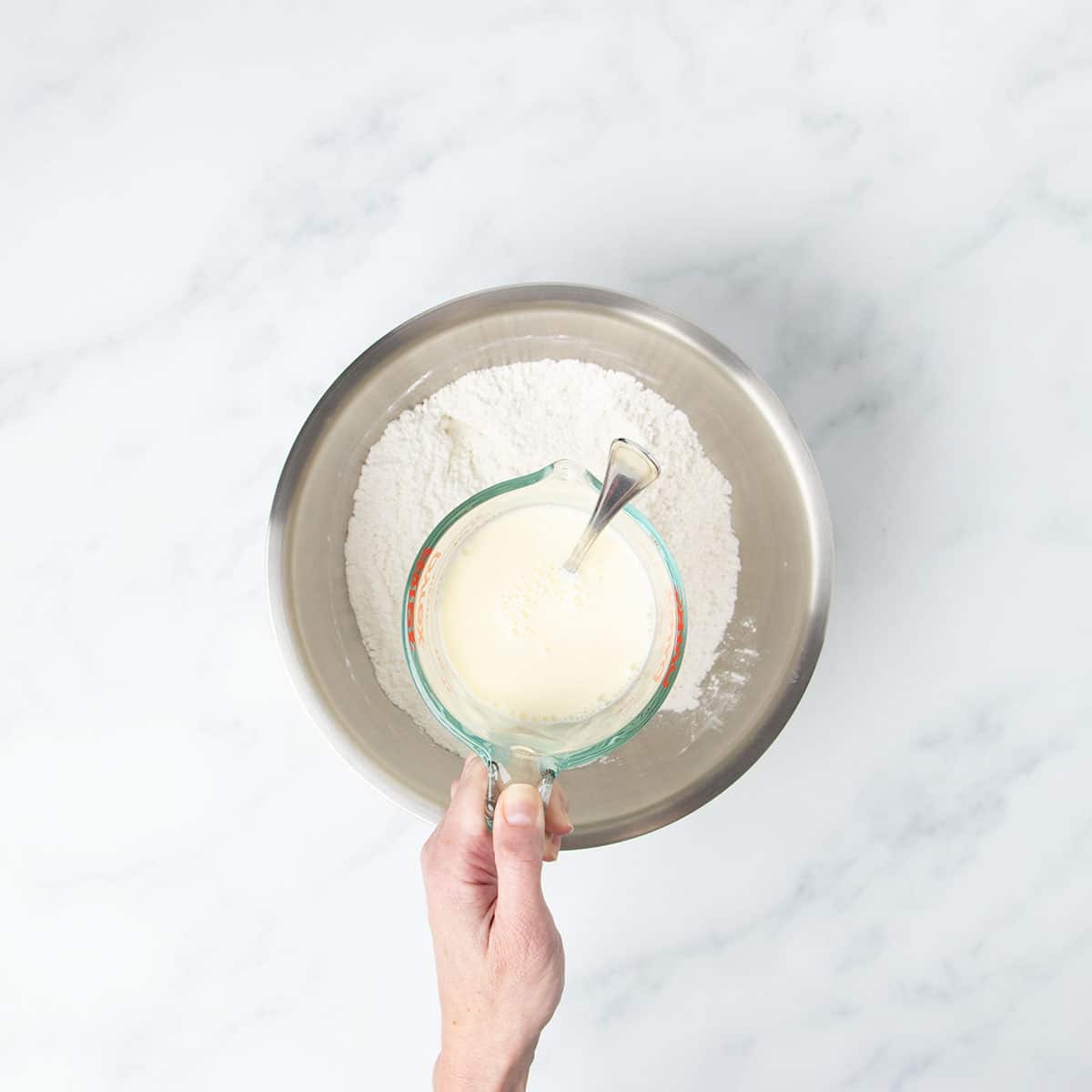
Mix the Wet Ingredients: In a separate bowl or measuring cup, whisk together the milk and egg. Ensuring the egg is fully incorporated into the milk creates a smooth liquid base that will seamlessly integrate with the dry ingredients.

-
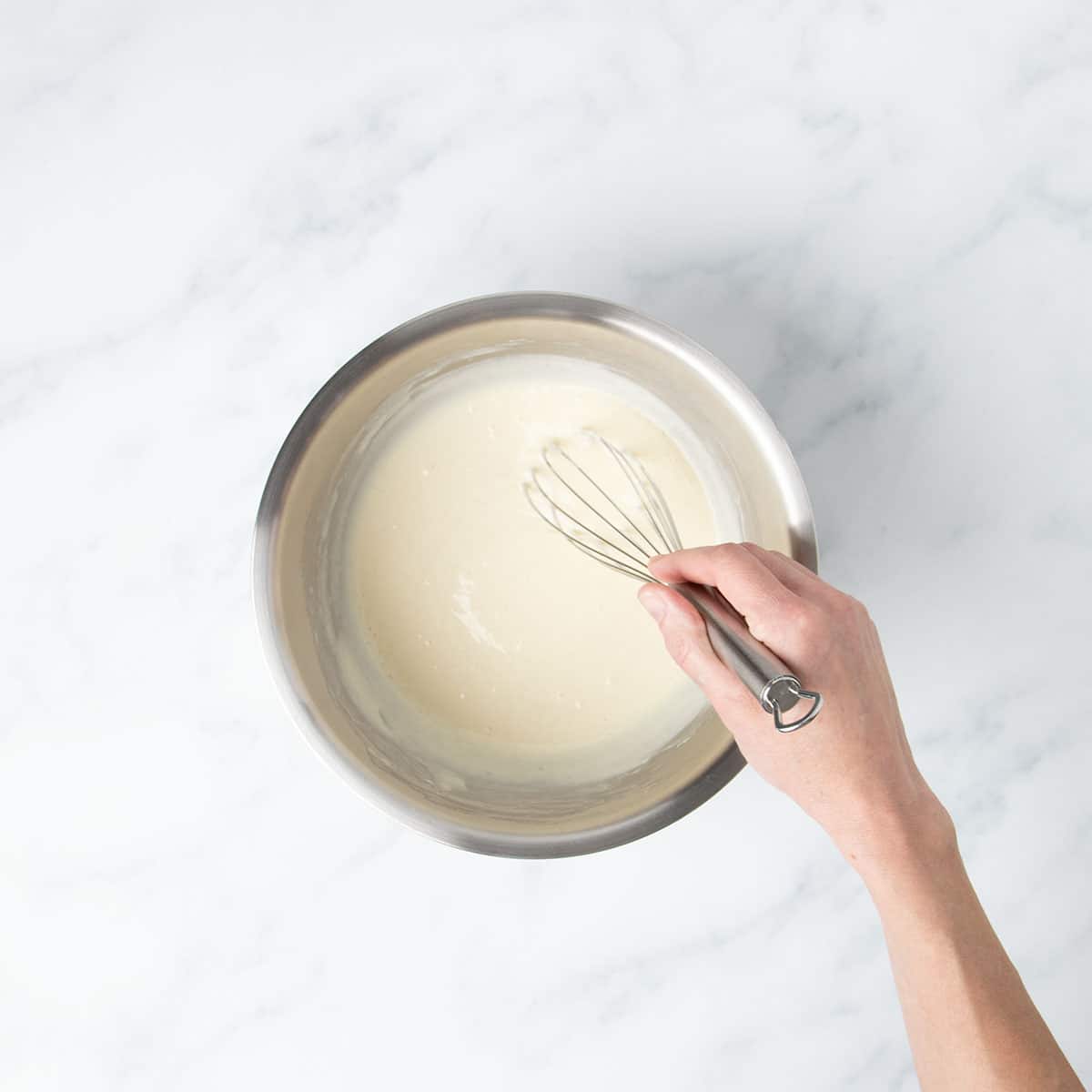
Combine and Mix: Pour the wet ingredients into the bowl with the dry ingredients. Whisk until just combined and smooth. Overmixing can develop toughness, even in gluten-free batters. The batter should thicken slightly as it rests but should not continue to thicken significantly, indicating the correct balance of ingredients.
-
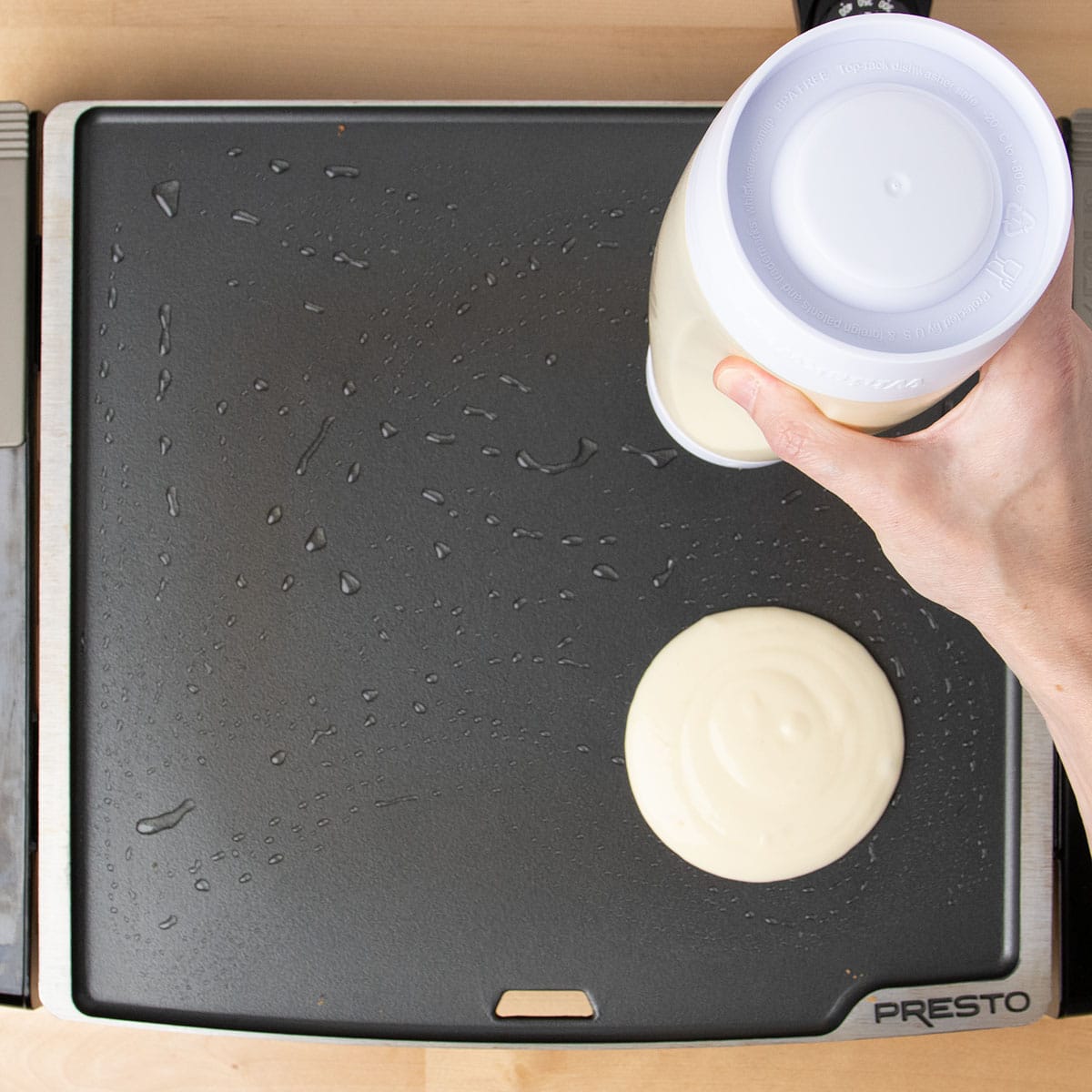
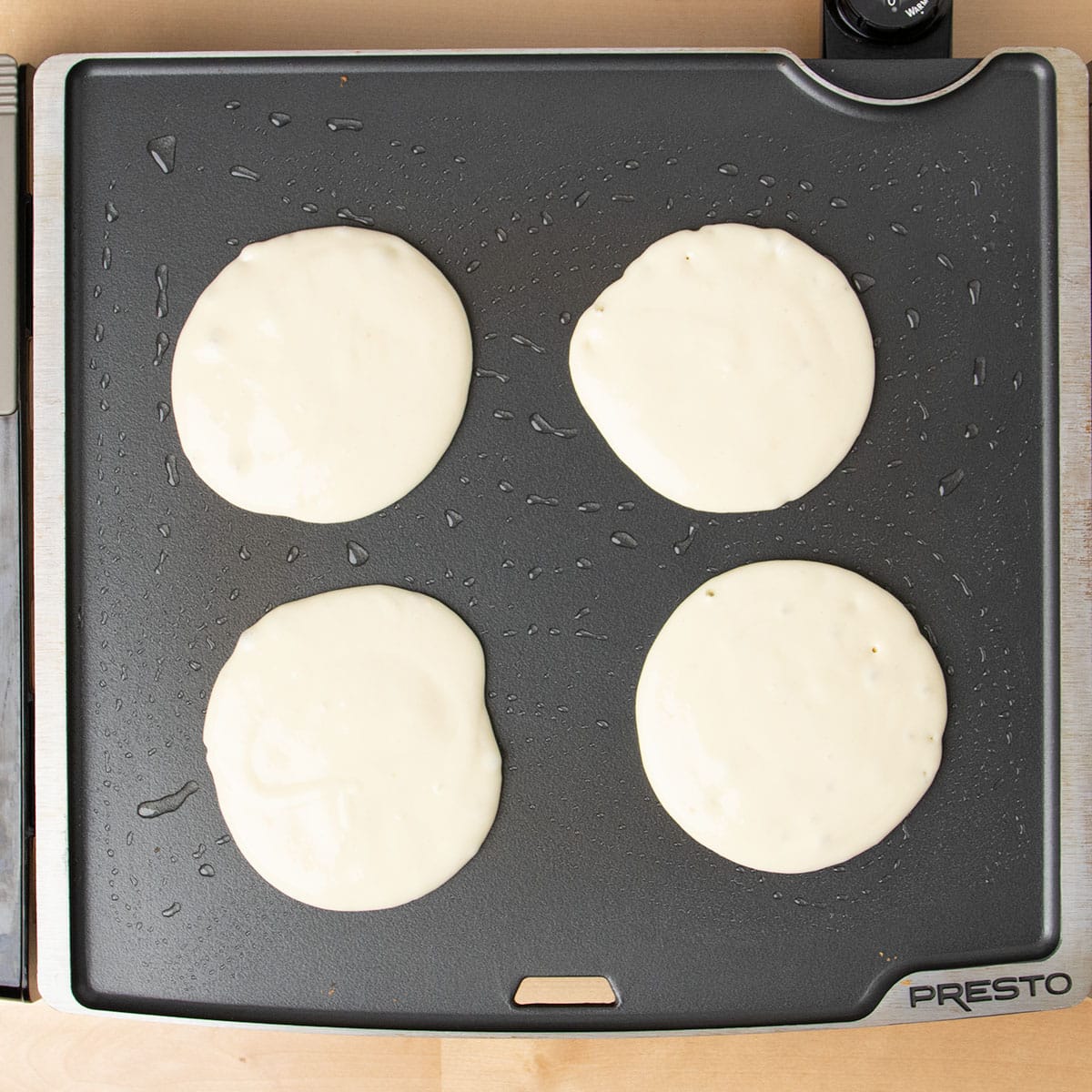
Preheat Your Pan: Heat a nonstick griddle or skillet over medium heat. Lightly grease the surface. A properly preheated pan is essential; it allows the pancake batter to begin cooking immediately upon contact, preventing it from spreading too thinly or sticking to the surface. The initial sizzle is a good indicator of readiness.
-
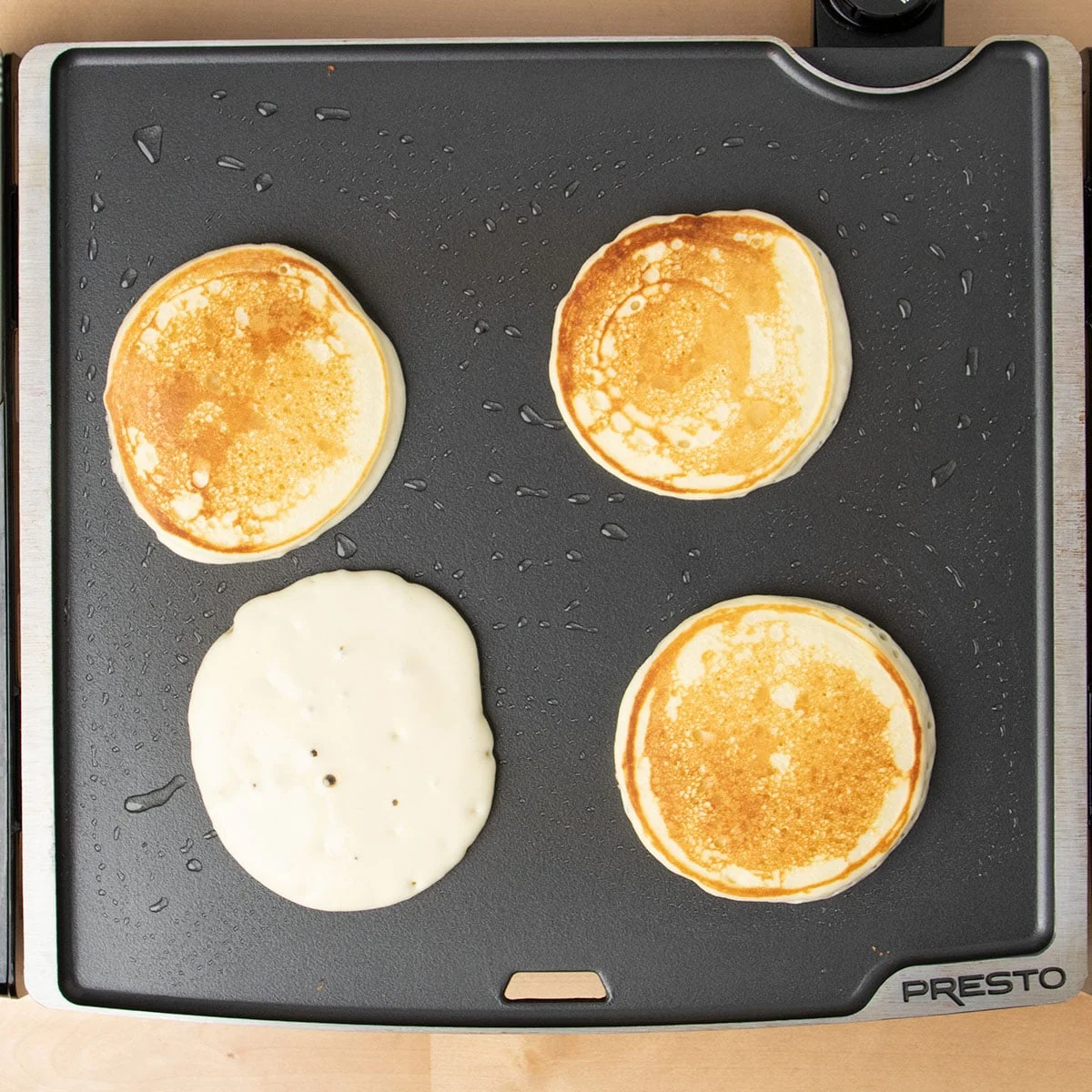
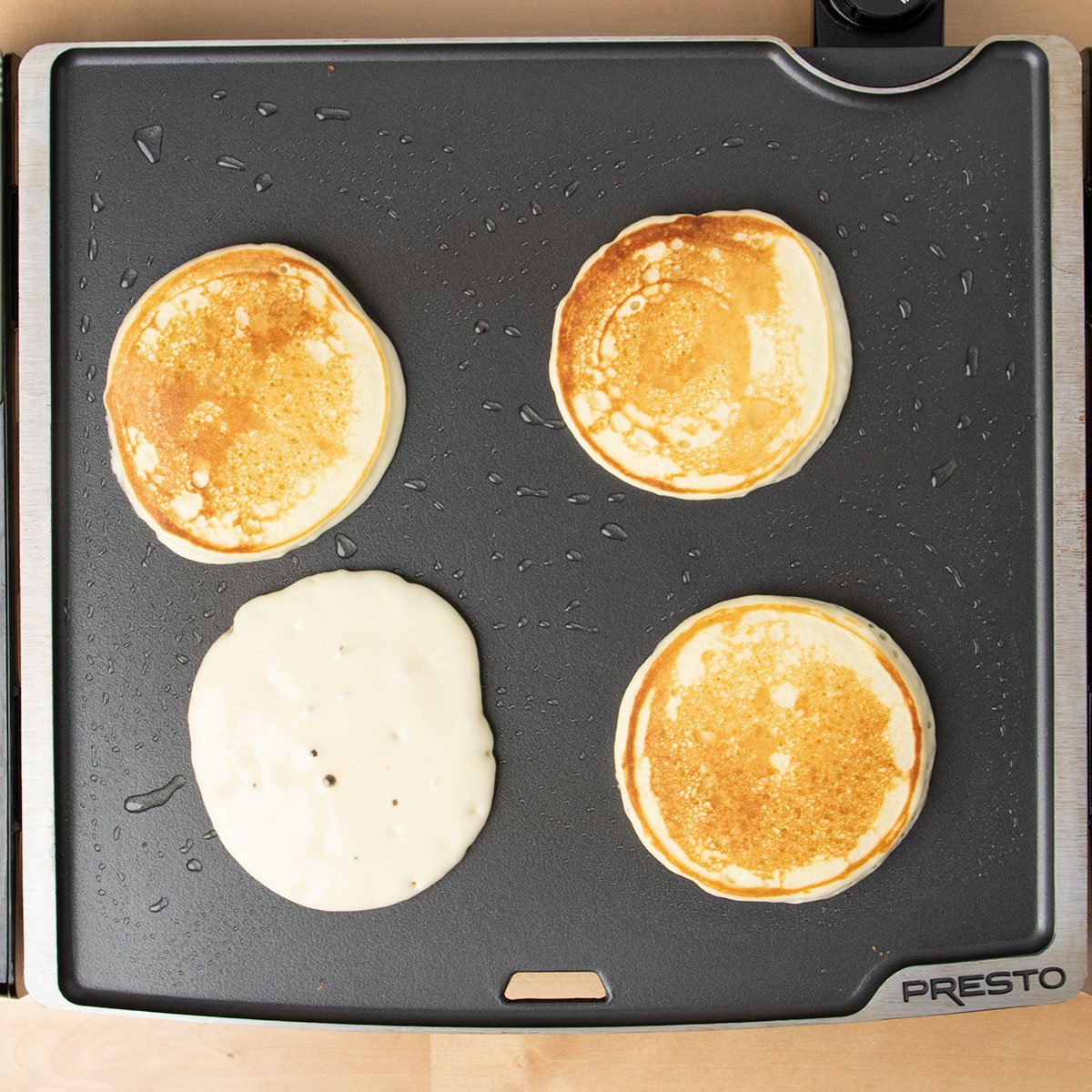
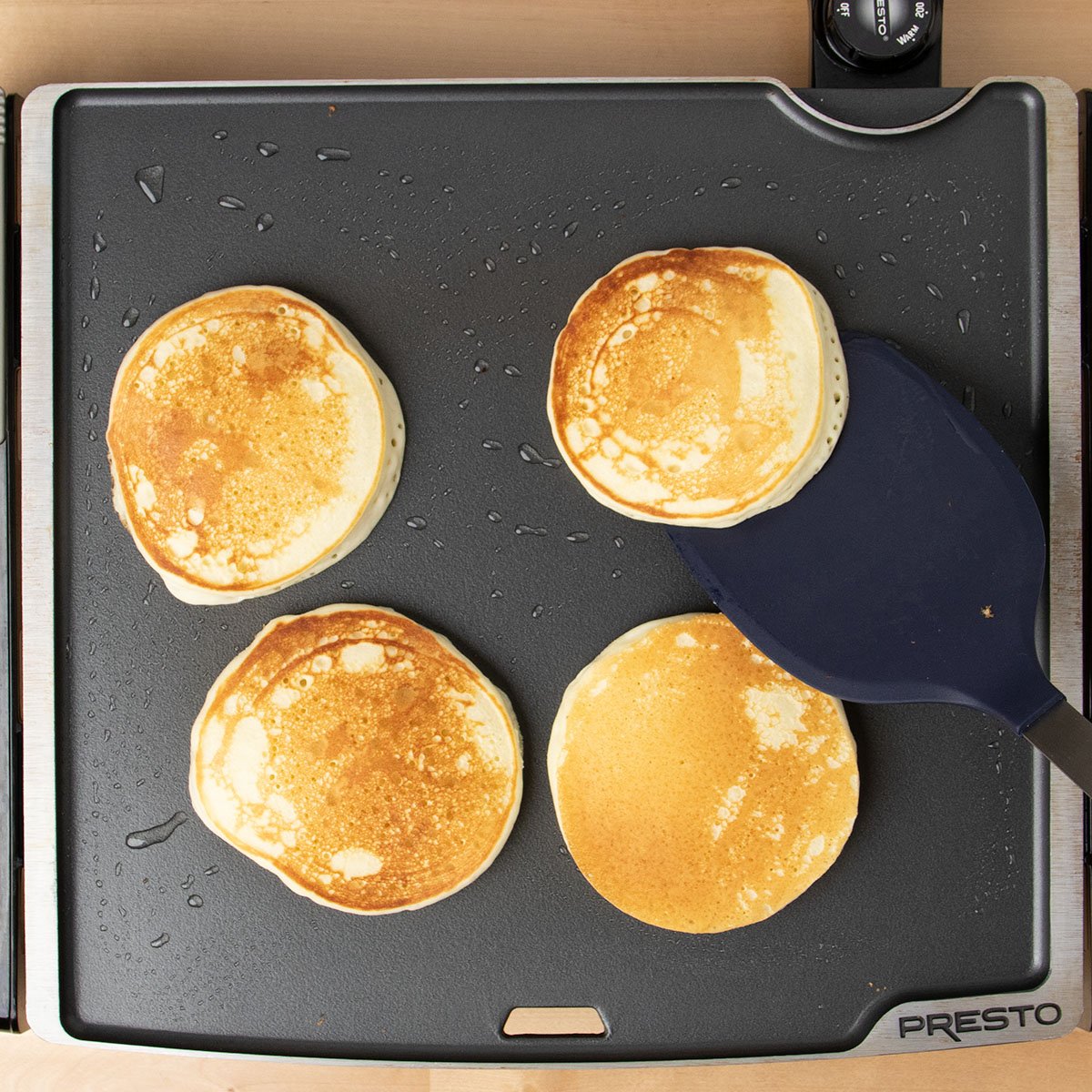
Portion and Cook: Scoop approximately ¼ cup of batter for each pancake. This consistent portioning ensures uniform size and even cooking. Cook until bubbles begin to form and break on the surface of the pancake, and the edges appear set. This visual cue indicates that the underside is sufficiently cooked for flipping.
-
Flip and Finish: Carefully flip the pancakes when ready. Cook the second side until golden brown. Some recipes suggest flipping back and forth a few times to achieve optimal browning and flavor development. Serve warm, adorned with your favorite toppings.
Expert Tips for Gluten-Free Pancake Perfection
To elevate your gluten-free pancake-making skills, consider these expert recommendations:
- Mindful Flour Blend Selection: The type of gluten-free flour blend significantly impacts the outcome. Blends with a high xanthan gum content, like some versions of Better Batter, can lead to an overly thick, gummy batter and consequently, dense pancakes. Conversely, blends with too little gum, such as Bob’s Red Mill 1-to-1, may require careful adjustment. Opting for a blend with a moderate or no xanthan gum content, or creating your own, offers the most control.
- The Subtle Power of Xanthan Gum: If using a gum-free blend, adding a small amount of xanthan gum (around ¼ teaspoon) can be a game-changer. It acts as a binder, preventing the edges from feathering and ensuring a cohesive pancake. If xanthan gum is omitted, reducing the milk by ¼ cup can help compensate for the absorbed moisture, maintaining the batter’s ideal consistency.
- Nonstick is Non-Negotiable: A high-quality nonstick pan or griddle is your best ally in achieving perfectly browned, evenly cooked pancakes. Even with nonstick surfaces, a light greasing with oil or butter is recommended to ensure easy release and prevent sticking, contributing to a flawless presentation.
- The Quest for Taller Pancakes: For those who prefer a thicker, diner-style pancake, the recipe offers a pathway. Substituting real buttermilk for milk, adding an extra egg, and incorporating melted butter into the batter are key modifications that result in richer, fluffier pancakes. A dedicated recipe for gluten-free buttermilk pancakes is available for those seeking this specific texture.
Ingredient Substitutions for Dietary Needs
This recipe is adaptable to various dietary requirements, ensuring that more people can enjoy these delicious gluten-free pancakes.
- Dairy-Free Adaptation: Cow’s milk can be readily replaced with unsweetened, unflavored non-dairy milk alternatives. Options like unsweetened coconut milk (from a carton), almond milk, or soy milk work well, provided they have a similar viscosity to dairy milk.
- Egg-Free Alternatives: For those with egg allergies or who follow an egg-free diet, several effective substitutions exist. Chia eggs (1 tablespoon chia seeds mixed with 3 tablespoons water, left to sit for 5-10 minutes), commercial egg replacers like Bob’s Red Mill egg replacer, or liquid egg substitutes such as "Just Egg" are viable options.
Crafting a Shelf-Stable Dry Mix
The ability to create a pre-made dry mix is a significant convenience factor. This recipe yields approximately 235 grams (about 1 ½ cups plus 3 tablespoons) of dry mix. To prepare a larger quantity for extended use, simply multiply the dry ingredients accordingly. This batch can be stored in a sealed container in a cool, dry pantry for up to three months, or frozen for up to six months. When ready to bake, measure out the required 235 grams of the mix and proceed with the wet ingredients as directed.
Storage, Freezing, and Reheating Pancakes
The convenience extends to the finished product.
- Short-Term Storage: Once cooled, pancakes can be stacked in portions of two or three and stored in an airtight container in the refrigerator for up to two days.
- Freezer-Friendly: For longer storage, wrap cooled pancake stacks and freeze them for up to three months. Thawing can be done at room temperature, overnight in the refrigerator, or briefly in the microwave.
- Reheating: To reheat, place pancakes in a toaster or a warm oven until heated through. A light sprinkle of water before toasting can help restore moisture and texture.
- Dry Mix Storage: The dry mix itself should be stored in a sealed container in a cool, dark pantry for up to three months, or in the freezer for up to six months. Ensure it returns to room temperature before use.
Frequently Asked Questions About Gluten-Free Pancakes
- Why are my pancakes flat? Flat pancakes are often a sign of expired leavening agents. Ensure your baking powder and baking soda are fresh, as they are essential for achieving a good rise.
- Why are my pancakes burning? An overheating pan is the usual culprit. Reduce the heat slightly and monitor for signs of smoking oil or butter, which indicate the pan is too hot.
- Why do my pancakes stick to the pan? Insufficient pan heat or a lack of nonstick surface can cause sticking. Ensure your pan is adequately heated and use a nonstick skillet, greasing it lightly even if it is advertised as nonstick.
- Can I use this recipe to make waffles? While similar, waffle batter requires a lighter, crispier consistency. For waffles, it is recommended to use a dedicated gluten-free waffle recipe.
This meticulously developed recipe and accompanying dry mix offer a reliable and delicious solution for anyone seeking to enjoy classic, fluffy pancakes without gluten. Its emphasis on convenience, texture, and adaptability makes it a valuable addition to any gluten-free kitchen.
