

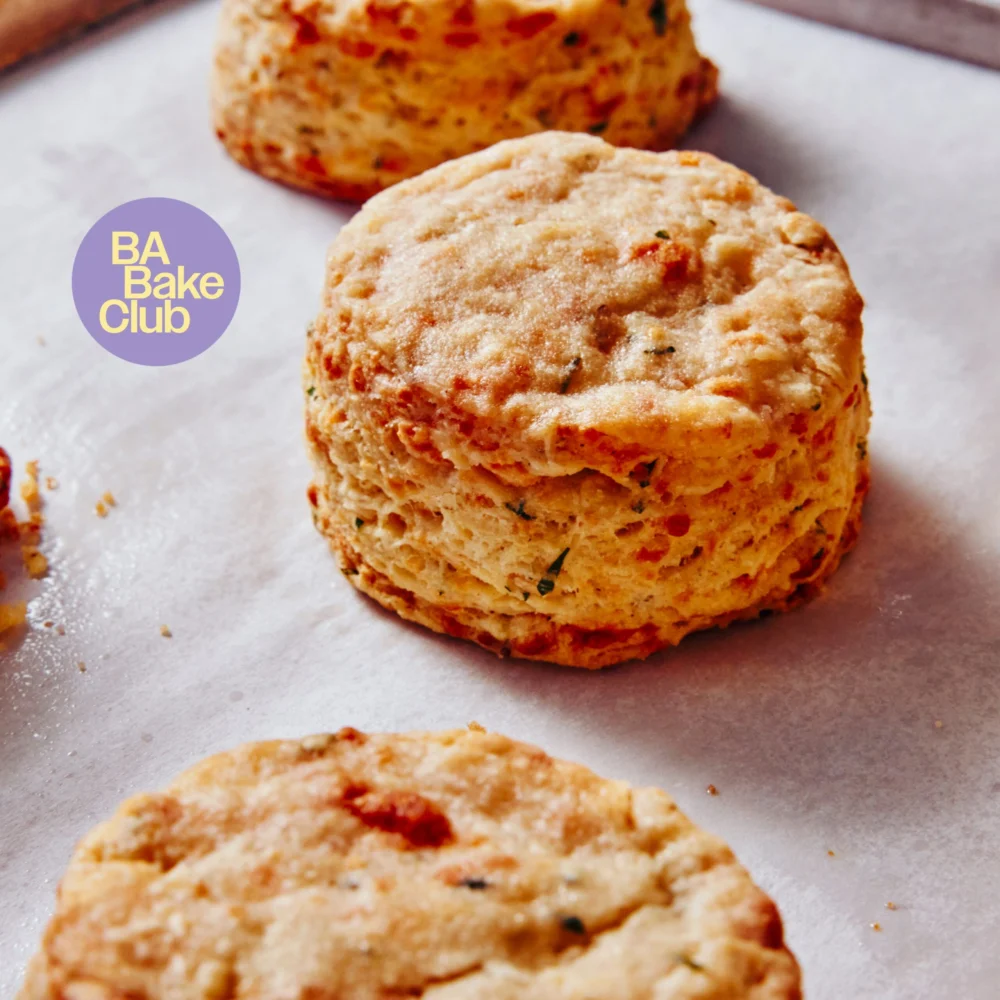
The Bon Appétit Bake Club has released its latest episode, delving into the art and science of biscuit making with a focus on a reimagined cheddar biscuit infused with the distinctive flavor of Old Bay seasoning. Hosted by senior Test Kitchen editors Shilpa Uskokovic and Jesse Szewczyk, the episode offers a comprehensive guide to achieving flaky perfection, tackles common baking challenges from the community, and features an exclusive interview with celebrated "legacy baker" and bestselling cookbook author Cheryl Day. This installment underscores the Bake Club’s commitment to fostering a community of confident and curious bakers by demystifying complex techniques and celebrating culinary heritage.
The Culinary Inspiration: A Flaky Take on a Classic
At the heart of this month’s Bake Club offering is Shilpa Uskokovic’s recipe for Cheddar Biscuits with Old Bay, a creative homage to the ubiquitously popular Cheddar Bay Biscuits served at the Red Lobster chain restaurant. Jesse Szewczyk initiated the concept, posing the intriguing question: "What if Red Lobster biscuits were flaky?" This seemingly simple query set Shilpa on a path to transform a familiar drop biscuit concept into a more refined, layered pastry.
Shilpa’s development process began with a foundational analysis of the original inspiration. She procured a box of the Red Lobster mix, observing that the chain’s version is a drop biscuit—a simpler preparation where ingredients are mixed and spooned onto a baking sheet, then topped with a garlic and parsley butter after baking. A key revelation for Shilpa was the absence of "Old Bay" seasoning in the original, despite the name "Cheddar Bay." This discovery propelled her to integrate the iconic Mid-Atlantic spice blend directly into her recipe, giving the "bay" an actual flavor profile. "In my mind, the bay was always like Old Bay, the seasoning, the paprika and celery salt seasoning that you often find in a tin or a jar," Shilpa explained, highlighting the unexpected gap her recipe sought to fill.
The resulting recipe builds upon Shilpa’s prior success with flaky doughs, drawing inspiration from her garlic bread biscuits developed for Thanksgiving. It emphasizes a robust cheese content, utilizing a half-pound of cheddar for just eight biscuits, ensuring a rich, savory experience. The versatility of the recipe is also stressed, with Shilpa encouraging bakers to view it as a framework for experimentation, inviting them to substitute different cheeses or spice mixes to personalize their creations. This approach aligns with the Bake Club’s ethos of empowering home bakers to adapt and innovate.
Decoding the Biscuit’s Anatomy: Technique and Texture
A central theme of the episode is the technique behind achieving superior flakiness, a hallmark of Shilpa’s biscuit recipes. The secret lies in a method akin to lamination, similar to that used in croissants or Bon Appétit’s "Perfect Pie Crust." After combining dry ingredients—flour, leavening, a touch of sugar, Old Bay, garlic powder, and parsley—the critical step involves cutting cold butter into the mixture. Unlike some methods that advocate for very fine butter pieces, Shilpa advises leaving the butter in slightly larger chunks, ideally between the size of a lentil and a pea. This strategic butter distribution is crucial, as these butter pockets create steam when heated in the oven, which then pushes the dough layers apart, resulting in a light, airy, and visibly flaky texture.
Once the butter is incorporated, buttermilk is added for its acidity, which complements the cheddar cheese and further tenderizes the dough. The dough is then brought together and subjected to several folds, a rough lamination technique that traps the butter within distinct layers. This process is essential for the "accordion-like" flakiness observed in the finished biscuits. After shaping into circles and chilling, the biscuits are ready for baking.
The discussion also touched upon the aesthetic choices in biscuit making. While Shilpa’s previous Thanksgiving biscuits were square for efficiency—minimizing waste and maximizing yield during a busy holiday—this recipe calls for round biscuits. "I wanted them to be, I don’t know, I had this image in my mind of round biscuits in a cloth napkin," Shilpa shared, prioritizing a dramatic, centerpiece presentation over pure practicality. The height of the biscuits is another carefully considered factor; the dough is rolled to approximately one inch thick, an optimal dimension that allows for a tall, impressive rise without compromising structural integrity. Any taller, Shilpa notes, and the biscuits risk toppling due to insufficient internal support. This attention to detail highlights the blend of culinary science and artistic vision in professional recipe development.
Old Bay: A Deep Dive into a Regional Flavor
Given its prominent role in the recipe, the hosts dedicated time to explaining Old Bay seasoning for listeners unfamiliar with its distinct profile, particularly those outside the United States. Old Bay is described as a proprietary blend primarily composed of paprika, garlic powder, and, most importantly, celery salt, along with other secret herbs and spices. Its origins trace back to Baltimore, Maryland, and it is intrinsically linked with the Chesapeake Bay region’s seafood culture, commonly used in crab boils and seafood preparations.
Beyond seafood, Old Bay has permeated other culinary applications, famously seasoning potato chips—a nostalgic first introduction for Shilpa. The New Yorker has even published an article detailing its fascinating history, underscoring its cultural significance. For the biscuit recipe, Old Bay was a deliberate choice to provide a tangible "bay" flavor, rectifying what Shilpa perceived as an "imaginary bay" in the Red Lobster inspiration. For international listeners or those unable to source Old Bay, Shilpa offers practical substitution advice, suggesting a blend of paprika, garlic powder, celery salt, a touch of sugar, and dried thyme as a close approximation. Alternatively, simply using dried paprika or another cheese-complementary spice mix is encouraged, with an emphasis on adjusting salt content accordingly. This flexibility ensures the recipe remains accessible globally.
Community Engagement: Addressing Baker’s Dilemmas
A hallmark of the BA Bake Club is its interactive format, where hosts address listener questions and challenges related to the monthly recipe. This episode saw a flurry of inquiries regarding common biscuit baking mishaps, particularly concerning uneven rise and texture. Listeners Katie, Michelle, and Tim reported issues such as biscuits baking at different heights, some flattening, some leaning "like a Leaning Tower of Pisa," and others spreading at the base.
Shilpa and Jesse meticulously dissected these problems, offering a multi-faceted diagnosis. Uneven butter distribution was identified as a potential culprit; if butter chunks are too large, they can melt out onto the baking sheet, leading to greasy, dense biscuits that lose shape. The ideal butter size, they reiterated, is around that of a green pea. Overworking the butter, a common fear among home bakers, can also lead to a lack of flakiness, as the butter needs to remain somewhat intact to create steam layers.
Another significant factor discussed was the initial dough height. Rolling the dough too tall, beyond the recommended one inch, can result in biscuits that lack structural integrity and topple during baking. Furthermore, excessive flour used during the folding process can prevent dough layers from sticking together, causing them to "slip along the fault line" and rise unevenly. Shilpa advised brushing off any extra flour during folds to mitigate this. For issues like a "flared base" or conical shape, the size of the biscuit cutter and the pressure applied during cutting were highlighted. An even, firm press with the palm (not just thumbs) is crucial for a consistent rise around the circumference. This detailed troubleshooting session exemplifies the Bake Club’s dedication to providing practical, science-backed solutions for its community.
Cheryl Day: A Legacy of Southern Baking Excellence
The episode reached a crescendo with the much-anticipated guest segment featuring Cheryl Day, the revered baker, New York Times bestselling author of cookbooks like The Back in the Day Bakery Cookbook and Cheryl Day’s Treasury of Southern Baking. Shilpa and Jesse introduced Day as a "true icon of Southern and heritage baking" and a "biscuit guru," setting the stage for invaluable insights.
Cheryl Day self-identifies as a "legacy baker," a term she coined to describe her work rooted in family upbringing, ancestors, and heritage. Her baking is a profound homage to those who came before her, giving "them the reverence that I think they deserve." This philosophy resonates deeply with the idea of recipes as "long form," passed down through generations and imbued with cultural significance. Day’s journey into historical recipes began poignantly after losing her mother at a young age, inheriting a notebook filled with family stories and recipes. Her earliest baking memories revolve around making pies with her mother—sweet potato and lemon meringue, which became her specialty. Recreating her mother’s lemon meringue pie from memory for her cookbooks brought back a flood of "taste memories," solidifying its place as her favorite pie.
Day’s practical experience is unparalleled; she personally made biscuits every single day for 22 years at her Savannah bakery, Back in the Day Bakery. This daily ritual, even amidst book tours, underscores her mastery and the high expectations customers had for her biscuits. Her deep connection to the craft makes her insights particularly authoritative.
When asked what makes a perfect biscuit, Day emphasized "light airy layers, not just layers, but they’re light and airy, delicate. They just kind of pull apart." She also highlighted a "perfect balance of slightly sweet and salty" and a tender texture, expressing a notable aversion to "chewy" biscuits. Her technique involves using quality ingredients, particularly specific buttermilk and good butter. She doesn’t grate butter but cuts it in cubes, flattening some pieces with her hands to create texture from the start. After adding buttermilk, she relies on her senses—looking, seeing, feeling the dough—to avoid overworking it. She then rolls out the dough and performs folds and stacking, similar to lamination, always paying close attention to the dough’s texture and feel. This tactile, intuitive approach is a testament to the artistry involved in mastering biscuit making.
The Impact of Environment: Humidity and Baking
A particularly engaging segment involved Cheryl Day’s insights on humidity in baking, a challenge many home bakers face. Listener Mariana shared an experience where her dough was too humid but still yielded flaky biscuits despite being unable to perform folds. Day, a seasoned baker in the humid climate of Savannah, immediately resonated with the topic.
She strongly advocated for the refrigerator as a baker’s "friend" in humid or hot conditions. "Once you start going on the path of mastering something like a biscuit, I think that you learn how it’s supposed to look and feel," Day stated, emphasizing the importance of recognizing when the dough is too warm or sticky and needs to be chilled. The hosts, Shilpa and Jesse, shared their own debate on whether it’s humidity itself or simply temperature that affects dough. While acknowledging that high temperatures melt butter faster, they were less convinced by the common belief that flour absorbs more water in humid conditions, thus requiring less liquid in the dough.
Cheryl Day, however, offered a nuanced perspective: while the amount of buttermilk in her recipe has been consistent, the "rate of absorption" of liquids is key. Adding liquids too quickly, without allowing the flour adequate time to absorb, can lead to a wetter dough, regardless of ambient humidity. She stressed the importance of gradually adding liquids and observing the dough’s texture, an adaptable skill for bakers in various climates. This discussion provided valuable practical advice, highlighting that while environmental factors play a role, mindful technique and temperature control are paramount.
Mastering the Biscuit: Expert Advice for Home Bakers
To empower home bakers, Cheryl Day distilled her decades of experience into actionable advice. Her foremost recommendation is "practice, practice, practice." She likened baking to a craft or a sport, asserting that mastery only comes through consistent repetition. "The only way to get better is to make the thing… do it all the time," she advised. Complementing practice is attentive observation: "pay attention," she urged, and "find a recipe that obviously you trust and read that recipe over and over until you really truly understand it."
Beyond technique, ingredient management is critical. Day reiterated the importance of "cold ingredients for biscuits" and the strategic use of the refrigerator. For bakers with naturally warm hands, chilling ingredients and even the dough itself intermittently in the fridge is a vital step to prevent butter from melting prematurely. She also suggested chilling ingredients in a walk-in or freezer for extremely hot conditions, although she admitted the freezer can be "scary" due to the risk of freezing the dough. Finally, Day underscored the value of "take notes"—a systematic approach to learning and refining one’s baking process. These comprehensive tips offer a roadmap for aspiring biscuit makers to elevate their skills from following a recipe to truly understanding the craft.
Versatility of the Biscuit: Beyond the Plate
The episode concluded with a lively discussion on ideal meal pairings for these flavorful biscuits. Christina, a listener, sought ideas beyond breakfast sandwiches or soup sides. The hosts and Cheryl Day offered a range of suggestions, showcasing the biscuit’s remarkable versatility.
Shilpa and Jesse proposed simple yet satisfying options: splitting them open and serving with a pat of butter, or pairing them with pimento cheese for a Southern-inspired snack. They enthusiastically endorsed breakfast sandwiches, suggesting additions like ham, extra cheddar, or a savory sausage patty. For heartier meals, biscuits were recommended alongside chili, even daringly suggesting a "chili cobbler" by placing them on top. Jesse also proposed serving them with chowder, a nod to New England culinary traditions.
Cheryl Day shared her ultimate biscuit eating experience: "a little pad of butter, a biscuit, sausage and jam." She specified a sage-y breakfast sausage paired with homemade grape jam or a blueberry rose jam, a combination that marries savory and sweet in a delightful way. The consensus, as Shilpa succinctly put it, was, "Anything bread can do, a biscuit can do better," with the humorous exception of peanut butter and jelly, though pepper jelly was quickly proposed as a viable alternative. This segment highlighted the biscuit’s role not just as a side, but as a potential centerpiece for various meals.
The Future of BA Bake Club: What’s Next?
As the episode drew to a close, Jesse Szewczyk teased the upcoming March Bake Club recipe: a Chocolate Guinness Cake. He described it as a "classic March recipe" with "fun techniques" that elevate it to a "really great chocolate cake" with a delightful texture and multi-dimensional flavor from the Guinness. The frosting is also highlighted as delicious and beautiful, making it a "very simple makeable cake." A "deep cut" hint was dropped, suggesting the key technique was popularized by a former Bake Club guest, inviting listeners to speculate.
The hosts encouraged listeners to continue their engagement with the Bake Club by submitting pictures of their finished creations and questions via the Substack chat, email ([email protected]), or by commenting directly on the recipes on bonappetit.com or the Epicurious app. They also urged listeners to rate and review recipes they enjoyed, reinforcing the community-driven aspect of the club.
The BA Bake Club continues to solidify its position as Bon Appétit’s "nerdiest and most wholesome corner of the baking internet." By blending expert recipe development, in-depth technical explanations, interactive listener engagement, and insights from culinary luminaries like Cheryl Day, the podcast consistently delivers rich, informative content designed to inspire and educate bakers of all skill levels. The latest episode on Old Bay Cheddar Biscuits stands as a testament to this mission, providing not just a recipe, but a comprehensive masterclass in biscuit perfection.
