

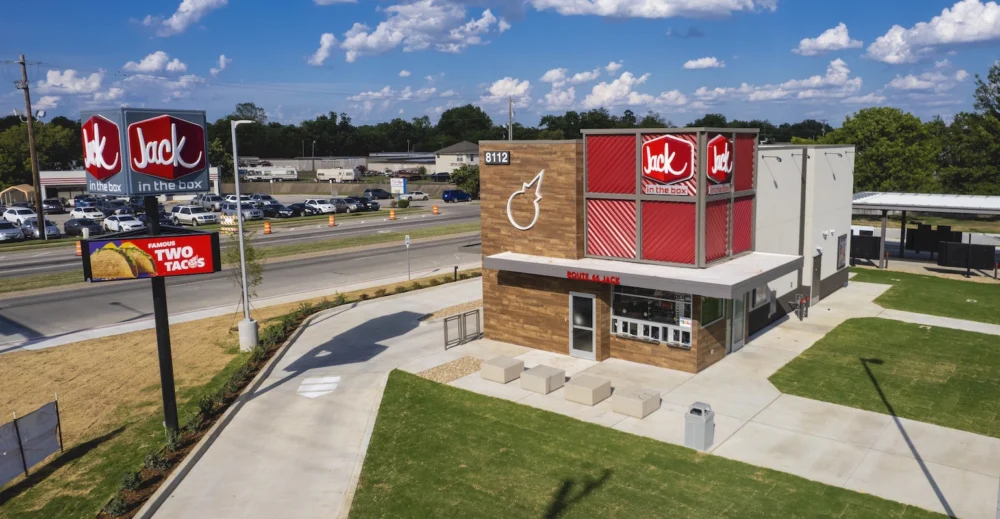
Jack in the Box shareholders have decisively re-elected all 10 of the company’s board nominees during its 2026 annual meeting. This outcome represents a significant victory for the San Diego-based quick-service restaurant chain, effectively neutralizing a protracted and contentious proxy battle initiated by activist investor Sardar Biglari. While the company secured a strong mandate for its current leadership, a notable leadership transition also occurred, with independent chair David Goebel stepping down after a long tenure.
The annual meeting, a crucial event for corporate governance, saw shareholders overwhelmingly endorse the existing slate of directors. This decisive vote sends a clear message of confidence in the company’s strategic direction and management team, particularly as Jack in the Box navigates a challenging market landscape and implements its turnaround strategy. The outcome serves as a direct repudiation of the efforts by Biglari Capital to disrupt the company’s leadership and implement its own agenda.
A Contentious Proxy Battle Concludes
The re-election of the board members comes after months of heightened tension between Jack in the Box and Biglari Capital. Sardar Biglari, known for his aggressive activist investing strategies and ownership of other restaurant brands like Steak ‘n Shake and Western Sizzlin, launched a proxy fight following his affiliates’ acquisition of more than 5.5% of Jack in the Box’s shares in 2023. Biglari’s campaign was predicated on accusations of underperformance by the incumbent board and sought to install his own candidates or influence key leadership changes.
Initially, Biglari Capital aimed to place two of its nominees on the Jack in the Box board. However, as the proxy battle intensified, the group shifted its strategy, withdrawing its candidates and opting for a “vote no” campaign specifically targeting David Goebel, who had served as chairman of Jack in the Box’s board since 2008. This strategic pivot reflected the high stakes involved, with Biglari seeking to oust a long-standing leader to gain leverage.
In response to Biglari’s campaign, Jack in the Box actively engaged with its shareholders, urging them to reject the activist investor’s proposals. In a letter to shareholders disseminated last month, the company characterized Biglari’s actions as a “pattern of contradictory and volatile behavior,” aiming to discredit his motives and highlight the potential disruption his activism could cause. The company underscored the importance of stability and consistent execution of its strategic plan during a critical period.
Adding to the pressure on the board, proxy advisory firm Egan-Jones Proxy Services recommended last month that shareholders withhold their “yes” votes from multiple directors, including Goebel. Such recommendations from influential advisory firms can sway shareholder decisions, making Jack in the Box’s ultimate victory even more pronounced. The firm cited concerns regarding corporate governance and performance, aligning with Biglari’s narrative.
Leadership Transition Amidst the Victory
While the board secured a strong endorsement from shareholders, the annual meeting also marked a significant leadership transition. David Goebel, who has been instrumental in guiding Jack in the Box as its independent chair since 2008, will not seek re-election. His departure, though occurring in the context of a successful board re-election, signifies the end of an era for the company’s governance.
Assuming the role of chairman is Mark King, who officially took over at the end of February. King’s appointment comes at a pivotal moment for Jack in the Box, a time the company describes as “transformative.” His leadership will be crucial in steering the company through its ongoing revitalization efforts.
"It is an honor to serve as chair of the board of Jack in the Box during this transformative time for the company," King stated in a prepared release. "Looking ahead, our board and leadership team are fully focused on improving our financial performance through the execution of our ‘Jack on Track’ plan. We will continue advancing our priorities to drive operating results, strengthen the balance sheet, position the company for growth, and enhance long-term shareholder value." King’s statement emphasizes a commitment to strategic execution and financial improvement, signaling a forward-looking approach.
The "Jack on Track" Revitalization Plan
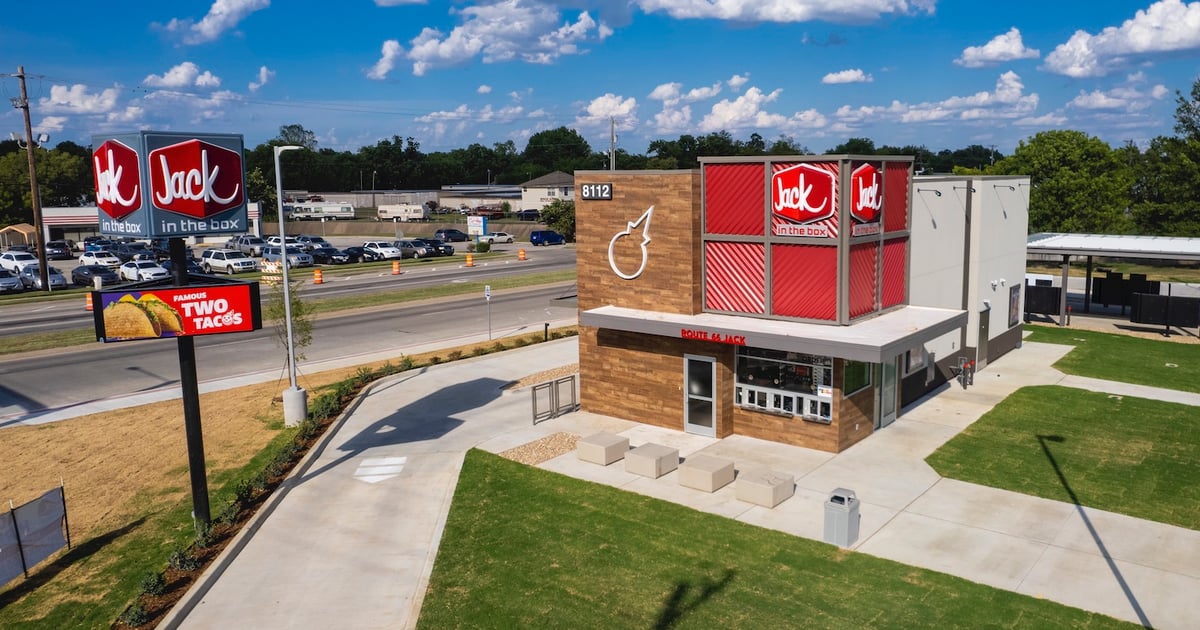
The proxy battle and the board’s re-election unfolded against a backdrop of considerable financial headwinds for Jack in the Box. The company has experienced a challenging fiscal year, with reports indicating a 4.2% same-store sales decline for the 2025 fiscal year. Furthermore, restaurant margins saw double-digit declines during the same period, underscoring the urgent need for strategic intervention.
In response to these persistent challenges, Jack in the Box initiated its “Jack on Track” revitalization plan in April of the previous year. This comprehensive strategy is designed to address operational inefficiencies, improve customer experience, and drive sales growth. The plan encompasses various initiatives aimed at modernizing the brand, optimizing its menu, and enhancing operational efficiency across its franchised and company-owned locations.
The company has continued to grapple with market pressures in the current fiscal year, 2026. For the first quarter, Jack in the Box reported a 6.7% same-store sales decline, indicating that the turnaround efforts are still in their nascent stages and facing ongoing resistance from a competitive and evolving quick-service market. The sustained sales decline highlights the scale of the task before the newly re-elected board and the leadership team.
Sardar Biglari’s Activist Track Record
Sardar Biglari’s involvement with Jack in the Box is consistent with his history as an activist investor. Biglari Capital, based in San Antonio, Texas, has a reputation for acquiring significant stakes in companies and advocating for strategic changes, often with the aim of improving shareholder value. His approach typically involves scrutinizing management performance, challenging board composition, and proposing operational or financial restructuring.
Biglari’s previous campaigns have included efforts at companies like Cracker Barrel Old Country Store and other publicly traded entities. His investment thesis for Jack in the Box likely centered on perceived inefficiencies in operations, menu innovation, and marketing strategies that he believed were hindering the company’s growth potential and profitability. His aggressive tactics have often led to high-profile proxy contests, creating significant pressure on incumbent management teams.
The outcome of the Jack in the Box proxy battle suggests that a majority of shareholders remained unconvinced by Biglari’s arguments for a complete overhaul of the board. This could be attributed to a variety of factors, including faith in the company’s existing turnaround plan, concerns about Biglari’s proposed alternatives, or a general preference for stability during a period of economic uncertainty.
Implications for Jack in the Box and the Quick-Service Industry
The successful re-election of the entire board provides Jack in the Box with a critical period of stability to execute its “Jack on Track” plan without the immediate threat of further activist intervention. This stability is paramount for implementing long-term strategies that require consistent focus and investment. The clear mandate from shareholders allows the leadership team to concentrate on operational improvements and financial recovery.
The appointment of Mark King as chairman also signals a renewed focus on leadership continuity and strategic guidance. His experience and vision will be vital in navigating the complexities of the quick-service sector, which is characterized by intense competition, shifting consumer preferences, and evolving economic conditions.
From an industry perspective, the outcome of this proxy fight underscores the ongoing scrutiny that publicly traded restaurant companies face from activist investors. While such activism can sometimes lead to positive changes and enhanced shareholder value, it also carries the risk of disruption and short-term focus. The Jack in the Box situation demonstrates that while activist campaigns can mobilize significant shareholder dissent, they are not always successful in achieving their ultimate objectives, especially when the incumbent management can present a compelling case for its strategy and governance.
The company’s ability to rebound from its recent sales declines and margin pressures will be closely watched. The “Jack on Track” plan, now bolstered by the confidence of its shareholders, must demonstrate tangible results in the coming quarters. Success will hinge on effective implementation, adapting to market dynamics, and regaining customer loyalty. Failure to do so could invite renewed scrutiny from investors and potentially lead to further leadership challenges in the future.
The broader implications for the quick-service industry include the ongoing need for established brands to remain agile and responsive to market trends. Companies must continually innovate their menus, enhance their digital presence, and optimize their operational models to stay competitive. The financial performance of major chains like Jack in the Box serves as a barometer for the health and direction of the entire sector, highlighting both the challenges and opportunities present in today’s dynamic food service landscape. The company’s path forward will be a critical case study in corporate turnaround and the resilience of established brands in the face of economic and activist pressures.
