

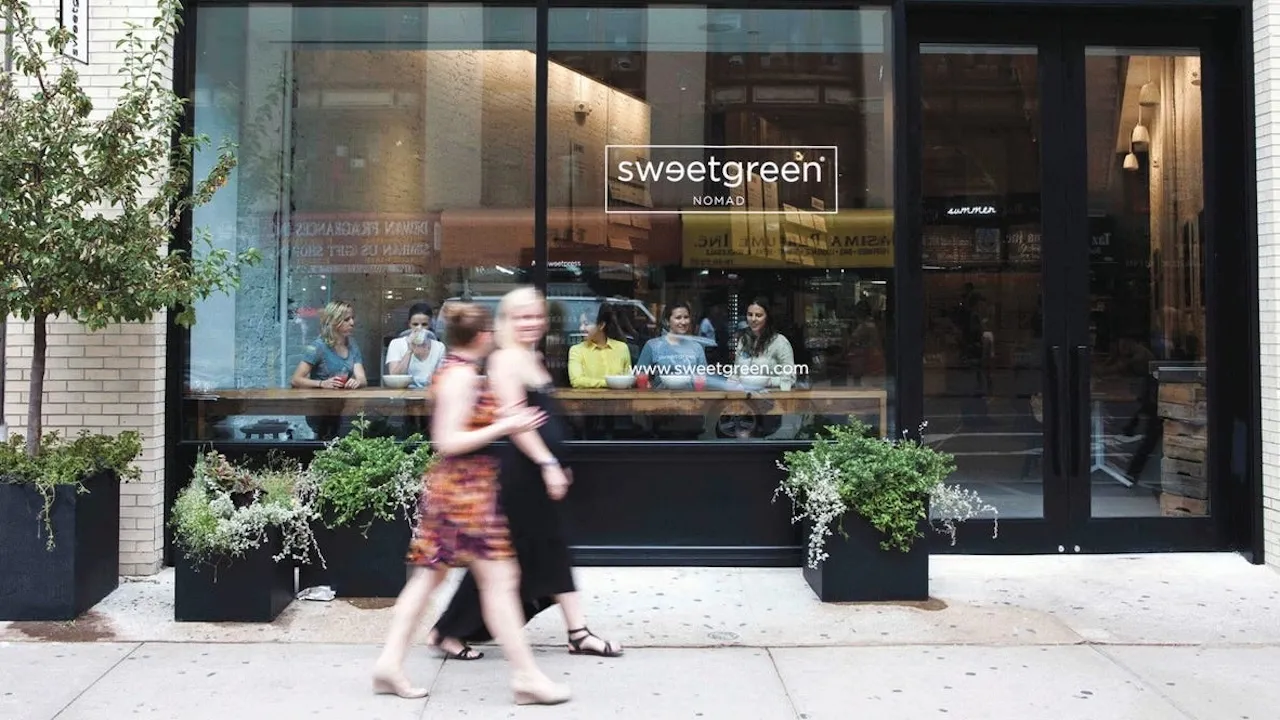
Sweetgreen, the fast-casual salad chain known for its fresh ingredients and healthy options, is navigating a turbulent period in 2025 and 2026, marked by significant same-store sales declines and a strategic pivot to revitalize its business. The company reported an 11.5% drop in same-store sales for the fourth quarter ended December 28, a figure that has raised concerns among investors and prompted an accelerated execution of its transformation plan. This decline, coupled with ongoing challenges in the first quarter of 2026, underscores the intense pressure Sweetgreen is facing in a dynamic and increasingly competitive fast-casual landscape.
The financial results for the fourth quarter of 2025 fell short of market expectations, leading to a 5% dip in Sweetgreen’s stock price following the announcement. CEO Jonathan Neman acknowledged the need for more substantial efforts to secure the company’s future. "It is clear that we have more work to do," Neman stated during a recent earnings call, emphasizing the company’s commitment to a comprehensive turnaround strategy. This plan, dubbed "executing with urgency," is multifaceted, aiming to address key areas such as value perception, operational efficiency, and menu innovation.
The primary drivers behind the fourth-quarter sales slump were identified as a decrease in customer traffic and a shift in sales mix. The company attributes this trend to a more discerning consumer environment, where customers are scrutinizing their spending more closely. Furthermore, the transition from the previous Sweetpass+ subscription program to the new SG Rewards loyalty program eliminated a significant stream of subscription revenue, contributing to the overall decline. This strategic shift, while intended to foster a more sustainable loyalty model, has had a short-term impact on financial reporting.
Sweetgreen’s transformation plan is anchored in five strategic pillars: operational excellence, food quality and menu innovation, personalized customer experience, brand relevance, and disciplined, profitable investments. Neman articulated that while the financial benefits of this plan will take time to manifest, the company is diligently working to strengthen its foundational elements. This long-term vision aims to build resilience and foster sustainable growth in an industry characterized by rapid evolution and shifting consumer preferences.
Deepening Dive into the Sales Declines and Contributing Factors
The challenges for Sweetgreen have persisted into the first quarter of 2026. Chief Financial Officer Jamie McConnell reported an 11.8% same-store sales decline in January. While severe weather conditions were cited as a contributing factor, partially offset by strategic pricing increases, the persistent downward trend highlights broader market headwinds and evolving consumer behavior.
The "more selective consumer environment" is a key theme impacting not only Sweetgreen but also many players in the fast-casual dining sector. With rising inflation and broader economic uncertainties, consumers are increasingly prioritizing value and making conscious decisions about their discretionary spending. This means that restaurants need to offer compelling reasons for customers to choose them, whether through price, quality, experience, or a combination of all three.
The shift from Sweetpass+ to SG Rewards, while a strategic move towards a more traditional loyalty program, has created a revenue gap. Sweetpass+ offered a subscription model that provided members with certain benefits for a recurring fee. The elimination of this revenue stream, while potentially beneficial for long-term customer engagement, has created a noticeable short-term dip in sales figures. This transition highlights the delicate balance companies must strike between short-term financial performance and long-term strategic goals.
A Multifaceted Transformation: Menu Innovation and Value Proposition
In response to these challenges, Sweetgreen has launched a series of initiatives designed to reinvigorate its brand and attract a wider customer base. The company has been actively pursuing menu enhancements, limited-time offers (LTOs), and new programs. This includes the introduction of two winter limited-time menus, a revamped catering platform, and a strategic focus on lower-priced offerings intended to address operational cost pressures and appeal to budget-conscious consumers.
Menu innovation remains a critical component of Sweetgreen’s strategy. The company is experimenting with new formats, such as wraps, which are currently being tested in select markets. The "Create Your Own" platform is undergoing a significant reimagining, promising a more intuitive and engaging customization experience for customers. Furthermore, Sweetgreen plans to introduce "Craving of the Month" app-exclusive items, a tactic designed to drive app engagement and encourage repeat visits.
Beyond the visible and promotable menu changes, Sweetgreen is also focusing on behind-the-scenes improvements to its ingredients and recipes. This includes enhancements like de-stemmed kale for better texture and taste, as well as refinements to marinade and sauce formulations. These subtle but important improvements aim to elevate the overall quality and consistency of the dining experience.
A persistent challenge for Sweetgreen has been its value perception. For several quarters, the company has been working to address this by ensuring that customers feel they are receiving adequate value for their money. In 2025, the company made concrete steps in this direction by increasing protein portions, reintroducing more affordable seasonal offerings, and launching 12 daily greens as standard options. The $10 "Tis the Season Harvest Bowl" was a specific initiative aimed at meeting customers at a more accessible price point.
CEO Neman elaborated on the company’s approach to pricing and value: "Following the comprehensive review of our menu and pricing architecture, we have identified a focused set of initiatives to simplify and strengthen the overall experience. These initiatives are designed to create a more transparent value ladder, giving guests confidence in what they are paying while supporting incremental traffic and transactions across a broader range of price points." This indicates a strategic effort to create a clearer and more appealing price structure that caters to a wider spectrum of consumer budgets.
Operational Hurdles and External Pressures
Sweetgreen’s operational landscape is not without its complexities. Neman highlighted ongoing challenges related to ingredient availability and team scheduling, issues that can directly impact service efficiency and customer satisfaction. External factors are also playing a significant role, including rising labor costs, the impact of tariffs on certain ingredients, increased supply chain expenses, and the persistent issue of food waste. These macro-economic and operational pressures add layers of complexity to the company’s efforts to improve profitability and customer experience.
The transition from a subscription-based program to a more traditional loyalty program has shifted the focus towards enhancing loyalty metrics and increasing guest frequency through its digital platform. This means leveraging the SG Rewards program to incentivize repeat business and build stronger customer relationships. The success of this digital strategy will be crucial in driving future growth and mitigating the impact of lost subscription revenue.
Outlook for 2026 and Beyond
Looking ahead to 2026, Sweetgreen anticipates that the downward trend in same-store sales will continue, projecting declines of 2-4%. However, the company expects to see gradual improvement as the year progresses. This forward-looking guidance suggests a period of continued recalibration and strategic execution before a potential turnaround takes hold.
Financial Snapshot and Expansion
For the fourth quarter ended December 28, Sweetgreen reported revenues of $155.2 million, a decrease of 3.5% compared to $166.9 million in the same quarter of the previous year. The company also swung to a net loss of $48.1 million, a significant widening from the $29 million loss recorded in the prior-year period. This financial performance underscores the urgency of the transformation plan.
Despite the financial headwinds, Sweetgreen continues its expansion efforts, opening 15 new restaurants in the fourth quarter, bringing its total systemwide locations to 281. This continued growth in physical footprint, even amidst sales challenges, suggests a belief in the long-term potential of the brand and its ability to capture market share in new and existing locations.
Industry Context and Broader Implications
Sweetgreen’s struggles are not isolated. The fast-casual sector, while robust, is highly competitive. Brands like Shake Shack, as indicated by a separate report, have seen success through operational improvements, demonstrating that strategic focus can yield positive results. Conversely, other brands, such as Schlotzsky’s Deli, are undergoing significant rebrands to reconnect with their core identity. The market is also seeing niche strategies emerge, such as Freddy’s targeting older consumers with specialized meals.
The current environment demands agility and a deep understanding of evolving consumer needs. For Sweetgreen, the path forward involves a delicate balancing act: improving the customer value proposition without compromising on ingredient quality, enhancing operational efficiency while managing rising costs, and innovating the menu to drive excitement and frequency. The success of its transformation plan will be closely watched as a bellwether for how established fast-casual brands can adapt to a challenging economic climate and a discerning consumer base. The coming quarters will be critical in determining whether Sweetgreen can successfully navigate these headwinds and emerge stronger.
