

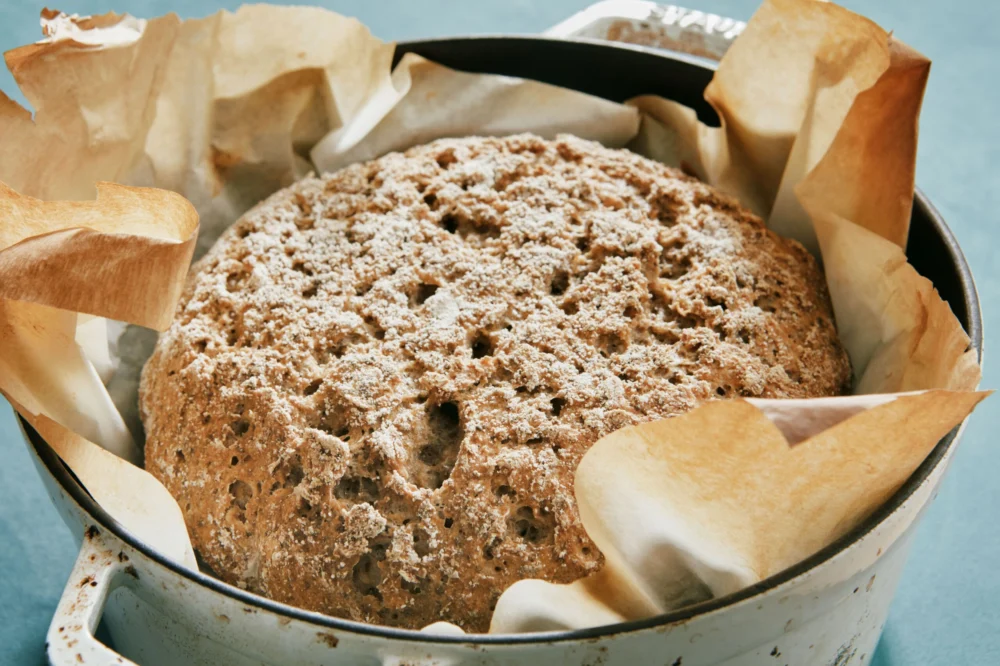
The concept of "feel-good food" is inherently personal, a culinary philosophy that shifts with individual needs and preferences, a dynamic Bon Appétit’s monthly Feel-Good Food Plan embraces by featuring diverse hosts each month. This month, acclaimed baker and author Aran Goyoaga steps into the spotlight, sharing her deeply personal and professionally transformative journey back to the art of bread-making, redefined by a gluten intolerance that reshaped her culinary identity and practice. Her story is a testament to resilience and innovation within the demanding world of professional baking, offering a powerful narrative that resonates with the growing population navigating dietary restrictions without sacrificing gastronomic pleasure.
A Foundation Forged in Flour: Goyoaga’s Early Culinary Roots
Aran Goyoaga’s culinary narrative began not in a sterile test kitchen, but amidst the rich aromas and rhythmic sounds of her grandparents’ pastry shop in Spain. From an early age, she was immersed in a world where flour was king and gluten its loyal subject. Her formative years were spent mastering traditional Spanish baking, learning to appreciate the inherent power of wheat flour – its elasticity, its reliability, and its foundational role in nearly every confection and bread product that sustained her family’s livelihood and nourished their community. The concept of baking without wheat, let alone actively avoiding it, was an unimaginable notion, deeply ingrained in her professional and personal identity. This early training instilled a profound respect for ingredients and technique, establishing a benchmark for quality and craftsmanship that would later guide her through an unforeseen culinary pivot. The sensory memories of rising dough, the hum of industrial mixers, and the comforting scent of freshly baked goods formed the bedrock of her understanding of food as both sustenance and an expression of care.
The Unforeseen Shift: Navigating Gluten Intolerance in a Gluten-Centric World
After relocating to the United States, pursuing formal culinary education, and gaining invaluable experience in demanding professional kitchens, Goyoaga encountered an unexpected and profound challenge. Her body, in its own silent wisdom, began to signal a need for change. Chronic discomfort and health issues culminated in a diagnosis that would alter the course of her career: gluten intolerance. This revelation was initially a professional and personal crisis. For a baker whose life revolved around wheat, the necessity of eliminating gluten from her diet felt like an existential threat to her craft. The decision to cut out gluten was not a casual dietary choice but a medical imperative, a necessary step towards alleviating persistent suffering. What began as a reluctant capitulation to health demands, however, gradually transformed into a surprising source of liberation and joy. Understanding her body’s specific needs became a pathway to deeper self-knowledge and a renewed sense of agency over her well-being. This period marked a significant psychological shift, moving from a sense of loss to an embrace of new possibilities.

Reinvention in the Kitchen: Embracing New Paradigms of Baking
The diagnosis compelled Goyoaga to dismantle and reconstruct her entire understanding of baking. Letting go of wheat meant abandoning decades of ingrained knowledge and conventional rules. It necessitated a return to a beginner’s mindset, fueled by an insatiable curiosity. This relearning process was iterative, often messy, and characterized by extensive experimentation. She delved into the properties of ingredients that behaved fundamentally differently from wheat, such as oats, which contributed chewiness but lacked the characteristic stretch of gluten, and psyllium husk powder and chia seeds, which offered gentle binding capabilities without the elastic network provided by gluten.
Her exploration extended beyond mere ingredient substitution. Goyoaga discovered that the ancient art of fermentation, the very soul of sourdough, could thrive beautifully in a gluten-free environment. This realization was pivotal, allowing her to retain the depth of flavor, complex textures, and natural leavening associated with traditional bread, even without wheat. The journey involved countless trials and errors, meticulously observing how different flours, binders, and hydration levels interacted. She learned to appreciate the subtle nuances of alternative grains and seeds, understanding their unique contributions to crumb structure, crust development, and overall sensory experience. This period of intense research and development was not just about finding substitutes, but about forging entirely new culinary pathways.
The Culinary Phoenix: The No-Knead Oat and Chia Bread
The culmination of Goyoaga’s extensive experimentation and profound mental shift is perfectly encapsulated in her one-bowl, no-knead oat and chia bread recipe. This particular loaf is more than just a recipe; it’s a tangible reflection of her philosophy that limitation can be a powerful catalyst for innovation. Designed for practicality and forgiveness, the bread embodies the accessibility of gluten-free baking without compromising on quality or flavor. Its no-knead characteristic simplifies the process, making it approachable for home bakers, while the combination of oats and chia seeds yields a deeply textured, flavorful loaf that defies common misconceptions about gluten-free bread being dense or bland.
This recipe symbolizes a new way for Goyoaga to connect with a wider community—those who, like her, seek to feel better in their bodies without sacrificing the profound pleasure of good food. For Goyoaga, this sentiment lies at the very heart of "feel-good cooking": creating meals that meet individuals where they are, offering quiet support for their ongoing wellness journeys, and fostering connections through shared culinary experiences. The success of this recipe lies not just in its delicious outcome, but in its ability to empower individuals to embrace dietary needs as an opportunity for culinary discovery rather than deprivation.

The Essential Toolkit: Key Ingredients for Gluten-Free Baking
Building a successful gluten-free baking pantry requires a fundamental re-evaluation of traditional staples. Beyond the choice of gluten-free flours (rice, almond, oat, tapioca, etc.), two ingredients emerge as indispensable for achieving desired textures and structures: xanthan gum and psyllium husk powder. These hydrocolloids play critical roles in replicating the binding and elastic properties that gluten naturally provides.
-
Xanthan Gum: In gluten-free bread, xanthan gum acts as a powerful hydrocolloid, providing elasticity, structure, and a cohesive, soft crumb that would otherwise be difficult to achieve. Derived from the fermentation of glucose by the bacterium Xanthomonas campestris, xanthan gum forms a viscous gel when hydrated. This gel mimics gluten’s ability to trap gas produced during fermentation, allowing bread to rise and maintain its shape. It also prevents crumbling, a common issue in gluten-free baked goods. Its consistent quality makes brands like Bob’s Red Mill a preferred choice for many professional and home bakers due to its reliability in achieving optimal results. The recommended usage is typically small amounts, often less than a teaspoon per cup of gluten-free flour blend, as too much can result in a gummy texture. Its application extends beyond bread to cakes, cookies, and sauces, providing necessary stability and texture.
-
Psyllium Husk Powder: Often considered a game-changer in gluten-free baking, psyllium husk powder is derived from the seeds of the Plantago ovata plant. It is primarily composed of soluble fiber, which forms a gel when mixed with liquid. This gel provides incredible binding power, hydration, and structure, making it particularly crucial for mimicking the chewiness and stretch of gluten in yeast-leavened breads. Psyllium husk powder effectively improves dough elasticity, prevents cracking, and contributes to a lighter, more pliable crumb. Goyoaga highlights its critical role, noting its ability to "make or break" a gluten-free bread recipe and often serving as her go-to troubleshooting ingredient. While xanthan gum is specified in her oat and chia bread recipe, she notes that psyllium husk powder can be a direct substitute (approximately 15 grams), offering flexibility for bakers. Brands like TerraSoul are favored for their high quality and efficacy, ensuring consistent results in delicate gluten-free formulations. The high fiber content also adds a nutritional benefit, supporting digestive health.
The Broader Implications: A Growing Market and Evolving Culinary Landscape
Aran Goyoaga’s experience is not an isolated incident but reflects a significant global trend. The prevalence of gluten-related disorders, including celiac disease, non-celiac gluten sensitivity, and wheat allergy, has seen a marked increase in recent decades. Celiac disease, an autoimmune condition, affects approximately 1% of the global population, while non-celiac gluten sensitivity is estimated to affect a much larger segment, possibly up to 6% of the population. This rising awareness and diagnosis have fueled a burgeoning gluten-free food market, which was valued at over $5 billion globally in 2022 and is projected to reach over $10 billion by 2030, growing at a compound annual growth rate (CAGR) exceeding 9%.

This market expansion is driven by both medical necessity and lifestyle choices, as many individuals report feeling better on a gluten-free diet, even without a formal diagnosis. The increased demand has spurred innovation across the food industry, leading to a wider availability of high-quality gluten-free products, from flours and mixes to prepared meals and artisanal baked goods. Culinary institutions and professional chefs are increasingly incorporating gluten-free options into their curricula and menus, recognizing the importance of inclusive cuisine. Goyoaga’s story serves as a powerful illustration of how professional expertise can adapt to and contribute to this evolving landscape, demonstrating that dietary limitations do not equate to culinary compromise.
The "feel-good food" movement, championed by platforms like Bon Appétit, reflects a broader cultural shift towards more mindful eating, where health, pleasure, and personal well-being are inextricably linked. It emphasizes food that not only tastes good but also nourishes the body and soul, aligning with individual dietary needs and ethical considerations. Goyoaga’s emphasis on finding joy and connection through her reinvented baking aligns perfectly with this ethos, demonstrating that food can be a source of profound comfort and community, regardless of its composition.
A Future of Inclusive and Innovative Cuisine
Aran Goyoaga’s journey from a traditional Spanish pastry shop to a pioneer in gluten-free baking is a compelling narrative of adaptation, creativity, and resilience. Her work, particularly her accessible and delicious no-knead oat and chia bread, offers more than just a recipe; it provides a blueprint for how professional bakers and home cooks alike can navigate dietary challenges with grace and innovation. By embracing new ingredients and techniques, Goyoaga has not only overcome a personal hurdle but has also contributed significantly to the ongoing evolution of inclusive cuisine. Her story underscores the idea that truly "feel-good food" is about understanding and respecting one’s body, fostering connection, and continuously exploring the boundless possibilities of the culinary world, proving that even without gluten, bread can still be deeply textured, full of flavor, and profoundly nourishing. The implications extend far beyond the individual kitchen, signaling a future where culinary boundaries are continually pushed, and delicious, healthful food is accessible to everyone.
