

The global spirits industry has witnessed a significant transformation over the past decade, with gin emerging as one of the most versatile categories for artisanal experimentation. Defined fundamentally by the presence of juniper, gin provides a botanical canvas that allows distillers to incorporate a vast array of ingredients to create evocative sensory experiences. Within this landscape, the emergence of seasonal expressions has moved beyond simple winter-themed iterations to a highly specialized niche: the Christmas gin. Over the last five years, this category has evolved from a novelty into a staple of the holiday retail season, reflecting broader trends in consumer behavior, premiumization, and the "Gin-aissance."
The Strategic Shift Toward Seasonal Gin Expressions
The transition from standard year-round offerings to highly specific seasonal releases is driven by the economic necessity of the "Golden Quarter"—the final three months of the year when alcohol sales typically peak. For craft distilleries, creating a limited-edition Christmas gin serves multiple purposes: it drives brand engagement, offers a premium gifting option, and allows for creative exploration of local and traditional holiday flavors.
Market data suggests that the flavored and seasonal gin segments have been instrumental in maintaining the category’s growth. By utilizing botanicals associated with nostalgia—such as warm spices, dried fruits, and even baked goods—distillers are able to tap into the emotional resonance of the holiday season. This trend is not merely about flavoring; it is about the technical precision of capturing complex culinary profiles through distillation and maceration.
Corgi Spirits and the American Craft Influence
In the United States, the craft distillery movement has embraced holiday themes with a focus on deep, warming profiles. Corgi Spirits, based in Jersey City, New Jersey, exemplifies this with their Very Merry Gin. The distillery’s approach to the holiday spirit is rooted in the tradition of the British "figgy pudding," a dessert synonymous with Victorian Christmas celebrations.
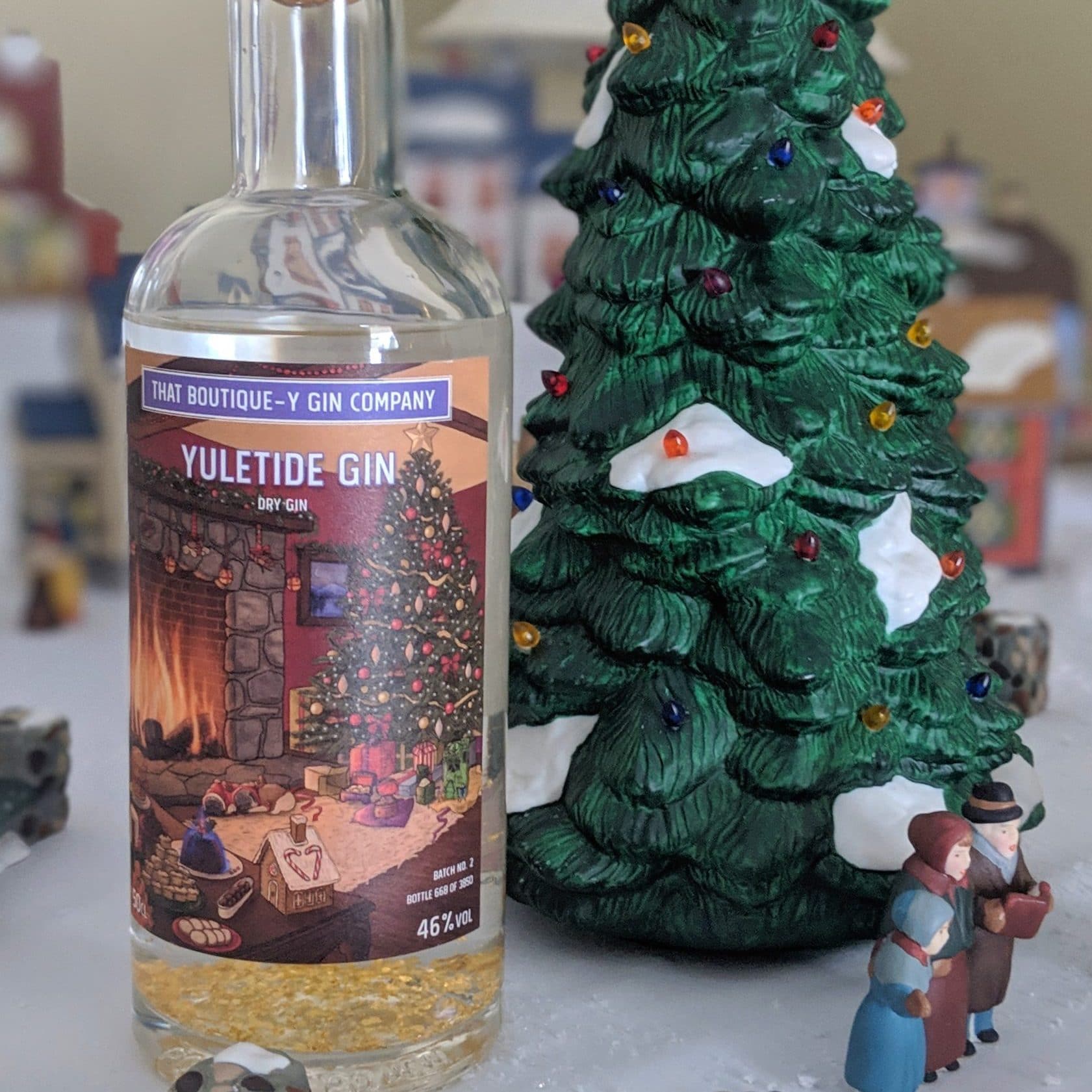
The botanical bill for Very Merry Gin includes figs, currants, and vanilla, balanced against a robust juniper backbone. From a technical standpoint, the inclusion of dried fruits like figs and currants introduces natural sugars and essential oils that create a heavier mouthfeel compared to traditional London Dry gins. Distillers often find that vanilla acts as a bridge, smoothing the transition between the sharp pine of the juniper and the earthy sweetness of the fruit.
Industry analysts note that gins like Very Merry are designed specifically for the "winter bar." While a standard gin is often associated with the refreshing acidity of a Gin and Tonic, this expression is optimized for heavier mixers. Recommendations for this spirit include the Hot Toddy or a Gin and Cola, where the spice-forward profile can stand up to the caramel notes of the soda or the heat of the tea.
Technical Innovation and Literalism: That Boutique-y Gin Company
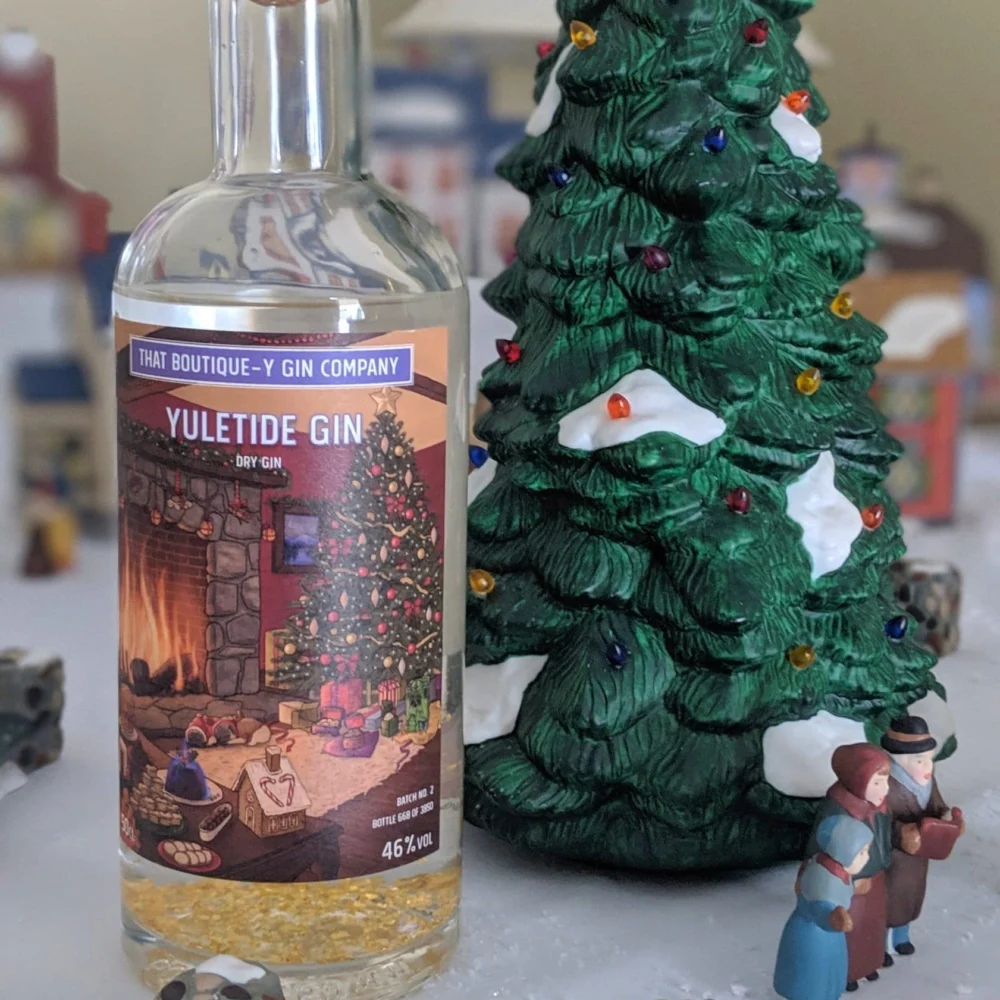
The United Kingdom remains the epicenter of gin innovation, and That Boutique-y Gin Company has gained a reputation for pushing the boundaries of what can be included in a still. Their Yuletide Gin represents a move toward "literalist" distilling, where the ingredients of a holiday feast are distilled directly into the spirit.
The Yuletide Gin is notable for its inclusion of an entire gingerbread house in the botanical mix. Furthermore, the distillery incorporates elements of the nativity story, utilizing frankincense and myrrh as botanicals. To enhance the visual appeal—a key factor in the gifting market—the gin contains edible gold leaf, creating a "snow globe" effect when shaken.
This approach highlights a shift in the industry where the "theatrics" of the spirit are as important as the liquid itself. Frankincense and myrrh, while historically significant, provide a resinous, woody depth that complements juniper’s piney notes, demonstrating that even the most unconventional botanicals can serve a structural purpose in a gin’s flavor profile.
The Science of Cold Distillation: Sacred Spirits
London-based Sacred Spirits, founded by Ian Hart, utilizes a distinct technological approach to holiday spirits. Their Christmas Pudding Gin is built upon a family recipe, but its production relies on high-pressure vacuum distillation. Unlike traditional pot stills that use heat, vacuum distillation allows the spirit to boil at much lower temperatures.
This process is particularly beneficial when dealing with delicate flavors found in Christmas puddings. The puddings are steamed for eight hours before being macerated in grain spirit. By distilling at low temperatures, Hart is able to preserve the "fresh" taste of the cooked fruit and spices without the "burnt" or "stewed" notes that can occur with high-heat distillation.
The resulting spirit is an authentic liquid representation of a traditional dessert. This level of technical sophistication appeals to a growing demographic of spirits enthusiasts who value both the provenance of the ingredients and the scientific rigor of the production process.
Visual Identity and Peppermint Profiles: Eden Mill
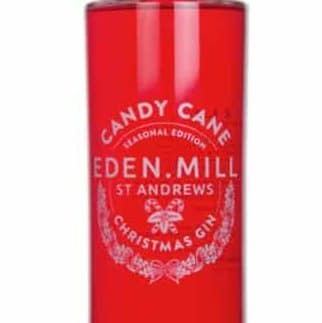
Based in St. Andrews, Scotland, Eden Mill has leveraged the visual and aromatic associations of the holiday season through their Candy Cane Gin. While many Christmas gins focus on the heavy spices of puddings and pies, Eden Mill targets the bright, refreshing end of the holiday spectrum.
The Candy Cane Gin is characterized by a dominant peppermint profile. However, its most striking feature is its vibrant red color. In a market where artificial dyes are increasingly scrutinized by health-conscious consumers, Eden Mill achieves this hue naturally using bilberries and hibiscus flowers.
From a mixology perspective, the peppermint-forward gin serves a dual purpose. It is effective in warm applications, such as a peppermint Hot Toddy, but it also bridges the gap into the "Summer Southside" cocktail, making it a versatile addition to a bar program. This versatility is a strategic advantage, ensuring the product remains relevant beyond the immediate December timeframe.
The Southern Hemisphere Perspective: Four Pillars
The global nature of the gin market means that "Christmas" does not always imply cold weather. Four Pillars, an Australian distillery located in the Yarra Valley, produces an annual Australian Christmas Gin that reflects the unique climate of the Southern Hemisphere.
While the gin is made by distilling actual Christmas puddings (made by the distiller’s mother), the defining characteristic of this expression is its aging process. The gin is matured for twelve months in 100-year-old Muscat wine barrels. This maturation period allows the gin to pick up the rich, oxidative notes of the Muscat—dried fruits, honey, and toasted nuts—while softening the alcohol bite.
The Four Pillars model demonstrates the importance of "vintage" in the seasonal gin market. Each year’s release is slightly different, encouraging a "collector" mentality among consumers. This strategy has been highly successful in Australia and has increasingly gained traction in export markets, where the story of an "Australian Summer Christmas" provides a unique selling proposition.
Beyond Gin: The Role of Aquavit in Holiday Traditions
While gin dominates the seasonal spirits market, other botanical spirits are also seeing a resurgence. Knaplund’s Yuletide Akvavit (Aquavit) represents the Scandinavian contribution to the holiday table. Aquavit, which must be flavored with caraway or dill, shares many production similarities with gin.
Knaplund’s expression is designed to mimic the aroma of "jingle cookies." The spirit features a dense nose of caraway, sweet anise, clove-pierced orange, and dill seed. In Northern Europe, these spirits are traditionally consumed alongside heavy holiday meals to aid digestion. The crossover between gin drinkers and aquavit enthusiasts is growing, as both groups appreciate the complexity of botanical integration. The Yuletide Akvavit serves as a bridge for gin lovers looking to explore other spirit categories within a familiar holiday context.
Market Implications and Future Trends
The proliferation of Christmas gins reflects a broader trend toward "experiential" consumption. Consumers are no longer looking for a generic spirit; they are looking for a liquid that tells a story or commemorates a specific moment in time.
The impact on the hospitality industry is notable. Seasonal spirits allow bartenders to refresh their menus without a complete overhaul of their inventory. A "Christmas Negroni" made with a pudding-infused gin or a "Holiday Martini" featuring peppermint notes provides an easy up-sell for establishments looking to capitalize on festive traffic.
Furthermore, the success of these gins has paved the way for other seasonal spirits, including "Autumnal" gins featuring stone fruits and "Spring" gins focusing on floral and herbaceous notes. The data suggests that the "limited edition" model is sustainable as long as the quality of the spirit remains high and the botanical storytelling remains authentic.
Conclusion
The evolution of the Christmas gin from a niche winter expression to a diverse and technologically advanced category is a testament to the creativity of the modern distilling industry. Whether through the vacuum distillation of literal puddings, the use of ancient resins like frankincense, or the barrel-aging of spirits in century-old wine casks, distillers are redefining the boundaries of gin. As the global market for craft spirits continues to mature, these seasonal expressions will likely remain a cornerstone of the industry, offering a blend of tradition, innovation, and festive celebration.
