

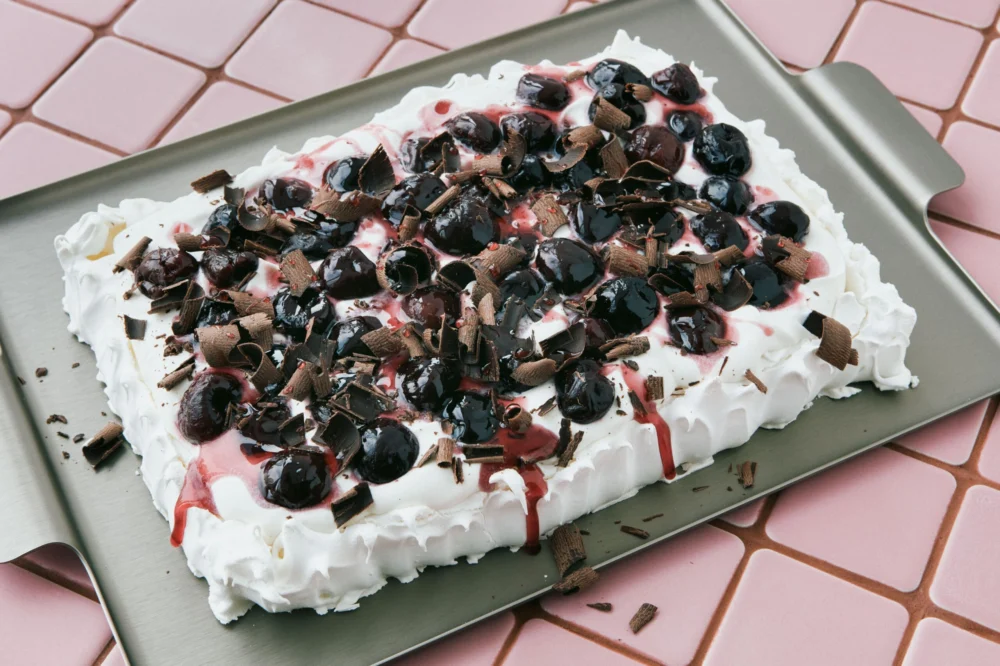
The culinary landscape of Passover is defined by a singular, overarching dietary law: the complete absence of chametz—wheat, oats, rye, barley, or spelt—from the Seder table and throughout the eight-day holiday. This fundamental prohibition, deeply rooted in the historical narrative of the Jewish people’s hurried exodus from ancient Egypt, compels a unique approach to food preparation, especially when it comes to the festive and often elaborate desserts that conclude the Seder meal. Far from limiting the possibilities, this restriction has historically fostered remarkable creativity, leading to a rich tradition of flourless chocolate cakes, crisp meringues, decadent cheesecakes, and an abundance of coconut-based delights.
The Bedrock of Observance: Understanding Chametz and its Significance
Passover, or Pesach, is one of the most significant holidays in the Jewish calendar, commemorating the liberation of the Israelites from slavery in Egypt. The central narrative, recounted during the Seder (meaning "order"), involves a retelling of the Exodus story, symbolic foods, prayers, and songs. The most prominent dietary law stems from the biblical command to avoid leavened bread, reflecting the haste with which the Israelites left Egypt, not allowing their dough to rise. This unleavened bread is known as matzah, often referred to as the "bread of affliction."
Chametz refers specifically to products made from five grains—wheat, barley, oats, rye, and spelt—that have come into contact with water and been allowed to ferment or "rise." The avoidance of chametz is rigorous, requiring a thorough cleansing of homes and kitchens before the holiday, known as kashering. Every utensil, pot, and dish used during Passover must be free of chametz contamination. This meticulous process underscores the profound religious and cultural significance attached to this dietary observance, transforming it from a mere food restriction into a tangible act of remembrance and devotion. For many, the weeks leading up to Passover are dedicated to this intensive preparation, a communal effort that strengthens familial and spiritual bonds.
Navigating the Nuances: The Kitniyot Debate
While the prohibition against chametz is universally observed by all Jews during Passover, an additional layer of dietary restriction known as kitniyot introduces a fascinating divergence in tradition. Kitniyot encompasses legumes, corn, rice, and seeds, including items like lentils, beans, peas, corn, rice, sesame seeds, mustard, fenugreek, peanuts, and sunflower seeds. The prohibition against kitniyot primarily originated among Ashkenazi Jews (those of Central and Eastern European descent) in the medieval period, around the 13th century.
The rationale behind the kitniyot prohibition was multifaceted. One concern was that kitniyot might be confused with chametz grains, as they are sometimes grown in proximity or processed in similar ways. Another fear was that kitniyot could be ground into flour and baked like chametz, leading to inadvertent transgression. Furthermore, some kitniyot varieties, like peas or beans, were occasionally mixed with chametz grains during storage or transport. Over centuries, this practice solidified into a strong custom within Ashkenazi communities.
In contrast, Sephardic Jews (those of Spanish, Portuguese, Middle Eastern, and North African descent) traditionally do not observe the kitniyot prohibition, allowing rice, beans, and corn in their Passover diets. This difference highlights the rich tapestry of Jewish observance, where distinct cultural and historical paths have led to varied interpretations of halakha (Jewish law). In recent decades, there has been a growing discussion, particularly within more modern Orthodox Ashkenazi circles, about the possibility of re-evaluating the kitniyot prohibition, citing its less direct biblical origin compared to chametz. Some contemporary rabbinical authorities have even issued rulings permitting certain kitniyot for Ashkenazim, especially for health reasons or in contexts where food scarcity is an issue. This evolving discourse reflects a broader trend within Jewish life to balance tradition with contemporary realities, while always upholding the core tenets of the faith. For dessert choices, this distinction is crucial: a Sephardic Seder might feature a rice pudding, while an Ashkenazi Seder would strictly avoid it.
The Art of Passover Desserts: Creativity in Restriction

The absence of traditional grain flours, and for many, kitniyot, compels a remarkable ingenuity in Passover baking. This challenge is not seen as a limitation but rather an invitation for culinary innovation, resulting in desserts that are often naturally gluten-free and celebrated for their unique textures and flavors.
One of the most beloved and ubiquitous Passover desserts is the Flourless Chocolate Cake. These rich, dense, and intensely chocolatey creations perfectly embody the spirit of Passover baking. Often made with a base of melted chocolate, eggs, sugar, and sometimes cocoa powder or a small amount of potato starch (a common Passover flour substitute), they achieve a luxurious texture that belies the absence of conventional flour. Variations include fudgy chocolate tortes, individual lava cakes with molten centers, or cakes infused with espresso or orange zest. Their universal appeal has even transcended Passover, making them a staple in many gluten-free culinary repertoires year-round.
Meringues and Macaroons offer a lighter, airier contrast. Meringues, made simply from whipped egg whites and sugar, can be baked into crisp, delicate clouds or used as a topping for fruit tarts. Their natural lightness and elegant presentation make them a popular choice. Coconut macaroons, perhaps the quintessential Ashkenazi Passover dessert, are particularly cherished. These chewy, sweet mounds of shredded coconut, egg whites, and sugar are incredibly versatile, often dipped in chocolate or flavored with almond extract or citrus zest. Their ease of preparation and crowd-pleasing nature make them a Seder table fixture. Almond macaroons, another popular variety, provide a similar texture and nuttiness.
Cheesecakes also feature prominently in Passover dessert menus. While traditional cheesecake often has a graham cracker crust (made from wheat flour), Passover versions ingeniously substitute crushed matzah meal, nut flours (like almond or pecan), or simply embrace a crustless format. The creamy, rich filling of cream cheese, eggs, and sugar remains, offering a decadent conclusion to the meal. Fruit toppings, chocolate drizzles, or a simple dusting of cocoa powder can elevate these dairy-rich treats.
For those seeking simplicity or a lighter option, a platter of fresh fruit is always a perfectly acceptable and often highly appreciated dessert. In the context of a rich Seder meal, a vibrant array of seasonal fruits provides a refreshing palate cleanser. Culinary experts often suggest enhancing this natural sweetness with a drizzle of high-quality olive oil, a sprinkle of flaky sea salt, and a generous grating of lime zest. This combination elevates the humble fruit platter into a sophisticated, gourmet offering, demonstrating how simple ingredients can be transformed with thoughtful touches. The acidity of the lime cuts through the richness of the meal, while the olive oil and sea salt add unexpected depth and balance.
Beyond these staples, other Passover-friendly desserts include nut-based cakes (using almond flour or ground nuts), fruit compotes, sorbets, and various puddings made with alternative thickeners like potato starch. The ingenuity extends to incorporating ingredients like dates, figs, and honey, which evoke the flavors of the biblical lands.
The Economic and Social Tapestry of Passover Food
The unique dietary requirements of Passover create a distinct economic and social ecosystem. The "Passover market" is a significant segment of the kosher food industry, with manufacturers dedicating entire production lines to "Kosher for Passover" certified products. This involves stringent supervision by rabbinical authorities to ensure no chametz contamination at any stage of production. From specialized matzah to kosher-for-Passover wines, oils, snacks, and even processed foods like ketchup and baking ingredients (e.g., potato starch, almond flour), the demand is substantial.
Grocery stores anticipate this annual surge, stocking dedicated Passover aisles weeks in advance. The increased demand for specific ingredients and certified products often leads to higher prices, a phenomenon that Jewish households budget for annually. Data from market research firms often shows a spike in sales for kosher food items in the weeks leading up to Passover, reflecting the widespread observance. For instance, reports indicate that the kosher food market, which includes Passover-specific items, is a multi-billion dollar industry globally, with a significant portion of sales concentrated around major holidays.
Socially, Passover food preparation is a deeply communal and familial affair. Families often gather to cook together, sharing recipes passed down through generations. The Seder itself is a focal point of Jewish communal life, with many families hosting large gatherings. The challenge of preparing an entire meal, including desserts, that adheres to the strict Passover laws fosters a sense of shared purpose and connection to tradition. For individuals with additional dietary restrictions—such as celiac disease (which mirrors the chametz restriction), lactose intolerance, or veganism—Passover cooking can present both challenges and opportunities, as many traditional Passover dishes are naturally accommodating.

Statements and Reactions: Voices from the Culinary and Religious Spheres
Culinary experts and rabbinical authorities often reflect on the balance between tradition and innovation in Passover cooking. "Passover is a testament to the enduring creativity of Jewish cuisine," remarked Chef Leah Koenig, a renowned author of Jewish cookbooks. "The restrictions, far from being burdensome, force us to think outside the box, leading to incredible flavor combinations and textures we might not otherwise discover. The flourless chocolate cake, for example, is a Passover invention that has become a global favorite."
Representatives from kosher certification agencies, like Rabbi Menachem Genack of the Orthodox Union, frequently emphasize the meticulousness required. "Ensuring a product is ‘Kosher for Passover’ involves an incredibly rigorous process, from ingredient sourcing to production line cleanliness," he stated in a past interview. "It’s about upholding a tradition that has been observed for millennia, ensuring that every bite honors the spirit of the holiday."
Home cooks, too, express a blend of challenge and joy. "Every year, I look forward to the Passover baking," says Sarah Cohen, a mother of three from New York. "It’s a lot of work to clean the kitchen and find new recipes, but there’s a unique satisfaction in creating delicious desserts that connect us to our heritage, especially when my kids help out." This sentiment underscores the profound personal and intergenerational connection fostered by Passover food preparation.
Broader Implications and Future Trends
The evolution of Passover desserts and the broader kosher food industry points to several ongoing trends. There is a growing demand for more diverse and sophisticated Kosher for Passover products, driven by an increasingly food-savvy consumer base. This has led to an expansion in the range of certified ingredients, including gluten-free flours (like tapioca, almond, and coconut flours, where kitniyot is not an issue), specialized oils, and gourmet items.
Online platforms and cookbooks play a crucial role in disseminating new recipes and adaptations, allowing home cooks and professional chefs to share innovative approaches to Passover baking. The rise of food blogs and social media has created vibrant communities dedicated to exploring and celebrating Passover cuisine, making it more accessible and inspiring than ever before.
Ultimately, the culinary journey through Passover desserts is a powerful metaphor for the holiday itself: a story of resilience, adaptation, and the enduring human spirit. The strictures of chametz avoidance and the varying interpretations of kitniyot do not diminish the joy of eating but rather elevate it, transforming each carefully chosen ingredient and meticulously prepared dish into a meaningful act of remembrance and celebration. As the world continues to innovate in the culinary space, Passover desserts will undoubtedly continue to evolve, blending ancient traditions with modern tastes, ensuring that the sweet conclusion to the Seder remains a highlight of this profoundly significant holiday.
