

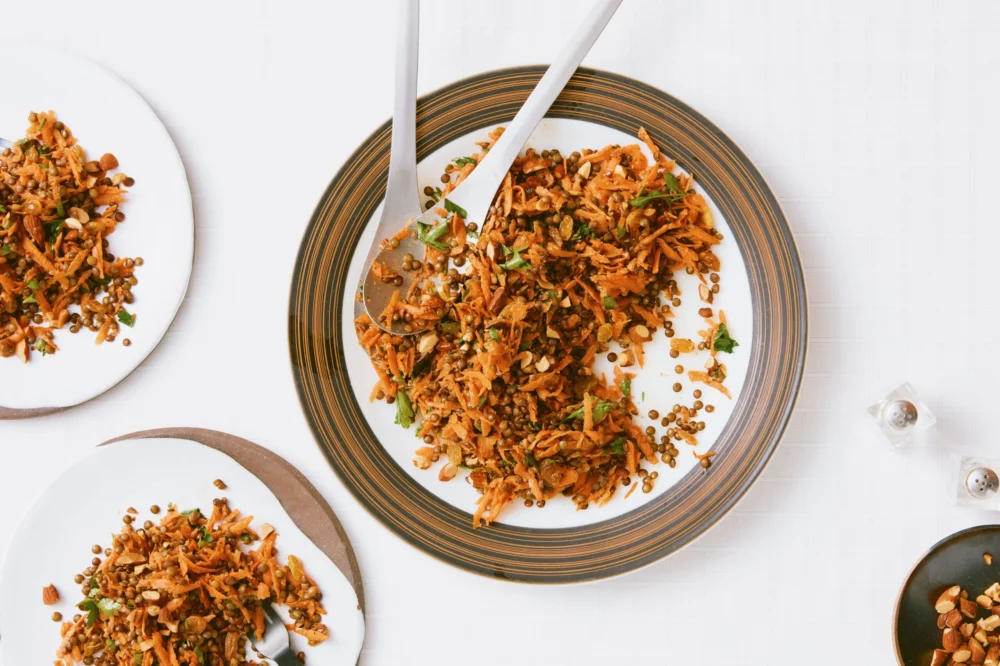
In an era marked by persistent food inflation and an increasing consumer focus on both health and fiscal prudence, the ability to craft nourishing meals from readily available kitchen staples has become an invaluable skill. A recent culinary exploration demonstrates how a simple jar of dried lentils, a bottle of apple cider vinegar (ACV), and a judicious selection of warm spices can form the foundation of a robust, vegetarian meal costing less than $2 per serving, presenting a compelling alternative to pricier fast-casual dining options. This approach, centered on "shopping your kitchen" before venturing to the grocery store, underscores a broader trend towards resourceful home cooking as a strategy for economic resilience and nutritional well-being.
The Rising Cost of Sustenance: A National Economic Challenge
The escalating cost of groceries has become a significant concern for households globally. According to the U.S. Bureau of Labor Statistics, the Consumer Price Index for food at home has seen substantial increases over the past few years, with particular spikes observed in categories like grains, produce, and dairy. For instance, data from the first quarter of 2023 indicated that food prices continued to rise, albeit at a slower pace than the peak of 2022, still placing considerable strain on household budgets. The average American household now allocates a larger portion of its disposable income to food, making efficient meal planning and cost-saving culinary strategies more critical than ever.
This inflationary pressure is not merely a transient phenomenon but a complex interplay of factors including supply chain disruptions, geopolitical events, labor shortages, and increased energy costs. The result is a consumer landscape where the $10-$15 price tag for a typical fast-casual salad or bowl, once considered a convenient indulgence, is increasingly scrutinized against the backdrop of tighter budgets. This economic reality has spurred a resurgence in home cooking, not just as a hobby, but as a necessary financial management tool.
The Pantry as a Proactive Solution: A Culinary Strategy for Modern Times
The concept of "shopping your kitchen" before generating a grocery list is a time-honored tradition, now gaining renewed prominence. This proactive approach involves a thorough inventory of existing ingredients in cabinets, refrigerators, and freezers to identify potential meal components. By prioritizing the use of items already on hand, households can significantly reduce impulse purchases, minimize food waste, and stretch their food budgets further.
For the featured low-cost meal, the process begins with foundational pantry items: dried lentils, a staple known for its affordability and nutritional density, and apple cider vinegar, a versatile acidic agent for dressings and marinades. These are complemented by warm spices – perhaps cumin, coriander, or turmeric – which impart depth of flavor without significant cost. The addition of roasted almonds and golden raisins, often found tucked away in baking supplies or snack stashes, introduces textural contrast and a touch of sweetness. From the refrigerator, sturdy vegetables like carrots, pungent garlic, a jar of mustard, and a bunch of cilantro are identified. While a quick trip to the store might be necessary for a few fresh items, the bulk of the meal’s components are already within reach, drastically reducing the final grocery bill.
This method directly addresses the issue of food waste, a pervasive problem with both economic and environmental consequences. The U.S. Department of Agriculture (USDA) estimates that approximately 30-40% of the food supply is wasted, much of it at the household level. By consciously utilizing ingredients before they expire or lose quality, individuals contribute to a more sustainable food system while simultaneously saving money.
The Humble Lentil: A Nutritional and Economic Powerhouse
At the heart of this budget-friendly meal lies the lentil, a legume celebrated for its exceptional nutritional profile and economic accessibility. Lentils are a powerhouse of plant-based protein, dietary fiber, and essential micronutrients. A single cup of cooked lentils provides approximately 18 grams of protein, making it an excellent alternative to animal-based proteins, which tend to be more expensive. Furthermore, their high fiber content contributes to satiety, aiding in weight management and promoting digestive health. They are also rich in iron, folate, magnesium, and potassium, nutrients vital for energy production, red blood cell formation, and overall bodily function.
The versatility of lentils is another key advantage. They can be incorporated into soups, stews, curries, burgers, and, as demonstrated, hearty salads. Their relatively short cooking time compared to other dried legumes also makes them a convenient option for weeknight meals. The cost-effectiveness of dried lentils is unparalleled; a bag typically costs just a few dollars and yields multiple servings, a stark contrast to the per-pound cost of most meats or even some fresh vegetables.
The other ingredients in the featured meal also contribute significantly:
- Apple Cider Vinegar (ACV): Beyond its role as a tangy dressing base, ACV offers potential health benefits, including aiding digestion and blood sugar regulation.
- Warm Spices: Cumin, coriander, and turmeric are not only flavor enhancers but also possess anti-inflammatory and antioxidant properties.
- Carrots and Garlic: These foundational aromatics provide essential vitamins, minerals, and robust flavor.
- Almonds: A source of healthy fats, protein, and vitamin E, adding crunch and nutritional density.
- Golden Raisins: Offer natural sweetness and a dose of antioxidants and fiber.
- Cilantro: Provides fresh, herbaceous notes and additional vitamins.
Expert Perspectives on Frugal Feasting
Economists, nutritionists, and culinary experts consistently advocate for mindful eating and resourceful cooking in today’s economic climate.
Dr. Eleanor Vance, an economist specializing in consumer behavior, notes, "The trend towards ‘pantry cooking’ is a logical response to inflation. It empowers consumers by giving them direct control over their food expenditures, turning a perceived limitation into an opportunity for creativity and savings. This isn’t just about cutting costs; it’s about optimizing resources and reducing waste, which has broader economic benefits."
From a nutritional standpoint, registered dietitian Sarah Chen emphasizes the health advantages. "A lentil-based salad, enriched with vegetables, nuts, and a flavorful dressing like one made with ACV and spices, is a prime example of a nutrient-dense, plant-forward meal. It delivers sustained energy, essential micronutrients, and supports gut health through its high fiber content. Encouraging people to utilize pantry staples often leads to a more diverse and balanced diet than relying solely on convenience foods or eating out frequently."
Chef Marcus Thorne, known for his work in sustainable cuisine, adds a culinary perspective. "The art of cooking with what you have is where true kitchen creativity shines. Lentils are a chef’s dream – a blank canvas that absorbs flavors beautifully. The combination of earthy lentils, sweet raisins, crunchy almonds, and zesty vinegar demonstrates how sophisticated flavors can be built from humble ingredients. It challenges home cooks to think outside the box and discover new flavor harmonies."
Beyond the Plate: Broader Implications for Consumers and Society
The implications of adopting a "pantry-first" cooking philosophy extend far beyond individual meal savings.
- Health Outcomes: By preparing meals at home, individuals have greater control over ingredients, portion sizes, and cooking methods, often leading to reduced intake of unhealthy fats, sodium, and added sugars commonly found in processed foods and restaurant meals. This can contribute to better long-term health outcomes and a reduction in diet-related diseases.
- Environmental Impact: Reduced food waste directly translates to a lower carbon footprint. When food is wasted, all the resources used to produce, transport, and store it—water, energy, labor—are also wasted. Embracing pantry cooking is a step towards more sustainable living.
- Consumer Empowerment: This approach fosters a sense of empowerment among consumers, shifting them from passive recipients of market prices to active managers of their food resources. It encourages planning, culinary skill development, and a deeper connection to the food they consume.
- Challenges for the Food Industry: While beneficial for consumers, a widespread shift towards home cooking and pantry utilization could pose challenges for the fast-casual dining sector, which relies on convenience and perceived value. It encourages these establishments to innovate and differentiate their offerings beyond mere speed.
The proposed meal, costing less than $2 a serving, stands in stark contrast to the $10-$15 price point of many fast-casual salad chains. This cost differential highlights a significant economic advantage for home cooks. While fast-casual offers convenience, the nutritional quality, portion control, and cost savings of a homemade meal often outweigh the time-saving benefits, especially when considering the potential for meal prepping.
Practical Implementation and Sustaining the Habit
Making this low-cost, nourishing meal even more robust or extending its servings is straightforward. The addition of planks of feta cheese introduces a creamy, salty counterpoint and extra protein. Shredded rotisserie chicken or cooked sausage can easily be incorporated for those desiring a non-vegetarian option or additional heft, further stretching the meal across more servings without dramatically increasing the per-serving cost, especially if these items are bought on sale or are leftover from another meal.
A significant bonus of this lentil salad is its longevity. Leftovers can be stored in the refrigerator for up to four days, making it an ideal candidate for lunchtime meal prep. To maintain optimal texture, it is advisable to store crunchy elements like roasted almonds separately and add them just before eating. This ensures that each serving remains fresh and appealing, providing a healthy, cost-effective lunch solution throughout the work week.
To sustain the habit of pantry cooking, individuals can adopt several strategies:
- Regular Inventory Checks: Dedicate time once a week to survey pantry, fridge, and freezer contents.
- Meal Planning: Plan meals based on existing ingredients, filling gaps with targeted grocery purchases.
- Ingredient Versatility: Learn to use versatile ingredients (like lentils, rice, canned tomatoes) in multiple dishes.
- Batch Cooking: Prepare larger quantities of staple ingredients (like cooked grains or legumes) to use throughout the week.
- Creative Substitutions: Be flexible with recipes and learn how to substitute ingredients based on what’s available.
In conclusion, the ability to assemble a hearty, nourishing vegetarian meal for under $2 a serving from everyday pantry items is more than just a culinary trick; it is a powerful demonstration of economic resilience, nutritional wisdom, and sustainable living. In a world grappling with rising food costs and environmental concerns, the simple act of "shopping your kitchen" first, culminating in a delicious lentil salad, offers a tangible pathway to healthier eating, reduced waste, and significant savings, empowering individuals to take control of their food future one mindful meal at a time.
