

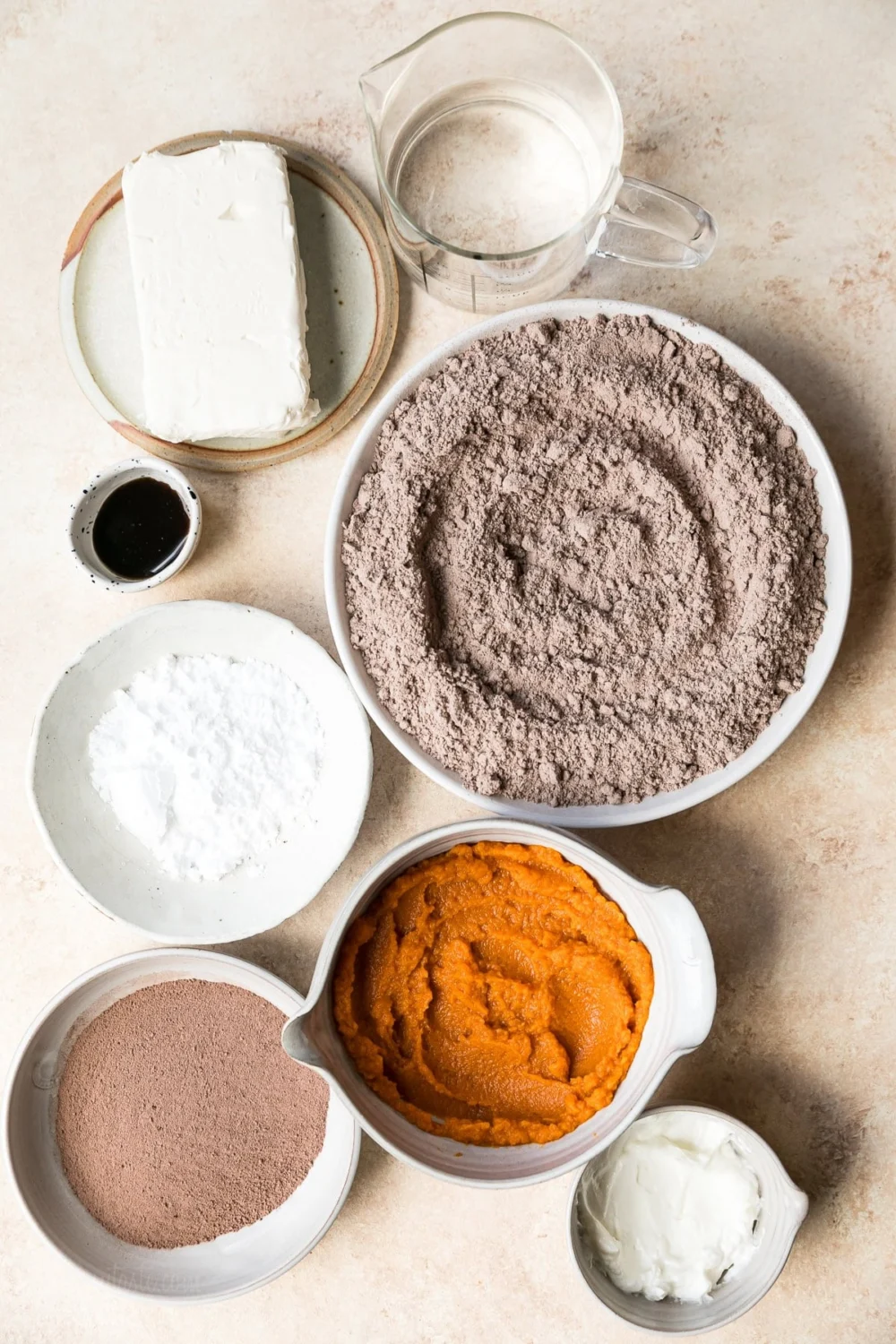
A groundbreaking recipe from the popular culinary platform Skinnytaste is setting a new precedent for health-conscious home baking, transforming the conventional box cake mix into a surprisingly light yet indulgent treat. The "semi-homemade" chocolate cupcake, developed by Skinnytaste founder Gina, distinguishes itself by entirely omitting traditional fats like oil and butter, as well as eggs, in favor of an unconventional yet highly effective combination of canned pumpkin, instant chocolate pudding mix, and water. This innovative approach promises a remarkably moist, rich, and chocolatey cupcake, crowned with a creamy vanilla bean cream cheese frosting, while significantly reducing fat and calorie content.
The Genesis of a Healthier Indulgence

The creation of this unique cupcake recipe emerges from a broader trend towards healthier eating and the increasing demand for accessible, guilt-free dessert options. Consumers are continually seeking ways to enjoy their favorite comfort foods without compromising their dietary goals. Traditional baking, often reliant on substantial amounts of butter and oil, has presented a challenge for those monitoring fat and calorie intake. This new recipe directly addresses this need, demonstrating that culinary creativity can yield delicious results even with significant ingredient substitutions. The concept of "semi-homemade" baking, which leverages convenient pre-packaged mixes while allowing for personalization and improvement, has gained considerable traction for its balance of ease and quality.
Anatomy of the Innovation: How the Swap Works
At the core of this culinary breakthrough lies Gina’s ingenious substitution strategy. The recipe replaces all conventional fats and binders—oil, butter, and eggs—with canned pumpkin and instant chocolate pudding mix, supplemented by water. This particular combination is critical to achieving the desired texture and flavor profile without the expected drawbacks of reduced-fat baking.

Canned pumpkin, often associated with autumn desserts, plays a pivotal functional role. As explained by Gina, it serves as a dual-purpose ingredient, replacing both the oil and eggs typically required by box cake mixes. Its natural moisture content contributes to a tender crumb, while its fibrous structure provides the necessary binding and aeration, mimicking the structural properties of eggs. Crucially, the recipe emphasizes that the pumpkin puree itself possesses a very mild flavor, which is completely masked by the robust cocoa notes of the chocolate cake mix and the added pudding. This ensures that the final product delivers an unadulterated chocolate experience, devoid of any discernible pumpkin taste—a common concern among those wary of its inclusion.
The instant chocolate pudding mix is another key component, integral to enhancing the richness and ensuring the cupcakes remain exceptionally soft. The starches and flavorings in the pudding mix contribute to a more luxurious mouthfeel and deeper chocolate intensity, compensating for the absence of fat. A precise amount of water is then added to balance the batter’s consistency, which would otherwise be thicker due to the pumpkin, ensuring it bakes evenly and achieves the ideal texture. This meticulous balance of ingredients results in a tender, moist chocolate cupcake that defies its fat-free origins.
A History of Cake Mix Experimentation

This particular recipe is not an isolated experiment but rather the latest iteration in Gina’s long-standing commitment to optimizing convenience foods for healthier outcomes. Her "Test Kitchen Notes" reveal years of dedicated exploration into "box cake mix hacks," where standard recipe instructions are deliberately bypassed in favor of alternative ingredients. Past successful innovations have included replacing traditional fats with seltzer, crushed pineapple, or even canned coconut milk, each yielding unique textures and dietary benefits.
The current adaptation, however, was spurred by recent market changes. Gina notes that "When inflation hit and box cake mixes shrank, some of my older recipes were thrown off." This observation highlights the dynamic nature of recipe development, where external factors like economic shifts and product size adjustments necessitate continuous refinement and re-testing. The ability to adapt and perfect recipes in response to such changes underscores the practical ingenuity driving Skinnytaste’s culinary philosophy. This specific version has been meticulously "tested and tweaked to work perfectly with today’s smaller boxes," ensuring its reliability and accessibility for contemporary home bakers.
Nutritional Profile and Dietary Implications

The nutritional data provided for these semi-homemade chocolate cupcakes is compelling, particularly for individuals managing their dietary intake. Each serving (one cupcake) contains approximately 149.5 calories, 3.5 grams of fat (with only 2 grams of saturated fat), 9.5 milligrams of cholesterol, and 12.5 grams of sugar. This profile represents a significant reduction in fat and cholesterol compared to traditional cupcake recipes prepared with oil, butter, and eggs, which often contain substantially higher amounts of saturated fats and cholesterol.
From a public health perspective, reducing dietary intake of saturated fat and cholesterol is widely recommended for cardiovascular health. This recipe offers a delicious avenue for individuals to enjoy a sweet treat while adhering to these guidelines. The inclusion of pumpkin also subtly increases the fiber content (1 gram per serving), a beneficial addition often lacking in refined desserts. The minimal ingredient list also makes this recipe a potentially attractive option for those with specific dietary restrictions, particularly egg allergies, provided the cream cheese frosting is either omitted or substituted. While the frosting does contain dairy, the cupcake base itself is free of animal fats and eggs, offering a versatile foundation for various dietary needs.
The Role of Vanilla Bean Cream Cheese Frosting

To complement the light yet rich chocolate base, the cupcakes are finished with a classic vanilla bean cream cheese frosting. This element adds a touch of traditional indulgence, balancing the innovative base. The preparation of the frosting is straightforward but comes with an important tip from the creator: ensuring the cream cheese is adequately softened before mixing. This practical advice, derived from extensive kitchen experience, prevents lumps and ensures a smooth, creamy texture, underscoring the attention to detail that elevates a simple recipe to an exceptional one. The vanilla bean adds an aromatic complexity that distinguishes it from standard vanilla frostings, providing an elegant finish.
Broader Impact on Home Baking and Food Innovation
The introduction of such a recipe holds several broader implications for the landscape of home baking and food innovation.

- Empowerment of Home Bakers: It empowers individuals to take control of their ingredients, allowing them to modify store-bought products to better suit their health goals without sacrificing flavor or convenience. This fosters a sense of culinary agency.
- Challenging Conventional Wisdom: The recipe challenges the long-held belief that delicious baked goods necessitate high fat and egg content. It demonstrates that alternative ingredients can perform equally well, if not better, in specific contexts.
- Inspiration for Industry: This type of innovation can inspire food manufacturers to explore novel ingredient combinations for their own product development, potentially leading to a new generation of healthier baking mixes and convenience desserts.
- Sustainability and Affordability: Utilizing common pantry staples like canned pumpkin and instant pudding often makes baking more affordable and potentially more sustainable, reducing reliance on expensive or perishable ingredients.
- Dietary Inclusivity: By offering a base that is naturally free of eggs and animal fats (before frosting), the recipe opens doors for greater dietary inclusivity, catering to a wider range of preferences and needs.
Preparation and Storage Guidelines
The preparation process for these semi-homemade chocolate cupcakes is designed for efficiency and ease. Beyond softening the cream cheese, the steps involve combining the dry cake mix with the pudding mix, then incorporating the wet ingredients (pumpkin and water) to form a smooth batter. Baking times are standard for cupcakes, ensuring a consistent result. Critical tips for optimal outcomes include avoiding overmixing the batter, which can lead to tough cupcakes, and allowing the cupcakes to cool completely before frosting to prevent melting.
For storage, the frosted cupcakes should be kept in an airtight container in the refrigerator, where they will maintain their freshness for up to four days. This is particularly important due to the cream cheese frosting. The unfrosted cupcakes, however, offer greater flexibility and can be frozen for up to two months, providing a convenient make-ahead option. This versatility further enhances the recipe’s appeal for busy individuals or those who prefer to bake in batches.

Adaptability and Customization
While the core recipe offers a refined chocolate experience, it also provides a robust foundation for customization. Bakers can explore various substitutions and additions to suit personal preferences or dietary needs. For instance, different flavors of instant pudding (such as vanilla or cheesecake) could subtly alter the chocolate profile, while adding chocolate chips or cocoa powder could intensify the richness. Alternative frostings, including dairy-free options, could further expand the recipe’s reach for those with specific dietary requirements. The "semi-homemade" nature inherently encourages experimentation, allowing bakers to make the recipe truly their own.
In conclusion, the Skinnytaste semi-homemade chocolate cupcake recipe represents more than just a sweet treat; it is a testament to culinary ingenuity in the pursuit of healthier, more accessible baking. By cleverly repurposing common ingredients and challenging traditional baking norms, Gina has crafted a recipe that delivers on both flavor and nutritional mindfulness. It stands as a prime example of how thoughtful innovation can redefine indulgence, proving that delicious desserts can indeed be part of a balanced lifestyle, all while responding to contemporary consumer needs and market dynamics.
