

The Genesis of the Cabinet of Curiosities
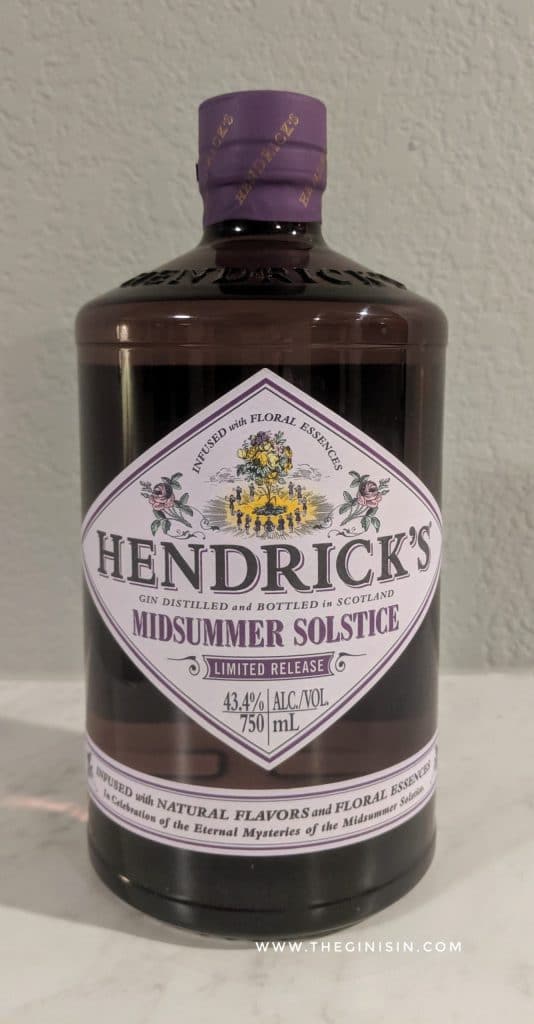
The Cabinet of Curiosities was officially inaugurated in 2019 with the release of Midsummer Solstice. The initiative was designed to allow Lesley Gracie the creative freedom to experiment with rare botanicals and unconventional flavor profiles without altering the permanent flagship recipe. These releases are typically available for a limited window, usually one to two years, before being "retired" to make room for the next innovation.
The production of these gins relies on the brand’s unique distillation setup: a combination of a Bennett still, which produces a heavy, oily spirit through maceration, and a Carter-Head still, which utilizes a copper basket to bathe botanicals in vapor, resulting in a lighter, more floral distillate. The final product is a marriage of these two spirits, further enhanced by post-distillation infusions. While this method allows for immense complexity, industry analysts note that the recent push toward more aggressive flavor profiles—such as the intense florals of Flora Adora or the tropical notes of Amazonia—has polarized a consumer base originally drawn to the subtle balance of the original Hendrick’s.
Chronology of Major Hendrick’s Releases
To understand the current ranking, it is essential to trace the timeline of the brand’s evolution:
- 1999: Launch of the original Hendrick’s Gin by William Grant & Sons.
- 2017: Introduction of Orbium, a "quininated" gin originally released to the on-trade (bars) before a wider rollout.
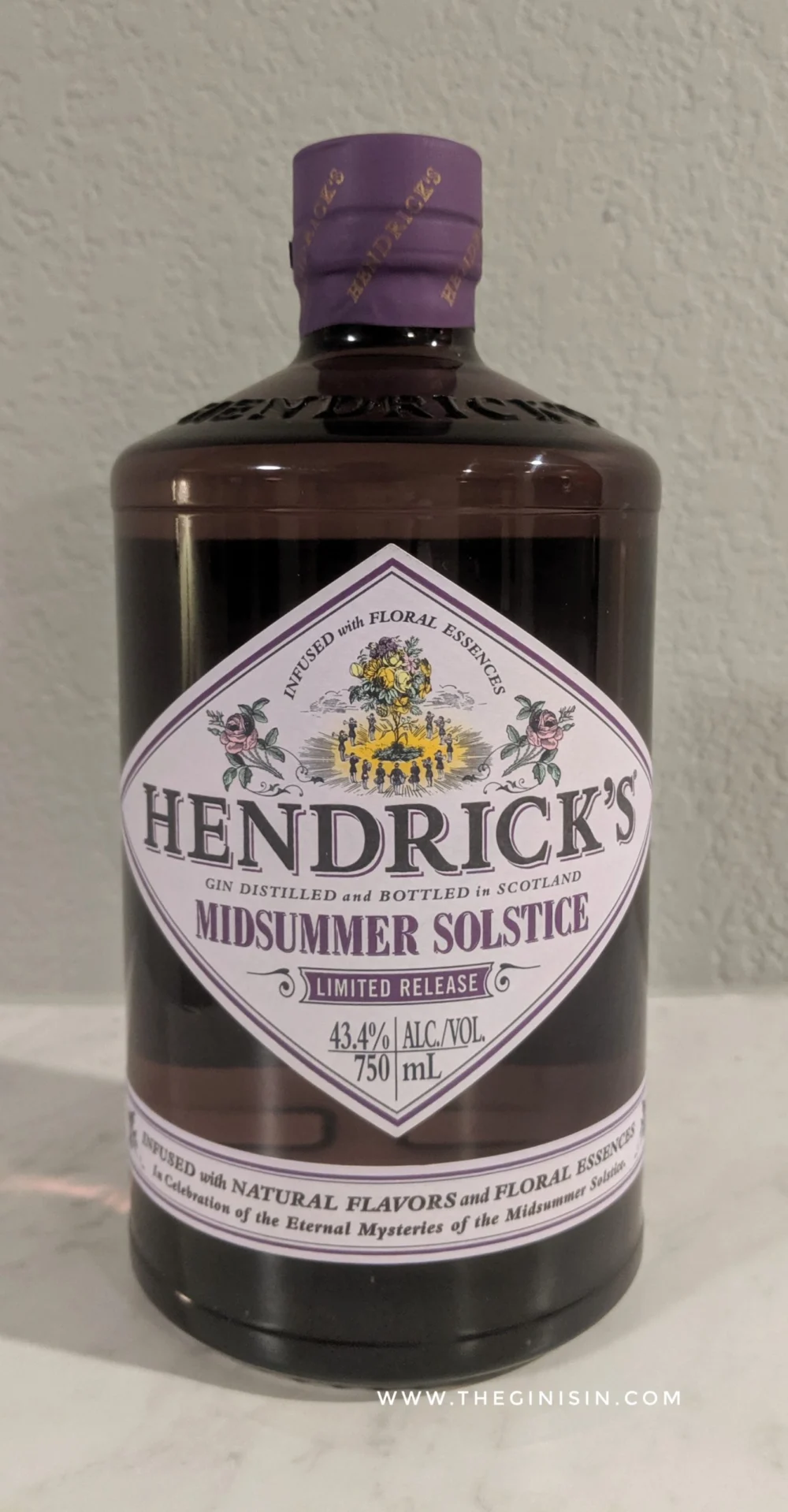
- 2019: Release of Midsummer Solstice, the first official Cabinet of Curiosities entry.
- 2020: Amazonia enters the market, primarily as a Travel Retail exclusive.
- 2021: Lunar Gin is released, inspired by "nocturnal" botanicals.
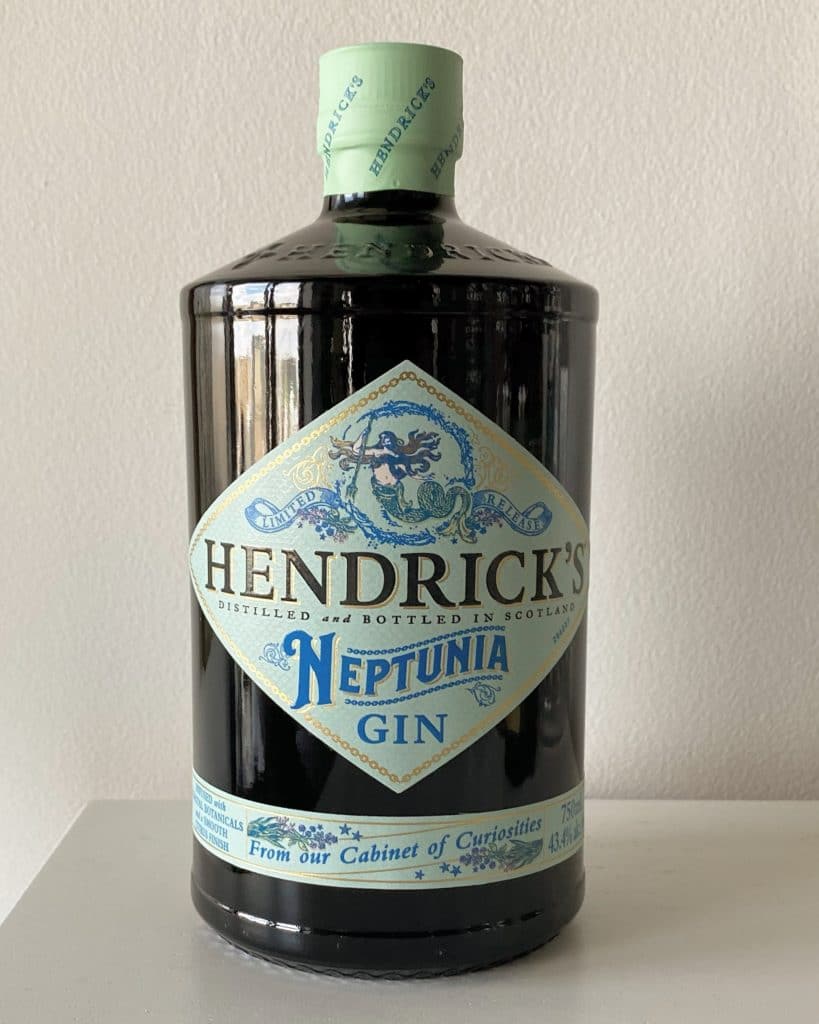
- 2022: Neptunia Gin debuts, focusing on coastal and saline elements.
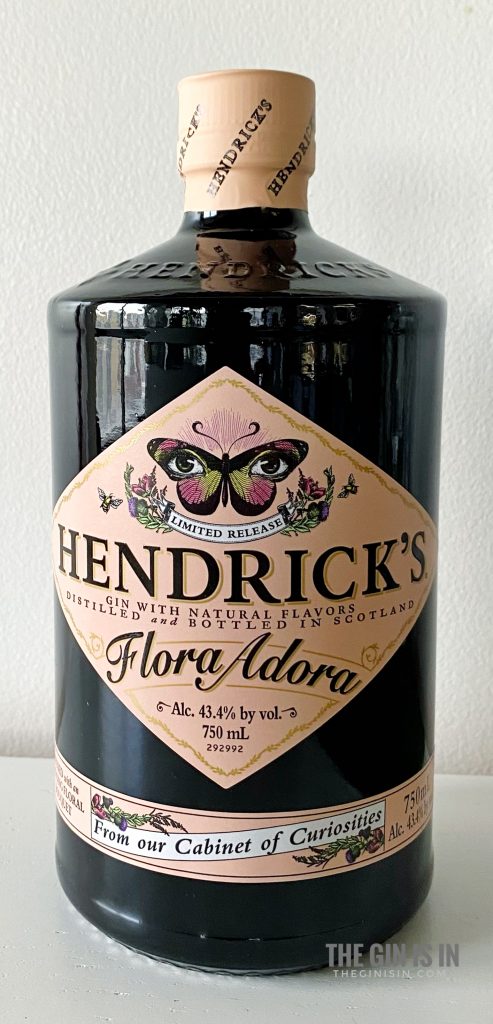
- 2023: Flora Adora is introduced, emphasizing garden flowers and "wildflower" bouquets.
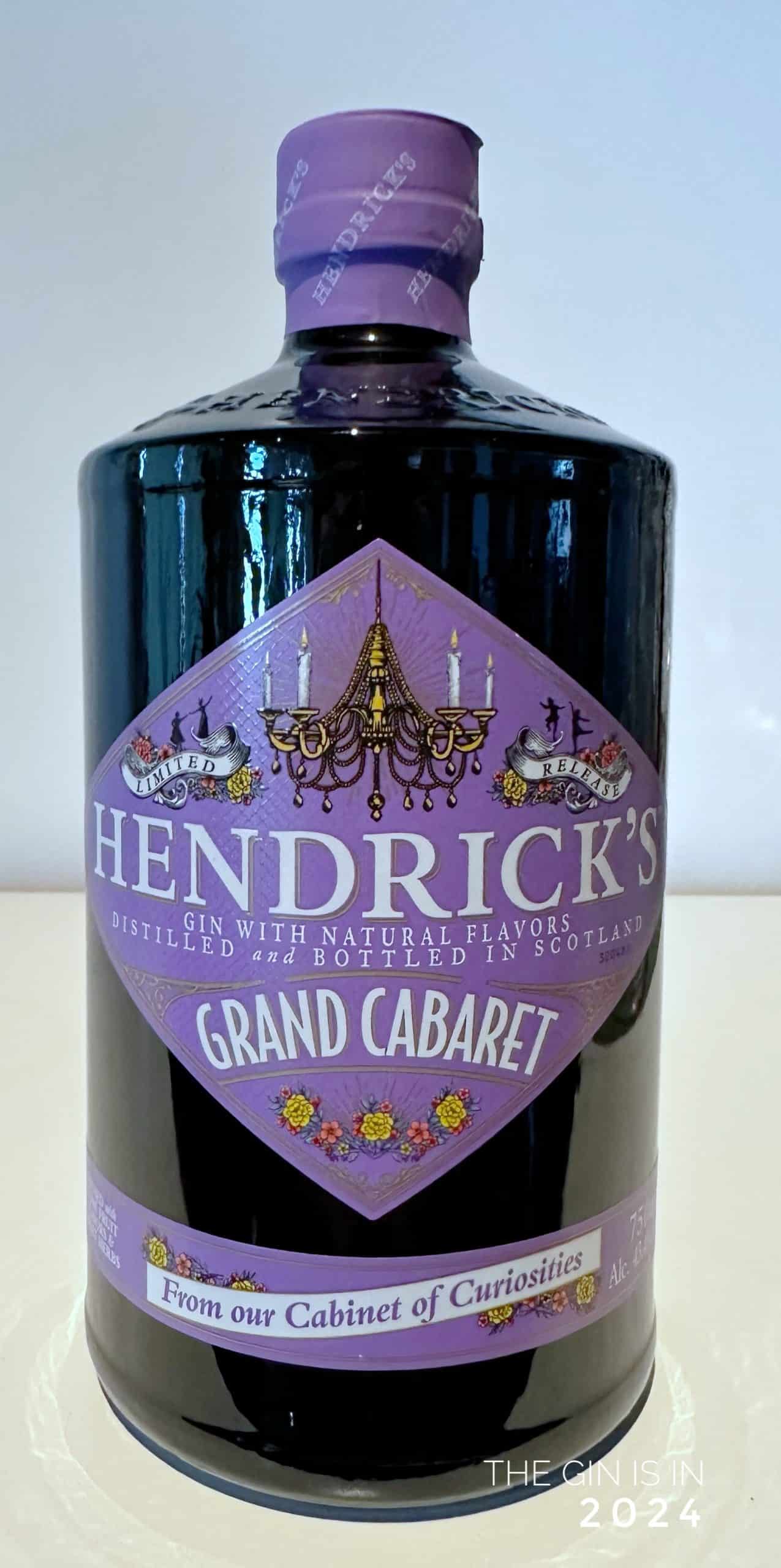
- 2024: Grand Cabaret is launched, drawing inspiration from 17th-century stone fruit distillates.
Detailed Ranking and Analysis of the Product Line
8. Hendrick’s Flora Adora (2023)
Ranking at the bottom of the current portfolio, Flora Adora represents an experiment in floral saturation that many critics find unbalanced. Inspired by the pollinators in Lesley Gracie’s garden, the gin utilizes a secret selection of "sweet" flowers. The result is a profile dominated by lavender, hibiscus, and rose, with secondary notes of honeysuckle and vanilla. While the aroma is evocative of a blooming garden, the palate often crosses into "soapy" territory. In a professional mixing context, the intensity of the floral essences frequently overwhelms other ingredients, making it difficult to use in a classic Martini or Negroni. It remains a niche product for collectors rather than a versatile staple.
7. Hendrick’s Neptunia (2022)
Neptunia was the brand’s attempt to capture the essence of the Ayrshire coast. It features coastal botanicals and a distinct saline finish. While it successfully taps into the trend of Mediterranean-style gins—similar to Gin Mare—it has been criticized for being "cacophonous." The combination of citrus, heavy herbal notes, and brine creates a profile that feels somewhat chaotic. While it performs well in a "Neptunia Fizz" with lime and soda, its savory character is polarizing and lacks the universal appeal of earlier releases.
6. Hendrick’s Amazonia (2020)
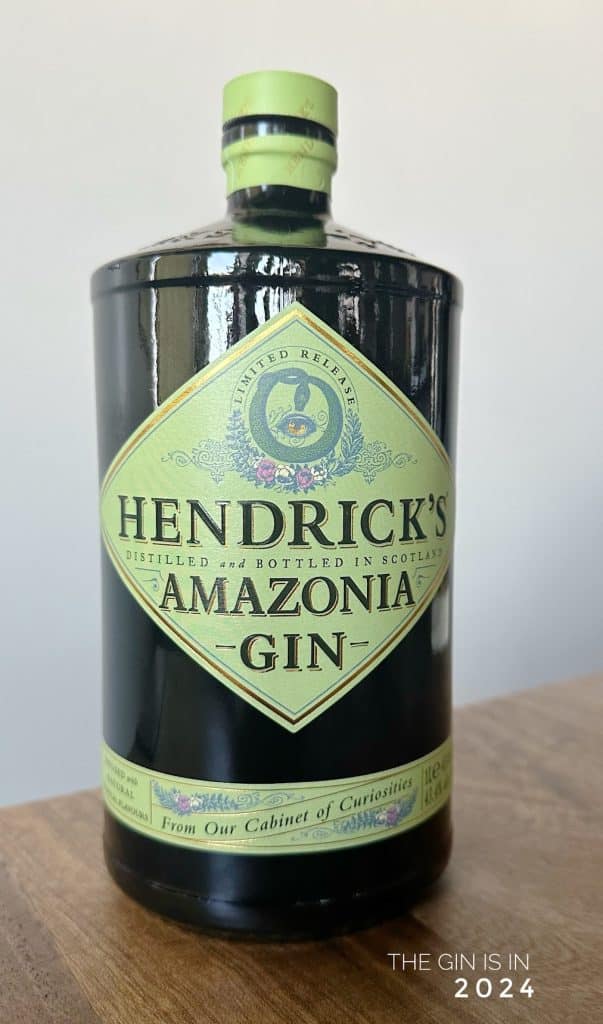
Initially released for the Global Travel Retail sector, Amazonia was inspired by Gracie’s trek to the Venezuelan rainforest. It utilizes tonka beans and pink peppercorns, but the primary takeaway is an aggressive tropical fruit note. While technically well-made, it strays significantly from the traditional gin category, often tasting more like a fruit-infused spirit. It is highly effective in Tiki-style cocktails and tropical long drinks but lacks the juniper backbone required for a high-ranking gin.
5. Hendrick’s Lunar (2021)
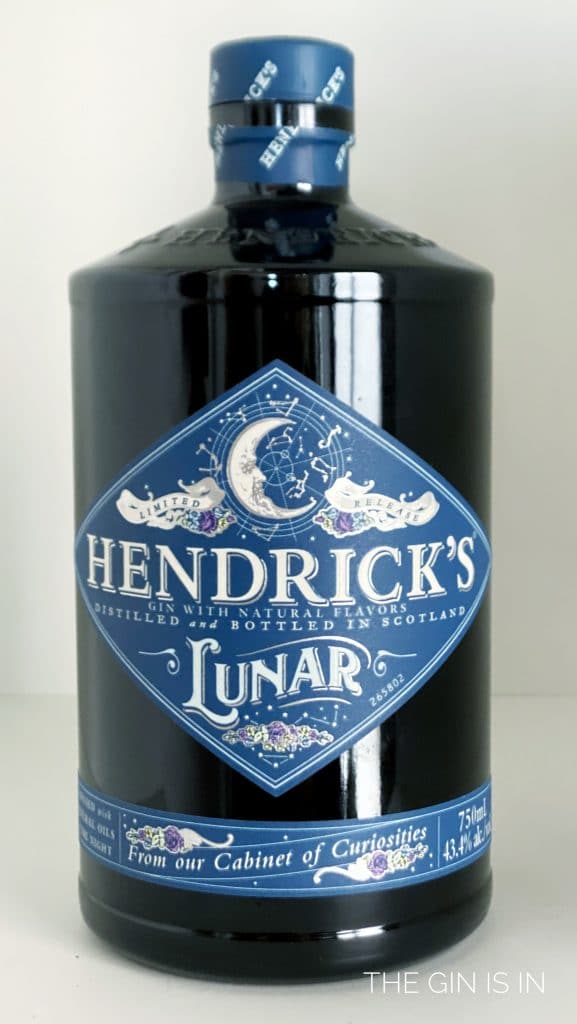
Lunar Gin was marketed as a "nocturnal" spirit, intended for sipping during the evening. It offers a more subdued floral profile than Flora Adora, balanced by a warm, peppery spice. With notes of jasmine and violet tempered by black pepper and coriander, Lunar is a highly competent mixer. It retains the core Hendrick’s DNA while adding a layer of warmth that makes it suitable for both a Gin and Tonic and more complex, spice-forward cocktails.
4. Hendrick’s Orbium (2017)
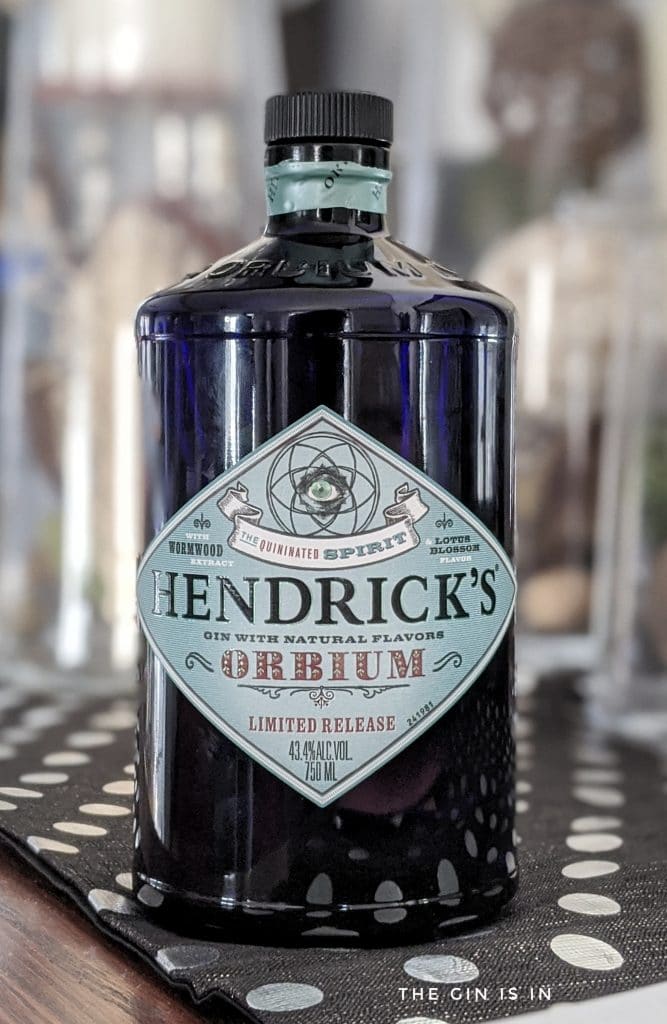
Orbium is perhaps the most "intellectual" release in the lineup. By adding quinine, wormwood, and lotus blossom, Gracie created a gin that essentially contains the flavor components of a Gin and Tonic or a Martini within the spirit itself. It is a bitter, complex, and deeply floral gin that appeals to seasoned palates. Its placement at number four reflects its status as a highly successful, albeit specialized, expression that shines in "spirit-forward" drinks.
3. Hendrick’s Grand Cabaret (2024)
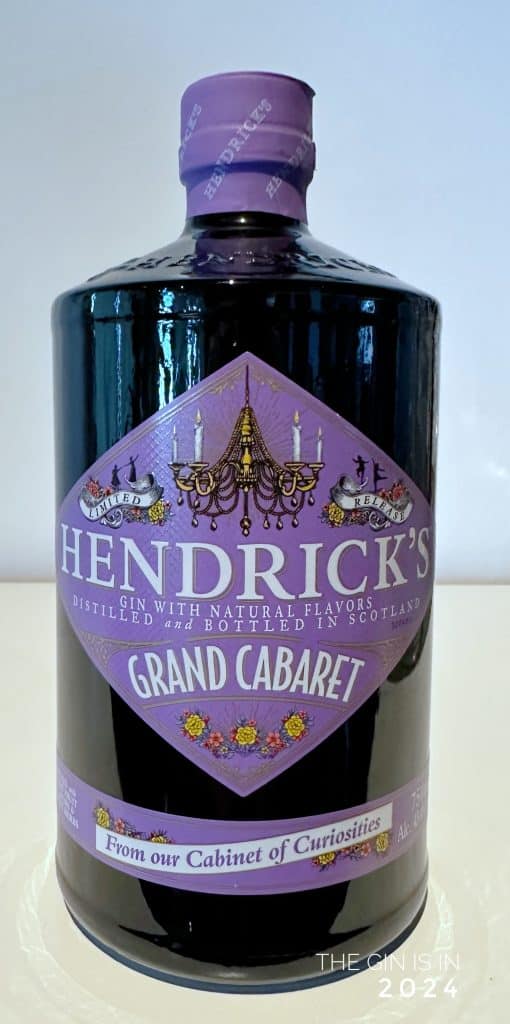
The most recent addition to the Cabinet, Grand Cabaret, is a fruit-forward gin that avoids the pitfalls of Amazonia. Inspired by historic French stone fruit recipes from the Alsace region, it features prominent notes of apricot and mirabelle plum. Despite the sweetness of the fruit, it maintains a respectable balance with juniper and elderflower. It has been praised for its accessibility and its performance in simpler builds, such as a Grand Cabaret Spritz.
2. Hendrick’s Midsummer Solstice (2019)
As the inaugural release of the Cabinet of Curiosities, Midsummer Solstice set a high bar that many subsequent releases have struggled to reach. It captures a "flirty," floral essence with raspberry and rose notes without losing the crispness of the base gin. It remains one of the most requested "retired" editions, as it bridged the gap between traditional gin drinkers and those seeking a more contemporary, aromatic experience.
1. Hendrick’s Flagship Gin (1999)
Despite 25 years of innovation and numerous limited editions, the original Hendrick’s Gin remains the pinnacle of the brand’s output. Its innovation—the use of Bulgarian Rosa Damascena and specially selected cucumbers—remains as relevant today as it was at the turn of the millennium. The flagship achieves a level of balance that the more experimental releases often sacrifice for the sake of novelty. It is a "workhorse" gin that defined a category, proving that the foundation of the brand is still its strongest asset.
Supporting Data: The Rise of Contemporary Gin
The success of the Hendrick’s portfolio is mirrored in broader market data. According to reports from the Distilled Spirits Council of the United States (DISCUS), the "Super Premium" gin category, which Hendrick’s occupies, has seen consistent growth over the last decade. Consumers have increasingly moved away from "London Dry" styles toward "Contemporary" or "New Western" gins, which de-emphasize juniper in favor of floral, citrus, and herbal notes. Hendrick’s Cabinet of Curiosities has capitalized on this trend, with limited editions driving brand "heat" and encouraging repeat purchases from collectors.
Industry Response and Broader Impact
Retailers and bartenders have noted that while the limited editions create excitement, they also create "stock complexity." A spokesperson for a major UK spirits retailer noted that "the rapid rotation of the Cabinet of Curiosities keeps the brand fresh, but it also means that consumers often fall in love with a profile—like Midsummer Solstice—only to have it disappear from shelves months later."
From a production standpoint, the Cabinet of Curiosities has allowed William Grant & Sons to test botanical boundaries that other large-scale producers have avoided. By using the "limited edition" label, they mitigate the risk of a permanent product failure while gathering valuable consumer data on flavor preferences (e.g., the current market’s affinity for stone fruit versus the relative rejection of heavy salinity).
Implications for the Future of the Brand
As Hendrick’s continues to release an annual edition from the Cabinet of Curiosities, the challenge will be maintaining the "juniper-adjacent" balance that made the original gin a success. The ranking indicates a clear preference for releases that enhance the core cucumber-and-rose profile rather than those that attempt to mask it with overpowering floral or tropical additives.
The broader impact of this strategy is evident across the industry, with competitors like Tanqueray and Bombay Sapphire launching their own seasonal and botanical-heavy variants (such as Tanqueray Flor de Sevilla). However, Hendrick’s maintains a dominant market share in the premium segment due to its established "apothecary" branding and the consistent quality of its base distillate. As the portfolio continues to evolve, the 2024 rankings suggest that while innovation is vital for growth, the original 1999 formula remains the benchmark for the brand’s identity and quality.
