

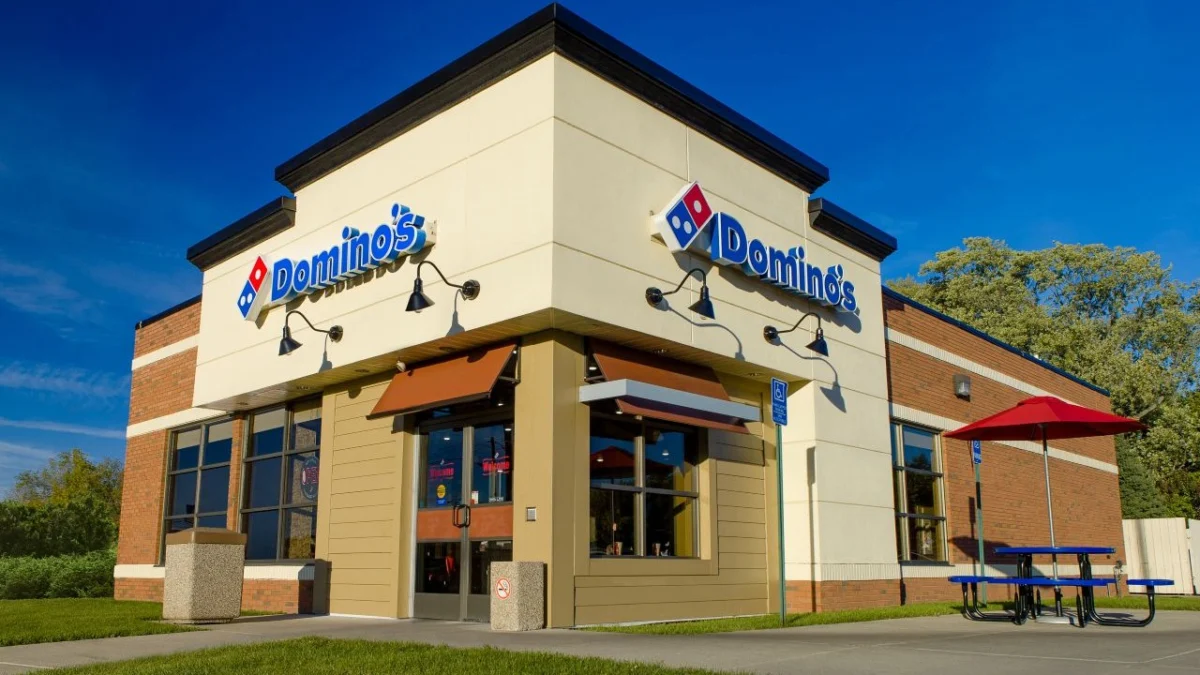
A two-unit Domino’s Pizza franchisee, Performance Pizza, has filed for Chapter 11 bankruptcy protection, signaling potential headwinds for some operators within the widely successful pizza chain. The filing, lodged on November 23rd in the Southern District of Florida United States Bankruptcy Court, marks the latest instance of a Domino’s franchisee seeking court-supervised restructuring. This development occurs against a backdrop of increasing financial pressures on restaurants nationwide, driven by inflation, labor costs, and shifting consumer spending habits.
Performance Pizza, operating a single location in Fort Pierce, Florida, reported having fewer than 50 creditors with liabilities estimated to be between $1 million and $10 million. The company’s reported assets are less than $50,000, indicating a significant financial shortfall. Key creditors identified in the filing include AFK and Amsterdam Group. The franchisee has been part of the Domino’s network since at least 2022 and employs an estimated workforce of 40 to 60 individuals.
In response to the filing, Domino’s Corporate issued a statement emphasizing that the franchisee’s situation is an isolated incident and not indicative of the brand’s overall health. "The franchisee who filed for Chapter 11 bankruptcy is a single-store owner and his decision to file is not reflective of the overall strength or performance of the Domino’s brand," a spokesperson for the company stated. "The store remains open for our customers to enjoy … Domino’s." This sentiment aims to reassure investors, other franchisees, and the public about the stability of the larger Domino’s network.
A Pattern of Franchisee Financial Strain
This recent bankruptcy filing by Performance Pizza is not an isolated event within the Domino’s franchise system. It follows a similar petition filed in March by North County Pizza Inc. in the Southern District of California. North County Pizza, which had previously operated multiple locations, reported significant debt, with over $3.3 million owed to its 20 largest unsecured creditors, while its assets were valued between $100,001 and $500,000. The company attributed its financial distress to accumulated merchant cash advance debt, which severely disrupted its cash flow and made it difficult to meet operational expenses such as employee wages, rent, utilities, and supplier payments. A hearing in the North County Pizza case was scheduled for December 3rd.
Further compounding the trend, a four-unit Domino’s franchisee in Orange County, California, People First Pizza, also filed for Chapter 11 bankruptcy protection in March 2025. Similar to North County Pizza, People First Pizza’s financial difficulties were linked to substantial debt accrued from merchant cash advance loans, a common, though often high-cost, source of immediate funding for small businesses.
Adding to the broader picture of franchisee challenges, Mile High Pizza Company, a former Domino’s franchisee based in Ohio, recently shuttered 13 of its locations. While Mile High Pizza Company has not filed for bankruptcy protection, its decision to close a significant portion of its operations, reducing its footprint from 25 locations at the end of 2025 to zero, underscores the operational pressures faced by some franchisees. The franchisor now refers to them as "former franchisees."
Domino’s Resilience Amidst Industry Declines
Despite these individual franchisee struggles, the Domino’s brand itself has demonstrated remarkable resilience and continued growth within the broader pizza market. According to data from industry analysis firm Technomic, Domino’s expanded its footprint by 2.5% in 2025, concluding the year with a total of 7,186 locations. This growth stands in stark contrast to its major competitors. Pizza Hut, for instance, saw its store count shrink by nearly 4% in the same period. Both Pizza Hut and Papa Johns have been closing hundreds of locations, grappling with negative sales trends and intense competition.
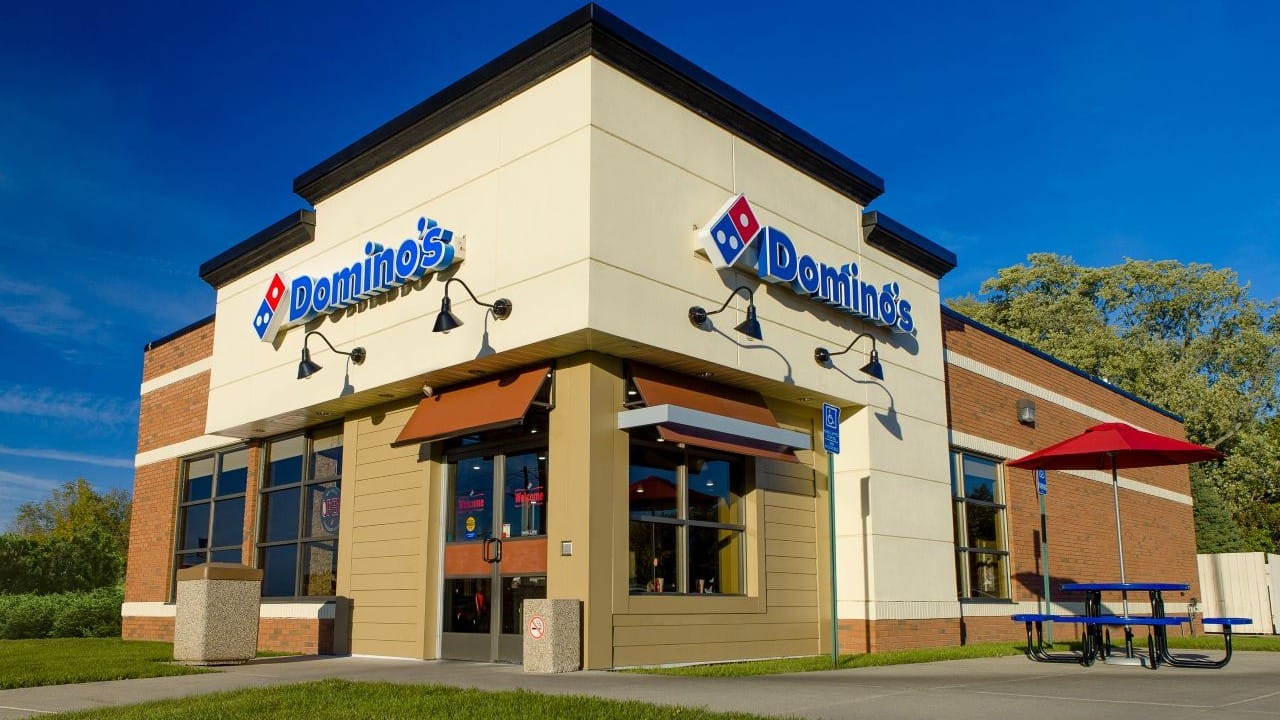
The overall pizza category experienced a slight decline of 0.3% year-over-year in 2025. However, Domino’s managed to buck this trend, reporting a robust 4.8% gain in sales. This performance highlights Domino’s ability to capture market share and maintain customer loyalty even as the broader restaurant landscape faces economic headwinds.
While the pace of growth has moderated in 2026, Domino’s has continued to post positive same-store sales figures. The company reported 0.9% growth in Q1, 0.1% in Q2, and 0.3% in Q3. Domino’s executives have acknowledged that the business environment has been challenging, with economic pressures impacting consumer spending.
The Wider Restaurant Bankruptcy Landscape
The financial difficulties faced by these Domino’s franchisees are symptomatic of a larger trend affecting the entire restaurant industry. Through November 5th of the current year, there have been 683 restaurant-related bankruptcy filings. This figure significantly exceeds the 560 filings recorded in all of 2025 and the 508 filings in 2024, according to data from BankruptcyData. This surge indicates a widespread economic strain on businesses within the food service sector.
Several factors are contributing to this elevated level of distress. Persistent inflation has driven up the cost of ingredients, labor, and operational expenses, squeezing profit margins for many establishments. Simultaneously, consumers, facing their own economic pressures, have become more budget-conscious, leading to reduced discretionary spending on dining out. The increasing reliance on third-party delivery platforms, while offering convenience, also comes with significant commission fees that further impact profitability for restaurants.
Analysis of Implications
The bankruptcy filings by Domino’s franchisees, while isolated, raise important questions about the sustainability of franchise models in challenging economic climates. Merchant cash advances, often used by businesses to bridge short-term cash flow gaps, can become a dangerous trap if not managed carefully. The high interest rates and fees associated with these advances can quickly escalate debt, making recovery difficult.
For Domino’s Corporate, these instances represent a reputational risk, even with their strong performance. Maintaining a consistent brand image of stability and success is crucial for attracting new franchisees and retaining customer trust. The company’s proactive communication strategy, highlighting the isolated nature of these filings and the overall strength of the brand, is a key tactic in mitigating potential negative perceptions.
The continued success of Domino’s, however, is a testament to its effective operational model, strong brand recognition, and ability to adapt to changing consumer preferences, particularly in the delivery and carryout segments. The company’s investment in technology and efficient supply chain management likely provides its franchisees with a competitive edge.
Looking ahead, the restaurant industry will likely continue to navigate a complex economic environment. Franchisees, regardless of brand, will need to prioritize financial discipline, explore innovative cost-saving measures, and adapt their business models to meet evolving consumer demands. For Domino’s, continued focus on operational excellence, franchisee support, and adapting to market shifts will be critical in maintaining its dominant position and ensuring the long-term viability of its extensive network of operators. The upcoming months will be crucial in observing whether the broader industry trends continue to exert pressure on individual franchise units or if signs of recovery emerge.
