

The landscape of holiday retail has undergone a significant transformation, moving away from mass-produced seasonal novelties toward a highly curated ecosystem of specialized products that emphasize physical accessibility, heritage quality, and sustainable artisan production. This shift is particularly evident in the 2024 consumer market, where the convergence of "biohacking" wellness technology, adaptive apparel, and niche artistic ventures has redefined the traditional gift guide. Industry analysts suggest that modern consumers are increasingly prioritizing products that solve specific lifestyle challenges—ranging from chronic pain management to dietary restrictions—while supporting small-scale creators who offer transparency in their supply chains.

The Rise of Adaptive Fashion and the Accessibility Economy
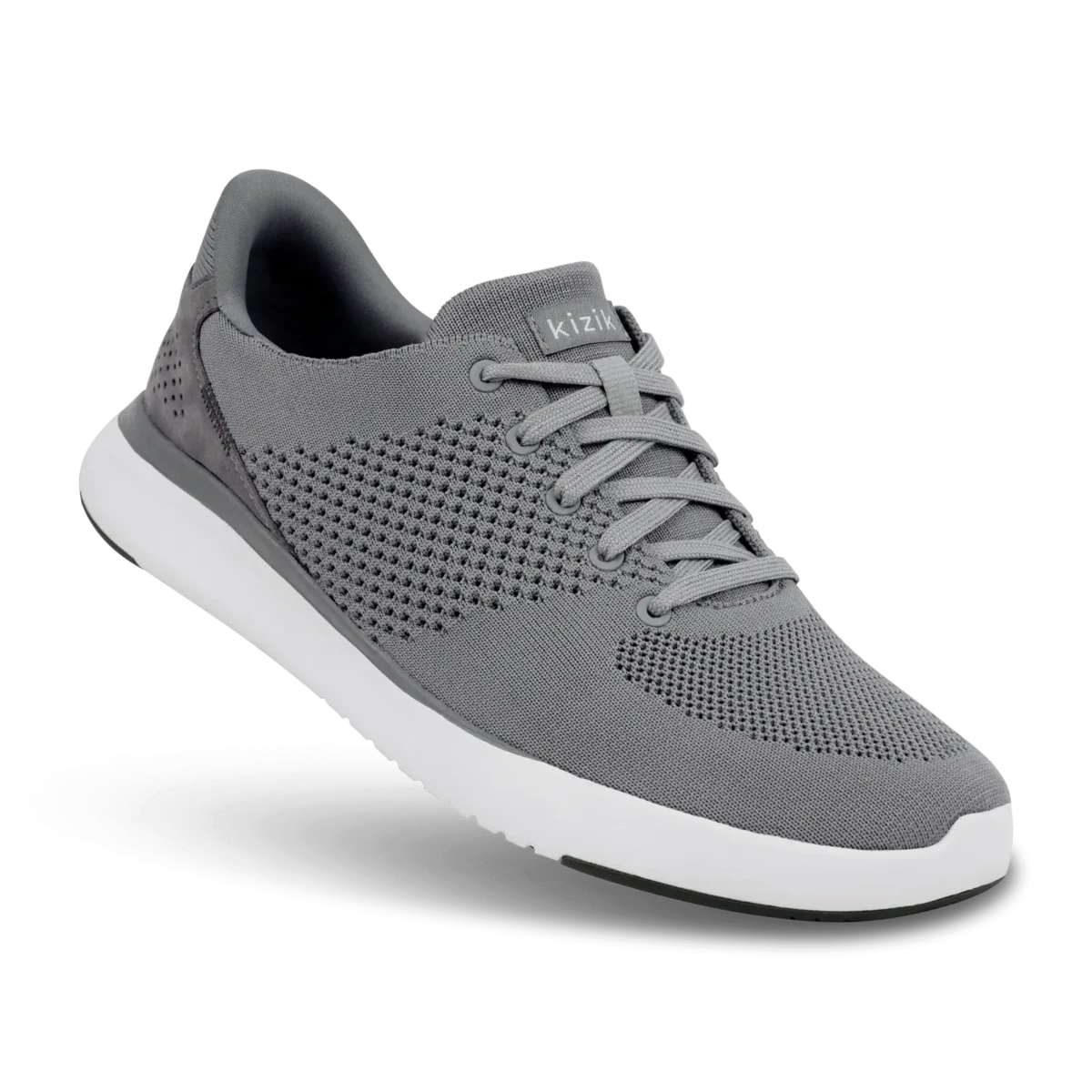
One of the most significant developments in the 2024 retail cycle is the mainstreaming of adaptive footwear. Leading the sector is Kizik, a company utilizing patented hands-free technology that allows users to step into shoes without crouching or using their hands. Originally designed for convenience, these products have become essential for a diverse demographic, including individuals with spinal conditions, such as cerebrospinal fluid (CSF) leaks, as well as pregnant women, seniors, and those with limited mobility.

The global adaptive clothing market is projected to reach approximately $400 billion by 2026, driven by an aging population and a broader cultural shift toward inclusive design. Market data indicates that "ease of entry" has become a primary search term in the footwear industry. While models like the "Lima" have gained traction for their ergonomic heel-to-toe drop, the expansion of the brand into winter boots and Chelsea boots signals a move toward making accessibility a year-round standard rather than a niche seasonal offering.

Heritage Brands and the Resurgence of Analog Tools
In an era dominated by digital interfaces, there has been a documented resurgence in high-end analog writing implements. The Blackwing 602 pencil, often referred to as the "Rolls Royce" of stationery, exemplifies the "heritage brand" trend. Originally manufactured by the Eberhard Faber Pencil Company from the 1930s until 1998, the brand reached cult status among writers like John Steinbeck and animators such as Chuck Jones.
After a decade-long hiatus where individual vintage pencils sold for as much as $40, the brand was revived in 2010 by the California Cedar Products Company. The success of the Blackwing 602 in the current market reflects a broader consumer desire for "tactile satisfaction." Industry reports from the stationery sector show a 15% year-over-year increase in the sale of premium graphite products and high-quality notebooks, such as those produced by Joytop, which prioritize specific paper textures and binding durability over low-cost mass production.

Specialized Health Tech and Ergonometric Culinary Design
The 2024 gift market also highlights a growing intersection between health-conscious travel and ergonomic kitchen tools. For the estimated 1% of the global population living with celiac disease, international travel has historically presented significant logistical barriers. The development of professional-grade gluten-free translation cards—available in over 15 languages including Bahasa Indonesia and Croatian—represents a shift toward "medical-grade" accuracy in travel aids. Unlike generic translation apps, these tools are vetted by linguistic experts familiar with cross-contact protocols, reflecting a demand for specialized safety tools in the tourism sector.

Similarly, the culinary tool market is adapting to the needs of users with physical limitations. Traditional high-end cutlery, such as heavy forged steel knives, is being challenged by lightweight alternatives from manufacturers like Nakano. Their "Classic Chef Knife," weighing only 185 grams, caters to users who require surgical precision without the strain of heavy lifting. This trend toward "ultralight" kitchenware mirrors developments in the outdoor gear industry, where weight reduction is a primary metric for quality and usability.

The Niche Economy: Satire, Whimsy, and Independent Art
The demand for "whimsical" and "satirical" art has emerged as a powerful counter-trend to the polished aesthetics of traditional retail. Brands such as Effin Birds and Birdstrips have capitalized on a specific market segment that blends ornithology with dark humor and social commentary. Analysts suggest that the popularity of products featuring "outraged birds" and "existential distress" reflects a collective psychological response to global instability, providing consumers with a sense of relatability and catharsis.

In the realm of tabletop gaming, the success of "Trip Chaser," a card game designed by travel experts Dalene and Pete Heck, underscores the growth of the "enthusiast game" market. By focusing on the mechanics of bartering and travel-savvy decision-making, the game appeals to a demographic that values experiential knowledge over traditional board game tropes. The rapid sell-out of such niche products in the North American market indicates a robust appetite for creator-led, community-focused entertainment.

Wellness Technology and Portable Recovery Devices
The "biohacking" and wellness device sector has seen a surge in portable red-light therapy (RLT) technology. Devices like the FlexBeam, engineered in Norway and manufactured in Thailand, represent a shift from stationary, expensive clinical panels to targeted, user-operated recovery tools. RLT utilizes specific wavelengths of red and near-infrared light to stimulate cellular function and reduce inflammation.

Market research suggests that the home-use medical device market is expanding at a compound annual growth rate (CAGR) of 8.4%. Consumers are increasingly seeking devices that offer adjustable settings—such as specific nanometer (nm) wavelengths—to accommodate sensitive conditions like mast cell activation syndrome (MCAS) or chronic nerve pain. The integration of RLT into daily recovery routines highlights a move toward proactive, technology-assisted health management.

Sustainability and Ethical Luxury in the Jewelry Sector
The 2024 gift cycle has placed a premium on "radical transparency" in luxury goods. Kamoka Pearls, based in the Ahe Atoll of Tahiti, serves as a case study for sustainable luxury. By utilizing wind and solar power and employing farming methods that actively increase local fish populations, the company has positioned itself at the forefront of the eco-friendly jewelry movement.

Their "Mana Bracelet," constructed with kangaroo leather—cited as the world’s strongest leather by weight—targets the "active luxury" consumer. This demographic seeks high-value items that are durable enough for outdoor activities like surfing while maintaining an ethical footprint. Similarly, companies like Little Rooms and the Ottawa-based Sadie and June emphasize the human element of production. Sadie and June’s hand-embroidered heart maps, which connect geographically disparate locations through vintage cartography, tap into the "nostalgia economy," where personal history and artisan skill are valued above brand name recognition.

Broader Economic Impact and Future Outlook
The diversification of the holiday gift market into these specialized categories has significant implications for the global supply chain. The success of independent creators—from the "plant-saving" brass straws of Sweden’s Elin Fyhr to the whimsical knitted cacti of Kelsea Knits—demonstrates that consumers are willing to navigate fragmented marketplaces to find products that align with their specific values and physical needs.

As we look toward 2025, the retail industry is expected to further lean into the "accessibility-first" design philosophy. The convergence of ergonomics, sustainability, and specialized technology is no longer a luxury but a baseline expectation for the modern, informed consumer. This shift represents a democratization of quality, where the best products are defined not by their price tag, but by their ability to improve the quality of life for the individual user while respecting the environment and the creator.
