

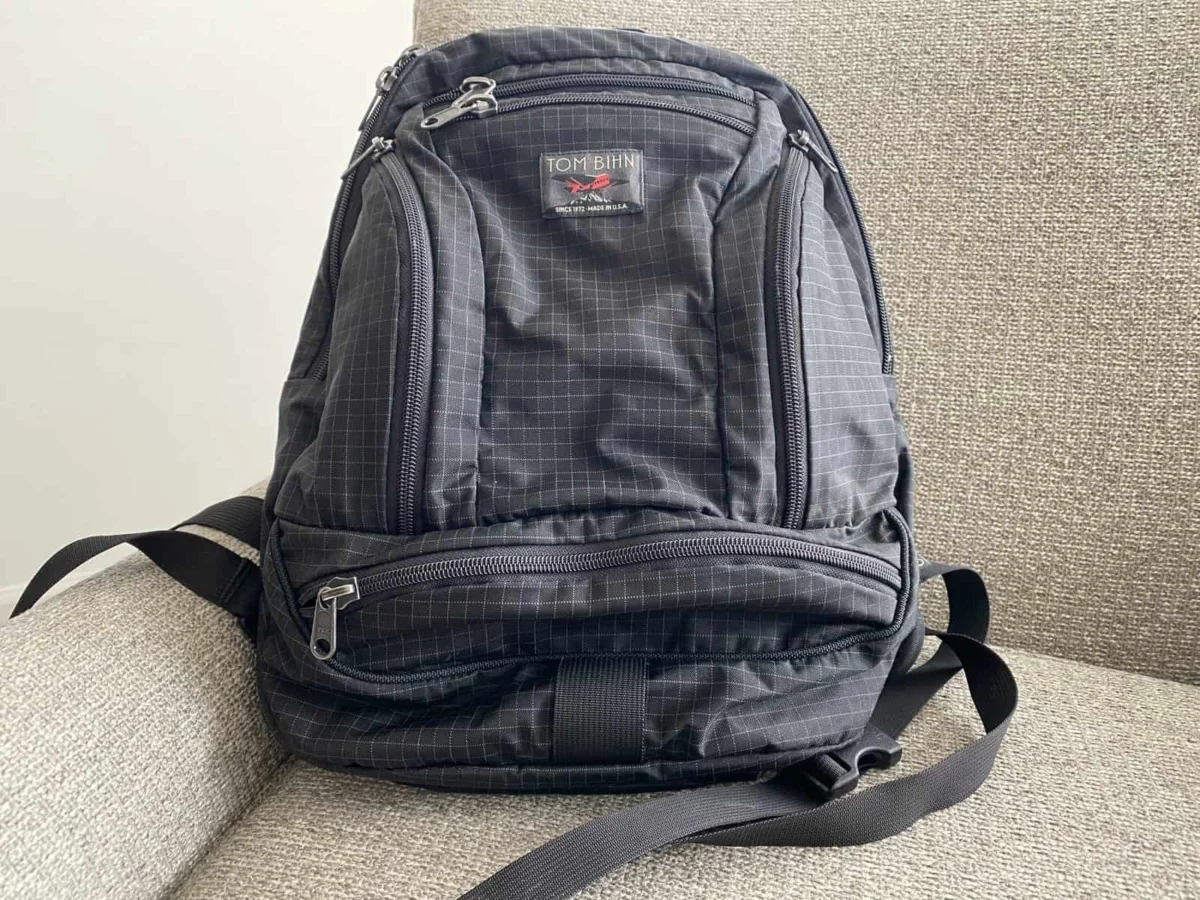
In a rare convergence of long-term property recovery and digital networking, a Brooklyn resident has been reunited with personal belongings stolen during a high-stakes burglary more than three years ago. The items, which include prescription eyewear and identification cards, were discovered by a maintenance worker on a rooftop in the Park Slope neighborhood, leading to a chain of events that highlights both the persistence of physical evidence and the complexities of social media communication in missing property cases.
The recovery marks the conclusion of a narrative that began in August 2017, a period during which the victim, a former attorney and prominent travel writer, was undergoing a significant medical procedure. The confluence of a traumatic medical event and a residential burglary created a unique set of circumstances that made the eventual recovery of the property both statistically improbable and emotionally significant.
Chronology of the 2017 Burglary and Initial Loss
The incident originated in late summer 2017 while the victim was house-sitting at an apartment in Park Slope, Brooklyn. According to security footage obtained from the residence at the time, an unidentified individual gained unauthorized entry into the apartment. The timestamp on the internal surveillance system indicated that the burglary occurred simultaneously with a medical procedure the victim was undergoing at a nearby hospital—a lumbar puncture (spinal tap) that subsequently resulted in long-term disability due to complications.
During the 2017 theft, the perpetrator utilized a high-end Tom Bihn Synapse daybag belonging to the victim to transport various stolen goods. The items removed from the premises included a laptop computer, assorted jewelry, and cash. In a peculiar detail noted by investigators and the victim, the thief left behind a Canadian passport and a small denomination of Canadian currency on a sofa before fleeing the scene.
For over three years, the location of the remaining stolen items and the backpack itself remained unknown. Property crimes of this nature in high-density urban environments like New York City rarely result in the recovery of soft goods or personal accessories, as these items are often discarded quickly to avoid forensic detection or sold in informal secondary markets.

The 2021 Discovery: A Rooftop Investigation
The breakthrough in the case occurred in December 2020, though the victim did not become aware of the discovery until January 2021. A homeowner in Park Slope, residing only a few doors down from the site of the original 2017 burglary, contracted a professional chimney sweep to perform routine maintenance and cleaning.
During the inspection of the roof, the technician discovered a weather-beaten backpack tucked into the side of a chimney vent. Despite being exposed to the elements of New York City—including three cycles of extreme summer heat, freezing winters, and heavy precipitation—the bag’s structural integrity remained largely intact.
Upon inspecting the contents, the homeowner found expired credit cards and business cards that identified the owner. Utilizing the information found within the bag, the homeowner attempted to contact the victim via Facebook. However, due to the platform’s privacy settings, the message was filtered into a "requests" folder, where it remained unseen for several weeks. It was only upon a manual check of the filtered inbox in early 2021 that the victim discovered the message, which inquired if she had lost a backpack in the area several years prior.
Inventory of Recovered Items and Condition Assessment
While the high-value electronics and jewelry were absent, the recovered backpack contained several personal items that provided a snapshot of the victim’s life at the time of the theft. The inventory of recovered property included:
- Prescription Eyewear: Two pairs of prescription glasses were found inside. Though the frames had suffered warping due to years of fluctuating temperatures and exposure to the sun on the rooftop, they were deemed potentially restorable by an optometrist.
- Identification and Financial Instruments: Several credit cards, all of which had expired in the intervening years, remained in the pockets.
- Miscellaneous Personal Effects: The bag contained a blue die (not belonging to the original owner), hand lotion, over-the-counter pain medication (Tylenol), and business cards from professional travel networking events.
The resilience of the Tom Bihn Synapse bag, a product known in the travel industry for using high-grade ballistic nylon, was a significant factor in the preservation of the internal contents. While the exterior showed signs of environmental wear, the internal compartments successfully shielded the paper-based business cards and plastic credit cards from total decomposition.
Statistical Context: Property Crime and Recovery Rates in New York City
The recovery of this property is a statistical anomaly. According to data from the New York Police Department (NYPD) and the Federal Bureau of Investigation (FBI) Uniform Crime Reporting (UCR) program, the clearance rate for burglaries in major metropolitan areas typically hovers between 10% and 15%. Even when a "clearance" occurs (meaning an arrest is made), the actual recovery of stolen property—particularly non-serialized items like backpacks or clothing—is significantly lower.

In the 78th Precinct, which covers the Park Slope area, burglary rates have seen various fluctuations since 2017. However, the recovery of discarded property years after a crime is rarely documented in official statistics, as such items are often found by private citizens rather than law enforcement. The fact that the perpetrator discarded the bag on a nearby roof suggests a "dumping" strategy common in residential burglaries, where thieves consolidate high-value items into their own transport and discard the original containers to minimize their profile.
Psychological Implications and Victim Impact
The return of stolen property after a prolonged period often triggers complex psychological responses. For the victim in this case, the arrival of the backpack served as a visceral reminder of a day that marked the beginning of a permanent health crisis. Experts in victimology suggest that the "resurfacing" of items associated with a traumatic event can cause a phenomenon known as "traumatic resurgence," where the victim is forced to re-process the original incident.
However, the narrative also highlights the role of social support in mitigating the impact of crime. Following the discovery, a close associate of the victim—a former legal colleague—facilitated the physical retrieval of the bag. To transform the negative associations of the object, the friend sanitized the item and filled it with new, positive gifts before shipping it to the victim. This act of "reclaiming" the object is cited by some psychologists as a constructive method for victims to regain a sense of agency over their past experiences.
Analysis of Implications for Property Owners and Manufacturers
This incident provides several insights for both the public and the manufacturing sector:
- The "Digital Purgatory" Factor: The delay in the recovery emphasizes the limitations of social media as a tool for returning lost property. Filtered message folders can prevent timely communication between well-meaning finders and victims.
- Product Durability: The survival of the backpack after 40 months of rooftop exposure serves as a testament to the materials used in high-end outdoor and travel gear. This case study provides anecdotal but compelling evidence regarding the longevity of 1000D or 525D ballistic nylon in extreme conditions.
- The Closure Loop: For the victim, the decision to eventually gift the "miracle bag" to another individual represents a shift from viewing the item as a vessel of trauma to viewing it as a functional object with a unique history.
Conclusion
The case of the Park Slope rooftop discovery stands as a remarkable example of the "outlier of possibilities." While the legal system and law enforcement agencies are often unable to provide the return of stolen goods in residential burglaries, the combination of a diligent homeowner, a resilient piece of equipment, and the persistent footprint of digital identity allowed for a resolution three years in the making.
While the most valuable items—the laptop and jewelry—remain unrecovered, the return of the prescription glasses and the bag itself offers a rare form of closure. For the Brooklyn community, it serves as a reminder that the remnants of past crimes may still reside in the "liminal spaces" of the city, from chimney vents to forgotten rooftops, waiting for a chance discovery to bring them home.
